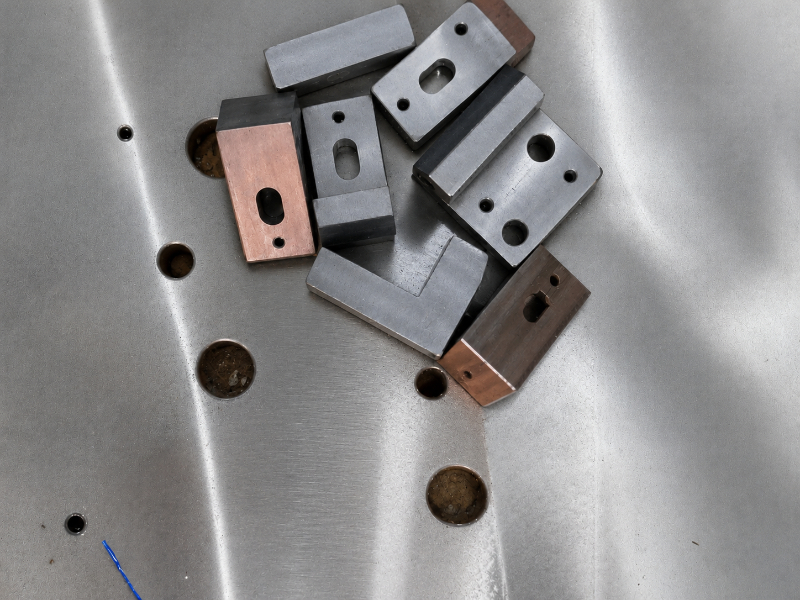
𝗪𝗵𝗮𝘁 𝗮𝗿𝗲 𝗔𝘀𝘀𝗲𝗺𝗯𝗹𝘆 𝗙𝗶𝘅𝘁𝘂𝗿𝗲𝘀?
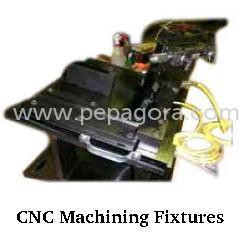
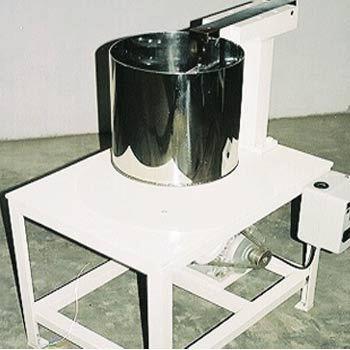
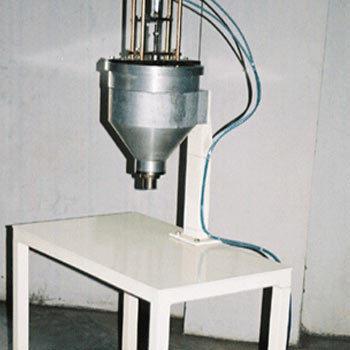
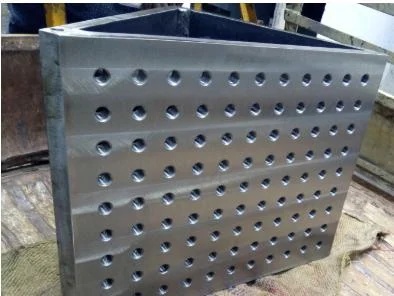
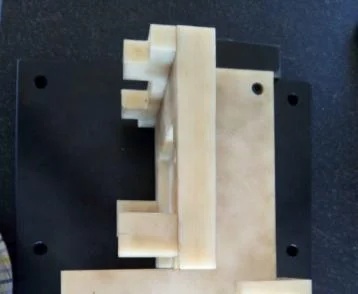
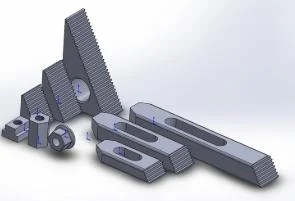
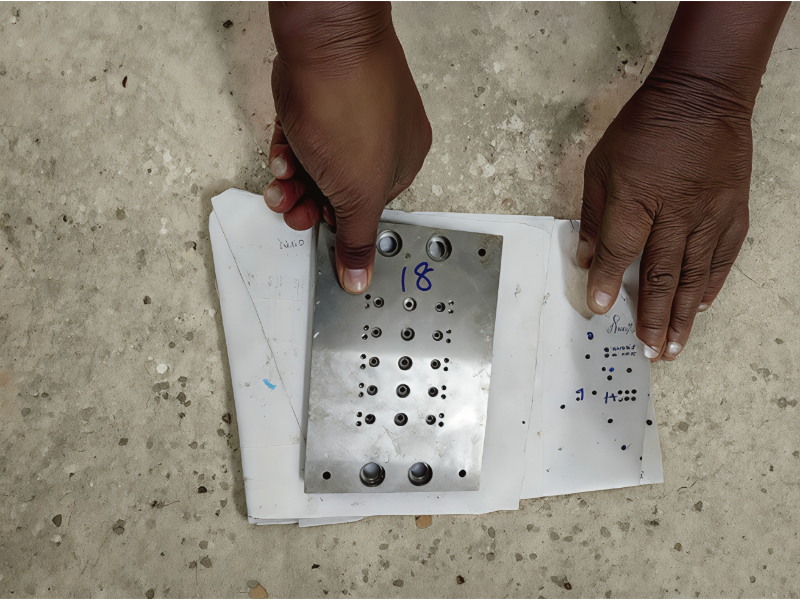
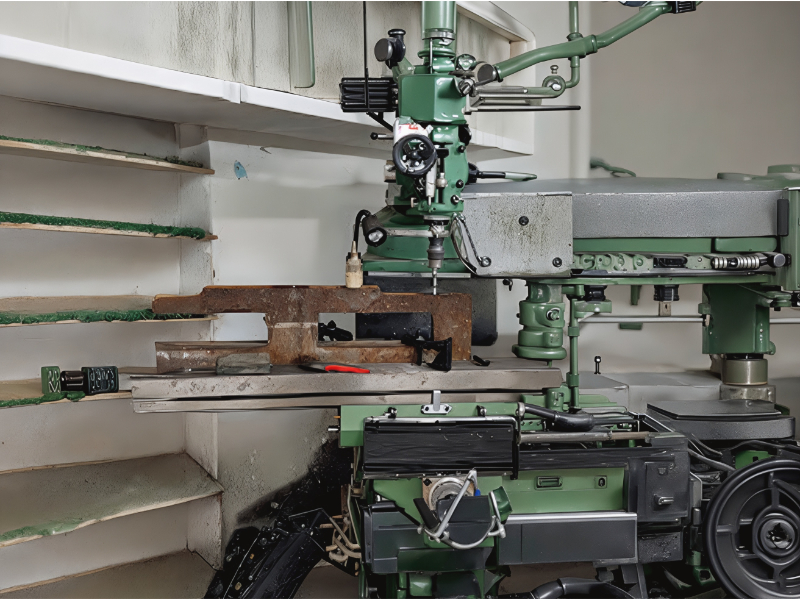
Assembly fixtures are specialized tools designed to hold, support, and position components during the assembly process. These fixtures enhance accuracy and efficiency by ensuring that each part is securely placed in the correct orientation, which is essential for quality control in manufacturing. By minimizing human error and increasing repeatability, assembly fixtures play a critical role in various production environments.
In business applications, assembly fixtures are widely used in industries such as automotive, aerospace, electronics, and consumer goods. They are essential for assembly lines where precision is required, allowing workers to assemble parts quickly and correctly. With the growing focus on automation and lean manufacturing, assembly fixtures have become increasingly relevant as companies seek to improve operational efficiency and reduce waste.
The market for assembly fixtures is expanding due to the ongoing advancements in manufacturing technologies and the increasing complexity of products. As industries evolve, the demand for more sophisticated and customized assembly fixtures has risen, driving innovation and competition among suppliers.
𝗞𝗲𝘆 𝗙𝗲𝗮𝘁𝘂𝗿𝗲𝘀 𝗮𝗻𝗱 𝗦𝗽𝗲𝗰𝗶𝗳𝗶𝗰𝗮𝘁𝗶𝗼𝗻𝘀
Assembly fixtures come with a variety of features that enhance their functionality and effectiveness in a manufacturing setting. Understanding these features can help businesses select the right fixture for their needs.
Key specifications include:
1. Material Composition
- Typically constructed from durable materials such as aluminum, steel, or plastic
- Offers strength and resistance to wear and tear
2. Customization Options
- Ability to design fixtures tailored to specific assembly processes
- Adaptability to different shapes and sizes of components
3. Weight Capacity
- Fixtures can accommodate various weights depending on design
- Ensures stability during the assembly process
4. Precision Tolerance
- Fixtures are designed to maintain tight tolerances for alignment
- Essential for high-quality assembly of intricate components
5. Ease of Use
- User-friendly design to facilitate quick setup and adjustments
- Reduces training time for operators
6. Automation Compatibility
- Can be integrated with robotic systems for automated assembly lines
- Enhances efficiency and reduces labor costs
7. Surface Finish
- Options for different surface treatments to reduce friction and wear
- Contributes to the longevity of the fixtures
8. Dimensions and Size Range
- Available in various sizes to fit different assembly applications
- Custom sizes can be produced based on client specifications
In summary, the features and specifications of assembly fixtures not only improve assembly precision but also enhance productivity and operational efficiency across various industries.
𝗖𝗼𝗺𝗺𝗼𝗻 𝗔𝗽𝗽𝗹𝗶𝗰𝗮𝘁𝗶𝗼𝗻𝘀 𝗮𝗻𝗱 𝗨𝘀𝗲 𝗖𝗮𝘀𝗲𝘀
Assembly fixtures find applications in numerous industries, each with unique requirements.
1. Automotive: Assembly fixtures are crucial for securing parts such as engines, transmissions, and body panels during assembly, ensuring alignment and quality.
2. Aerospace: In aerospace manufacturing, fixtures are used to hold complex components like fuselage sections and wings, which require high precision and safety standards.
3. Electronics: For electronic devices, assembly fixtures help position circuit boards and components during soldering and assembly, minimizing the risk of damage.
4. Medical Devices: Fixtures are essential for assembling medical equipment, ensuring that components are accurately aligned for functionality and safety.
5. Consumer Goods: In the production of consumer products, assembly fixtures streamline the assembly process, allowing for quicker turnaround times and higher quality.
6. Industrial Equipment: Fixtures are used to assemble heavy machinery components, providing stability and precision during the manufacturing process.
7. Furniture: In furniture manufacturing, assembly fixtures help align parts for easy assembly, improving overall efficiency.
𝗣𝗿𝗼𝗱𝘂𝗰𝘁 𝗩𝗮𝗿𝗶𝗮𝗻𝘁𝘀 𝗮𝗻𝗱 𝗦𝘂𝗯𝗰𝗮𝘁𝗲𝗴𝗼𝗿𝗶𝗲𝘀
Assembly fixtures come in various forms, each designed to meet specific manufacturing needs.
Fixed Assembly Fixtures
These fixtures are designed for specific components and remain in a fixed position during the assembly process. They provide high precision and stability for repetitive tasks.
Adjustable Assembly Fixtures
These fixtures allow for modifications in size and configuration, making them versatile for different parts. They are ideal for companies that need to assemble various components on the same line.
Portable Assembly Fixtures
These are lightweight and designed for easy transport. They are used in applications where assembly needs to occur in different locations or on-site.
Custom Assembly Fixtures
Tailored to meet particular requirements, these fixtures are designed based on the client's specifications. They address unique challenges and ensure optimal performance in specialized applications.
𝗕𝗲𝗻𝗲𝗳𝗶𝘁𝘀 𝗮𝗻𝗱 𝗔𝗱𝘃𝗮𝗻𝘁𝗮𝗴𝗲𝘀
The use of assembly fixtures offers numerous benefits to businesses engaged in manufacturing.
1. Improved Accuracy: Assembly fixtures provide consistent positioning and alignment, resulting in higher assembly precision.
2. Increased Efficiency: By streamlining the assembly process, fixtures reduce the time taken to assemble components, boosting overall productivity.
3. Reduced Labor Costs: Automation compatibility allows for fewer manual interventions, leading to lower labor expenses.
4. Enhanced Quality Control: With reduced errors in assembly, the overall quality of the final product improves, minimizing defects.
5. Customization Flexibility: The ability to create custom fixtures allows businesses to address specific needs and adapt to changing product designs.
6. Safety Improvements: Assembly fixtures enhance worker safety by securing components, reducing the risk of accidents during the assembly process.
𝗕𝘂𝘆𝗶𝗻𝗴 𝗚𝘂𝗶𝗱𝗲 𝗳𝗼𝗿 𝗕𝟮𝗕 𝗕𝘂𝘆𝗲𝗿𝘀
When sourcing assembly fixtures, businesses should consider several critical factors to ensure they select the most suitable products.
1. Quality Assessment: Buyers should evaluate the quality of materials and construction methods used in the fixtures. Look for reviews and case studies that demonstrate reliability and performance.
2. Supplier Verification: It is essential to vet suppliers for their track record and reputation in the industry. Consider their certifications and customer feedback to ensure they meet quality standards.
3. Pricing and MOQ: Understand the pricing structure and minimum order quantities required by suppliers. This can impact budget planning and inventory management.
4. Delivery and Lead Times: Assess the supplier's logistics capabilities. Timely delivery is crucial for maintaining production schedules, so consider lead times when placing orders.
5. Compliance Requirements: Ensure that the fixtures meet relevant industry standards and regulatory requirements. This may include certifications such as CE and adherence to safety regulations.
𝗖𝗼𝗺𝗽𝗹𝗶𝗮𝗻𝗰𝗲 𝗮𝗻𝗱 𝗖𝗲𝗿𝘁𝗶𝗳𝗶𝗰𝗮𝘁𝗶𝗼𝗻𝘀
Assembly fixtures must meet various compliance standards to ensure quality and safety in production environments.
ISO 9001 is a widely recognized quality management standard that emphasizes meeting customer requirements and enhancing satisfaction. Suppliers of assembly fixtures should ideally be certified to this standard, demonstrating their commitment to quality processes.
CE certification indicates that a product meets the essential health, safety, and environmental protection requirements set by the European Union. This certification is crucial for businesses that operate in or export to European markets.
Safety and testing requirements are vital in the manufacturing sector. Assembly fixtures should undergo rigorous testing to confirm their durability and reliability under operational conditions.
Regional compliance considerations may vary depending on the geographic location of production. Buyers should be aware of any local regulations that apply to assembly fixtures to ensure compliance and avoid penalties.
𝗪𝗵𝘆 𝗦𝗼𝘂𝗿𝗰𝗲 𝗔𝘀𝘀𝗲𝗺𝗯𝗹𝘆 𝗙𝗶𝘅𝘁𝘂𝗿𝗲𝘀 𝗳𝗿𝗼𝗺 𝗣𝗲𝗽𝗮𝗴𝗼𝗿𝗮?
Pepagora is a trusted platform for sourcing assembly fixtures, providing several key advantages to businesses.
Verified Supplier Network: Pepagora connects buyers with a network of verified suppliers, ensuring that they receive high-quality products from reputable manufacturers. This reduces the risk associated with sourcing and enhances buyer confidence.
Streamlined RFQ Process: The request for quotation (RFQ) process is efficient and user-friendly, allowing buyers to quickly compare offers from multiple suppliers. This saves time and facilitates informed decision-making.
Trade Assurance and Support: Pepagora offers trade assurance, providing buyers with protection throughout the purchasing process. This includes support for any disputes or issues that may arise, ensuring a smooth transaction.
Regional Coverage: With a strong presence in India, the GCC, and Southeast Asia, Pepagora offers extensive regional coverage, making it easy for businesses to find suitable assembly fixtures no matter where they are located. This geographic reach enhances accessibility and convenience for buyers.

 IN
IN
 India
India