𝗪𝗵𝗮𝘁 𝗮𝗿𝗲 𝗩𝗲𝗵𝗶𝗰𝗹𝗲 𝗘𝗹𝗲𝗰𝘁𝗿𝗶𝗰𝗮𝗹 𝗦𝘆𝘀𝘁𝗲𝗺𝘀?
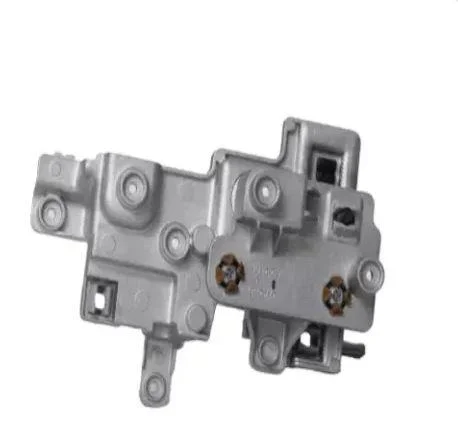
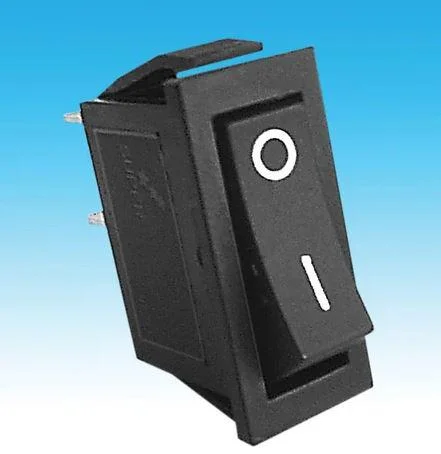
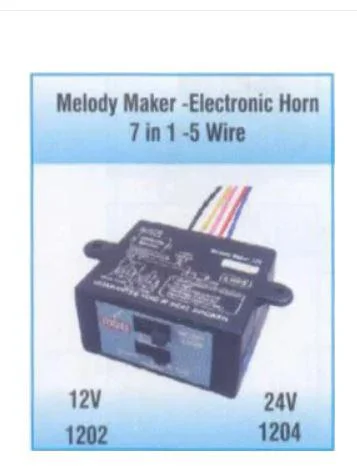
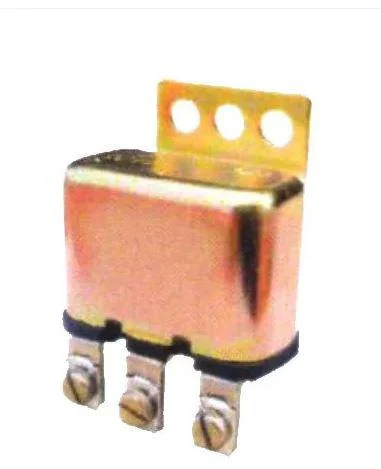
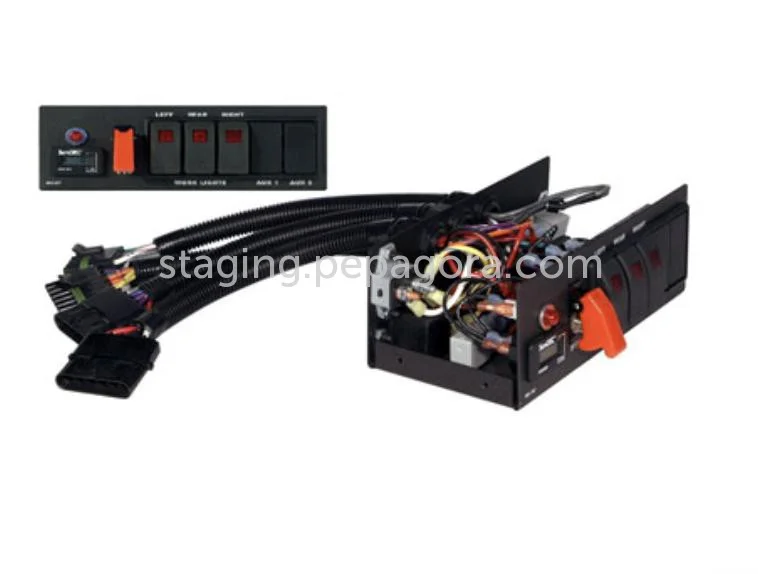
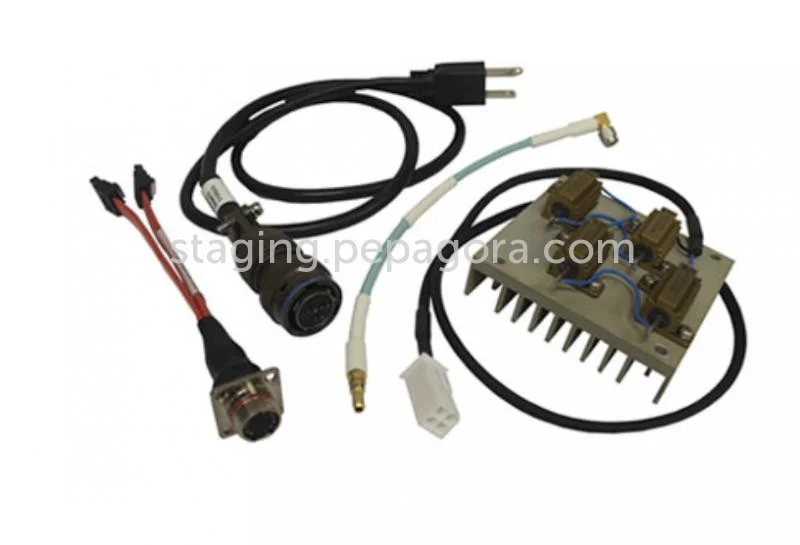
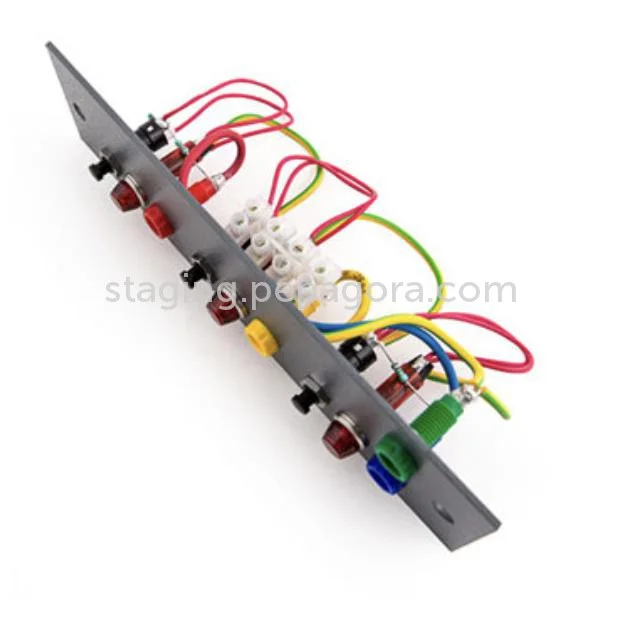
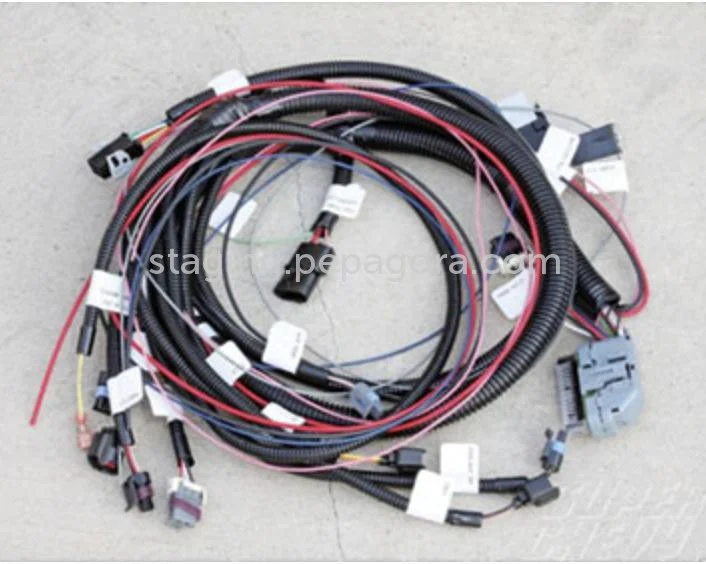
Vehicle Electrical Systems are critical components that power and control various functions in vehicles. These systems encompass a range of electrical circuits, wiring, and devices designed to manage the electrical needs of a vehicle. This includes everything from the ignition system and battery management to lighting and electronic control units. By converting and distributing electrical energy, these systems ensure that a vehicle operates efficiently and safely.
The primary uses of Vehicle Electrical Systems range from enhancing vehicle performance to improving safety features. In commercial applications, they are essential for fleet management, allowing for real-time monitoring of vehicle status and performance. Businesses in sectors such as transportation, logistics, and automotive manufacturing rely heavily on these systems to maintain operational efficiency and to comply with safety regulations. As the automotive industry evolves with the integration of electric and hybrid vehicles, the relevance of robust and reliable Vehicle Electrical Systems continues to grow.
In the current market context, Vehicle Electrical Systems are increasingly significant due to the shift towards automation and electric mobility. The demand for advanced electrical solutions is driven by technological advancements and stricter environmental regulations. This creates opportunities for manufacturers and suppliers to innovate and offer cutting-edge products that meet the evolving needs of the automotive sector.
𝗞𝗲𝘆 𝗙𝗲𝗮𝘁𝘂𝗿𝗲𝘀 𝗮𝗻𝗱 𝗦𝗽𝗲𝗰𝗶𝗳𝗶𝗰𝗮𝘁𝗶𝗼𝗻𝘀
Vehicle Electrical Systems come with a variety of features and specifications tailored to meet industry requirements. Understanding these specifications is essential for businesses looking to procure the right systems for their vehicles.
Key specifications include:
1. Voltage Rating
- Typical voltage ratings range from 12V to 48V for standard vehicle applications.
- Higher voltage systems may be used in hybrid and electric vehicles.
2. Current Capacity
- Current capacities vary, usually between 10A to 200A depending on the application.
- Essential for determining the load a system can handle.
3. Wiring Standards
- Conformance to industry standards such as SAE J1128 ensures safety and compatibility.
- Important for installation and maintenance.
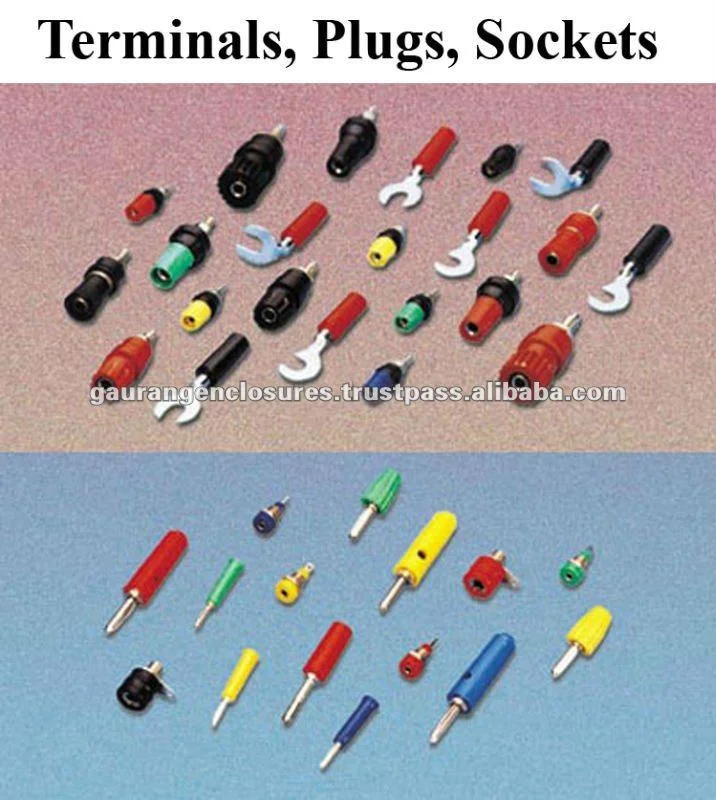
4. Connector Types
- Various connector types are available, including weatherproof and sealed connectors.
- Selection depends on the environmental conditions the vehicle will encounter.
5. Electrical Resistance
- Low resistance is critical to minimize energy loss and ensure efficiency.
- Specifications often dictate acceptable resistance levels.
6. Compliance Standards
- Compliance with CE and other regional certifications ensures product safety and reliability.
- Mandatory for market entry in various regions.
7. Temperature Range
- Designed to operate effectively within a specified temperature range.
- Ensures functionality in diverse climates.
8. Durability Ratings
- Systems are rated for durability based on environmental exposure.
- Ratings may include IP (Ingress Protection) levels for dust and water resistance.
In summary, understanding these features and specifications is crucial for B2B buyers. They ensure the selection of appropriate Vehicle Electrical Systems that meet operational needs and industry standards.
𝗖𝗼𝗺𝗺𝗼𝗻 𝗔𝗽𝗽𝗹𝗶𝗰𝗮𝘁𝗶𝗼𝗻𝘀 𝗮𝗻𝗱 𝗨𝘀𝗲 𝗖𝗮𝘀𝗲𝘀
Vehicle Electrical Systems find applications across a variety of industries, each with specific requirements and operational needs.
1. Automotive Manufacturing: In this industry, Vehicle Electrical Systems are utilized for assembling vehicles, including quality control and testing processes that require precise electrical monitoring.
2. Transportation and Logistics: These systems play a key role in fleet management, enabling real-time tracking, diagnostics, and enhanced safety features for commercial vehicles.
3. Construction Equipment: Heavy machinery relies on Vehicle Electrical Systems to operate essential functions such as ignition, lighting, and hydraulic systems, ensuring optimal performance on job sites.
4. Agricultural Machinery: Vehicles used in agriculture depend on robust electrical systems for operating implements, navigation, and monitoring equipment performance.
5. Electric and Hybrid Vehicles: These vehicles utilize advanced Vehicle Electrical Systems to manage battery performance, regenerative braking, and energy distribution, making them vital for sustainable transportation.
6. Emergency Services: Fire trucks and ambulances rely on dependable electrical systems for lighting, communication, and operational equipment, crucial for their roles in public safety.
7. Recreational Vehicles: RVs and boats need specialized electrical systems for lighting, entertainment, and navigation, enhancing user experience and safety.
𝗣𝗿𝗼𝗱𝘂𝗰𝘁 𝗩𝗮𝗿𝗶𝗮𝗻𝘁𝘀 𝗮𝗻𝗱 𝗦𝘂𝗯𝗰𝗮𝘁𝗲𝗴𝗼𝗿𝗶𝗲𝘀
Vehicle Electrical Systems are diverse, catering to a wide range of applications and industries. This diversity allows businesses to choose systems that best meet their specific requirements.
Variant 1: Battery Management Systems
These systems are designed to monitor and manage the performance of batteries in vehicles. They ensure the efficient charging and discharging of batteries, enhancing their lifespan and efficiency.
Variant 2: Lighting Systems
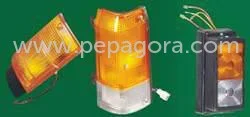
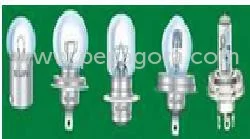
Vehicle lighting systems are essential for visibility and safety. They include headlights, taillights, and interior lighting, and often come with advanced features such as LED technology for improved energy efficiency.
Variant 3: Ignition Systems
Ignition systems are critical for starting internal combustion engines. They include components such as spark plugs and ignition coils, designed to provide reliable engine performance.
Variant 4: Control Units
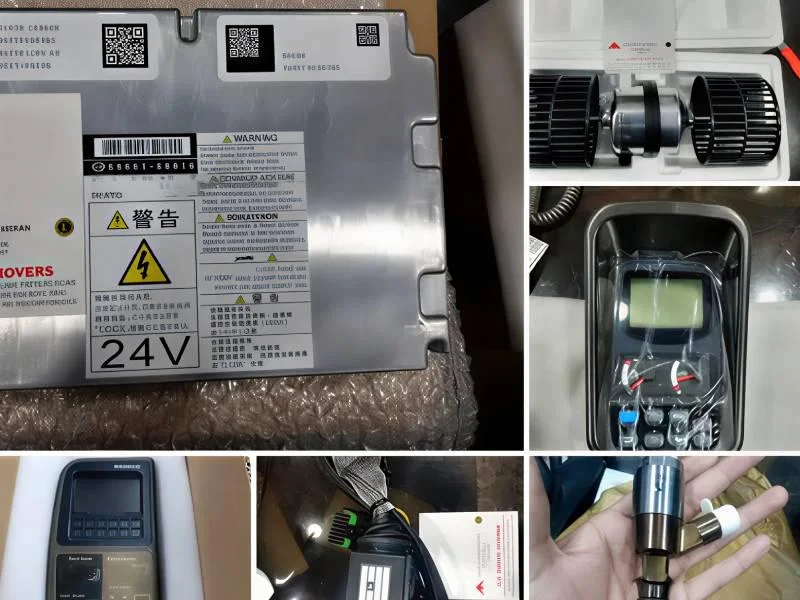
Electronic control units (ECUs) manage various vehicle functions. They process sensor data to control engine performance, emissions, and safety features, making them integral to modern vehicles.
𝗕𝗲𝗻𝗲𝗳𝗶𝘁𝘀 𝗮𝗻𝗱 𝗔𝗱𝘃𝗮𝗻𝘁𝗮𝗴𝗲𝘀
Investing in high-quality Vehicle Electrical Systems offers numerous advantages for businesses.
1. Enhanced Performance: Reliable electrical systems improve the overall performance of vehicles, increasing efficiency and reducing downtime.
2. Increased Safety: Advanced electrical systems contribute to enhanced safety features, helping prevent accidents and ensuring compliance with safety regulations.
3. Cost Efficiency: Well-designed electrical systems can lead to lower operational costs over time by improving energy efficiency and reducing maintenance needs.
4. Scalability: Many Vehicle Electrical Systems can be customized or scaled to meet the growing demands of businesses, accommodating future technological advancements.
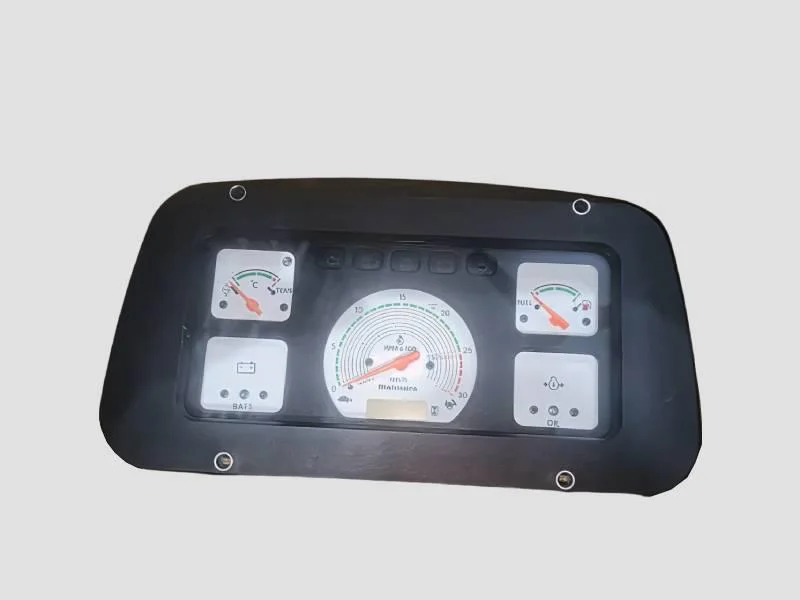
5. Improved Monitoring: Modern electrical systems often come equipped with monitoring features that provide real-time data on vehicle performance, enabling proactive maintenance.
6. Compliance Assurance: High-quality systems ensure adherence to industry standards and regulations, facilitating smoother operations in regulated environments.
𝗕𝘂𝘆𝗶𝗻𝗴 𝗚𝘂𝗶𝗱𝗲 𝗳𝗼𝗿 𝗕𝟮𝗕 𝗕𝘂𝘆𝗲𝗿𝘀
When sourcing Vehicle Electrical Systems, businesses should consider several critical factors to ensure they make informed purchasing decisions.
1. Quality Assessment: It is essential to evaluate the quality of the electrical systems based on the materials used, design standards, and performance metrics. Look for certifications that indicate adherence to industry benchmarks.
2. Supplier Verification: Vetting suppliers is crucial for ensuring reliability. Check their reputation, history of compliance, and customer reviews to assess their credibility in the market.
3. Pricing and MOQ: Understand the pricing structure and minimum order quantities (MOQ) to ensure that they align with your budget and needs. Negotiate terms that provide value while maintaining quality.
4. Delivery and Lead Times: Assess the logistics of delivery and the lead times associated with orders. Timely delivery is essential for maintaining project schedules and operational efficiency.
5. Compliance Requirements: Ensure that the systems meet all regulatory standards relevant to your industry. This includes safety certifications and environmental compliance.
𝗖𝗼𝗺𝗽𝗹𝗶𝗮𝗻𝗰𝗲 𝗮𝗻𝗱 𝗖𝗲𝗿𝘁𝗶𝗳𝗶𝗰𝗮𝘁𝗶𝗼𝗻𝘀
Compliance is a critical aspect of Vehicle Electrical Systems. Manufacturers must adhere to relevant quality standards to ensure product safety and reliability.
ISO 9001 is a widely recognized standard that focuses on quality management systems. Compliance with this standard demonstrates a commitment to quality and continuous improvement in manufacturing processes.
Additionally, CE certification is crucial for products marketed in Europe. It indicates that the product complies with EU safety, health, and environmental protection standards. Other industry-specific certifications may also apply, depending on the application of the Vehicle Electrical Systems.
Safety and testing requirements are paramount. Rigorous testing ensures that electrical systems can withstand operational stresses and environmental conditions. This includes temperature extremes, humidity, and exposure to various elements.
Finally, regional compliance considerations are essential. Different regions may have specific regulatory requirements that must be met, making it important for manufacturers and suppliers to stay informed about local standards.
𝗪𝗵𝘆 𝗦𝗼𝘂𝗿𝗰𝗲 𝗩𝗲𝗵𝗶𝗰𝗹𝗲 𝗘𝗹𝗲𝗰𝘁𝗿𝗶𝗰𝗮𝗹 𝗦𝘆𝘀𝘁𝗲𝗺𝘀 𝗳𝗿𝗼𝗺 𝗣𝗲𝗽𝗮𝗴𝗼𝗿𝗮?
Pepagora offers an excellent platform for sourcing Vehicle Electrical Systems, providing several key advantages for B2B buyers.
Verified Supplier Network: Pepagora has established a network of verified suppliers, ensuring that businesses can access high-quality products from reliable sources. This verification process builds trust and confidence in the purchasing process.
Streamlined RFQ Process: The platform features a streamlined Request for Quotation (RFQ) process, making it easier for buyers to obtain competitive pricing and detailed product information from multiple suppliers quickly.
Trade Assurance and Support: Pepagora provides trade assurance, offering buyer protection throughout the transaction. This support helps mitigate risks associated with procurement, ensuring a smoother purchasing experience.
Regional Coverage: With a strong presence in India, the GCC, and Southeast Asia, Pepagora connects buyers to a wide range of suppliers, facilitating access to diverse products and solutions that cater to various regional needs.

 IN
IN