
 IN
Transmission & Drivetrain Parts
403 products available
𝗪𝗵𝗮𝘁 𝗮𝗿𝗲 𝗧𝗿𝗮𝗻𝘀𝗺𝗶𝘀𝘀𝗶𝗼𝗻 & 𝗗𝗿𝗶𝘃𝗲𝘁𝗿𝗮𝗶𝗻 𝗣𝗮𝗿𝘁𝘀?
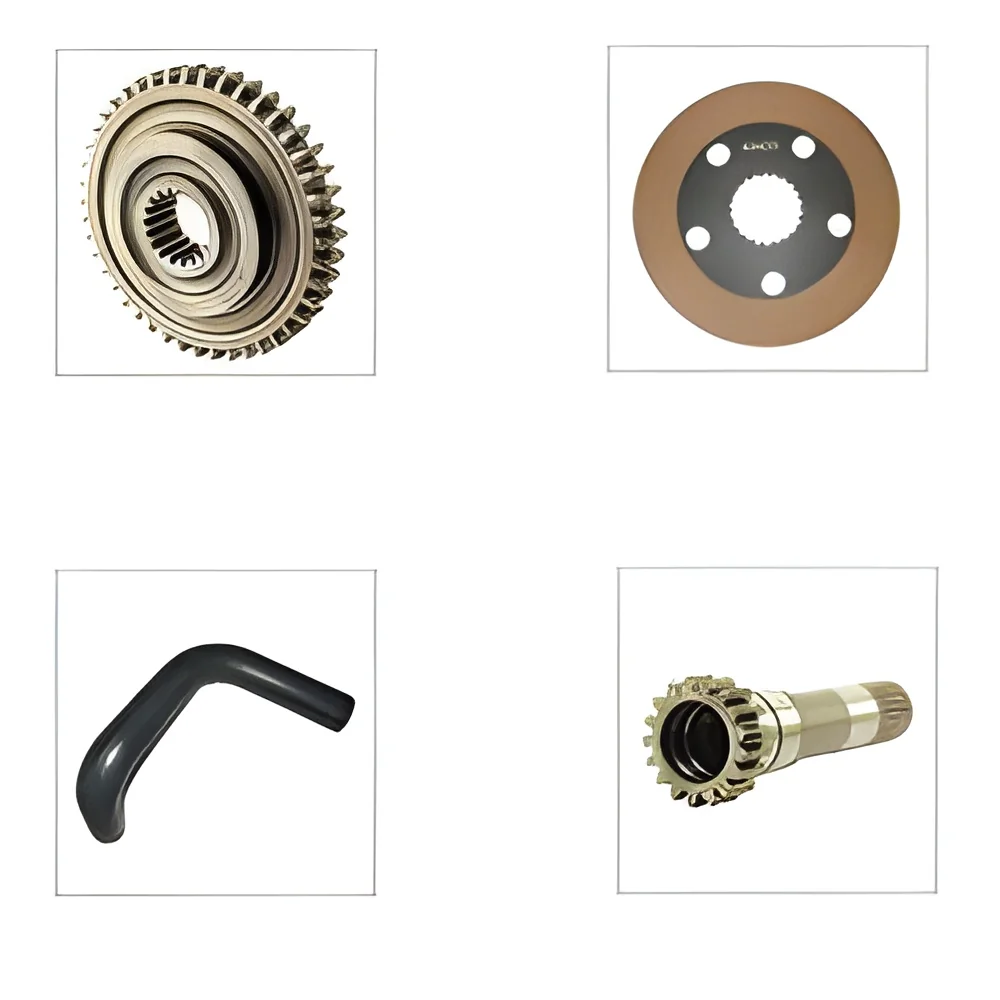
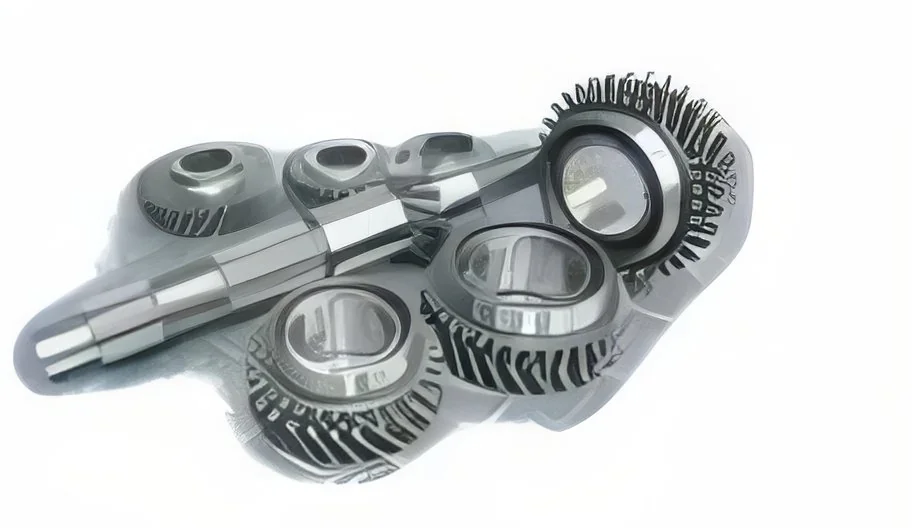
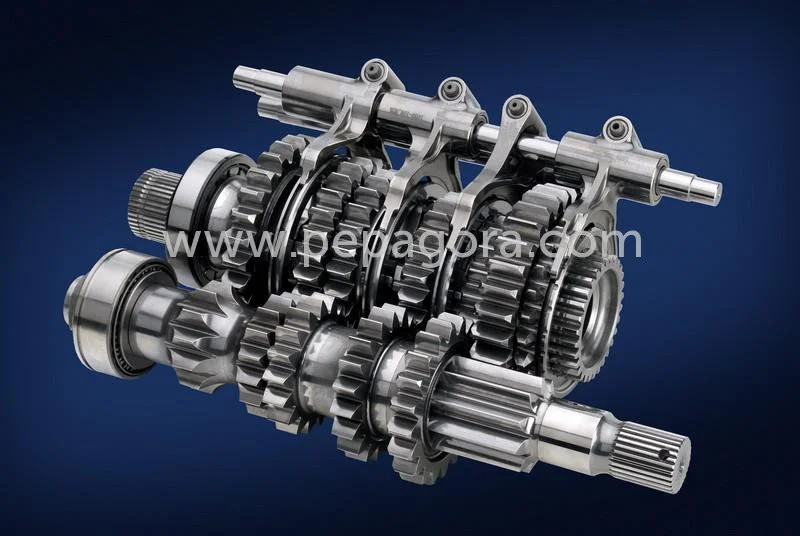
Transmission and drivetrain parts are essential components in vehicles and machinery that facilitate power transfer from the engine to the wheels. These parts are critical for ensuring smooth operation and effective performance. They include a wide range of elements such as gears, shafts, bearings, clutches, and differentials. Each of these components plays a specific role in the overall functionality of the vehicle's transmission system.
In business applications, transmission and drivetrain parts are utilized in various sectors, including automotive, aerospace, and industrial machinery. They are integral to the operation of vehicles, allowing for efficient movement and load handling. The reliability of these parts directly impacts the performance of the equipment or vehicle, making them vital for operational efficiency. The market for these components is robust, driven by the ongoing demand for vehicle maintenance and advancements in technology.
𝗞𝗲𝘆 𝗙𝗲𝗮𝘁𝘂𝗿𝗲𝘀 𝗮𝗻𝗱 𝗦𝗽𝗲𝗰𝗶𝗳𝗶𝗰𝗮𝘁𝗶𝗼𝗻𝘀
Transmission and drivetrain parts come with a variety of features and specifications that determine their suitability for specific applications. Understanding these specifications is crucial for B2B buyers to ensure they select the right components.
Key specifications include:
1. Material Composition
- Typically made from high-strength steel or aluminum alloys
- Offers durability and resistance to wear and tear
2. Weight Capacity
- Designed to handle specific load limits
- Varies based on the component type and application
3. Gear Ratios
- Specific ratios indicate the speed and torque characteristics
- Critical for optimizing performance in different driving conditions
4. Compatibility Standards
- Must meet industry standards for various vehicle models
- Ensures proper fit and function
5. Temperature Resistance
- Capable of operating within certain temperature ranges
- Essential for maintaining performance under varying conditions
6. Surface Treatment
- May include coatings for corrosion resistance
- Enhances longevity and performance
7. Testing Certifications
- Compliance with industry testing standards
- Guarantees reliability and safety
8. Warranty Terms
- Varies based on manufacturer policies
- Important for assessing product reliability
In summary, understanding these key features and specifications helps businesses make informed decisions when sourcing transmission and drivetrain parts.
𝗖𝗼𝗺𝗺𝗼𝗻 𝗔𝗽𝗽𝗹𝗶𝗰𝗮𝘁𝗶𝗼𝗻𝘀 𝗮𝗻𝗱 𝗨𝘀𝗲 𝗖𝗮𝘀𝗲𝘀
Transmission and drivetrain parts are used across a variety of industries, each with specific applications that highlight their importance.
1. Automotive: In passenger vehicles, these parts are crucial for effective power transfer and vehicle control. They ensure smooth gear shifting and optimal engine performance.
2. Aerospace: Aircraft utilize specialized drivetrain components to manage engine power and control systems, ensuring safety and efficiency during flight.
3. Industrial Machinery: Heavy machinery in construction and manufacturing relies on robust transmission systems to handle significant loads and maintain operational efficiency.
4. Agriculture: Farming equipment uses drivetrain parts to facilitate power transfer from engines to wheels and attachments, enhancing productivity in agricultural tasks.
5. Marine: Boats and ships depend on reliable transmission systems for effective navigation and handling in various water conditions.
6. Mining: Equipment used in mining operations requires durable drivetrain parts to withstand harsh environments and heavy loads.
7. Rail Transport: Trains utilize advanced drivetrain components for efficient power distribution, ensuring safe and reliable transportation.
𝗣𝗿𝗼𝗱𝘂𝗰𝘁 𝗩𝗮𝗿𝗶𝗮𝗻𝘁𝘀 𝗮𝗻𝗱 𝗦𝘂𝗯𝗰𝗮𝘁𝗲𝗴𝗼𝗿𝗶𝗲𝘀
Transmission and drivetrain parts come in various forms, designed to meet the specific needs of different applications.
Manual Transmission Components
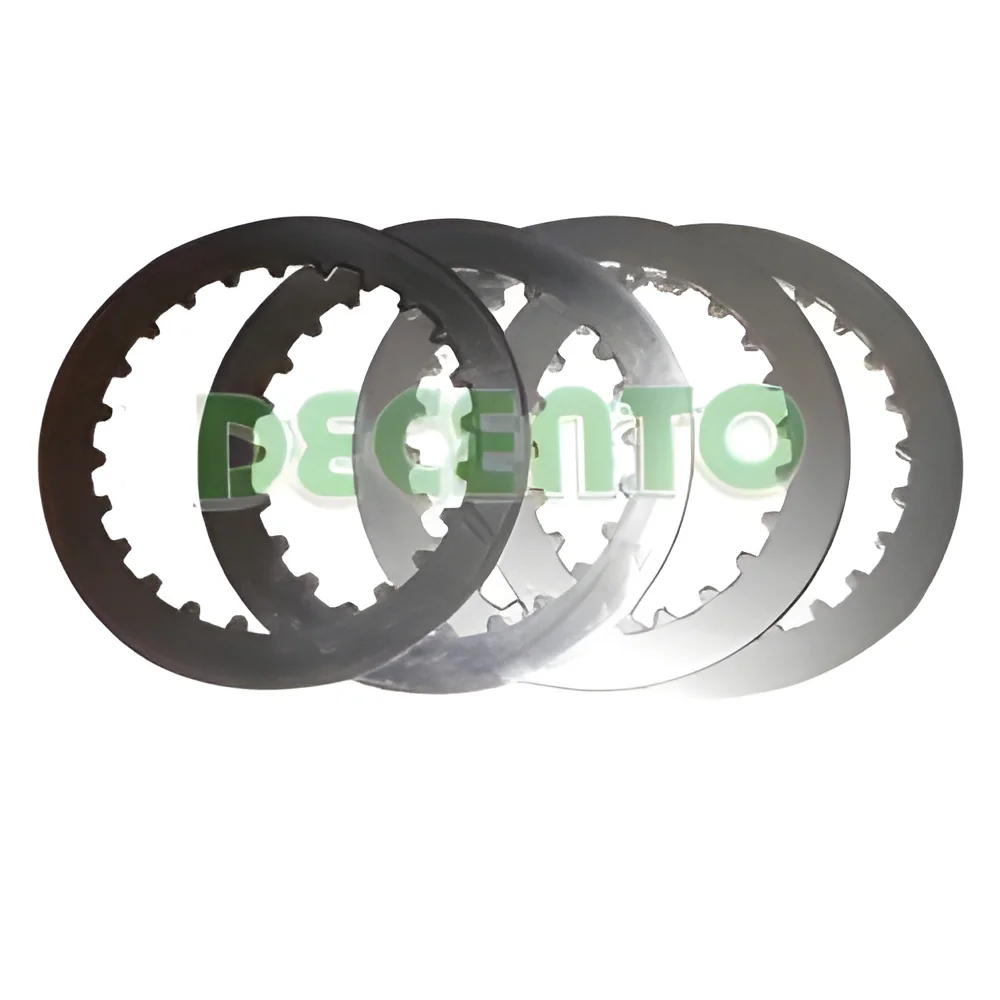
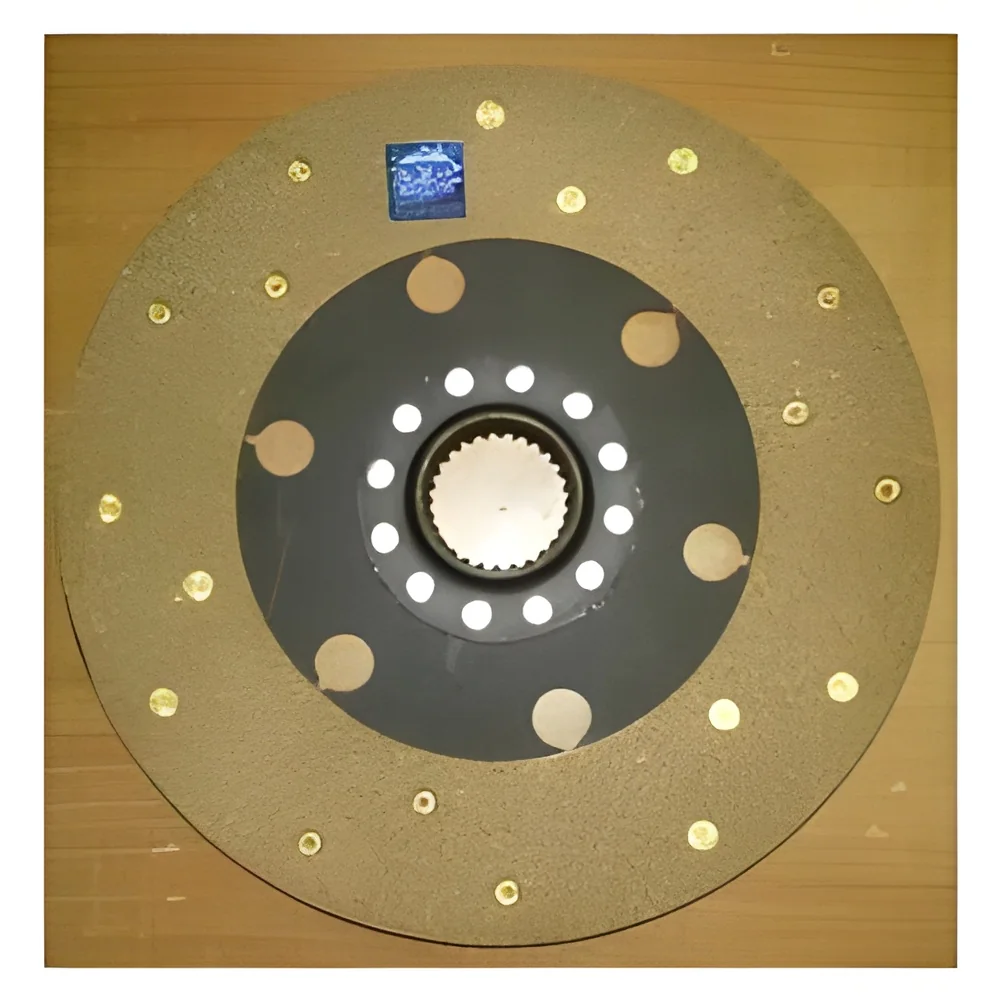
These include clutches, gear sets, and shift mechanisms. They are designed to provide precise control over vehicle speed and torque.
Automatic Transmission Components
This variant consists of hydraulic systems, torque converters, and electronic controls. They offer seamless gear shifting for enhanced driving comfort.
Differential Assemblies
These components allow for the distribution of engine power to the wheels while compensating for speed differences during turns. They are critical for stability and handling.
Transfer Cases
Used in four-wheel-drive vehicles, transfer cases manage power distribution between the front and rear axles, enhancing off-road capabilities.
𝗕𝗲𝗻𝗲𝗳𝗶𝘁𝘀 𝗮𝗻𝗱 𝗔𝗱𝘃𝗮𝗻𝘁𝗮𝗴𝗲𝘀
Investing in high-quality transmission and drivetrain parts yields numerous benefits for businesses.
1. Enhanced Performance: Quality components lead to better power transfer and improved vehicle performance, which is crucial for operational efficiency.
2. Increased Reliability: Durable parts minimize the risk of breakdowns, ensuring consistent performance in critical applications.
3. Cost Savings: High-quality parts reduce the frequency of repairs and replacements, leading to lower long-term operational costs.
4. Safety Improvements: Reliable drivetrain components contribute to safer vehicle handling and performance, reducing the risk of accidents.
5. Compliance Assurance: Sourcing certified products ensures adherence to industry standards, enhancing reliability and safety.
6. Customization Options: Many suppliers offer tailored solutions, allowing businesses to meet specific operational needs.
𝗕𝘂𝘆𝗶𝗻𝗴 𝗚𝘂𝗶𝗱𝗲 𝗳𝗼𝗿 𝗕𝟮𝗕 𝗕𝘂𝘆𝗲𝗿𝘀
When sourcing transmission and drivetrain parts, it is essential to consider several critical factors.
1. Quality Assessment: Evaluate the material composition and manufacturing processes to ensure durability and performance. Look for certifications that indicate compliance with industry standards.
2. Supplier Verification: Vet potential suppliers by checking their reputation, reviews, and previous projects. Establishing a relationship with reliable suppliers ensures consistent quality.
3. Pricing and MOQ: Understand the pricing structure and minimum order quantities to align with your budget and operational needs. Compare quotes from multiple suppliers for the best value.
4. Delivery and Lead Times: Discuss logistics to ensure timely delivery of parts. Consider suppliers that offer flexible shipping options to accommodate your project timelines.
5. Compliance Requirements: Ensure that the parts meet necessary regulatory and safety standards, which can vary by region and industry.
𝗖𝗼𝗺𝗽𝗹𝗶𝗮𝗻𝗰𝗲 𝗮𝗻𝗱 𝗖𝗲𝗿𝘁𝗶𝗳𝗶𝗰𝗮𝘁𝗶𝗼𝗻𝘀
Transmission and drivetrain parts must adhere to various compliance and certification standards to ensure safety and reliability.
ISO 9001 is a quality management standard that many manufacturers follow. It ensures that products meet customer and regulatory requirements consistently.
CE certification indicates that products comply with EU safety, health, and environmental protection standards. This is crucial for businesses operating in European markets.
Manufacturers often conduct rigorous safety and testing requirements to guarantee that their products perform well under operational stresses.
Additionally, regional compliance considerations may vary, so it is essential to verify that parts meet local regulations, especially when sourcing internationally.
𝗪𝗵𝘆 𝗦𝗼𝘂𝗿𝗰𝗲 𝗧𝗿𝗮𝗻𝘀𝗺𝗶𝘀𝘀𝗶𝗼𝗻 & 𝗗𝗿𝗶𝘃𝗲𝘁𝗿𝗮𝗶𝗻 𝗣𝗮𝗿𝘁𝘀 𝗳𝗿𝗼𝗺 𝗣𝗲𝗽𝗮𝗴𝗼𝗿𝗮?
Pepagora serves as a trusted platform for sourcing transmission and drivetrain parts, offering several key advantages for B2B buyers.
Verified Supplier Network: Pepagora features a network of vetted suppliers who meet strict quality and performance standards. This reduces the risk of sourcing inferior products.
Streamlined RFQ Process: The platform provides an efficient request for quotation (RFQ) system, allowing buyers to easily obtain quotes from multiple suppliers. This transparency helps in making informed purchasing decisions.
Trade Assurance and Support: With trade assurance, buyers receive protection against potential issues, ensuring that transactions are secure and satisfactory. The support team is available to assist with any concerns.
Regional Coverage: Pepagora has a broad geographic reach, covering markets in India, the GCC, and Southeast Asia. This diverse network ensures access to a wide range of quality parts tailored to various regional needs.
















Frequently Asked Questions
What are Transmission & Drivetrain Parts?
Transmission & Drivetrain Parts are essential components that facilitate the transfer of power from the engine to the wheels of a vehicle. These parts include various mechanisms such as gearboxes, driveshafts, and differentials, all working together to ensure smooth operation and optimal performance of the vehicle.
What are the different types of Transmission & Drivetrain Parts?
The different types of Transmission & Drivetrain Parts include manual and automatic transmissions, clutches, torque converters, driveshafts, axles, and differentials. Each type serves a specific function in the power delivery system and can vary based on vehicle design and requirements.
How do I choose the right Transmission & Drivetrain Parts?
To choose the right Transmission & Drivetrain Parts, consider factors such as compatibility with your vehicle model, the intended use (e.g., performance, towing), and the type of transmission system. It is also advisable to consult with experts or refer to manufacturer specifications for guidance.
What are the standard specifications for Transmission & Drivetrain Parts?
Standard specifications for Transmission & Drivetrain Parts vary by manufacturer and vehicle type, but generally include factors such as material quality, gear ratios, load capacity, and thermal resistance. Ensuring adherence to these specifications is crucial for optimal performance and longevity.
What is the price range for Transmission & Drivetrain Parts?
The price range for Transmission & Drivetrain Parts can vary widely based on the type, brand, and specifications. Generally, you can expect prices to start from a few thousand rupees for basic components and can go up to several lakhs for complex systems and high-performance parts.
What quality standards apply to Transmission & Drivetrain Parts?
Quality standards for Transmission & Drivetrain Parts typically include compliance with ISO certifications and OEM specifications. These standards ensure that the parts meet safety, reliability, and performance criteria necessary for effective vehicle operation.
Where can I find Transmission & Drivetrain Parts suppliers in India?
You can find Transmission & Drivetrain Parts suppliers in India through various online B2B marketplaces, automotive trade shows, and industry directories. Platforms like Pepagora.com provide a comprehensive list of verified suppliers and manufacturers in this category.
Can Transmission & Drivetrain Parts be customized?
Yes, Transmission & Drivetrain Parts can be customized to meet specific performance requirements or vehicle designs. Many manufacturers offer customization options, allowing you to tailor components for unique applications or enhanced performance.
What is the typical minimum order quantity for Transmission & Drivetrain Parts?
The typical minimum order quantity (MOQ) for Transmission & Drivetrain Parts can vary by supplier and product type, but it generally ranges from 10 to 50 units for standard components. Custom orders may have different MOQs based on the complexity and manufacturing processes involved.
What is the typical lead time for Transmission & Drivetrain Parts?
The typical lead time for Transmission & Drivetrain Parts can range from 2 to 8 weeks, depending on the type of parts ordered, customization requirements, and supplier capabilities. It is advisable to confirm lead times with suppliers to ensure timely delivery.
Why Businesses Trust Pepagora
Thousands of companies trust Pepagora to source smarter and sell faster
Expand Your Sales Globally

Source Smarter,Grow Faster
