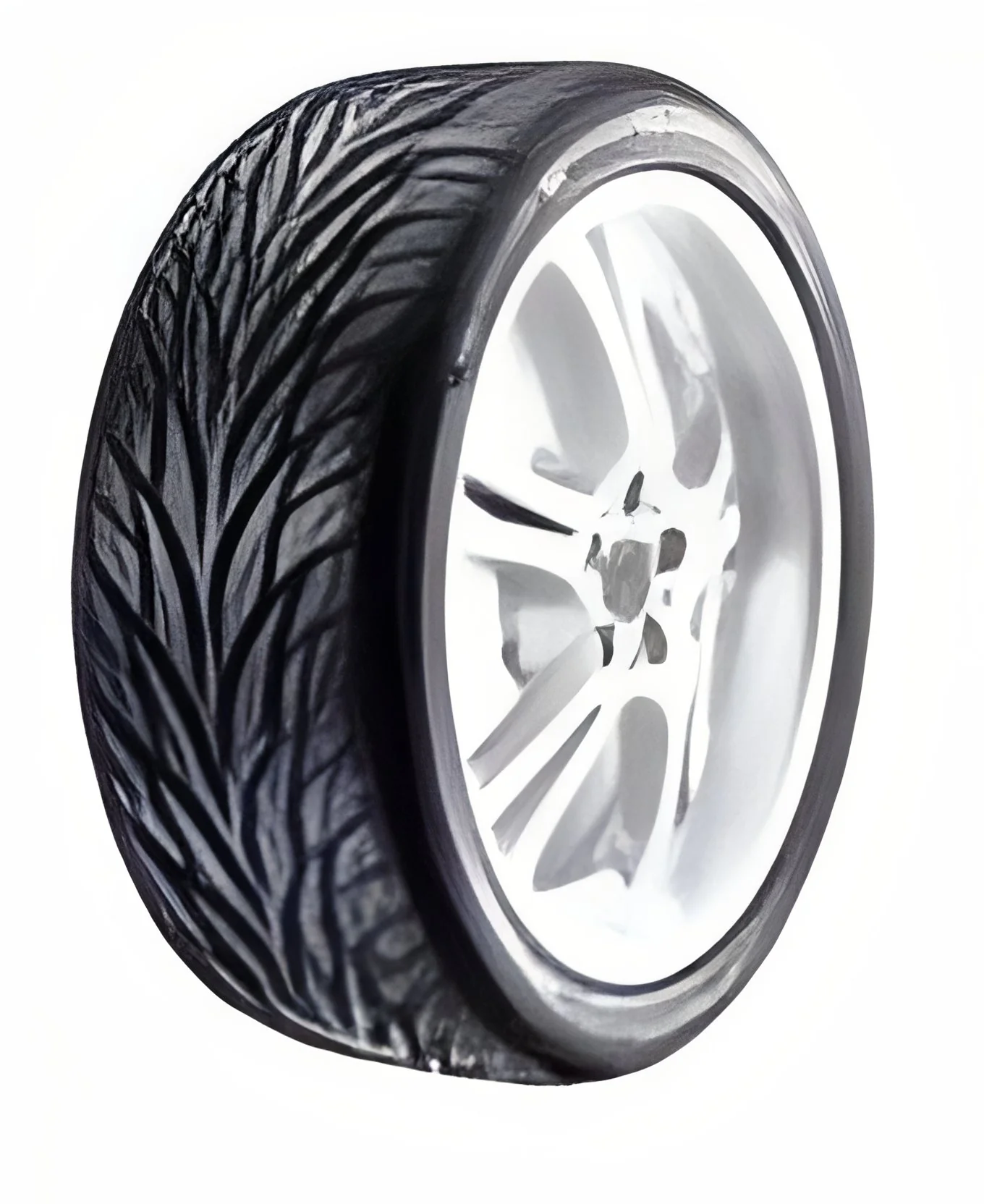
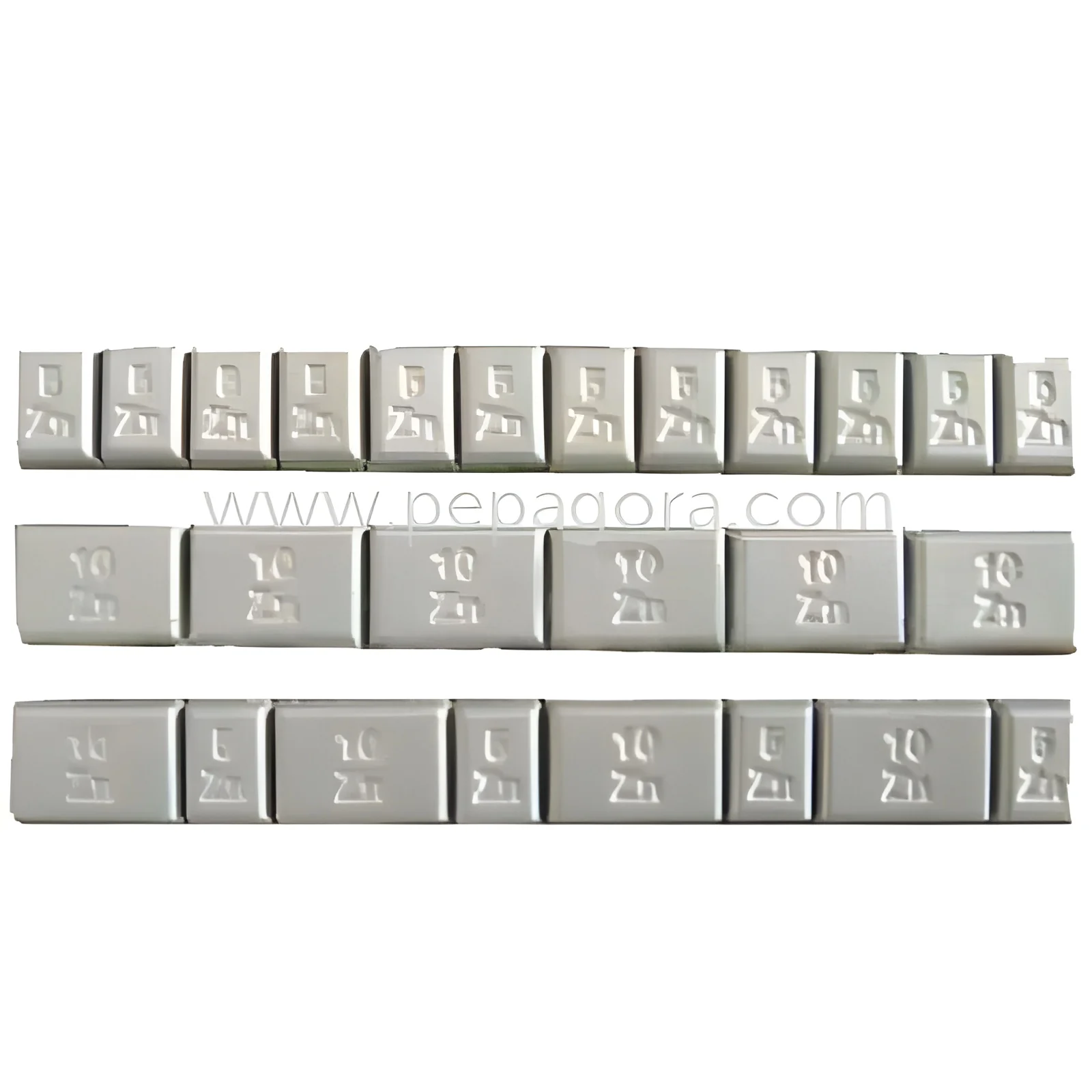
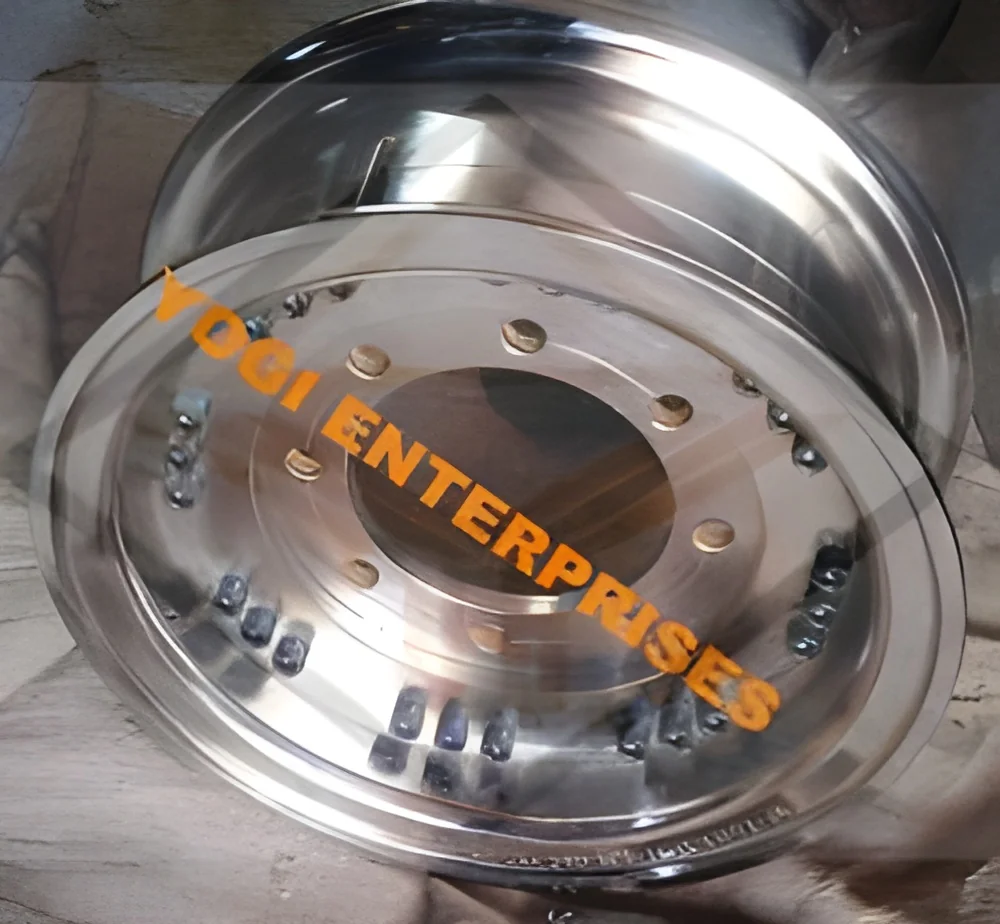
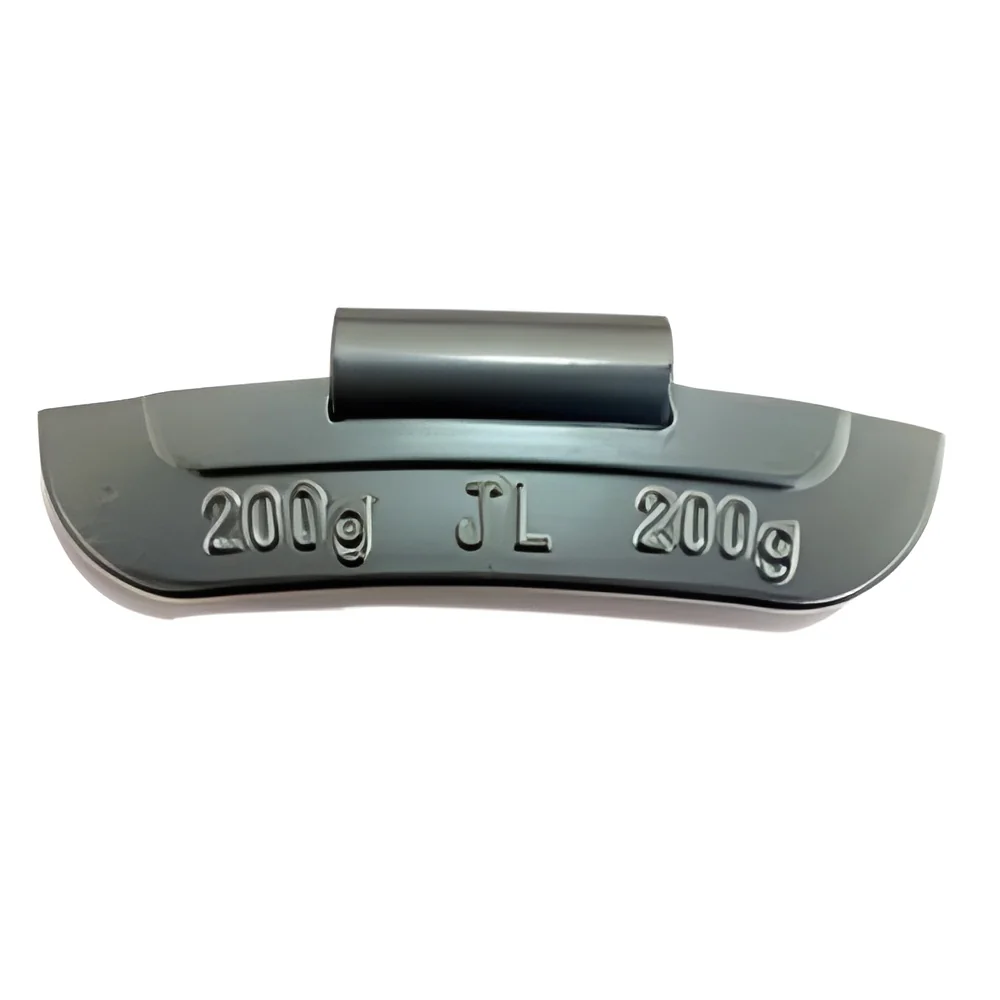
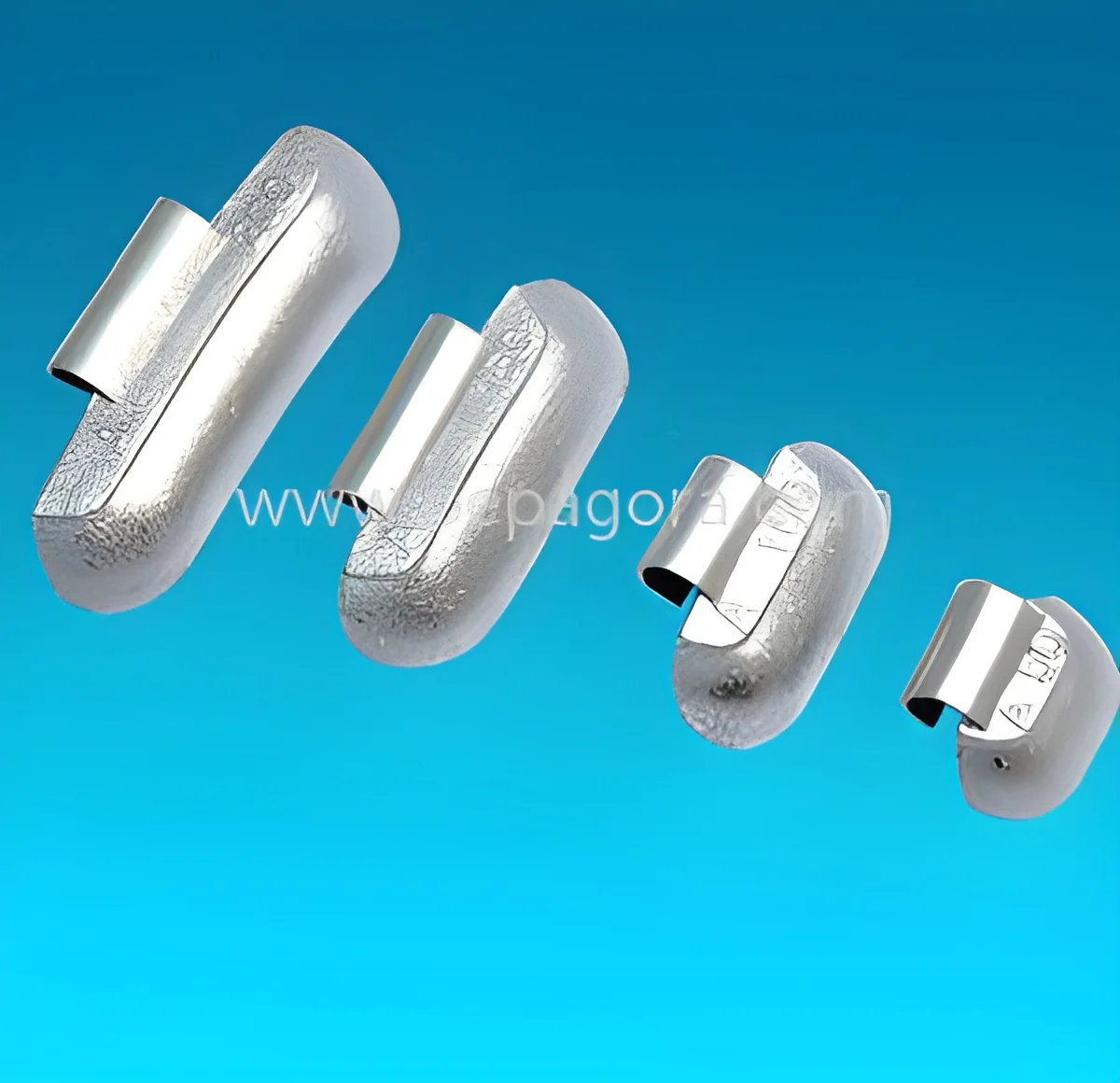
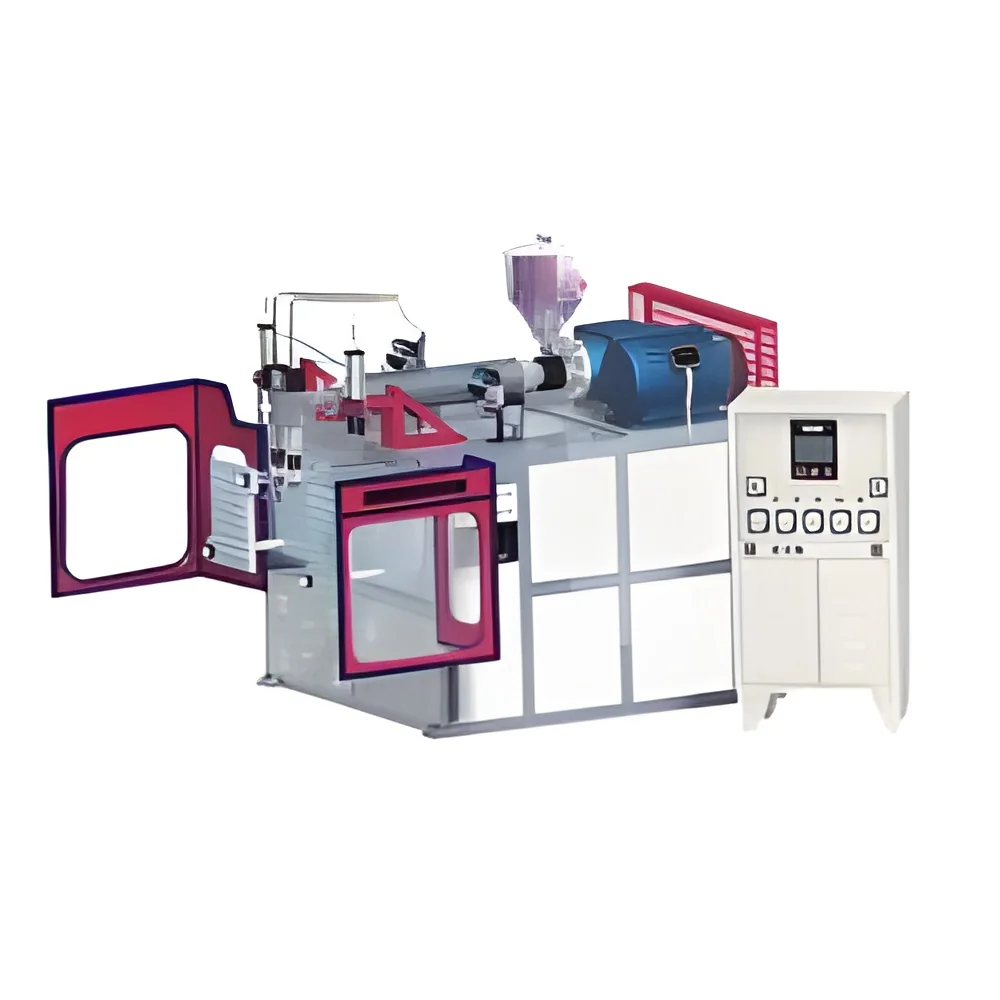
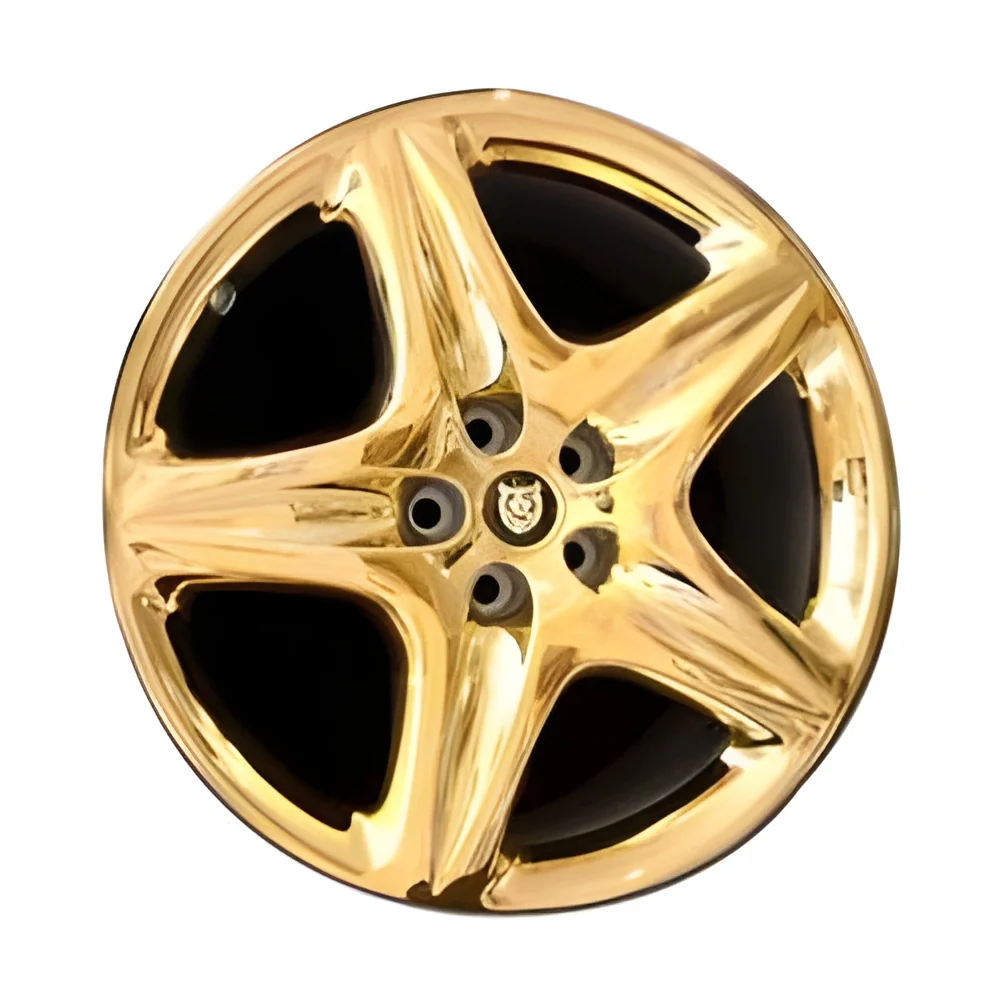
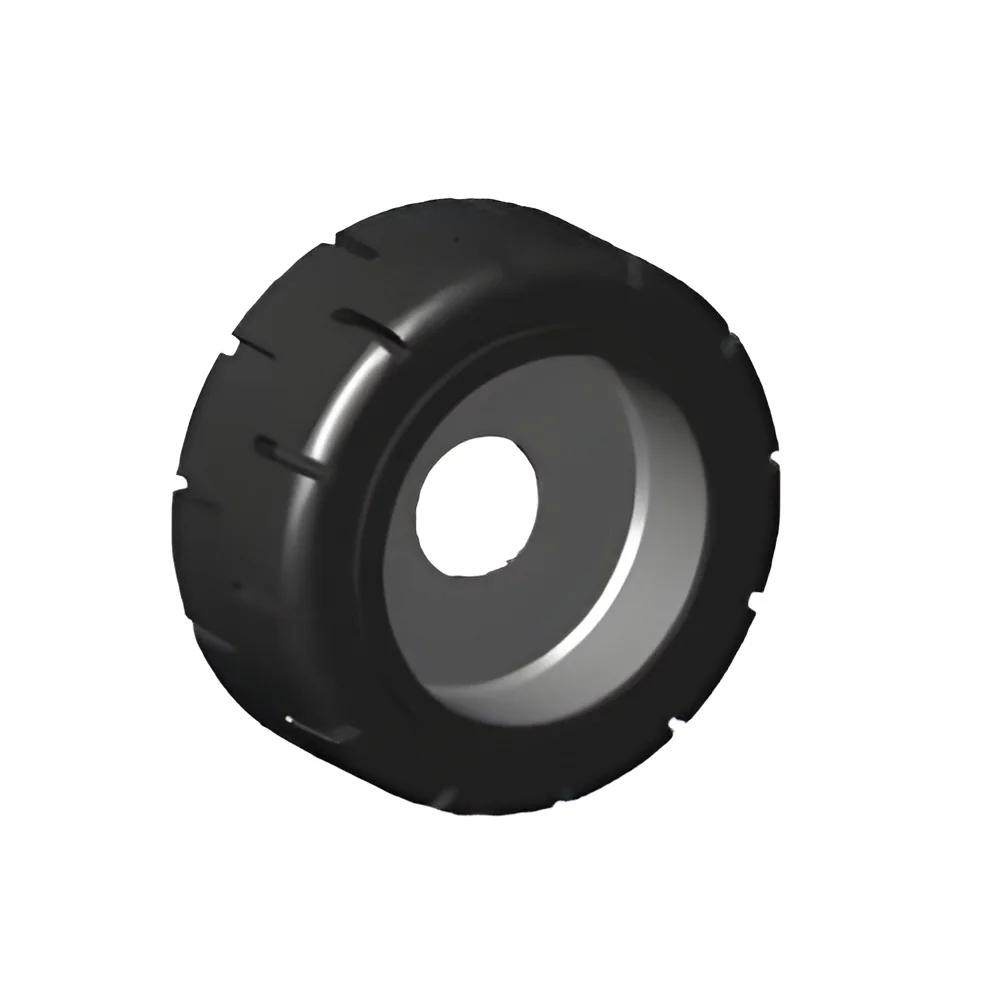
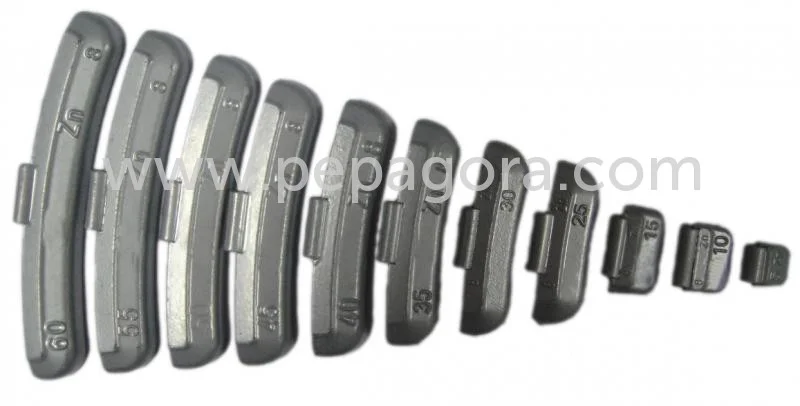
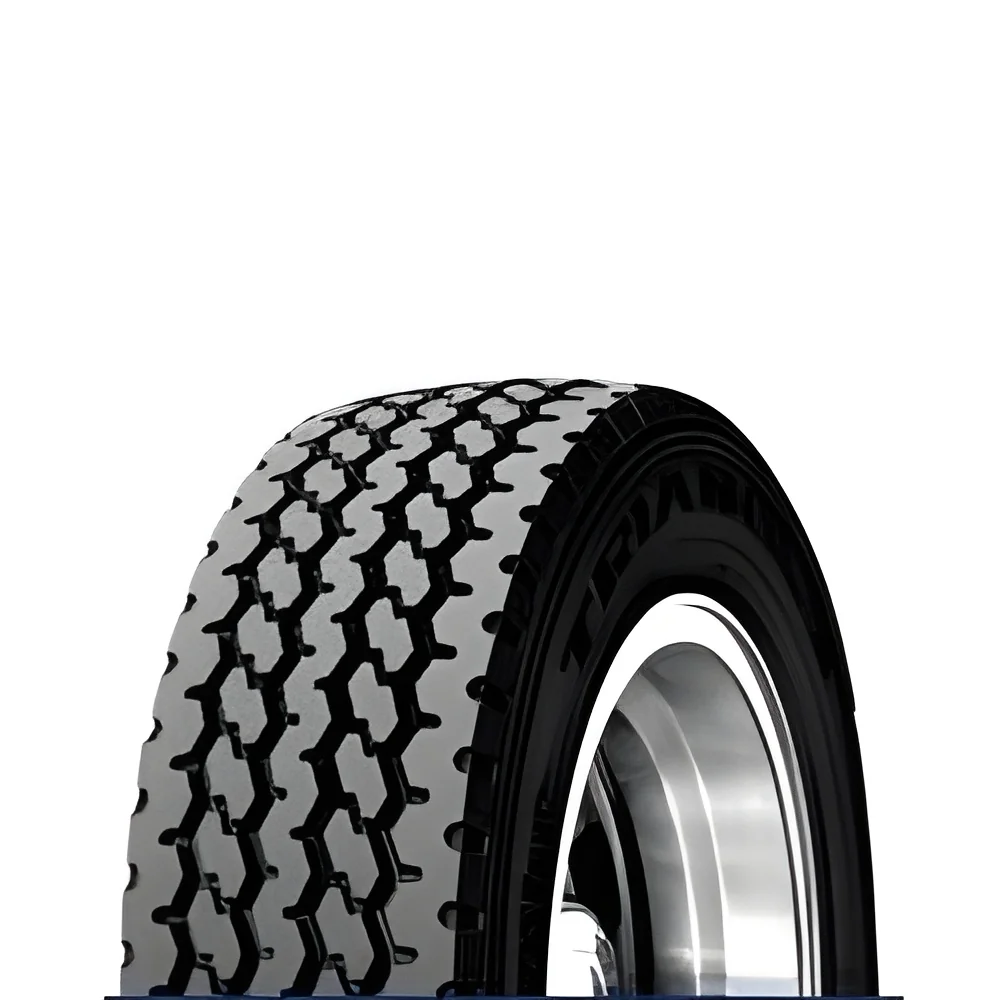
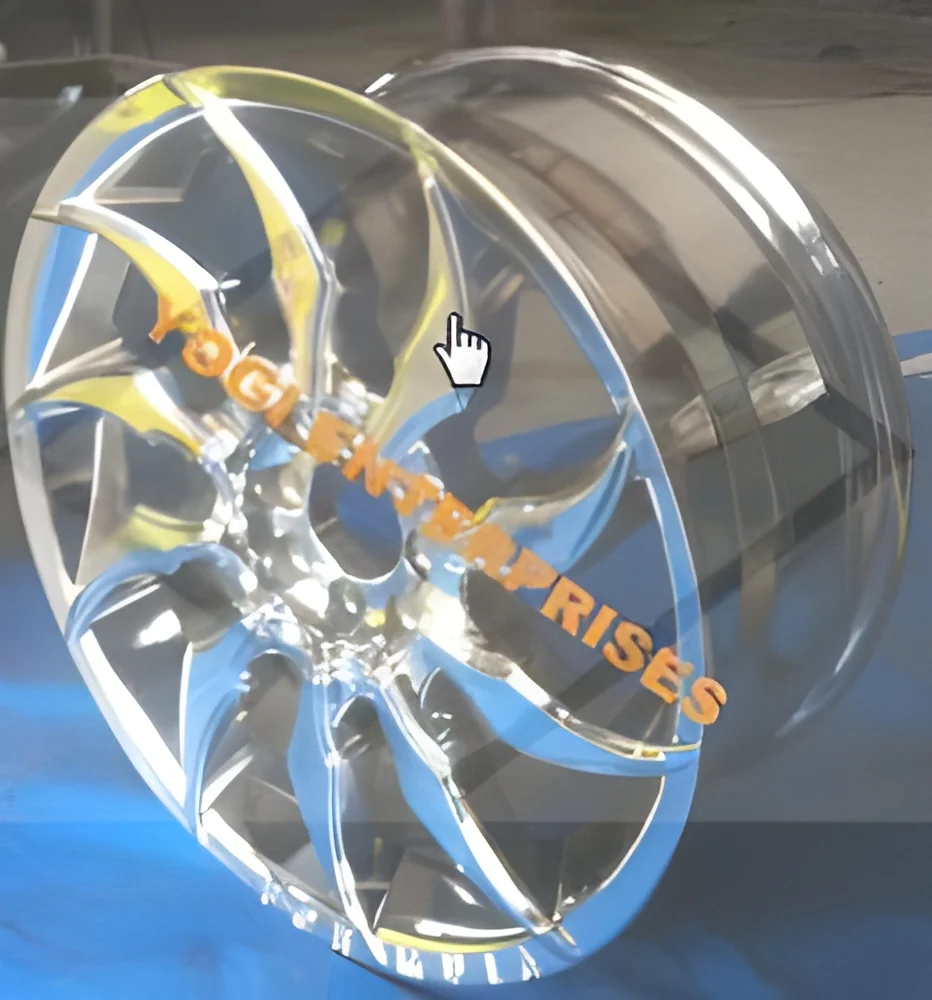
𝗪𝗵𝗮𝘁 𝗮𝗿𝗲 𝗪𝗵𝗲𝗲𝗹𝘀, 𝗧𝘆𝗿𝗲𝘀 & 𝗧𝘂𝗯𝗲𝘀?
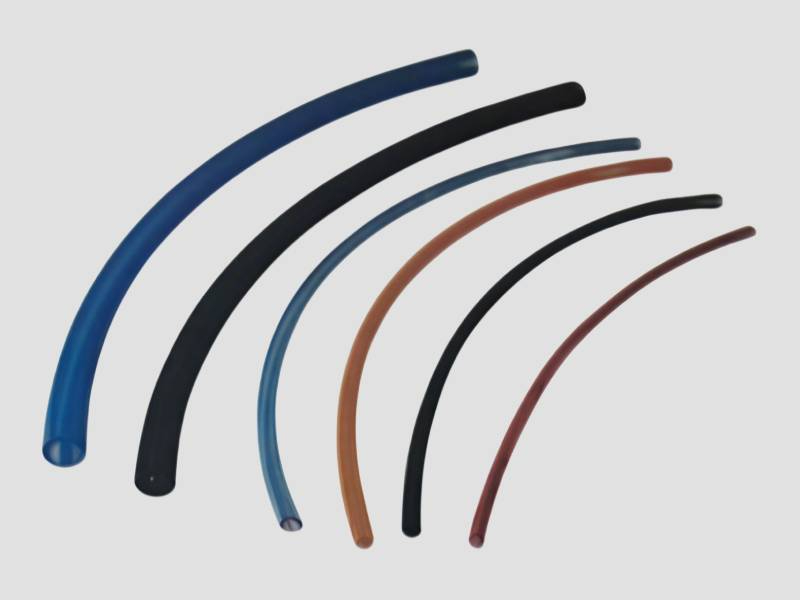
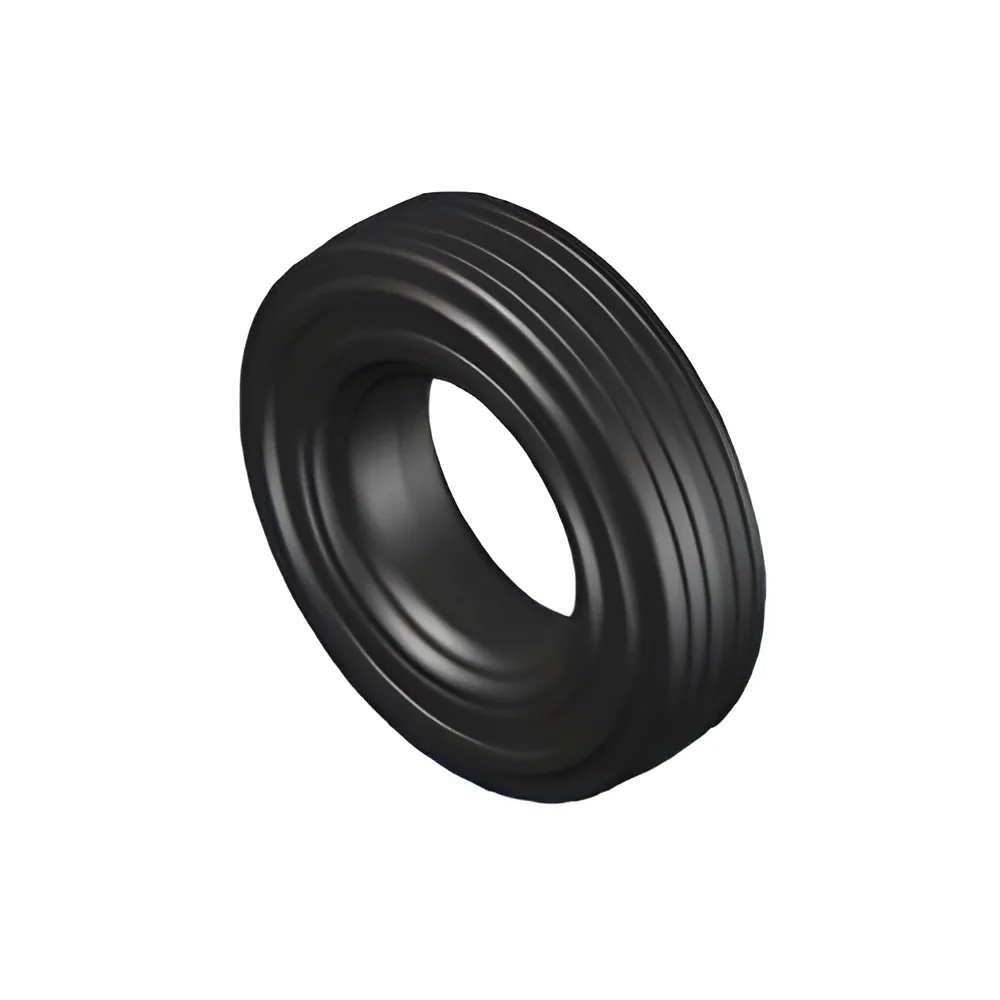
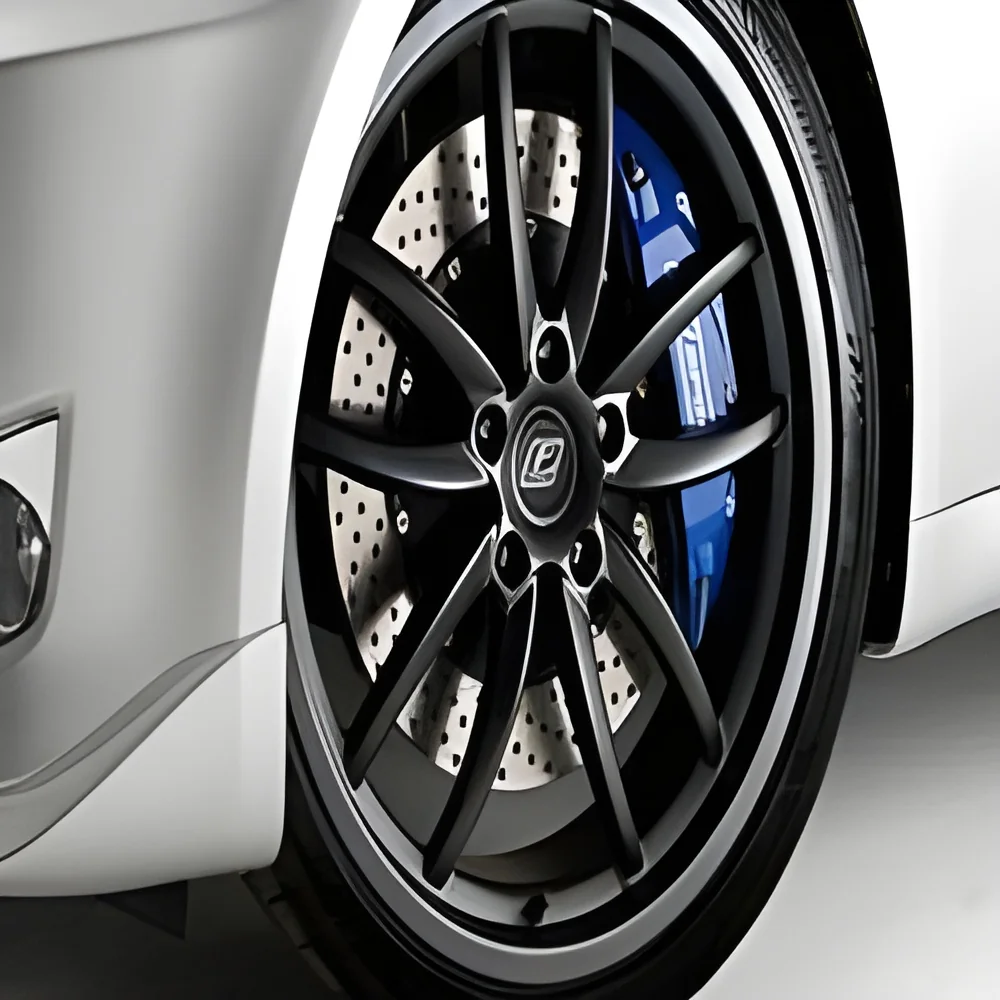
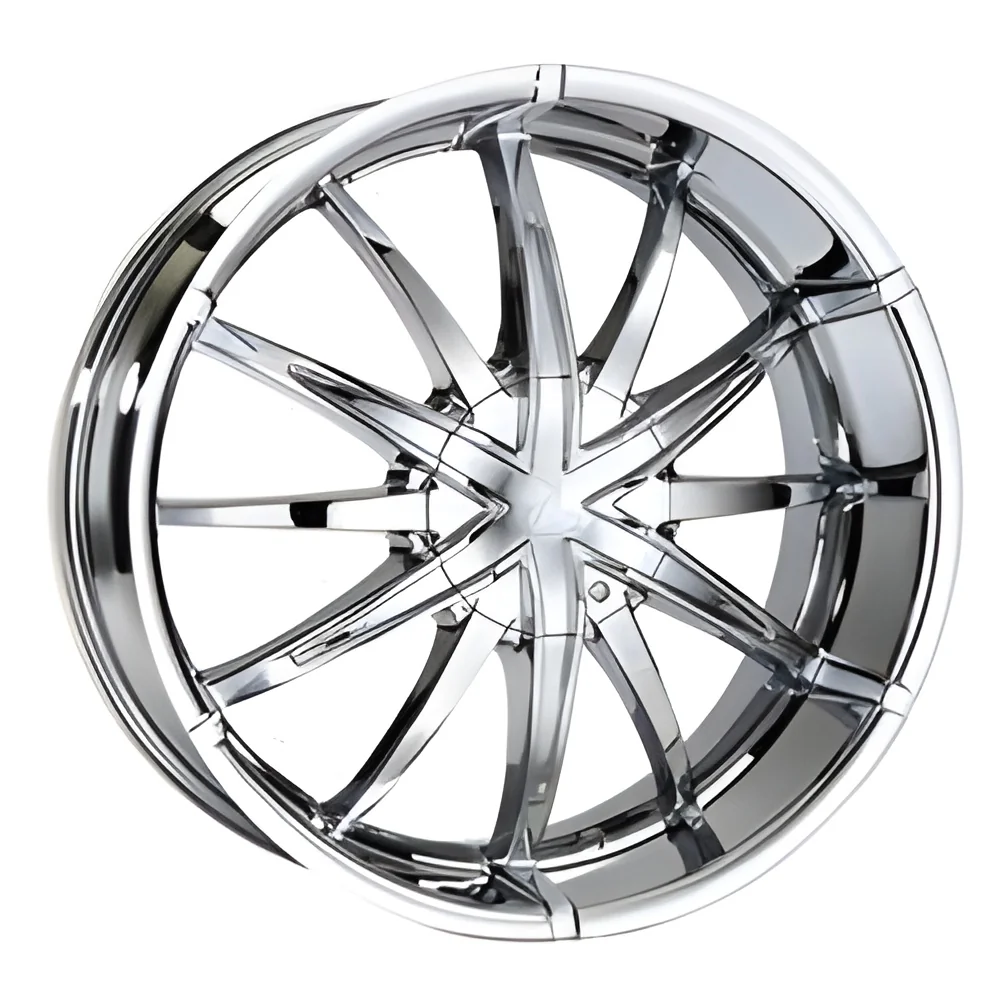
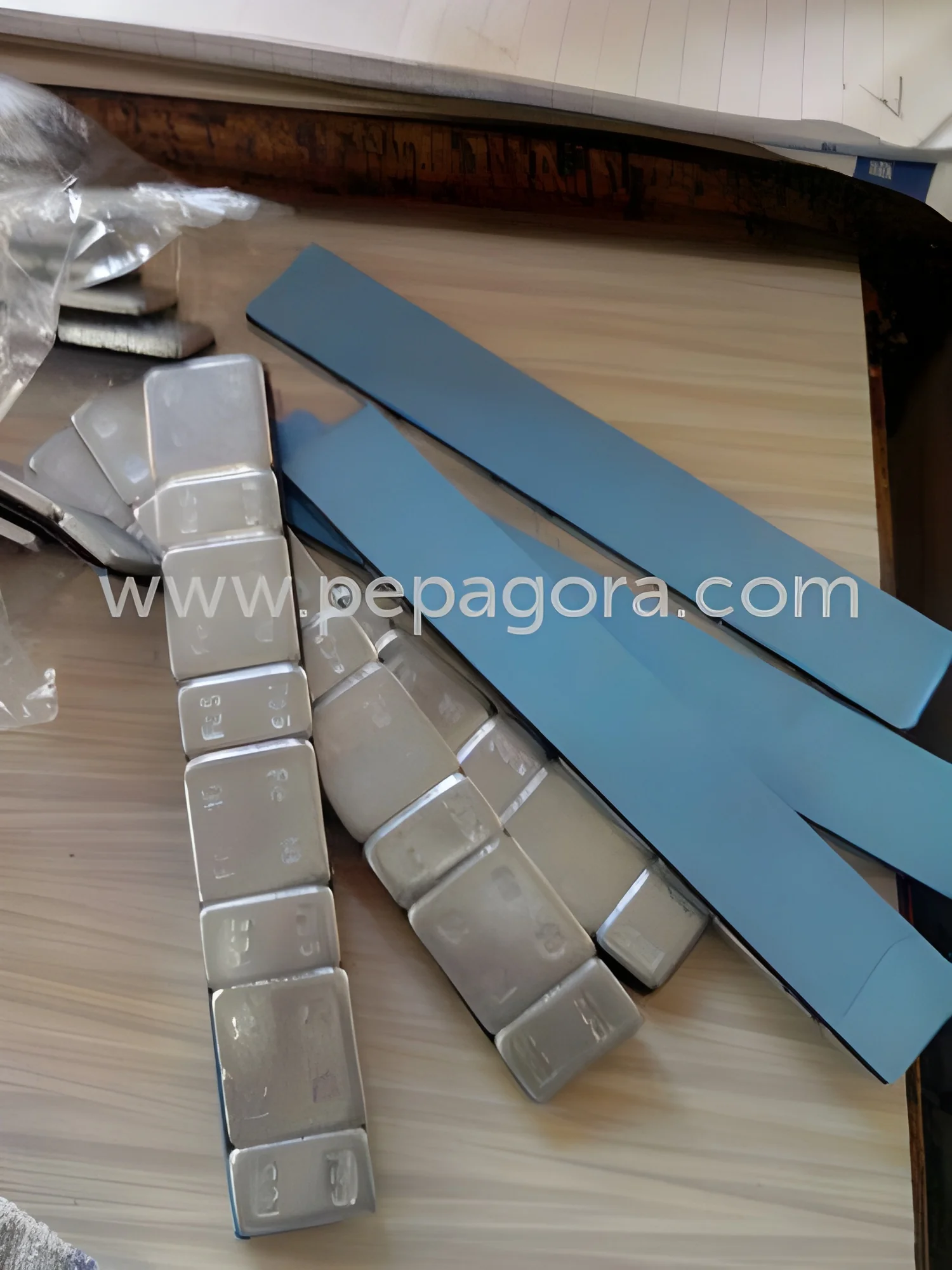
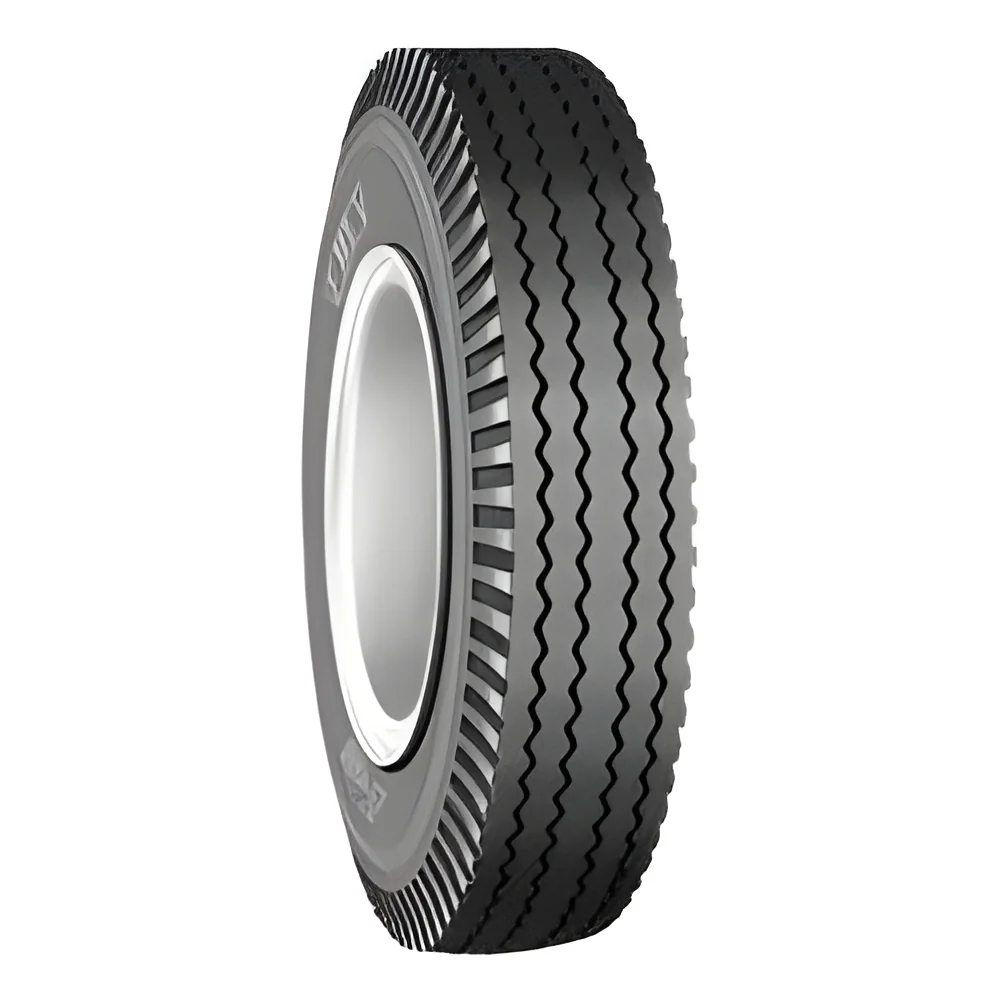
Wheels, tyres, and tubes are essential components in various vehicles and equipment, playing a critical role in mobility and performance. Wheels provide the structural support necessary for movement, while tyres offer traction and cushioning against road impacts. Tubes, often used in conjunction with tyres, help maintain air pressure and provide additional support. Together, these components ensure safe and efficient transportation in numerous applications.
The primary uses of wheels, tyres, and tubes span across multiple sectors, including automotive, industrial, and agricultural industries. In automotive applications, they are critical for cars, trucks, and buses, facilitating safe travel. In industrial settings, wheels and tyres are essential for material handling equipment, such as forklifts and pallet jacks. Agriculture relies on robust tyres for tractors and other machinery, ensuring they can operate effectively on various terrains.
The relevance of wheels, tyres, and tubes in today's market cannot be overstated. As global demand for transportation and logistics continues to grow, the need for high-quality components is paramount. Manufacturers and suppliers are increasingly focused on innovation and sustainability, driving advancements in materials and technology to meet industry standards and consumer expectations.
𝗞𝗲𝘆 𝗙𝗲𝗮𝘁𝘂𝗿𝗲𝘀 𝗮𝗻𝗱 𝗦𝗽𝗲𝗰𝗶𝗳𝗶𝗰𝗮𝘁𝗶𝗼𝗻𝘀
Wheels, tyres, and tubes come with a variety of features and specifications that cater to different applications and performance requirements. Understanding these specifications is crucial for businesses looking to procure the right products for their needs.
Key specifications include:
1. Material Composition
- Typically made from rubber, steel, or composite materials
- Varies based on the intended application and required durability
2. Diameter and Width
- Available in a range of sizes to fit different vehicles and equipment
- Critical for ensuring compatibility with specific applications
3. Load Capacity
- Defined by the maximum weight each component can support
- Important for heavy-duty applications in industrial and agricultural settings
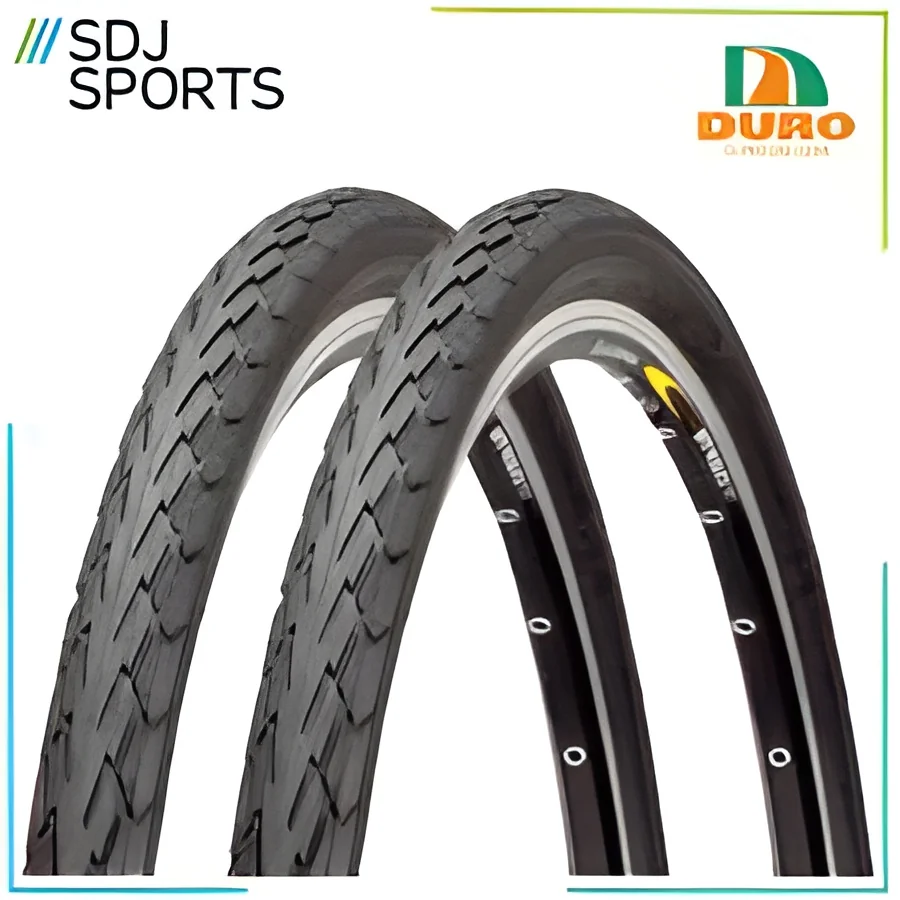
4. Tread Design
- Influences traction and handling in various environments
- Available in different patterns for specific performance needs
5. Inflation Pressure
- Recommended pressure levels for optimal performance
- Varies based on tyre size and load conditions
6. Compatibility
- Specific designs for compatibility with various wheel types
- Ensures proper fitment and performance
7. Temperature Resistance
- Capacity to withstand varying temperature ranges
- Critical for maintaining performance in extreme conditions
8. Certification Standards
- Compliance with industry standards such as CE
- Ensures safety and reliability in use
In summary, understanding the key features and specifications of wheels, tyres, and tubes is essential for making informed purchasing decisions. These specifications help businesses select the right components for their specific needs and applications.
𝗖𝗼𝗺𝗺𝗼𝗻 𝗔𝗽𝗽𝗹𝗶𝗰𝗮𝘁𝗶𝗼𝗻𝘀 𝗮𝗻𝗱 𝗨𝘀𝗲 𝗖𝗮𝘀𝗲𝘀
Wheels, tyres, and tubes serve a wide range of industries, playing a vital role in various applications.
1. Automotive Industry: Wheels and tyres are integral for passenger vehicles, commercial trucks, and motorcycles, ensuring safe and efficient transportation.
2. Construction Industry: Heavy machinery such as excavators and bulldozers rely on robust tyres to navigate challenging terrains and support heavy loads.
3. Agriculture Sector: Tractors and other farming equipment utilize specially designed tyres to enhance traction and performance on uneven ground.
4. Material Handling: Forklifts and pallet jacks use durable wheels and tyres to facilitate the movement of goods in warehouses and distribution centers.
5. Aerospace: Aircraft use specialized wheels and tyres designed to withstand extreme conditions during takeoff and landing.
6. Recreational Vehicles: Off-road vehicles and ATVs require high-performance tyres to ensure safety and handling in rugged environments.
7. Public Transportation: Buses and trams depend on reliable wheels and tyres for effective urban transit systems.
𝗣𝗿𝗼𝗱𝘂𝗰𝘁 𝗩𝗮𝗿𝗶𝗮𝗻𝘁𝘀 𝗮𝗻𝗱 𝗦𝘂𝗯𝗰𝗮𝘁𝗲𝗴𝗼𝗿𝗶𝗲𝘀
Wheels, tyres, and tubes exhibit a diverse range of variants to cater to different applications and industries. Each variant is designed to meet specific performance criteria.
Passenger Vehicle Tyres
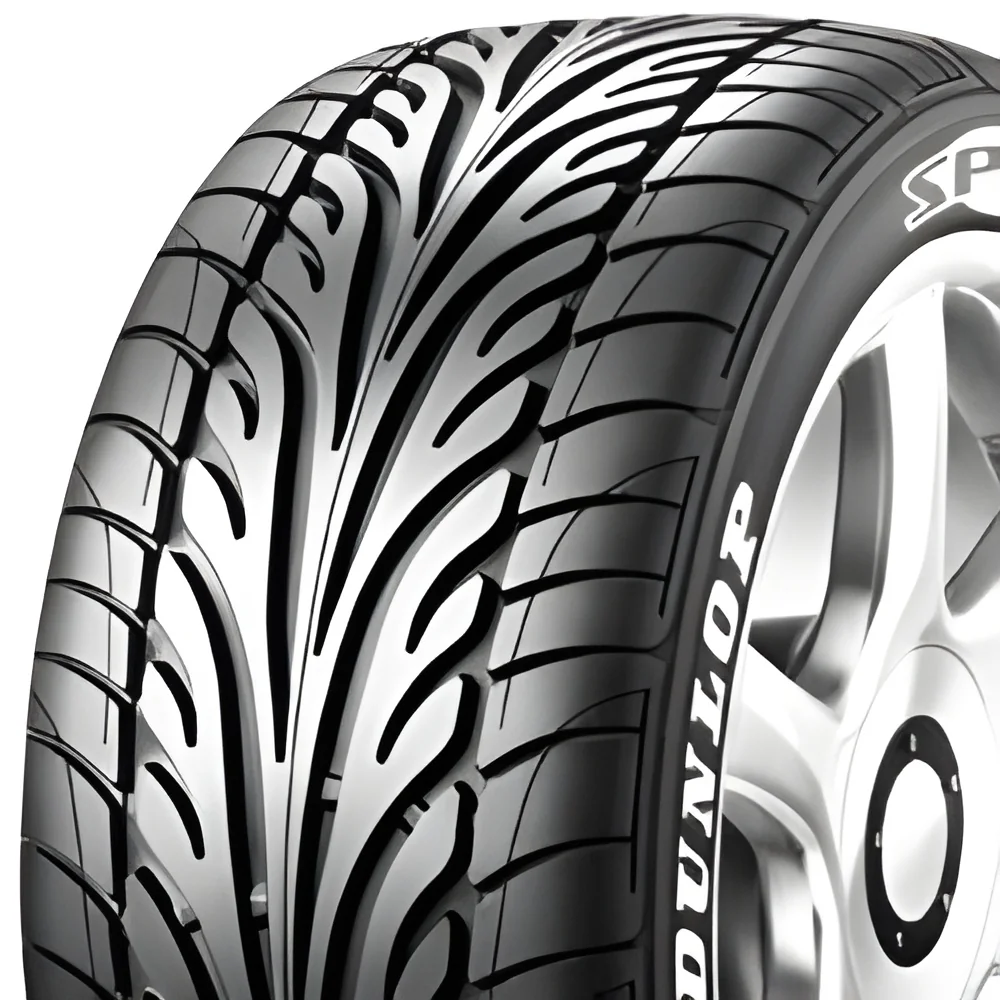
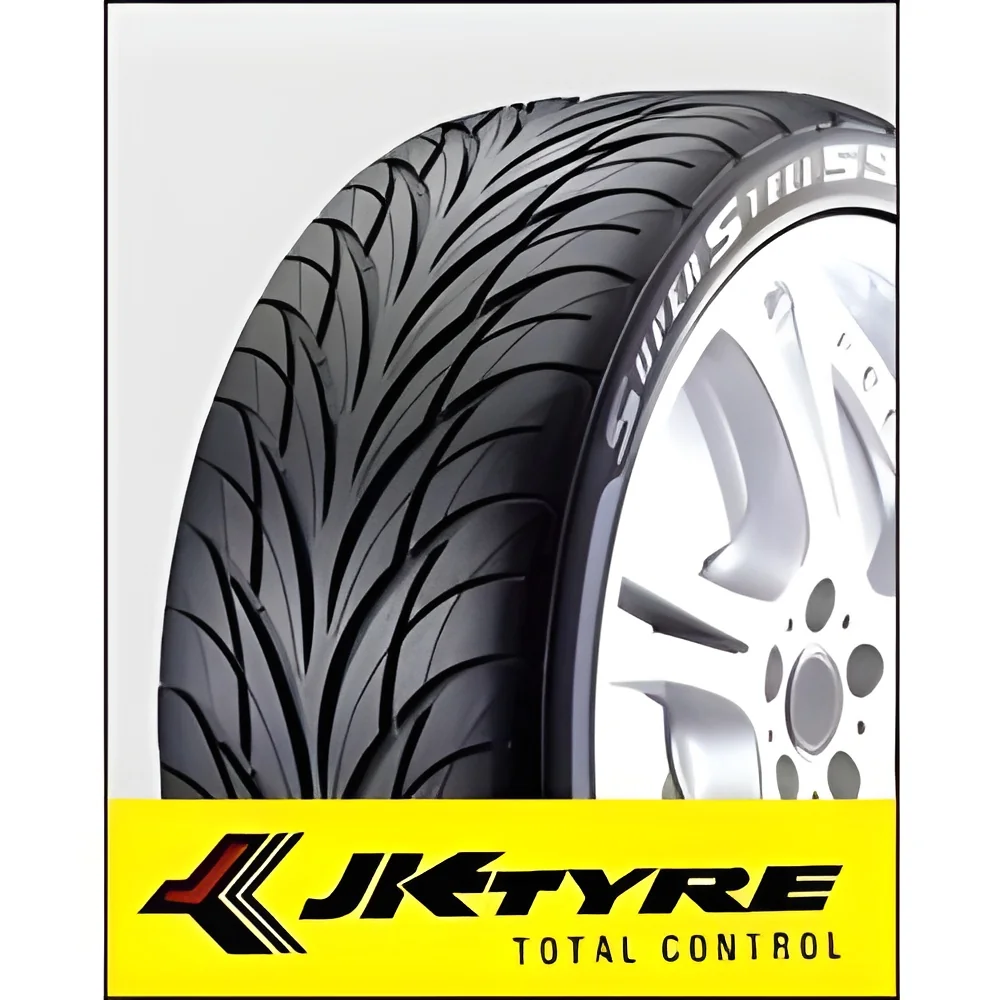
These tyres are engineered for comfort and fuel efficiency, providing a smooth ride for everyday vehicles. They often feature advanced tread designs for improved traction and handling.
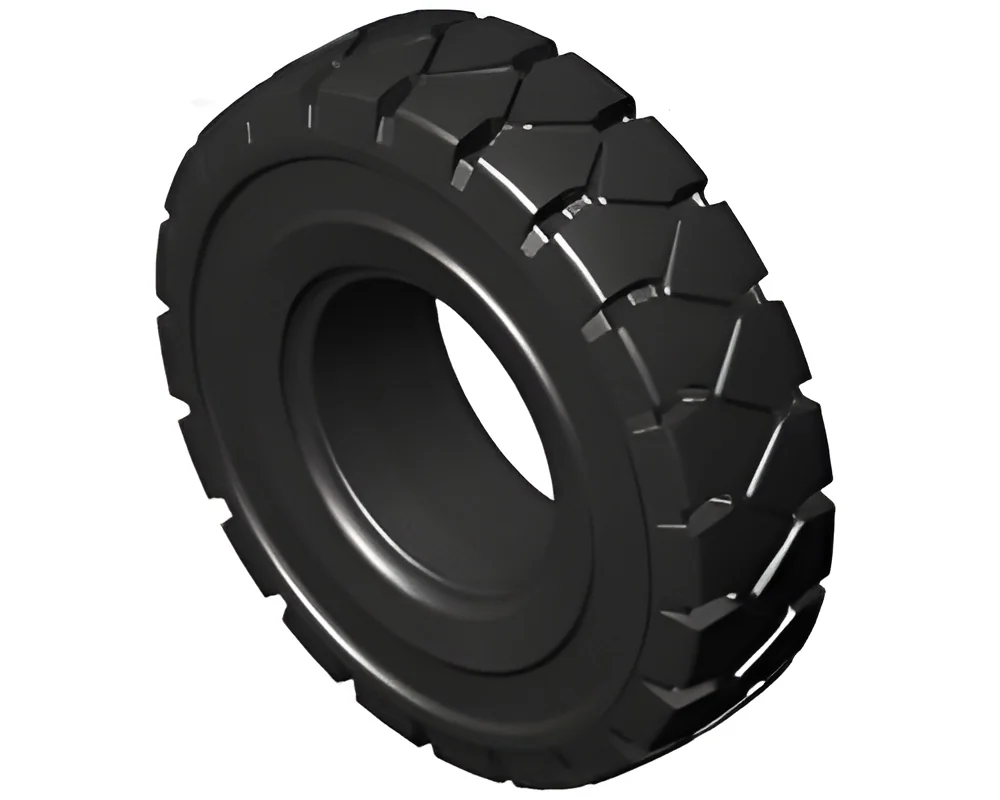
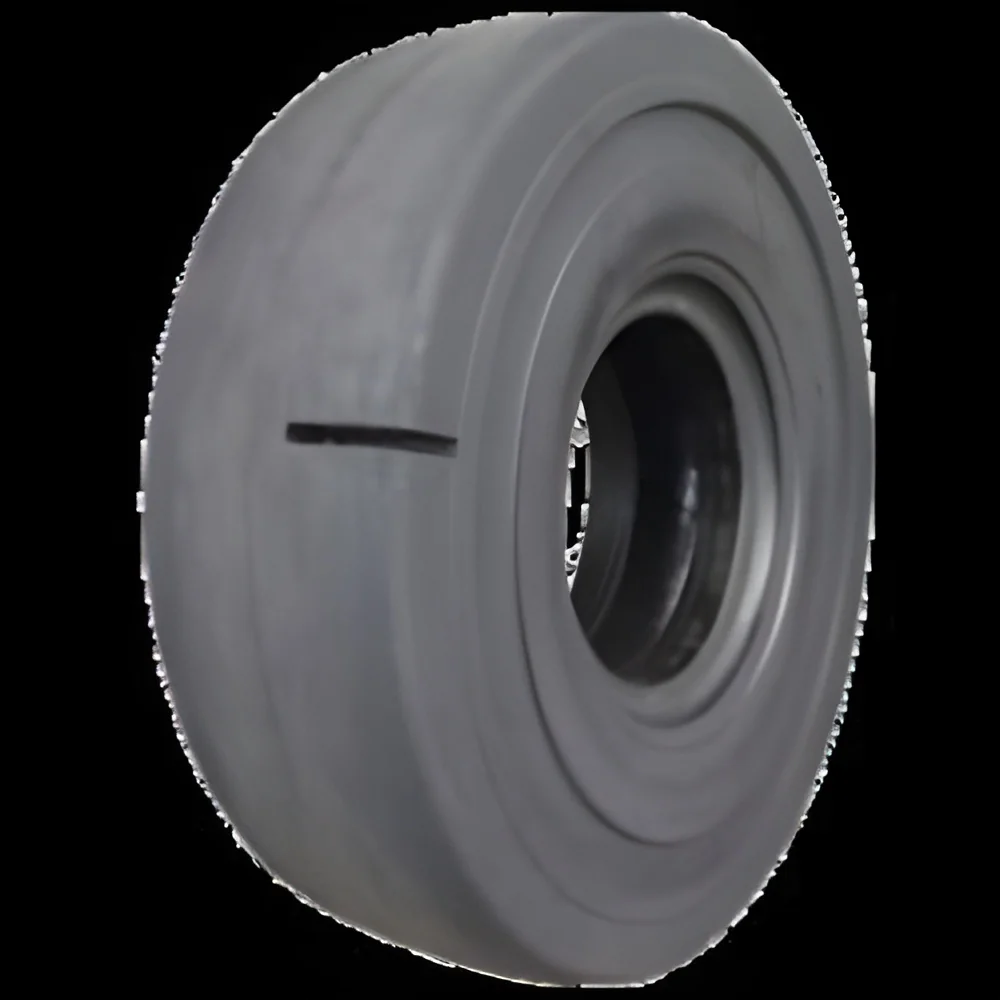
Heavy-Duty Industrial Tyres
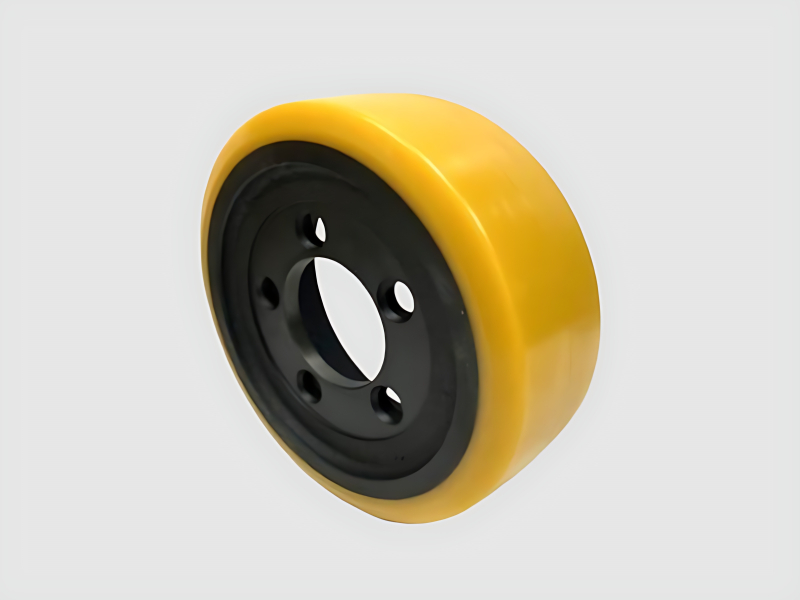
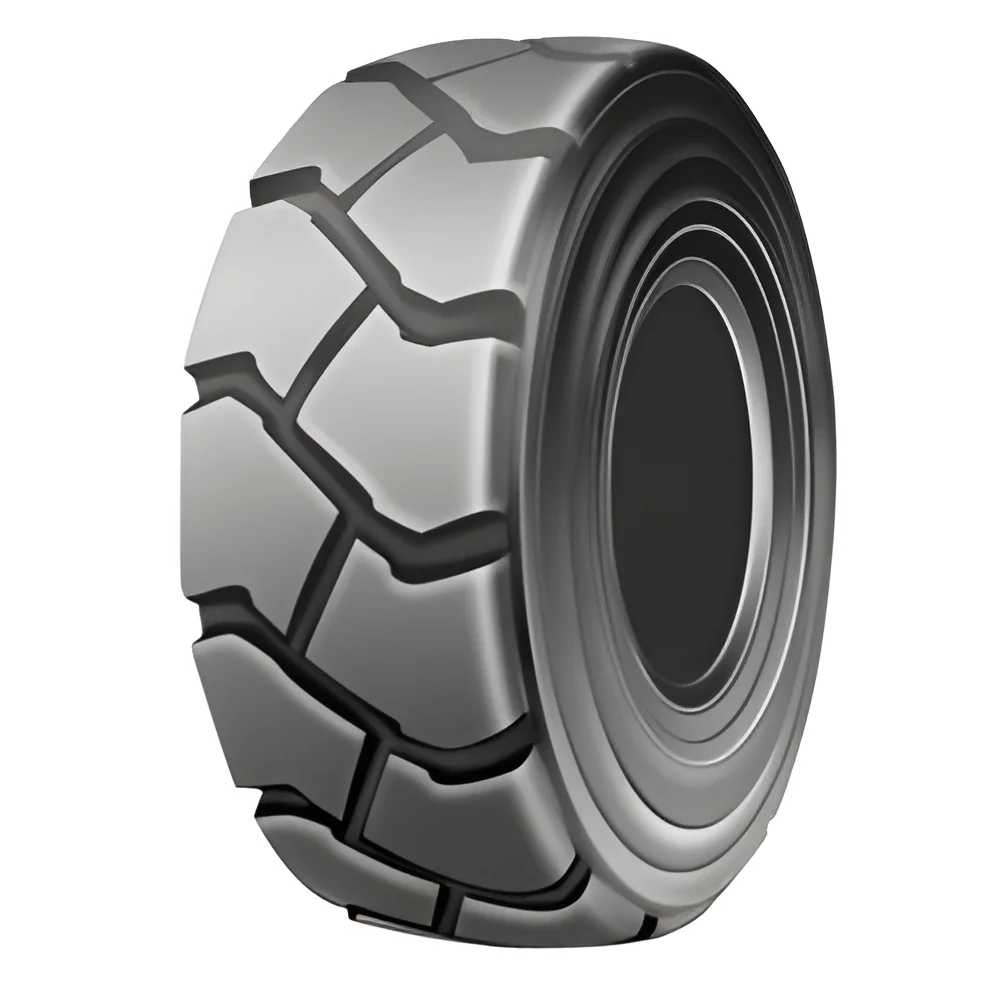
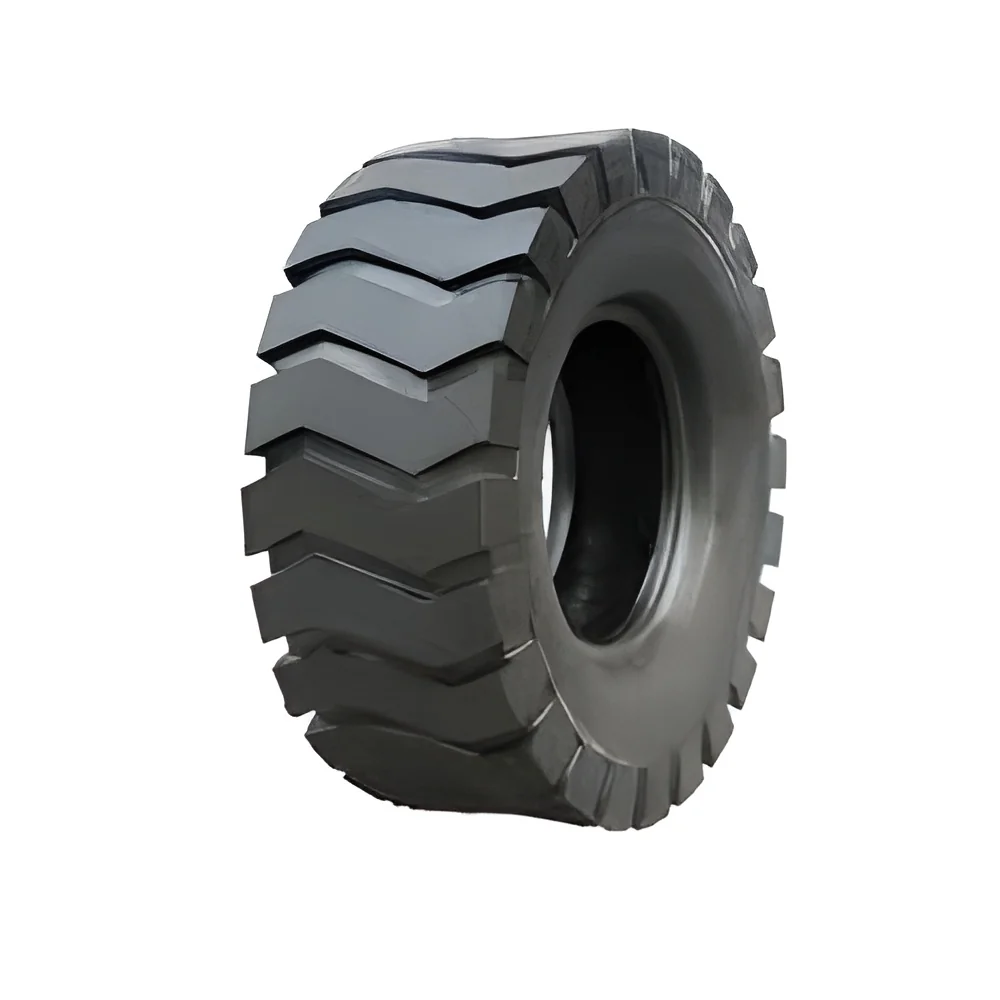
Designed for robustness, these tyres are used in forklifts and industrial vehicles. They offer excellent load-bearing capacity and durability, suitable for demanding environments.
Agricultural Tyres
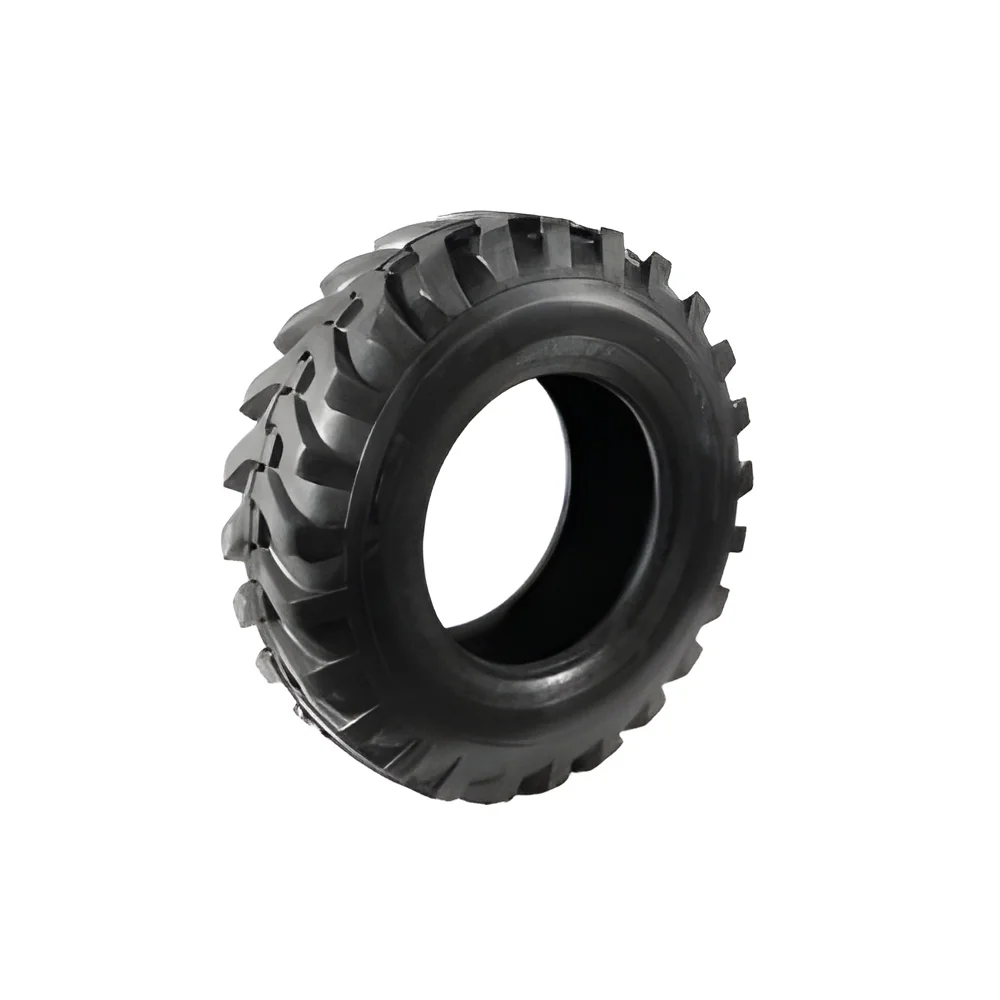
These tyres are specifically crafted for agricultural machinery, providing enhanced traction on soft and uneven surfaces. They are designed to support heavy equipment while minimizing soil compaction.
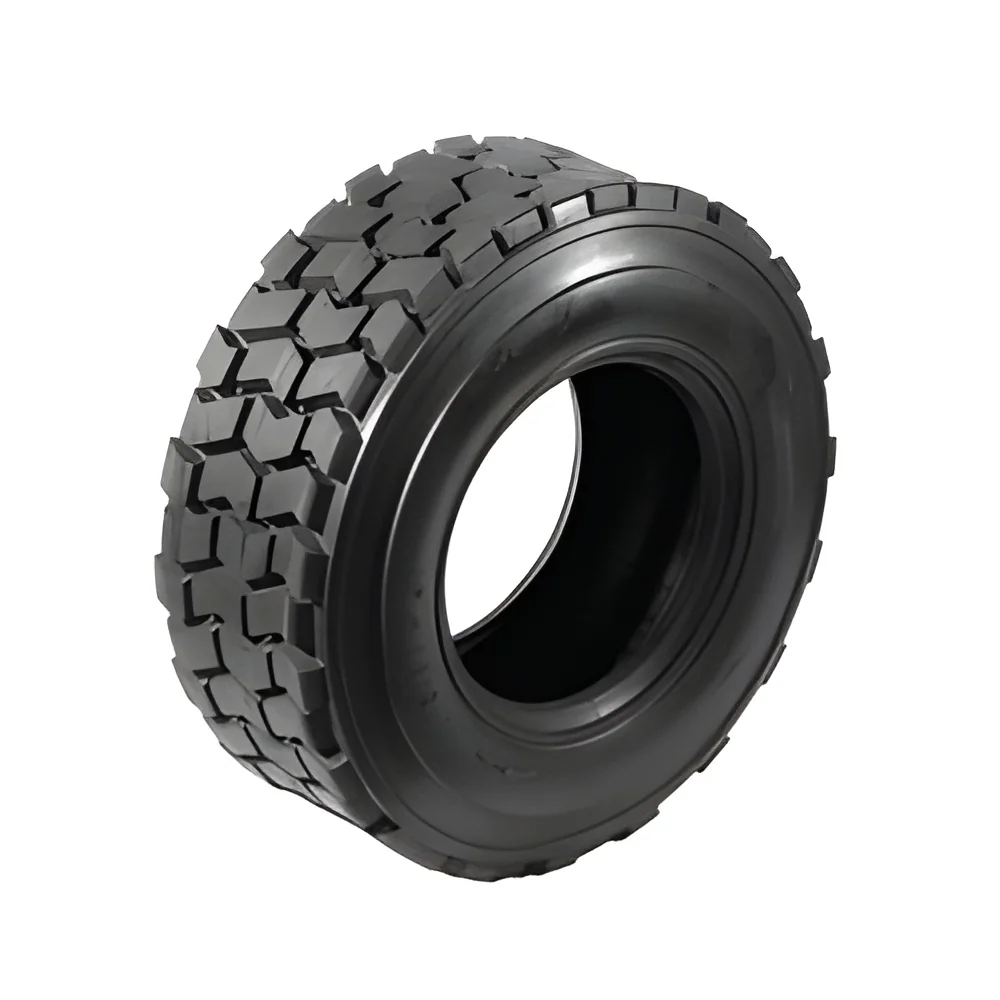
All-Terrain Tyres
Ideal for off-road vehicles, these tyres feature aggressive tread patterns that enhance grip on various surfaces. They are commonly used in recreational applications and for vehicles that operate in rugged terrains.
𝗕𝗲𝗻𝗲𝗳𝗶𝘁𝘀 𝗮𝗻𝗱 𝗔𝗱𝘃𝗮𝗻𝘁𝗮𝗴𝗲𝘀
Sourcing high-quality wheels, tyres, and tubes offers numerous advantages for businesses.
1. Enhanced Safety: Quality components improve vehicle stability and handling, significantly reducing the risk of accidents.
2. Improved Performance: High-performance tyres enhance fuel efficiency and provide better traction, leading to overall operational efficiency.
3. Cost-Effectiveness: Durable wheels and tyres reduce replacement frequency, saving costs in the long run.
4. Customization Options: Many suppliers offer tailored solutions to meet specific business needs, ensuring optimal performance in unique applications.
5. Regulatory Compliance: Sourcing from certified suppliers ensures adherence to industry standards, enhancing safety and reliability.
6. Increased Productivity: Reliable components minimize downtime, allowing for smoother operations and more efficient workflows.
𝗕𝘂𝘆𝗶𝗻𝗴 𝗚𝘂𝗶𝗱𝗲 𝗳𝗼𝗿 𝗕𝟮𝗕 𝗕𝘂𝘆𝗲𝗿𝘀
When sourcing wheels, tyres, and tubes, businesses should consider several key factors to ensure they make informed purchasing decisions.
1. Quality Assessment: Evaluate the quality of materials and construction. Look for certifications that indicate adherence to industry standards.
2. Supplier Verification: Research suppliers to ensure they have a proven track record. Checking references and customer reviews can provide insights into their reliability.
3. Pricing and MOQ: Understand the pricing structure and minimum order quantities. This helps in budgeting and ensures alignment with business needs.
4. Delivery and Lead Times: Discuss logistics and expected delivery times to avoid disruptions in operations. Reliable suppliers should provide clear timelines.
5. Compliance Requirements: Ensure that products meet any relevant regulatory and compliance standards specific to your industry. This is crucial for maintaining safety and legality.
𝗖𝗼𝗺𝗽𝗹𝗶𝗮𝗻𝗰𝗲 𝗮𝗻𝗱 𝗖𝗲𝗿𝘁𝗶𝗳𝗶𝗰𝗮𝘁𝗶𝗼𝗻𝘀
Wheels, tyres, and tubes must adhere to various compliance standards and certifications to ensure safety and quality. Relevant quality standards, such as ISO 9001, indicate that products are manufactured to meet international quality management criteria.
Industry certifications like CE are essential, providing assurance that products comply with European safety standards. These certifications often involve rigorous testing to confirm that components can withstand operational stresses.
Safety and testing requirements are paramount in this industry, ensuring that products perform reliably under various conditions. Businesses must consider regional compliance, which may vary depending on local regulations and market demands. Understanding these compliance factors is crucial for sourcing reliable and safe products.
𝗪𝗵𝘆 𝗦𝗼𝘂𝗿𝗰𝗲 𝗪𝗵𝗲𝗲𝗹𝘀, 𝗧𝘆𝗿𝗲𝘀 & 𝗧𝘂𝗯𝗲𝘀 𝗳𝗿𝗼𝗺 𝗣𝗲𝗽𝗮𝗴𝗼𝗿𝗮?
Pepagora offers a trusted platform for sourcing wheels, tyres, and tubes, providing several key advantages to businesses.
Verified Supplier Network: Pepagora connects buyers with a network of verified suppliers, ensuring that all vendors meet stringent quality and reliability standards. This reduces the risk associated with sourcing components.
Streamlined RFQ Process: The platform facilitates a straightforward request for quotation process, allowing businesses to easily compare prices and specifications from multiple suppliers. This efficiency saves time and enhances decision-making.
Trade Assurance and Support: Pepagora offers buyer protection through trade assurance programs, ensuring that purchases are secure and that disputes can be resolved effectively. This added layer of security fosters confidence in transactions.
Regional Coverage: With a strong presence in regions such as India, GCC, and Southeast Asia, Pepagora provides access to a wide range of products and suppliers. This geographical reach enables businesses to source locally while benefiting from competitive pricing.
Overall, Pepagora stands out as a reliable partner for sourcing wheels, tyres, and tubes, offering quality, efficiency, and peace of mind for B2B buyers.

 IN
IN