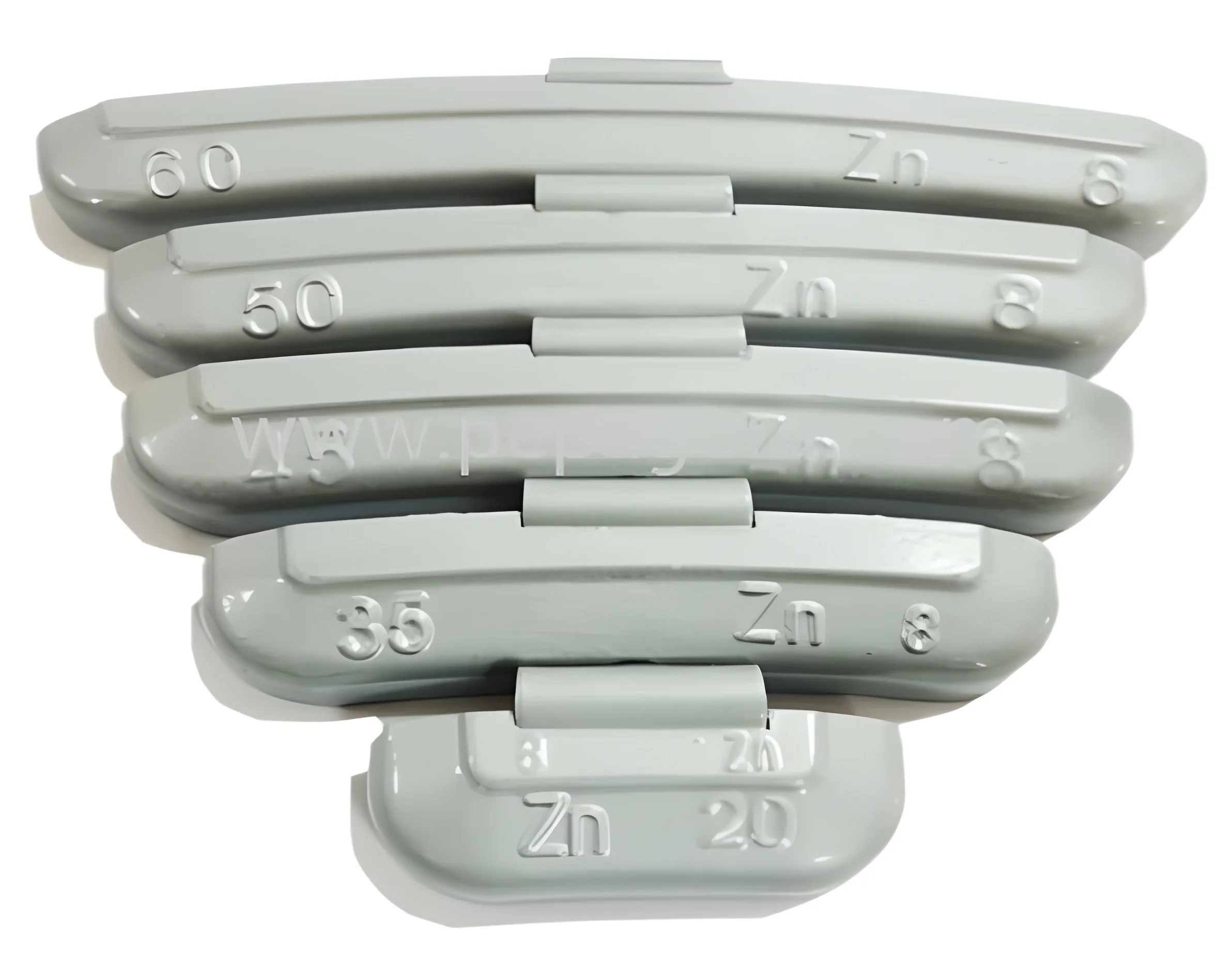
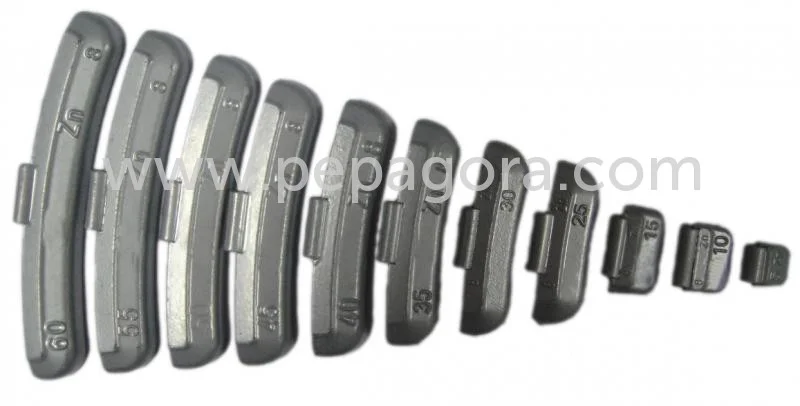
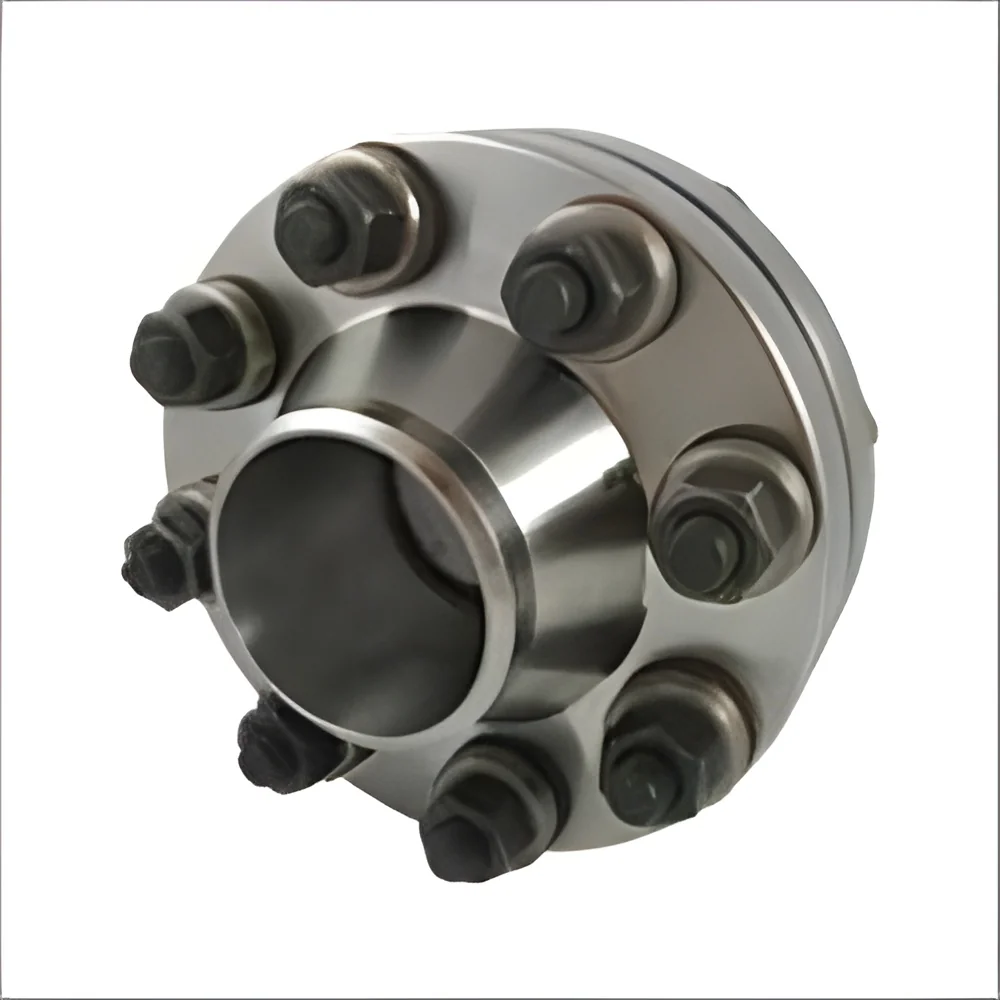
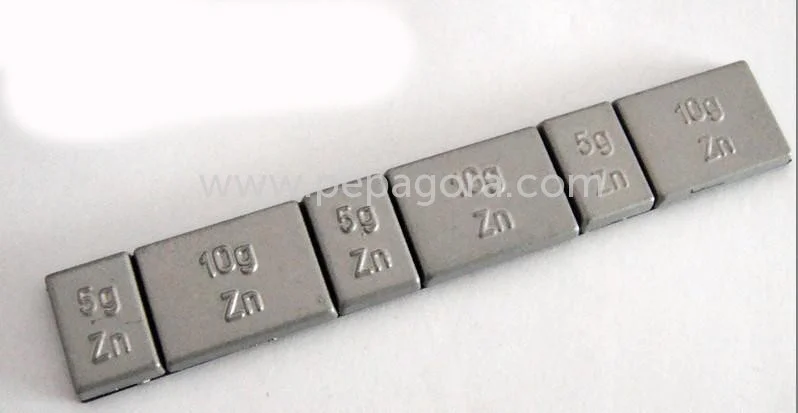
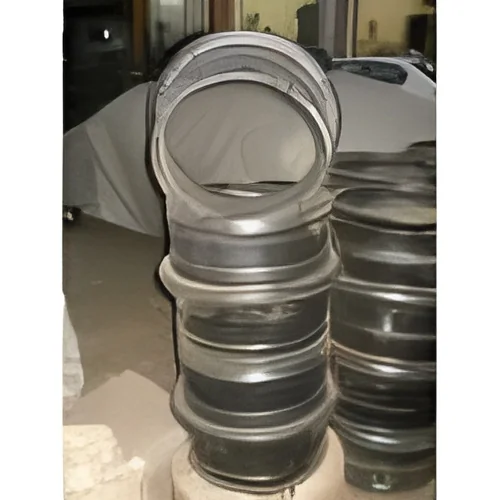
What are Wheel Rims?
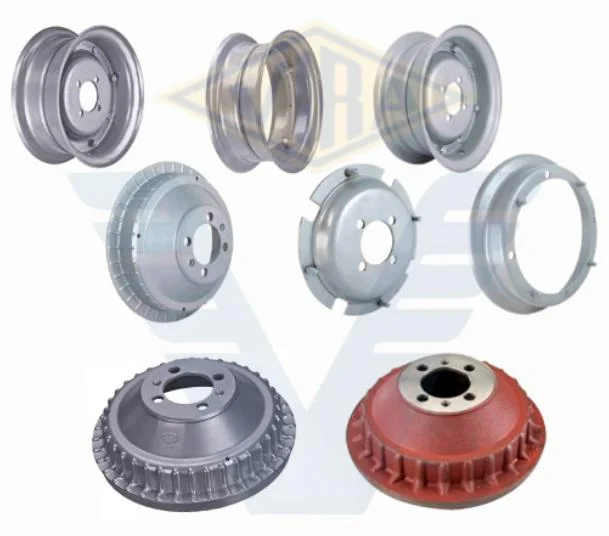
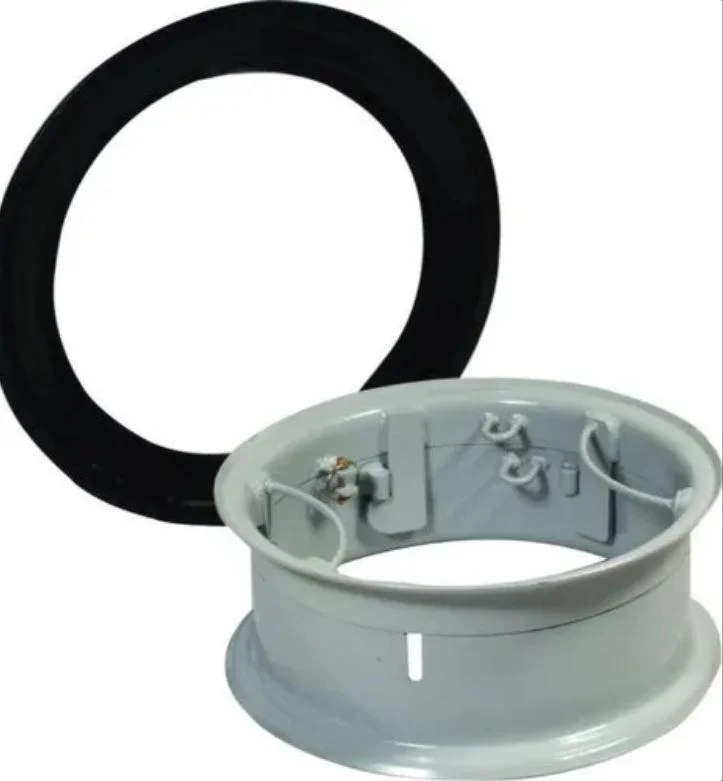
Wheel rims are critical components in various vehicles, functioning as the outer edge of the wheel that holds the tire in place. They provide structural support and ensure the tire maintains its shape under pressure. Wheel rims can be made from a variety of materials, including steel, aluminum, and alloys, each offering different characteristics in terms of weight, strength, and performance.
The primary applications of wheel rims are found in the automotive, aerospace, and industrial machinery sectors. They are vital for vehicles, from passenger cars to heavy trucks, ensuring safety and performance. In the aerospace industry, wheel rims are essential for aircraft landing gear, while industrial machinery relies on durable rims to support heavy loads. The market for wheel rims is growing due to advancements in manufacturing technologies and increasing demand for lightweight and high-performance components.
Key Features and Specifications
Wheel rims come with a variety of features and specifications that cater to the needs of different industries. These specifications are essential for ensuring compatibility and performance in various applications.
Key specifications include:
1. Material Composition
- Commonly made from steel, aluminum, or alloy
- Each material offers distinct strength and weight advantages
2. Rim Diameter
- Available in a range of diameters to fit different vehicle types
- Typical diameters range from 10 inches to over 30 inches
3. Rim Width
- Widths vary to accommodate different tire sizes
- Common ranges include 5 to 12 inches
4. Load Capacity
- Indicates the maximum weight the rim can support
- Load ratings are specified in pounds or kilograms
5. Offset
- Refers to the distance between the wheel's centerline and the hub mounting surface
- Offset affects vehicle handling and tire clearance
6. Finish Type
- Various finishes available, including painted, polished, or anodized
- Finishes impact aesthetics and corrosion resistance
7. Bolt Pattern
- Refers to the arrangement of bolt holes for mounting
- Common patterns include 4, 5, and 6 bolts
8. Certification
- Compliance with standards such as CE for safety and quality assurance
- Certifications ensure the rim meets industry requirements
Choosing the right specifications is crucial for performance and safety in various applications.
Common Applications and Use Cases
Wheel rims are used across multiple industries due to their versatility and importance in vehicle performance.
1. Automotive Industry: Wheel rims are essential for passenger cars, trucks, and buses, ensuring optimal tire support and safety during operation.
2. Aerospace Industry: In aircraft, wheel rims play a crucial role in landing gear systems, designed to withstand high stress during takeoff and landing.
3. Industrial Machinery: Heavy equipment relies on durable wheel rims to support significant weight, particularly in construction and mining applications.
4. Motorcycles: Specialized rims are designed for motorcycles to enhance performance and handling, accommodating different tire types.
5. Recreational Vehicles: Wheel rims for RVs are tailored for stability and durability, ensuring safe travel on varied terrains.
6. Bicycles: Lightweight rims are crucial for high-performance bicycles, impacting speed and maneuverability.
7. Agricultural Equipment: Rims used in tractors and farm machinery must endure rough conditions, requiring robust designs.
Product Variants and Subcategories
Wheel rims come in various types to meet specific industry needs and applications.
Steel Rims: These are the most common type, known for their durability and cost-effectiveness. They are widely used in commercial vehicles and heavy machinery.
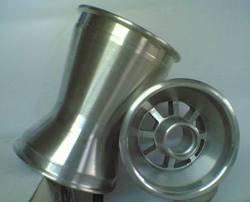
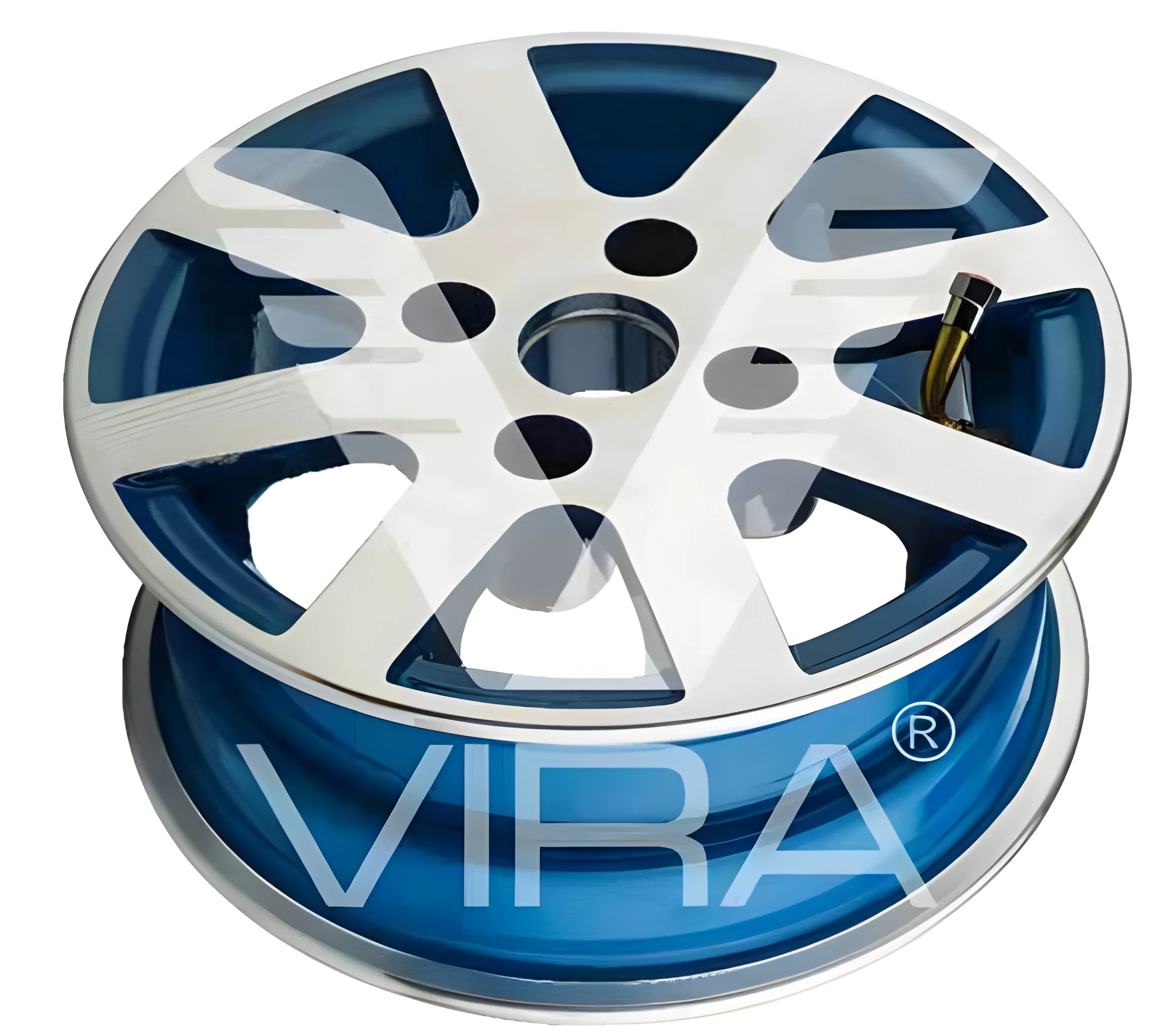
Aluminum Rims: Lighter than steel, aluminum rims provide better performance and are often found in passenger vehicles. They enhance fuel efficiency and handling.
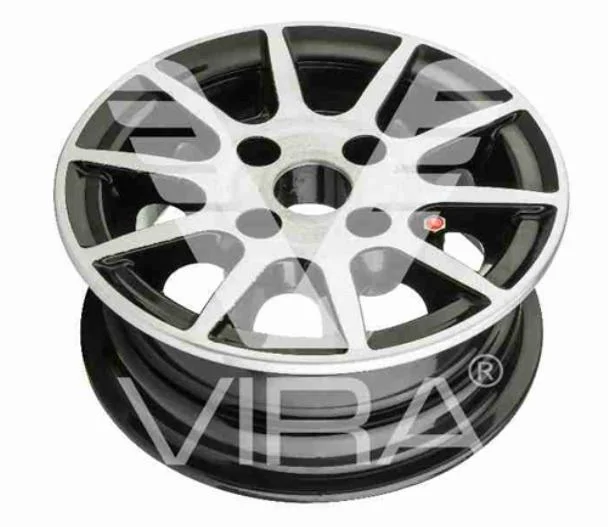
Alloy Rims: A blend of metals, alloy rims offer a balance between strength and weight. They are popular in high-performance vehicles for their aesthetic appeal and performance benefits.
Customization Options: Many manufacturers offer customization for specific applications, allowing buyers to tailor rims to unique requirements.
Benefits and Advantages
Wheel rims provide numerous advantages that contribute to their widespread use in various applications.
1. Enhanced Performance: Quality wheel rims improve vehicle handling and stability, leading to better overall performance.
2. Weight Reduction: Lighter materials, such as aluminum and alloys, help reduce the overall weight of vehicles, enhancing fuel efficiency.
3. Durability: High-quality rims are built to withstand harsh conditions and heavy loads, ensuring longevity and reliability.
4. Aesthetic Appeal: Alloy and customized rims offer aesthetic enhancements, allowing for personalized vehicle styling.
5. Improved Safety: Properly designed wheel rims contribute to vehicle safety by ensuring tires remain securely mounted and properly aligned.
6. Cost-Effectiveness: Investing in quality rims can lead to reduced maintenance costs and longer replacement intervals.
Buying Guide for B2B Buyers
When sourcing wheel rims, it is essential to consider several factors to ensure a successful purchase.
1. Quality Assessment: Buyers should evaluate the material and manufacturing processes to ensure high-quality standards are met. Look for certifications that guarantee performance and safety.
2. Supplier Verification: It is crucial to vet suppliers thoroughly. Check references, reviews, and certifications to ensure reliability and quality in the sourcing process.
3. Pricing and MOQ: Understanding the pricing structure and minimum order quantities is vital for budgeting. Compare several suppliers to find the best value.
4. Delivery and Lead Times: Consider logistics and the expected delivery timeline. Reliable suppliers should provide clear lead times to avoid delays in production.
5. Compliance Requirements: Ensure that the rims meet local and international compliance standards. This is essential for safety and regulatory adherence.
Compliance and Certifications
Compliance and certifications are critical in the manufacturing of wheel rims to ensure safety and quality standards are met.
ISO 9001 certification is often sought after in manufacturing, indicating adherence to quality management systems. This standard ensures consistency in product quality and operational efficiency.
CE marking is essential for products sold within the European Economic Area, demonstrating compliance with health, safety, and environmental protection standards.
Safety and testing requirements vary by region, but they generally include load testing and durability assessments to ensure rims can withstand operational stresses.
Buyers should also be aware of regional compliance considerations, as different markets may have specific regulations governing vehicle components.
Why Source Wheel Rims from Pepagora?
Pepagora offers a comprehensive platform for sourcing wheel rims, providing several key advantages for B2B buyers.
Verified Supplier Network: Pepagora connects buyers with a robust network of verified suppliers. Each supplier undergoes rigorous vetting, ensuring quality and reliability in the sourcing process.
Streamlined RFQ Process: The platform features an efficient Request for Quotation (RFQ) system, allowing buyers to easily compare offers from multiple suppliers. This simplifies decision-making and ensures competitive pricing.
Trade Assurance and Support: Pepagora provides trade assurance, offering buyer protection throughout the sourcing process. This includes support for resolving disputes and ensuring timely deliveries.
Regional Coverage: With a presence in regions like India, the GCC, and Southeast Asia, Pepagora facilitates access to a diverse range of suppliers, catering to various market needs and preferences. This broad geographic reach enhances sourcing efficiency and effectiveness.

 IN
IN