What are Passenger Car Tyres?
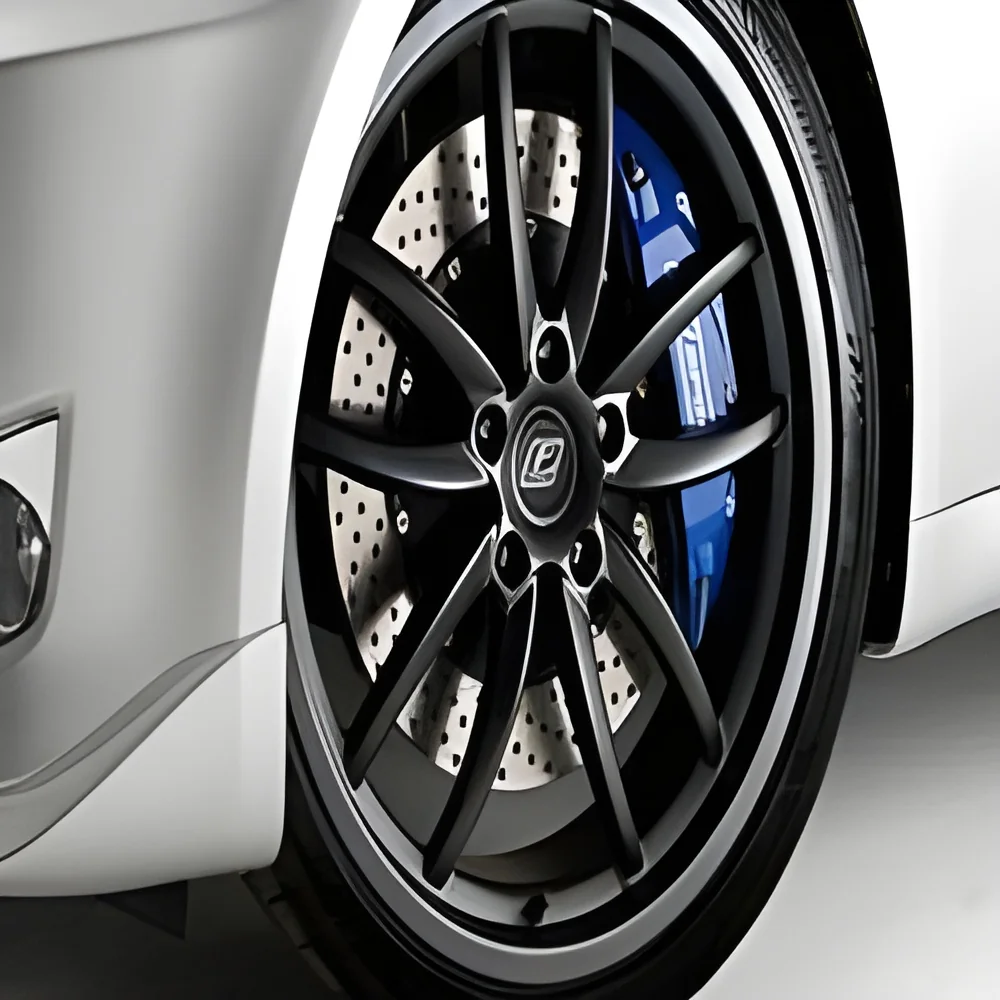
Passenger car tyres are essential components for vehicles designed to transport individuals and small groups. They are engineered to support the weight of the vehicle, provide traction, and ensure safety during operation. These tyres are typically made from rubber compounds that are reinforced with various materials to enhance their durability and performance. They come in different sizes and tread patterns to cater to various driving conditions, such as wet, dry, or off-road environments.
The primary uses of passenger car tyres include everyday commuting, long-distance travel, and recreational driving. Businesses in the automotive sector, such as car manufacturers and repair shops, rely heavily on high-quality tyres to ensure customer satisfaction and vehicle safety. Additionally, these tyres play a crucial role in the supply chain of the automotive industry, influencing aspects such as fuel efficiency and vehicle handling. With a growing emphasis on environmental sustainability, the tyre industry is also exploring innovations in materials and manufacturing processes.
The market for passenger car tyres is highly competitive, with numerous manufacturers offering a wide range of products. Factors such as technological advancements, regulatory compliance, and consumer preferences drive the industry's evolution. As electric vehicles and hybrid cars gain popularity, the demand for specific types of tyres that cater to these vehicles is also on the rise. Consequently, businesses must stay informed about market trends and innovations to remain competitive.
Key Features and Specifications
Passenger car tyres are characterized by multiple features that enhance their performance, safety, and longevity. These specifications help buyers make informed decisions when selecting tyres for their vehicles.
Key specifications include:
1. Tread Pattern
- The design of the tread affects grip and handling.
- Options include symmetric, asymmetric, and directional patterns.
2. Load Index
- Indicates the maximum weight a tyre can support.
- Typically ranges from 75 to 110 for passenger car tyres.
3. Speed Rating
- Represents the maximum speed a tyre can safely maintain.
- Common ratings include P (150 km/h), Q (160 km/h), and R (170 km/h).
4. Tyre Size
- Specified by a series of numbers and letters indicating width, aspect ratio, and diameter.
- Common sizes range from 175/65 R14 to 225/45 R17.
5. Temperature Resistance
- Indicates the tyre’s ability to withstand heat generated during use.
- Generally classified as A (highest) to C (lowest).
6. Wet Traction
- Measures a tyre's ability to grip wet surfaces.
- Evaluated through standardized tests that provide ratings.
7. Rolling Resistance
- Impacts fuel efficiency and overall vehicle performance.
- Lower resistance contributes to better fuel economy.
8. Warranty
- Manufacturers often provide warranties that cover defects and performance.
- Typical warranties range from 30,000 to 80,000 miles.
In summary, understanding these specifications is vital for businesses seeking to purchase passenger car tyres that meet their operational needs and ensure vehicle safety.
Common Applications and Use Cases
Passenger car tyres find applications across various sectors, reflecting their versatility and importance in transportation.
1. Automotive Industry: Passenger car tyres are crucial for vehicle manufacturers, ensuring safety and performance in new models.
2. Fleet Management: Companies managing vehicle fleets rely on durable tyres to minimize downtime and maintenance costs.
3. Rental Services: Car rental businesses prioritize high-quality tyres to enhance customer satisfaction and safety.
4. Taxis and Ride-Sharing: Tyres must deliver reliability and comfort for daily use in urban environments.
5. Delivery Services: Efficient tyres are essential for logistics companies to ensure timely deliveries.
6. Racing and Performance Vehicles: Specialised tyres are designed for high-speed performance and handling in competitive settings.
7. Electric Vehicles: Innovative tyre designs are being developed to meet the unique requirements of electric car performance.
Product Variants and Subcategories
Passenger car tyres come in various types, each designed for specific driving conditions and vehicle types. This diversity allows businesses to select the most appropriate tyres for their needs.
All-Season Tyres: These tyres provide a balanced performance in various weather conditions, making them a popular choice for everyday driving. They offer good traction on both wet and dry surfaces.
Winter Tyres: Specifically designed for cold weather, winter tyres feature deeper treads and softer compounds. They enhance grip on snow and ice, ensuring safer driving in harsh conditions.
Performance Tyres: Engineered for high-speed and performance vehicles, these tyres focus on handling and responsiveness. They often feature a lower profile and a unique tread design.
Run-Flat Tyres: These tyres allow a vehicle to continue driving even after a puncture, providing an added layer of safety and convenience.
Benefits and Advantages
Passenger car tyres offer numerous benefits that contribute to vehicle performance and safety.
1. Enhanced Safety: Quality tyres improve grip and handling, reducing the risk of accidents.
2. Improved Fuel Efficiency: Low rolling resistance tyres can lead to better fuel economy, saving costs for businesses.
3. Increased Longevity: Durable tyres result in lower replacement frequency, providing better value over time.
4. Comfort and Noise Reduction: Advanced designs can minimize road noise and enhance ride quality.
5. Versatility: Different tyre types cater to various driving conditions, ensuring that businesses can meet specific needs.
6. Environmental Benefits: Eco-friendly tyres are designed to reduce carbon footprint through better efficiency and sustainable materials.
Buying Guide for B2B Buyers
When sourcing passenger car tyres, businesses should consider several crucial factors to ensure they make informed purchasing decisions.
1. Quality Assessment: Evaluate tyres based on their performance ratings, durability, and customer reviews to ensure you are selecting high-quality products.
2. Supplier Verification: Vet suppliers for reliability and reputation. Look for manufacturers with a track record of delivering consistent quality and service.
3. Pricing and MOQ: Understand the pricing structure and minimum order quantities (MOQ) to align with your budget and inventory needs.
4. Delivery and Lead Times: Consider logistics and delivery schedules to ensure that your supply chain remains uninterrupted.
5. Compliance Requirements: Familiarize yourself with regulatory standards and certifications to ensure that the tyres meet industry safety and performance requirements.
Compliance and Certifications
Passenger car tyres are subject to various quality standards and certifications that ensure safety and performance. Compliance with ISO 9001 ensures a consistent quality management system among manufacturers, while CE certification indicates that the tyres meet European health and safety standards.
Tyres must also undergo rigorous testing to assess their performance under various conditions, including temperature resistance, wet traction, and rolling resistance. Additionally, manufacturers should adhere to regional compliance considerations, which may vary based on geographic markets.
Overall, these certifications and compliance measures are essential for maintaining safety, reliability, and consumer trust within the tyre industry.
Why Source Passenger Car Tyres from Pepagora?
Pepagora provides a trusted platform for sourcing passenger car tyres with several key advantages that benefit B2B buyers.
Verified Supplier Network: The platform features a network of verified suppliers, ensuring that buyers can connect with reputable manufacturers. This verification process helps mitigate risks associated with purchasing from unverified sources.
Streamlined RFQ Process: Pepagora offers a streamlined request-for-quotation (RFQ) process that simplifies the sourcing experience. Buyers can easily submit their requirements and receive competitive quotes from multiple suppliers.
Trade Assurance and Support: The platform includes trade assurance services that protect buyers against potential issues during transactions. This added layer of support fosters confidence in sourcing decisions.
Regional Coverage: With a focus on key markets such as India, the GCC, and Southeast Asia, Pepagora ensures that businesses can access a wide range of tyre options tailored to their regional needs. This geographic reach helps buyers find the right products for their specific applications.
In conclusion, Pepagora stands out as a reliable partner for businesses seeking high-quality passenger car tyres, offering essential support throughout the sourcing process.

 IN
IN