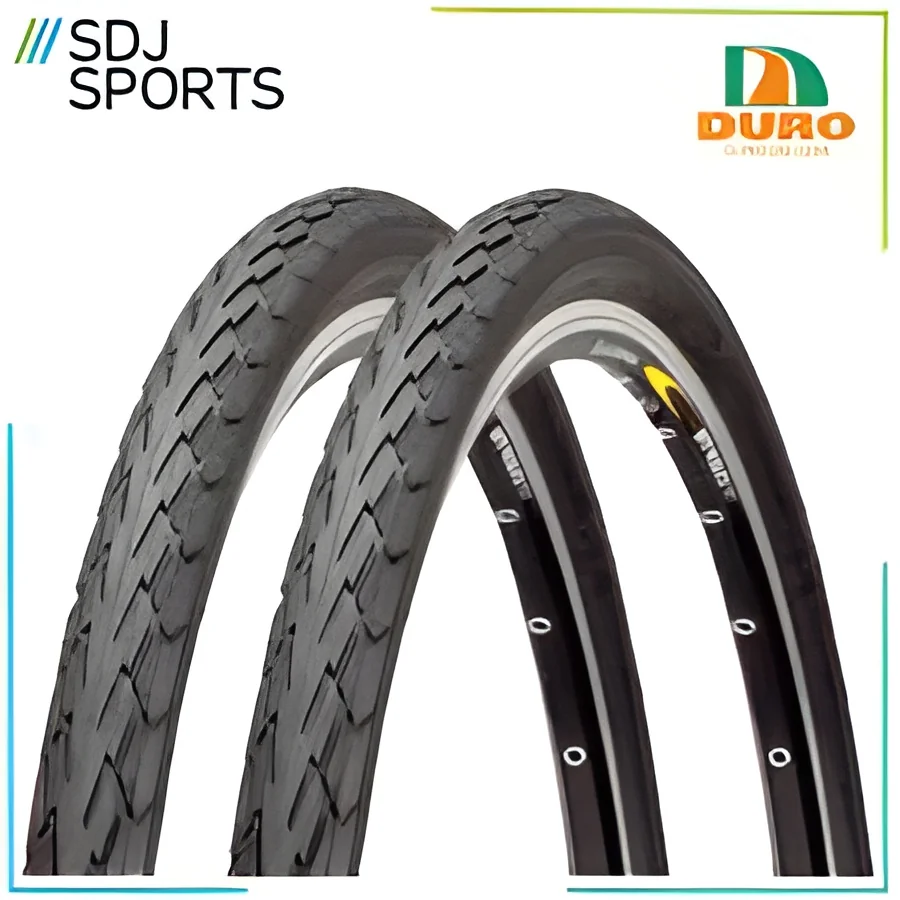
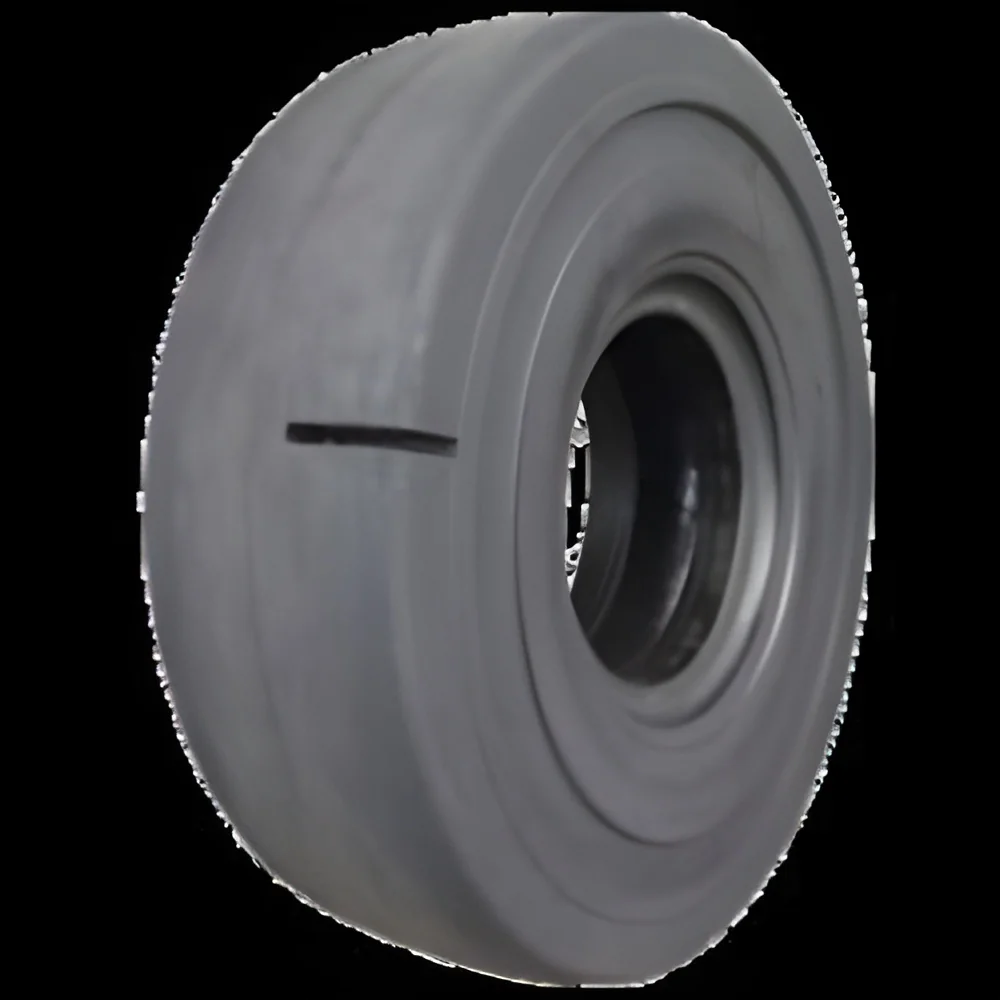
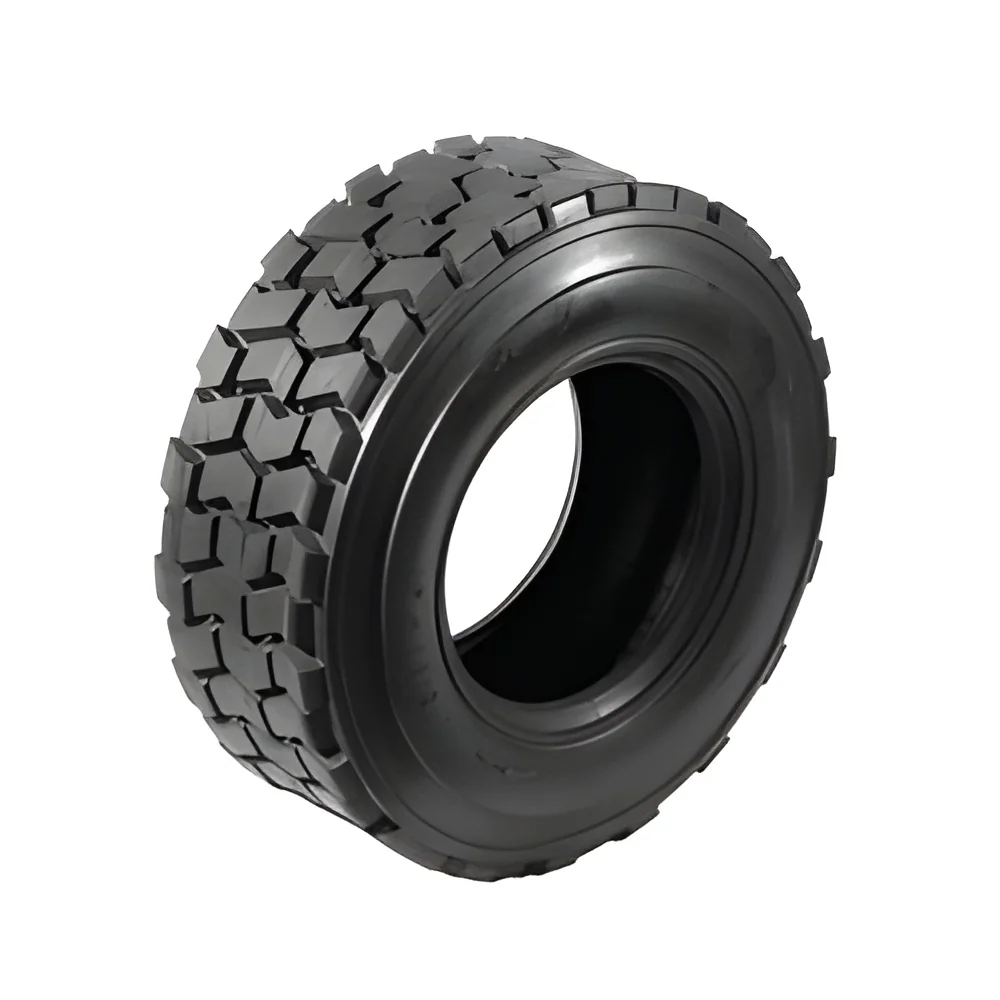
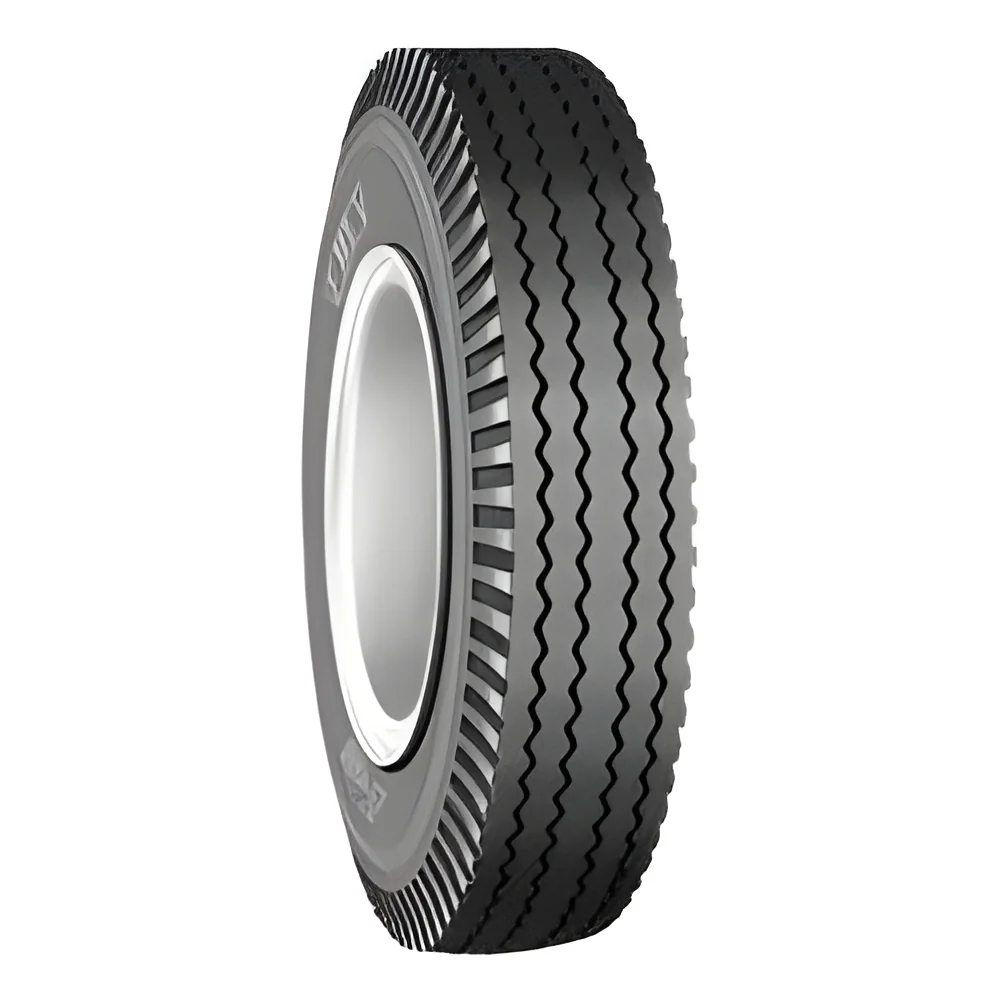
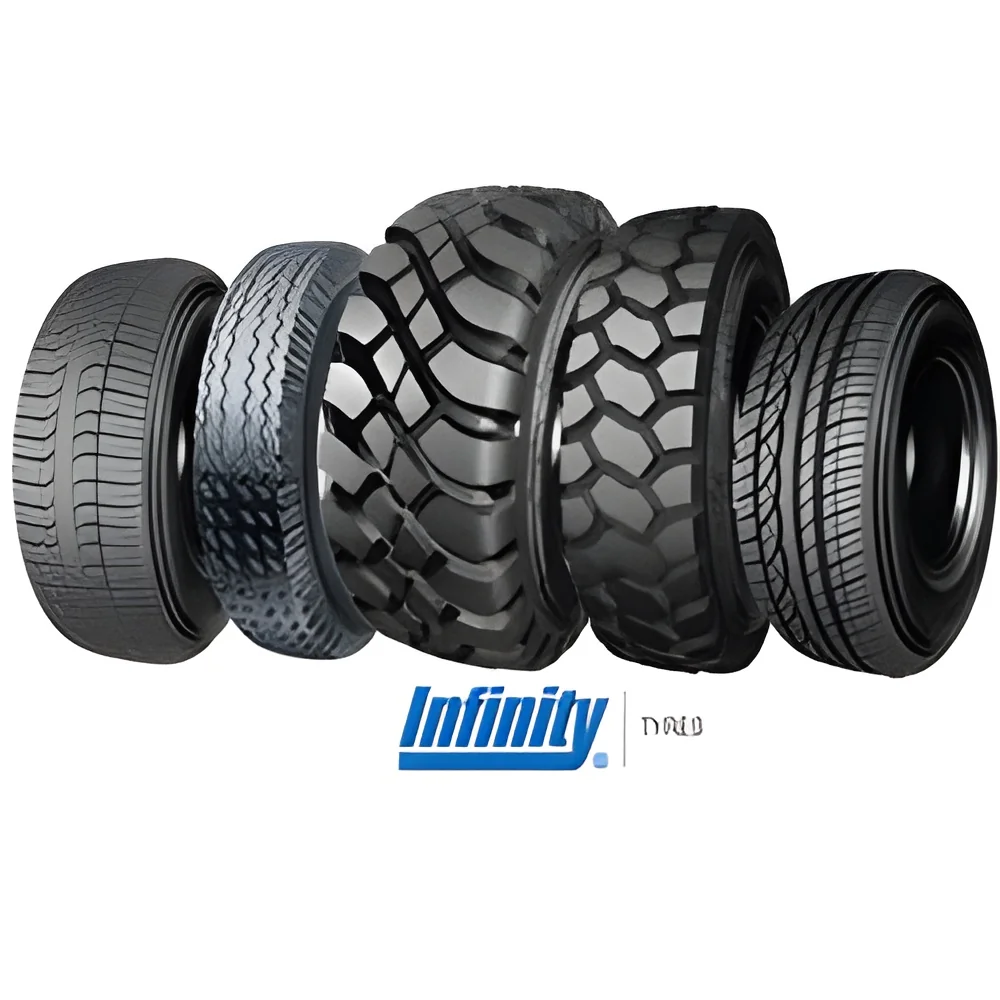
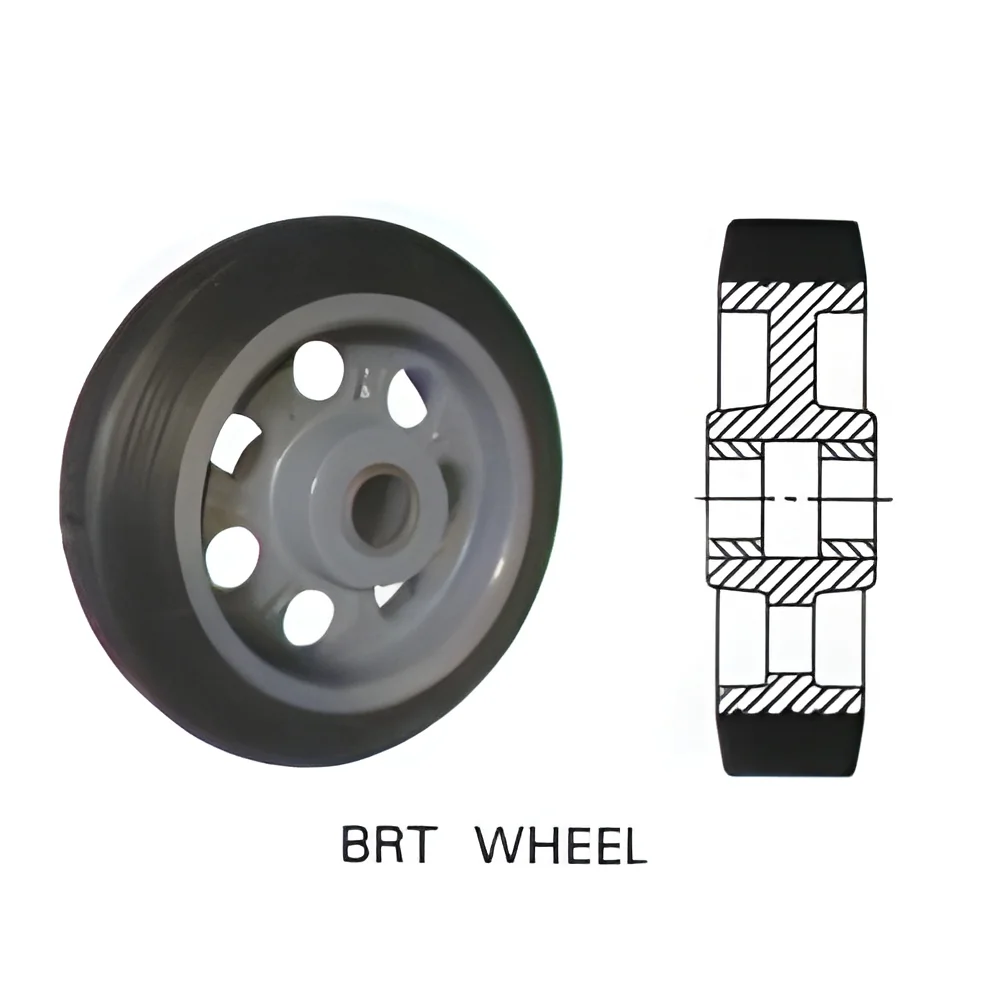
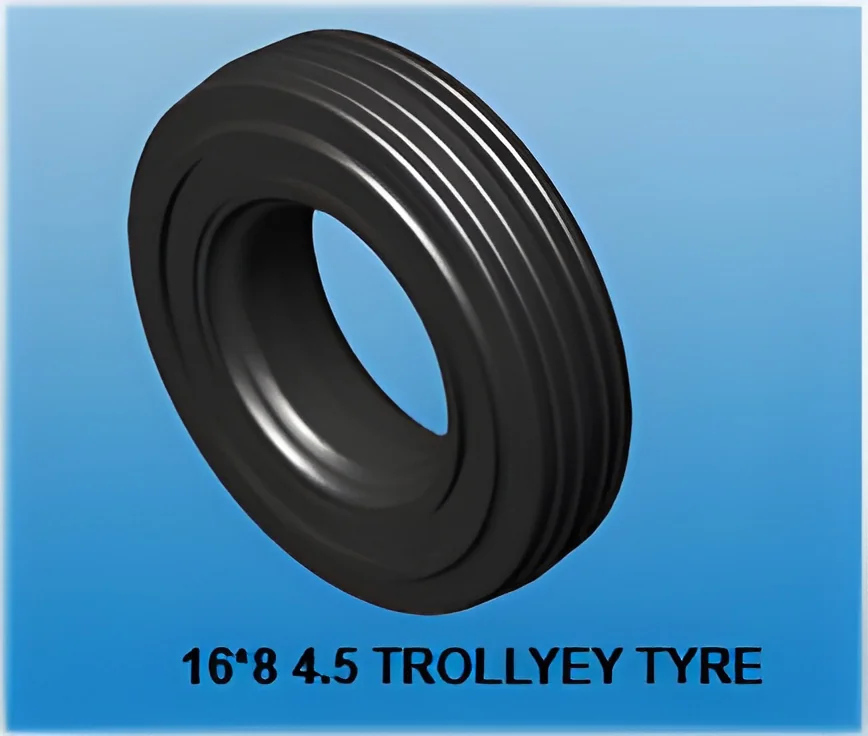
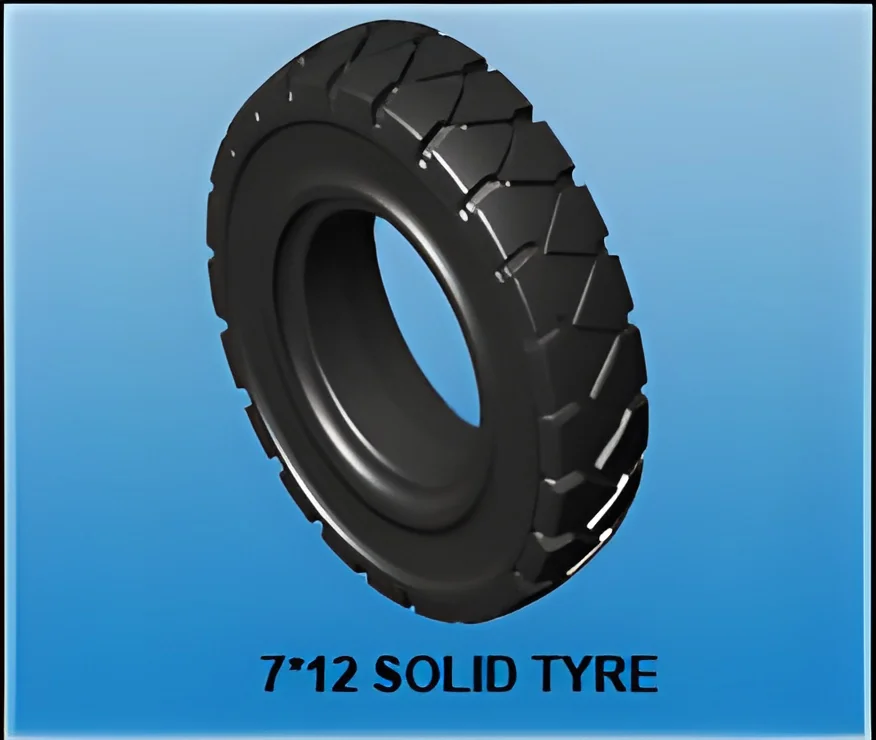
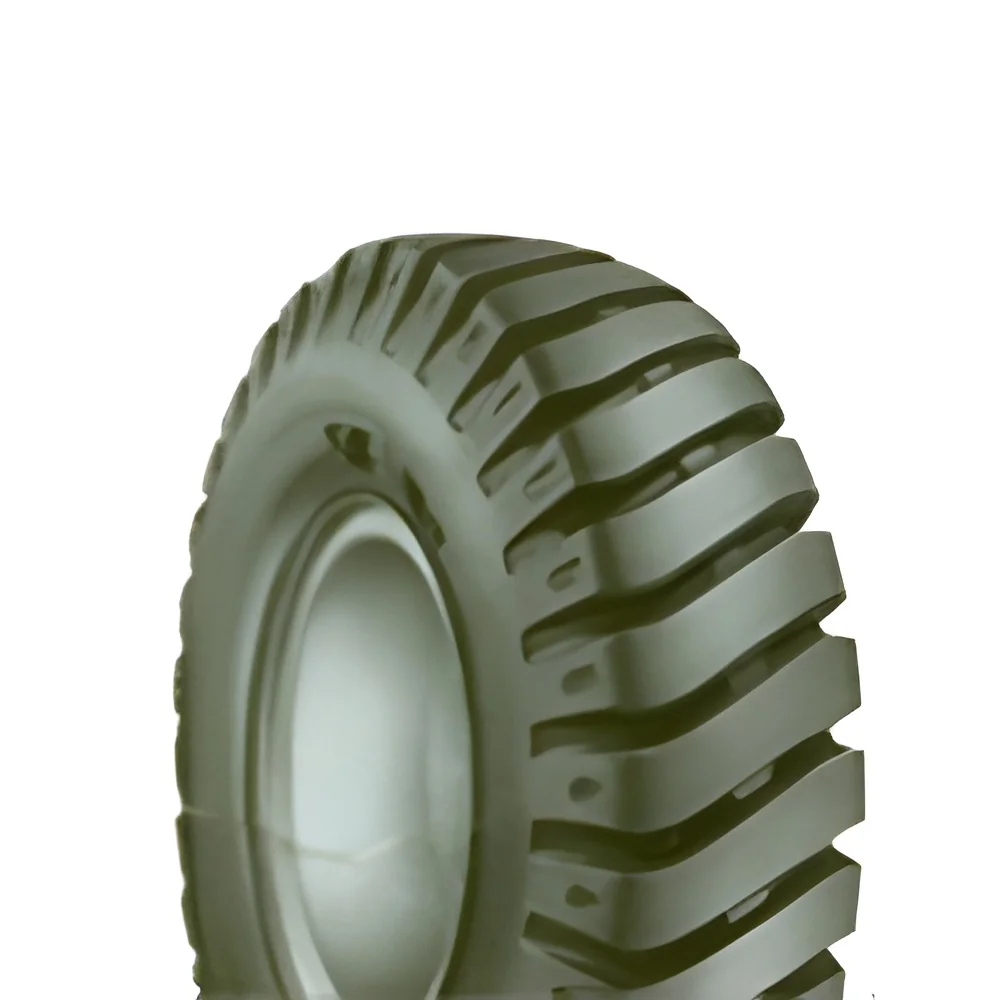
What are Truck & Bus Tyres?
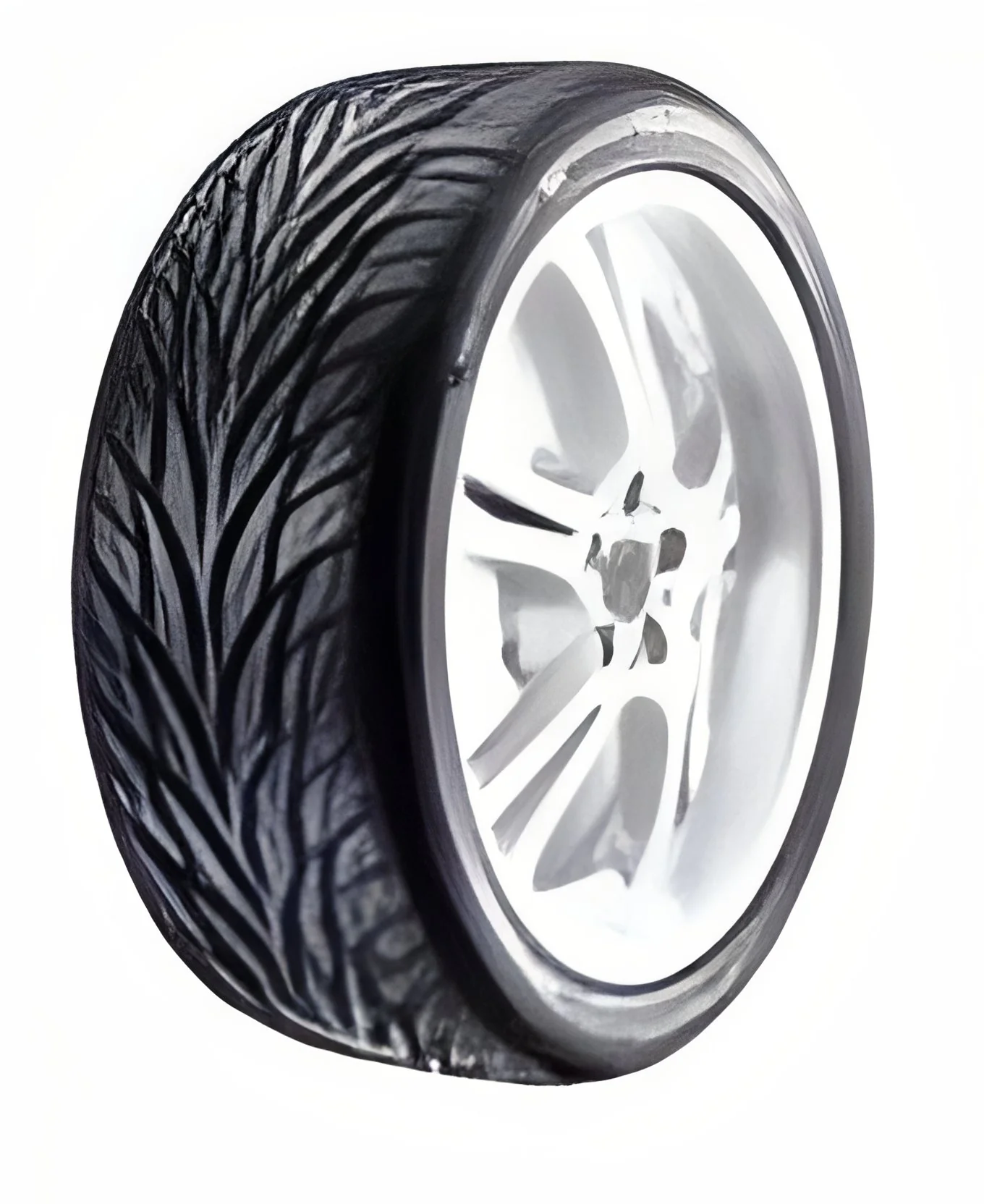
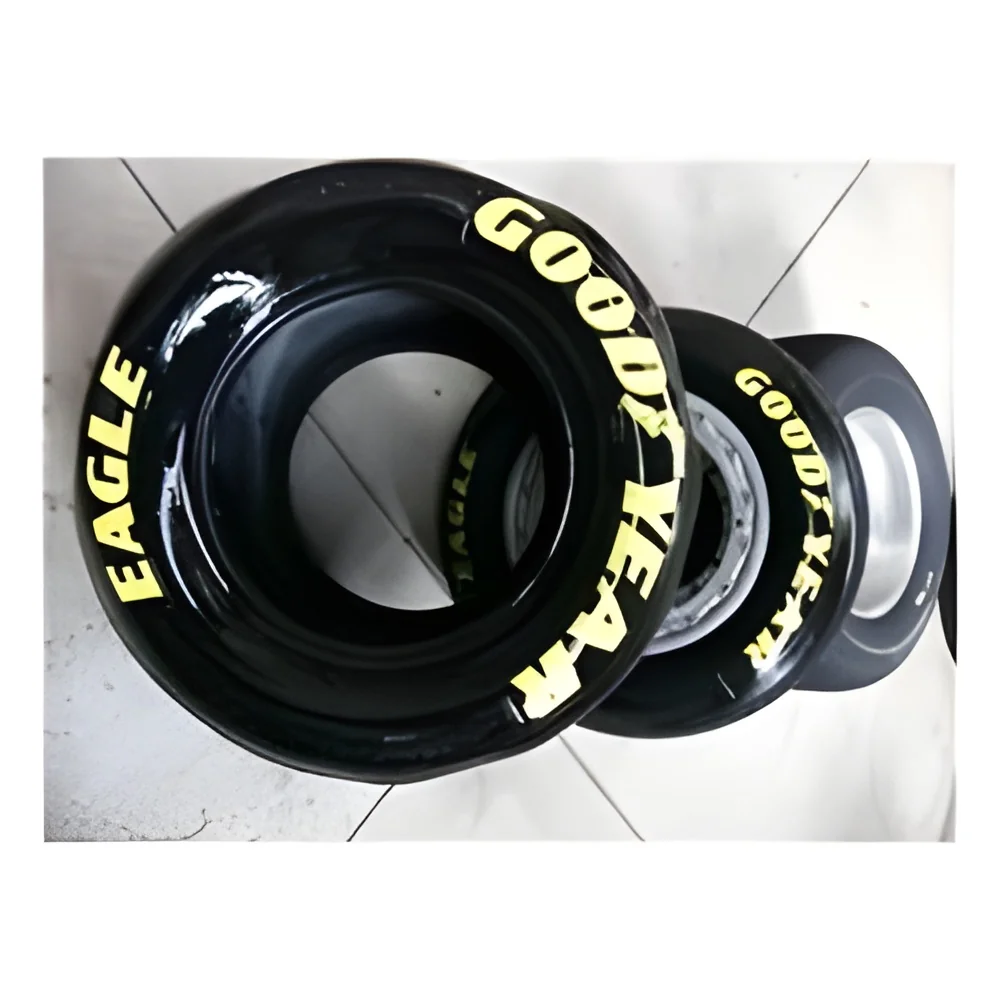
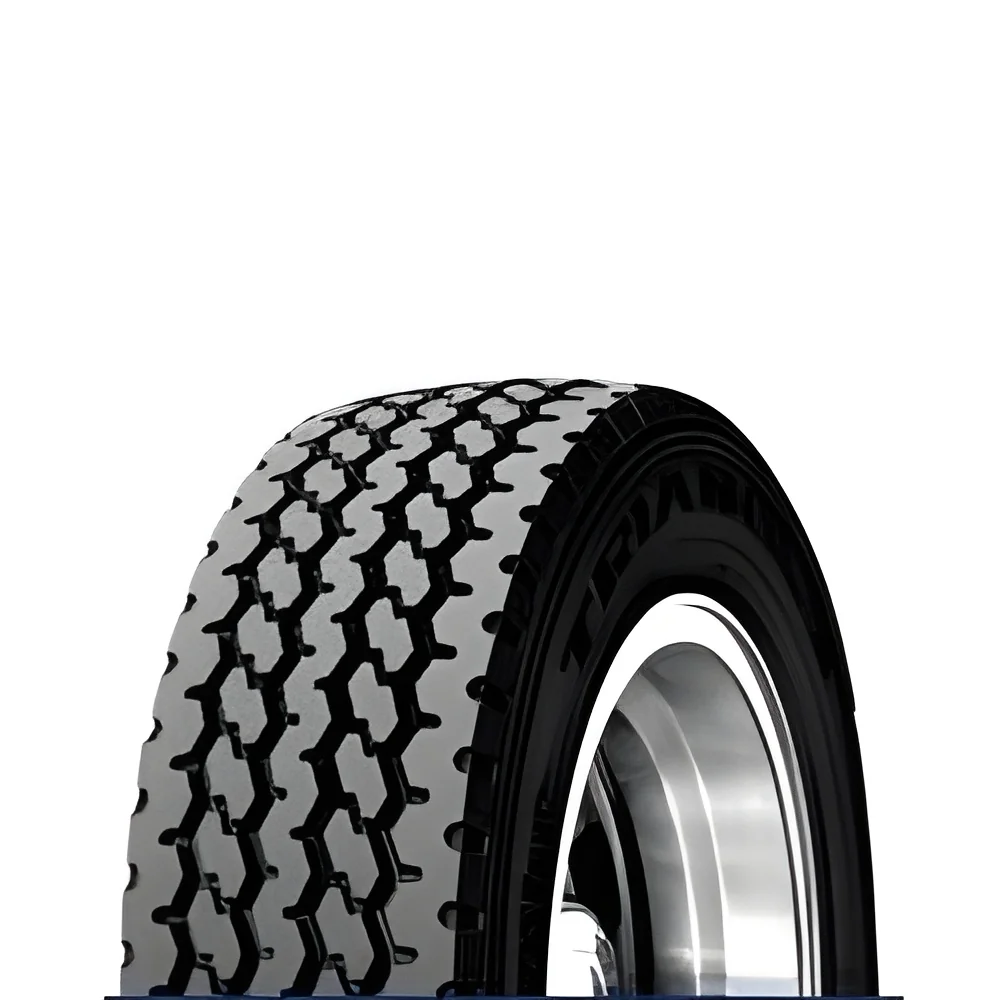
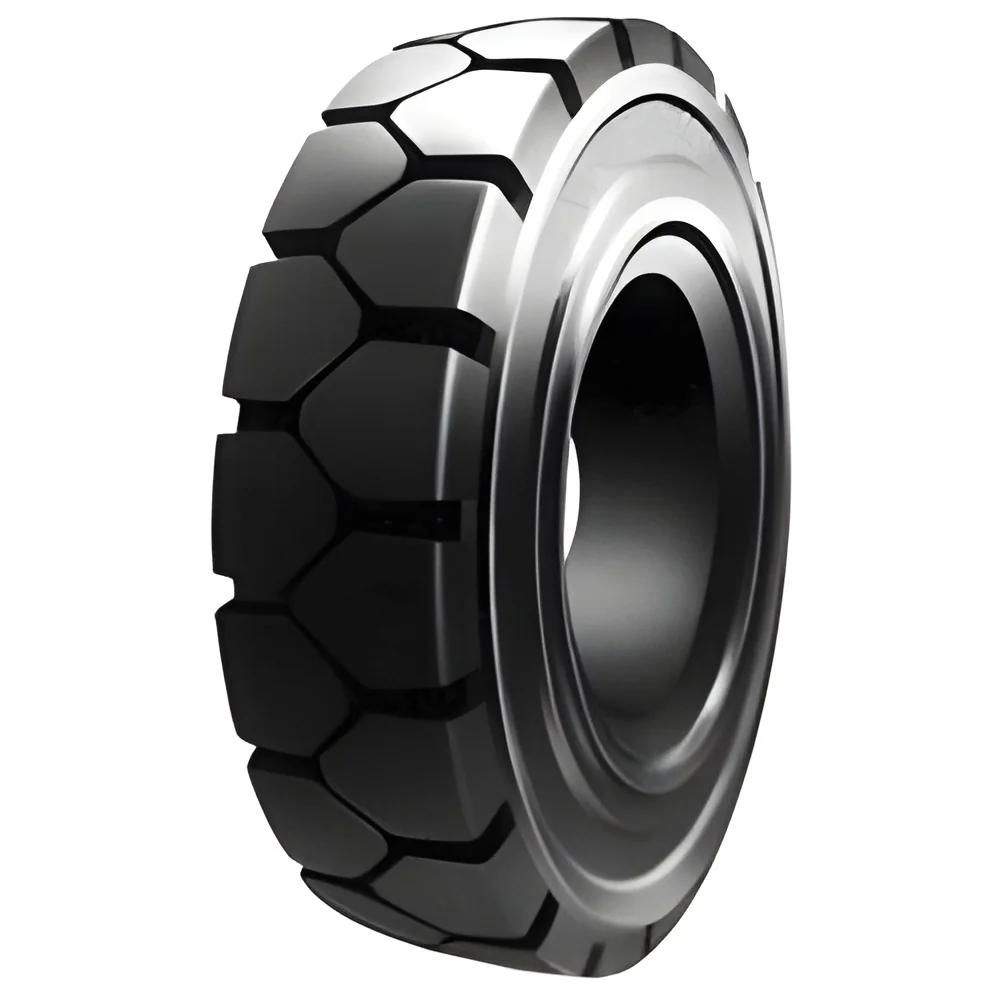
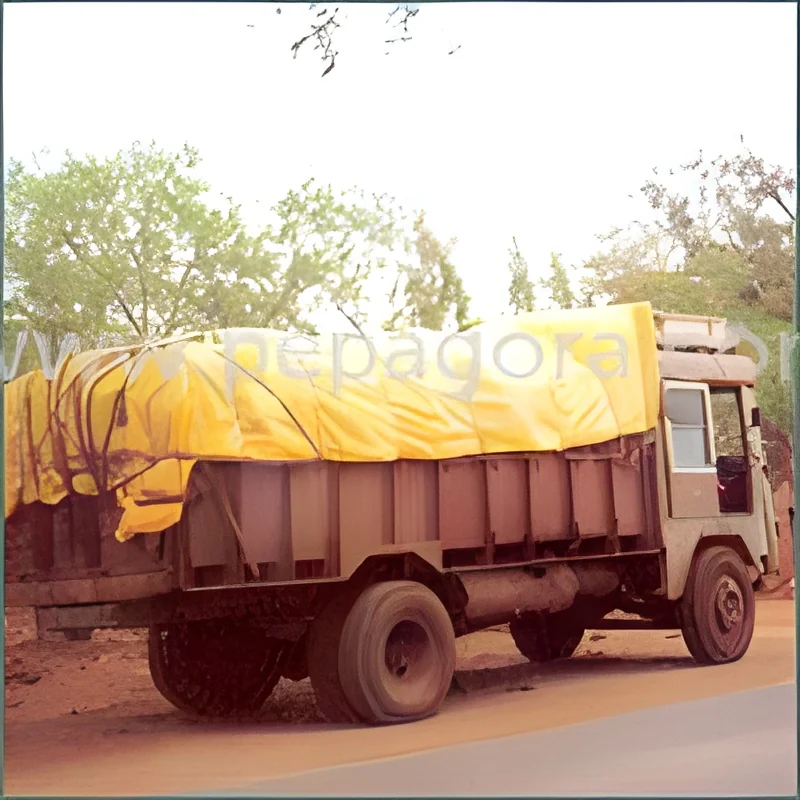
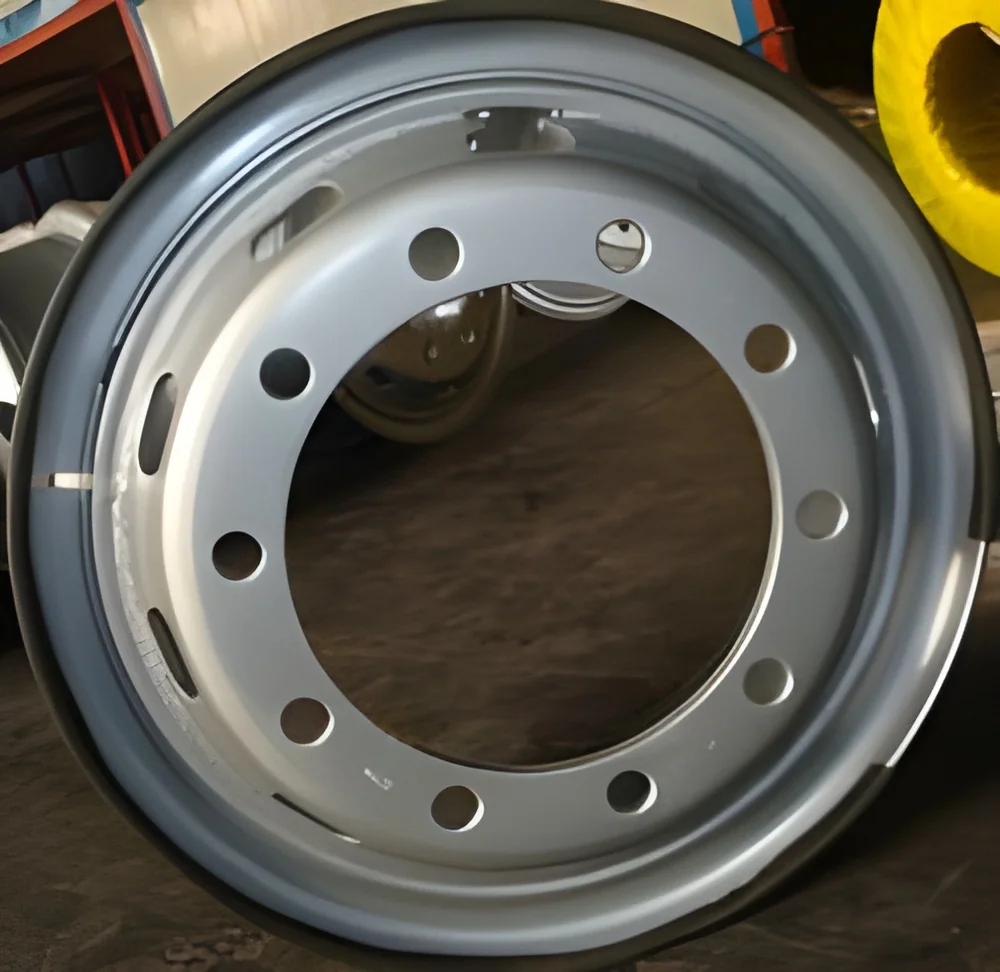
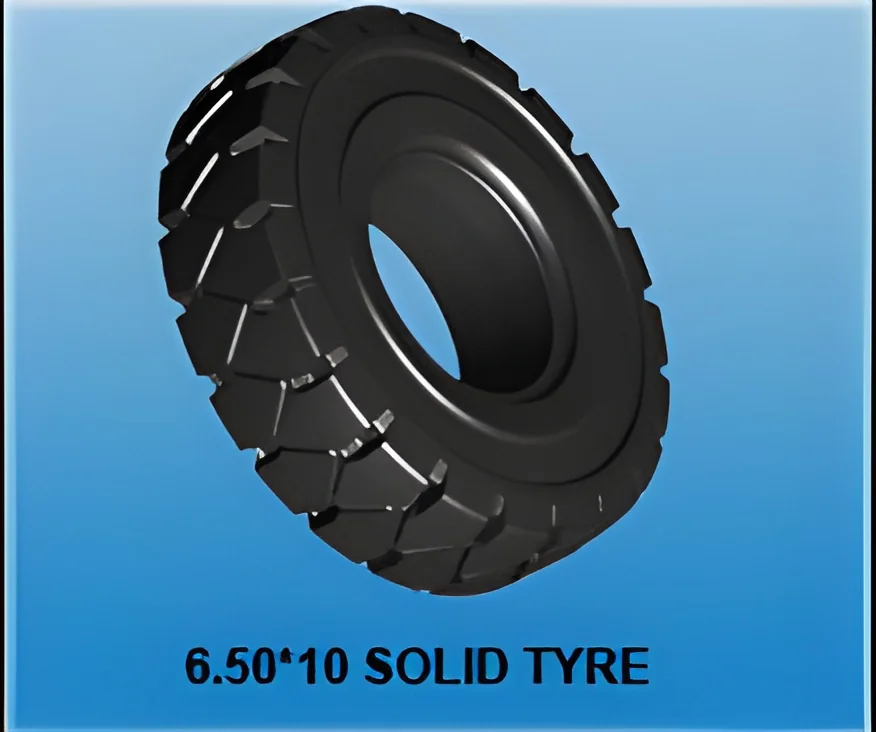
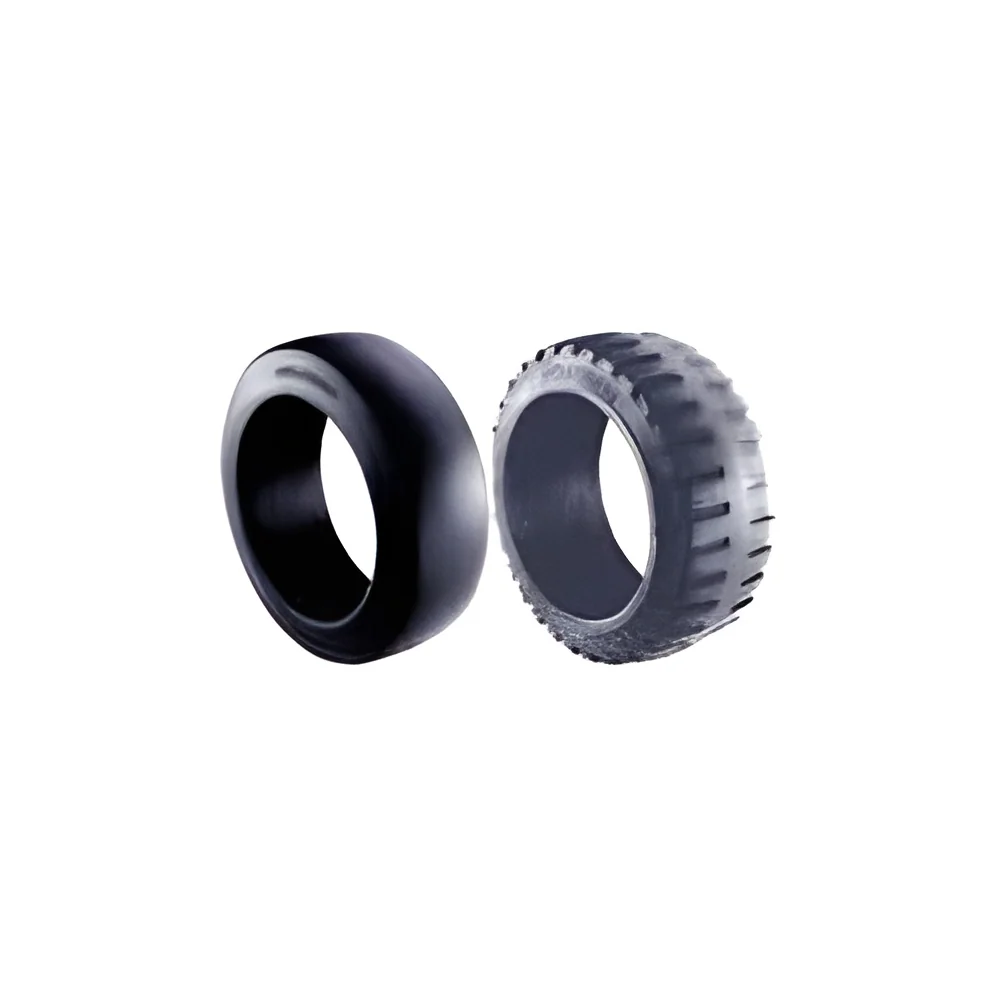
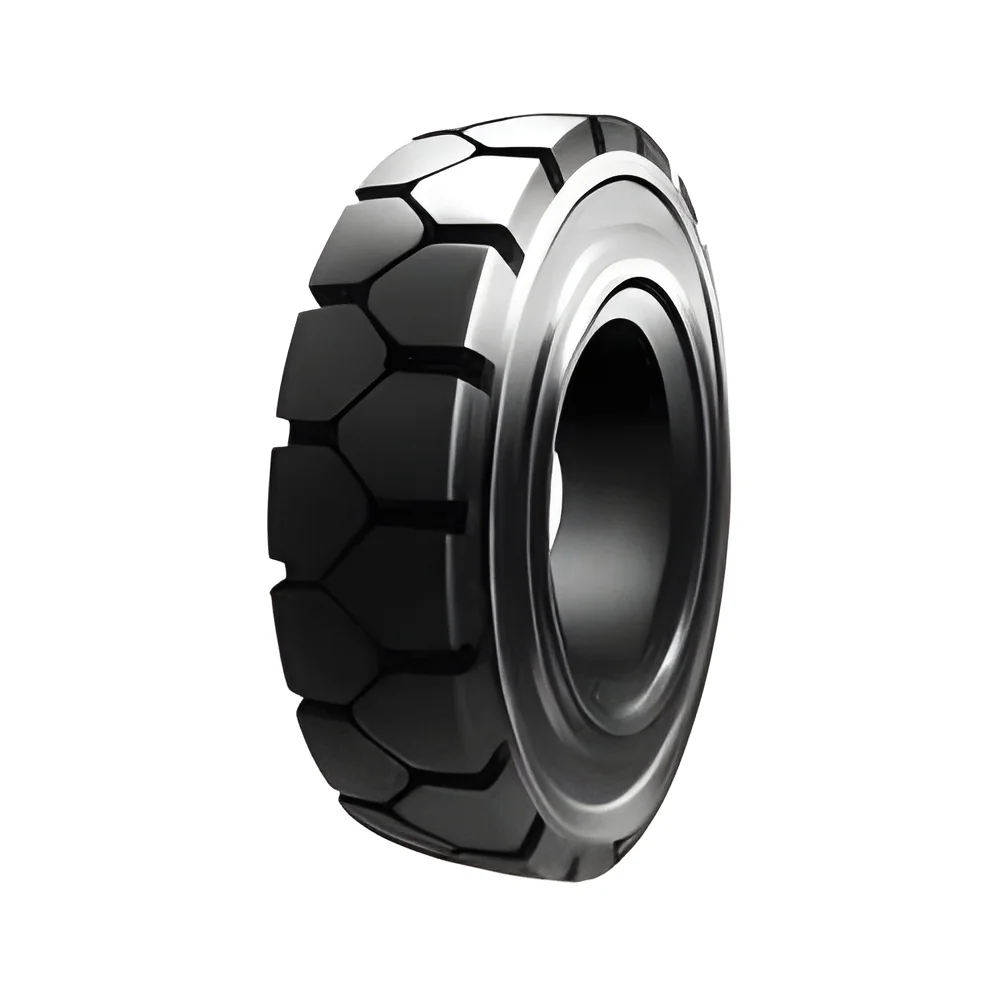
Truck and bus tyres are specialized tyres designed to support the heavy loads and unique driving conditions associated with commercial vehicles. These tyres are engineered for durability, performance, and safety, accommodating the specific needs of trucks and buses that operate over long distances and varied terrains. They are built with robust materials to withstand the stresses of heavy hauling and frequent stop-and-go driving.
These tyres are primarily used in logistics, public transportation, and freight industries. They are critical for ensuring the safe and efficient movement of goods and passengers. Truck and bus tyres play a vital role in vehicle stability, fuel efficiency, and overall operational costs. In a competitive market, selecting the right tyres can significantly impact business performance, making it essential for companies to understand the various options available.
As the transportation industry continues to evolve, the demand for high-quality truck and bus tyres remains strong. Innovations in tyre technology, such as improved tread designs and materials, are driving market growth. Businesses are increasingly focusing on reliability and efficiency, making the selection of tyres an important aspect of fleet management.
Key Features and Specifications
Truck and bus tyres come with a variety of features and specifications that cater to the specific requirements of commercial vehicles. Understanding these specifications is crucial for making informed purchasing decisions.
Key specifications include:
1. Load Index
- Indicates the maximum load a tyre can carry.
- Typically ranges from 100 to 150, depending on the tyre size.
2. Speed Rating
- Represents the maximum speed capability of the tyre.
- Common ratings include L (120 km/h) to L (120 km/h) for heavy-duty applications.
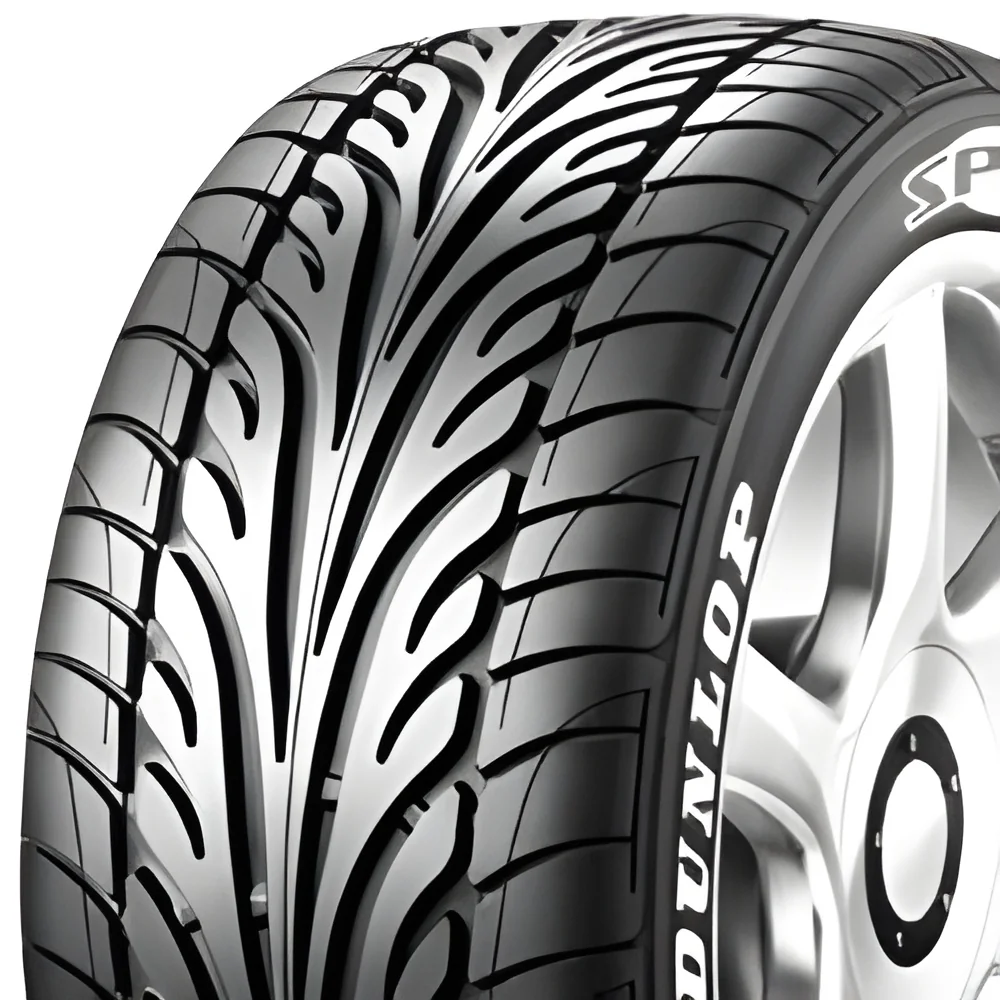
3. Tread Pattern
- Designed for optimal performance on different surfaces.
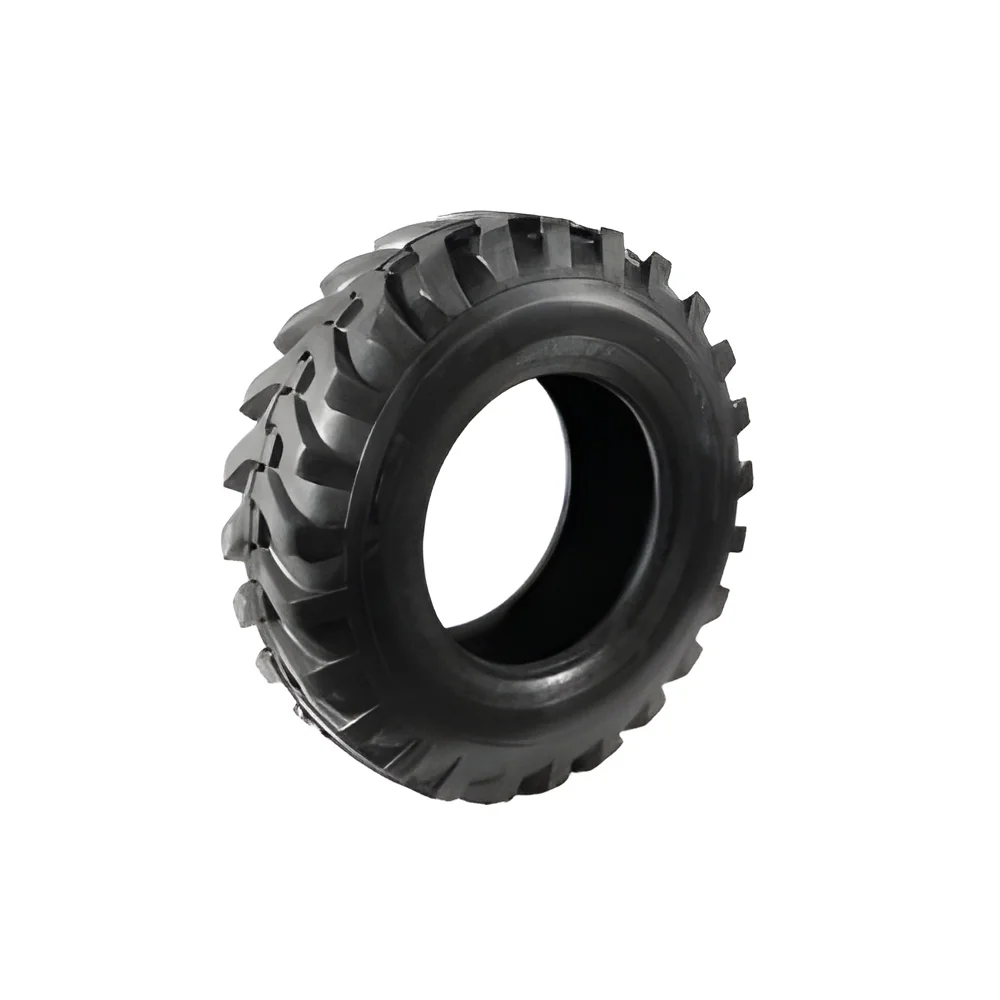
- Options include ribbed, lugged, and mixed patterns for various driving conditions.
4. Tyre Size
- Specified by a series of numbers and letters indicating width, aspect ratio, and diameter.
- Common sizes include 295/80R22.5 and 315/80R22.5.
5. Ply Rating
- Represents the strength and durability of the tyre.
- Common ply ratings range from 6 to 14 for heavy-duty applications.
6. Material Composition
- Tyres are made from durable rubber compounds and may include steel belts for added strength.
- Enhancements in material technology can improve fuel efficiency and longevity.
7. Environmental Features
- Some tyres are designed with eco-friendly materials and lower rolling resistance.
- These can contribute to reduced fuel consumption and emissions.
8. Warranty
- Many manufacturers offer warranties to cover defects and performance issues.
- Warranty terms can vary widely between manufacturers.
In summary, understanding the key features and specifications of truck and bus tyres is essential for selecting the right products for your fleet. These specifications can greatly influence performance, safety, and total cost of ownership.
Common Applications and Use Cases
Truck and bus tyres are utilized across various industries, each with specific applications that require tailored tyre solutions.
1. Logistics and Freight: These tyres are critical for long-haul trucks that transport goods across vast distances. They are designed to handle heavy loads while ensuring safety and efficiency on the road.
2. Public Transportation: Buses require reliable tyres for daily operations. The right tyres enhance passenger safety and comfort, while also providing durability for frequent stops and starts.
3. Construction: Heavy-duty vehicles used in construction sites rely on robust tyres to navigate rough terrains. These tyres must offer excellent traction and puncture resistance.
4. Agriculture: Agricultural vehicles use specialised tyres designed for off-road conditions. These tyres must provide good grip and stability in fields and on uneven surfaces.
5. Mining: Mining trucks operate in challenging environments, requiring tyres that can withstand harsh conditions. They are built to resist wear and damage while supporting heavy loads.
6. Waste Management: Garbage trucks require tyres that can handle frequent stops and diverse road conditions. Durability and reliability are key considerations for these applications.
7. Emergency Services: Fire and rescue vehicles depend on high-performance tyres for rapid response and safety. Tyres must perform well in diverse weather conditions.
Product Variants and Subcategories
Truck and bus tyres are available in a range of variants to meet different operational needs. Each variant is tailored to specific use cases and driving conditions.
All-Position Tyres: These tyres are designed for use on all positions of a truck or bus, providing balanced performance for both steering and traction. They are versatile and ideal for mixed-use applications.
Drive Axle Tyres: Built for the rear axle of trucks, these tyres focus on providing superior traction and durability. They are essential for vehicles that frequently haul heavy loads.
Steer Axle Tyres: Specifically designed for the front axle, these tyres emphasize handling and control. They are crucial for safe steering and stability during turns.
Trailer Tyres: Designed for trailers, these tyres prioritize load capacity and stability. They are typically built with reinforced sidewalls to handle the stress of heavy loads.
Mud and Snow Tyres: These variants are engineered for off-road and winter conditions. They feature aggressive tread patterns for enhanced grip in challenging terrains.
Benefits and Advantages
Investing in high-quality truck and bus tyres offers numerous advantages for businesses.
1. Enhanced Safety: Quality tyres improve vehicle handling and stability, reducing the risk of accidents on the road.
2. Cost Efficiency: Durable tyres last longer, leading to lower replacement costs and reduced downtime for vehicles.
3. Improved Fuel Economy: Tyres designed with low rolling resistance contribute to better fuel efficiency, resulting in significant savings over time.
4. Optimal Performance: Well-designed tyres provide better traction, handling, and comfort, enhancing overall vehicle performance.
5. Reduced Maintenance: High-quality tyres often require less frequent maintenance, freeing up resources for other operational needs.
6. Environmental Impact: Eco-friendly tyre options help businesses reduce their carbon footprint, aligning with sustainability goals.
Buying Guide for B2B Buyers
When sourcing truck and bus tyres, it is important to consider several key factors to ensure you make informed decisions.
1. Quality Assessment: Evaluate the quality of tyres based on manufacturer reputation and customer reviews. Look for certifications and compliance with industry standards.
2. Supplier Verification: Vet suppliers thoroughly to ensure they are reputable and provide reliable products. Check for references and their history in the industry.
3. Pricing and MOQ: Understand the pricing structure and minimum order quantities a supplier may require. Compare prices across different suppliers to find the best deal.
4. Delivery and Lead Times: Assess the supplier’s ability to meet your delivery timelines. Timely delivery is crucial for maintaining fleet operations.
5. Compliance Requirements: Ensure that the tyres meet all relevant regulatory and safety standards in your region. This can help avoid legal issues and ensure safety on the roads.
Compliance and Certifications
Truck and bus tyres must adhere to various compliance and certification standards to ensure safety and performance.
Relevant quality standards include ISO 9001, which ensures that manufacturing processes meet international quality management criteria. Compliance with these standards indicates that the products have undergone rigorous quality checks.
Industry certifications, such as CE marking, signify that tyres meet European safety, health, and environmental protection standards. This certification is critical for businesses that operate within the European market.
Safety and testing requirements include assessments for durability, performance under various conditions, and resistance to punctures. These tests help validate the tyres' ability to perform effectively in real-world scenarios.
Regional compliance considerations also play a role, as different countries may have specific regulations governing tyre manufacturing and performance. It is essential for businesses to be aware of these regulations when sourcing tyres.
Why Source Truck & Bus Tyres from Pepagora?
Pepagora provides a trusted platform for sourcing truck and bus tyres, offering several key advantages for B2B buyers.
Verified Supplier Network: Pepagora features a network of verified suppliers, ensuring that buyers can connect with reliable manufacturers. This verification process helps mitigate risks associated with sourcing.
Streamlined RFQ Process: The platform offers a streamlined request for quotation process, allowing buyers to easily obtain quotes from multiple suppliers. This efficiency saves time and helps in comparing options.
Trade Assurance and Support: Pepagora provides trade assurance, offering protection to buyers throughout the purchasing process. This support includes assistance with any issues that may arise during transactions.
Regional Coverage: With a broad geographic reach in India, the GCC, and Southeast Asia, Pepagora can connect you with suppliers that meet your specific regional needs. This coverage ensures that businesses can find suitable tyres regardless of location.

 IN
IN