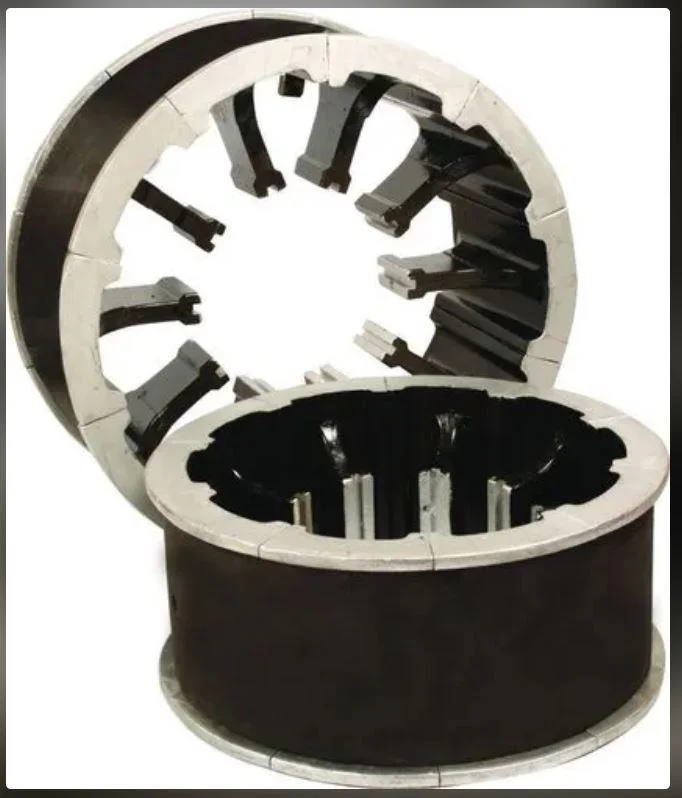
What are Alloy Wheels?
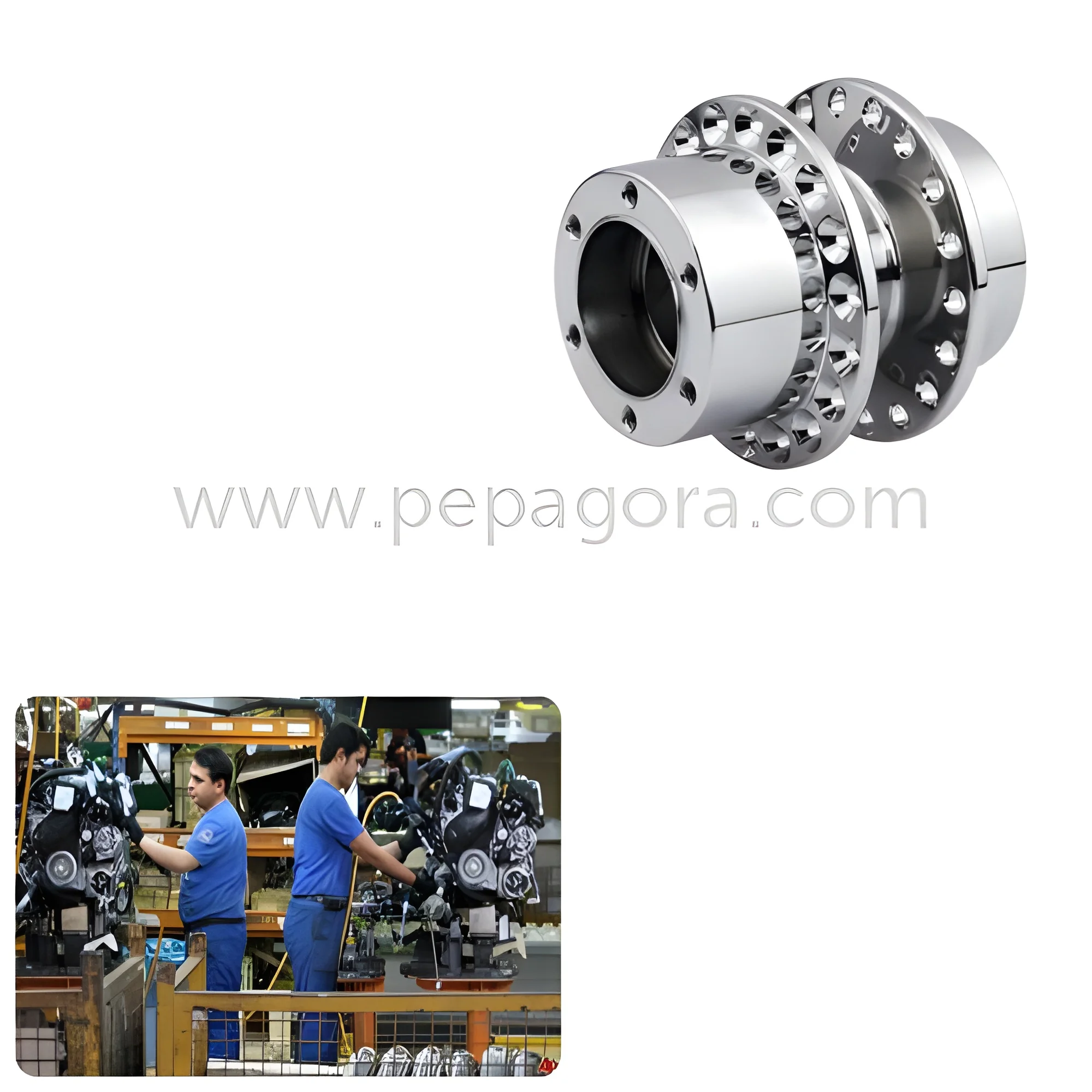
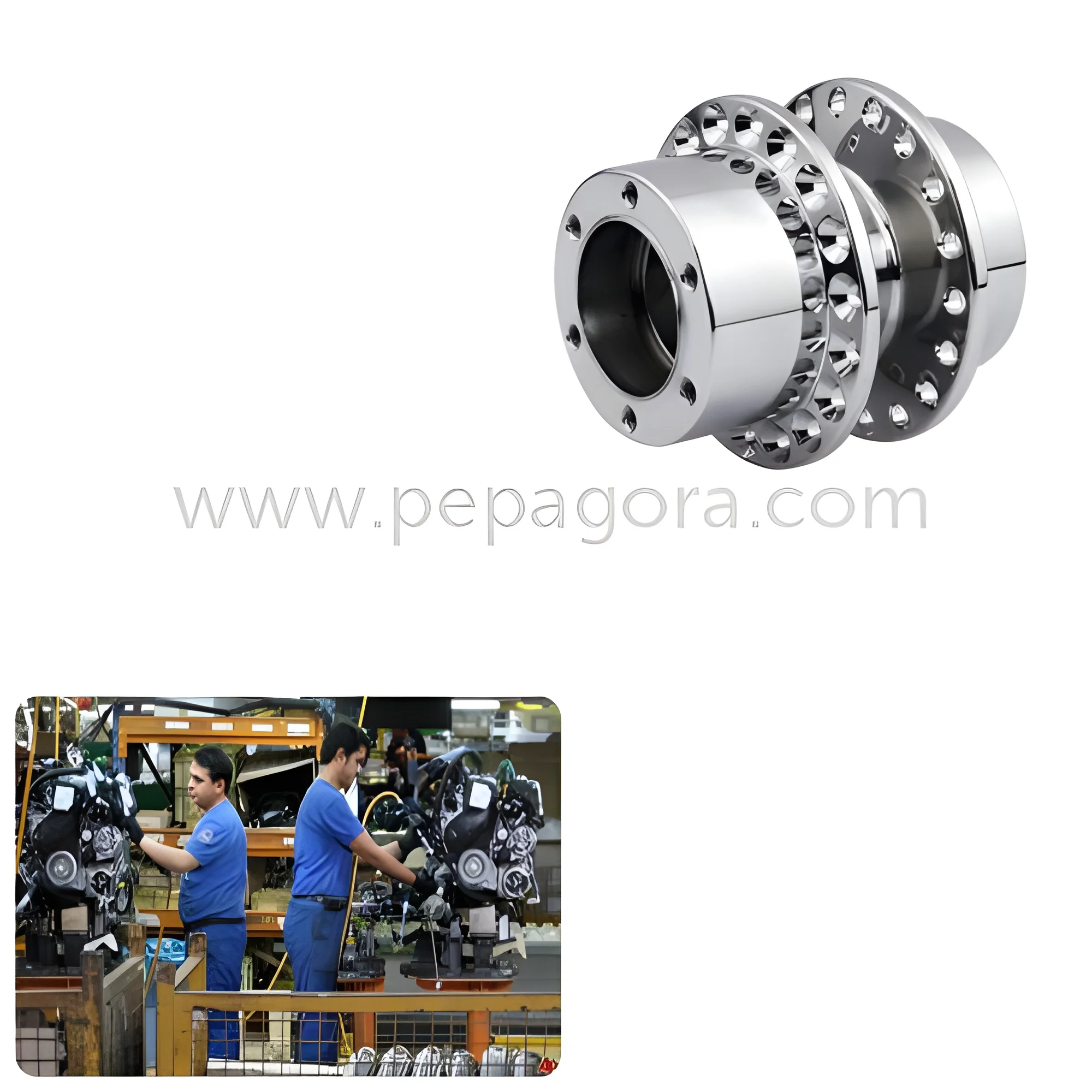
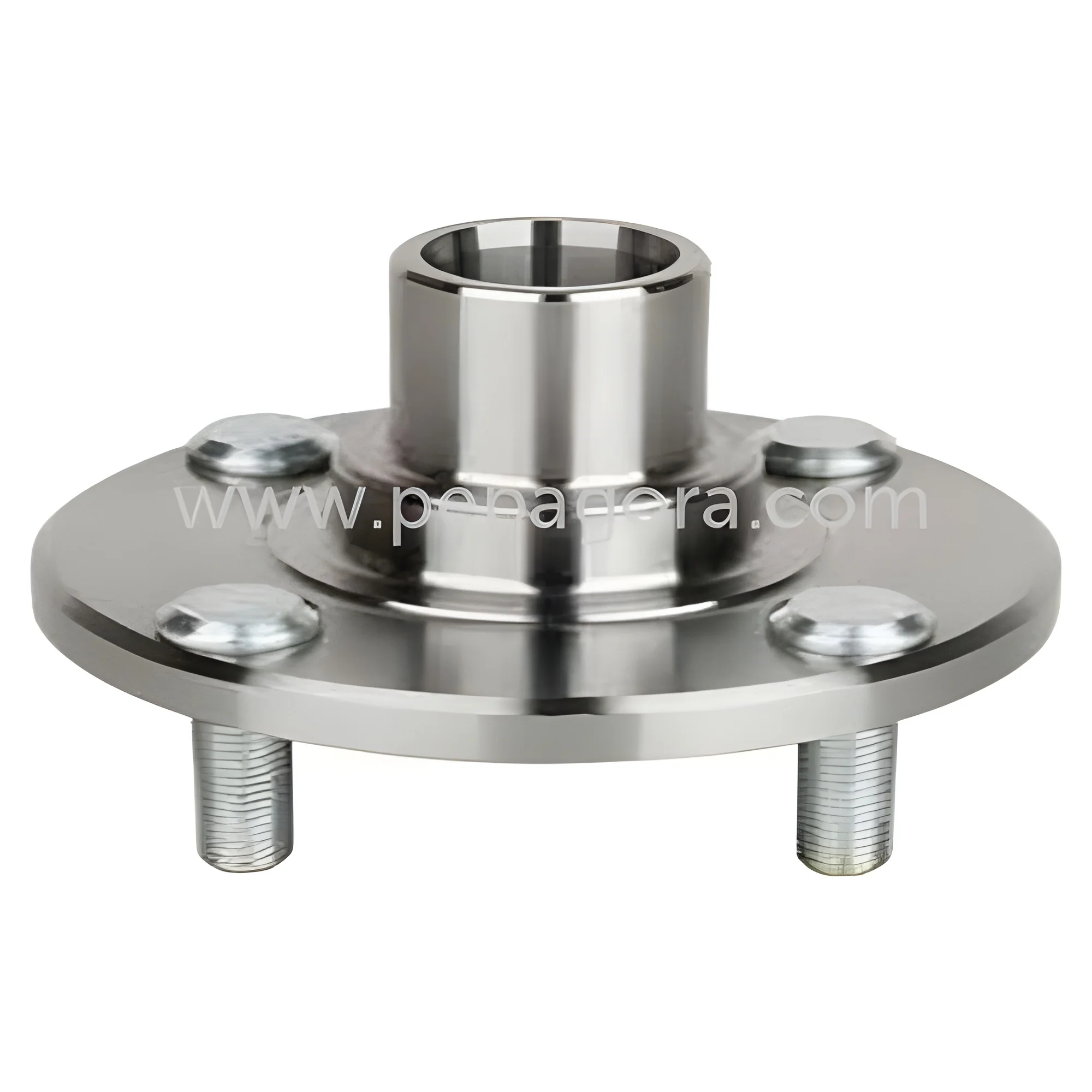
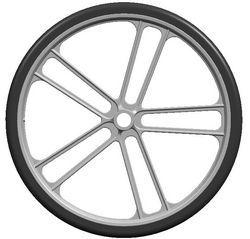
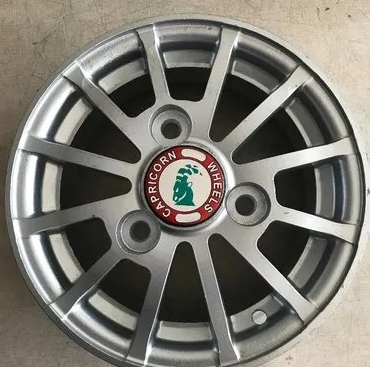
Alloy wheels are a type of wheel made from a mixture of metals, primarily aluminum and magnesium. The combination of these materials offers several advantages over traditional steel wheels, including reduced weight, enhanced performance, and improved aesthetics. Alloy wheels are designed to be both lightweight and strong, making them a popular choice in the automotive industry for enhancing vehicle performance and appearance.
These wheels are primarily used in passenger vehicles, including cars and motorcycles, but they also find applications in commercial vehicles and motorsports. The lightweight nature of alloy wheels contributes to better fuel efficiency and handling, making them a preferred option for vehicle manufacturers and aftermarket buyers alike. In a competitive market, the demand for alloy wheels continues to grow, driven by trends in automotive customization and performance enhancement.
Key Features and Specifications
Alloy wheels are known for their various features and technical specifications that cater to different applications. Understanding these specifications is crucial for businesses looking to source the right products for their needs.
Key specifications include:
1. Material Composition
- Typically made from aluminum alloy or magnesium alloy
- Offers a balance of lightweight and strength
2. Wheel Diameter
- Common sizes range from 15 inches to 22 inches
- Suitable for different vehicle types and performance requirements
3. Offset
- Refers to the distance from the wheel's mounting surface to its centerline
- Affects handling and vehicle alignment
4. Bolt Pattern
- Describes the arrangement of the wheel bolts
- Common patterns include 4, 5, or 6 bolts for various vehicle models
5. Load Rating
- Indicates the maximum weight the wheel can support
- Essential for ensuring safety and performance
6. Finish Options
- Available in various finishes, including polished, painted, or machined
- Affects aesthetics and durability against corrosion
7. Weight
- Generally lighter than steel wheels
- Contributes to improved vehicle dynamics
8. Certification
- Many alloy wheels are CE certified
- Ensures compliance with safety and quality standards
In summary, the key features and specifications of alloy wheels play a significant role in their performance, safety, and aesthetic appeal. Businesses should carefully evaluate these factors to make informed purchasing decisions.
Common Applications and Use Cases
Alloy wheels serve various industries and applications due to their versatility and performance benefits.
1. Automotive Industry: Alloy wheels are extensively used in passenger vehicles for enhanced performance and fuel efficiency. Their lightweight design improves acceleration and braking.
2. Motorsports: High-performance vehicles in racing often utilize alloy wheels to reduce weight and improve handling. Customized designs are common in this sector.
3. Commercial Vehicles: Some commercial trucks and vans use alloy wheels to improve fuel efficiency and reduce overall vehicle weight, leading to cost savings.
4. Customization and Aftermarket: Many car enthusiasts opt for alloy wheels to personalize their vehicles. This market segment drives the demand for unique designs and finishes.
5. Electric Vehicles: As electric vehicle adoption rises, alloy wheels are preferred for their lightweight properties, contributing to increased driving range.
6. Motorcycles: Alloy wheels are popular in the motorcycle industry for their performance benefits and aesthetic appeal.
7. Agricultural Equipment: Some agricultural machines use alloy wheels for better performance and reduced weight, enhancing overall efficiency.
Product Variants and Subcategories
Alloy wheels are available in a variety of designs and specifications to meet different needs and preferences.
Performance Alloy Wheels: These wheels are designed for high-performance vehicles and motorsport applications. They are engineered for lightweight and strength, often featuring unique designs that enhance aerodynamics.
Luxury Alloy Wheels: Targeted towards premium vehicles, these wheels focus on aesthetics and craftsmanship. They often come with intricate designs and high-quality finishes that complement luxury cars.
Off-Road Alloy Wheels: Designed for off-road vehicles, these wheels are built to withstand rough terrain. They typically feature rugged designs and enhanced strength to handle extreme conditions.
Benefits and Advantages
Alloy wheels offer numerous benefits to businesses and consumers alike.
Key benefits include:
1. Weight Reduction: Alloy wheels are lighter than steel wheels, improving vehicle performance and fuel efficiency.
2. Enhanced Aesthetics: Available in various designs and finishes, alloy wheels can significantly improve a vehicle's appearance.
3. Improved Handling: The lightweight nature of alloy wheels contributes to better handling and responsiveness in vehicles.
4. Corrosion Resistance: Many alloy wheels are treated for enhanced durability against weather and road elements, which prolongs their lifespan.
5. Better Heat Dissipation: Alloy wheels dissipate heat more effectively than steel, reducing the risk of brake fade during heavy use.
6. Customization Options: A wide range of styles and finishes allows for personalized vehicle customization, appealing to enthusiasts.
Buying Guide for B2B Buyers
When sourcing alloy wheels, businesses should consider several important factors to ensure they make informed decisions.
1. Quality Assessment: Evaluate the quality of alloy wheels based on material composition and manufacturing processes. Look for certifications that ensure compliance with industry standards.
2. Supplier Verification: Vet suppliers to ensure they have a solid reputation and can meet your volume and quality requirements. Consider their experience in the industry.
3. Pricing and MOQ: Understand the pricing structure and minimum order quantities (MOQ) that suppliers offer. Compare costs to find competitive options.
4. Delivery and Lead Times: Assess the logistics involved in delivery. Ensure that suppliers can meet your lead time requirements to avoid disruptions.
5. Compliance Requirements: Familiarize yourself with any regulatory compliance needed for alloy wheels in your region. This may include safety standards and certifications.
Compliance and Certifications
Alloy wheels must adhere to various quality standards and certifications to ensure safety and performance.
ISO 9001 is a widely recognized standard for quality management systems. Manufacturers that comply with this standard demonstrate their commitment to quality and continuous improvement in their processes.
CE certification is essential for products sold in the European market. This certification ensures that alloy wheels meet health, safety, and environmental protection requirements.
Safety and testing requirements are critical for alloy wheels, as they must undergo rigorous testing to ensure they can withstand the stresses of driving. This includes load testing and performance assessments.
Regional compliance considerations may vary, so businesses should be aware of local regulations that apply to alloy wheels in their specific markets. Compliance with these regulations is crucial for market entry and consumer safety.
Why Source Alloy Wheels from Pepagora?
Pepagora provides a trusted platform for sourcing alloy wheels, offering several key advantages for businesses.
Verified Supplier Network: Pepagora has a rigorous supplier verification process that ensures businesses can connect with reliable manufacturers. This network helps to mitigate risks associated with sourcing.
Streamlined RFQ Process: The platform simplifies the request for quotation (RFQ) process, allowing buyers to receive competitive quotes from multiple suppliers quickly. This efficiency saves time and fosters better decision-making.
Trade Assurance and Support: Buyers can benefit from trade assurance programs that protect their purchases. Pepagora offers support throughout the sourcing process, enhancing buyer confidence.
Regional Coverage: With a strong presence in India, the GCC, and Southeast Asia, Pepagora connects buyers with suppliers in key markets. This geographic reach enables businesses to find the right products tailored to their local needs.

 IN
IN