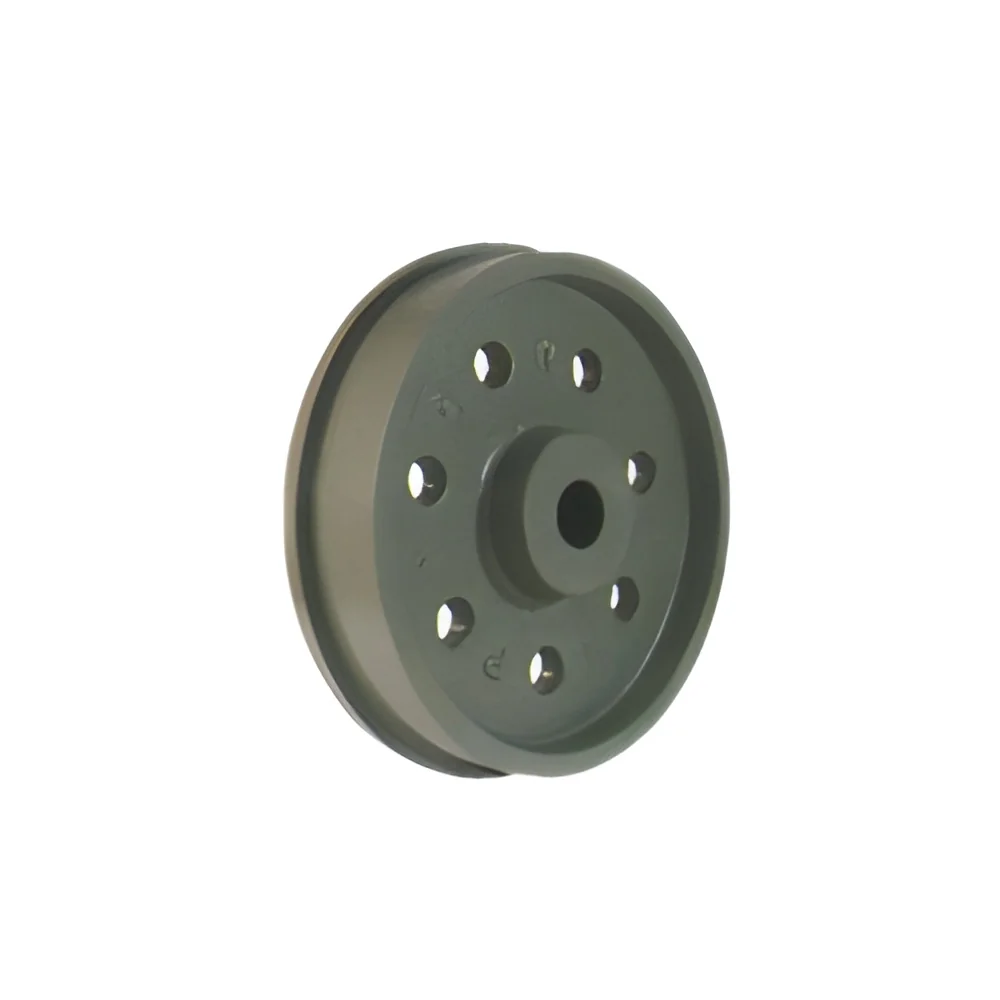
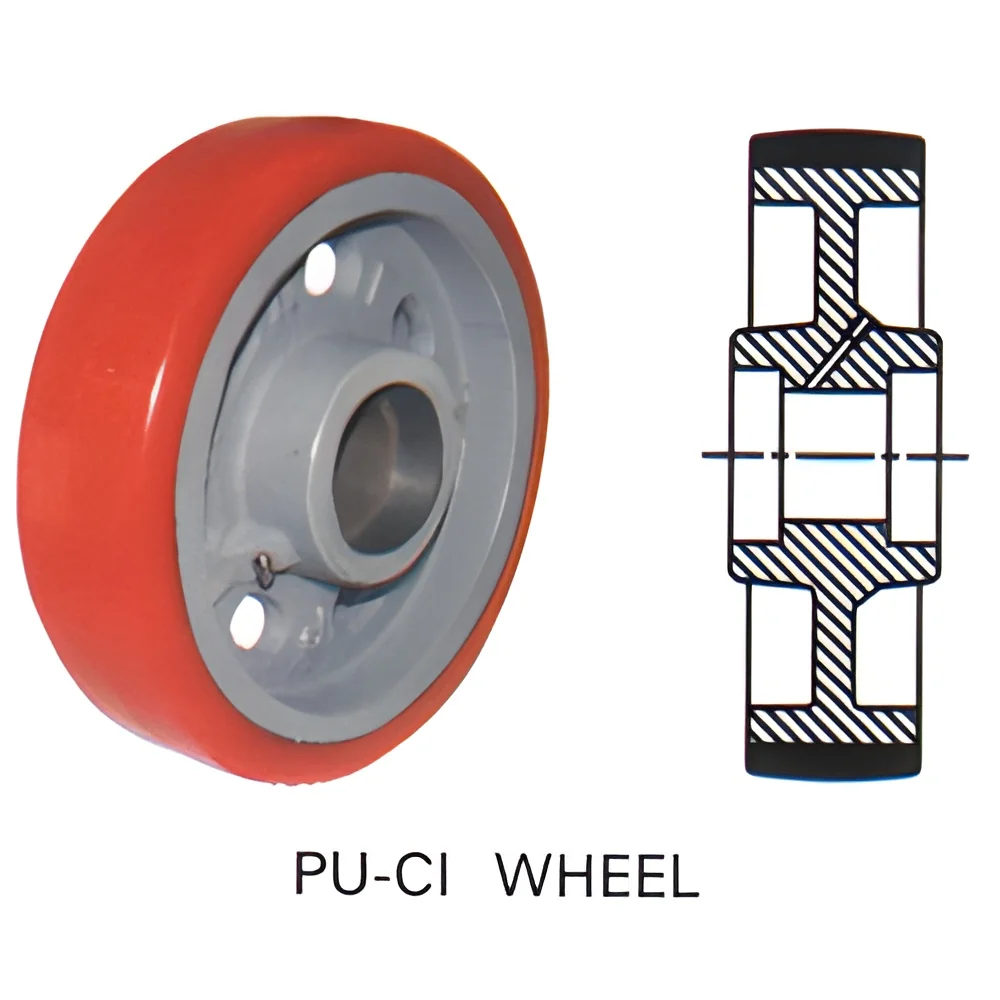
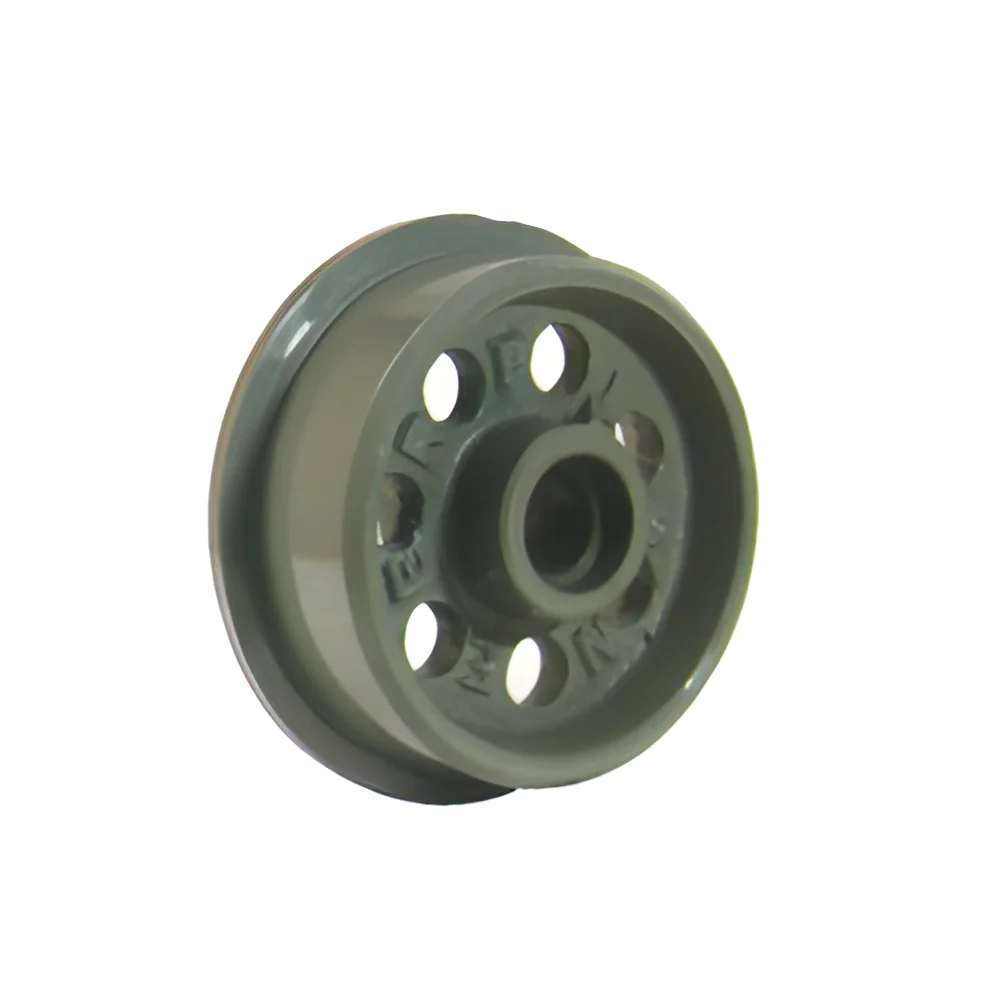
𝗪𝗵𝗮𝘁 𝗮𝗿𝗲 𝗦𝘁𝗲𝗲𝗹 𝗪𝗵𝗲𝗲𝗹𝘀?
Steel wheels are robust and durable components commonly used in various industrial applications. They are manufactured from high-quality steel, offering strength and resilience that makes them suitable for heavy loads and challenging environments. The construction of steel wheels allows for better performance in terms of load-bearing capacity and longevity compared to other materials like aluminum or plastic. Their design often features a solid construction, which enhances stability and reduces the risk of deformation under stress.
These wheels find extensive use in sectors such as manufacturing, logistics, and transportation. They are commonly used on industrial carts, forklifts, and various types of machinery. In the construction industry, steel wheels are crucial for heavy equipment and vehicles. The versatility of steel wheels also makes them suitable for applications in agriculture and mining, where durability is paramount. As industries continue to evolve, the demand for reliable and efficient components like steel wheels remains significant, underscoring their importance in the industrial market.
𝗞𝗲𝘆 𝗙𝗲𝗮𝘁𝘂𝗿𝗲𝘀 𝗮𝗻𝗱 𝗦𝗽𝗲𝗰𝗶𝗳𝗶𝗰𝗮𝘁𝗶𝗼𝗻𝘀
Steel wheels come with several features that enhance their performance and applicability across various industries. These specifications ensure that they meet the demanding needs of heavy-duty operations.
Key specifications include:
1. Load Capacity
- Typically ranges from 500 to 10,000 pounds depending on design and size.
- Ensures suitability for various industrial applications.
2. Wheel Diameter
- Common sizes range from 4 inches to 30 inches.
- Allows for customization based on specific equipment needs.
3. Width Options
- Available in widths from 1.5 inches to 8 inches.
- Ensures stability and support for different loads.
4. Finish
- Options include powder-coated, galvanized, or plain steel.
- Enhances corrosion resistance and aesthetic appeal.
5. Hub Type
- Available in plain bore, ball bearing, and roller bearing configurations.
- Influences the ease of installation and maintenance.
6. Operating Temperature
- Typically designed to withstand temperatures ranging from -40°C to 120°C.
- Ensures reliability in extreme conditions.
7. Compliance Standards
- Many steel wheels adhere to industry standards such as CE certification.
- Ensures safety and quality assurance.
8. Customization Options
- Available for specific sizes, finishes, and load requirements.
- Allows for tailored solutions to meet unique business needs.
In summary, the key features and specifications of steel wheels make them essential components in various industrial applications, enhancing performance and ensuring safety.
𝗖𝗼𝗺𝗺𝗼𝗻 𝗔𝗽𝗽𝗹𝗶𝗰𝗮𝘁𝗶𝗼𝗻𝘀 𝗮𝗻𝗱 𝗨𝘀𝗲 𝗖𝗮𝘀𝗲𝘀
Steel wheels serve a wide array of industries, providing solutions for heavy-duty applications.
1. Manufacturing: Steel wheels are commonly used on industrial carts and conveyor systems, facilitating the movement of materials and products within manufacturing facilities.
2. Logistics: In warehouses, steel wheels are utilized on pallet jacks and forklifts, enabling efficient transportation of goods over varied surfaces.
3. Construction: Heavy machinery and equipment, such as cranes and dump trucks, rely on steel wheels for optimal performance and stability on rough terrain.
4. Agriculture: Steel wheels support agricultural machinery like tractors and harvesters, ensuring durability and reliability in demanding environments.
5. Mining: In the mining industry, steel wheels are critical for transporting heavy loads of minerals and ores, showcasing their strength and durability.
6. Transportation: Steel wheels are also found in trailer applications, where they provide the necessary support for transporting goods across long distances.
7. Material Handling: Steel wheels are integral to various material handling equipment, ensuring safe and efficient operations in warehouses and factories.
𝗣𝗿𝗼𝗱𝘂𝗰𝘁 𝗩𝗮𝗿𝗶𝗮𝗻𝘁𝘀 𝗮𝗻𝗱 𝗦𝘂𝗯𝗰𝗮𝘁𝗲𝗴𝗼𝗿𝗶𝗲𝘀
Steel wheels are available in various configurations, catering to diverse business needs.
Heavy-Duty Steel Wheels
These wheels are designed for extreme load capacities and harsh working conditions. They are ideal for heavy machinery in construction and mining industries, offering enhanced durability and performance.
Lightweight Steel Wheels
These variants are suitable for lighter applications where maneuverability is essential. They are often used in industrial carts and lightweight equipment, providing a balance of strength and ease of use.
Corrosion-Resistant Steel Wheels
These wheels are coated to resist rust and corrosion, making them ideal for outdoor use or environments with high humidity. They find applications in agricultural and marine settings.
𝗕𝗲𝗻𝗲𝗳𝗶𝘁𝘀 𝗮𝗻𝗱 𝗔𝗱𝘃𝗮𝗻𝘁𝗮𝗴𝗲𝘀
Steel wheels offer several key advantages that make them a preferred choice for many industrial applications.
1. Durability: Steel wheels are built to withstand heavy loads and harsh environments, providing a long service life with minimal maintenance.
2. Stability: Their solid construction ensures stability during operation, reducing the risk of accidents and improving safety in the workplace.
3. Versatility: Steel wheels can be customized for various applications, making them suitable for a wide range of industries and equipment.
4. Cost-Effectiveness: While the initial investment may be higher, the long-term durability and low maintenance needs often result in lower overall costs.
5. Load Capacity: Steel wheels can handle significantly more weight than alternative materials, making them ideal for heavy-duty applications.
6. Environmental Resistance: Many steel wheels are treated for resistance to corrosion, ensuring reliability in various environmental conditions.
𝗕𝘂𝘆𝗶𝗻𝗴 𝗚𝘂𝗶𝗱𝗲 𝗳𝗼𝗿 𝗕𝟮𝗕 𝗕𝘂𝘆𝗲𝗿𝘀
When sourcing steel wheels, several factors should be considered to ensure optimal selection for your business needs.
1. Quality Assessment: Evaluate the materials and construction methods used in the steel wheels. Look for certifications and standards that indicate quality assurance.
2. Supplier Verification: Conduct thorough background checks on potential suppliers. Ensure they have a proven track record of reliability and quality in their products.
3. Pricing and MOQ: Consider the pricing structure and minimum order quantities. Compare different suppliers to find the best value for your budget while meeting your quantity needs.
4. Delivery and Lead Times: Assess the supplier's ability to meet your delivery requirements. Timely delivery is crucial for maintaining operations and avoiding downtime.
5. Compliance Requirements: Ensure that the steel wheels meet any necessary industry regulations and standards. This may include safety certifications and environmental compliance.
𝗖𝗼𝗺𝗽𝗹𝗶𝗮𝗻𝗰𝗲 𝗮𝗻𝗱 𝗖𝗲𝗿𝘁𝗶𝗳𝗶𝗰𝗮𝘁𝗶𝗼𝗻𝘀
Steel wheels must adhere to various quality and safety standards to ensure their reliability and performance in industrial applications.
Many steel wheels comply with ISO 9001, which focuses on quality management systems. This certification ensures that manufacturers maintain high-quality production processes.
Additionally, products may carry CE certification, indicating compliance with European safety standards. This certification is critical for businesses operating in regions where such regulations are enforced.
Safety testing is also a vital aspect of steel wheel production. Manufacturers typically perform rigorous testing to ensure that the wheels can withstand the intended loads and environmental conditions.
Regional compliance considerations may vary, so it is essential to verify that steel wheels meet local regulations relevant to your operational area.
𝗪𝗵𝘆 𝗦𝗼𝘂𝗿𝗰𝗲 𝗦𝘁𝗲𝗲𝗹 𝗪𝗵𝗲𝗲𝗹𝘀 𝗳𝗿𝗼𝗺 𝗣𝗲𝗽𝗮𝗴𝗼𝗿𝗮?
Pepagora provides a trusted platform for sourcing steel wheels, ensuring buyers have access to quality products and reliable suppliers.
The verified supplier network at Pepagora allows businesses to connect with reputable manufacturers and distributors. This network ensures that buyers can find quality steel wheels that meet their specific needs.
Additionally, Pepagora offers a streamlined Request for Quotation (RFQ) process. This system simplifies the procurement process, allowing buyers to receive competitive quotes from multiple suppliers quickly.
Trade assurance and support further enhance the buying experience. Pepagora offers protection for buyers, ensuring that transactions are secure and that quality standards are met.
With a geographic reach spanning India, the GCC, and Southeast Asia, Pepagora connects buyers with suppliers across these regions, facilitating efficient sourcing and logistics for steel wheels.

 IN
IN