What are Wheel Hubs?
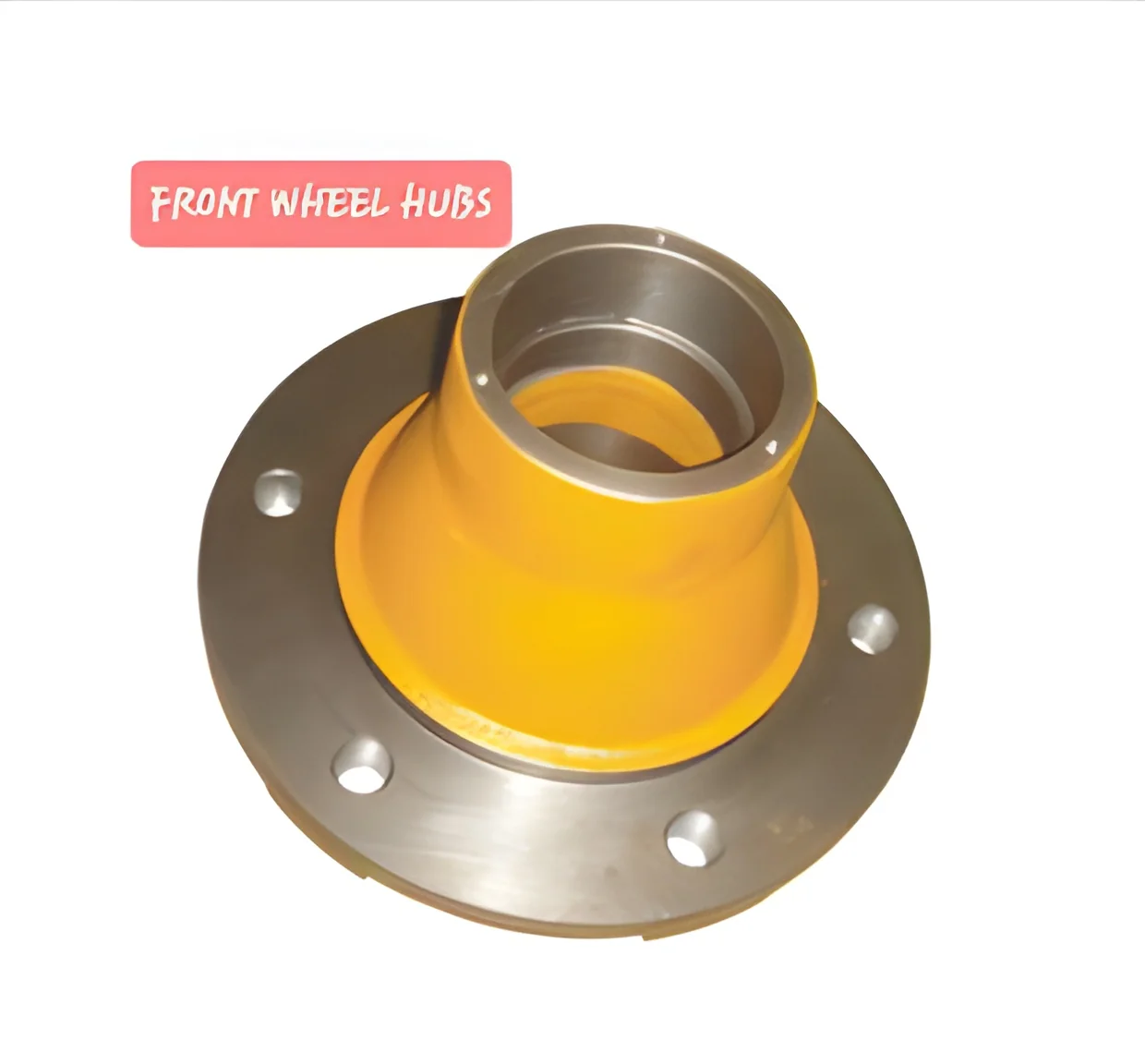
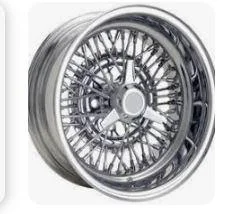
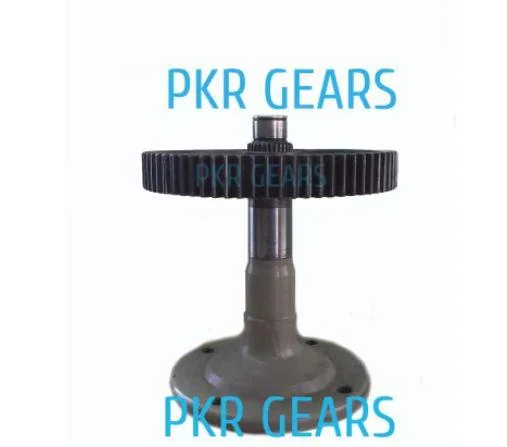
Wheel hubs are essential components in various vehicles and machinery, serving as the central part of a wheel that connects it to the axle. They facilitate smooth wheel rotation and support the weight of the vehicle while allowing for the transmission of torque from the axle to the wheel. Wheel hubs are engineered to endure high levels of stress and wear, making them critical for safety and performance.
These components find primary applications in automotive, industrial, and agricultural sectors. In vehicles, they support the wheels and house critical parts such as bearings. In industrial machinery, wheel hubs enhance the movement of equipment. In agriculture, they are utilized in tractors and other farming equipment. The reliability and efficiency of wheel hubs are vital for the smooth operation of these industries, making them a key focus for manufacturers and suppliers alike.
The market for wheel hubs is influenced by trends in automotive manufacturing, industrial automation, and agricultural machinery advancements. As these sectors evolve, so do the requirements for wheel hub designs and materials, ensuring their relevance and necessity in modern applications.
Key Features and Specifications
Wheel hubs come with a variety of features and specifications that determine their suitability for different applications. Understanding these specifications is crucial for selecting the right product for your needs.
Key specifications include:
1. Load Capacity
- This specification indicates the maximum weight the wheel hub can safely support.
- Typical ranges vary based on application, from light-duty (up to 1,500 pounds) to heavy-duty (over 5,000 pounds).
2. Material Composition
- Wheel hubs are commonly made from materials such as steel, aluminum, or composite materials.
- These materials affect the strength, weight, and corrosion resistance of the hub.
3. Bearing Type
- Different wheel hubs may utilize ball bearings or roller bearings to facilitate rotation.
- The choice of bearing type impacts the hub's performance and durability.
4. Bolt Pattern
- The bolt pattern refers to the configuration of holes used to attach the wheel hub to the wheel and axle.
- Common configurations include 4, 5, or 6 bolt patterns, which must match the vehicle or equipment.
5. Hub Size
- The size of the wheel hub is crucial for compatibility with wheels and axles.
- Sizes are usually specified in diameter and width measurements.
6. Corrosion Resistance
- Many wheel hubs are treated with coatings to prevent rust and corrosion.
- This is especially important for hubs exposed to harsh environments.
7. Weight
- The weight of the wheel hub can affect the overall performance of the vehicle or machinery.
- Lighter hubs are often preferred for performance vehicles, while heavier hubs may be used for durability in industrial applications.
8. Certification
- Many wheel hubs are certified according to industry standards, such as CE certification.
- Certification ensures compliance with safety and quality regulations.
In summary, selecting the right wheel hub involves considering multiple specifications, including load capacity, material composition, and bearing type, among others.
Common Applications and Use Cases
Wheel hubs have a wide range of applications across various industries, highlighting their versatility and importance.
1. Automotive: Wheel hubs are integral to cars, trucks, and motorcycles, providing support for wheel rotation and housing crucial components like bearings.
2. Industrial Machinery: In factories and warehouses, wheel hubs facilitate the movement of equipment such as forklifts and conveyor systems, ensuring efficient operations.
3. Agricultural Equipment: Tractors and harvesters rely on robust wheel hubs to manage heavy loads and rough terrain, enhancing their performance in farming tasks.
4. Construction: Heavy machinery like bulldozers and excavators utilize wheel hubs to support significant weight and navigate challenging job sites.
5. Recreational Vehicles: Wheel hubs in bicycles, ATVs, and RVs are designed for performance and durability, catering to outdoor enthusiasts.
6. Aerospace: Certain aerospace applications utilize specialized wheel hubs in landing gear systems, demanding high precision and reliability.
7. Marine: In boats and marine vehicles, wheel hubs contribute to mobility and stability in water, requiring corrosion-resistant materials.
Product Variants and Subcategories
Wheel hubs are available in diverse variants to meet specific application needs, ensuring that businesses can find suitable options for their requirements.
Standard Wheel Hubs
These are the most commonly used wheel hubs, designed for a variety of light to medium-duty applications. They typically feature standard load capacities and bolt patterns, making them versatile for many vehicles.
Heavy-Duty Wheel Hubs
Built for rigorous industrial and agricultural applications, heavy-duty wheel hubs are designed to support higher loads and withstand harsh conditions. Their robust construction ensures longevity and reliability in demanding environments.
Performance Wheel Hubs
Engineered for high-performance vehicles, these wheel hubs prioritize weight reduction and enhanced aerodynamics. They often incorporate advanced materials and designs to improve vehicle handling and speed.
Custom Wheel Hubs
Some manufacturers offer custom wheel hubs tailored to specific requirements. These may include unique sizes, load capacities, or material specifications, addressing niche market needs.
Benefits and Advantages
Investing in quality wheel hubs offers several key benefits that enhance operational efficiency and safety.
1. Enhanced Durability: Quality wheel hubs are designed to withstand significant stress and wear, prolonging the lifespan of wheels and vehicles.
2. Improved Performance: High-performance wheel hubs can enhance vehicle handling and efficiency, leading to better fuel economy and responsiveness.
3. Safety Assurance: Reliable wheel hubs contribute to overall vehicle stability and safety, reducing the risk of failures during operation.
4. Cost-Effective: Durable wheel hubs reduce the frequency of replacements, leading to lower long-term costs for maintenance and operations.
5. Easy Installation: Many wheel hubs are designed for straightforward installation, minimizing downtime during repairs or replacements.
6. Versatile Applications: The variety of wheel hub types and specifications allows businesses to find suitable options for diverse applications across multiple industries.
Buying Guide for B2B Buyers
When sourcing wheel hubs, it is essential for B2B buyers to consider several critical factors to ensure they make informed decisions.
1. Quality Assessment: Look for wheel hubs that meet industry standards and specifications. Assessing the manufacturer's reputation and product reviews can help gauge quality.
2. Supplier Verification: Vet potential suppliers to ensure they have a history of reliability and quality. Check for certifications and testimonials from other clients.
3. Pricing and MOQ: Understand the price range for different types of wheel hubs and inquire about minimum order quantities. This can impact budgeting and inventory management.
4. Delivery and Lead Times: Consider the logistics of sourcing wheel hubs, including delivery times. Ensure that suppliers can meet your timelines to avoid disruptions.
5. Compliance Requirements: Be aware of any regulatory requirements or certifications necessary for your industry. Ensuring compliance can prevent legal issues and promote safety.
Compliance and Certifications
Wheel hubs must comply with various quality standards and regulations to ensure safety and reliability in their applications.
Relevant quality standards such as ISO 9001 help guarantee that manufacturers maintain high production standards. This certification indicates adherence to consistent quality management practices.
Additionally, industry certifications like CE certification signify that products meet European safety, health, and environmental protection standards. These certifications are crucial for gaining market acceptance and ensuring product reliability.
Safety and testing requirements are also critical. Wheel hubs often undergo rigorous testing to ensure they can handle the operational stresses they will encounter.
Regional compliance considerations may vary, so it is essential for manufacturers to be aware of local regulations that could affect product design and certification.
Why Source Wheel Hubs from Pepagora?
Pepagora provides a trusted platform for sourcing wheel hubs, offering key advantages that benefit B2B buyers.
Verified Supplier Network: Pepagora ensures that all suppliers within its network are thoroughly vetted for quality and reliability. This verification process gives buyers confidence in their sourcing decisions.
Streamlined RFQ Process: The Request for Quotation (RFQ) system simplifies the procurement process. Buyers can easily compare quotes from multiple suppliers, ensuring they find the best value for their needs.
Trade Assurance and Support: Pepagora offers buyer protection through trade assurance, ensuring that transactions are secure. This support helps mitigate risks associated with sourcing.
Regional Coverage: With a broad geographic reach, including India, the GCC, and Southeast Asia, Pepagora connects buyers with suppliers in key markets, facilitating efficient sourcing and logistics.
By leveraging the advantages of Pepagora, businesses can enhance their procurement process for wheel hubs, ensuring they make informed and beneficial purchasing decisions.

 IN
IN