
 IN
Wall Art & Paintings
292 products available
𝗪𝗵𝗮𝘁 𝗮𝗿𝗲 𝗪𝗮𝗹𝗹 𝗔𝗿𝘁 & 𝗣𝗮𝗶𝗻𝘁𝗶𝗻𝗴𝘀?
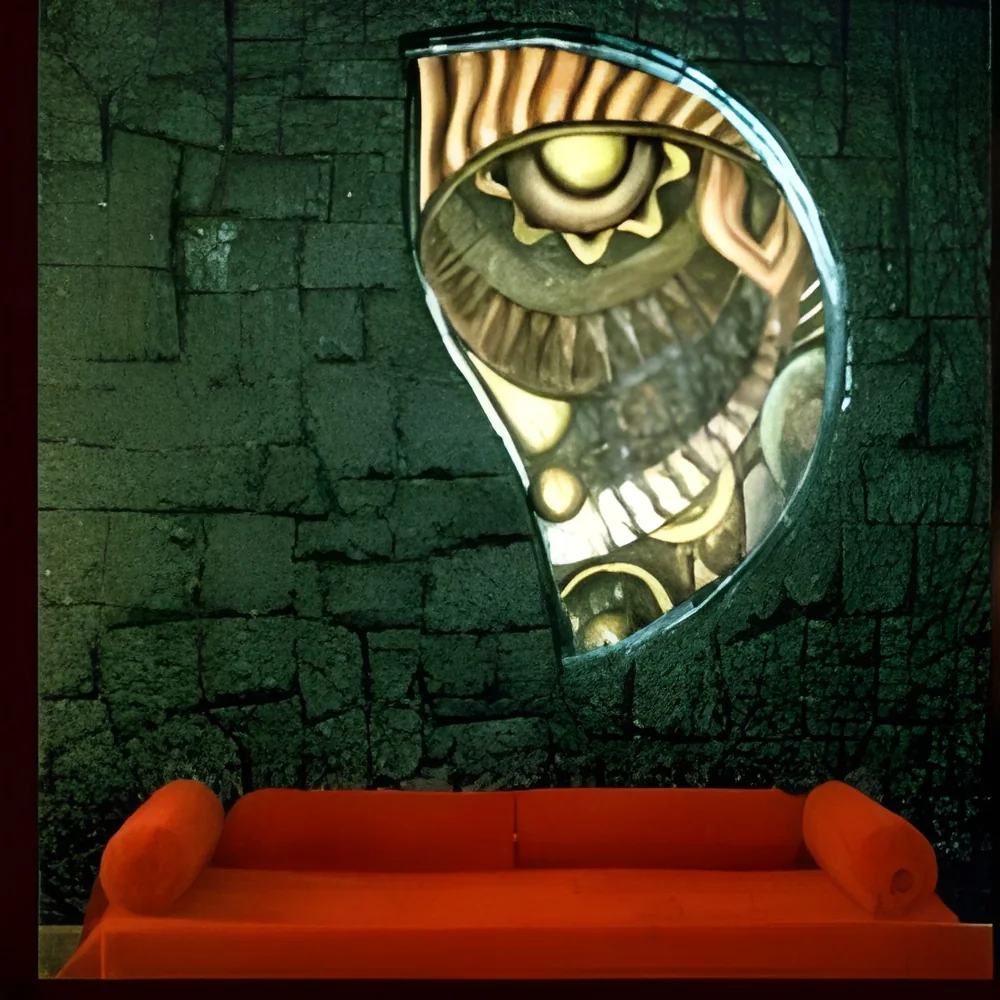
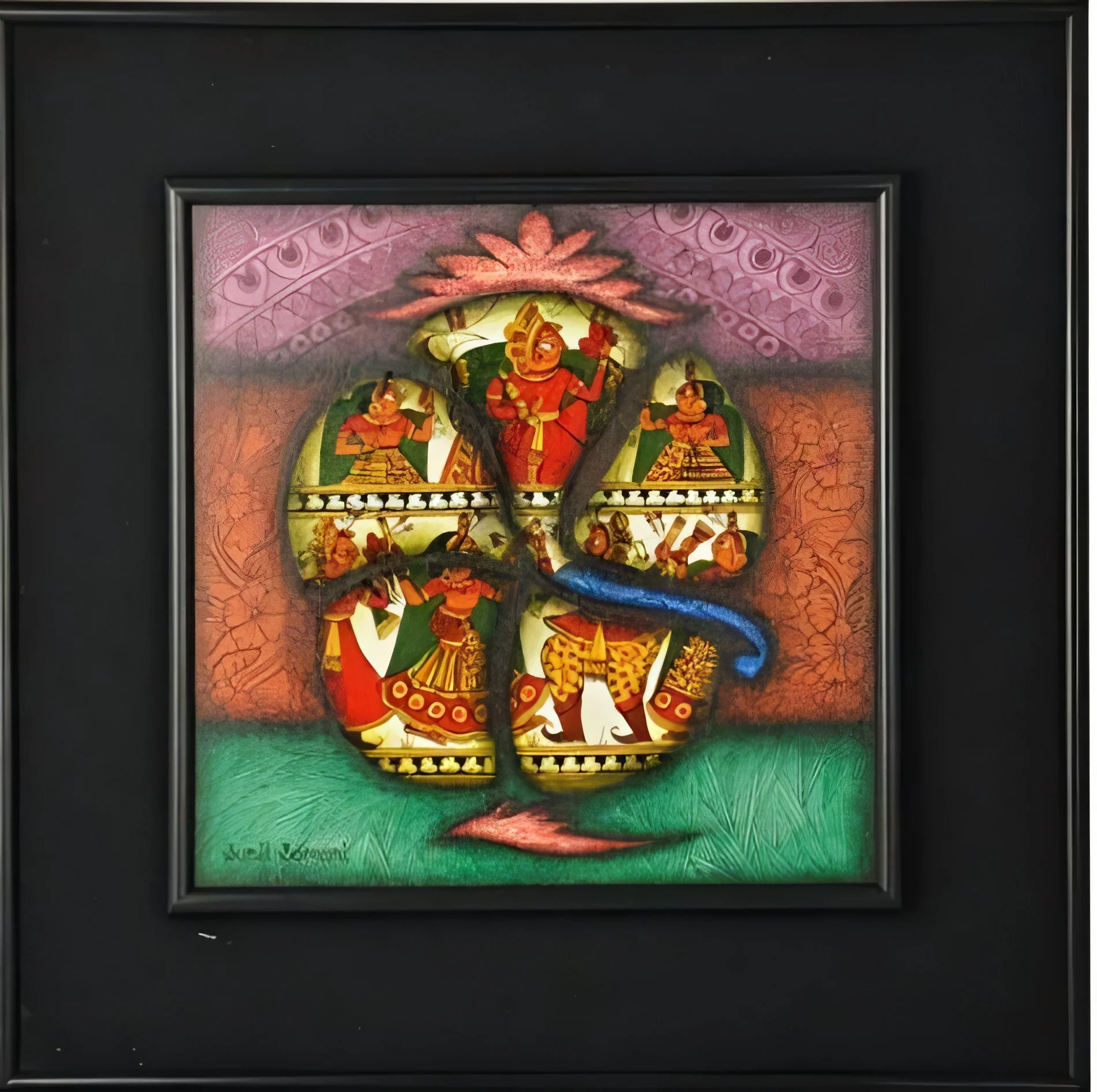
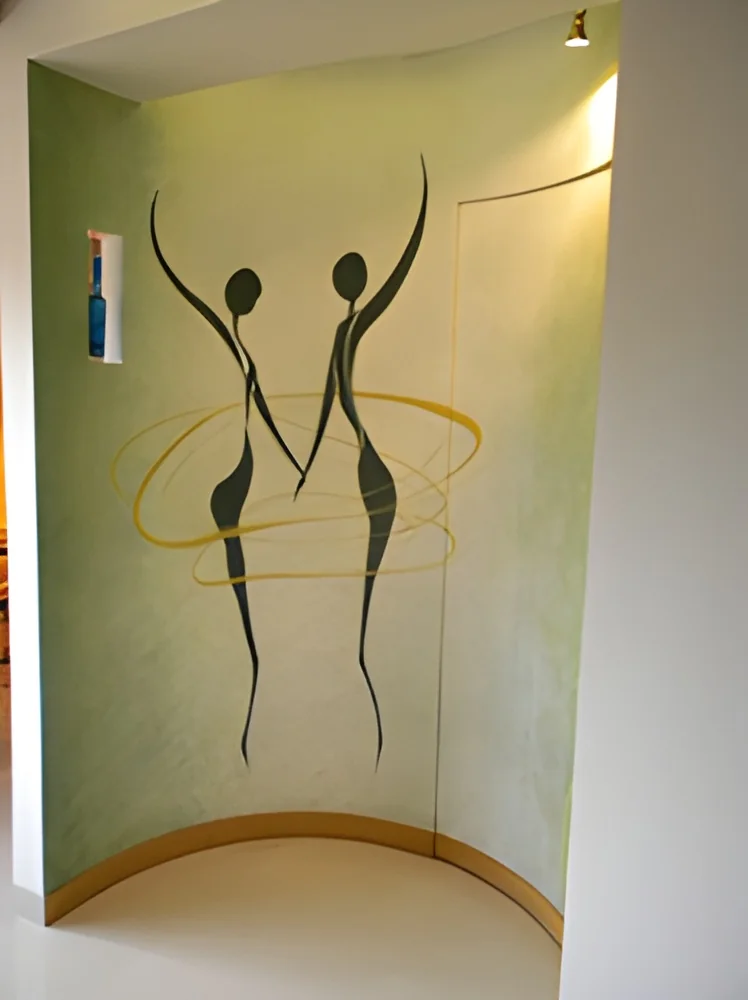
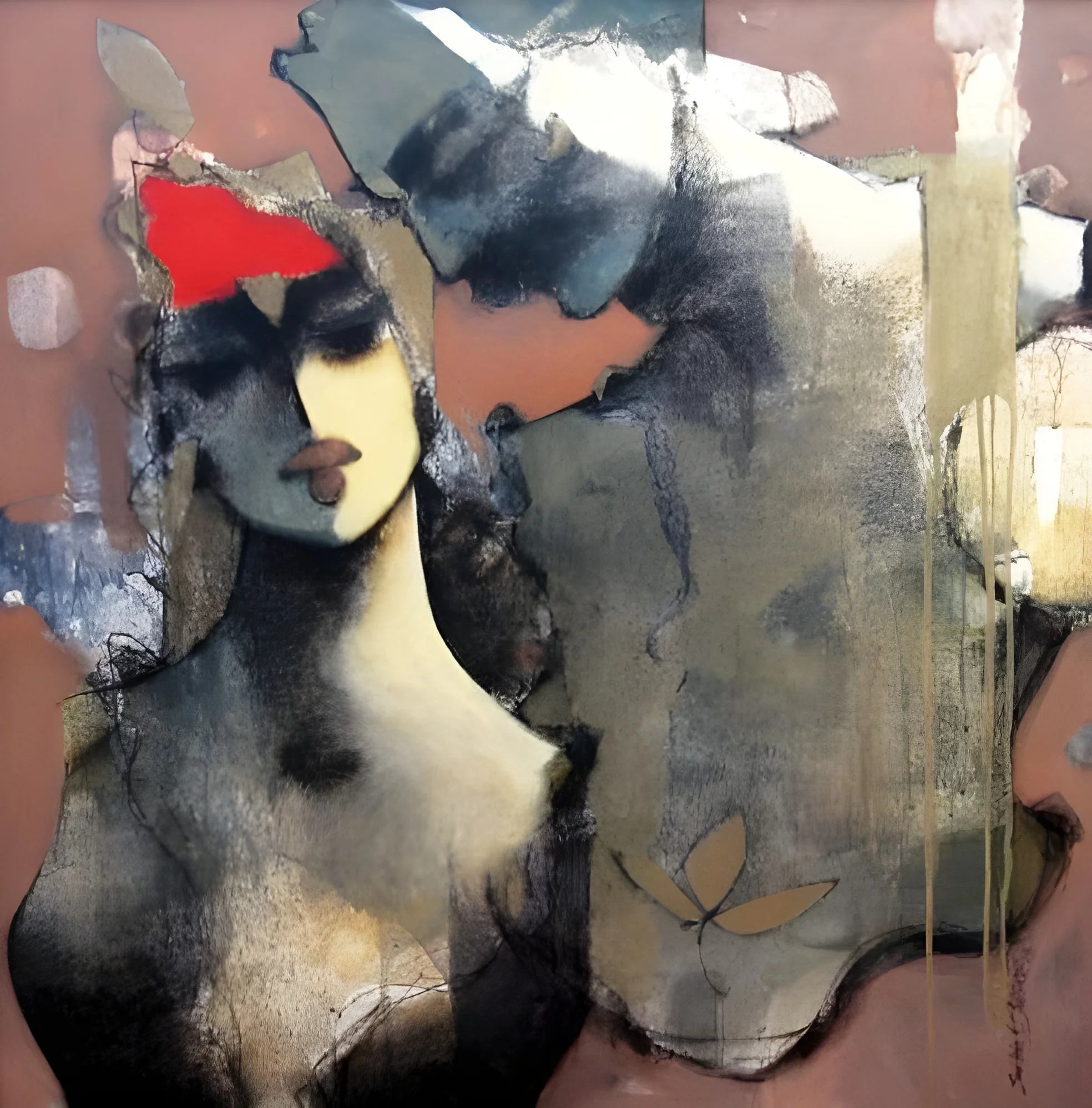
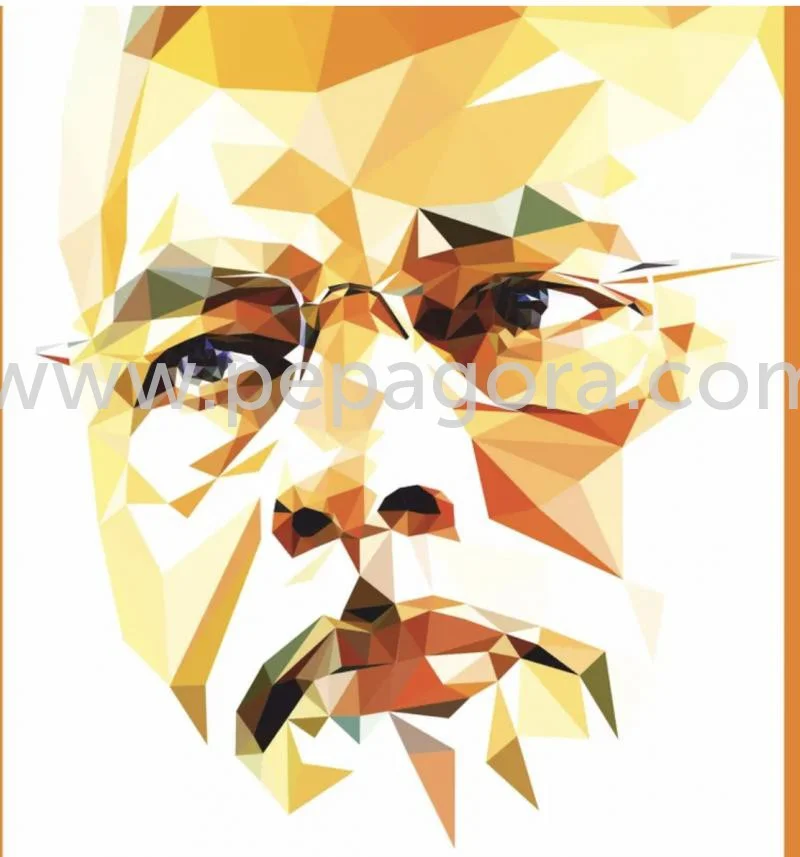
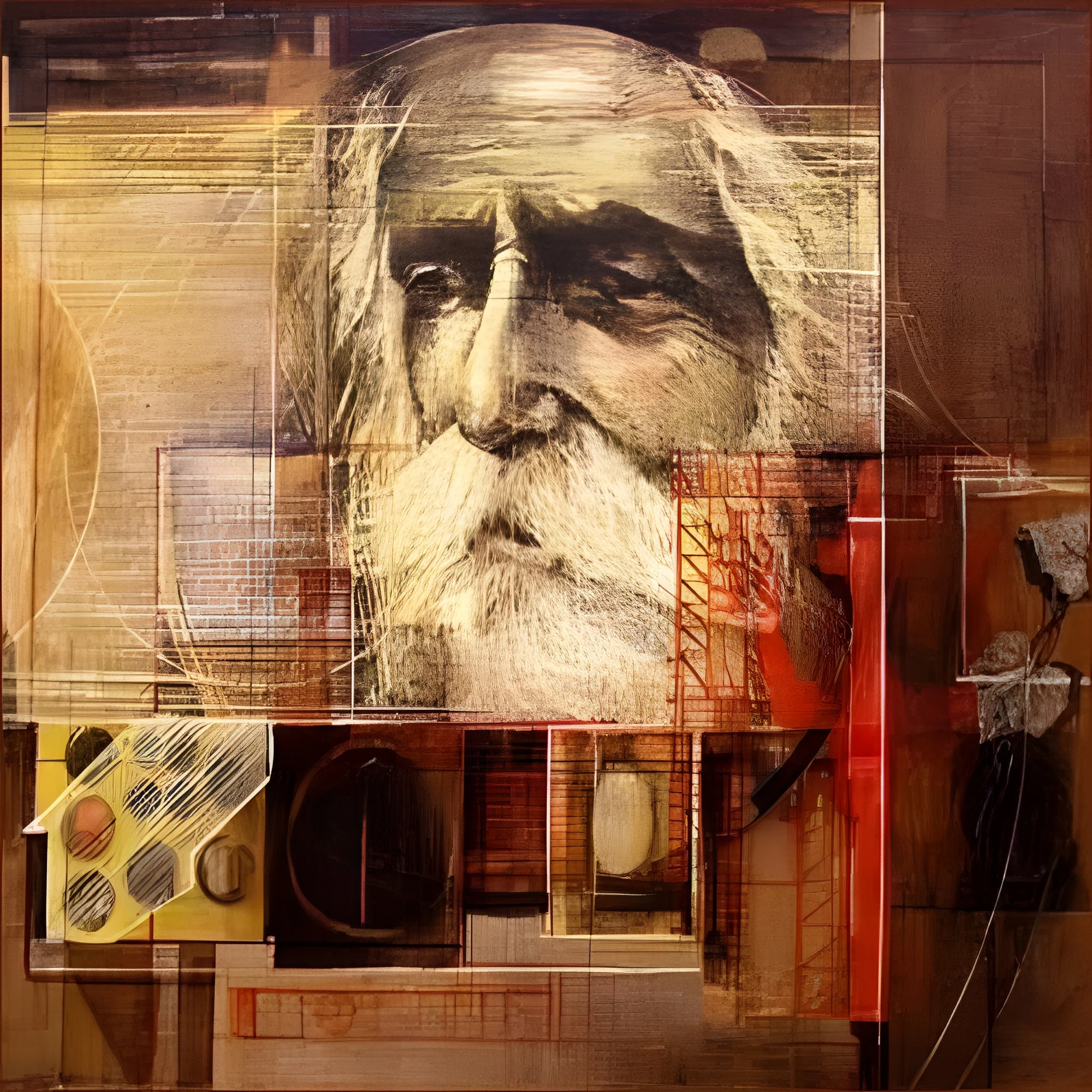
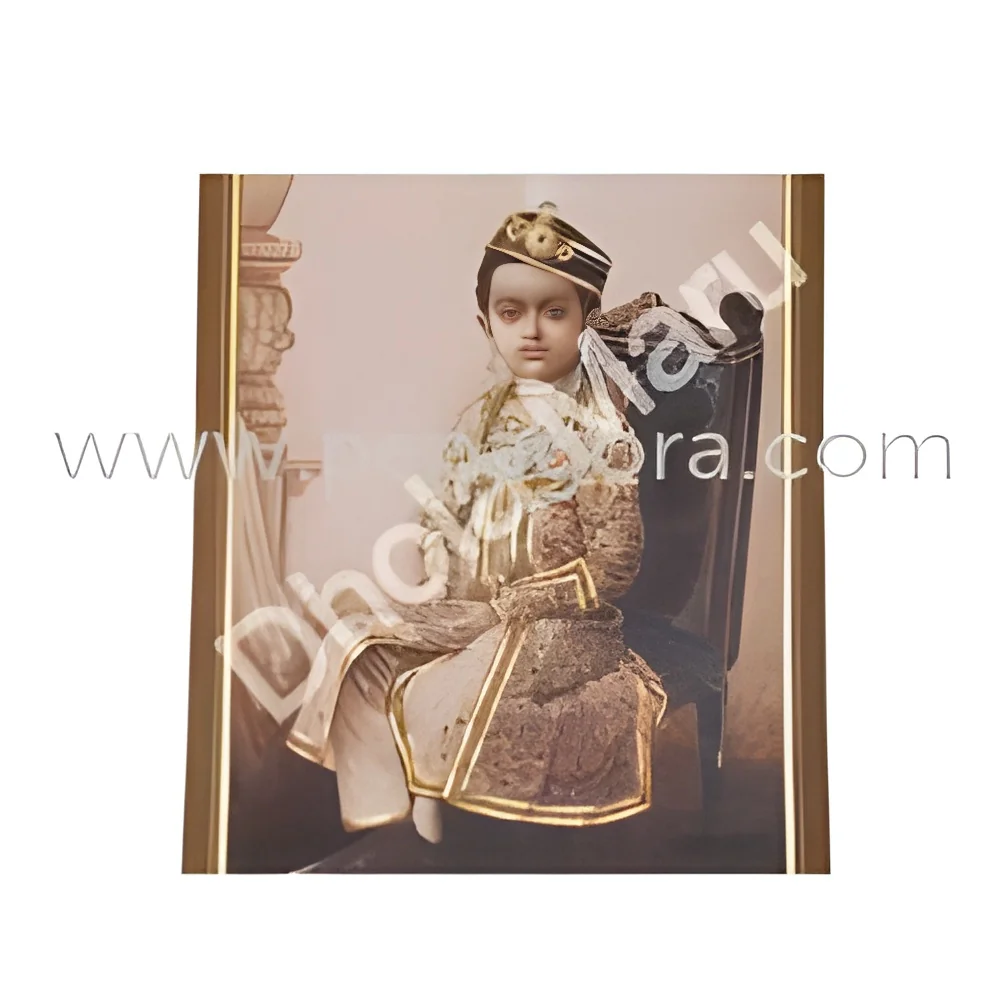
Wall art and paintings encompass a wide range of decorative pieces designed for wall display. These artworks serve not only as aesthetic enhancements but also as vital components of branding and ambiance in various commercial and industrial settings. They include a multitude of styles, mediums, and dimensions, ranging from traditional canvases to modern prints, and can be tailored to suit specific themes or corporate identities.
In business applications, wall art and paintings play a critical role in improving workplace environments, enhancing customer experiences, and reflecting corporate culture. For instance, they are commonly used in offices, hotels, restaurants, and retail spaces to create appealing atmospheres that resonate with customers and employees alike. The demand for unique and engaging wall art is growing, especially in industries focused on customer engagement and brand identity.
The market for wall art and paintings is influenced by trends in interior design, corporate branding, and consumer preferences. As more businesses recognize the significance of aesthetics in their spaces, the relevance of quality wall art becomes increasingly pronounced. Suppliers and manufacturers face the challenge of meeting diverse customer demands while ensuring that their offerings align with contemporary design trends.
𝗞𝗲𝘆 𝗙𝗲𝗮𝘁𝘂𝗿𝗲𝘀 𝗮𝗻𝗱 𝗦𝗽𝗲𝗰𝗶𝗳𝗶𝗰𝗮𝘁𝗶𝗼𝗻𝘀
Wall art and paintings come with a variety of features and specifications that cater to different business needs. Understanding these specifications helps buyers make informed decisions.
Key specifications include:
1. Material Type
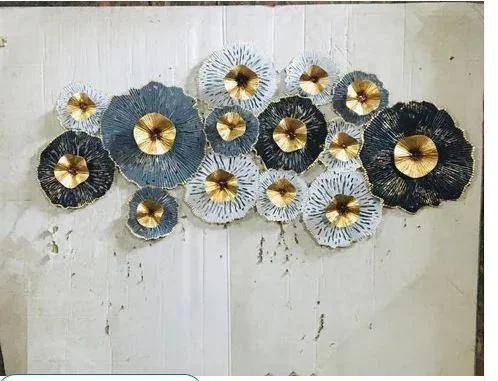
- Common materials include canvas, wood, metal, and acrylic.
- Each material offers different textures and durability.
2. Size Options
- Available in various dimensions, from small pieces to large murals.
- Custom sizes can often be requested to fit specific wall spaces.
3. Print Quality
- High-resolution printing ensures vibrant colors and sharp details.
- UV-resistant inks may be utilized to prevent fading.
4. Mounting Options
- Various mounting options are available, including frames and adhesive backs.
- Some pieces are designed for easy installation and removal.
5. Customization Features
- Many suppliers offer customization in terms of design, size, and materials.
- Personalization can enhance brand identity.
6. Design Styles
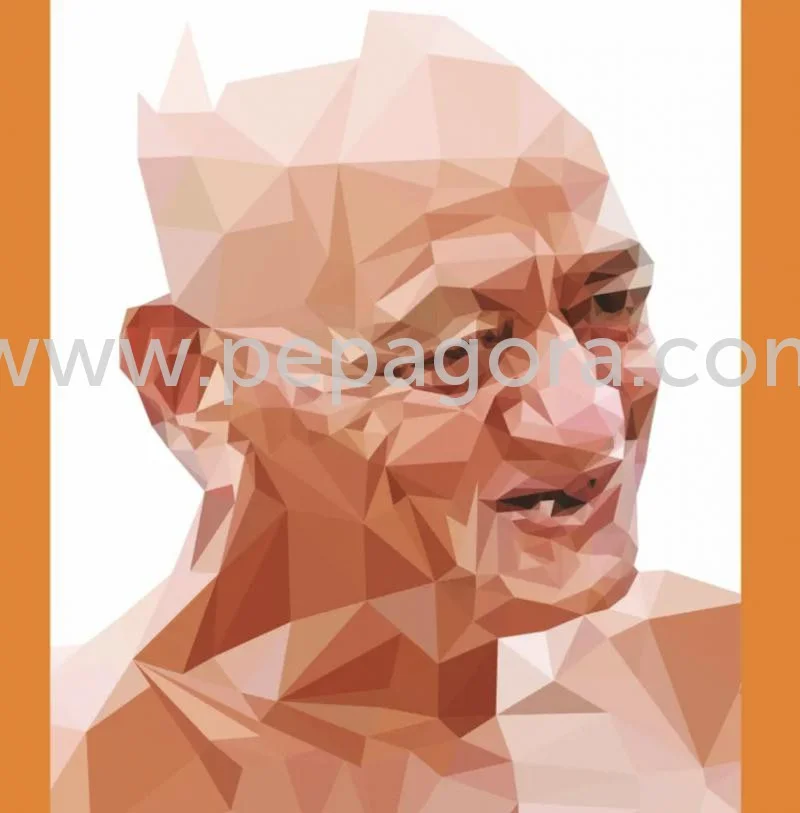
- Includes abstract, landscape, portrait, and geometric designs.
- Options are available to suit different themes and environments.
7. Environmental Considerations
- Eco-friendly materials and processes are increasingly in demand.
- Sustainability can be a key selling point.
In summary, understanding the key features and specifications of wall art and paintings allows buyers to choose products that align with their aesthetic and functional requirements.
𝗖𝗼𝗺𝗺𝗼𝗻 𝗔𝗽𝗽𝗹𝗶𝗰𝗮𝘁𝗶𝗼𝗻𝘀 𝗮𝗻𝗱 𝗨𝘀𝗲 𝗖𝗮𝘀𝗲𝘀
Wall art and paintings are versatile products with applications across numerous industries.
1. Corporate Offices: Wall art enhances workplace morale and reflects company values. It can also serve as a branding tool.
2. Hospitality Industry: Hotels and restaurants use wall art to create inviting atmospheres that enhance guest experiences and complement interior design themes.
3. Retail Spaces: Retailers leverage artwork to attract customers and create a distinctive shopping environment that aligns with their brand identity.
4. Educational Institutions: Schools and universities utilize wall art to inspire students and create engaging learning environments.
5. Healthcare Facilities: Wall art in hospitals and clinics contributes to a calming atmosphere, improving patient experiences.
6. Event Venues: Wall art is used in event spaces to enhance decor and create memorable settings for gatherings.
7. Residential Spaces: Interior designers often recommend wall art to personalize living spaces and add character to homes.
𝗣𝗿𝗼𝗱𝘂𝗰𝘁 𝗩𝗮𝗿𝗶𝗮𝗻𝘁𝘀 𝗮𝗻𝗱 𝗦𝘂𝗯𝗰𝗮𝘁𝗲𝗴𝗼𝗿𝗶𝗲𝘀
Wall art and paintings are available in diverse variants, catering to different aesthetic preferences and functional needs.
Canvas Art
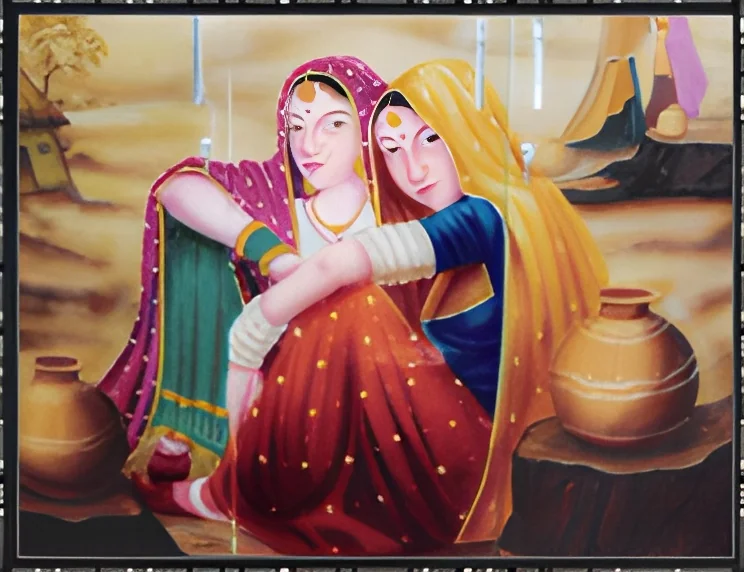
Canvas art is a popular choice for its vibrant colors and textured appearance. It is lightweight, easy to hang, and often available in various sizes. Canvas pieces can be framed or unframed according to customer preference.
Framed Prints
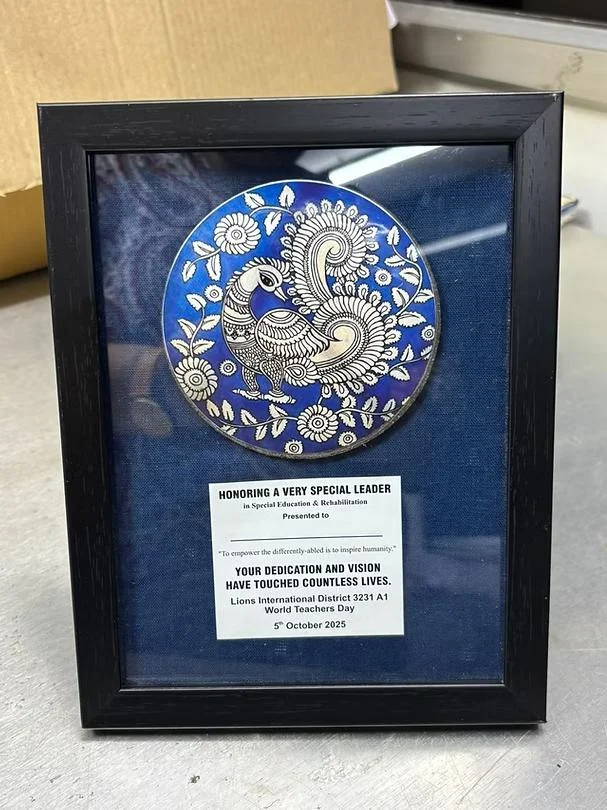
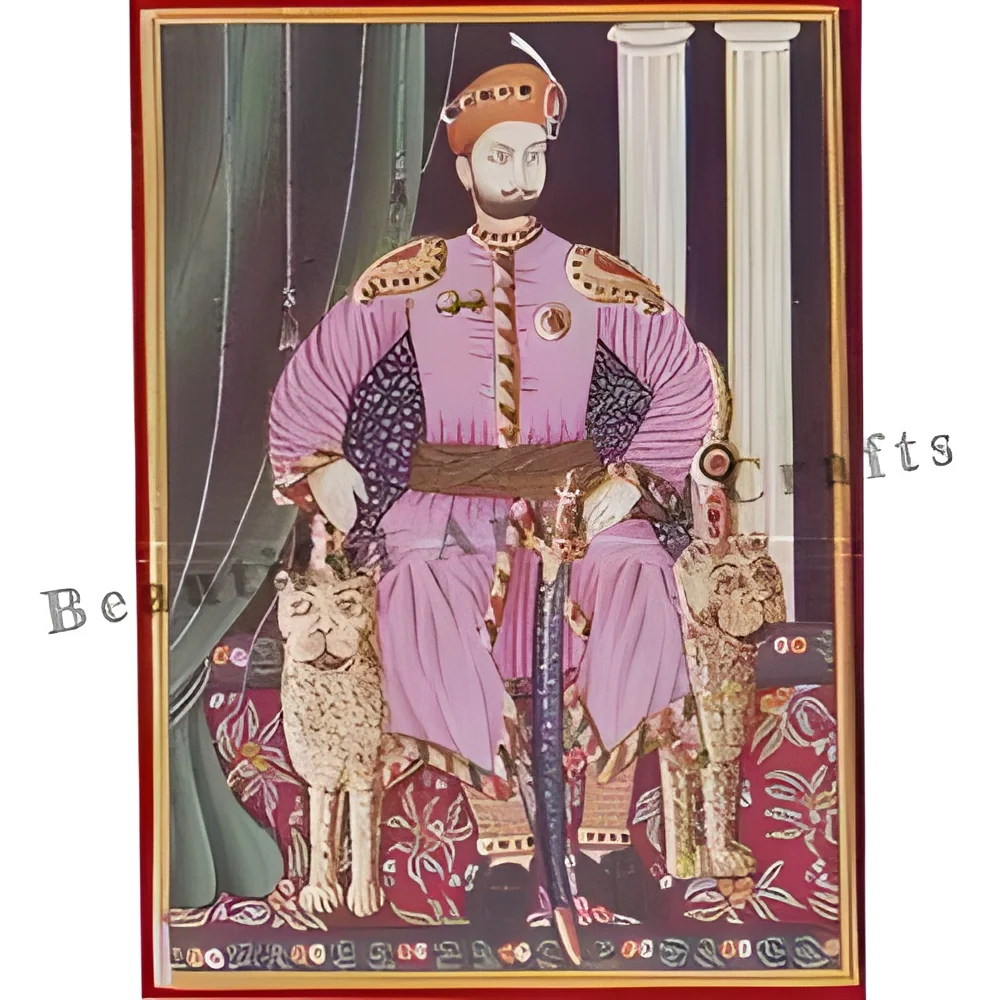
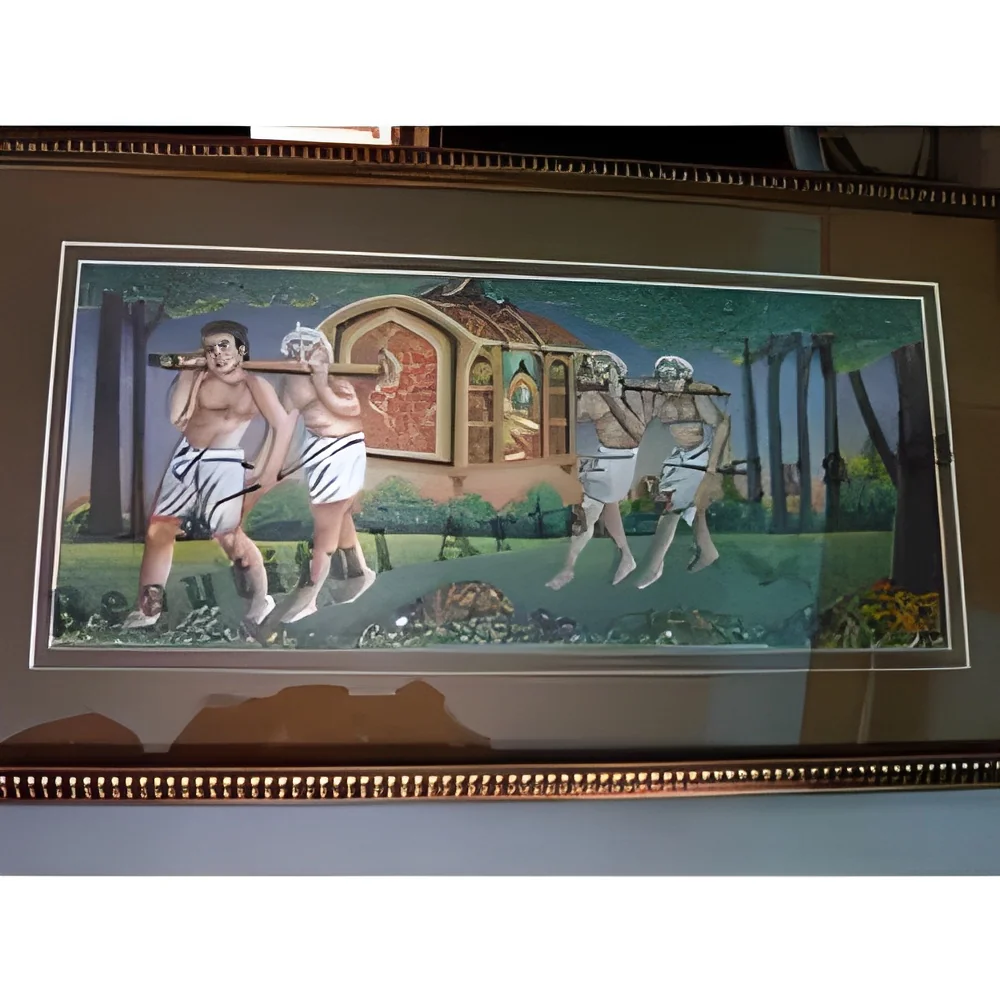
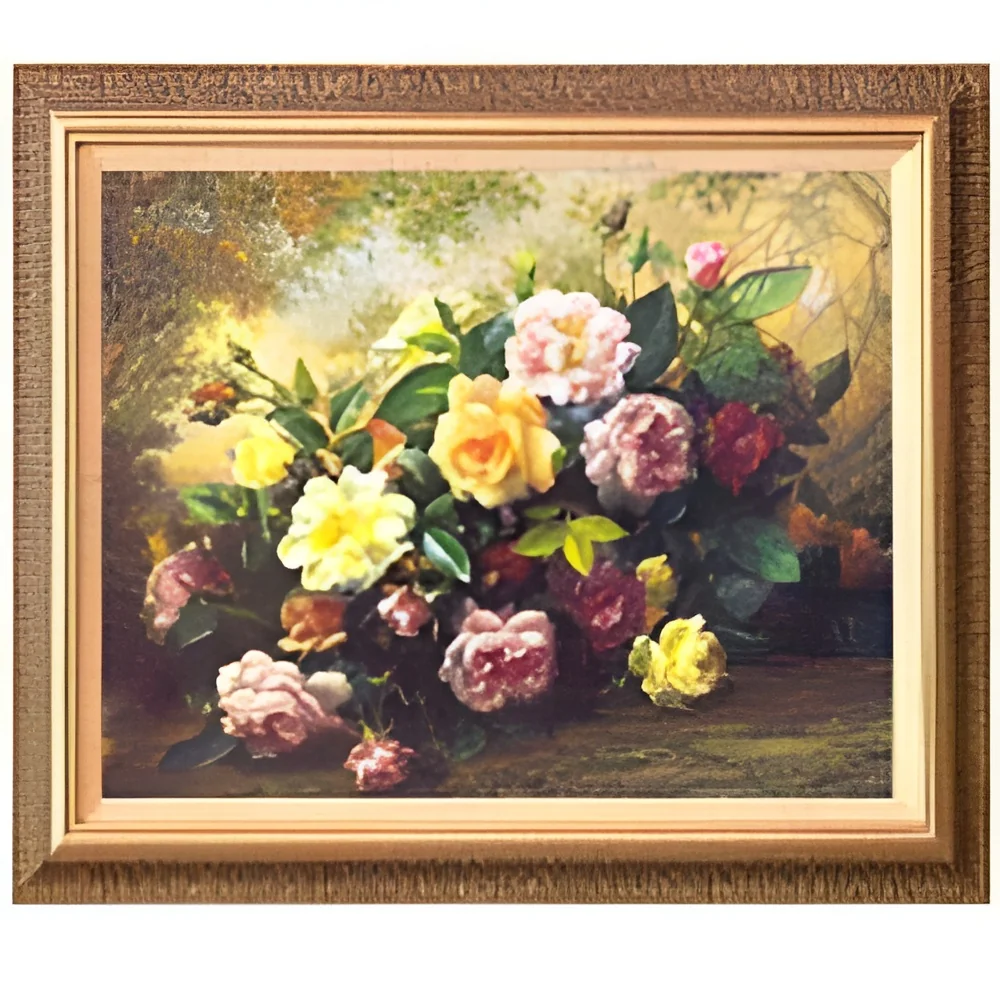
Framed prints provide a polished look and are available in various styles. They come ready to hang and offer protection for the artwork, enhancing durability. This variant is ideal for professional settings where presentation is key.
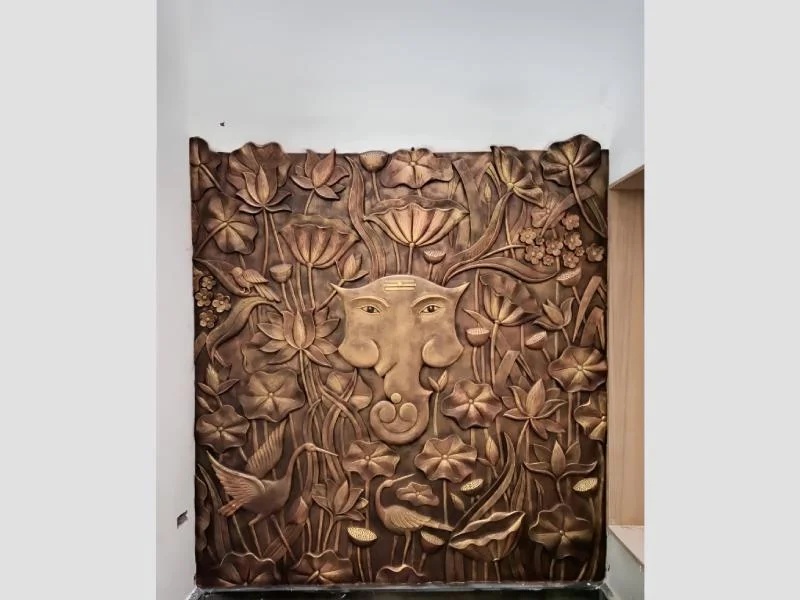
Wall Murals
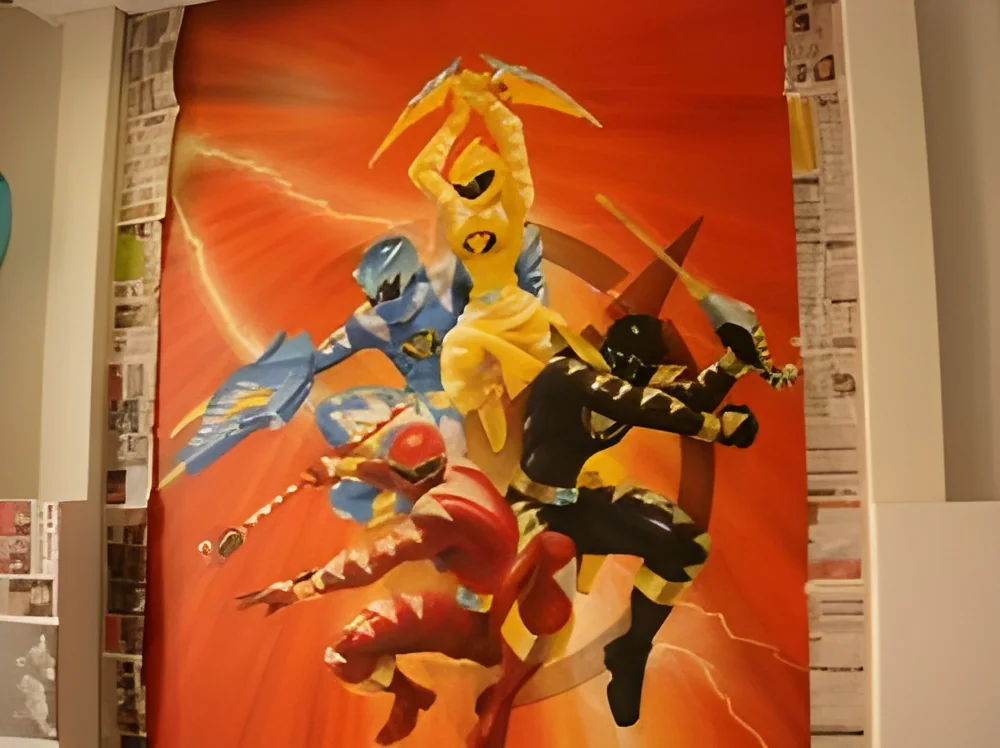
Wall murals are large-scale artworks that cover entire walls. They can transform spaces dramatically and are often used in commercial settings to create immersive environments. Custom designs can be created to meet specific branding needs.
Art Prints
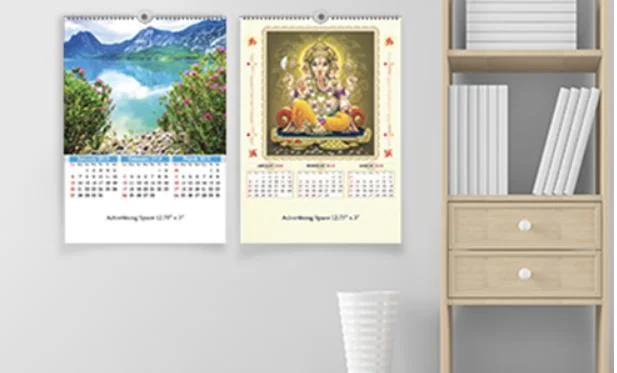
Art prints offer an affordable way to enjoy high-quality reproductions of famous artworks or original designs. They can be easily replaced or updated, making them suitable for businesses that frequently change their decor.
𝗕𝗲𝗻𝗲𝗳𝗶𝘁𝘀 𝗮𝗻𝗱 𝗔𝗱𝘃𝗮𝗻𝘁𝗮𝗴𝗲𝘀
Investing in wall art and paintings provides several distinct advantages for businesses.
1. Enhances Brand Identity: Quality wall art can effectively communicate a brand's message and values, helping to create a cohesive image.
2. Improves Atmosphere: Thoughtfully chosen artwork contributes to a positive ambiance, influencing customer satisfaction and employee morale.
3. Increases Engagement: Engaging visual elements can capture attention and encourage interaction, enhancing the overall customer experience.
4. Supports Creativity: Art in the workplace can stimulate creativity and innovation among employees, fostering a dynamic work environment.
5. Customizable Options: Many suppliers offer customization, allowing businesses to select artwork that aligns with their specific themes and branding.
6. Affordable Aesthetic Improvements: Wall art provides a cost-effective way to enhance the visual appeal of spaces compared to extensive renovations.
𝗕𝘂𝘆𝗶𝗻𝗴 𝗚𝘂𝗶𝗱𝗲 𝗳𝗼𝗿 𝗕𝟮𝗕 𝗕𝘂𝘆𝗲𝗿𝘀
When sourcing wall art and paintings, several factors should be considered to ensure the best purchase.
1. Quality Assessment: Buyers should evaluate the materials and craftsmanship of the products. High-quality art will have vibrant colors, durable materials, and excellent finish.
2. Supplier Verification: It is essential to vet suppliers for reliability and reputation. Checking reviews, certifications, and previous work can help ensure that the supplier meets quality standards.
3. Pricing and MOQ: Understanding price ranges and minimum order quantities is crucial. Buyers should compare different suppliers to find competitive pricing while considering bulk discounts.
4. Delivery and Lead Times: Logistics play a significant role in the purchase process. Buyers must inquire about delivery times and any potential delays to ensure timely installation.
5. Compliance Requirements: Depending on the sector, there may be compliance standards to consider. Buyers should ensure that the products meet any relevant regulatory or safety standards.
𝗖𝗼𝗺𝗽𝗹𝗶𝗮𝗻𝗰𝗲 𝗮𝗻𝗱 𝗖𝗲𝗿𝘁𝗶𝗳𝗶𝗰𝗮𝘁𝗶𝗼𝗻𝘀
Wall art and paintings must adhere to various quality standards to ensure safety and durability.
Relevant quality standards include ISO 9001, which emphasizes quality management systems, ensuring that manufacturers produce consistent products. Additionally, compliance with safety standards, including CE marking, indicates that the products meet European health, safety, and environmental protection requirements.
Safety and testing requirements are critical in preventing hazards associated with materials used in wall art. Buyers should verify that products do not contain harmful substances or materials that could pose health risks.
Regional compliance considerations may vary, so it is essential for suppliers to understand local regulations and ensure that their products meet all necessary requirements.
𝗪𝗵𝘆 𝗦𝗼𝘂𝗿𝗰𝗲 𝗪𝗮𝗹𝗹 𝗔𝗿𝘁 & 𝗣𝗮𝗶𝗻𝘁𝗶𝗻𝗴𝘀 𝗳𝗿𝗼𝗺 𝗣𝗲𝗽𝗮𝗴𝗼𝗿𝗮?
Pepagora provides a trusted platform for sourcing wall art and paintings, offering several key advantages for businesses.
Verified Supplier Network: Pepagora has a robust network of verified suppliers. This network ensures that buyers can access quality products from reputable manufacturers, reducing the risk of subpar purchases.
Streamlined RFQ Process: The request for quotation (RFQ) process on Pepagora simplifies sourcing. Buyers can easily request quotes from multiple suppliers, enabling them to compare prices and features efficiently.
Trade Assurance and Support: Pepagora offers trade assurance, protecting buyers from issues related to order fulfillment and quality. This buyer protection fosters confidence in the purchasing process.
Regional Coverage: Pepagora's geographic reach extends across India, the GCC, and Southeast Asia. This coverage allows businesses in these regions to find suitable wall art and paintings tailored to their specific markets.















Frequently Asked Questions
What are Wall Art & Paintings?
Wall Art & Paintings refer to various artistic works designed to enhance the visual appeal of walls in homes and commercial spaces. They can include paintings, prints, murals, and other decorative pieces that contribute to interior design.
What are the different types of Wall Art & Paintings?
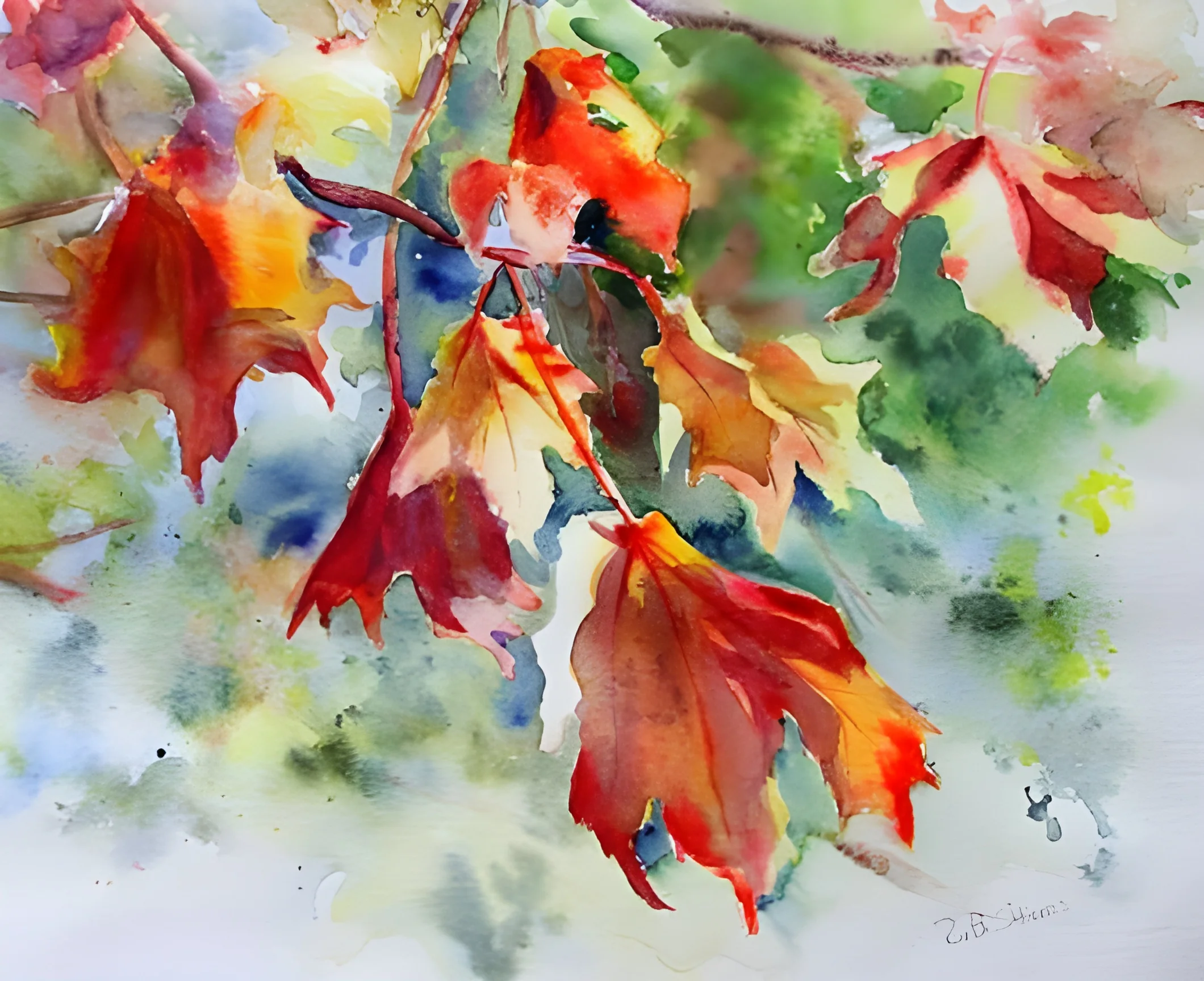
The different types of Wall Art & Paintings include oil paintings, acrylic paintings, watercolor art, canvas prints, framed prints, and wall decals. Additionally, there are also tapestries and mixed media artworks that can be used as wall decor.
How do I choose the right Wall Art & Paintings?
Choosing the right Wall Art & Paintings involves considering the existing decor, color schemes, and the mood you want to create in a space. It's also important to think about the size of the artwork in relation to the wall and the overall layout of the room.
What are the standard specifications for Wall Art & Paintings?
Standard specifications for Wall Art & Paintings can vary but often include dimensions, materials used (such as canvas, wood, or metal), and the type of finish (glossy, matte, etc.). Additionally, weight and framing options are also important specifications to consider.
What is the price range for Wall Art & Paintings?
The price range for Wall Art & Paintings can vary significantly based on factors like size, artist reputation, and material quality. Generally, prices can range from a few hundred to several thousand Indian Rupees.
What quality standards apply to Wall Art & Paintings?
Quality standards for Wall Art & Paintings include durability, colorfastness, and the use of high-quality materials. Additionally, professional-grade artworks should be free from defects and exhibit high craftsmanship.
Where can I find Wall Art & Paintings suppliers in India?
You can find Wall Art & Paintings suppliers in India through B2B marketplaces like Pepagora, art galleries, and direct manufacturer websites. Networking at art fairs and exhibitions can also help in sourcing suppliers.
Can Wall Art & Paintings be customized?
Yes, many suppliers offer customization options for Wall Art & Paintings. This can include bespoke sizes, color choices, and unique designs tailored to specific customer needs.
What is the typical minimum order quantity for Wall Art & Paintings?
The typical minimum order quantity (MOQ) for Wall Art & Paintings can vary by supplier but generally ranges from 5 to 20 pieces. It's advisable to check with individual suppliers for their specific MOQs.
What is the typical lead time for Wall Art & Paintings?
The typical lead time for Wall Art & Paintings can range from 2 to 6 weeks, depending on the complexity of the order, customization requirements, and the supplier's production capacity.
Why Businesses Trust Pepagora
Thousands of companies trust Pepagora to source smarter and sell faster
Expand Your Sales Globally

Source Smarter,Grow Faster
