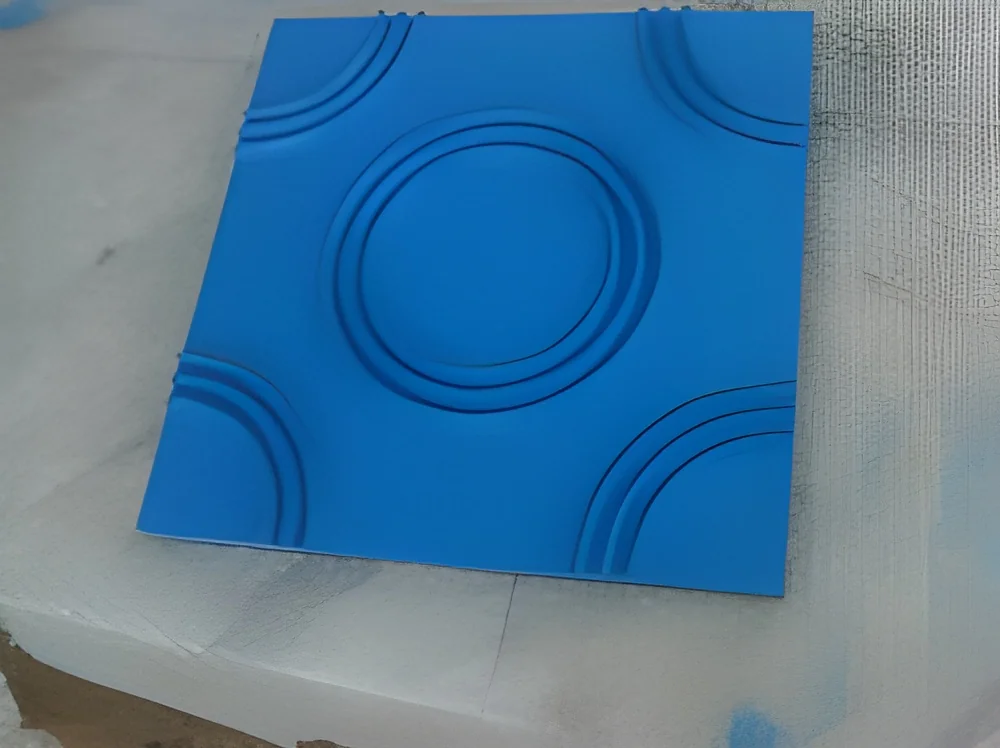
What are 3D Wall Panels?
3D wall panels are decorative wall coverings that add depth and texture to interior spaces. They are made from various materials including wood, plastic, and metal, and feature intricate designs that create a three-dimensional effect. This innovative product is designed to enhance the aesthetic appeal of walls while also offering functional benefits such as improved acoustics and insulation.
These panels are primarily used in commercial and residential settings, such as offices, hotels, restaurants, and homes. They serve to create striking feature walls, accent rooms, or even entire spaces that require a unique visual element. The versatility of 3D wall panels makes them a popular choice among interior designers and architects looking to elevate their projects. The market for 3D wall panels is growing, reflecting a rising interest in creative, customizable design solutions in both new builds and renovations.
Key Features and Specifications
3D wall panels come with a variety of features and specifications that make them suitable for diverse applications. Their design and material composition contribute to their durability and aesthetic qualities. Buyers should consider the following key specifications when selecting 3D wall panels.
Key specifications include:
1. Material Composition
- Panels can be made from materials such as PVC, MDF, wood, or metal.
- Each material offers different aesthetic qualities and durability levels.
2. Dimensions
- Panels typically come in standard sizes, often ranging from 2 feet by 2 feet to larger sheets.
- Thickness can vary, impacting the visual depth and insulation properties.
3. Surface Finish
- Available in various finishes, including matte, glossy, and textured.
- The finish affects the visual appeal and ease of cleaning.
4. Installation Method
- Panels can be installed using adhesives, screws, or clips, depending on the design.
- Some panels are designed for easy DIY installation, while others may require professional assistance.
5. Acoustic Properties
- Certain panels provide sound-dampening qualities, making them ideal for noisy environments.
- The effectiveness can vary based on material and design.
6. Fire Resistance
- Many panels meet fire safety standards, making them suitable for commercial spaces.
- Check for certifications that indicate compliance with safety regulations.
7. Customization Options
- Many manufacturers offer customizable designs to match specific project needs.
- Color, size, and pattern variations can be tailored to client specifications.
8. Maintenance Requirements
- Different materials have varying maintenance needs, affecting long-term upkeep.
- Some panels are designed to be easy to clean, while others may require special care.
In summary, understanding these features and specifications is crucial for B2B buyers to select the right 3D wall panels that meet their functional and aesthetic requirements.
Common Applications and Use Cases
3D wall panels have found applications across multiple industries due to their versatility and design appeal.
1. Hospitality Industry: Hotels and restaurants often use 3D wall panels to create inviting atmospheres. These panels help in defining spaces and enhancing the overall guest experience with unique designs.
2. Retail Environments: Retail stores utilize 3D wall panels to highlight product displays and create engaging shopping experiences. The panels can serve as backdrops that attract customer attention.
3. Corporate Offices: Many businesses incorporate 3D wall panels in office designs to promote a modern and professional image. They can be used in meeting rooms, reception areas, and collaborative spaces.
4. Residential Spaces: Homeowners are increasingly using 3D wall panels for living rooms, bedrooms, and dining areas. The panels provide a stylish focal point that enhances home decor.
5. Design Firms: Interior designers often recommend 3D wall panels as a solution for clients looking to add texture and interest to their projects. The design flexibility allows for creative expression.
6. Educational Institutions: Schools and universities may use 3D panels in auditoriums and common areas to improve acoustics and create visually stimulating environments for learning.
7. Healthcare Facilities: Hospitals and clinics can benefit from 3D wall panels that help in creating calming environments for patients while also meeting hygiene standards.
Product Variants and Subcategories
3D wall panels offer a diverse range of variants, each tailored to specific design preferences and applications.
Classic Style Panels
These panels feature traditional patterns and textures that suit various interior themes. They are often used in residential settings to create a timeless look.
Modern Geometric Panels
With sharp lines and bold shapes, these panels are ideal for contemporary spaces. They are popular in commercial environments where a sleek aesthetic is desired.
Natural Finish Panels
These panels mimic natural materials like wood and stone, providing an organic feel to interior designs. They are frequently chosen for eco-friendly projects.
Acoustic Panels
Designed specifically for sound absorption, these panels are ideal for environments where noise control is essential. They are often used in offices, schools, and recording studios.
Benefits and Advantages
3D wall panels provide numerous benefits that make them an attractive choice for many projects.
Key benefits include:
1. Aesthetic Appeal: The three-dimensional designs create visual interest and enhance the overall look of any space.
2. Versatility: Available in various materials, colors, and patterns, these panels can fit different styles and preferences.
3. Ease of Installation: Many 3D wall panels are designed for straightforward installation, reducing labor costs and time.
4. Sound Absorption: Certain panels enhance sound quality by reducing echoes and noise, improving acoustics in various environments.
5. Durability: Made from robust materials, 3D wall panels are built to last, providing long-term value.
6. Customization: Buyers can choose from a wide range of designs, allowing for personalized solutions that meet specific project requirements.
Buying Guide for B2B Buyers
When sourcing 3D wall panels, businesses should consider several factors to ensure they make informed purchasing decisions.
1. Quality Assessment: Evaluate the quality of materials and finishes. Look for panels that meet industry standards and have positive reviews or certifications.
2. Supplier Verification: Vet potential suppliers to ensure they have a solid reputation in the market. Check references and previous work to assess reliability.
3. Pricing and MOQ: Understand the pricing structure and minimum order quantities. Compare quotes from multiple suppliers to find competitive rates.
4. Delivery and Lead Times: Inquire about logistics, including shipping options and estimated delivery times. Plan ahead to avoid project delays.
5. Compliance Requirements: Ensure that panels meet relevant safety and regulatory standards for your industry. This may include fire safety and environmental regulations.
Compliance and Certifications
3D wall panels are subject to various compliance standards and certifications that ensure their quality and safety. Among the most recognized standards are ISO 9001, which focuses on quality management systems, ensuring that manufacturers meet customer and regulatory requirements consistently.
Additionally, many 3D wall panels carry the CE marking, indicating compliance with European safety, health, and environmental protection standards. This certification is crucial for products intended for the European market.
Safety testing is also an essential aspect of compliance, particularly for panels used in commercial spaces. Panels should undergo fire safety tests to assess their flammability and overall safety in case of emergencies.
Furthermore, regional compliance considerations may apply, depending on the market where the panels will be used. Buyers should verify local regulations and standards to ensure the products meet all necessary requirements.
Why Source 3D Wall Panels from Pepagora?
Pepagora provides a trusted platform for sourcing 3D wall panels, offering several key advantages to B2B buyers.
Verified Supplier Network: Pepagora connects buyers with verified suppliers, ensuring a reliable sourcing experience. Each supplier undergoes a vetting process to confirm their credibility and product quality.
Streamlined RFQ Process: The platform offers a simplified Request for Quotation (RFQ) process, allowing buyers to easily compare multiple quotes and choose the best option for their needs.
Trade Assurance and Support: Pepagora prioritizes buyer protection by offering trade assurance programs. This feature provides additional confidence in purchasing decisions, knowing support is available throughout the transaction.
Regional Coverage: With a strong presence in India, the GCC, and Southeast Asia, Pepagora ensures that buyers can access a wide range of 3D wall panels suitable for various markets. This geographic reach enhances procurement options and facilitates timely deliveries.

 IN
IN