
 IN
Canvas Paintings
5 products available
What are Canvas Paintings?
Canvas paintings are artworks created on a fabric canvas, typically made of cotton or linen, which is stretched over a wooden frame. This medium is renowned for its versatility and durability, making it a popular choice among artists. Canvas allows for a wide range of painting techniques, including oil, acrylic, and watercolor, providing artists with the ability to create detailed and vibrant images.
In the B2B context, canvas paintings are utilized in various commercial settings, including offices, hotels, and retail spaces. They serve as an aesthetic enhancement, contributing to the ambiance and overall design of a space. Beyond decoration, canvas paintings can also be used for branding purposes, showcasing company values and culture through art. This relevance in the commercial sector highlights the growing market for canvas paintings, which aligns with current trends in interior design and corporate branding.
Key Features and Specifications
Canvas paintings come with a variety of features that enhance their appeal and usability in different environments. The following specifications are essential to consider when selecting canvas paintings.
Key specifications include:
1. Material Quality
- Typically made from 100% cotton or linen
- Provides durability and a smooth painting surface
2. Frame Type
- Available in wooden or metal frames
- Ensures stability and easy hanging options
3. Size Options
- Offered in various dimensions, ranging from small to large formats
- Custom sizes can be requested to fit specific spaces
4. Print Quality
- High-resolution printing for vibrant colors and sharp details
- UV-resistant inks to prevent fading over time
5. Surface Texture
- Options for smooth or textured surfaces
- Affects the overall appearance and feel of the artwork
6. Customization
- Ability to create custom designs or replicate existing artworks
- Tailored to meet specific branding or aesthetic requirements
7. Packaging
- Typically shipped flat or rolled for safe delivery
- Includes protective measures to prevent damage during transit
8. Warranty
- Many suppliers offer warranties against defects
- Provides assurance of product quality and longevity
In summary, understanding the key features and specifications of canvas paintings is crucial for businesses looking to enhance their environments with quality artwork.
Common Applications and Use Cases
Canvas paintings are versatile products that find applications across various industries.
1. Corporate Offices: Canvas paintings are commonly used to create a professional and inviting atmosphere. They can reflect a company's brand identity and values.
2. Hospitality: Hotels and restaurants utilize canvas paintings to enhance decor and create a unique ambiance. Art can set the mood and attract guests.
3. Retail Spaces: Retailers use canvas paintings to engage customers and enhance their shopping experience. Art displays can highlight product themes or seasonal promotions.
4. Healthcare: Medical facilities often use calming images to promote healing environments. Canvas paintings can help reduce patient anxiety and improve overall experience.
5. Educational Institutions: Schools and universities incorporate canvas paintings to create inspiring learning environments. Art can stimulate creativity and enhance student engagement.
6. Residential Spaces: Interior designers often use canvas paintings to personalize residential areas, making homes more inviting and stylish.
7. Art Galleries: These spaces showcase canvas paintings as part of exhibitions, allowing artists to reach wider audiences and promote their work.
Product Variants and Subcategories
The canvas painting market offers a range of variants that cater to different aesthetic preferences and uses.
Abstract Canvas Paintings: These artworks focus on colors, shapes, and forms rather than realistic representations. They are ideal for contemporary spaces and can evoke emotions or provoke thought.
Landscape Canvas Paintings: Featuring natural scenes, these paintings bring the beauty of the outdoors inside. They are perfect for creating a serene atmosphere in homes and offices.
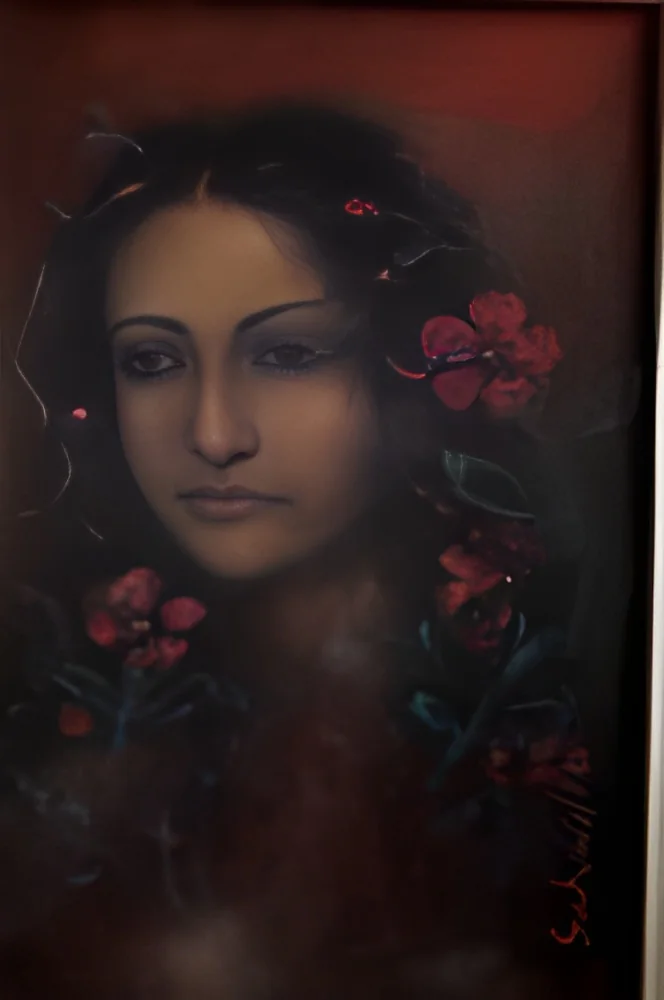
Portrait Canvas Paintings: These pieces depict human figures or faces, adding a personal touch to any space. They are often used in corporate settings to reflect leadership or community values.
Themed Canvas Paintings: These artworks are designed around specific themes, such as travel or culture. They can enhance branding efforts and connect with target audiences.
Benefits and Advantages
Canvas paintings offer several benefits that make them an attractive option for businesses and organizations.
1. Aesthetic Appeal: Canvas paintings enhance the visual appeal of any space, creating a more inviting atmosphere for employees and customers.
2. Versatility: These artworks can be used in various settings, from corporate offices to private homes, making them suitable for different applications.
3. Customization Options: Businesses can tailor canvas paintings to reflect their brand identity or specific themes, ensuring that the artwork aligns with their vision.
4. Durability: High-quality canvas paintings are designed to last, resisting wear and tear over time while maintaining their vibrant appearance.
5. Easy Maintenance: Canvas paintings require minimal upkeep, making them a practical choice for busy environments.
6. Cost-Effectiveness: Compared to other forms of art, canvas paintings can be a more affordable option, especially with customization and bulk purchasing.
Buying Guide for B2B Buyers
When sourcing canvas paintings, it is essential to consider several factors to ensure a successful purchase.
1. Quality Assessment: Evaluate the material and print quality of canvas paintings. High-quality canvas made from cotton or linen with UV-resistant inks will yield the best results.
2. Supplier Verification: Research potential suppliers to ensure they have a solid reputation for quality and reliability. Look for reviews and testimonials from other B2B buyers.
3. Pricing and MOQ: Understand the pricing structure, including bulk discounts and minimum order quantities. This can significantly affect overall costs.
4. Delivery and Lead Times: Confirm delivery schedules and lead times to ensure timely receipt of orders. Factor in any potential delays in shipping.
5. Compliance Requirements: Be aware of any industry-specific compliance needs, such as safety standards or certifications, to ensure that the products meet regulatory requirements.
Compliance and Certifications
Canvas paintings must adhere to relevant quality standards and industry certifications to ensure safety and reliability.
ISO 9001 is a widely recognized quality management standard that outlines criteria for a quality management system. Compliance with this standard indicates that a supplier maintains high-quality processes and practices.
The CE certification signifies that the product meets European safety and health standards, ensuring that canvas paintings are safe for use in various environments.
Safety and testing requirements may vary by region, so it is crucial for buyers to confirm that their products comply with local regulations.
Regional compliance considerations are also important, as different markets may have specific standards that need to be met. Buyers should work closely with suppliers to ensure all necessary compliance is achieved.
Why Source Canvas Paintings from Pepagora?
Pepagora offers a reliable platform for sourcing canvas paintings, providing several key advantages for B2B buyers.
Verified Supplier Network: Pepagora ensures that all suppliers are thoroughly vetted, providing buyers with confidence in their partnerships. This network includes reputable manufacturers known for high-quality products.
Streamlined RFQ Process: The Request for Quotation (RFQ) process is designed to be straightforward and efficient. Buyers can easily submit their requirements and receive competitive quotations from multiple suppliers.
Trade Assurance and Support: Pepagora offers trade assurance, protecting buyers from potential issues during the transaction process. This support includes assistance with payment security and dispute resolution.
Regional Coverage: With a strong presence in India, the GCC, and Southeast Asia, Pepagora facilitates access to canvas paintings across diverse markets, enabling buyers to connect with suppliers that meet their specific needs.





Frequently Asked Questions
What are Canvas Paintings?
Canvas paintings are artworks created on a canvas surface, which is typically made from cotton or linen. They are commonly used in fine art and can feature a variety of styles, including abstract, realism, and impressionism. Canvas paintings are popular for home and office decor due to their durability and aesthetic appeal.
What are the different types of Canvas Paintings?
Canvas paintings can be categorized into several types, including stretched canvas, canvas boards, and rolled canvas. Stretched canvas is mounted on a frame, while canvas boards are mounted on rigid surfaces. Rolled canvas is flexible and can be framed or displayed as desired.
How do I choose the right Canvas Paintings?
When choosing the right canvas paintings, consider factors such as the theme, size, and color palette that match your space. Additionally, look for the artist's style and whether it resonates with your personal taste. It's also important to evaluate the quality of the materials used in the painting.
What are the standard specifications for Canvas Paintings?
Standard specifications for canvas paintings typically include the type of canvas (cotton or linen), the thickness of the canvas, and the type of paint used (acrylic, oil, etc.). Additionally, dimensions can vary widely, so it's important to select a size that fits your intended display area.
What is the price range for Canvas Paintings?
The price range for canvas paintings can vary significantly based on factors such as the artist's reputation, size, and complexity of the artwork. Generally, prices can start as low as a few hundred Indian Rupees and can go up to several thousand for more intricate or larger pieces.
What quality standards apply to Canvas Paintings?
Quality standards for canvas paintings often include the use of high-grade canvas materials, professional-grade paints, and proper sealing techniques. Paintings should also be free from defects and should be finished with appropriate protective coatings to ensure longevity.
Where can I find Canvas Paintings suppliers in India?
You can find canvas paintings suppliers in India through various online marketplaces, art galleries, and specialized craft stores. Platforms like Pepagora.com also provide a list of verified suppliers and manufacturers of canvas paintings, making it easier to find quality products.
Can Canvas Paintings be customized?
Yes, many artists and suppliers offer customization options for canvas paintings. You can request specific themes, sizes, or even provide personal photos for a unique artwork. Custom orders may require additional time and cost, depending on the complexity.
What is the typical minimum order quantity for Canvas Paintings?
The typical minimum order quantity (MOQ) for canvas paintings varies by supplier. While some may allow single-piece orders, others may have a MOQ of 5 to 10 pieces, especially for bulk purchases or custom designs.
What is the typical lead time for Canvas Paintings?
The typical lead time for canvas paintings can range from a few days to several weeks. Factors affecting lead time include the complexity of the artwork, customization requests, and the supplier's production capacity. Always check with the supplier for specific timelines.
Why Businesses Trust Pepagora
Thousands of companies trust Pepagora to source smarter and sell faster
Expand Your Sales Globally

Source Smarter,Grow Faster
