What are Religious & Spiritual Art?
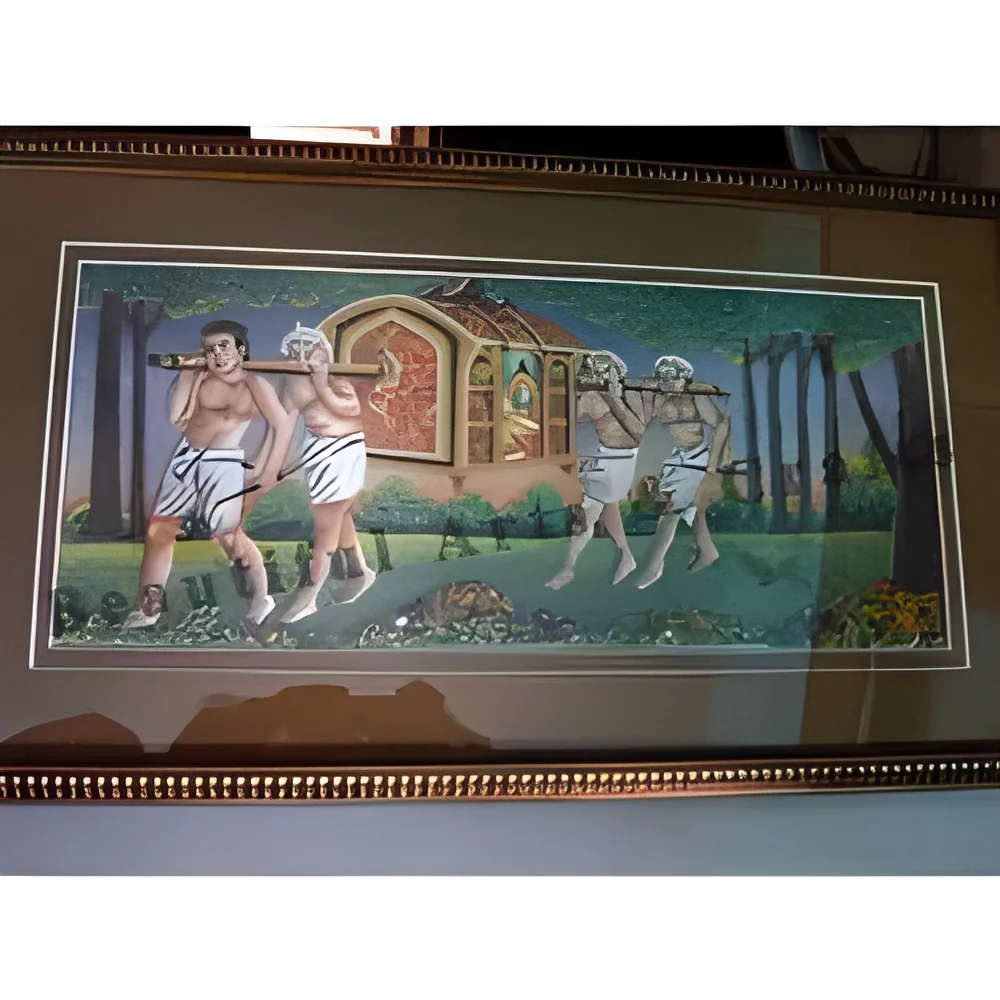
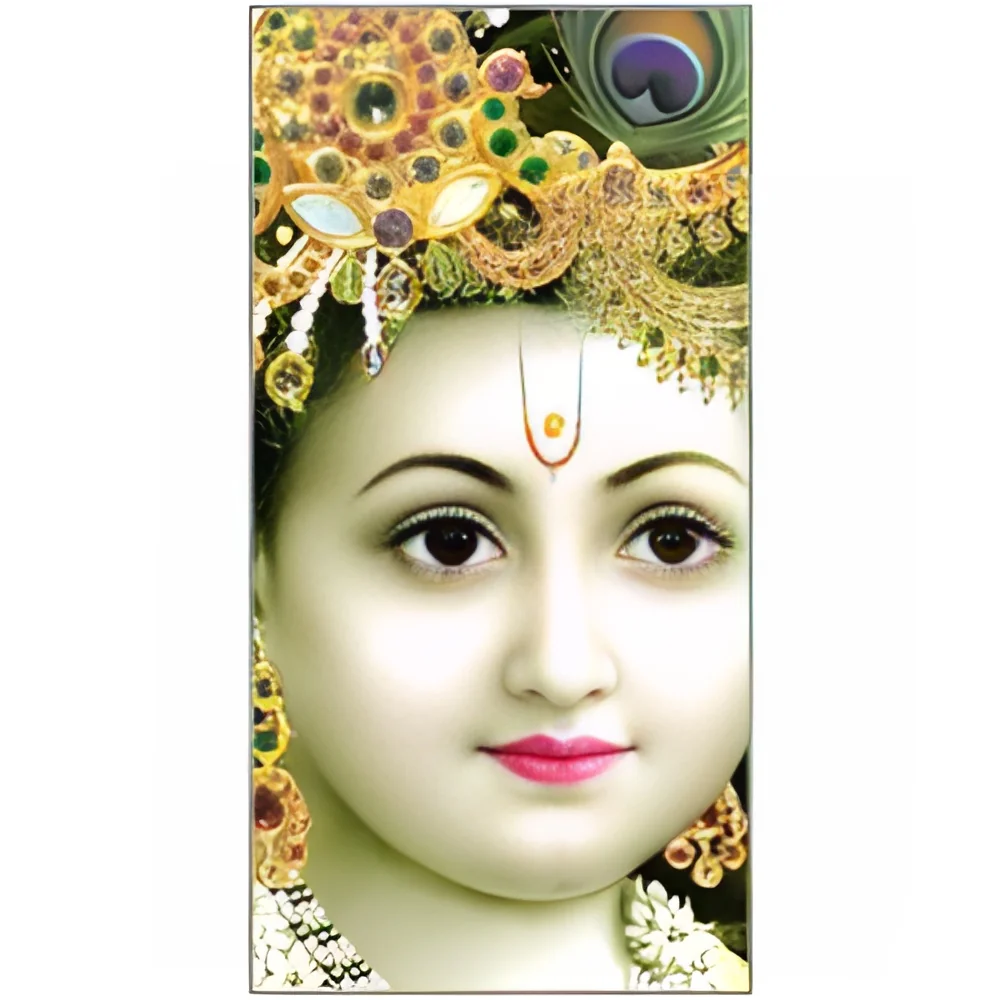
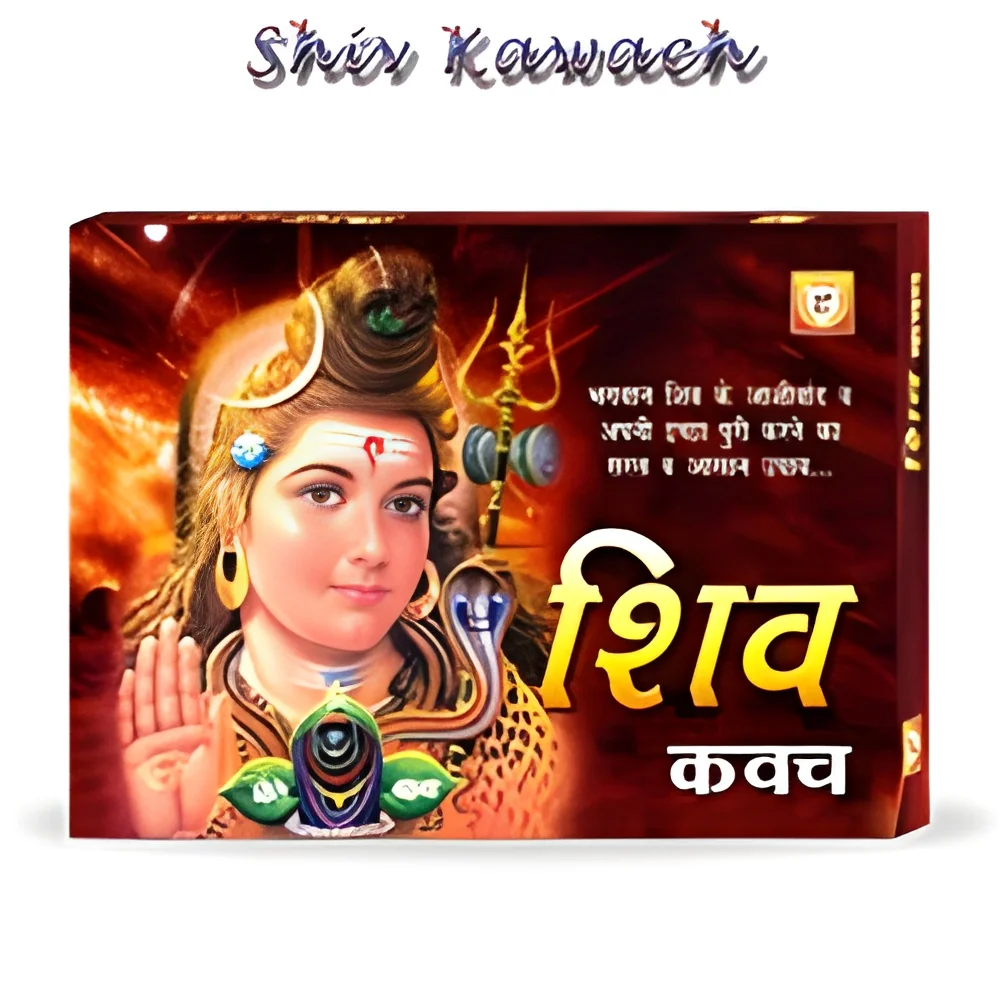
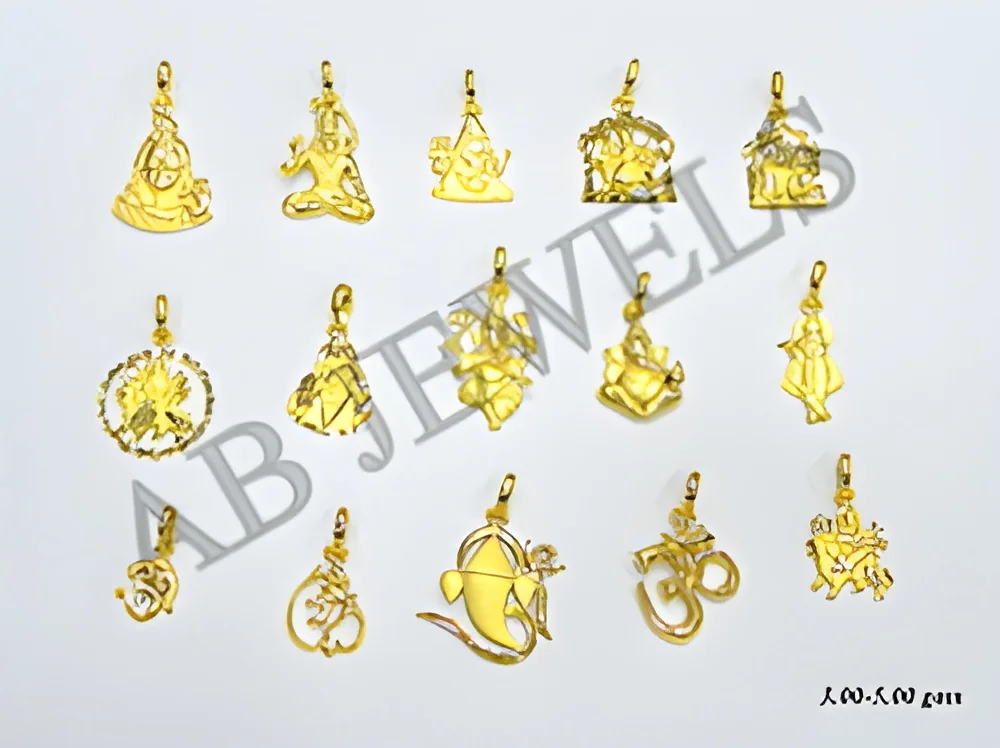
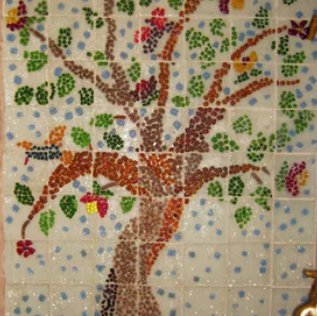
Religious and spiritual art encompasses a variety of artistic expressions that reflect and convey themes of faith, spirituality, and religious beliefs. This genre may include paintings, sculptures, icons, and decorative items that represent sacred narratives, symbols, and figures central to various religions. Artists create these works to inspire devotion, facilitate worship, or convey spiritual messages. The diversity in styles and materials reflects the cultural backgrounds and practices of different faiths, making religious art a rich field for both artistic expression and cultural heritage.
In the business context, religious and spiritual art serves multiple purposes. It is often used in places of worship, homes, and community centers, providing aesthetic appeal as well as spiritual significance. Businesses involved in this sector may cater to religious institutions, retail outlets, and online marketplaces. The demand for such art can fluctuate based on cultural trends, religious observances, and the growing interest in spiritual wellness and mindfulness practices. As the global market for religious and spiritual items expands, understanding this niche's dynamics becomes essential for suppliers and retailers.
The relevance of religious and spiritual art in today's market lies in its ability to connect people with their beliefs and values. With increasing globalization, there is a rising appreciation for diverse cultural expressions, including religious art. This has led to a broader acceptance of various artistic interpretations and a wider customer base. Industries that support this art form can benefit from understanding the underlying spiritual themes and the craftsmanship involved in creating authentic pieces.
Key Features and Specifications
Religious and spiritual art products vary widely in design, material, and purpose. When evaluating these products, it is crucial to consider several key specifications that define their quality and suitability for intended uses.
Key specifications include:
1. Material Composition
- Common materials include wood, metal, stone, glass, and canvas.
- Each material influences the durability, appearance, and tactile qualities of the art.
2. Size and Dimensions
- Available in various sizes to fit different spaces, from small home altars to large church installations.
- Custom sizes may also be offered based on customer requirements.
3. Design Style
- Styles may range from traditional to contemporary, reflecting different cultural influences.
- Designs can be customized to align with specific religious themes or practices.
4. Finishing Techniques
- Techniques such as painting, gilding, or glazing enhance the visual appeal.
- Surface treatments can affect both appearance and longevity.
5. Weight
- Weight varies significantly based on the material and size of the art piece.
- Important for installation considerations, especially for larger items.
6. Packaging and Shipping
- Proper packaging is essential to prevent damage during transport.
- Shipping options may vary based on the size and fragility of the art.
7. Customization Options
- Many suppliers offer customization in design, size, and material.
- Custom orders can cater to specific cultural or religious requirements.
8. Compliance with Safety Standards
- Products may need to meet specific safety regulations, particularly for decorative items used in public spaces.
- Certifications such as CE may apply depending on the region.
In summary, understanding these specifications helps buyers select the right religious and spiritual art for their needs, ensuring quality and satisfaction.
Common Applications and Use Cases
Religious and spiritual art finds application across various sectors, emphasizing its importance in both commercial and community settings.
1. Places of Worship: Churches, temples, and mosques utilize religious art to create an atmosphere of reverence and devotion. Statues, paintings, and decorative elements play a crucial role in enhancing the spiritual experience for congregants.
2. Home Decor: Many individuals incorporate religious art into their homes as a means of personal expression and spiritual connection. Items such as wall hangings, sculptures, and prayer altars serve both decorative and functional purposes.
3. Community Centers: Educational and cultural centers often display religious art to promote understanding and appreciation of diverse faiths. This fosters dialogue and community engagement around spiritual themes.
4. Gift Shops: Retail outlets specializing in spiritual or religious items offer art pieces as gifts for special occasions such as weddings, baptisms, and religious holidays. These items often carry personal significance for the recipients.
5. Art Galleries: Some galleries focus on spiritual or religious art, showcasing works from various cultures. This can attract art collectors and enthusiasts interested in the intersection of faith and creativity.
6. Online Marketplaces: The rise of e-commerce has opened up new avenues for selling religious art. Online platforms allow buyers to access a broader range of products and connect with artisans worldwide.
7. Educational Institutions: Schools and universities incorporate religious art into their curricula to teach about cultural diversity and history. Such art can serve as a tangible connection to the lessons being taught.
Product Variants and Subcategories
Religious and spiritual art offers a diverse range of products, catering to various tastes and preferences.
Sculptures
These three-dimensional works are often crafted from materials such as wood, stone, or metal. Sculptures can depict religious figures, symbols, or scenes, making them suitable for both indoor and outdoor settings.
Paintings
Wall art in the form of paintings represents a wide array of religious themes. They can range from classical depictions of saints and biblical scenes to modern interpretations that resonate with contemporary audiences.
Icons
Religious icons are typically small, painted images that hold significant meaning in many faiths. They are often used in personal devotion or as part of a larger religious practice.
Decorative Items
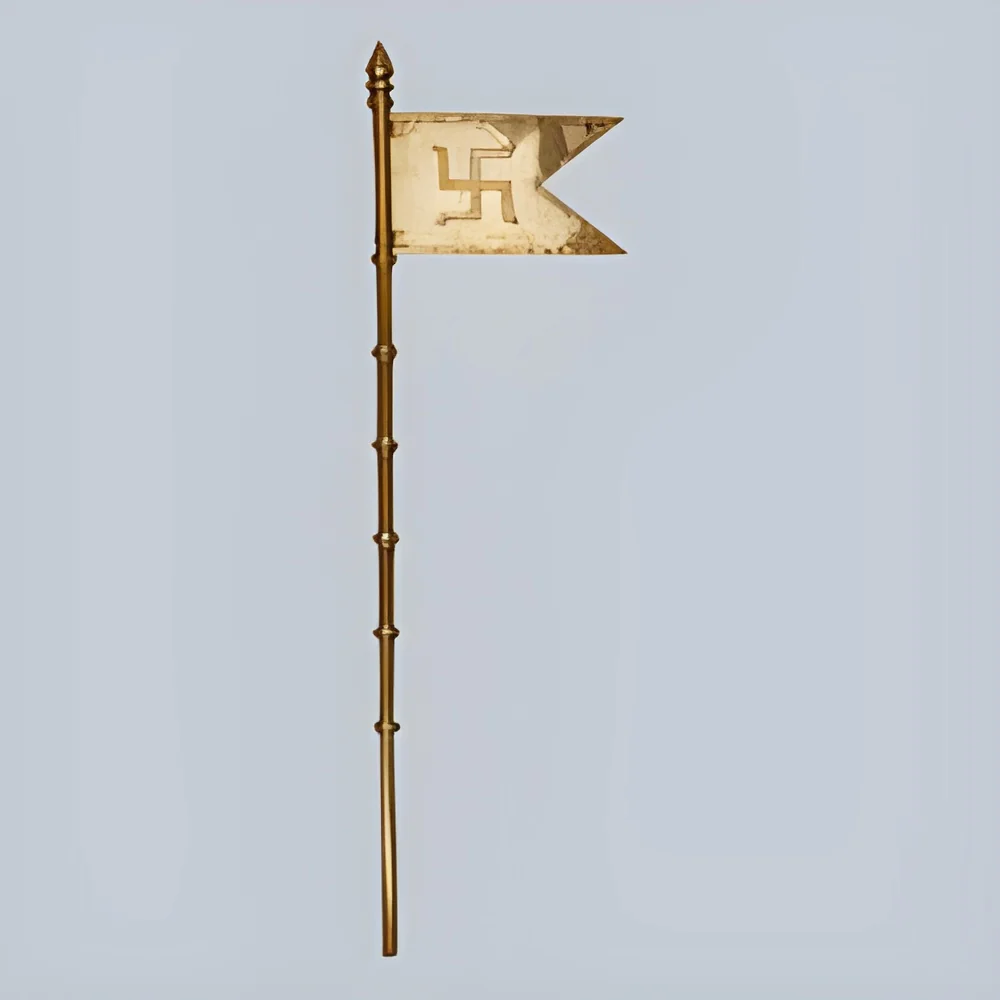
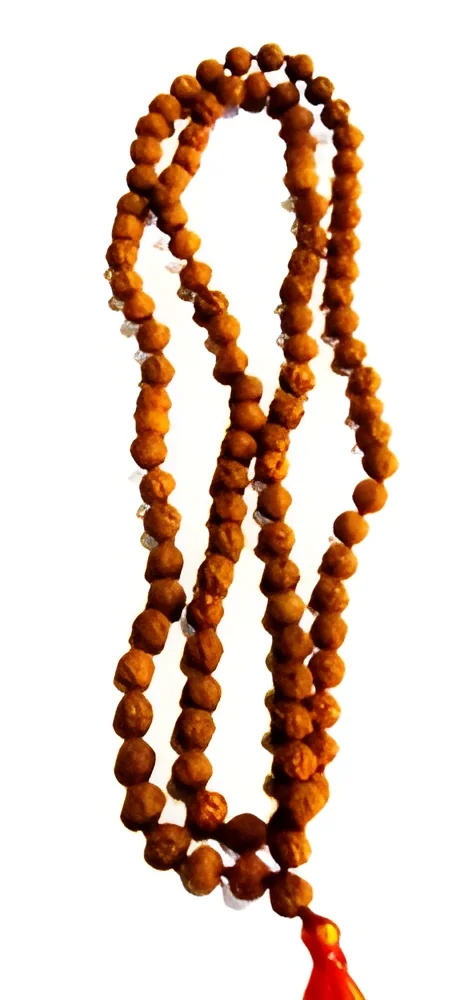
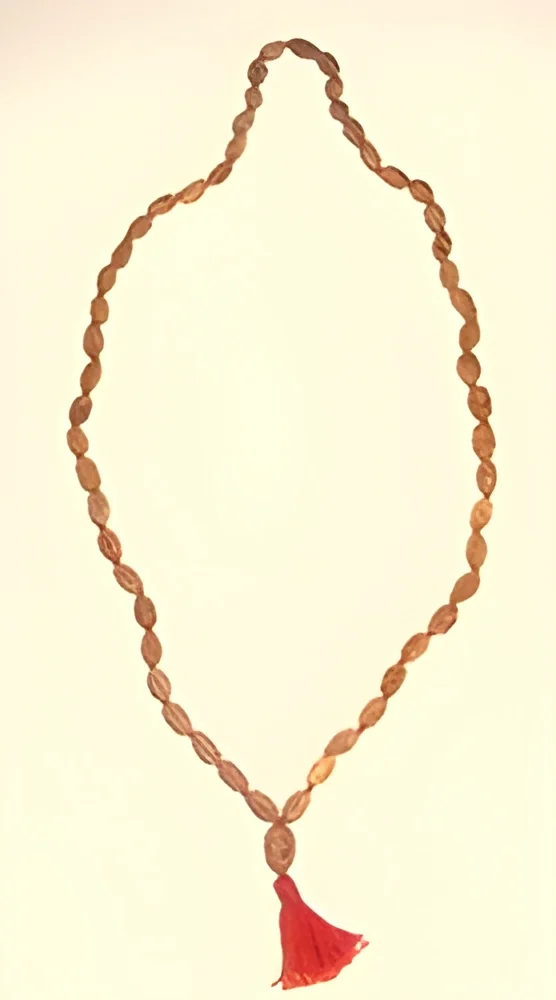
This category includes various accessories such as candles, prayer beads, and decorative plates that feature religious motifs. These items enhance spiritual spaces while serving practical purposes.
Textiles
Religious textiles, such as tapestries or altar cloths, contribute to the aesthetic of worship spaces. They may feature embroidered symbols or scenes that evoke spiritual significance.
Benefits and Advantages
Sourcing religious and spiritual art offers several key benefits that appeal to both individual buyers and commercial entities.
1. Cultural Enrichment: Incorporating religious art can enhance cultural appreciation and understanding, fostering a sense of community and shared beliefs.
2. Aesthetic Appeal: These art pieces add beauty and character to any space, making them ideal for enhancing the ambiance of homes, offices, and places of worship.
3. Personal Connection: Many individuals find comfort and inspiration in religious art, which can serve as a daily reminder of their faith and values.
4. Customization Options: The ability to customize art pieces allows buyers to reflect their specific spiritual beliefs and preferences, resulting in more meaningful acquisitions.
5. Market Demand: The growing interest in spirituality and wellness makes religious art a potentially lucrative investment for businesses looking to cater to this niche market.
6. Support for Artisans: Purchasing religious art often supports local artists and craftsmen, promoting traditional skills and contributing to the preservation of cultural heritage.
Buying Guide for B2B Buyers
When sourcing religious and spiritual art, it is essential for B2B buyers to consider several factors to ensure they make informed purchasing decisions.
1. Quality Assessment: Buyers should evaluate the craftsmanship and materials used in the art. Look for details such as durability and the quality of finishes to ensure long-lasting pieces.
2. Supplier Verification: It is crucial to vet suppliers to confirm their credibility and reliability. Checking reviews, certifications, and references can help establish trust in the supplier's capabilities.
3. Pricing and MOQ: Understand the pricing structure and minimum order quantities (MOQ) set by suppliers, as this can affect overall cost and inventory management.
4. Delivery and Lead Times: Inquire about shipping options and expected delivery times, as timely receipt is critical for businesses planning events or seasonal promotions.
5. Compliance Requirements: Ensure that the products meet any regulatory standards relevant to your region, including safety certifications and quality assurance measures.
Compliance and Certifications
Compliance and certifications play a vital role in ensuring the quality and safety of religious and spiritual art. Several standards may be applicable, depending on the product and its intended use.
Relevant quality standards may include ISO 9001, which focuses on quality management systems. This certification ensures that the supplier maintains consistent quality in their manufacturing processes.
Industry certifications, such as the CE mark, indicate compliance with European health, safety, and environmental protection standards. This is particularly relevant for products sold in the European market.
Safety and testing requirements may vary based on the materials used in religious art. For instance, items made from certain materials may require testing for toxicity or flammability.
Regional compliance considerations are also important. Different countries may have specific regulations regarding the sale and distribution of religious art, especially when it comes to cultural sensitivity and appropriateness.
Why Source Religious & Spiritual Art from Pepagora?
Pepagora provides a trusted platform for sourcing religious and spiritual art, combining reliability with a diverse range of offerings.
Verified Supplier Network: Pepagora partners with a network of verified suppliers, ensuring that buyers have access to quality products from reputable sources. This verification process helps eliminate concerns regarding the authenticity and quality of the art.
Streamlined RFQ Process: The request for quotation (RFQ) process is designed to facilitate easy communication between buyers and suppliers. This system allows businesses to obtain quotes quickly and efficiently, aiding in decision-making.
Trade Assurance and Support: Pepagora offers trade assurance to protect buyers, providing support throughout the purchasing process. This assurance includes safeguards against non-delivery and ensures that products meet the agreed-upon specifications.
Regional Coverage: With a geographic reach that includes India, the Gulf Cooperation Council (GCC) countries, and Southeast Asia, Pepagora caters to a broad audience. This extensive coverage allows businesses to tap into diverse markets and cultural expressions of religious art.
By choosing Pepagora, buyers gain access to a comprehensive platform that meets their religious and spiritual art needs while ensuring quality and reliability.

 IN
IN