
 IN
Mixed Media Art
6 products available
What are Mixed Media Art?
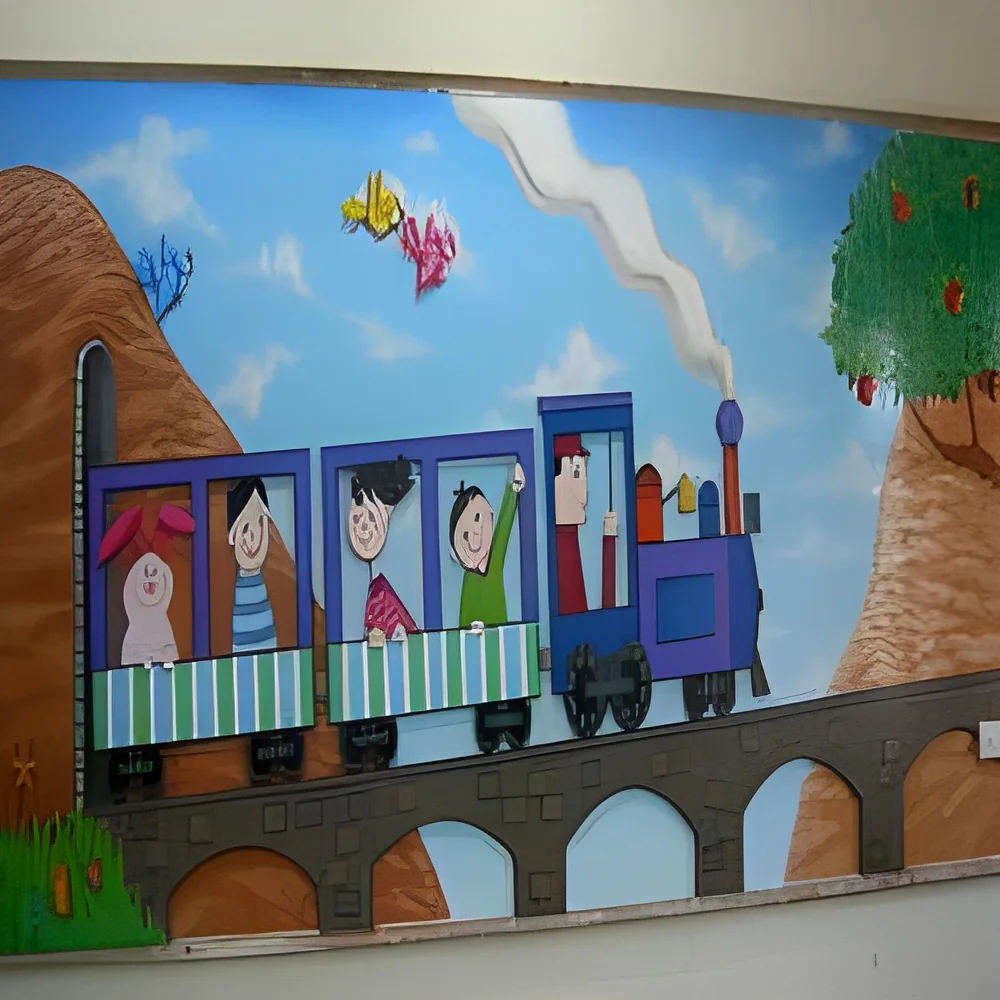
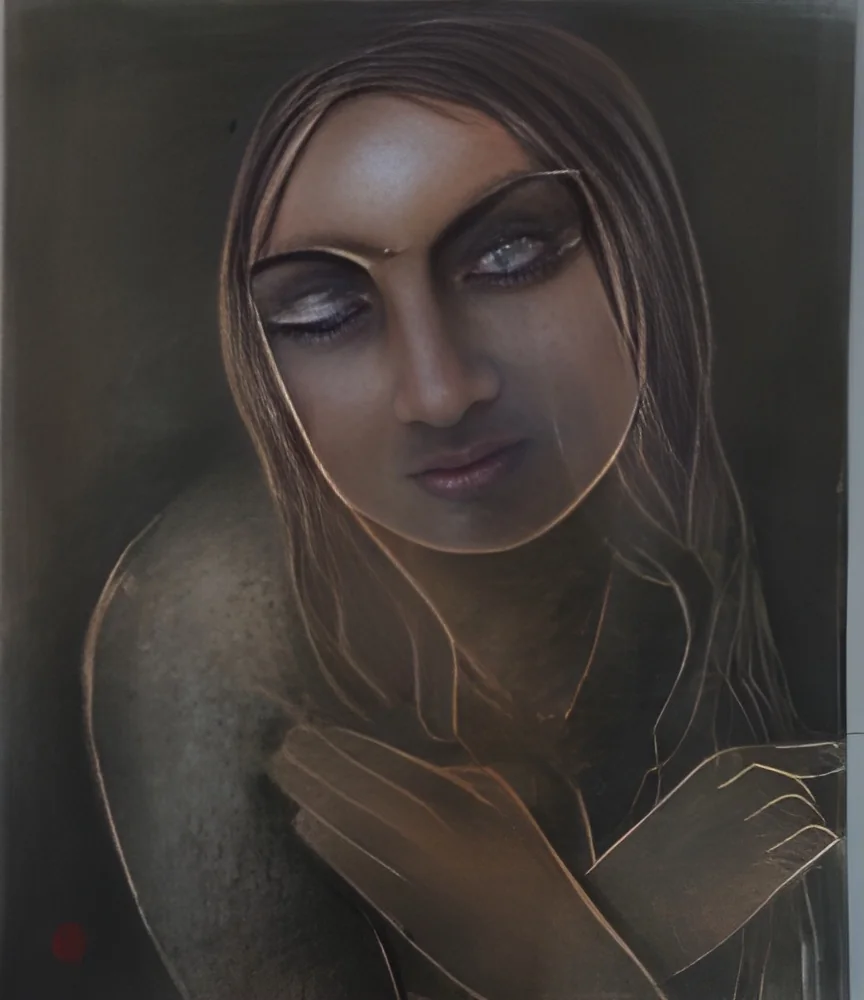
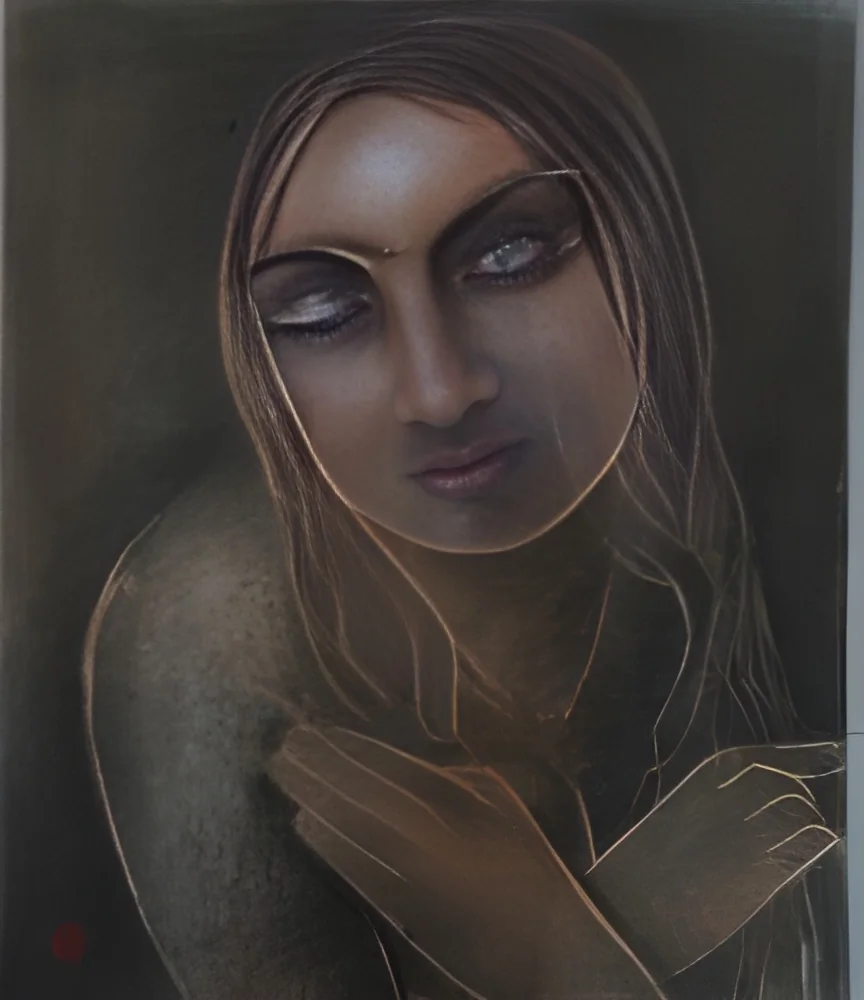
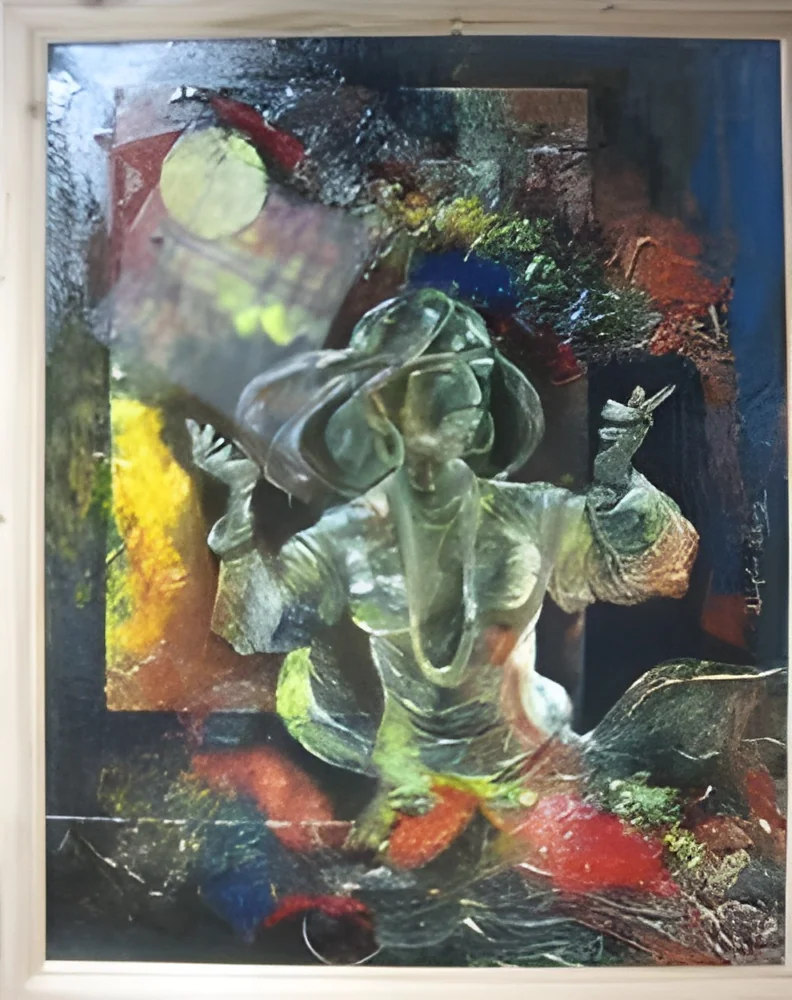
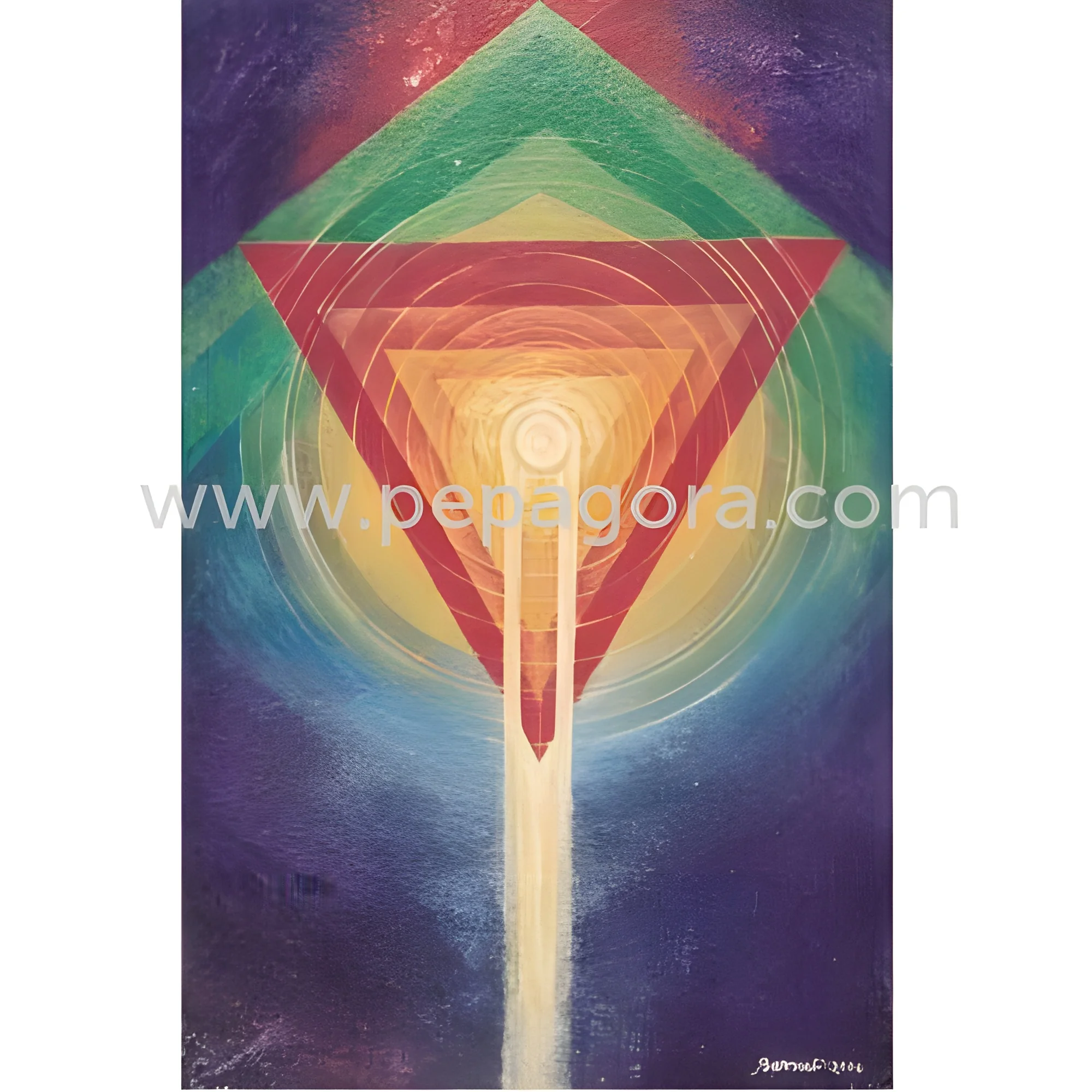
Mixed media art refers to a creative expression that combines various artistic materials and techniques in a single artwork. This form of art can include a combination of painting, drawing, collage, photography, and even digital media. Artists use diverse materials such as paper, fabric, paint, and found objects to create intricate and layered compositions. The beauty of mixed media lies in its versatility and the unique textures and dimensions it brings to the art piece.
In the business realm, mixed media art is used in various applications, from marketing materials to corporate art installations. Businesses utilize mixed media to create engaging visual content that captures attention and communicates messages effectively. This approach allows companies to stand out in a crowded marketplace, enhancing brand identity and audience engagement. The growing trend of personalization in art has made mixed media increasingly relevant across industries, providing a platform for creative expression and innovation.
The market for mixed media art is expanding, driven by the rising popularity of unique and customized artworks. As businesses seek to differentiate themselves, the demand for mixed media art continues to grow. This art form is not only a reflection of contemporary artistic trends but also a reflection of the evolving preferences of consumers and businesses alike.
Key Features and Specifications
Mixed media art products come with several features and specifications that enhance their appeal and usability. These specifications vary based on the intended use, target audience, and creative techniques involved.
Key specifications include:
1. Material Composition
- Mixed media art can incorporate a variety of materials such as acrylics, watercolors, and collage elements.
- The choice of materials influences the texture and visual impact of the artwork.
2. Finish Quality
- The finish can range from matte to glossy, depending on the desired aesthetic.
- High-quality finishes enhance durability and visual appeal.
3. Size and Dimensions
- Mixed media art is available in various sizes to suit different settings, from small frames to large installations.
- Custom sizing options may be available for specific projects.
4. Customization Options
- Many artists offer customization for businesses looking for unique branding elements.
- Customization may include color schemes, themes, and specific materials.
5. Framing Choices
- Options for framing can enhance the presentation of mixed media art.
- Frames can be tailored to match interior design preferences.
6. Durability
- Quality mixed media art is designed to withstand environmental factors.
- Protective coatings may be applied to enhance longevity.
In summary, understanding these specifications helps businesses select the right mixed media art for their needs, ensuring that the final product aligns with their creative vision and branding strategy.
Common Applications and Use Cases
Mixed media art serves various industries, providing creative solutions for diverse applications.
1. Advertising and Marketing: Companies use mixed media in promotional materials to capture attention and convey messages in a visually appealing manner. Unique artwork can make advertisements stand out.
2. Interior Design: Mixed media art is popular in commercial and residential spaces, adding character and depth to interiors. Designers often incorporate these pieces to create focal points in a room.
3. Branding: Businesses utilize custom mixed media art to reinforce brand identity. Unique artworks can serve as signature pieces that reflect a company's values and aesthetic.
4. Education: Schools and educational institutions use mixed media art for art programs, allowing students to explore creativity and various techniques. This helps develop skills and appreciation for different art forms.
5. Event Decor: Mixed media art is often used in events and exhibitions to create immersive environments. It enhances the overall ambiance and engages attendees.
6. Non-Profit Organizations: Art created through mixed media is used in fundraising efforts and awareness campaigns. Unique pieces can draw attention to causes and inspire action.
7. Art Galleries: Galleries often showcase mixed media artists, providing a platform for innovative works that challenge traditional boundaries.
Product Variants and Subcategories
Mixed media art offers a wide array of creative options, allowing for diverse expressions and applications.
Canvas Mixed Media Art: This variant includes artworks created on canvas, combining paint, fabric, and other materials. It is ideal for home decor and art collectors.
Paper Mixed Media Art: Artworks on paper utilize various mediums such as ink, paint, and collage elements. This variant is often used for prints and smaller pieces.
Digital Mixed Media Art: This variant merges traditional techniques with digital technology, allowing artists to create unique compositions that can be reproduced and shared.
Sculptural Mixed Media Art: These pieces incorporate three-dimensional elements, using various materials to create depth and texture. They are often used in installations and public art.
Benefits and Advantages
Mixed media art offers numerous benefits for businesses and individuals alike.
1. Unique Expression: Each piece of mixed media art is distinct, providing an original touch that sets it apart from traditional art forms.
2. Versatility: The combination of various materials and techniques allows for endless creative possibilities, making it suitable for various applications.
3. Enhanced Engagement: Visually striking mixed media art captures attention, making it an effective tool for marketing and branding.
4. Customization: Businesses can tailor mixed media art to align with their branding and message, enhancing relevance and connection with their audience.
5. Emotional Impact: Art has the power to evoke emotions, and mixed media can create deeper connections with viewers, fostering loyalty and engagement.
6. Investment Potential: Unique artworks often appreciate in value over time, making them a worthwhile investment for businesses and collectors.
Buying Guide for B2B Buyers
When sourcing mixed media art, several factors should be considered to ensure a successful purchase.
1. Quality Assessment: Evaluate the quality of materials and techniques used in the artwork. Look for reputable artists known for their craftsmanship to ensure longevity and appeal.
2. Supplier Verification: Vet suppliers to confirm their credibility and reliability. Research their portfolio and client feedback to gauge their expertise in mixed media art.
3. Pricing and MOQ: Understand the price range for mixed media art and inquire about minimum order quantities. This helps in budgeting and planning for purchases.
4. Delivery and Lead Times: Discuss logistics and lead times with suppliers to ensure timely delivery, especially for projects with specific deadlines.
5. Compliance Requirements: Ensure that the mixed media art meets any relevant compliance or regulatory standards applicable to your industry or region.
Compliance and Certifications
Mixed media art may need to adhere to various quality standards and certifications. While specific standards for mixed media art are not readily available, general quality certifications such as ISO 9001 can apply, ensuring consistent quality in production and management. Compliance with safety and testing requirements is crucial, especially for artworks intended for public display.
Industry certifications, such as CE, indicate that the products meet European safety and environmental standards. It is also important to consider regional compliance factors that may affect the sourcing and sale of mixed media art, particularly in different markets. Understanding these compliance requirements helps businesses make informed purchasing decisions.
Why Source Mixed Media Art from Pepagora?
Pepagora provides a trusted platform for sourcing mixed media art with several key advantages that benefit B2B buyers.
Verified Supplier Network: Pepagora connects businesses with a network of verified suppliers, ensuring reliability and quality in sourcing mixed media art. This network helps buyers find reputable artists and vendors.
Streamlined RFQ Process: The platform offers a streamlined request for quotation (RFQ) process, allowing buyers to easily solicit and compare quotes from multiple suppliers. This efficiency saves time and facilitates better decision-making.
Trade Assurance and Support: Pepagora offers trade assurance, giving buyers peace of mind with protection against potential issues. The platform provides support to assist buyers throughout the sourcing process.
Regional Coverage: With a broad geographic reach, including India, the GCC, and Southeast Asia, Pepagora enables buyers to access a diverse range of mixed media art options tailored to various markets and cultural preferences.

Frequently Asked Questions
What are Mixed Media Art?
Mixed Media Art refers to an artistic technique that combines various materials and mediums in a single artwork. This can include a blend of paint, ink, collage, and other materials, allowing artists to create unique and textured pieces.
What are the different types of Mixed Media Art?
Different types of Mixed Media Art include collage, assemblage, and altered books. Artists may also incorporate photography, textiles, and found objects to enhance their creative expression.
How do I choose the right Mixed Media Art?
Choosing the right Mixed Media Art involves considering the theme, color palette, and materials used in the piece. It's essential to select artworks that resonate with your personal style or the intended space.
What are the standard specifications for Mixed Media Art?
Standard specifications for Mixed Media Art can vary widely based on the artist's intent, but typically involve dimensions, materials used, and the type of surface. It's important to review these details before making a purchase.
What is the price range for Mixed Media Art?
The price range for Mixed Media Art can vary significantly, usually starting from a few hundred rupees to several thousand rupees, depending on the complexity, size, and artist's reputation. Custom pieces may also have different pricing structures.
What quality standards apply to Mixed Media Art?
Quality standards for Mixed Media Art focus on the durability of materials, craftsmanship, and the overall aesthetic appeal. Buyers should look for reputable artists or suppliers who use high-quality, archival materials.
Where can I find Mixed Media Art suppliers in India?
You can find Mixed Media Art suppliers in India through online marketplaces, art galleries, and craft fairs. Platforms like Pepagora.com also provide a listing of manufacturers and suppliers for easy sourcing.
Can Mixed Media Art be customized?
Yes, many artists and suppliers offer customization options for Mixed Media Art. This can include specific themes, materials, and sizes tailored to the buyer's preferences.
What is the typical minimum order quantity for Mixed Media Art?
The typical minimum order quantity (MOQ) for Mixed Media Art can vary by supplier, but it often starts at one piece for original works. Bulk orders for prints or reproductions may have a higher MOQ.
What is the typical lead time for Mixed Media Art?
The typical lead time for Mixed Media Art can range from a few days to several weeks, depending on the complexity of the piece and the artist's availability. Custom orders may require additional time for completion.
Why Businesses Trust Pepagora
Thousands of companies trust Pepagora to source smarter and sell faster
Expand Your Sales Globally

Source Smarter,Grow Faster
