What are Oil Paintings?
Oil paintings are a form of visual art created using pigments that are suspended in oil. This technique allows for a wide range of colors, textures, and effects, making oil paintings highly valued in both residential and commercial settings. The medium is known for its rich depth, vibrant colors, and the ability to create fine details. Artists apply the oil paint to a variety of surfaces, including canvas, wood panels, and paper, resulting in diverse artistic expressions.
In the business context, oil paintings are often utilized for decorative purposes in corporate offices, hotels, galleries, and upscale restaurants. They not only enhance the aesthetic appeal of spaces but also serve as conversation starters and brand statement pieces. The art market has seen a growing demand for oil paintings, as businesses recognize the impact of art on employee productivity and customer experience. This relevance positions oil paintings as a lucrative investment in the contemporary art landscape.
Key Features and Specifications
Oil paintings come with several distinct features that contribute to their appeal and functionality. These specifications vary based on the artist’s style and the intended use of the paintings.
Key specifications include:
1. Pigment Quality
- High-quality pigments ensure vibrant and long-lasting colors.
- The durability of the paint is often rated for archival purposes.
2. Canvas Material
- Typically made from cotton or linen, which affects texture and longevity.
- Variations in weave can influence the final appearance.
3. Varnish Type
- A protective layer that enhances gloss and color depth.
- Different varnishes can be used for matte, satin, or glossy finishes.
4. Frame Options
- Custom framing enhances the presentation and protection of the artwork.
- Frames can be made from wood, metal, or composite materials.
5. Size Variability
- Available in a range of dimensions to fit various spaces.
- Custom sizes can often be requested.
6. Drying Time
- Oil paints generally take a longer time to dry compared to other mediums.
- This allows for blending and layering but requires consideration for handling and display.
7. Customization Options
- Many artists offer bespoke services to create personalized pieces.
- Businesses can commission artwork to align with specific themes or branding.
In summary, the specifications of oil paintings can significantly influence their aesthetic and practical applications in various environments.
Common Applications and Use Cases
Oil paintings serve multiple industries and applications, providing both beauty and functionality.
1. Corporate Offices: Oil paintings are frequently used to enhance office interiors, creating an inspiring atmosphere that can boost employee morale and productivity.
2. Hospitality Industry: Hotels and restaurants often incorporate oil paintings as part of their decor to create an inviting ambiance, attracting customers and enhancing their overall dining experience.
3. Art Galleries: Galleries exhibit oil paintings as part of their collections, showcasing the work of both established and emerging artists.
4. Real Estate: Staging properties with oil paintings can elevate the visual appeal and perceived value of residential and commercial spaces.
5. Educational Institutions: Schools and universities may display oil paintings to enrich the learning environment and promote cultural appreciation.
6. Healthcare Facilities: Hospitals and clinics often use art, including oil paintings, to create a calming atmosphere for patients and visitors.
7. Retail Spaces: Oil paintings can be used in retail environments to reinforce brand identity and create an engaging shopping experience.
Product Variants and Subcategories
Oil paintings are diverse in nature, allowing for a wide range of artistic interpretations and styles.
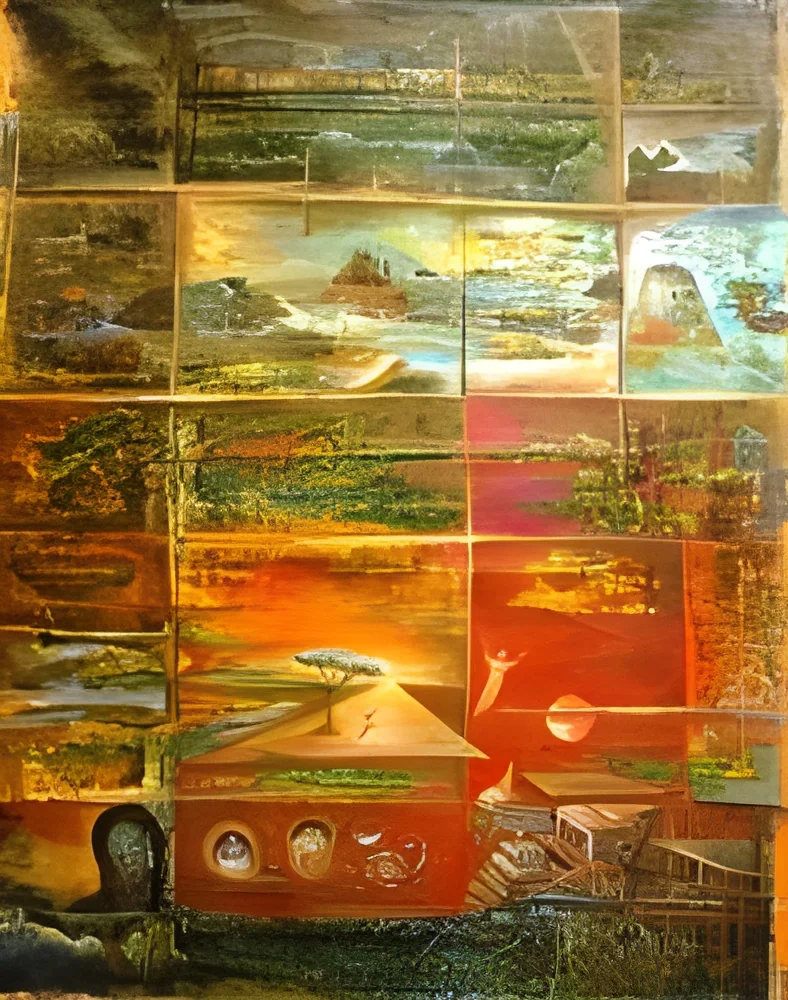
Landscape Paintings: These depict natural scenery such as mountains, forests, and rivers. They are popular for their calming effects and ability to bring the outdoors inside.
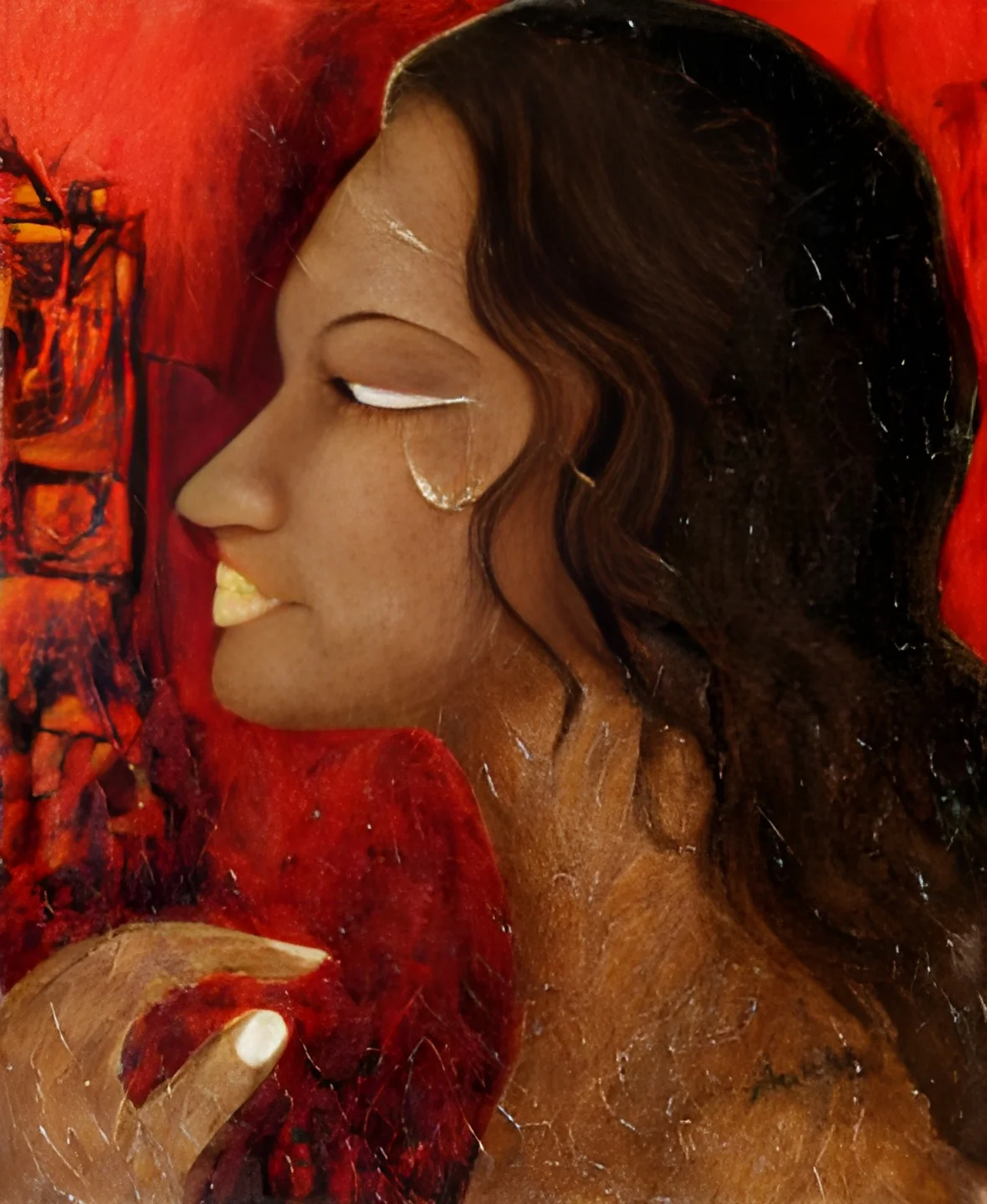
Portrait Paintings: Focused on depicting individuals or groups, portrait paintings are often commissioned for personal or commemorative purposes. They capture the essence and character of the subject.
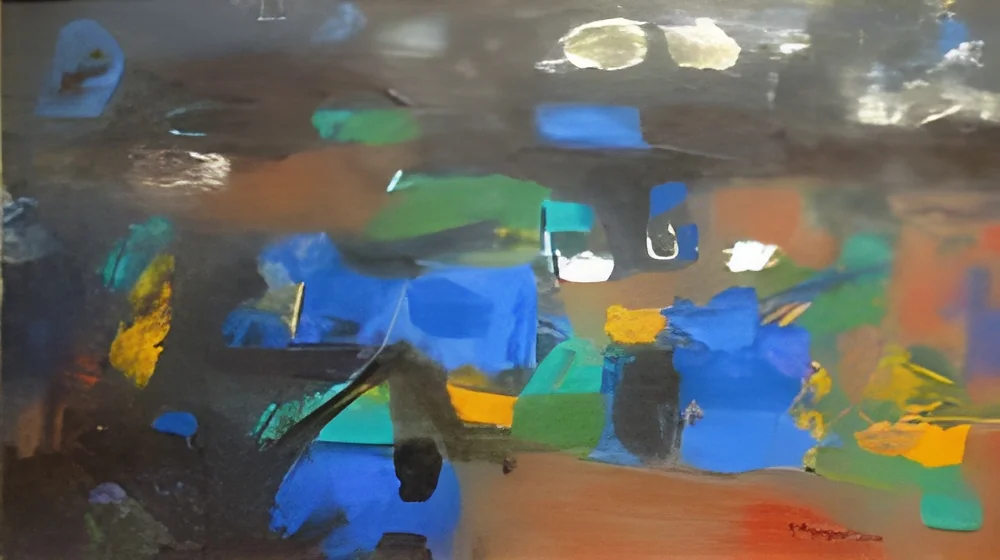
Abstract Paintings: These move away from traditional representation and focus on colors, shapes, and forms. Abstract oil paintings are favored for modern and contemporary spaces.
Still Life Paintings: Featuring inanimate subjects such as flowers, fruit, and everyday objects, still life paintings can add a touch of elegance to any space.
Benefits and Advantages
Investing in oil paintings offers numerous advantages for businesses and individuals alike.
1. Aesthetic Appeal: Oil paintings provide a unique visual impact that enhances the ambiance of any space.
2. Value Appreciation: Quality oil paintings can appreciate over time, making them a valuable investment for art collectors and businesses.
3. Customization: The option to commission bespoke pieces allows buyers to tailor artwork to specific themes or brand identities.
4. Emotional Impact: Art has been shown to evoke emotions and inspire creativity, promoting a positive atmosphere in workplaces and public spaces.
5. Longevity: High-quality oil paints are known for their durability and resistance to fading, ensuring that the artwork remains vibrant for years.
6. Cultural Significance: Oil paintings often reflect cultural narratives and histories, allowing businesses to connect with diverse audiences.
Buying Guide for B2B Buyers
When sourcing oil paintings for commercial use, it is essential to consider several key factors.
1. Quality Assessment: Evaluate the quality of the pigments and materials used in the painting. Consider artworks from reputable artists or galleries known for their craftsmanship.
2. Supplier Verification: Vet suppliers by checking their credentials and past work. Look for reviews or testimonials from previous clients.
3. Pricing and MOQ: Understand the pricing structure and any minimum order quantities that may apply. This helps in budgeting and planning for purchases.
4. Delivery and Lead Times: Confirm logistics related to delivery timelines and potential shipping costs. Ensure that the supplier can meet your deadlines.
5. Compliance Requirements: Be aware of any regulatory requirements regarding the sourcing and display of art. This may include certification for materials used.
Compliance and Certifications
Oil paintings may need to meet various compliance and certification standards to ensure quality and safety.
Relevant quality standards such as ISO 9001 may apply to the manufacturing and handling processes of oil paintings. These standards help ensure consistent quality in production.
Additionally, industry certifications like CE indicate compliance with European safety standards. This is particularly important for artworks that will be displayed in public or commercial spaces.
Safety and testing requirements are crucial to prevent any adverse effects from materials used in the paintings. This includes ensuring that pigments are non-toxic and safe for indoor use.
Regional compliance considerations may vary by location. Buyers should be aware of local regulations regarding art sourcing and display.
Why Source Oil Paintings from Pepagora?
Pepagora provides a trusted platform for sourcing oil paintings, offering several key advantages for B2B buyers.
Verified Supplier Network: Pepagora connects buyers with a network of verified suppliers. This ensures that you are working with reputable artists and galleries, reducing the risk of fraud or subpar products.
Streamlined RFQ Process: The platform simplifies the request for quotation process, making it easy for buyers to compare prices and options from multiple suppliers. This efficiency saves time and helps in making informed decisions.
Trade Assurance and Support: Pepagora offers buyer protection through trade assurance. This includes support in case of disputes or issues with orders, ensuring a secure purchasing experience.
Regional Coverage: The platform has a broad geographic reach, covering markets in India, the GCC, and Southeast Asia. This makes it easier for businesses in these regions to access a diverse selection of oil paintings tailored to their needs.

 IN
IN