What are Traditional & Folk Art (Madhubani, Warli, Tanjore)?
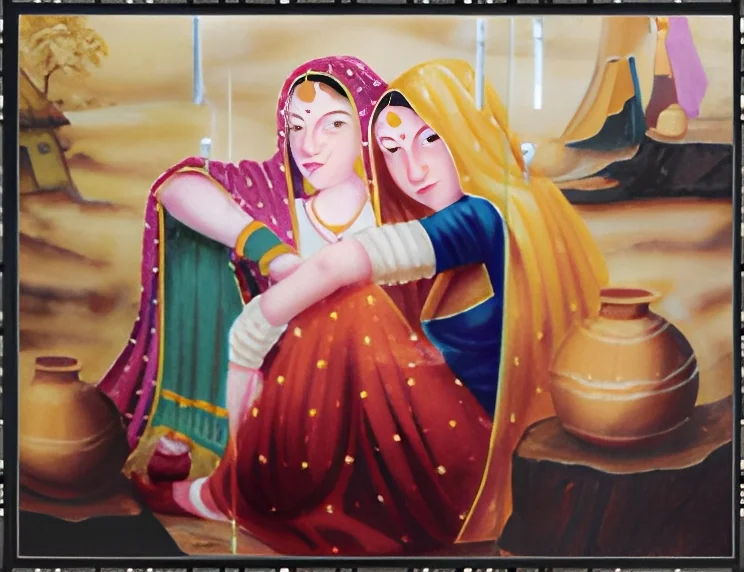
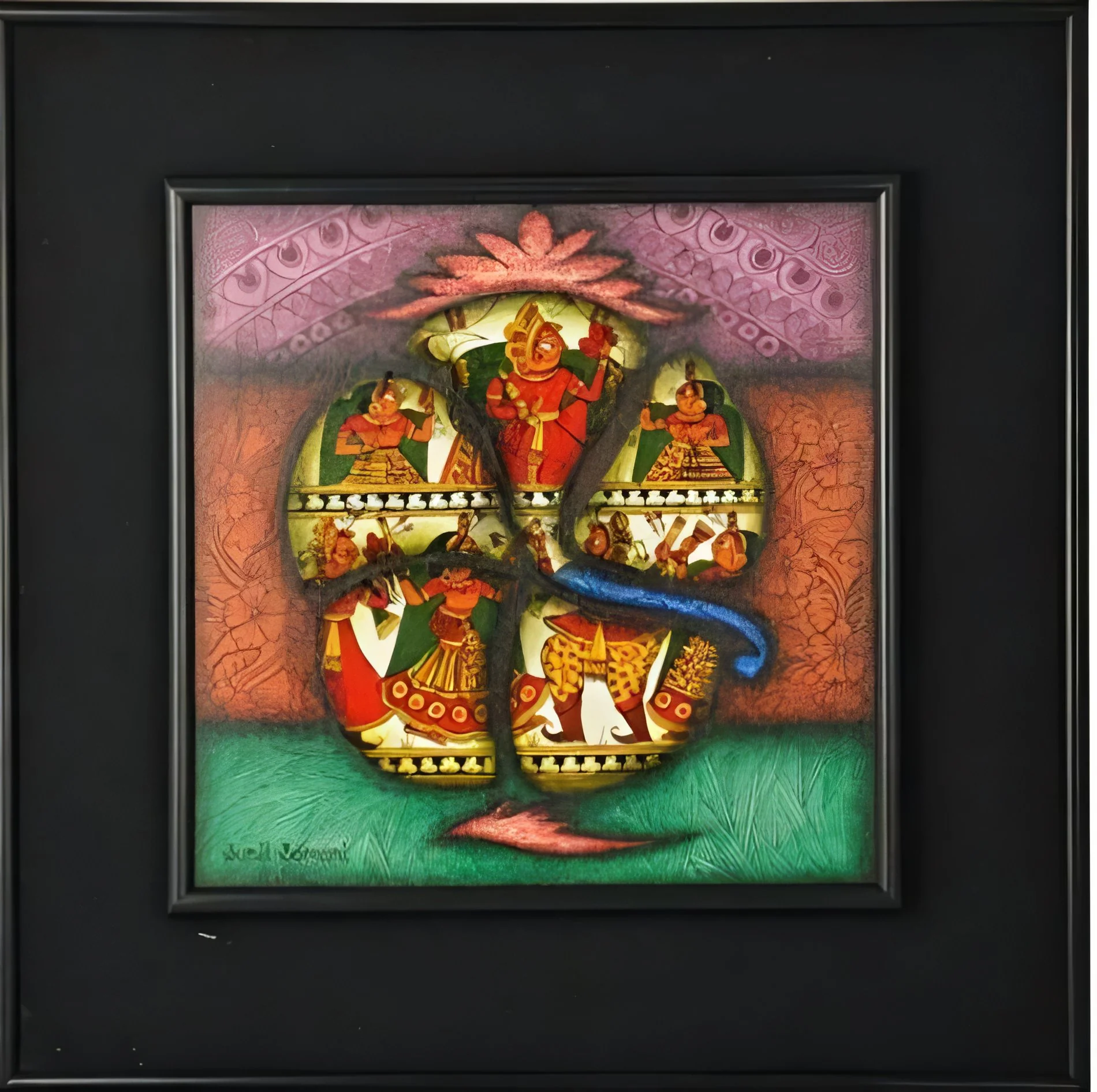
Traditional and folk art encompasses a range of artistic practices that have been passed down through generations, representing the cultural heritage of various communities. Among these, Madhubani, Warli, and Tanjore are prominent forms originating from India. Madhubani art is known for its intricate patterns and vibrant colors, often depicting nature and mythology. Warli art utilizes simple geometric shapes to convey stories and rituals of tribal life. Tanjore art, on the other hand, is characterized by its ornate gold leaf work and rich colors, typically showcasing deities and religious themes.
These art forms serve multiple purposes in the B2B sector. They can be used in interior decoration, gift items, and cultural exhibitions. Businesses often incorporate traditional art into their product lines to enhance aesthetic appeal and connect with cultural narratives. Additionally, these artworks are popular among tourism and hospitality industries, where they help create a unique ambiance and promote local heritage.
The relevance of traditional and folk art in today's market is significant. As consumers increasingly seek authentic and culturally rich products, businesses that incorporate these artworks can differentiate themselves in competitive landscapes. Moreover, the global interest in sustainable and hand-crafted items further boosts the demand for Madhubani, Warli, and Tanjore art.
๐๐ฒ๐ ๐๐ฒ๐ฎ๐๐๐ฟ๐ฒ๐ ๐ฎ๐ป๐ฑ ๐ฆ๐ฝ๐ฒ๐ฐ๐ถ๐ณ๐ถ๐ฐ๐ฎ๐๐ถ๐ผ๐ป๐
Traditional and folk art pieces possess distinctive features that enhance their appeal and functionality. Each type of art has unique specifications that define its quality and usability.
Key specifications include:
1. Art Form
- Madhubani: Known for detailed patterns and vibrant colors.
- Warli: Features geometric shapes and earthy tones.
- Tanjore: Recognized for gold foil work and rich texture.
2. Material
- Madhubani: Traditionally created on handmade paper or canvas.
- Warli: Often painted on mud walls or with natural pigments.
- Tanjore: Crafted on wooden panels using a combination of paint and gold leaf.
3. Size Variations
- Typically available in various sizes, from small wall hangings to large murals.
- Custom sizes can be requested based on project needs.
4. Durability
- Depending on the medium, artworks can be resistant to fading and wear.
- Proper care and maintenance extend the life of the art pieces.
5. Cultural Significance
- Each art form tells a story and reflects the cultural identity of its origin.
- Ideal for educational purposes and cultural exhibitions.
6. Customization Options
- Many artisans offer bespoke designs to meet specific client requirements.
- Customization may include size, color schemes, and themes.
In summary, understanding the key specifications of traditional and folk art is crucial for businesses looking to incorporate these unique products into their offerings.
๐๐ผ๐บ๐บ๐ผ๐ป ๐๐ฝ๐ฝ๐น๐ถ๐ฐ๐ฎ๐๐ถ๐ผ๐ป๐ ๐ฎ๐ป๐ฑ ๐จ๐๐ฒ ๐๐ฎ๐๐ฒ๐
Traditional and folk art serves a plethora of industries, providing unique aesthetic elements that enhance various settings.
1. Interior Design: These artworks are frequently used in residential and commercial spaces to create vibrant atmospheres and reflect cultural themes.
2. Hospitality: Hotels and restaurants utilize traditional art to create authentic experiences for guests, often showcasing local heritage.
3. Retail: Stores selling handcrafted goods often include traditional art in their inventory to appeal to customers seeking unique and culturally significant products.
4. Education: Art forms like Madhubani and Warli are used in educational settings to teach about cultural history and artistic techniques.
5. Gifting: These artworks make for meaningful gifts, particularly during festivals and cultural events, connecting the giver and receiver through shared heritage.
6. Tourism: Traditional art is often featured in tourism campaigns to promote local culture and attract visitors interested in authentic experiences.
7. Event Decor: Wedding planners and event organizers frequently incorporate folk art into decorations to enhance the thematic elements of festivities.
๐ฃ๐ฟ๐ผ๐ฑ๐๐ฐ๐ ๐ฉ๐ฎ๐ฟ๐ถ๐ฎ๐ป๐๐ ๐ฎ๐ป๐ฑ ๐ฆ๐๐ฏ๐ฐ๐ฎ๐๐ฒ๐ด๐ผ๐ฟ๐ถ๐ฒ๐
The diversity of traditional and folk art offers various product variants, allowing businesses to cater to different tastes and preferences.
Madhubani Art
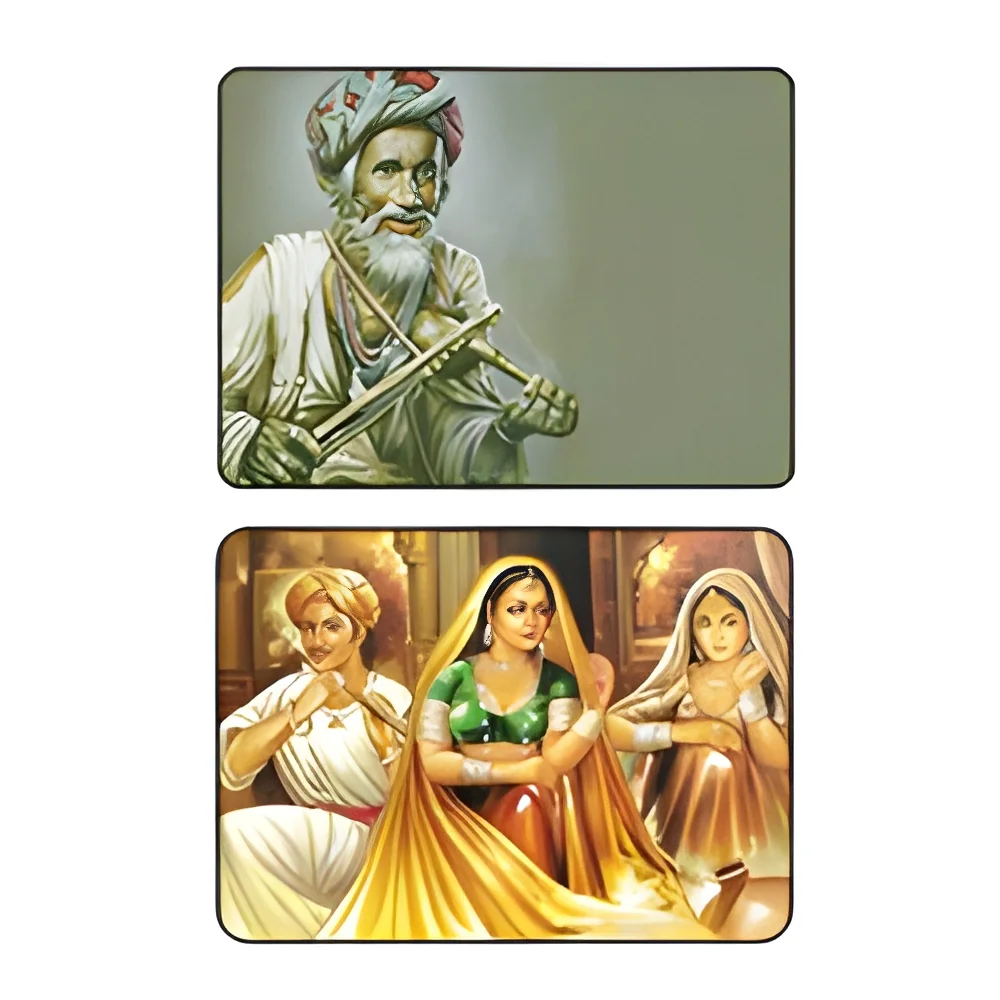
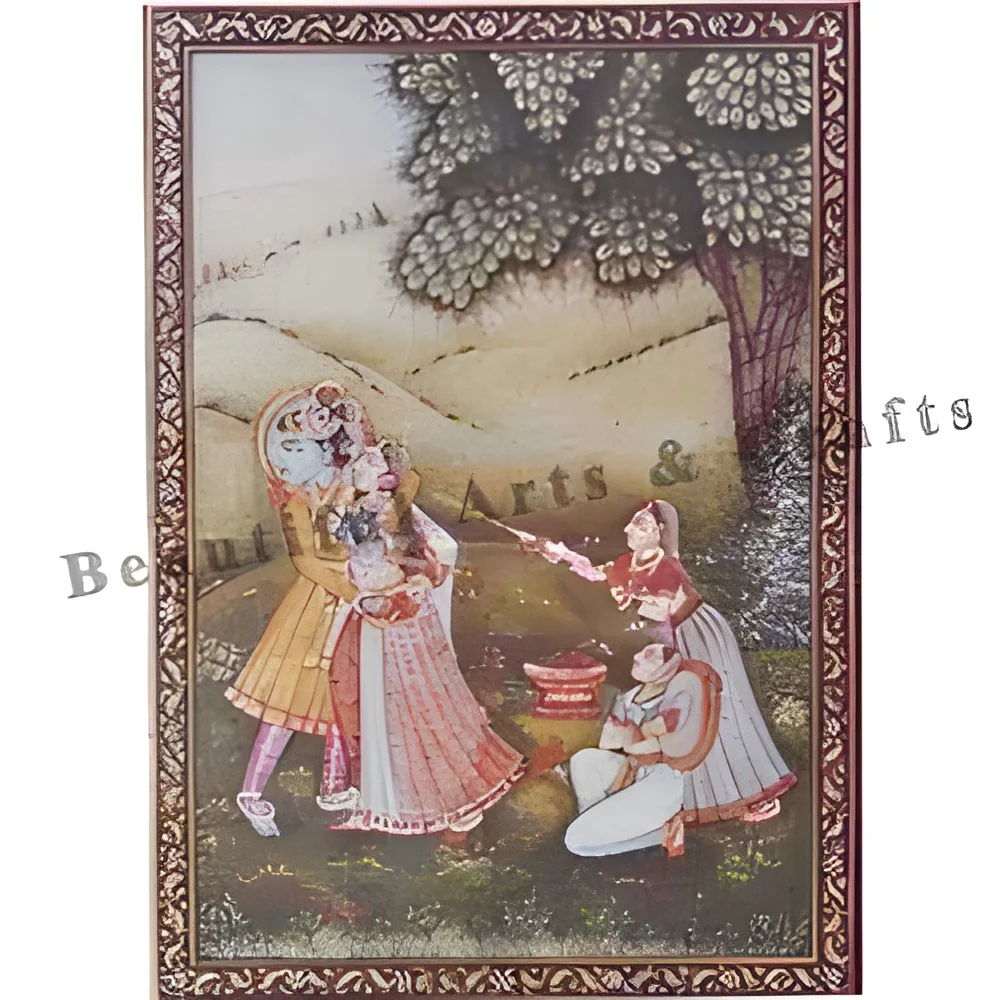
Madhubani art pieces vary from paintings on paper to digital prints. They are characterized by detailed patterns and vibrant colors, making them popular for home dรฉcor and gifts.
Warli Art
Warli art is often available in wall murals or canvas formats. Its simplistic style appeals to modern minimalist aesthetics while preserving cultural narratives.
Tanjore Art
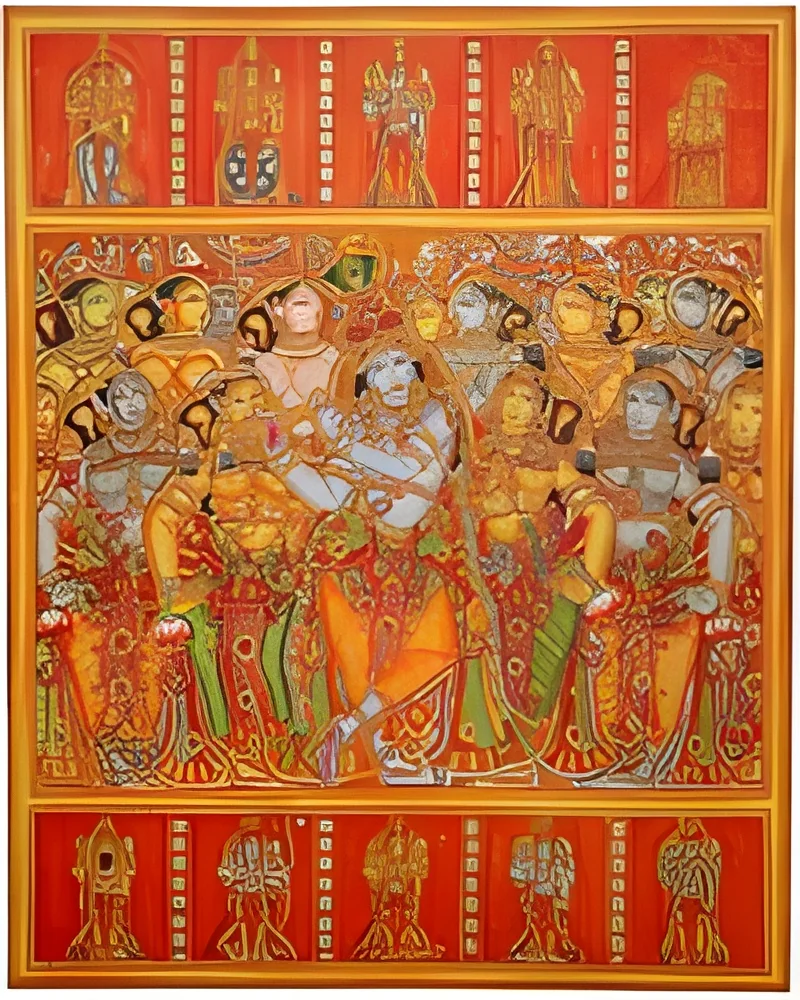
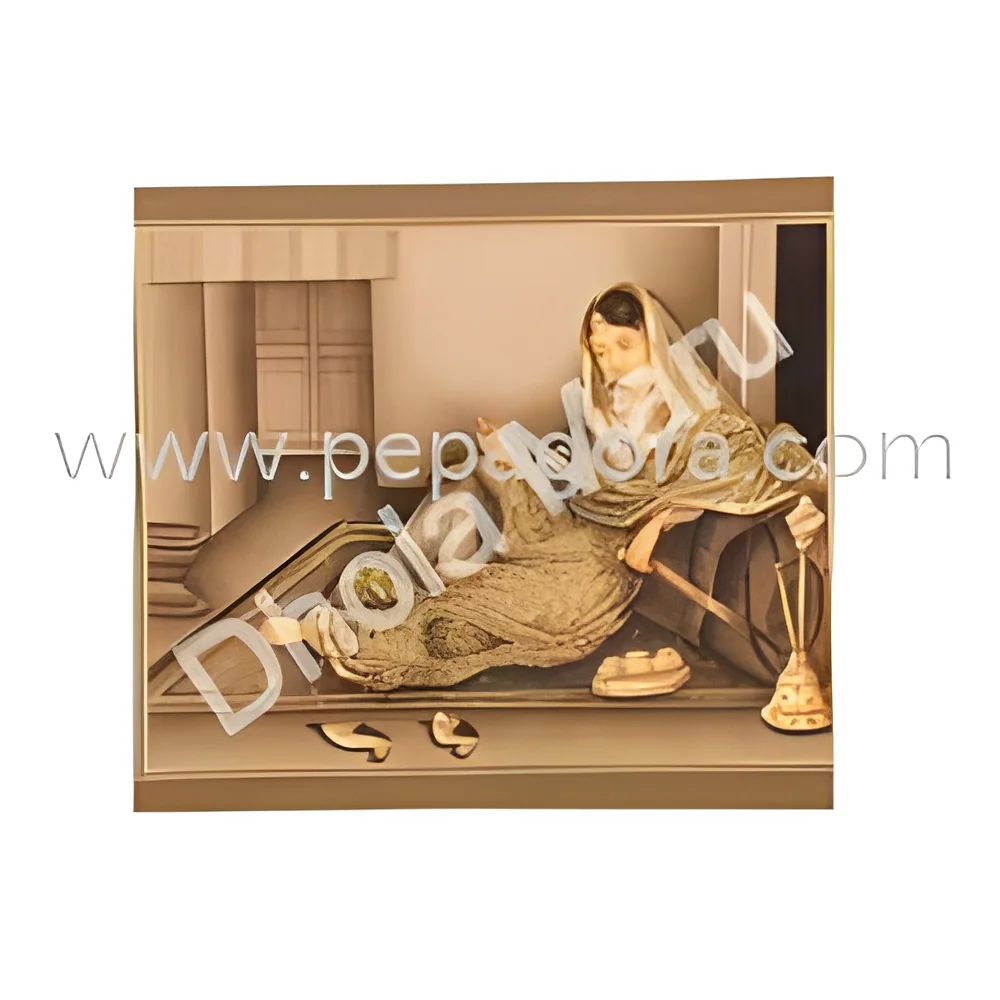
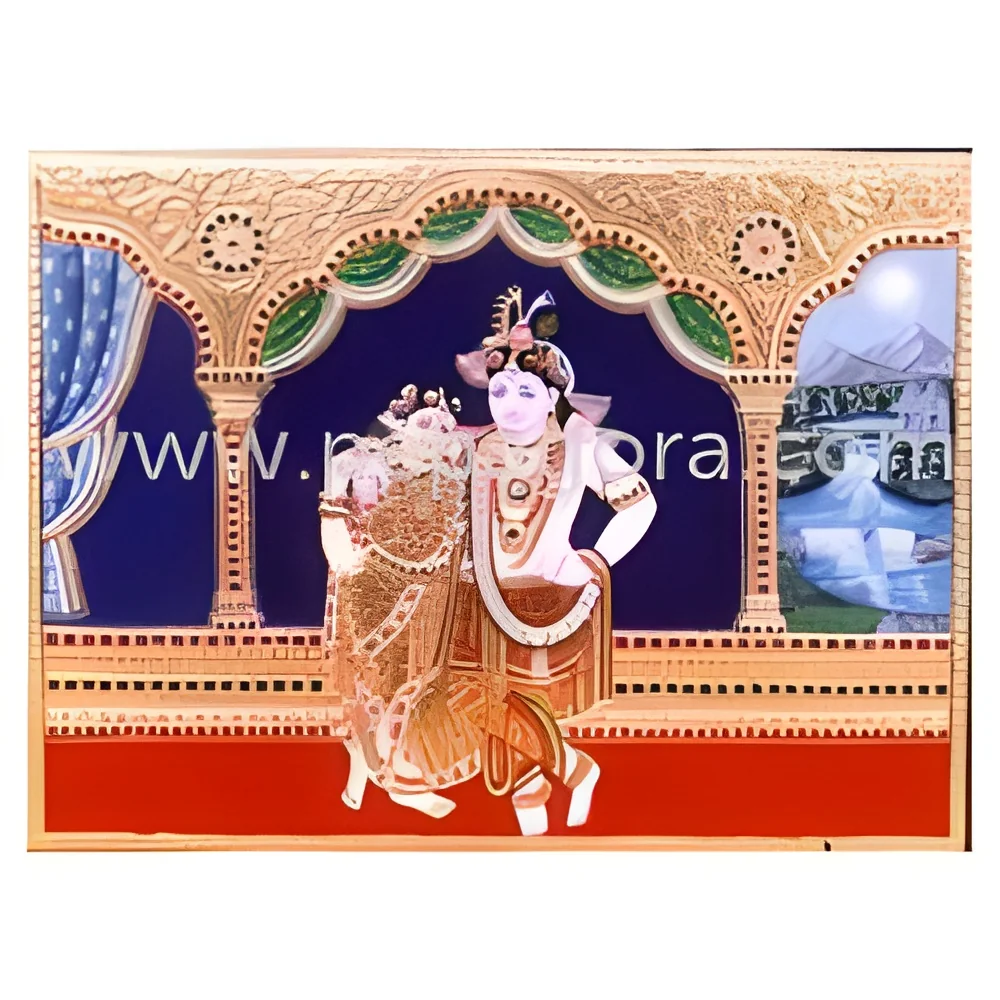
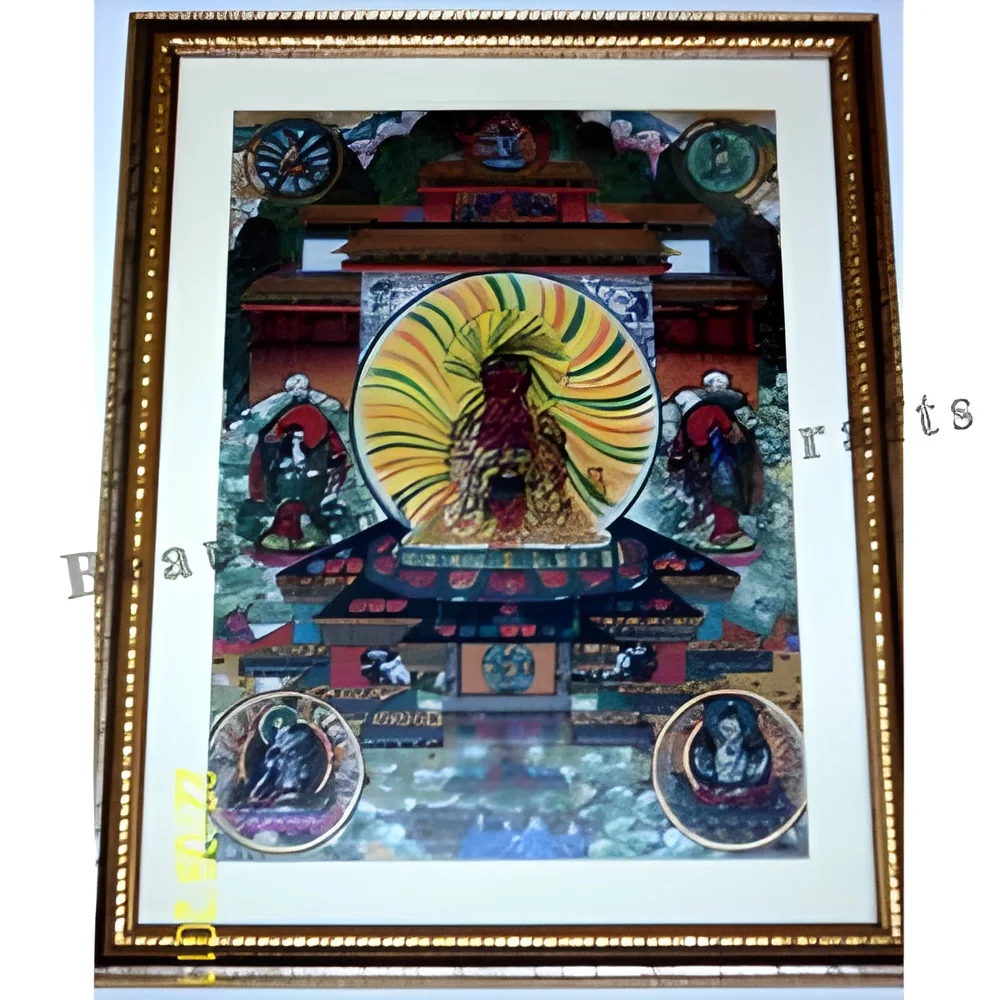
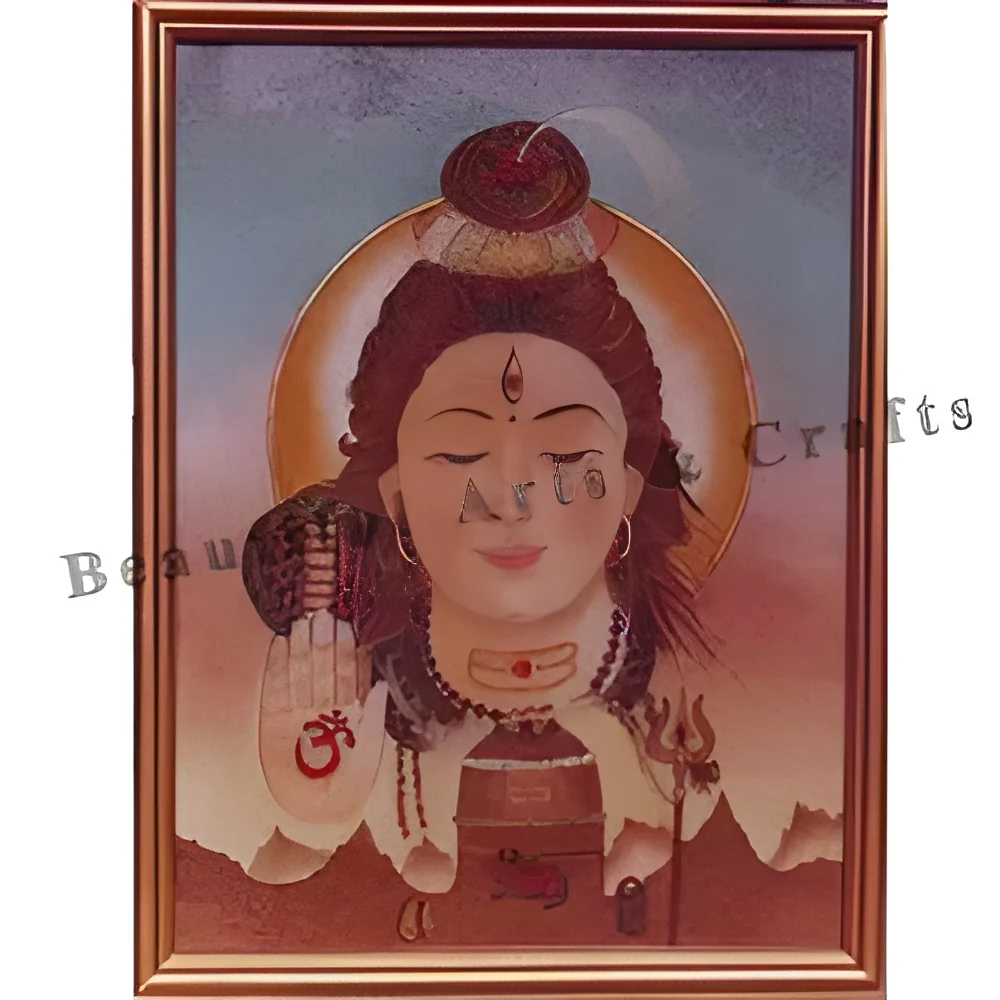
Tanjore art products often include framed paintings and decorative panels. The gold foil detailing and intricate designs make them ideal for religious or ceremonial purposes.
๐๐ฒ๐ป๐ฒ๐ณ๐ถ๐๐ ๐ฎ๐ป๐ฑ ๐๐ฑ๐๐ฎ๐ป๐๐ฎ๐ด๐ฒ๐
Incorporating traditional and folk art into business offerings provides numerous advantages.
1. Cultural Enrichment: These artworks add depth and cultural significance to products, enhancing their appeal to customers.
2. Unique Selling Proposition: Businesses can distinguish themselves from competitors by offering unique art forms that resonate with consumers.
3. Support for Local Artisans: By sourcing traditional art, companies contribute to the livelihoods of local artisans and promote sustainable practices.
4. Versatility: Traditional art can complement various styles, from contemporary to vintage, making it suitable for diverse markets.
5. Emotional Connection: These artworks often evoke nostalgia and cultural pride, fostering a stronger connection between consumers and products.
6. Eco-Friendly Options: Many traditional art forms utilize natural materials and sustainable practices, appealing to environmentally conscious buyers.
๐๐๐๐ถ๐ป๐ด ๐๐๐ถ๐ฑ๐ฒ ๐ณ๐ผ๐ฟ ๐๐ฎ๐ ๐๐๐๐ฒ๐ฟ๐
When sourcing Traditional & Folk Art (Madhubani, Warli, Tanjore), it is essential to consider several factors to ensure quality and reliability.
1. Quality Assessment: Buyers should evaluate the craftsmanship and materials used. Authentic artworks should exhibit detailed work and vibrant colors.
2. Supplier Verification: Vet potential suppliers by checking their credentials, customer reviews, and previous work. This ensures that you partner with reputable artisans.
3. Pricing and MOQ: Understand the price range and minimum order quantities, as these can vary greatly depending on the artwork and artist.
4. Delivery and Lead Times: Inquire about logistics and expected delivery times, especially for customized orders, to ensure timely availability.
5. Compliance Requirements: Be aware of any regional regulations or certifications required for the sale and distribution of traditional art, ensuring compliance with local laws.
๐๐ผ๐บ๐ฝ๐น๐ถ๐ฎ๐ป๐ฐ๐ฒ ๐ฎ๐ป๐ฑ ๐๐ฒ๐ฟ๐๐ถ๐ณ๐ถ๐ฐ๐ฎ๐๐ถ๐ผ๐ป๐
Traditional and folk art products must adhere to various quality standards and regulations to ensure safety and consistency.
Relevant quality standards include ISO 9001, which emphasizes quality management systems. This certification ensures that suppliers maintain high standards in their production processes.
Additionally, CE certification indicates that products meet European health, safety, and environmental protection standards. This is crucial for businesses looking to export traditional art to international markets.
Safety and testing requirements may involve ensuring that materials used in the artworks are non-toxic and safe for consumers.
Finally, regional compliance considerations should be taken into account, particularly if the art is intended for markets with specific cultural and legal requirements.
Why Source Traditional & Folk Art (Madhubani, Warli, Tanjore) from Pepagora?
Pepagora offers a trusted platform for sourcing Traditional & Folk Art (Madhubani, Warli, Tanjore), ensuring businesses have access to high-quality products.
Verified Supplier Network: Pepagora has a robust system for verifying suppliers, ensuring that businesses work with reputable artisans who produce authentic art.
Streamlined RFQ Process: The request for quotation (RFQ) process is designed for efficiency, allowing buyers to easily compare options and select the best products for their needs.
Trade Assurance and Support: Buyers are protected through trade assurance mechanisms, providing peace of mind during transactions and ensuring that products meet specified standards.
Regional Coverage: With a focus on India, the GCC, and Southeast Asia, Pepagora connects buyers with a diverse range of artisans, enhancing access to unique cultural artworks.