
 IN
Semiconductors & ICs
32 products available
𝗪𝗵𝗮𝘁 𝗮𝗿𝗲 𝗦𝗲𝗺𝗶𝗰𝗼𝗻𝗱𝘂𝗰𝘁𝗼𝗿𝘀 & 𝗜𝗖𝘀?
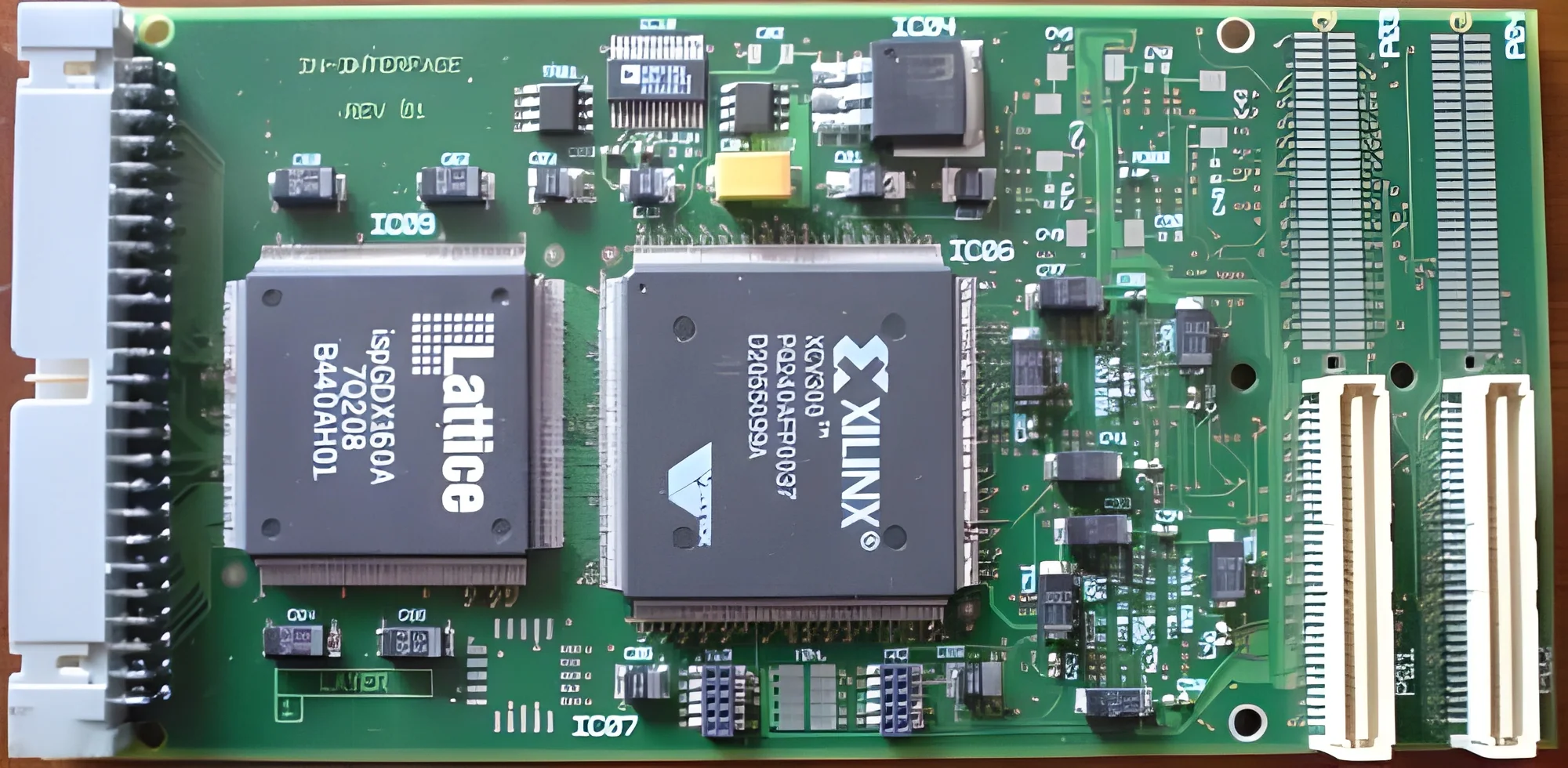
Semiconductors are materials that have electrical conductivity between that of a conductor and an insulator. They are fundamental components in electronic devices, enabling the control of electrical current. Integrated Circuits (ICs) are electronic circuits that combine multiple semiconductor devices into a single package, allowing for compact device design and efficient functionality. Together, semiconductors and ICs serve as the backbone of modern electronics, powering everything from smartphones to industrial machinery.
The primary uses of semiconductors and ICs span numerous sectors including consumer electronics, telecommunications, automotive, and industrial automation. They facilitate functions such as signal amplification, data processing, and power management. In business applications, they enable technological advancements and efficiencies, making them essential in product development and operational processes across various industries.
The semiconductor industry is a significant driver of global economic growth, with a market value exceeding hundreds of billions of dollars. The demand for advanced electronic solutions continues to rise, influenced by trends such as the Internet of Things (IoT), artificial intelligence, and renewable energy technologies. Companies that leverage semiconductors and ICs can enhance their competitiveness by adopting innovative solutions in their products and services.
𝗞𝗲𝘆 𝗙𝗲𝗮𝘁𝘂𝗿𝗲𝘀 𝗮𝗻𝗱 𝗦𝗽𝗲𝗰𝗶𝗳𝗶𝗰𝗮𝘁𝗶𝗼𝗻𝘀
Semiconductors and ICs come with a range of features and specifications that determine their performance and applicability in various fields. Understanding these specifications is crucial for businesses seeking to implement these components into their products.
Key specifications include:
1. Power Consumption
- Determines the amount of energy required for operation.
- Typically measured in milliwatts (mW) or watts (W).
2. Operating Voltage
- Refers to the voltage range within which the semiconductor operates efficiently.
- Common ranges include 1.2V to 5V for low-power applications.
3. Frequency Response
- Indicates the range of frequencies over which the IC can operate effectively.
- Can vary widely, often from kilohertz (kHz) to gigahertz (GHz).
4. Integration Level
- Describes the number of transistors in a single IC.
- Can be categorized as SSI (Small Scale Integration), MSI (Medium Scale Integration), or VLSI (Very Large Scale Integration).
5. Package Type
- Refers to the physical form in which the IC is housed.
- Common types include Dual In-line Package (DIP), Surface Mount Device (SMD), and Chip-on-Board (COB).
6. Temperature Range
- Specifies the operating temperature limits of the semiconductor.
- Typical ranges are from -40°C to +125°C, depending on the application.
7. Reliability Rating
- Indicates the expected lifespan and failure rates of the IC.
- Often expressed as Mean Time Between Failures (MTBF).
8. Compliance and Standards
- Refers to the industry standards that the product meets, such as CE marking and RoHS compliance.
Understanding these features allows businesses to choose components that align with their specific operational needs and environmental conditions.
𝗖𝗼𝗺𝗺𝗼𝗻 𝗔𝗽𝗽𝗹𝗶𝗰𝗮𝘁𝗶𝗼𝗻𝘀 𝗮𝗻𝗱 𝗨𝘀𝗲 𝗖𝗮𝘀𝗲𝘀
Semiconductors and ICs find applications across a wide variety of industries, each leveraging their unique capabilities.
1. Consumer Electronics: Used in smartphones, tablets, and laptops to manage processing tasks, power consumption, and connectivity.
2. Telecommunications: Integral to network infrastructure, enabling data transmission and signal processing in devices like routers and switches.
3. Automotive: Essential for engine control units, infotainment systems, and advanced driver-assistance systems, improving vehicle performance and safety.
4. Industrial Automation: Power machinery and control systems, facilitating automation and monitoring processes in manufacturing environments.
5. Medical Devices: Used in diagnostic equipment, patient monitoring systems, and wearable health tech, enhancing the functionality and accuracy of medical applications.
6. Aerospace: Critical components in navigation, control systems, and communication devices, ensuring reliability and safety in aviation.
7. Renewable Energy: Support energy management systems, solar inverters, and battery management systems, enabling efficient energy usage and storage.
𝗣𝗿𝗼𝗱𝘂𝗰𝘁 𝗩𝗮𝗿𝗶𝗮𝗻𝘁𝘀 𝗮𝗻𝗱 𝗦𝘂𝗯𝗰𝗮𝘁𝗲𝗴𝗼𝗿𝗶𝗲𝘀
The diversity of semiconductors and ICs allows businesses to select products tailored to their specific requirements.
Microcontrollers: These are compact integrated circuits designed to govern a specific operation in an embedded system. They often include a processor, memory, and input/output peripherals, making them ideal for applications in consumer electronics and industrial automation.
Power Management ICs: These components regulate power distribution in electronic devices, ensuring efficient energy use. They are commonly found in battery-operated devices and renewable energy systems.
Analog ICs: These are designed to handle continuous signals and are used in applications such as audio processing, sensors, and signal amplification.
Digital ICs: Focused on processing discrete signals, digital ICs are crucial for computing and logic operations, widely used in computers and communication devices.
𝗕𝗲𝗻𝗲𝗳𝗶𝘁𝘀 𝗮𝗻𝗱 𝗔𝗱𝘃𝗮𝗻𝘁𝗮𝗴𝗲𝘀
Sourcing high-quality semiconductors and ICs offers numerous advantages for businesses aiming to enhance their products.
1. Performance Optimization: Semiconductors and ICs are designed for efficiency, improving the overall performance of electronic devices.
2. Size Reduction: The compact nature of ICs allows for smaller product designs, making devices more portable and user-friendly.
3. Cost-Effectiveness: Efficient manufacturing processes and advanced technologies reduce production costs, offering better pricing for businesses.
4. Enhanced Reliability: Quality semiconductors and ICs feature robust designs that contribute to longer lifespan and reduced failure rates.
5. Scalability: The modular nature of ICs enables easy scalability in production, allowing businesses to adapt to changing market demands.
6. Innovation Facilitation: Access to advanced semiconductor technologies encourages innovation, enabling businesses to develop cutting-edge products.
𝗕𝘂𝘆𝗶𝗻𝗴 𝗚𝘂𝗶𝗱𝗲 𝗳𝗼𝗿 𝗕𝟮𝗕 𝗕𝘂𝘆𝗲𝗿𝘀
When sourcing semiconductors and ICs, several key factors should be considered to ensure optimal selection and purchasing success.
1. Quality Assessment: Evaluate the quality of semiconductors and ICs based on certifications, reliability ratings, and performance benchmarks to ensure compliance with industry standards.
2. Supplier Verification: Conduct thorough background checks on potential suppliers, reviewing their manufacturing processes, quality control measures, and customer feedback.
3. Pricing and MOQ: Analyze pricing structures and minimum order quantities (MOQ) to determine budget alignment and overall cost-effectiveness in procurement.
4. Delivery and Lead Times: Assess logistics and expected lead times for delivery to ensure timely project execution and prevent supply chain disruptions.
5. Compliance Requirements: Understand regulatory requirements relevant to your industry and ensure that the semiconductors and ICs conform to local and international standards.
𝗖𝗼𝗺𝗽𝗹𝗶𝗮𝗻𝗰𝗲 𝗮𝗻𝗱 𝗖𝗲𝗿𝘁𝗶𝗳𝗶𝗰𝗮𝘁𝗶𝗼𝗻𝘀
Compliance and certifications are critical in the semiconductor industry, ensuring products meet safety and quality standards.
ISO 9001 is a widely recognized quality management standard, emphasizing consistency and improvement across processes. Companies adhering to this standard demonstrate their commitment to quality assurance.
CE marking indicates that a product meets European safety, health, and environmental protection requirements. This certification is crucial for market access within the European Union.
Safety testing requirements often include assessments for electrical safety, electromagnetic compatibility, and environmental impact. These tests ensure that products are safe for use in various applications.
Regional compliance considerations may vary. Businesses should be aware of specific regulations in their target markets, such as RoHS compliance for hazardous substances in electronic products.
𝗪𝗵𝘆 𝗦𝗼𝘂𝗿𝗰𝗲 𝗦𝗲𝗺𝗶𝗰𝗼𝗻𝗱𝘂𝗰𝘁𝗼𝗿𝘀 & 𝗜𝗖𝘀 𝗳𝗿𝗼𝗺 𝗣𝗲𝗽𝗮𝗴𝗼𝗿𝗮?
Pepagora provides a trusted platform for sourcing semiconductors and ICs, offering several key advantages for B2B buyers.
Verified Supplier Network: Pepagora partners with a network of verified suppliers to ensure that buyers receive quality products. This verification process includes assessments of manufacturing capabilities and quality controls.
Streamlined RFQ Process: The Request for Quotation (RFQ) system at Pepagora simplifies the procurement process, allowing buyers to receive competitive quotes from multiple suppliers quickly.
Trade Assurance and Support: Pepagora offers buyer protection through trade assurance, ensuring that transactions are secure and disputes are managed effectively.
Regional Coverage: With a strong presence in India, the GCC, and Southeast Asia, Pepagora facilitates access to a diverse range of suppliers and products, catering to various market needs and preferences.
This comprehensive approach makes Pepagora an ideal partner for businesses looking to source high-quality semiconductors and ICs efficiently.





Frequently Asked Questions
What are Semiconductors & ICs?
Semiconductors are materials that have electrical conductivity between that of a conductor and an insulator. Integrated Circuits (ICs) are assemblies of electronic components, including transistors and resistors, fabricated onto a single semiconductor substrate. Together, they are fundamental to modern electronic devices, enabling functionalities such as amplification, signal processing, and digital computation.
What are the different types of Semiconductors & ICs?
The main types of semiconductors include elemental semiconductors like silicon and germanium, and compound semiconductors such as gallium arsenide. ICs can be categorized into analog, digital, and mixed-signal devices based on their functionality. There are also specialized ICs like operational amplifiers, microcontrollers, and memory chips.
How do I choose the right Semiconductors & ICs?
Choosing the right semiconductors and ICs involves considering factors such as the application requirements, operating environment, and specific electrical characteristics needed. It is also important to evaluate compatibility with existing systems and reliability standards. Consulting with suppliers or manufacturers can provide valuable insights into the best options for your needs.
What are the standard specifications for Semiconductors & ICs?
Standard specifications for semiconductors and ICs typically include parameters such as voltage ratings, current ratings, temperature ranges, and power dissipation. Additionally, performance metrics like switching speed, gain, and input/output impedance are crucial. It is essential to refer to datasheets provided by manufacturers for detailed specifications.
What is the price range for Semiconductors & ICs?
The price range for semiconductors and ICs can vary significantly based on type, complexity, and manufacturer. Basic components may start from a few cents, while advanced, specialized ICs can cost hundreds of dollars. Bulk purchasing typically offers better pricing due to economies of scale.
What quality standards apply to Semiconductors & ICs?
Semiconductors and ICs are subject to various quality standards, including ISO 9001 for quality management systems and IPC standards for electronics manufacturing. Compliance with RoHS (Restriction of Hazardous Substances) and REACH (Registration, Evaluation, Authorisation and Restriction of Chemicals) is also important for environmental safety. Manufacturers often provide certifications that indicate adherence to these standards.
Where can I find Semiconductors & ICs suppliers in India?
Suppliers of semiconductors and ICs in India can be found through online B2B marketplaces like Pepagora.com, which connects buyers with manufacturers and distributors. Additionally, trade shows and industry expos often feature semiconductor suppliers. Researching online directories and industry associations can also help identify reputable suppliers.
Can Semiconductors & ICs be customized?
Yes, many manufacturers offer customization options for semiconductors and ICs tailored to specific application needs. Customization may include adjustments to specifications, packaging, and performance characteristics. It is advisable to discuss requirements with suppliers to understand the possibilities and any associated costs.
What is the typical minimum order quantity for Semiconductors & ICs?
The typical minimum order quantity (MOQ) for semiconductors and ICs varies by supplier and product type. Generally, MOQs can range from a few units for standard components to thousands for specialized ICs. It is essential to confirm MOQs with individual suppliers when placing orders.
What is the typical lead time for Semiconductors & ICs?
The lead time for semiconductors and ICs can vary based on factors such as the component type, supplier, and order quantity. Generally, lead times can range from a few days for standard components to several weeks or months for custom or specialized products. It is advisable to check with suppliers for specific lead times before placing an order.
Why Businesses Trust Pepagora
Thousands of companies trust Pepagora to source smarter and sell faster
Expand Your Sales Globally

Source Smarter,Grow Faster
