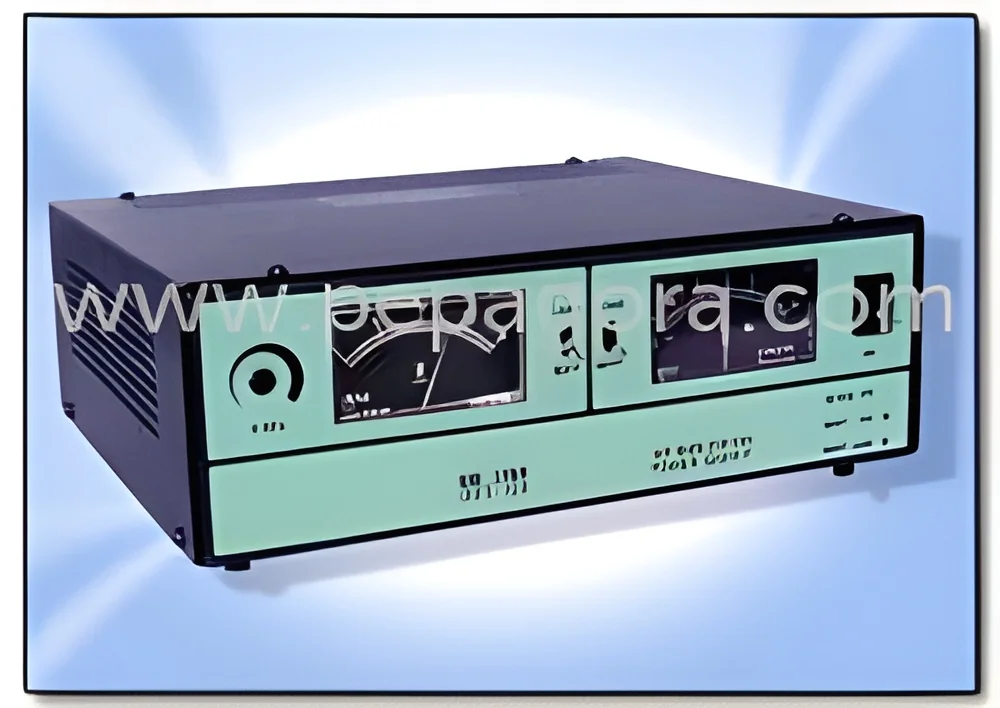
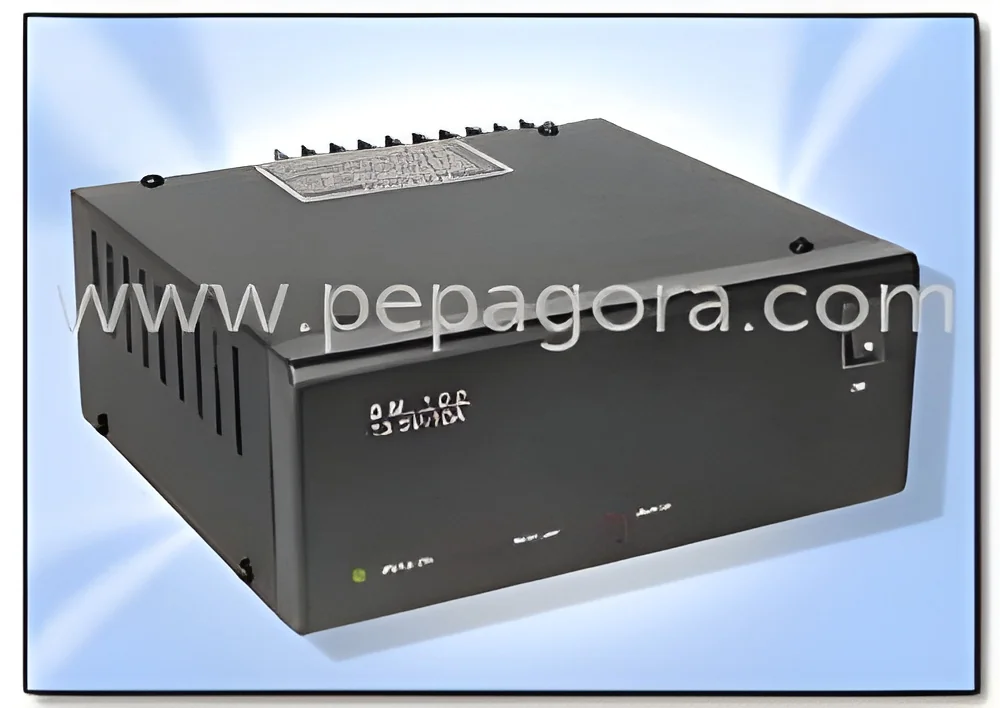
Key Features and Specifications
Power Management ICs are characterized by several key features that define their performance and suitability for various applications. Understanding these specifications is essential for selecting the right PMIC for a given project.
Key specifications include:
1. Voltage Regulation
- Ensures stable voltage output for powering devices.
- Typically ranges between 1V to 20V depending on the application requirements.
2. Current Output
- Indicates the maximum current the IC can supply to the load.
- Common ranges vary from 100mA to several amps.
3. Power Efficiency
- Reflects how effectively the PMIC converts input power to output power.
- Efficiency ratings can exceed 90% in many models.
4. Operating Temperature Range
- Specifies the temperature limits within which the PMIC operates safely.
- Data not available for specific ranges.
5. Package Type
- Refers to the physical packaging of the PMIC, impacting size and mounting options.
- Common types include QFN, BGA, and SOP.
6. Fault Protection Features
- Includes overvoltage, undervoltage, and overcurrent protection mechanisms.
- Essential for preventing damage to both the IC and connected components.
7. Control Interface
- Defines how the PMIC communicates with other devices, such as I2C or SPI.
- Important for integration in complex systems.
8. Soft Start Functionality
- Reduces inrush current during startup to protect the device.
- Enhances reliability and longevity of the PMIC.
These features collectively contribute to the performance and application versatility of PMICs, making them critical components in modern electronics.
Common Applications and Use Cases
Power Management ICs serve a broad spectrum of industries due to their versatile functionality.
1. Consumer Electronics: PMICs are integral to smartphones and tablets, managing battery charging and power distribution for various components.
2. Automotive: In vehicles, PMICs regulate power for infotainment systems, lighting, and safety features, enhancing energy efficiency and performance.
3. Industrial Automation: PMICs support control systems and sensors, ensuring stable power supply across manufacturing equipment and robotics.
4. Telecommunications: These ICs power communication devices and infrastructure, optimizing energy usage while maintaining signal integrity.
5. Medical Devices: In healthcare, PMICs are crucial for portable medical equipment, ensuring reliable power management for diagnostics and monitoring devices.
6. IoT Devices: PMICs facilitate low-power operation in Internet of Things applications, extending battery life and enhancing functionality.
7. Computing: In laptops and desktops, PMICs manage power distribution among processors, memory, and peripherals, contributing to overall system efficiency.
Product Variants and Subcategories
Power Management ICs come in various types, each tailored to specific applications and functionalities.
Linear Regulators
These PMICs provide a stable output voltage with minimal ripple. They are ideal for low-noise applications where power efficiency is not the top priority.
Switching Regulators
These devices offer higher efficiency by rapidly switching the output on and off. They are suitable for applications requiring significant power management, such as in automotive and industrial systems.
Battery Management ICs
Specialized for managing battery charging and discharging cycles, these PMICs ensure safe operation and extend battery life in portable devices.
LED Drivers
These PMICs are designed specifically for controlling LED lighting, providing constant current and voltage regulation for optimal performance.
Benefits and Advantages
Power Management ICs offer numerous benefits that enhance the performance and reliability of electronic systems.
1. Improved Energy Efficiency: PMICs optimize power usage, reducing energy waste and operational costs.
2. Space Savings: By integrating multiple functions into a single chip, PMICs allow for more compact designs in electronic devices.
3. Enhanced Performance: With features such as voltage regulation and current limiting, PMICs ensure devices operate at peak performance.
4. Increased Reliability: Fault protection features minimize the risk of damage, enhancing the longevity of both the PMIC and the devices they power.
5. Simplified Design: The integration of various power management functions simplifies the design process for engineers, reducing development time.
6. Scalability: PMICs can be scaled for different applications, making them versatile solutions for a wide range of products.
Buying Guide for B2B Buyers
When sourcing Power Management ICs, it is essential to consider several factors to ensure optimal selection for your specific application.
1. Quality Assessment: Evaluate the quality of PMICs through supplier certifications, performance reviews, and customer feedback to ensure reliability.
2. Supplier Verification: Identify reputable suppliers with a track record of reliability and service. Assess their capabilities to meet your specific requirements.
3. Pricing and MOQ: Compare pricing across various suppliers while considering minimum order quantities to find a balance between cost and supply needs.
4. Delivery and Lead Times: Understand the logistics involved, including typical lead times, to ensure timely availability of PMICs for your projects.
5. Compliance Requirements: Ensure that the PMICs meet relevant regulatory standards and certifications, such as CE, to guarantee safe and compliant operation in your applications.
Compliance and Certifications
Power Management ICs must adhere to various quality and safety standards to ensure reliability and performance.
ISO 9001 is a widely recognized standard that indicates a manufacturer’s commitment to quality management systems. Compliance with this standard ensures that PMICs are produced consistently and meet customer requirements.
Additionally, PMICs may carry industry certifications such as CE, which signifies compliance with European safety, health, and environmental protection standards. This certification is crucial for products sold in European markets.
Safety and testing requirements for PMICs include assessments for thermal characteristics, electrical performance, and fault tolerance to ensure they operate safely under specified conditions.
Regional compliance considerations may vary, and it is vital to understand local regulations that apply to the intended market for the PMICs to guarantee market entry and customer safety.
Why Source Power Management ICs (PMIC) from Pepagora?
Pepagora provides a trusted platform for sourcing Power Management ICs, offering several key advantages to B2B buyers.
Verified Supplier Network: At Pepagora, suppliers undergo a rigorous verification process to ensure they meet quality and reliability standards. This network provides buyers with confidence in their sourcing decisions.
Streamlined RFQ Process: The platform offers a user-friendly quotation system that simplifies the request for quotation process, allowing buyers to quickly compare offers from multiple suppliers.
Trade Assurance and Support: Pepagora prioritizes buyer protection through trade assurance measures, ensuring that transactions are secure and that buyers receive the products they expect.
Regional Coverage: Pepagora's extensive reach spans across India, the GCC region, and Southeast Asia, making it easier for businesses to find and source PMICs that meet their specific regional needs and regulations.

 IN
IN