
 IN
Audio & Video ICs
2 products available
What are Audio & Video ICs?
Audio and Video Integrated Circuits (ICs) are essential components used in the processing and management of audio and video signals. These ICs are designed to handle tasks such as amplification, filtering, encoding, and decoding. They play a critical role in various consumer electronics, telecommunications, and professional audio-video equipment. By integrating multiple functions into a single chip, these ICs enhance performance while reducing the size and cost of electronic devices.
The primary applications of Audio and Video ICs span across numerous industries, including consumer electronics, automotive, telecommunications, and broadcasting. In consumer electronics, they are found in devices such as televisions, smartphones, and sound systems, where they improve sound quality and visual clarity. In the automotive sector, these ICs are used for in-car entertainment systems and navigation aids. Their relevance in industries continues to grow as the demand for high-quality audio and video experiences increases.
In the current market context, Audio and Video ICs are increasingly vital due to the rise of multimedia content consumption. As businesses and consumers demand higher quality audio and visual experiences, manufacturers are investing in advanced IC technology. This trend is supported by innovations in digital signal processing and the proliferation of smart devices, making Audio and Video ICs a key focus for companies aiming to stay competitive.
Key Features and Specifications
Audio and Video ICs possess various features and specifications that define their performance and suitability for specific applications. Understanding these specifications is crucial for selecting the right IC for a particular use case.
Key specifications include:
1. Signal-to-Noise Ratio (SNR)
- Measures the level of desired signal relative to background noise.
- A higher SNR indicates better sound quality, typically above 90 dB for high-performance applications.
2. Total Harmonic Distortion (THD)
- Indicates the distortion of the audio signal.
- A THD of less than 0.1% is desirable for high-fidelity audio.
3. Frequency Response
- Defines the range of frequencies the IC can effectively process.
- Typically ranges from 20 Hz to 20 kHz for audio applications, ensuring full audio spectrum coverage.
4. Power Consumption
- Refers to the amount of energy the IC uses during operation.
- Low power consumption is critical for battery-operated devices, ideally below 1 W.
5. Operating Voltage Range
- Specifies the voltage levels within which the IC operates reliably.
- Common ranges are from 3.3 V to 5 V for portable devices.
6. Package Types
- Refers to the physical design and size of the IC.
- Options include surface mount and through-hole packages depending on application needs.
7. Temperature Range
- Indicates the environmental conditions the IC can withstand.
- Standard ranges are typically from -40°C to +85°C.
8. Compliance with Standards
- Ensures the IC meets industry standards such as CE certification for safety and performance.
The specifications of Audio and Video ICs are critical for determining their application suitability. Buyers should consider these features when evaluating products to ensure optimal performance.
Common Applications and Use Cases
Audio and Video ICs are employed across a diverse range of industries, each benefiting from their unique capabilities.
1. Consumer Electronics: These ICs are integral to smartphones, televisions, and audio players, enhancing audio quality and video processing capabilities for users.
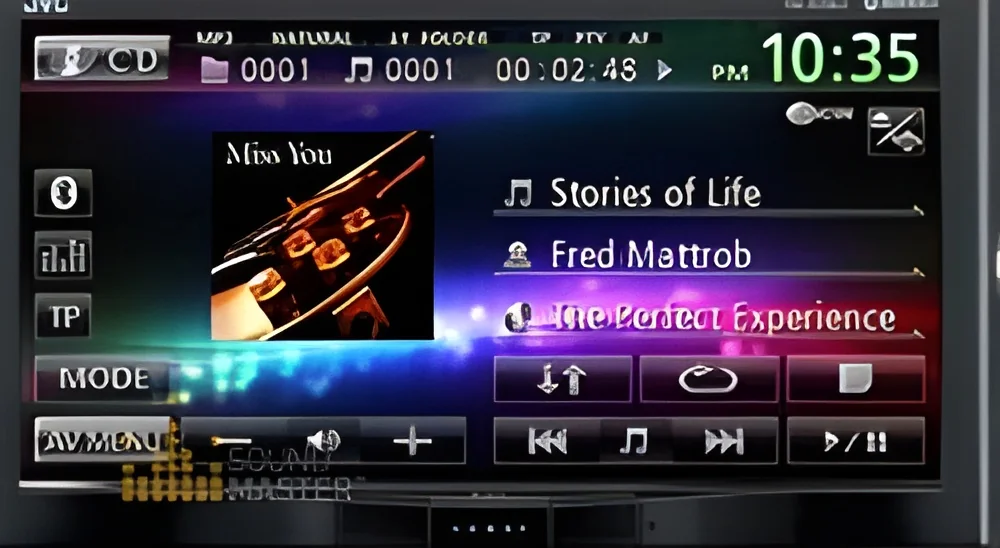
2. Automotive: In vehicles, Audio and Video ICs power infotainment systems, providing high-quality sound and video for entertainment and navigation.
3. Telecommunications: Used in mobile phones and communication devices, these ICs improve voice clarity and video conferencing experiences.
4. Broadcasting: In television and radio broadcasting, Audio and Video ICs are essential for signal processing, ensuring high-quality transmission of audio and video content.
5. Professional Audio Equipment: In studios and live sound systems, these ICs are used to manage complex audio signals, ensuring clarity and fidelity.
6. Security Systems: In surveillance and monitoring systems, Audio and Video ICs manage image and audio input, providing reliable data for security purposes.
7. Medical Equipment: These ICs support imaging and diagnostic devices, improving the clarity and detail of audio-visual outputs.
Product Variants and Subcategories
Audio and Video ICs come in various forms tailored to meet the specific needs of different applications. The diversity of these products allows businesses to choose the most suitable option for their requirements.
Audio Amplifier ICs: These variants are designed to enhance audio signals in devices such as speakers and headphones. They provide improved sound quality and higher output power.
Video Processing ICs: Used in cameras and displays, these ICs handle video signal processing, ensuring high-resolution output and effective image stabilization.
Digital Signal Processors (DSPs): DSP variants specialize in processing audio and video signals in real-time, widely used in telecommunications and media applications.
Codec ICs: These units encode and decode audio and video signals, making them essential in streaming applications and multimedia communications.
Benefits and Advantages
Integrating Audio and Video ICs into products offers several advantages for manufacturers and end-users alike.
1. Enhanced Quality: These ICs improve the quality of audio and video signals, providing a superior experience for consumers.
2. Space Efficiency: By integrating multiple functions into a single chip, these ICs reduce the physical space required in devices, allowing for more compact designs.
3. Cost-Effectiveness: The use of Audio and Video ICs can lower overall production costs by minimizing the number of components needed.
4. Energy Efficiency: Many ICs are designed to operate with low power consumption, which is crucial for battery-operated devices.
5. Versatility: Audio and Video ICs can be used across various applications, making them adaptable to different industries and technologies.
6. Reliability: These components are designed to meet rigorous industry standards, ensuring consistent performance in critical applications.
Buying Guide for B2B Buyers
When sourcing Audio and Video ICs, B2B buyers should consider several key factors to ensure they make informed decisions.
1. Quality Assessment: Evaluate the quality of the ICs based on performance specifications, industry standards, and customer reviews to ensure reliability.
2. Supplier Verification: Conduct thorough vetting of suppliers to confirm their credibility, manufacturing practices, and compliance with relevant standards.
3. Pricing and MOQ: Understand the pricing structure and minimum order quantities to align with budget constraints and production needs.
4. Delivery and Lead Times: Assess the supplier's ability to meet delivery schedules, ensuring that lead times align with project timelines.
5. Compliance Requirements: Check for necessary certifications and compliance with regulatory standards to avoid potential legal issues and ensure product safety.
Compliance and Certifications
Compliance and certifications are vital for Audio and Video ICs to ensure they meet industry standards and regulatory requirements.
Key quality standards include ISO 9001, which focuses on quality management systems, ensuring manufacturers consistently provide quality products. Other standards such as HACCP and GDP may apply depending on the industry context.
Industry certifications like CE indicate that products meet safety and health requirements for European markets. This certification is essential for manufacturers looking to sell their products internationally.
Safety and testing requirements must also be adhered to, particularly in sensitive applications such as medical devices and automotive systems. Ensuring compliance with relevant standards helps mitigate risks associated with product failures.
Regional compliance considerations are also important, as regulations may vary across different countries. Manufacturers should familiarize themselves with local requirements to ensure their products are compliant.
Why Source Audio & Video ICs from Pepagora?
Pepagora provides a trusted platform for sourcing Audio and Video ICs, offering several key advantages to B2B buyers.
Verified Supplier Network: Pepagora connects buyers with a network of verified suppliers, ensuring that they can source high-quality Audio and Video ICs from reliable manufacturers. This verification process provides buyers with peace of mind regarding the quality of the products.
Streamlined RFQ Process: The Request for Quotation process on Pepagora is designed to be straightforward, allowing buyers to quickly gather pricing and availability information from multiple suppliers. This efficiency helps buyers make informed purchasing decisions swiftly.
Trade Assurance and Support: Pepagora offers trade assurance to protect buyers, ensuring that they receive the products as described and on time. The platform also provides support to address any issues that may arise during the sourcing process.
Regional Coverage: With a strong presence in markets such as India, the GCC, and Southeast Asia, Pepagora offers geographic reach that allows buyers to access a diverse range of suppliers. This coverage helps businesses find the right products tailored to their regional needs.

Frequently Asked Questions
What are Audio & Video ICs?
Audio & Video ICs (Integrated Circuits) are specialized components used in electronic devices to process and manage audio and video signals. They play a crucial role in applications such as televisions, audio equipment, and multimedia devices, offering functionalities like amplification, mixing, and signal processing.
What are the different types of Audio & Video ICs?
There are several types of Audio & Video ICs, including audio amplifiers, digital-to-analog converters (DACs), analog-to-digital converters (ADCs), video encoders, and decoders. Each type serves a specific function, facilitating the conversion and enhancement of audio and video signals in various devices.
How do I choose the right Audio & Video ICs?
Selecting the right Audio & Video ICs involves considering factors such as the intended application, required specifications, and compatibility with existing systems. It's essential to evaluate performance metrics like signal-to-noise ratio, power consumption, and frequency response to ensure the IC meets your project needs.
What are the standard specifications for Audio & Video ICs?
Standard specifications for Audio & Video ICs typically include parameters like power supply voltage, output power, total harmonic distortion (THD), frequency response range, and input/output impedance. These specifications help assess an IC's performance and suitability for specific applications.
What is the price range for Audio & Video ICs?
The price range for Audio & Video ICs can vary significantly based on factors such as functionality, brand, and volume of purchase. Generally, prices can range from a few dollars for basic ICs to hundreds of dollars for advanced, high-performance models.
What quality standards apply to Audio & Video ICs?
Audio & Video ICs must often comply with industry standards such as ISO 9001 for quality management systems and RoHS for environmental compliance. Adherence to these standards ensures reliability, safety, and performance consistency in electronic applications.
Where can I find Audio & Video ICs suppliers in India?
You can find Audio & Video ICs suppliers in India through various channels, including B2B marketplaces like Pepagora, electronic component distributors, and manufacturer websites. It is advisable to compare multiple suppliers to evaluate their product offerings, prices, and service quality.
Can Audio & Video ICs be customized?
Yes, many manufacturers offer customization options for Audio & Video ICs to meet specific project requirements. Customization may include adjustments in specifications, packaging, and unique features tailored to the needs of different applications.
What is the typical minimum order quantity for Audio & Video ICs?
The typical minimum order quantity (MOQ) for Audio & Video ICs can vary by supplier and product type, but it often ranges from a few dozen to several hundred units. It's important to check with individual suppliers for their specific MOQs.
What is the typical lead time for Audio & Video ICs?
The typical lead time for Audio & Video ICs can range from a few days to several weeks, depending on factors like product availability, order size, and supplier location. It's best to communicate directly with suppliers to get accurate lead time estimates for your orders.
Why Businesses Trust Pepagora
Thousands of companies trust Pepagora to source smarter and sell faster
Expand Your Sales Globally

Source Smarter,Grow Faster
