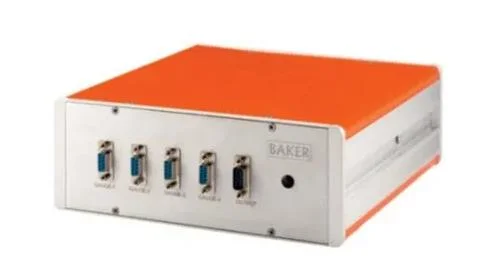
What are Sensor ICs?
Sensor Integrated Circuits (ICs) are specialized semiconductor devices designed to detect and respond to various environmental stimuli such as temperature, light, pressure, and motion. These ICs convert physical parameters into electrical signals that can be processed by other electronic systems. They are an essential component in a wide range of applications, helping to streamline operations and enhance functionality in numerous devices.
The primary uses of Sensor ICs span across multiple industries including automotive, consumer electronics, industrial automation, and healthcare. In automotive systems, they are employed for monitoring tire pressure and detecting obstacles. In consumer electronics, they enable features such as automatic brightness adjustment and motion detection. The relevance of Sensor ICs in today's market is escalating, driven by the growing demand for smart devices and automation solutions. Their integration into the Internet of Things (IoT) ecosystem is particularly significant, as it allows for enhanced connectivity and data analytics.
Key Features and Specifications
Sensor ICs are characterized by a range of features and specifications that define their performance and suitability for various applications. Understanding these specifications is crucial for selecting the right device for your needs.
Key specifications include:
1. Sensitivity
- The ability of the sensor to detect small changes in input.
- Typically measured in millivolts per degree Celsius for temperature sensors or in volts per pascal for pressure sensors.
2. Operating Voltage
- The range of voltage within which the sensor operates effectively.
- Common ranges include 1.8V to 5.5V for low-power applications.
3. Temperature Range
- The environmental temperature limits within which the sensor can function accurately.
- Typical ranges are from -40°C to +125°C, depending on the sensor type.
4. Response Time
- The time it takes for the sensor to respond to a change in the environment.
- Generally measured in milliseconds.
5. Power Consumption
- The amount of power the sensor consumes during operation.
- Low-power options may consume less than 1 mA.
6. Output Type
- The format of the output signal, which can be analog or digital.
- Digital outputs are often preferred for ease of integration with microcontrollers.
7. Size and Packaging
- The physical dimensions and form factor of the sensor.
- Common packages include SMD (Surface Mount Device) or through-hole types.
8. Calibration
- The process of adjusting the sensor output to ensure accuracy.
- Some sensors are factory calibrated, while others may require user calibration.
In summary, understanding these features helps in selecting the right Sensor IC for specific applications, ensuring optimal performance and reliability.
Common Applications and Use Cases
Sensor ICs serve a diverse range of industries, each with specific applications that enhance functionality and efficiency.
1. Automotive: In vehicles, Sensor ICs monitor conditions like tire pressure, temperature, and vehicle stability, enhancing safety and performance.
2. Consumer Electronics: These sensors are used in smartphones and tablets for functions such as automatic screen rotation, ambient light detection, and motion sensing.
3. Industrial Automation: Sensor ICs play a crucial role in manufacturing processes, providing monitoring of equipment conditions, environmental factors, and ensuring operational efficiency.
4. Healthcare: In medical devices, they are used for monitoring vital signs, such as heart rate and temperature, ensuring accurate diagnostics and patient care.
5. Smart Homes: Sensor ICs are essential in home automation systems, enabling features like motion detection for security systems and energy-efficient lighting control.
6. Environmental Monitoring: These sensors help in tracking air quality, humidity, and temperature, contributing to sustainable practices in various sectors.
7. Robotics: In robotic systems, Sensor ICs provide feedback on position, velocity, and environmental conditions, facilitating precise control and navigation.
Product Variants and Subcategories
Sensor ICs come in various forms, each tailored for specific applications and requirements. This diversity allows businesses to select the most appropriate sensor for their needs.
Temperature Sensor ICs: These variants specifically measure temperature using various technologies such as thermocouples and thermistors. They are widely used in HVAC systems and electronic devices.
Pressure Sensor ICs: Designed to measure atmospheric or fluid pressure, these sensors are critical in automotive applications and industrial processes, ensuring safety and efficiency.
Proximity Sensor ICs: These sensors detect the presence of nearby objects without physical contact. They are commonly used in smartphones for screen activation and in industrial automation for safety applications.
Light Sensor ICs: These variants measure light intensity and are used in applications such as automatic lighting systems and camera exposure control.
Benefits and Advantages
Choosing Sensor ICs offers several key benefits that enhance product development and operational efficiency.
1. Increased Accuracy: Sensor ICs provide precise measurements, ensuring data integrity in applications ranging from industrial automation to healthcare.
2. Enhanced Functionality: Integrating Sensor ICs into devices allows for advanced features such as automated control and monitoring, improving user experience.
3. Cost-Effectiveness: By utilizing Sensor ICs, businesses can reduce costs related to manual monitoring and improve process efficiencies.
4. Compact Design: Many Sensor ICs are designed to be small and lightweight, making them suitable for compact devices in consumer electronics and IoT applications.
5. Flexibility: With various types available, Sensor ICs can be tailored to meet specific application requirements across diverse industries.
6. Reliability: High-quality Sensor ICs are built to operate under various environmental conditions, ensuring consistent performance over time.
Buying Guide for B2B Buyers
When sourcing Sensor ICs, it is vital to consider several factors to ensure successful procurement.
1. Quality Assessment: Evaluate the quality of Sensor ICs based on industry standards and performance metrics. Look for products that meet relevant certifications to ensure reliability.
2. Supplier Verification: Vet suppliers thoroughly to ensure they have a proven track record of delivering high-quality Sensor ICs. Check their reputation in the industry and seek references if necessary.
3. Pricing and MOQ: Analyze pricing structures and minimum order quantities to find solutions that fit your budget and project needs. Negotiating terms can lead to better deals for bulk purchases.
4. Delivery and Lead Times: Assess the logistics and delivery schedules of potential suppliers. Timely delivery is crucial for maintaining project timelines and production schedules.
5. Compliance Requirements: Ensure that the Sensor ICs meet all relevant regulatory and compliance standards in your region, such as CE certification. This is essential for legal and safety reasons.
Compliance and Certifications
Compliance and certifications play a crucial role in the validation of Sensor ICs. These standards ensure that products meet safety, quality, and performance expectations.
Quality standards such as ISO 9001 are often applied in the manufacturing of Sensor ICs, ensuring a consistent quality management system. Compliance with these standards is critical for maintaining product integrity and reliability.
Industry certifications, particularly CE marking, indicate that Sensor ICs meet European safety requirements. This certification is essential for companies looking to market their products in Europe and ensures that the devices adhere to stringent safety guidelines.
In addition to general safety certifications, Sensor ICs may also undergo specific testing to validate their performance under various conditions. This may include environmental testing to ensure they operate effectively in diverse settings.
Regional compliance considerations are equally important, as different areas may have unique regulations governing the use of electronic components. Buyers should be informed about these regional requirements to ensure compliance.
Why Source Sensor ICs from Pepagora?
Pepagora provides a trusted platform for sourcing Sensor ICs, offering numerous advantages to buyers.
Verified Supplier Network: Pepagora features a network of verified suppliers, ensuring that buyers can trust the quality and reliability of the products they are sourcing. This verification process helps mitigate risks associated with procurement.
Streamlined RFQ Process: The platform simplifies the request for quotation (RFQ) process, allowing buyers to easily compare prices and specifications from multiple suppliers. This efficiency saves time and enhances decision-making.
Trade Assurance and Support: Pepagora offers trade assurance, providing buyers with protection against potential issues during transactions. In addition, dedicated support teams assist buyers throughout the sourcing process.
Regional Coverage: With a geographic reach that spans India, the GCC, and Southeast Asia, Pepagora connects buyers with suppliers across these regions. This broad coverage facilitates access to a diverse range of Sensor ICs tailored to various market needs.

 IN
IN