IN
IN₹
Apparel & Fashion
Description
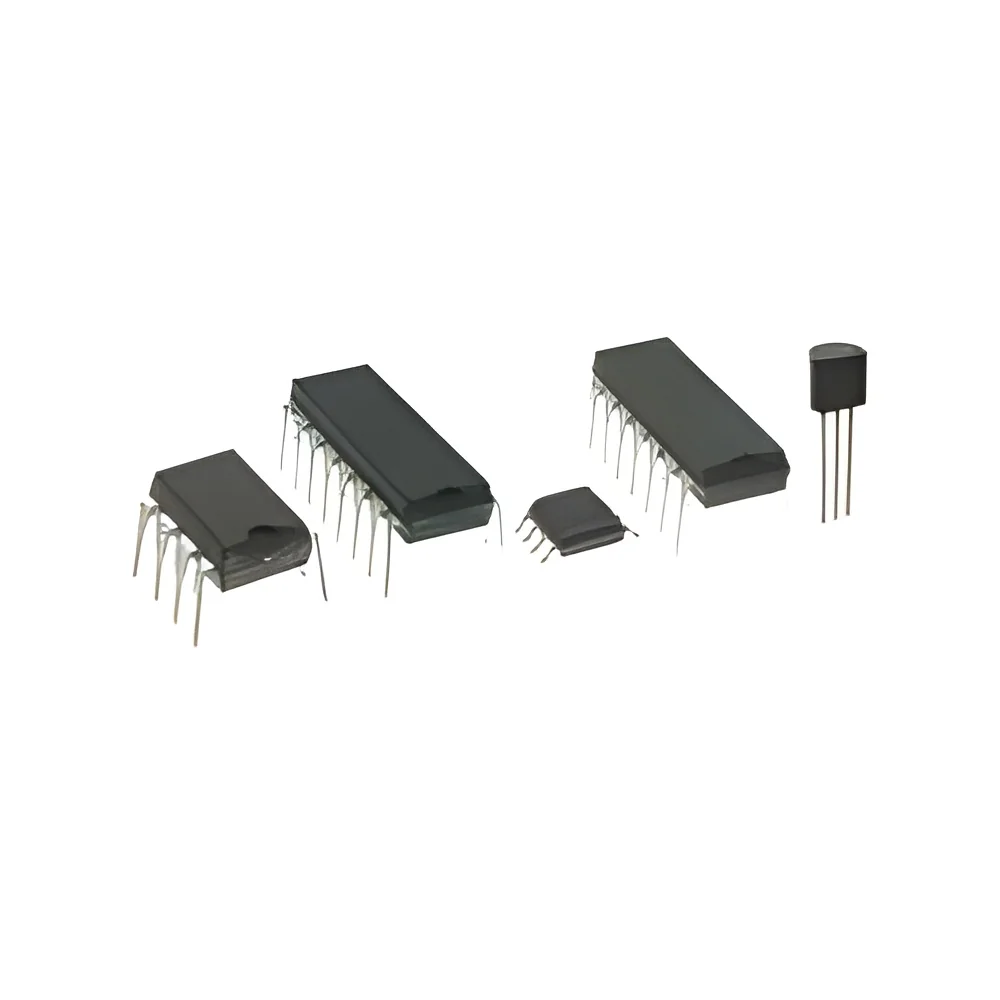
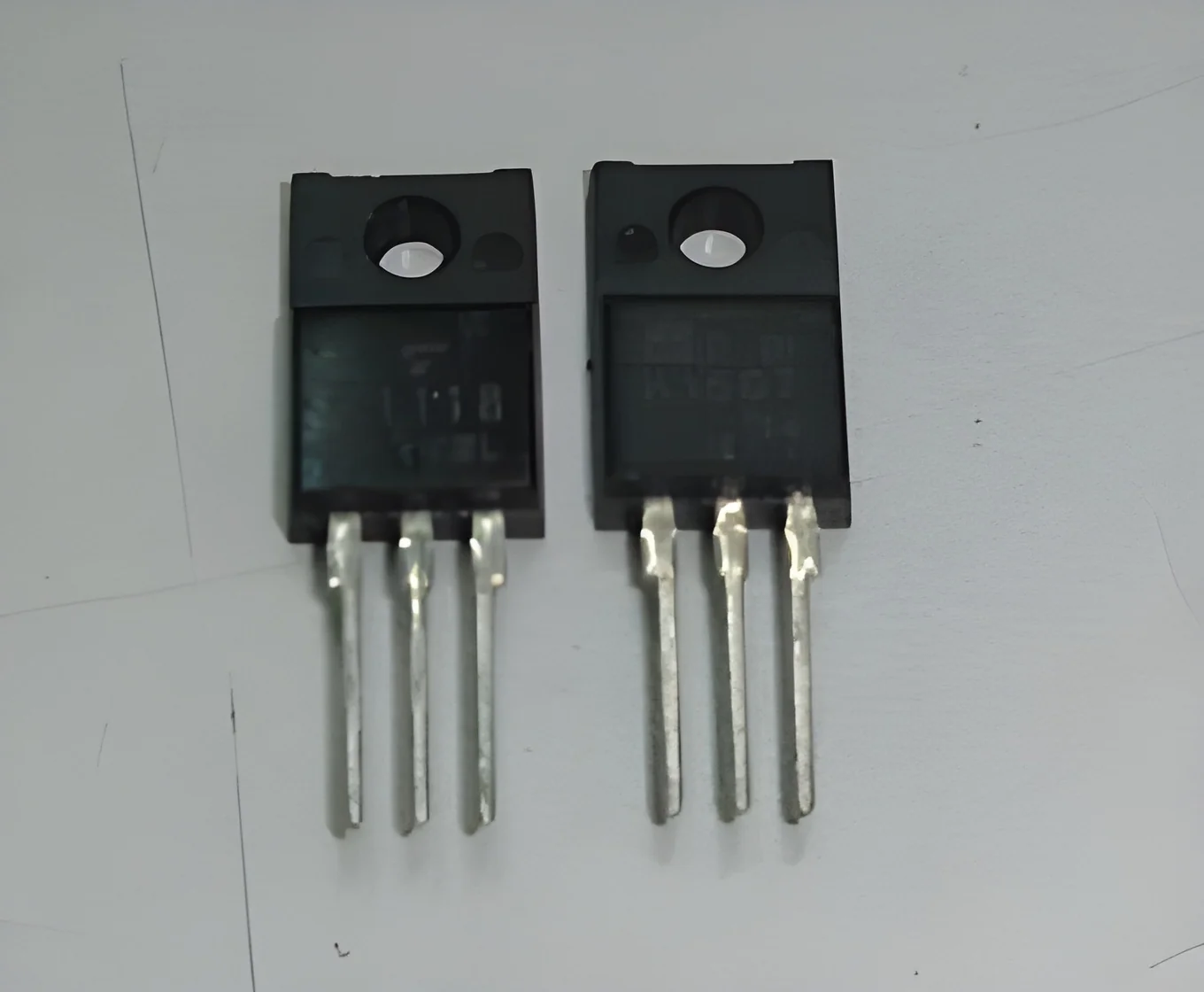
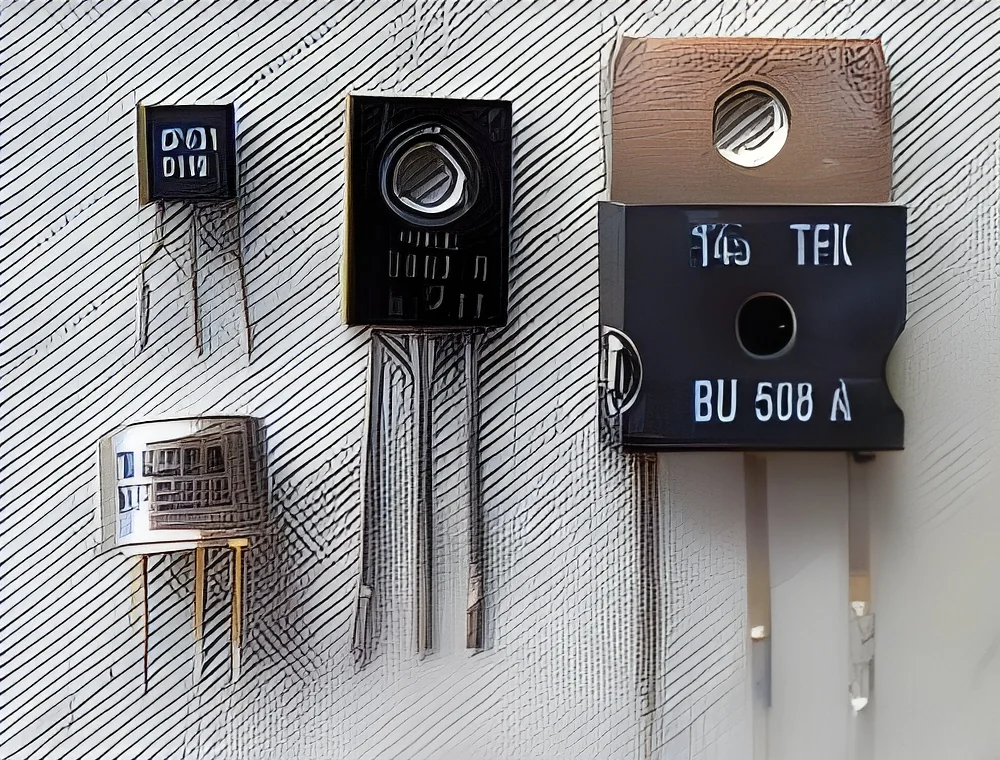
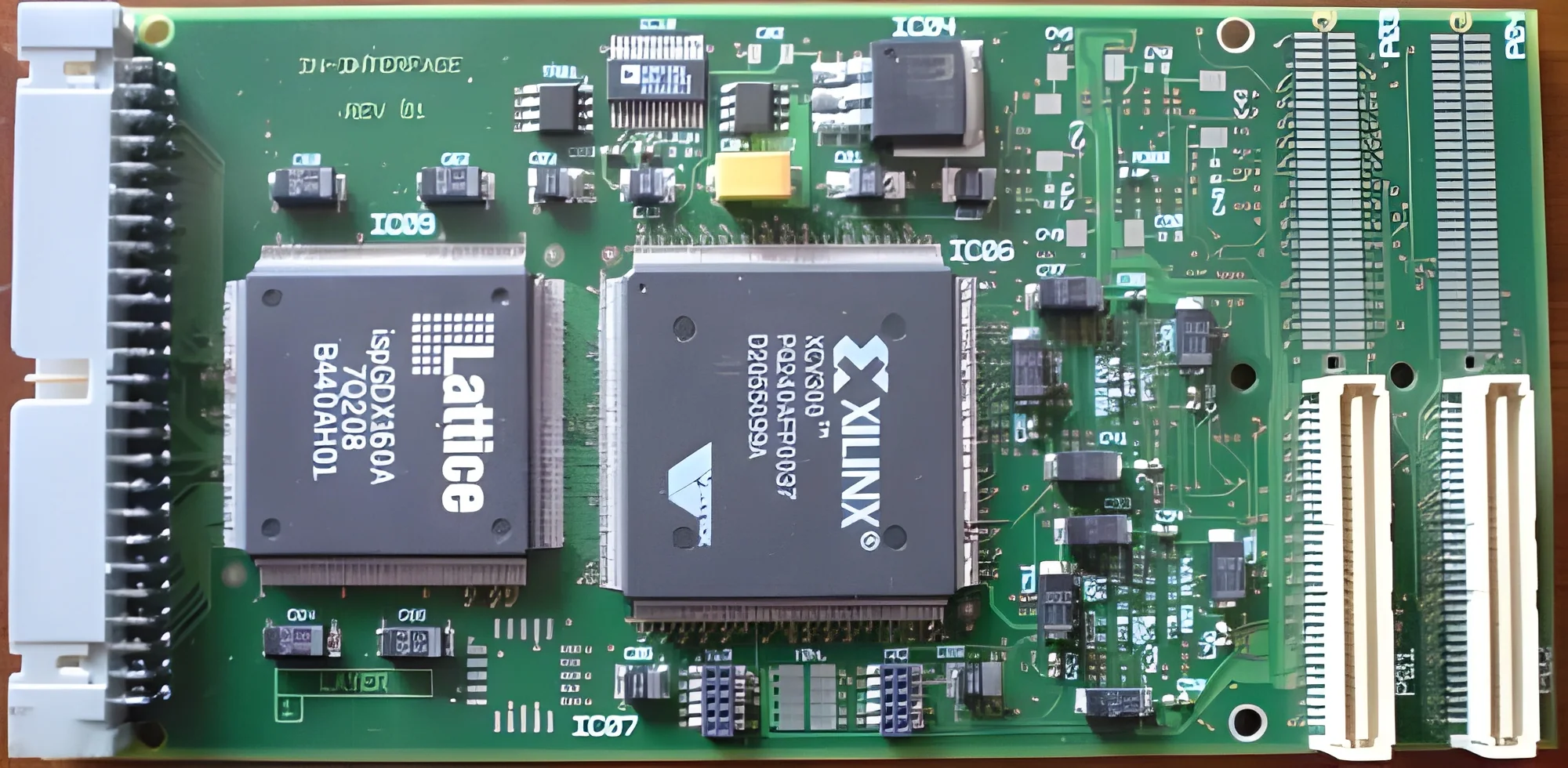
VHDL digital integrated circuits represent advanced electronic components that enable precise system definition through hardware description language implementation. These circuits provide engineers with powerful tools to create complex digital systems with exceptional accuracy and flexibility. Supporting both structural and behavioral design approaches, VHDL ICs facilitate the development of sophisticated electronic architectures ranging from simple logic circuits to advanced microprocessor designs. Their high-performance characteristics make them indispensable for professional electronic design and manufacturing processes where precision and reliability are paramount.

These integrated circuits serve critical roles across multiple industries where electronic performance directly impacts operational success. The aerospace industry utilizes VHDL ICs in navigation systems and flight control computers where reliability is essential. Automotive manufacturers incorporate them into engine c...
VHDL digital integrated circuits represent advanced electronic components that enable precise system definition through hardware description language implementation. These circuits provide engineers with powerful tools to create complex digital systems with exceptional accuracy and flexibility. Supporting both structural and behavioral design approaches, VHDL ICs facilitate the development of sophisticated electronic architectures ranging from simple logic circuits to advanced microprocessor designs. Their high-performance characteristics make them indispensable for professional electronic design and manufacturing processes where precision and reliability are paramount.

These integrated circuits serve critical roles across multiple industries where electronic performance directly impacts operational success. The aerospace industry utilizes VHDL ICs in navigation systems and flight control computers where reliability is essential. Automotive manufacturers incorporate them into engine control units and safety systems that require precise timing and consistent operation. Telecommunications companies depend on these components for signal processing equipment and network infrastructure, while industrial automation systems use them for controlling manufacturing processes with accuracy. Medical device manufacturers also rely on VHDL circuits for diagnostic instruments and therapeutic equipment where precision timing and control are critical for patient safety and effective treatment outcomes.

The business value of VHDL digital integrated circuits lies in their proven reliability and performance consistency across demanding applications. These components significantly reduce development time and costs through their reusable design properties and standardized implementation methodologies. Their track record in critical systems provides assurance to manufacturers and system integrators, while compliance with international quality standards ensures suitability for global market requirements. The inherent flexibility of VHDL-based design allows for efficient customization to meet specific application needs, giving businesses competitive advantages while maintaining the highest levels of operational reliability and performance consistency in their electronic systems.

Key Features:
- High-level VHDL implementation for complex system definition
- Support for structural and behavioral design methodologies
- Customization capabilities for specific application requirements
- Compatibility with FPGA and custom IC design processes
- High-reliability construction for demanding operational environments

Benefits:
- Reduced development time through reusable design properties
- Consistent performance in demanding application environments
- Flexibility to meet specific system requirements and specifications
- Proven reliability in critical operational systems
- Compliance with international quality and performance standards
Specifications
| Additional Information | |
|---|---|
| Country of Origin | India |
Application
VHDL digital integrated circuits form the backbone of modern electronic systems across multiple sectors. These versatile components enable precise functionality definition through structural and behavioral implementations, supporting everything from basic logic operations to complex microprocessor architectures. Their flexibility and reliability make them essential for developing sophisticated electronic systems that meet diverse technological requirements and performance standards.
Industries requiring robust electronic solutions consistently choose VHDL-based integrated circuits for critical applications. These circuits deliver consistent performance in demanding environments where precision and reliability are non-negotiable. From aerospace systems to industrial automation, manufacturers trust VHDL ICs for their proven track record and ability to handle complex operational requirements while maintaining stability and accuracy across various implementation scenarios.
- Aerospace navigation and flight control systems requiring fail-safe operation
- Automotive engine management and advanced driver assistance systems
- Telecommunications infrastructure for high-speed data processing
- Industrial automation controllers for precision manufacturing processes
- Medical diagnostic equipment requiring accurate timing and control
Trade Details
| Available Stock | In Stock |
| Sample Availability | No |
Payment Terms
| Payment Terms |
|
Company Profile
Cirkit Electro Components Private Limited, Maharashtra
 Maharashtra, India
Maharashtra, IndiaDistributor / Wholesaler
Factory Details
Factory SizeBelow 1000 sqm
Annual Production Capacity0
VHDL Digital Integrated Circuits For FPGA And Custom IC Design
VHDL digital integrated circuits provide reliable, high-performance solutions for FPGA and custom IC design, ensuring precision for industrial and commercial electronic systems with proven quality and customization capabilities.
Min. Order Quantity: 1 unit
Shipping
Shipping fee and delivery date to be negotiated. Contact supplier now for more details.
Cirkit Electro Components Private Limited
 Maharashtra, India
Maharashtra, IndiaDistributor / Wholesaler