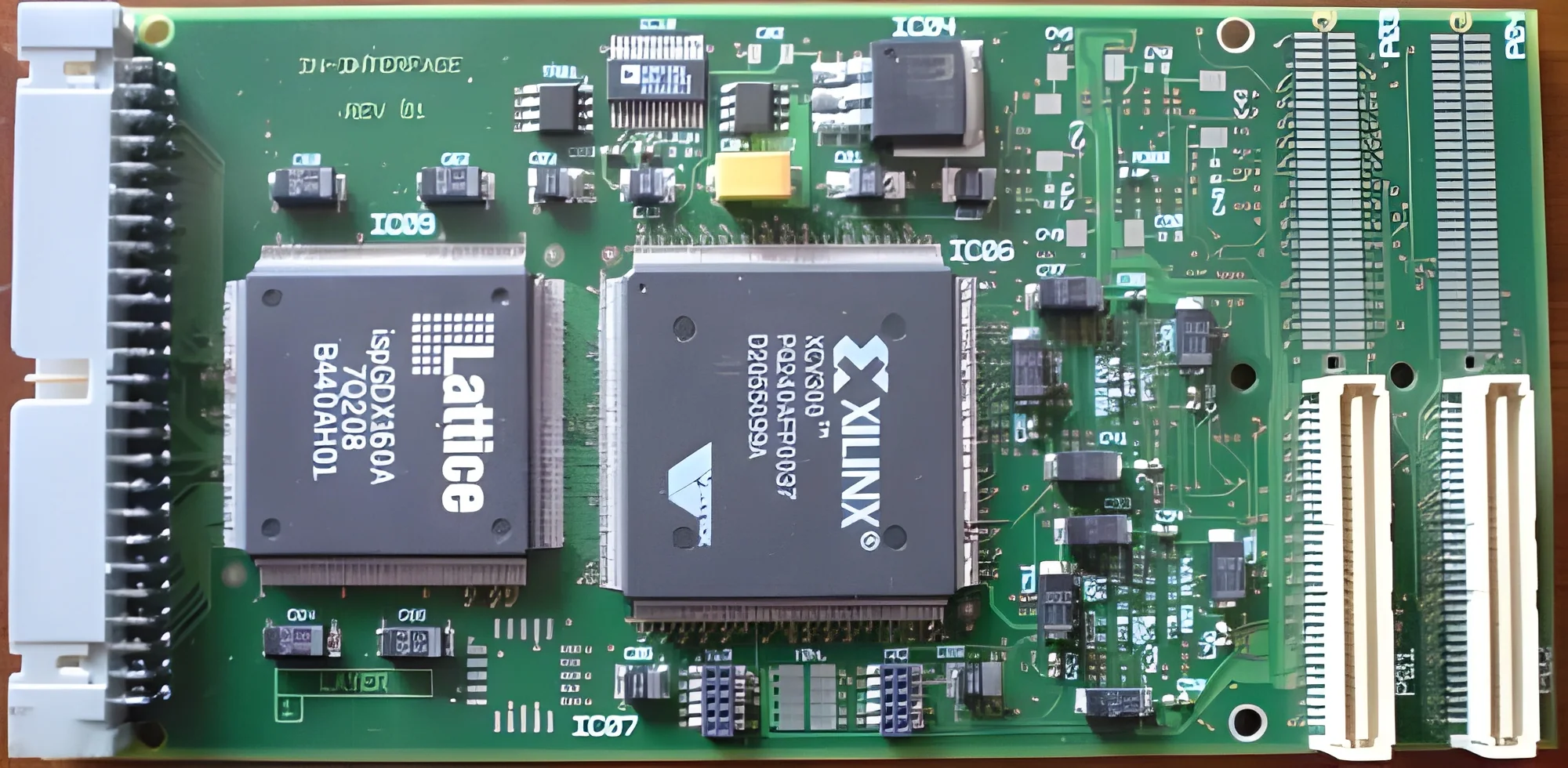
Key Features and Specifications
FPGAs come with a range of features and specifications that enhance their versatility and performance. Understanding these specifications is crucial for selecting the right FPGA for specific applications.
Key specifications include:
1. Logic Elements
- The fundamental building blocks of an FPGA, used to implement logic functions.
- Varies across FPGA models, typically ranging from thousands to millions of logic elements.
2. I/O Pins
- Input/output pins allow the FPGA to interface with other components.
- The number can vary significantly, with some FPGAs offering hundreds to thousands of I/O pins.
3. Memory Capacity
- On-chip memory (such as SRAM or block RAM) used for temporary data storage.
- Available memory ranges from kilobits to several megabits depending on the FPGA.
4. Power Consumption
- The amount of power required for operation, which can impact design choices.
- Specifications may show low-power, mid-range, and high-power options.
5. Maximum Operating Frequency
- The highest clock frequency at which the FPGA can operate effectively.
- Typically specified in megahertz (MHz) or gigahertz (GHz).
6. Configuration Time
- The time taken to load the configuration data into the FPGA.
- Usually measured in milliseconds.
7. Temperature Range
- Operating temperature range to ensure reliability in various environments.
- Data not available for specific temperature ranges.
8. Compliance Standards
- Adherence to industry standards such as CE certification.
- Ensures quality and safety for users.
In summary, understanding the key specifications of FPGAs is essential for businesses to match the right product with their technical requirements and application needs.
Common Applications and Use Cases
FPGAs serve a wide array of industries, demonstrating their adaptability and effectiveness in various applications.
1. Telecommunications: FPGAs are used for signal processing, enabling high-speed data transmission and network management.
2. Automotive: In the automotive sector, FPGAs facilitate advanced driver-assistance systems (ADAS) and real-time processing of sensor data.
3. Aerospace: FPGAs are critical for flight control systems and onboard processing in spacecraft and aircraft.
4. Industrial Automation: FPGAs help control robotic processes and manage complex manufacturing systems, enhancing productivity.
5. Medical Devices: In medical technology, FPGAs are implemented for imaging systems and patient monitoring equipment.
6. Data Centers: FPGAs accelerate data processing and storage functions in large-scale data center operations.
7. Military and Defense: They are used for secure communication systems and advanced radar applications.
Product Variants and Subcategories
FPGAs come in various configurations to accommodate different needs and applications. Each variant offers unique features and capabilities.
Xilinx Virtex Series: This variant is known for its high performance and is ideal for complex applications such as machine learning and data analytics. It features extensive logic resources and high-speed connectivity options.
Intel Stratix Series: Designed for high bandwidth and low latency, this variant is widely used in telecommunications and data centers. Its architecture supports advanced signal processing capabilities.
Lattice iCE40: A low-power FPGA variant suitable for portable and battery-operated devices. It is favored in consumer electronics and wearable technology due to its compact design.
Benefits and Advantages
FPGAs provide numerous advantages that make them an attractive option for businesses.
1. Flexibility: FPGAs can be reprogrammed to meet changing requirements, offering unmatched flexibility for design modifications.
2. Rapid Prototyping: They enable quick testing and iteration of designs, significantly reducing time-to-market for new products.
3. High Performance: FPGAs can handle complex computations efficiently, making them suitable for demanding applications.
4. Cost-Effectiveness: For low to mid-volume production, FPGAs can be more cost-effective compared to custom ASICs.
5. Energy Efficiency: Many FPGA designs optimize power consumption, helping businesses reduce operational costs.
6. Scalability: FPGAs can be scaled to meet increasing demands, making them suitable for evolving applications.
Buying Guide for B2B Buyers
When sourcing FPGA (Field-Programmable Gate Arrays), businesses should consider several important factors to ensure they make informed purchasing decisions.
1. Quality Assessment: Evaluate the quality of the FPGA by reviewing manufacturer specifications and certifications. Look for products that meet recognized industry standards for reliability.
2. Supplier Verification: Conduct thorough research on suppliers to ensure they have a solid reputation and a history of delivering quality products. This may include checking references and customer testimonials.
3. Pricing and MOQ: Understand the pricing structure and minimum order quantities (MOQ) from suppliers. This helps in budgeting and determining feasibility for smaller projects.
4. Delivery and Lead Times: Consider the logistics involved in sourcing FPGAs. Check the lead times for delivery to ensure they align with project timelines.
5. Compliance Requirements: Be aware of any regulatory compliance requirements relevant to your industry, such as CE certification, to ensure that the products meet necessary legal standards.
Compliance and Certifications
FPGAs are subject to several compliance standards and certifications that ensure they meet quality and safety requirements.
Relevant quality standards include ISO 9001, which focuses on quality management systems. This standard helps organizations ensure consistent quality in products and services.
Industry certifications such as CE mark signify that the product meets European safety, health, and environmental protection requirements. This is crucial for businesses operating in or exporting to European markets.
Safety and testing requirements vary by application but typically involve rigorous assessments to ensure reliable performance under specified conditions. Businesses should also consider regional compliance, as different areas may have unique regulatory requirements that must be met.
Why Source FPGA (Field-Programmable Gate Arrays) from Pepagora?
Pepagora provides a trusted platform for sourcing FPGA (Field-Programmable Gate Arrays) with several key advantages that cater to business needs.
Verified Supplier Network: Pepagora connects buyers with a network of verified suppliers, ensuring that businesses have access to high-quality products from reputable manufacturers.
Streamlined RFQ Process: The platform offers a simplified request for quotation (RFQ) process, allowing businesses to easily compare prices and specifications from multiple suppliers, saving time and effort.
Trade Assurance and Support: Buyers benefit from trade assurance, which protects their investments and provides support throughout the purchasing process. This enhances buyer confidence and minimizes risks.
Regional Coverage: Pepagora has a broad geographic reach, including India, GCC countries, and Southeast Asia. This extensive coverage allows businesses to source products locally and efficiently, catering to various market demands.

 IN
IN