
 IN
LED Driver ICs
1 products available
What are LED Driver ICs?
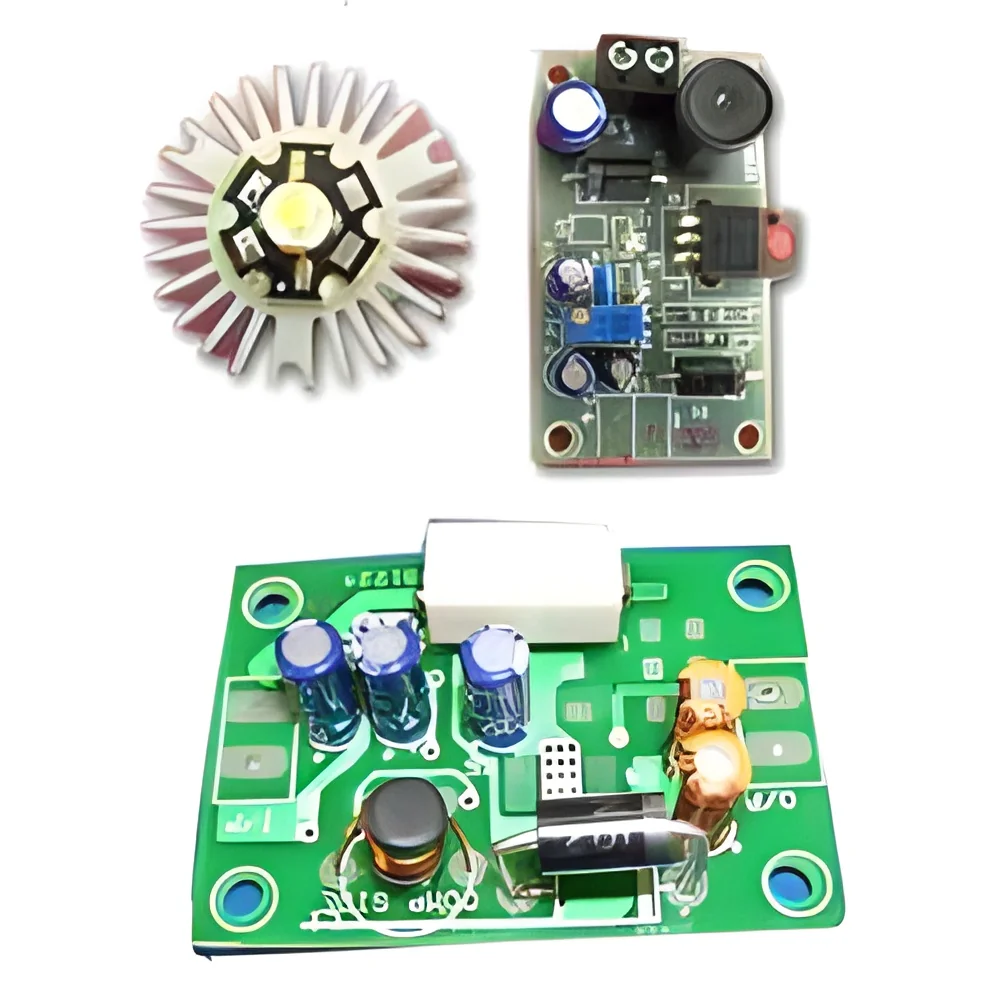
LED Driver Integrated Circuits (ICs) are essential components designed to regulate the current and voltage supplied to LED lights. These specialized circuits convert input power into a controlled output that ensures optimal performance of LEDs. LED Driver ICs can operate in various modes, such as constant current or constant voltage, depending on the requirements of the application. Their design often incorporates features that enhance efficiency, reduce heat generation, and extend the lifespan of the LEDs.
LED Driver ICs find widespread applications in numerous sectors, including automotive lighting, architectural illumination, and consumer electronics. They are crucial in providing consistent brightness and color quality across LED arrays. As the demand for energy-efficient lighting solutions continues to grow, the relevance of LED Driver ICs in the market is increasingly significant. Many industries are shifting towards LED technology, making these components vital for innovation and sustainability in lighting solutions.
Key Features and Specifications
LED Driver ICs come with a variety of features and specifications that cater to different applications. Understanding these specifications is crucial for selecting the right driver for specific LED setups.
Key specifications include:
1. Output Current Regulation
- Ensures a stable output current for LEDs.
- Typical ranges from 20mA to 1A or more, depending on the application.
2. Input Voltage Range
- Accepts a range of input voltages for flexibility.
- Common ranges are from 5V to 60V.
3. Efficiency Rating
- Indicates how much input power is converted to output power.
- Typical efficiency ratings are above 85%, with some models reaching over 90%.
4. Thermal Protection
- Prevents overheating by shutting down the IC when temperatures exceed safe limits.
- Important for maintaining the longevity of the driver and connected LEDs.
5. Dimming Capabilities
- Allows for brightness adjustments through various methods such as PWM or analog dimming.
- Essential for applications requiring different lighting levels.
6. Short-Circuit Protection
- Protects the driver and LEDs from damage due to short circuits.
- Critical for safety in LED installations.
7. Package Type
- Available in various package forms such as SOIC, TSSOP, and QFN.
- Choice of package impacts the design and space requirements of the application.
8. Operating Temperature Range
- Specifies the temperature limits within which the driver can function effectively.
- Typical ranges from -40°C to +125°C, depending on the application environment.
LED Driver ICs are designed to provide reliable performance across various environments, making them suitable for a wide array of applications.
Common Applications and Use Cases
LED Driver ICs have diverse applications across multiple industries. Their ability to efficiently power LEDs makes them integral to modern lighting solutions.
1. Automotive: These drivers are used in headlights, tail lights, and interior lighting systems, ensuring bright and consistent illumination for safety and aesthetic appeal.
2. Architectural Lighting: LED Driver ICs power lighting installations in buildings, allowing for dynamic lighting effects and energy-saving capabilities that enhance architectural features.
3. Consumer Electronics: Products such as televisions and displays utilize LED backlighting, with drivers ensuring optimal brightness and color accuracy for an enhanced viewing experience.
4. Industrial Lighting: In manufacturing and warehousing, LED drivers support high-intensity lighting solutions that improve visibility and safety in operational areas.
5. Outdoor Lighting: Streetlights and landscape lighting benefit from LED Driver ICs that provide energy-efficient solutions while ensuring reliability in various weather conditions.
6. Medical Devices: LED lighting in medical equipment requires precise control, which is achieved through specialized LED Driver ICs that meet stringent safety standards.
7. Signage: Billboards and electronic displays utilize these drivers to maintain vibrant colors and consistency in illumination, capturing the attention of viewers effectively.
Product Variants and Subcategories
LED Driver ICs come in various configurations to meet specific application needs. Although subcategories are not available, the diversity in design allows for tailored solutions.
Constant Current Drivers
These drivers provide a steady output current, making them ideal for applications where consistent brightness is crucial, such as in LED lighting systems.
Constant Voltage Drivers
Designed to supply a fixed voltage, these drivers are suitable for LED strips and arrays where the voltage remains constant, ensuring uniform lighting.
Step-Down (Buck) Converters
These drivers efficiently convert higher input voltages to lower output voltages required by LEDs, offering flexibility for various applications.
Step-Up (Boost) Converters
Ideal for battery-operated devices, these drivers increase input voltage to meet the needs of high-power LEDs.
Benefits and Advantages
LED Driver ICs offer several advantages that contribute to energy efficiency and improved performance in lighting systems.
Key benefits include:
1. Energy Efficiency: LED Driver ICs optimize power consumption, leading to reduced energy costs and a lower carbon footprint.
2. Enhanced Lifespan: By providing stable current and voltage, these drivers help extend the lifespan of LEDs, resulting in lower maintenance costs.
3. Versatile Applications: The adaptability of LED Driver ICs allows them to be used in various sectors, from automotive to consumer electronics.
4. Safety Features: Integrated protection mechanisms ensure safe operation, reducing the risk of damage to both the drivers and the LEDs.
5. Dimming Capabilities: The ability to adjust brightness levels adds functionality to lighting systems, enhancing user experience and versatility.
6. Compact Design: Many LED Driver ICs are designed to occupy minimal space, facilitating easier integration into compact devices and systems.
Buying Guide for B2B Buyers
When sourcing LED Driver ICs, it is essential to consider several factors to ensure the right choice for your application.
1. Quality Assessment: Evaluate the performance and reliability of the LED Driver ICs by looking for products that meet industry standards and have a proven track record.
2. Supplier Verification: Conduct thorough research on suppliers to ensure they provide high-quality products. Look for certifications and customer reviews that can help gauge their credibility.
3. Pricing and MOQ: Understand the pricing structures and minimum order quantities (MOQ) to align with your budget and project needs. Competitive pricing can significantly impact overall project costs.
4. Delivery and Lead Times: Consider the logistics of sourcing LED Driver ICs, including delivery schedules. Reliable suppliers should provide clear timelines for order fulfillment.
5. Compliance Requirements: Ensure that the LED Driver ICs meet relevant regulatory standards and certifications, such as CE, to guarantee safety and reliability in your applications.
Compliance and Certifications
LED Driver ICs are subject to various compliance and certification standards that ensure their safety and performance in the market.
Key quality standards include ISO 9001, which emphasizes quality management systems and ensures that manufacturers maintain high standards throughout their production processes. Compliance with this standard can enhance product reliability and customer satisfaction.
Industry certifications, such as CE, indicate that the product meets European safety and environmental protection requirements. This certification is crucial for companies operating in or exporting to European markets.
Additionally, LED Driver ICs must adhere to safety and testing requirements that verify their performance under specified conditions. These tests ensure that the drivers operate safely within their designated temperature and humidity ranges.
Regional compliance considerations may vary, necessitating awareness of local regulations that could impact the sourcing and deployment of LED Driver ICs in specific markets.
Why Source LED Driver ICs from Pepagora?
Pepagora provides a trusted platform for sourcing LED Driver ICs with several key advantages that benefit B2B buyers.
Verified Supplier Network: Pepagora partners with a network of verified suppliers who meet stringent quality standards. This ensures that buyers receive reliable products that can meet their specific requirements.
Streamlined RFQ Process: The platform simplifies the request for quotation (RFQ) process, allowing buyers to easily compare prices and features from multiple suppliers. This efficiency helps in making informed purchasing decisions.
Trade Assurance and Support: Pepagora offers trade assurance to protect buyer transactions, ensuring that payments are secure and that products are delivered as promised. This added layer of support enhances buyer confidence.
Regional Coverage: With a focus on the Indian market, as well as the GCC and Southeast Asia, Pepagora provides extensive geographic reach, making it easier for businesses in these regions to source high-quality LED Driver ICs tailored to their needs.

Frequently Asked Questions
What are LED Driver ICs?
LED Driver ICs are integrated circuits specifically designed to drive light-emitting diodes (LEDs). They regulate the current and voltage supplied to LEDs, ensuring optimal performance and longevity while preventing damage from overcurrent or overheating.
What are the different types of LED Driver ICs?
There are several types of LED Driver ICs, including constant current drivers, constant voltage drivers, and programmable LED drivers. Each type serves specific applications, with constant current drivers being commonly used for general lighting and constant voltage drivers suited for architectural lighting.
How do I choose the right LED Driver ICs?
Choosing the right LED Driver ICs involves considering factors such as the LED voltage and current requirements, the application type, and thermal management needs. Additionally, compatibility with existing circuits and desired features like dimming or programmable settings should be evaluated.
What are the standard specifications for LED Driver ICs?
Standard specifications for LED Driver ICs include input voltage range, output current range, efficiency, and thermal performance. Other important specifications may include switching frequency, dimming capabilities, and protection features such as overvoltage and thermal shutdown.
What is the price range for LED Driver ICs?
The price range for LED Driver ICs can vary significantly based on the type, specifications, and manufacturer. Generally, prices can start from a few rupees for basic models to several hundred rupees for advanced drivers with specialized features.
What quality standards apply to LED Driver ICs?
Quality standards for LED Driver ICs typically include compliance with international safety and performance standards such as IEC, UL, and RoHS. Manufacturers often adhere to these standards to ensure reliability, safety, and environmental compliance.
Where can I find LED Driver ICs suppliers in India?
You can find LED Driver ICs suppliers in India through B2B marketplaces such as Pepagora, industry trade shows, and online directories. Searching for manufacturers and distributors that specialize in electronic components can also yield reliable suppliers.
Can LED Driver ICs be customized?
Yes, many manufacturers offer customization options for LED Driver ICs to meet specific application requirements. Customizations may include tailored output specifications, packaging options, and additional features based on customer needs.
What is the typical minimum order quantity for LED Driver ICs?
The typical minimum order quantity (MOQ) for LED Driver ICs can vary among suppliers but generally ranges from 100 to 1000 units. It is advisable to check with individual manufacturers for their specific MOQs.
What is the typical lead time for LED Driver ICs?
The typical lead time for LED Driver ICs can range from 2 to 6 weeks, depending on the supplier, stock availability, and order quantity. Custom orders may have longer lead times due to additional manufacturing processes.
Why Businesses Trust Pepagora
Thousands of companies trust Pepagora to source smarter and sell faster
Expand Your Sales Globally

Source Smarter,Grow Faster
