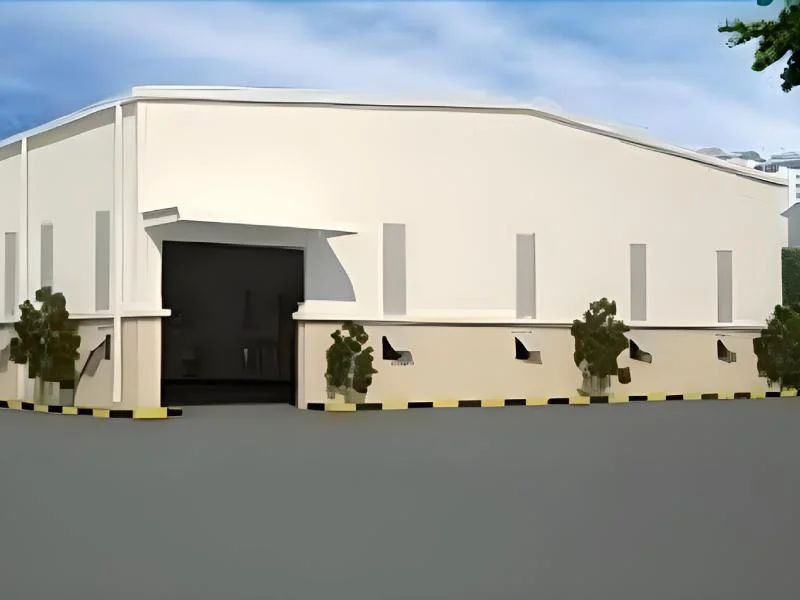
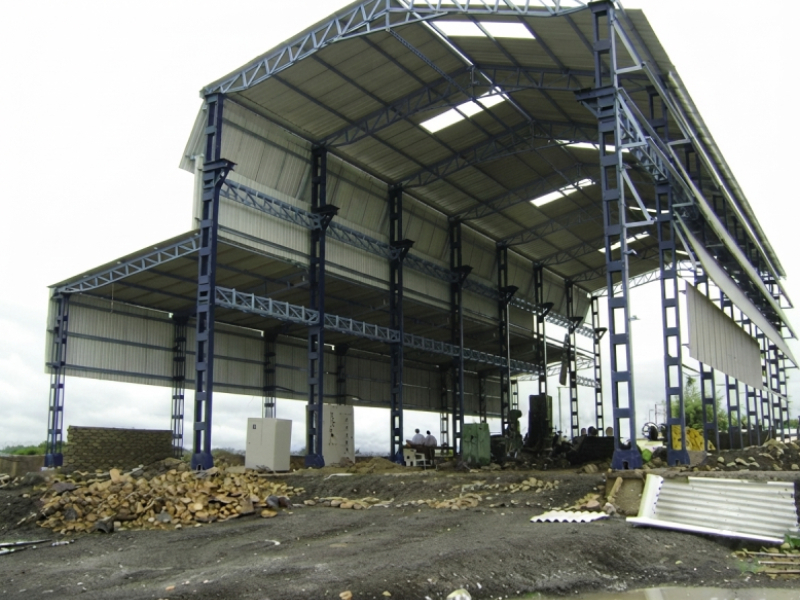
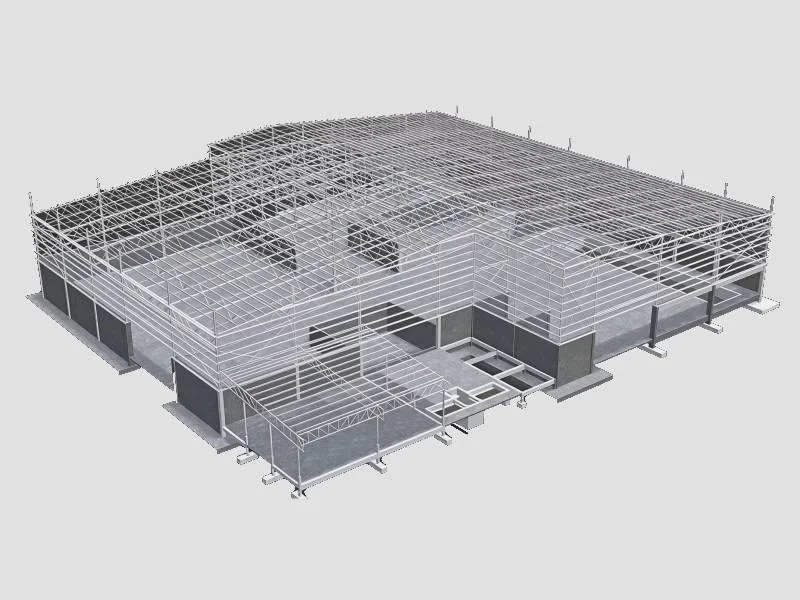
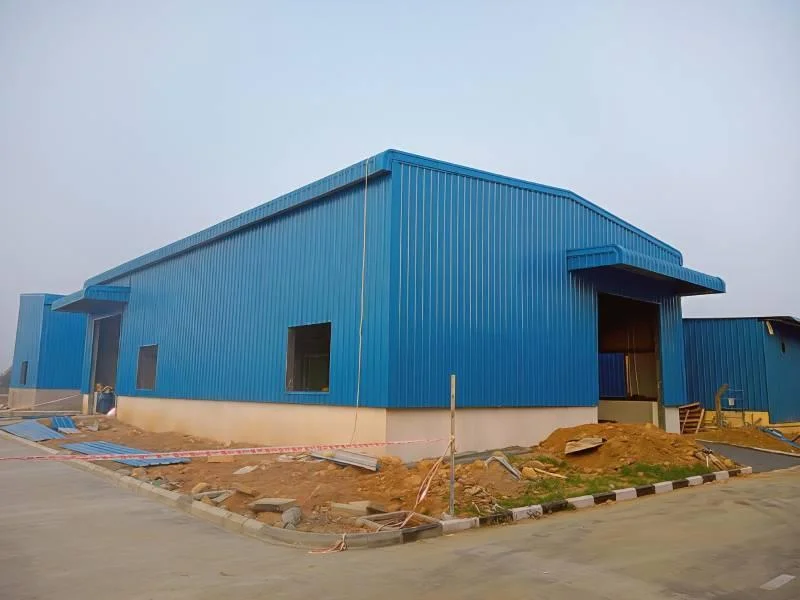
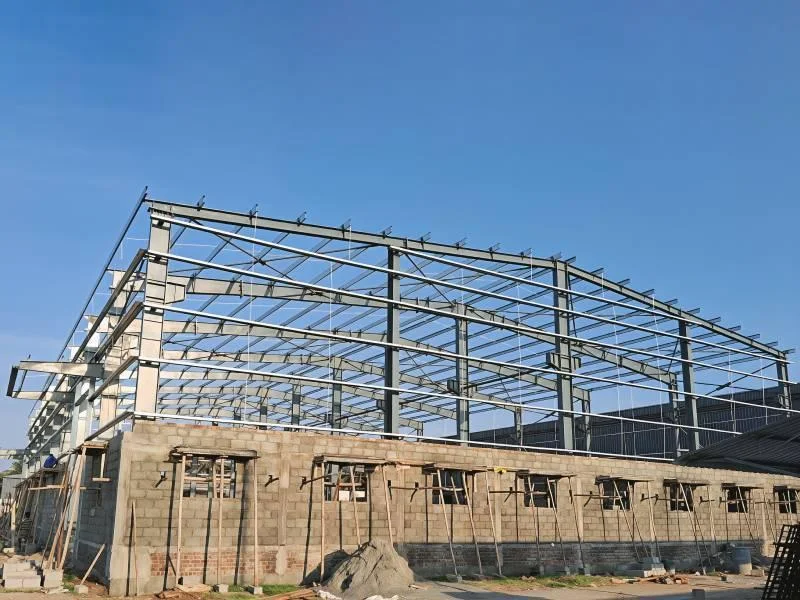
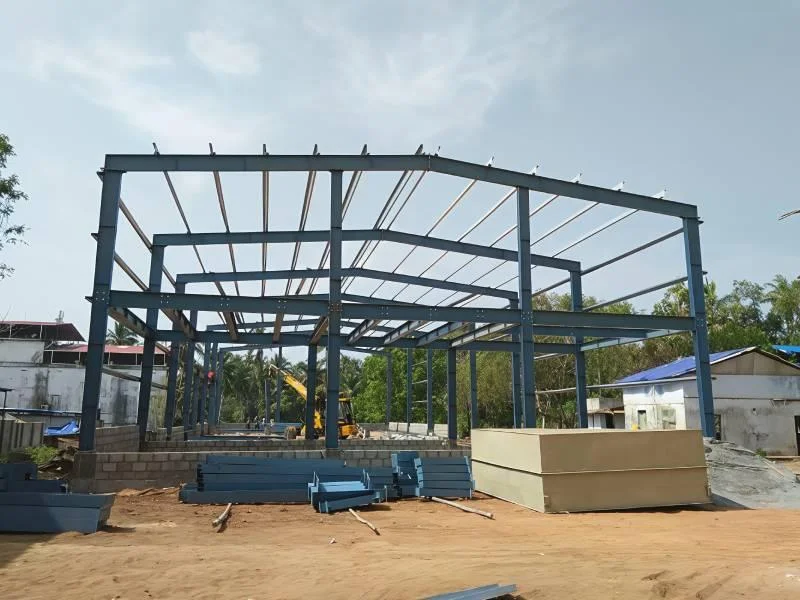
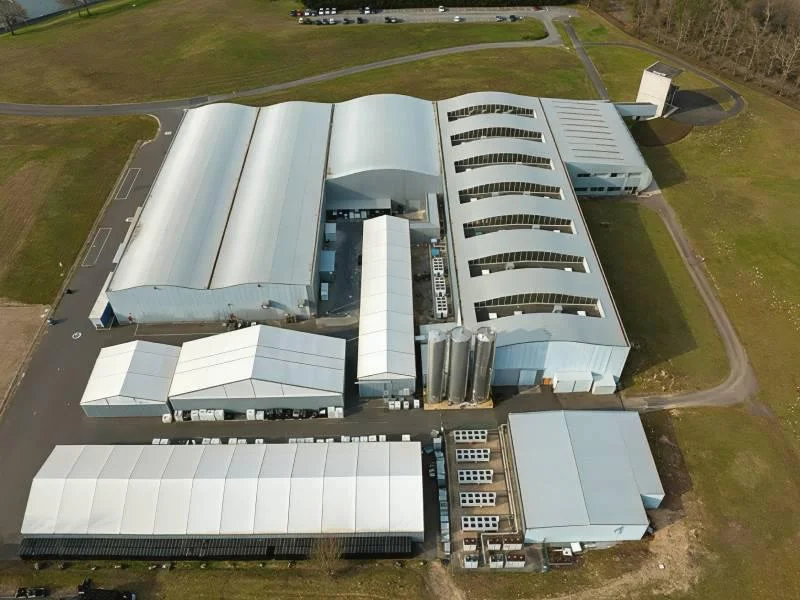
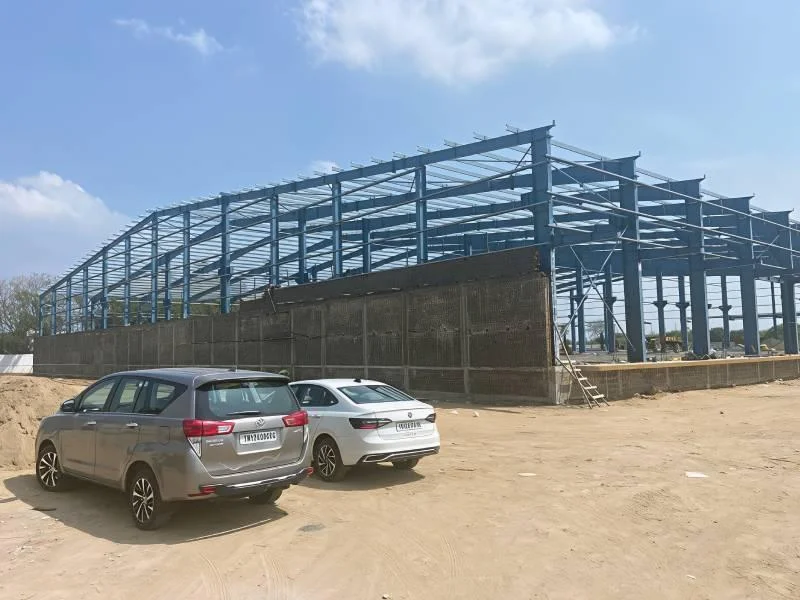
What are Pre-Engineered Buildings (PEB)?
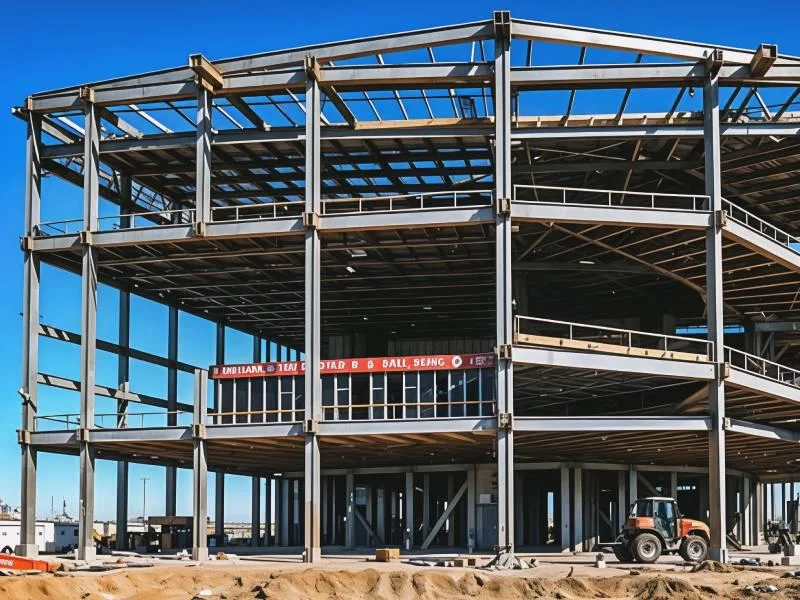
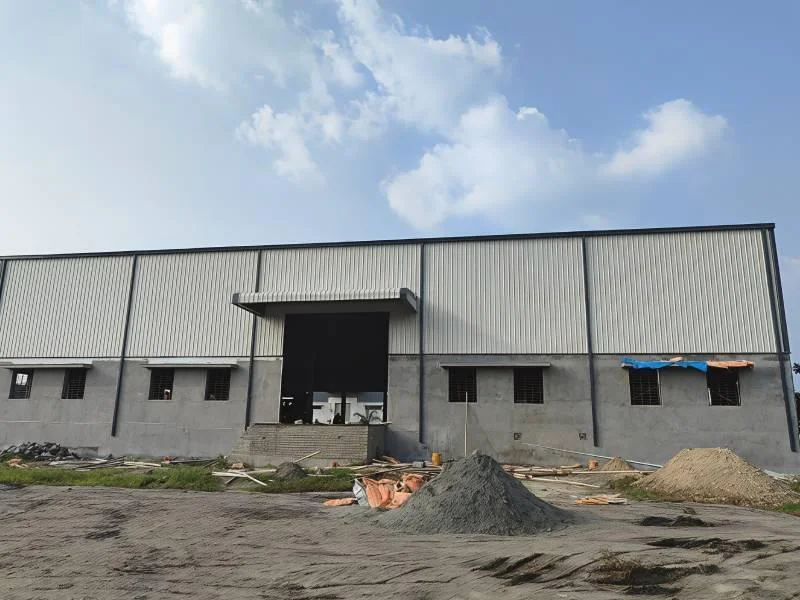
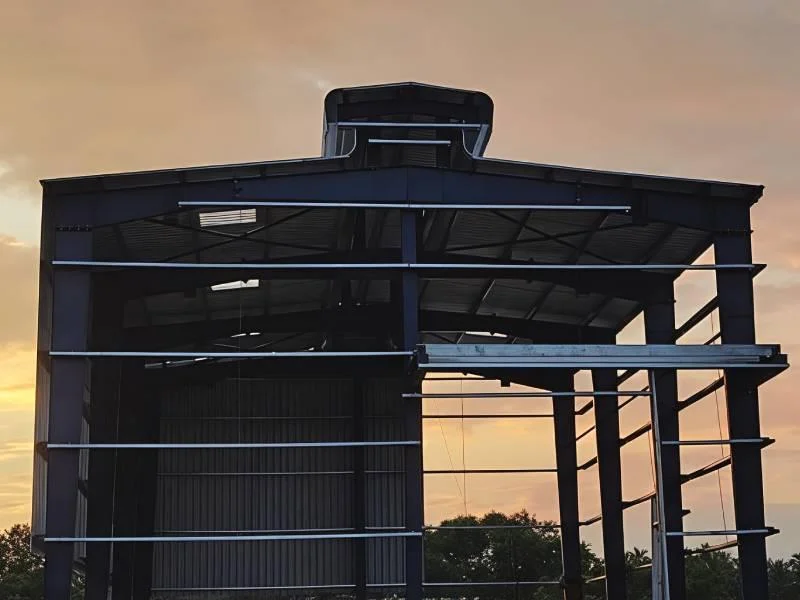
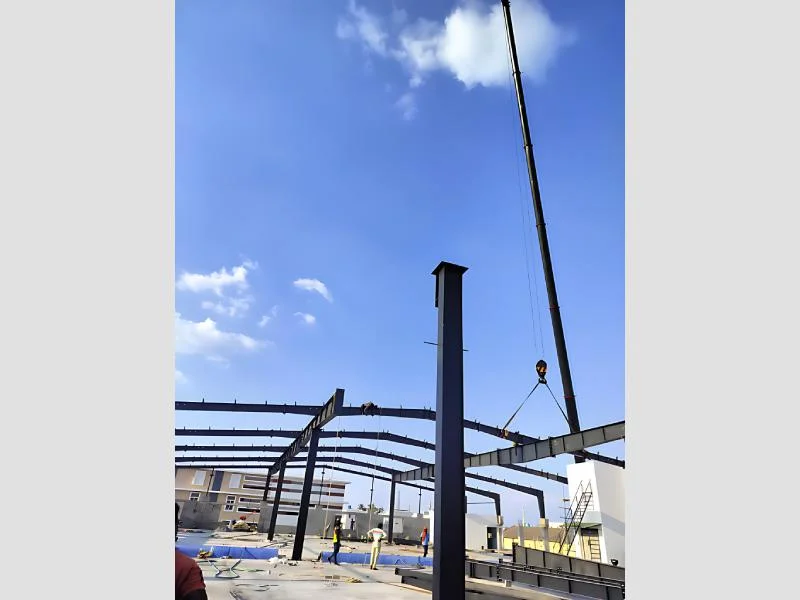
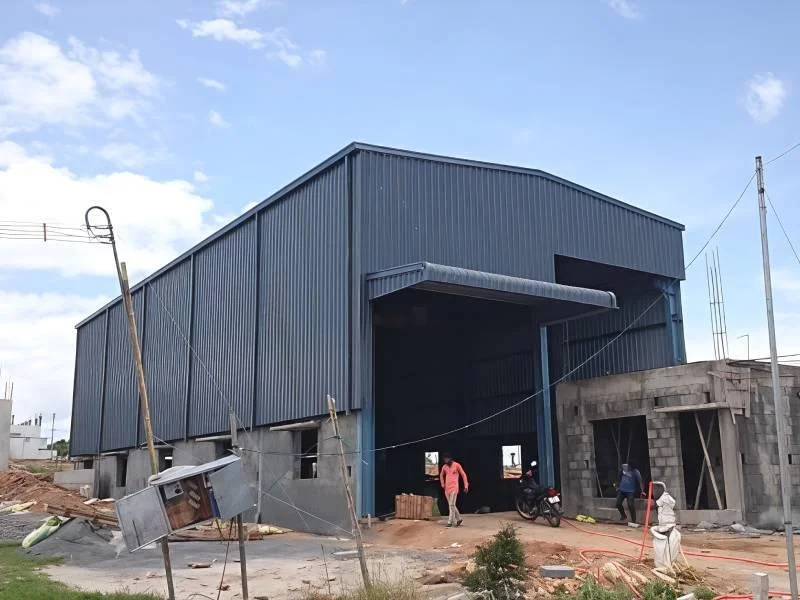
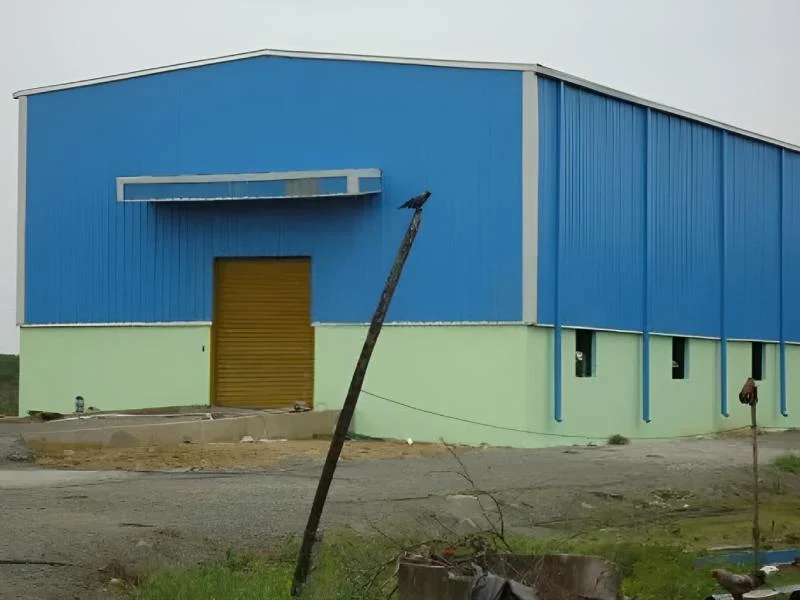
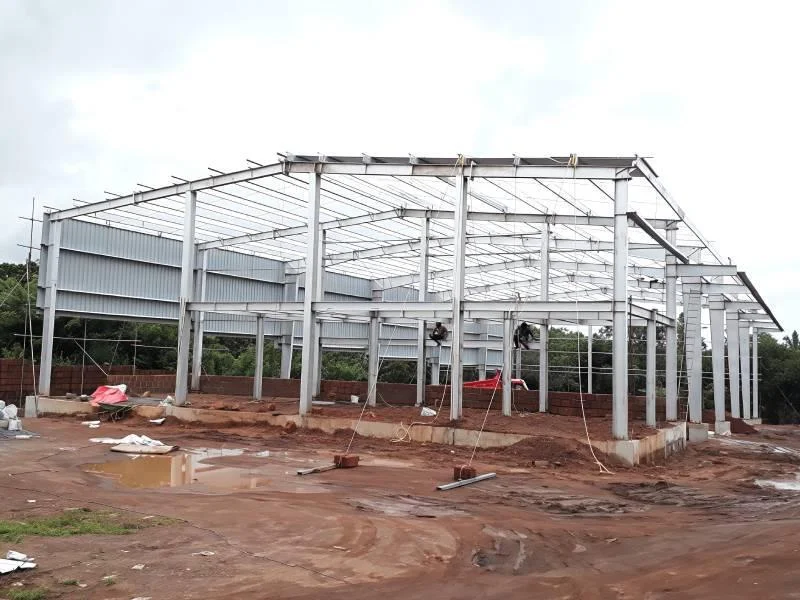
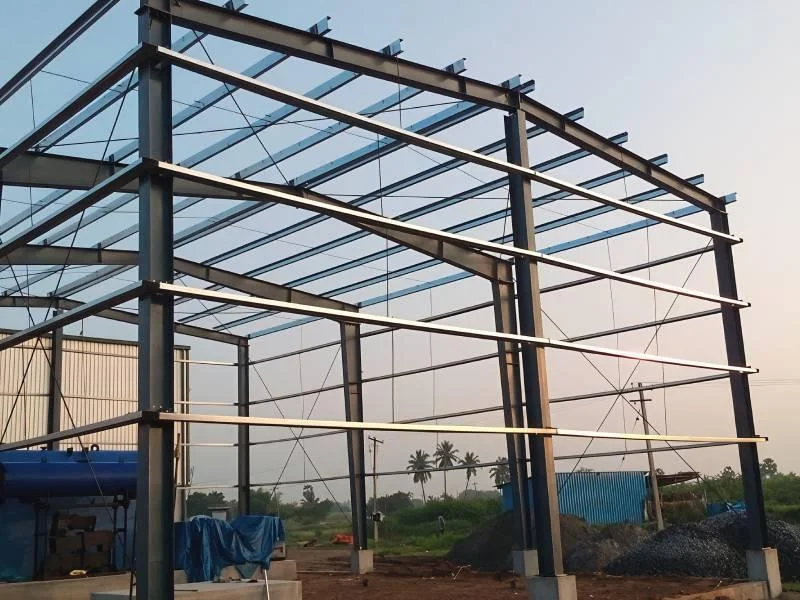
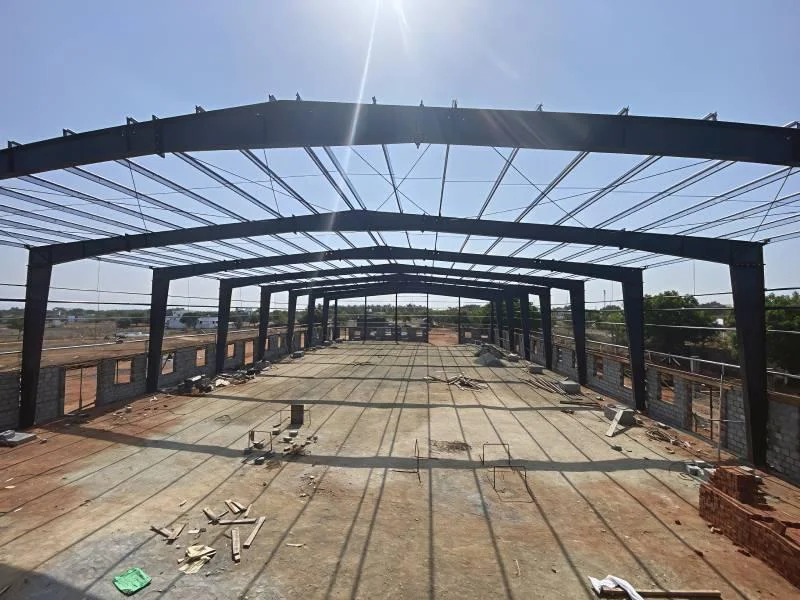
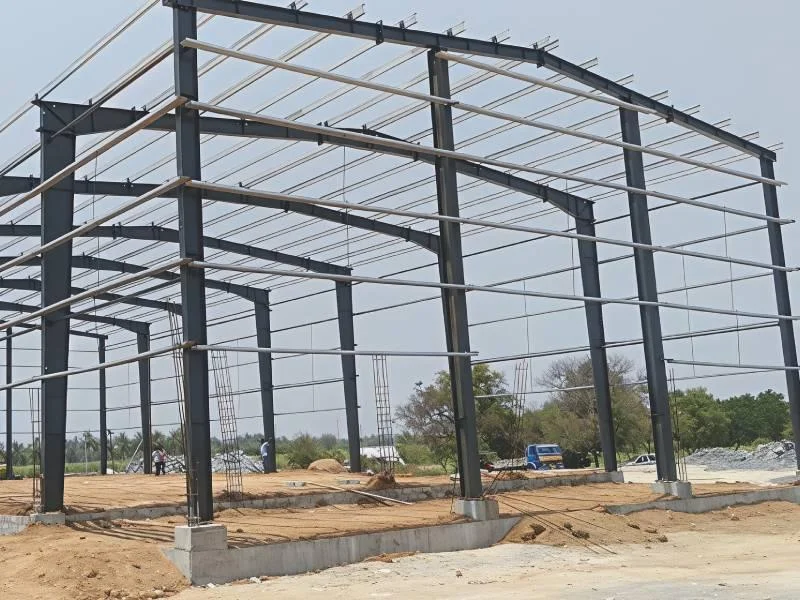
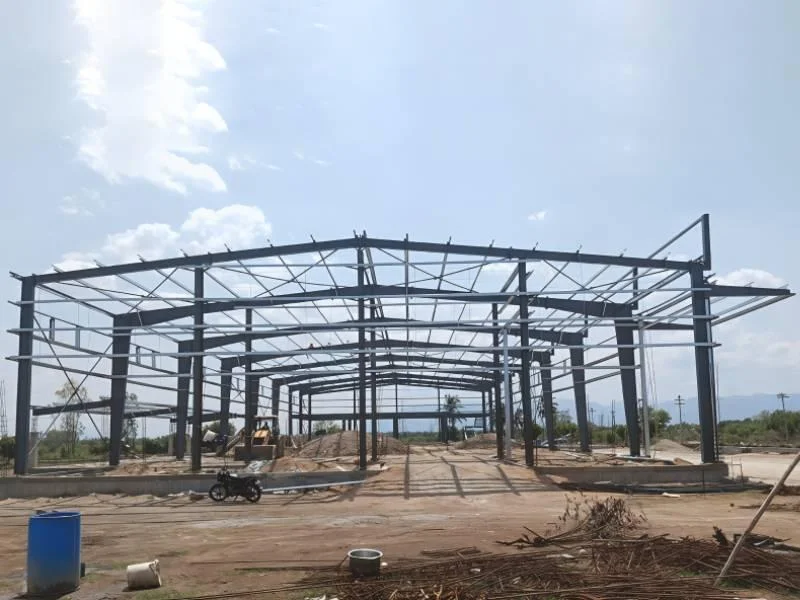
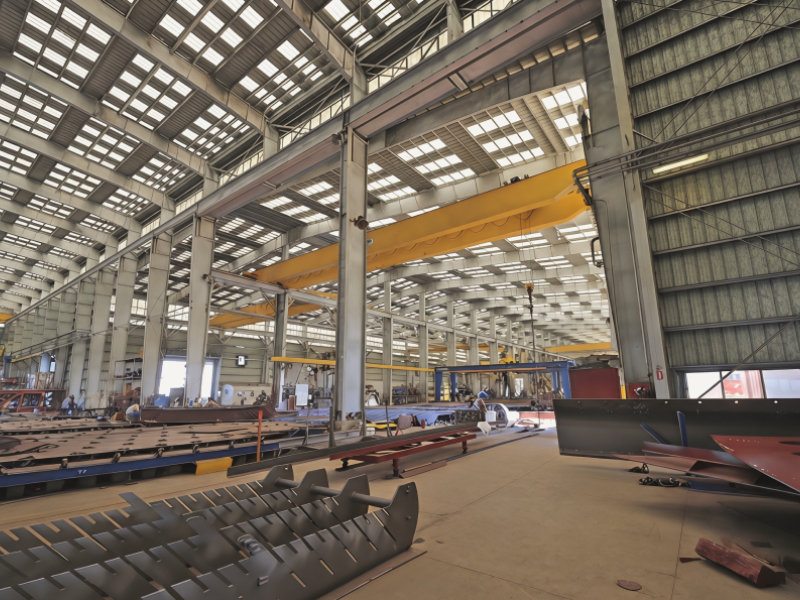
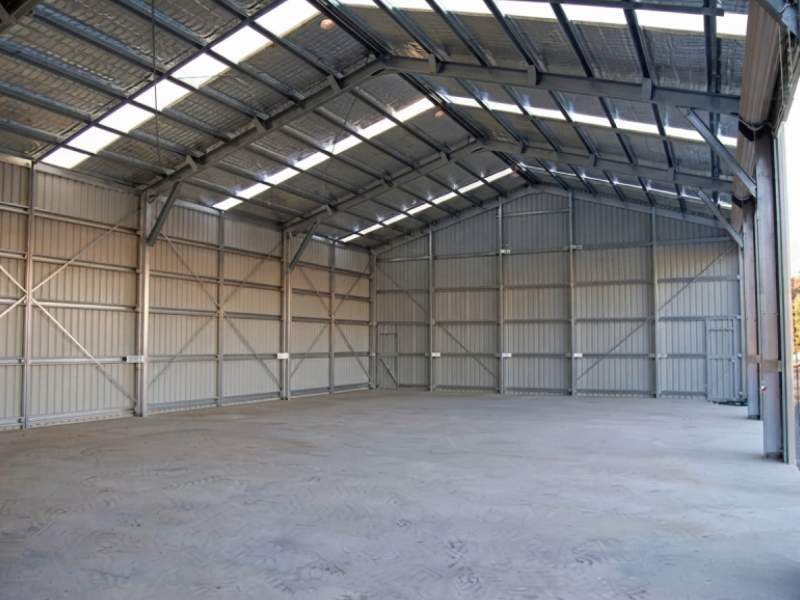
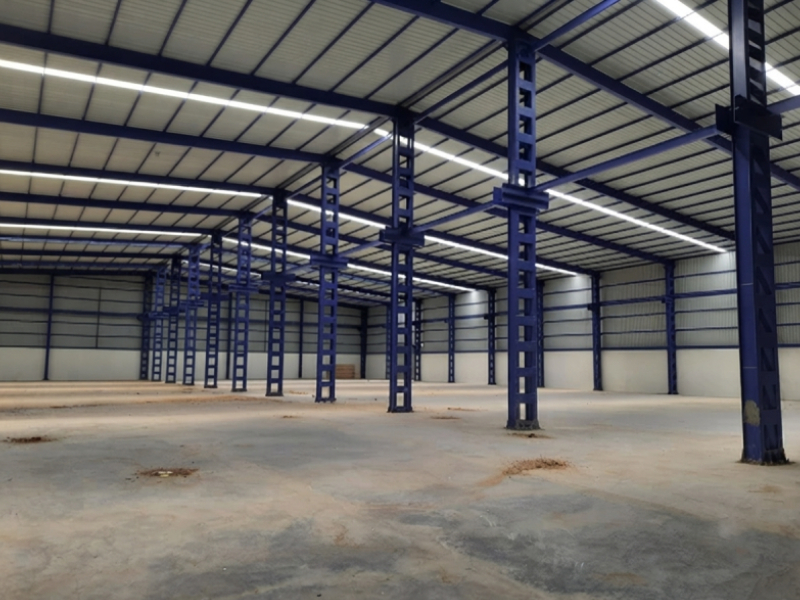
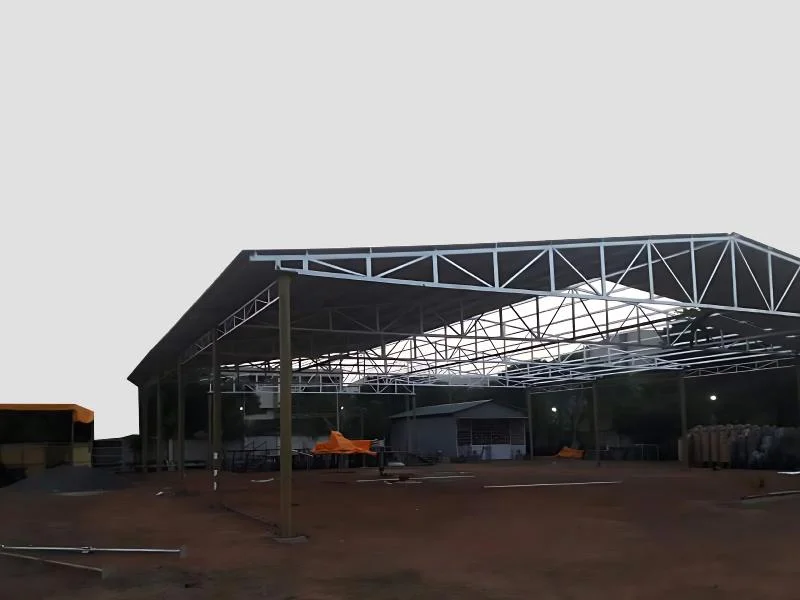
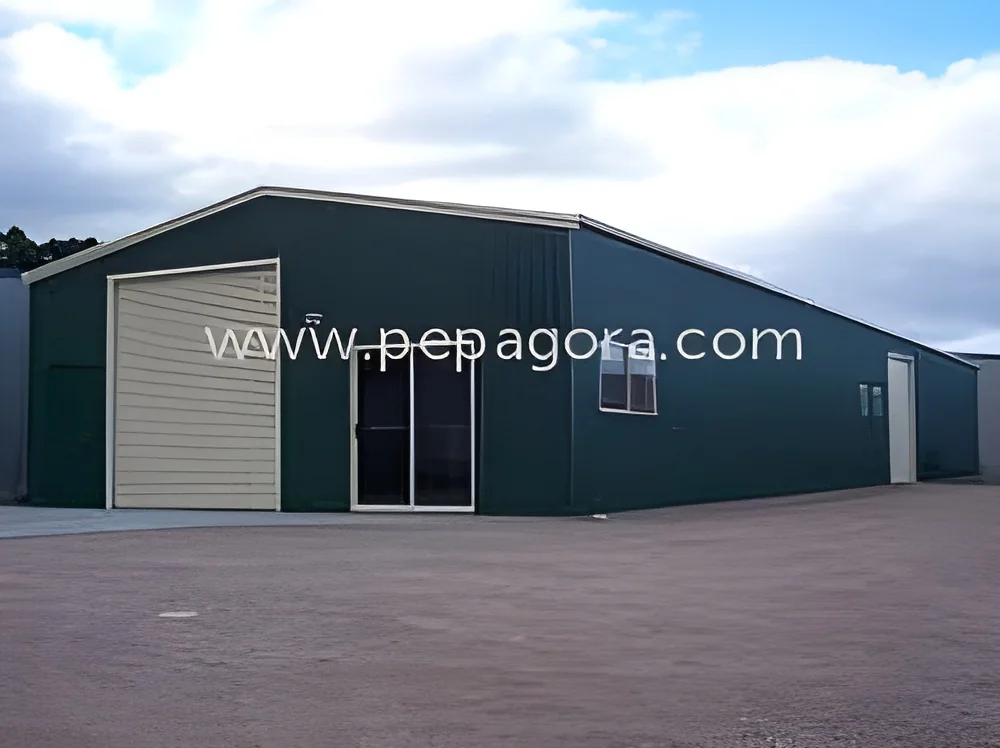
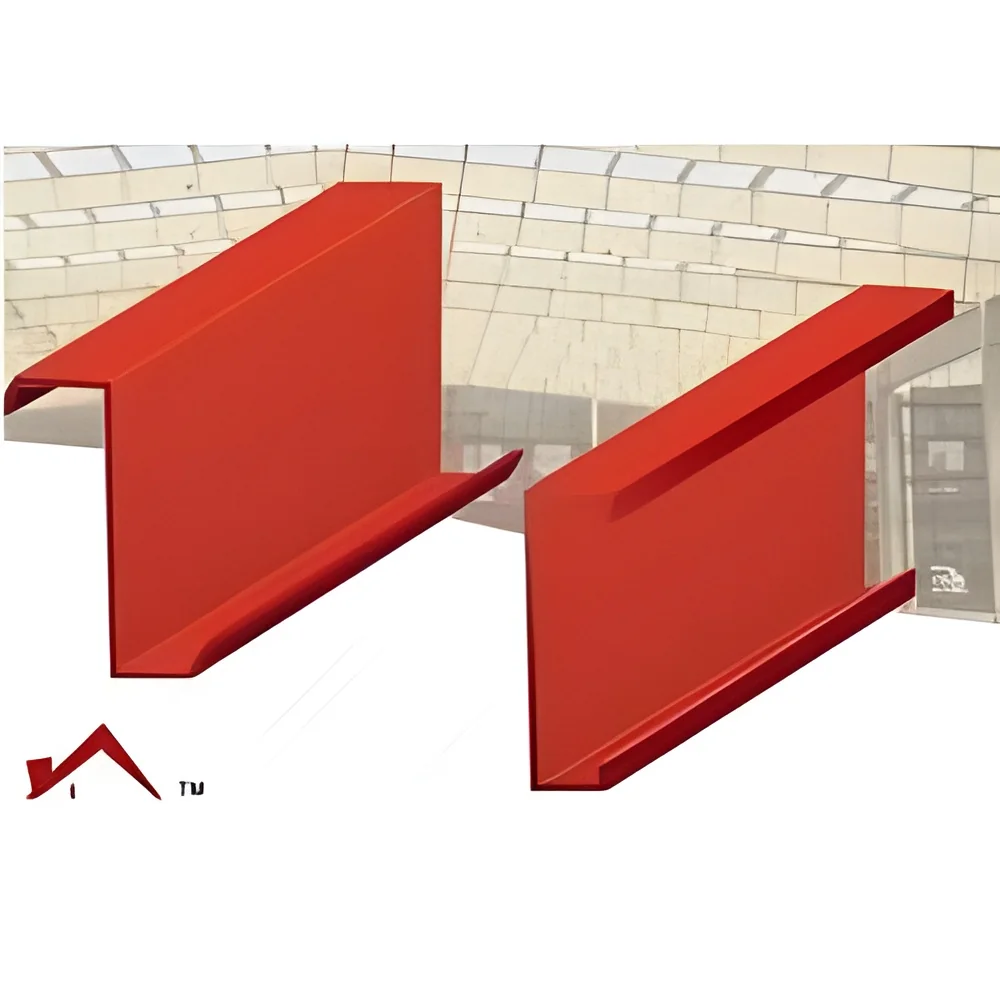
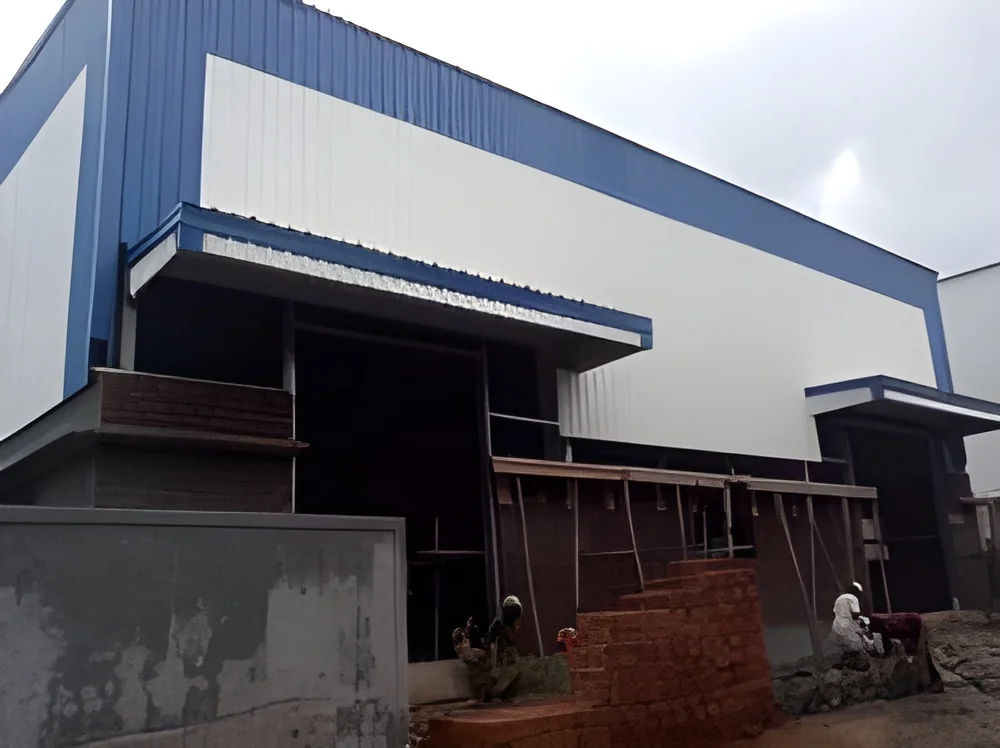
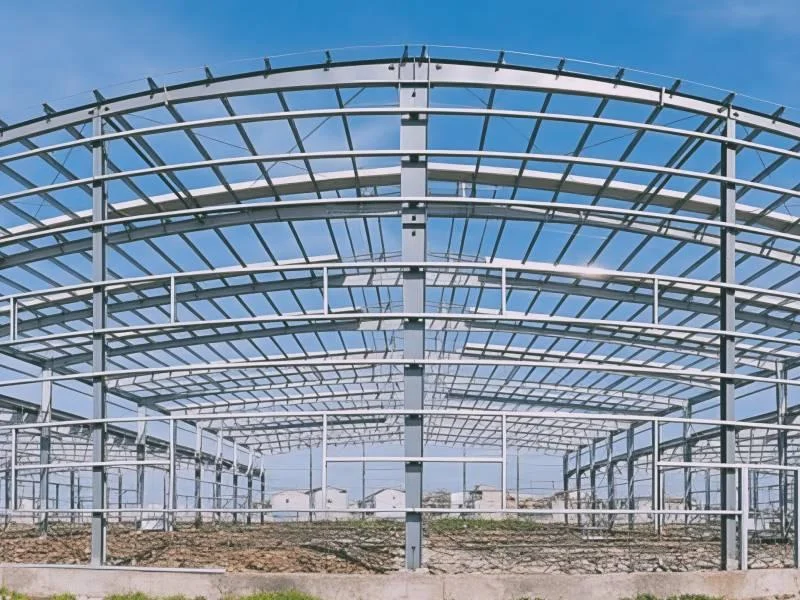
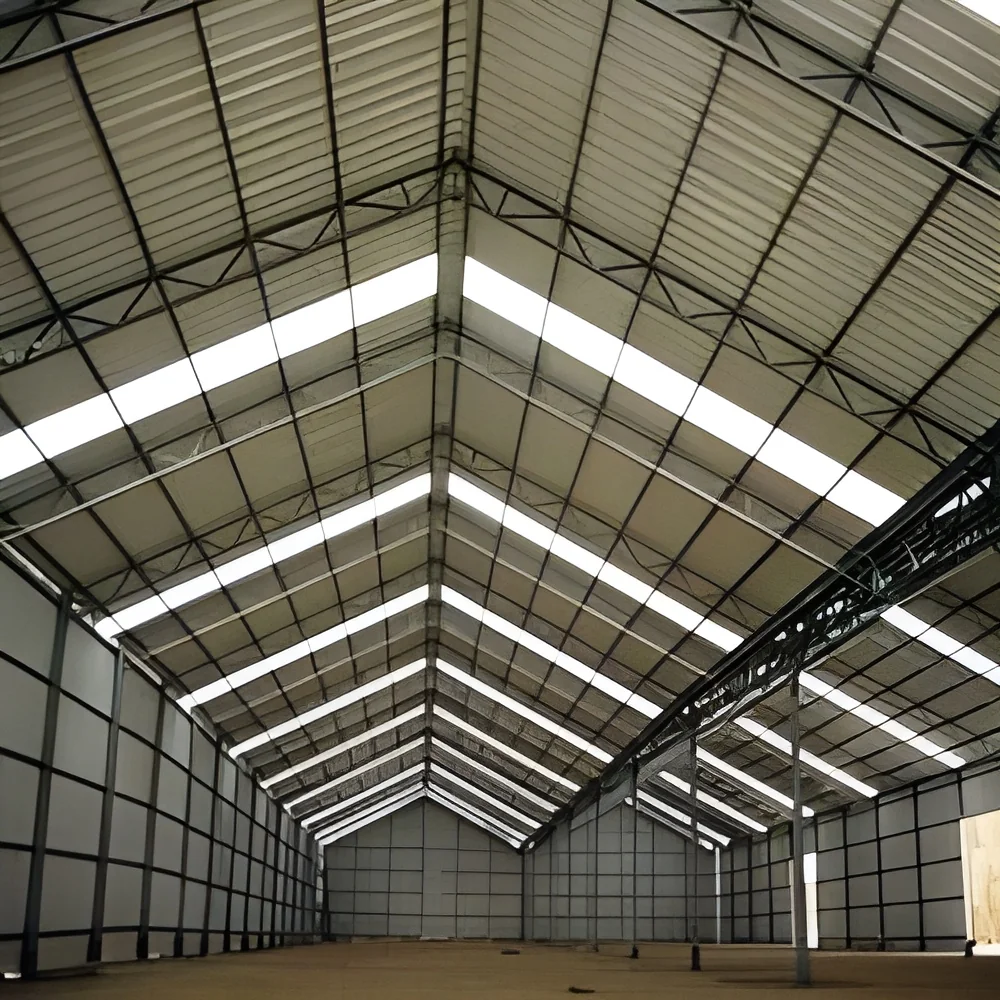
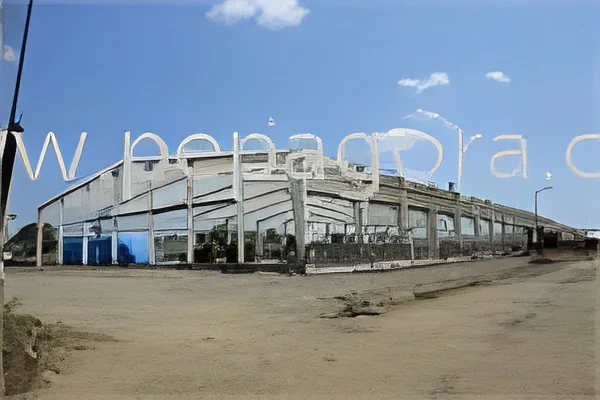
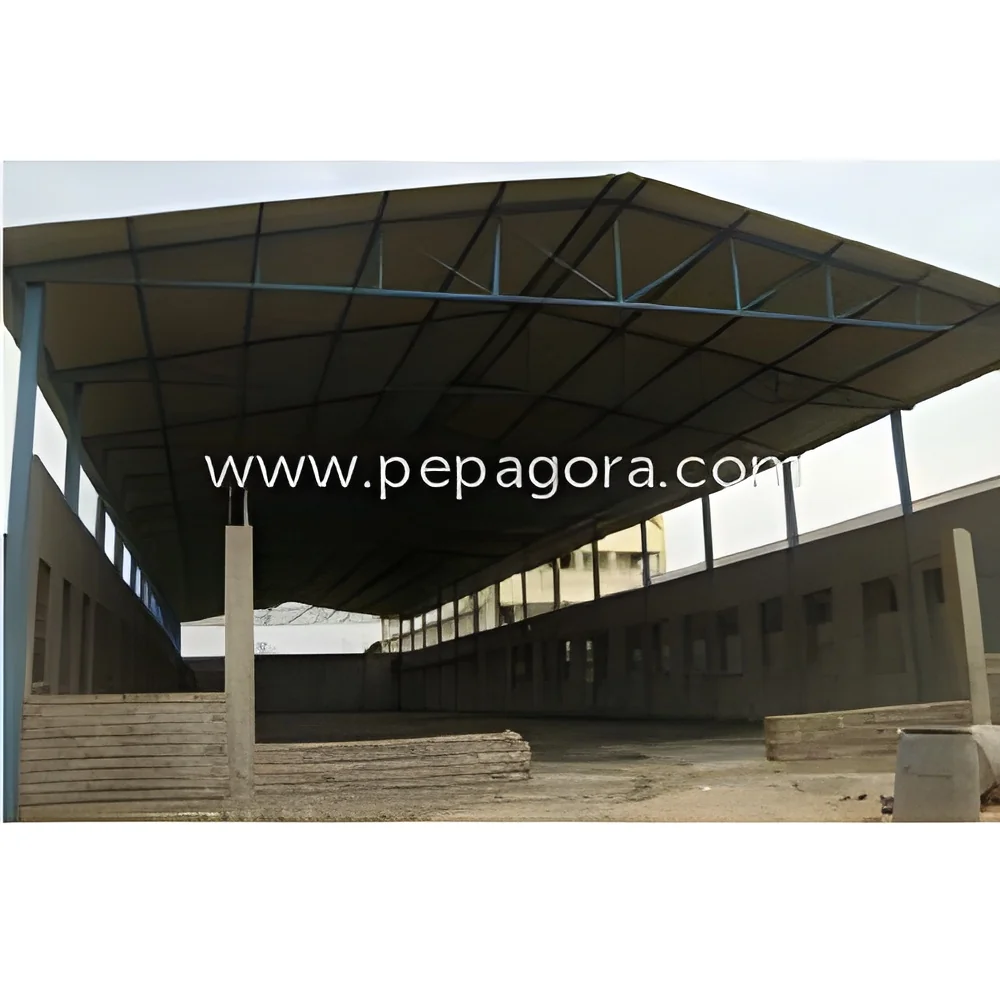
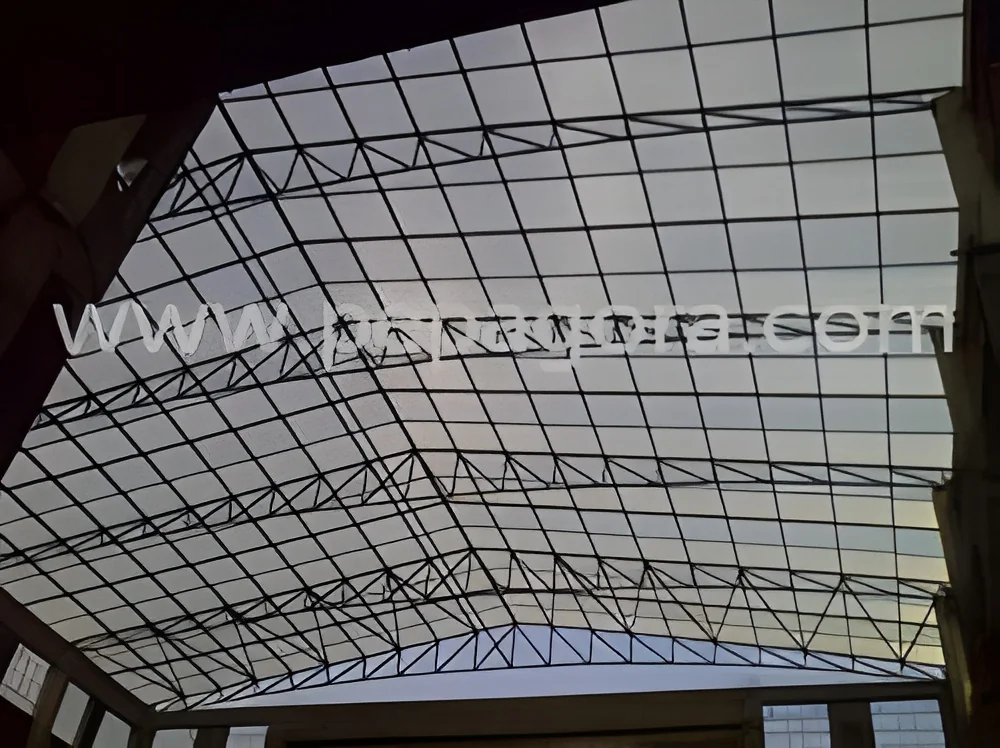
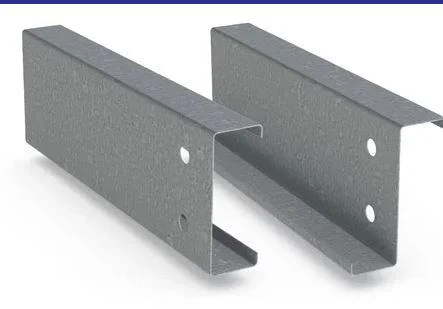
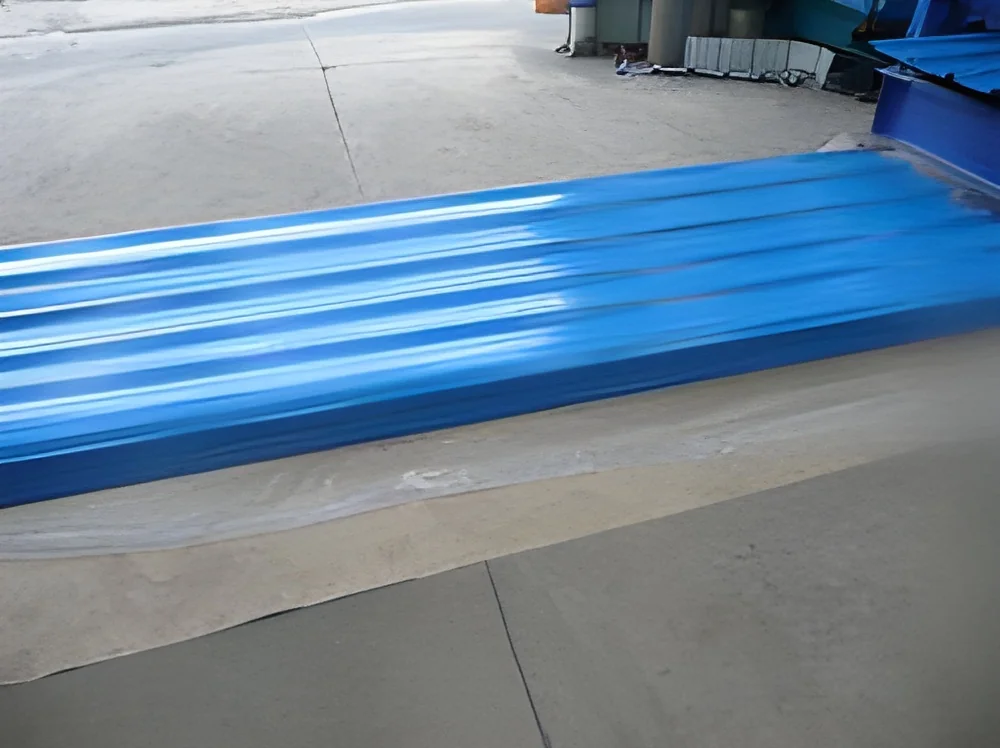
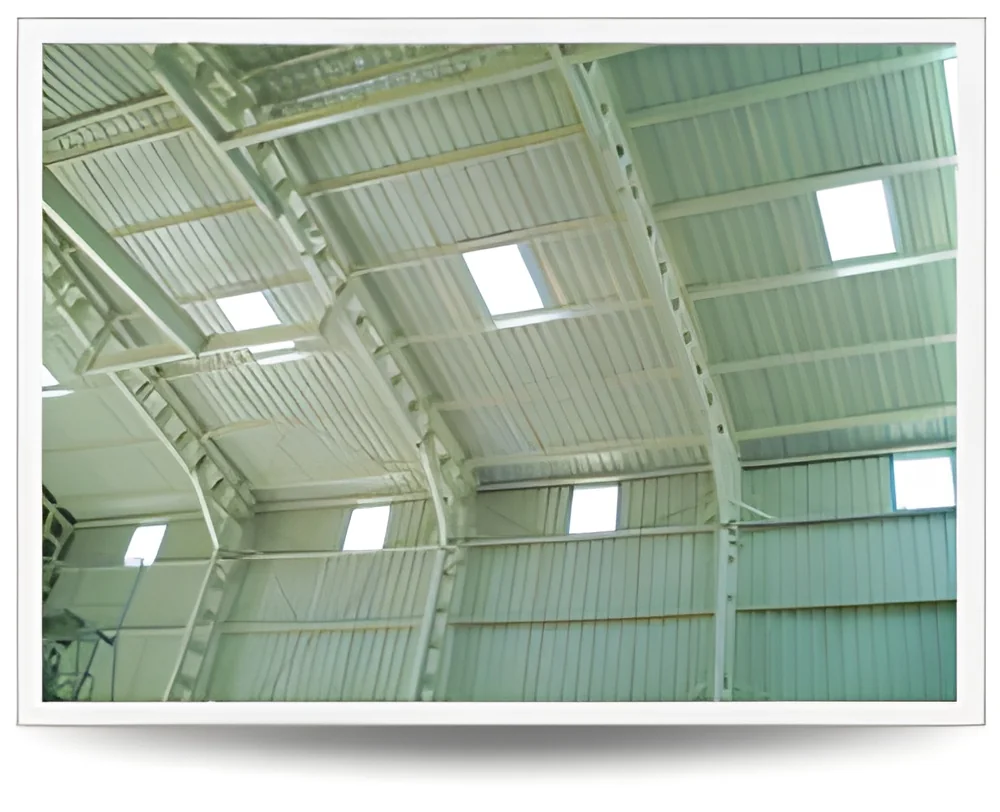
Pre-Engineered Buildings (PEB) are structures manufactured in a factory setting before being transported to the construction site for assembly. This method involves the use of pre-fabricated components such as steel frames, walls, and roofs, which are designed and engineered to meet specific requirements. The use of advanced technology and materials in PEB production allows for quicker construction times and greater efficiency compared to traditional building methods.
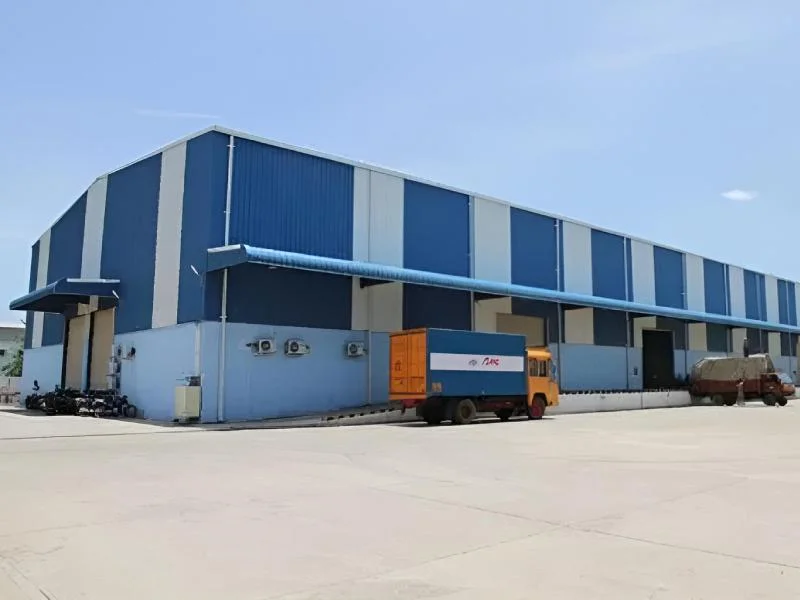
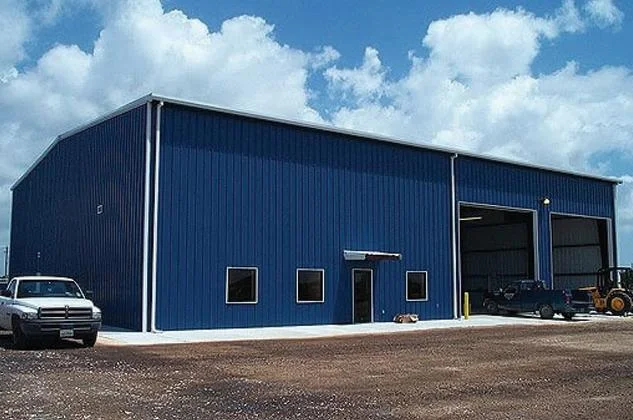
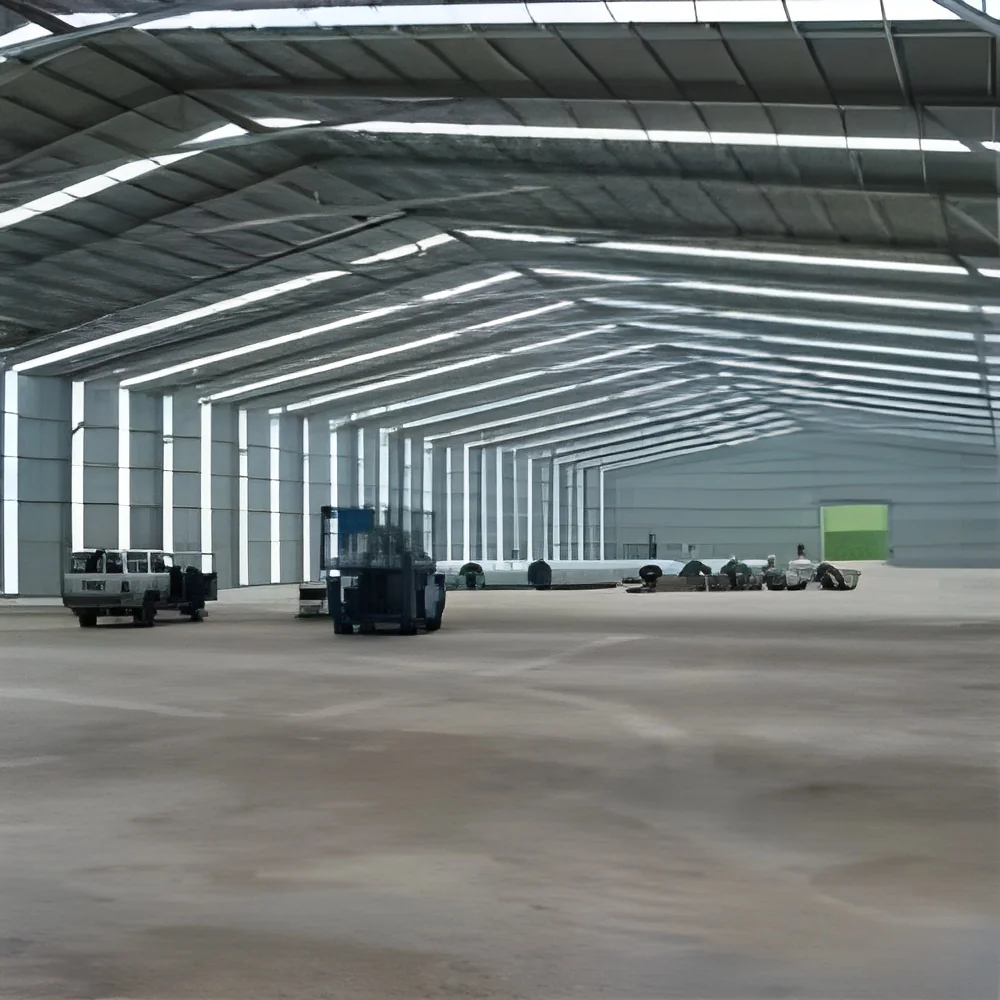
Primary applications for Pre-Engineered Buildings include warehouses, manufacturing facilities, commercial complexes, and agricultural buildings. Businesses opt for PEB solutions for their flexibility in design and adaptability to various industry needs. The market for PEB continues to grow, driven by the demand for cost-effective, sustainable, and versatile construction options that meet modern architectural standards.
The relevance of Pre-Engineered Buildings in today's construction industry cannot be overstated. As companies strive for rapid growth and expansion, PEB offers a practical solution that aligns with the need for efficient use of resources and time. The global market is increasingly recognizing the benefits of PEB, leading to a rise in its adoption across various sectors.
𝗞𝗲𝘆 𝗙𝗲𝗮𝘁𝘂𝗿𝗲𝘀 𝗮𝗻𝗱 𝗦𝗽𝗲𝗰𝗶𝗳𝗶𝗰𝗮𝘁𝗶𝗼𝗻𝘀
Pre-Engineered Buildings come with a range of features and specifications that enhance their performance and usability. The precision in manufacturing allows for customized solutions tailored to client needs, while maintaining high-quality standards.
Key specifications include:
1. Structural Design
- Designed for durability and strength
- Capable of withstanding various environmental factors
2. Material Quality
- Fabricated from high-grade steel
- Resistance to corrosion and adverse weather conditions
3. Customization Options
- Flexible layouts and sizes to meet specific requirements
- Ability to incorporate various finishes and insulation materials
4. Construction Speed
- Reduced on-site construction time
- Fast assembly due to pre-fabricated components
5. Cost-Effectiveness
- Lower material and labor costs compared to traditional buildings
- Long-term savings with energy-efficient designs
6. Sustainability
- Environmentally friendly materials and processes
- Potential for energy-efficient designs to minimize carbon footprint
7. Maintenance Requirements
- Low maintenance costs and efforts
- Long-lasting components that require minimal upkeep
In summary, Pre-Engineered Buildings offer a robust solution for modern construction needs, combining quality, efficiency, and versatility.
𝗖𝗼𝗺𝗺𝗼𝗻 𝗔𝗽𝗽𝗹𝗶𝗰𝗮𝘁𝗶𝗼𝗻𝘀 𝗮𝗻𝗱 𝗨𝘀𝗲 𝗖𝗮𝘀𝗲𝘀
Pre-Engineered Buildings find utility across various industries due to their adaptability and efficiency.
1. Manufacturing: PEB are widely used for manufacturing facilities, providing ample space for production lines and storage. Their customization allows for specialized layouts tailored to specific manufacturing processes.
2. Warehousing: Many companies use PEB for warehouse construction because of their quick assembly and ability to create large open spaces without interior columns.
3. Retail: Retail businesses benefit from PEB for their stores and distribution centers, allowing for a modern aesthetic with functional space.
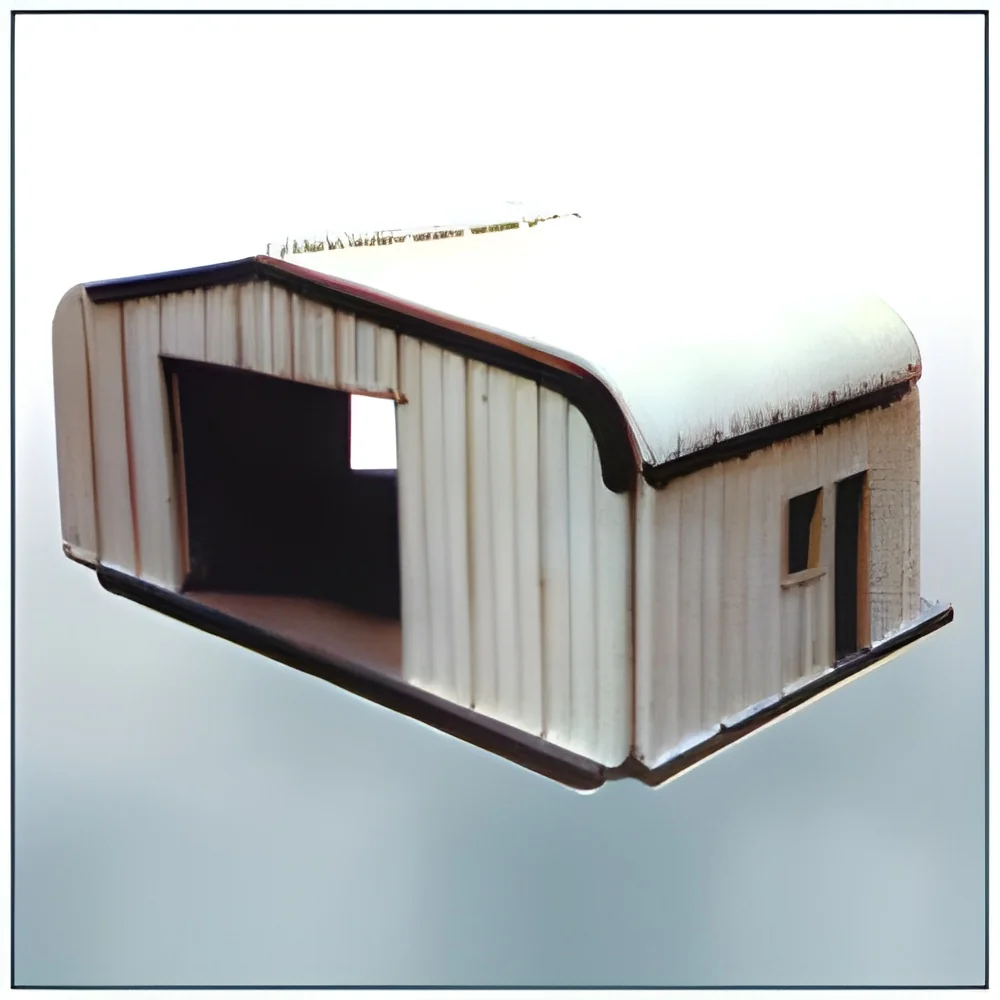
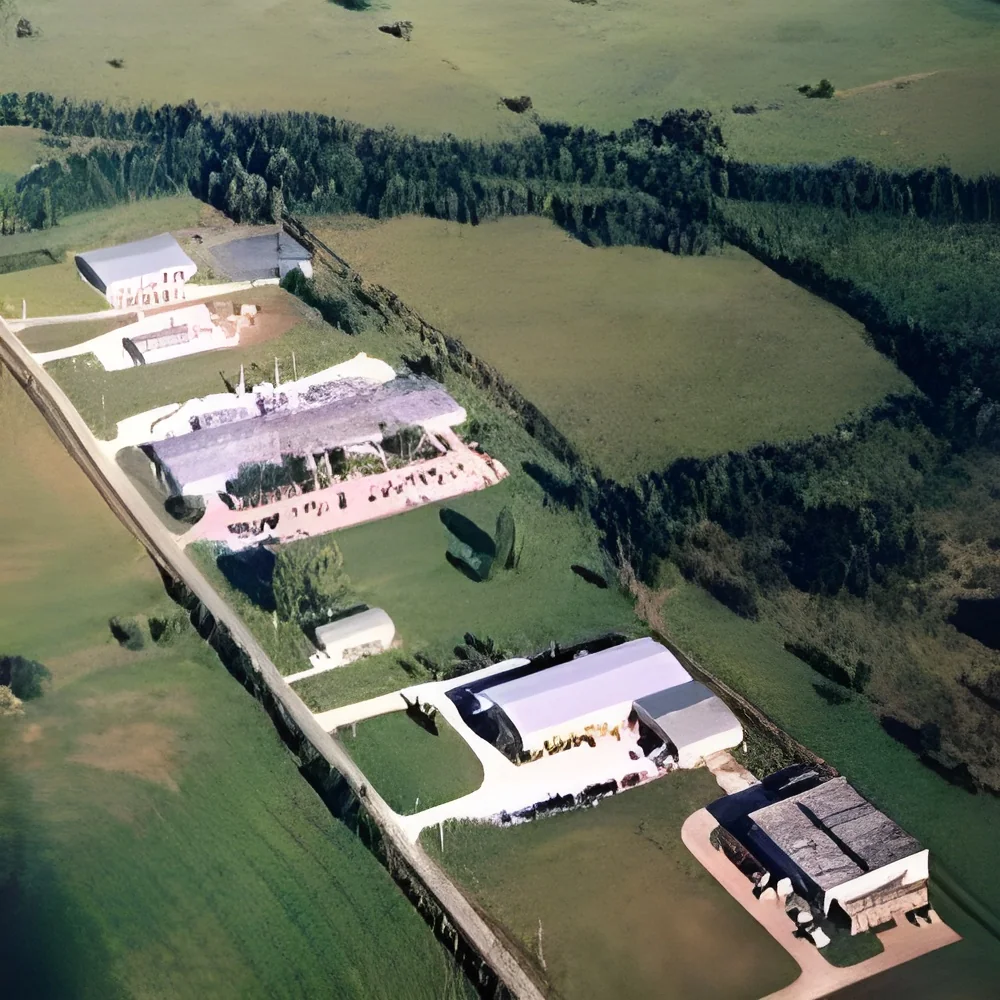
4. Agriculture: PEB are ideal for agricultural applications such as barns and storage facilities, offering durability and protection against environmental elements.
5. Aviation: Hangars constructed from PEB provide the necessary space and structural integrity for aircraft maintenance and storage.
6. Sports Facilities: Many sports complexes utilize PEB for their quick construction timelines and cost-effectiveness, accommodating various sporting activities.
7. Commercial Spaces: Office buildings and showrooms are increasingly being built using PEB, reflecting modern architectural trends while optimizing space usage.
𝗣𝗿𝗼𝗱𝘂𝗰𝘁 𝗩𝗮𝗿𝗶𝗮𝗻𝘁𝘀 𝗮𝗻𝗱 𝗦𝘂𝗯𝗰𝗮𝘁𝗲𝗴𝗼𝗿𝗶𝗲𝘀
Pre-Engineered Buildings come in diverse forms to cater to various business needs, each offering unique features and benefits.
Industrial PEB: These buildings are designed for heavy-duty applications, featuring reinforced structures to support equipment and heavy loads. They are often used in manufacturing and warehousing.
Commercial PEB: Tailored for retail and office spaces, these buildings emphasize aesthetics and functional design, allowing businesses to create appealing environments.
Agricultural PEB: Specifically designed for agricultural use, these structures are constructed to withstand the rigors of farm life, providing durable and spacious facilities for livestock and storage.
𝗕𝗲𝗻𝗲𝗳𝗶𝘁𝘀 𝗮𝗻𝗱 𝗔𝗱𝘃𝗮𝗻𝘁𝗮𝗴𝗲𝘀
Pre-Engineered Buildings offer numerous advantages that make them an attractive option for businesses.
1. Speed of Construction: PEB can be erected much faster than traditional buildings, minimizing downtime and enabling quicker occupancy.
2. Cost Savings: The efficient use of materials and labor results in lower overall project costs, providing significant savings for businesses.
3. Flexibility: PEB can be customized to meet specific business requirements, allowing for modifications and expansions as needed.
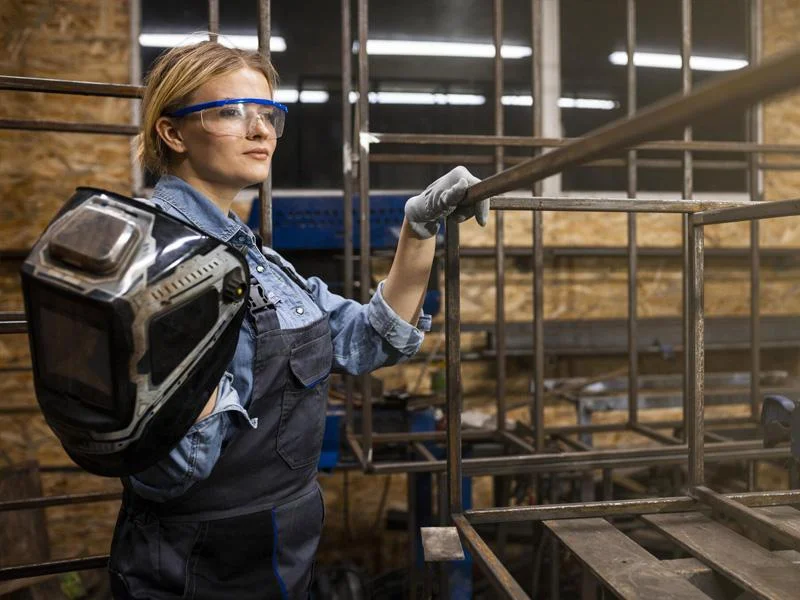
4. Quality Assurance: Prefabrication in a controlled environment ensures higher quality standards and reduces the likelihood of errors.
5. Energy Efficiency: Many PEB designs incorporate energy-saving features, resulting in reduced operational costs over time.
6. Environmentally Friendly: The use of sustainable materials and design practices makes PEB an eco-friendly choice for construction.
𝗕𝘂𝘆𝗶𝗻𝗴 𝗚𝘂𝗶𝗱𝗲 𝗳𝗼𝗿 𝗕𝟮𝗕 𝗕𝘂𝘆𝗲𝗿𝘀
When considering the purchase of Pre-Engineered Buildings, several factors should guide your decision-making process.
1. Quality Assessment: Evaluate the quality of materials and construction practices used by potential suppliers. Look for certifications and industry standards that ensure durability and reliability.
2. Supplier Verification: Choose suppliers with a proven track record and positive customer feedback. Conduct background checks to verify their reputation and reliability.
3. Pricing and MOQ: Understand the pricing structure and minimum order quantities (MOQ) required. Compare quotes from multiple suppliers to ensure competitive pricing.
4. Delivery and Lead Times: Discuss delivery logistics and lead times with suppliers to align with your project timelines. Ensure they can meet your schedule without compromising quality.
5. Compliance Requirements: Confirm that the buildings meet local and regional compliance regulations, including safety standards and building codes.
𝗖𝗼𝗺𝗽𝗹𝗶𝗮𝗻𝗰𝗲 𝗮𝗻𝗱 𝗖𝗲𝗿𝘁𝗶𝗳𝗶𝗰𝗮𝘁𝗶𝗼𝗻𝘀
Pre-Engineered Buildings must adhere to various compliance and certification standards to ensure safety and quality.
Relevant quality standards include ISO 9001, which focuses on quality management systems, ensuring that manufacturers meet customer and regulatory requirements consistently. Additionally, HACCP and GDP standards may apply, particularly in industries related to food and pharmaceuticals, emphasizing safety and quality in production and storage.
Industry certifications such as CE indicate that PEB comply with European safety, health, and environmental protection standards. These certifications are crucial for market acceptance in various regions.
Safety and testing requirements must also be met, ensuring that buildings can withstand environmental stresses and operational demands. Furthermore, regional compliance considerations are essential, as building codes and safety regulations may vary significantly across different areas.
Why Source Pre-Engineered Buildings (PEB) from Pepagora?
Pepagora stands out as a trusted platform for sourcing Pre-Engineered Buildings, offering a range of key advantages for B2B buyers.
Verified Supplier Network: Pepagora provides access to a network of verified suppliers who have undergone rigorous vetting processes. This ensures that buyers can trust the quality and reliability of the products offered.
Streamlined RFQ Process: The platform features a user-friendly request for quotation (RFQ) system that simplifies the sourcing process. Buyers can easily compare quotes, specifications, and delivery options from multiple suppliers.
Trade Assurance and Support: Pepagora offers trade assurance services, providing buyers with protection and support throughout the purchasing process. This includes assistance with disputes and claims, ensuring a secure transaction.
Regional Coverage: With a strong presence in India, GCC, and Southeast Asia, Pepagora enables buyers to access a wide range of Pre-Engineered Building options tailored to regional market demands. This broad geographic reach helps facilitate efficient sourcing and logistics.

 IN
IN