𝗪𝗵𝗮𝘁 𝗮𝗿𝗲 𝗜𝗻𝘀𝘂𝗹𝗮𝘁𝗲𝗱 𝗣𝗮𝗻𝗲𝗹𝘀 𝗳𝗼𝗿 𝗣𝗘𝗕?
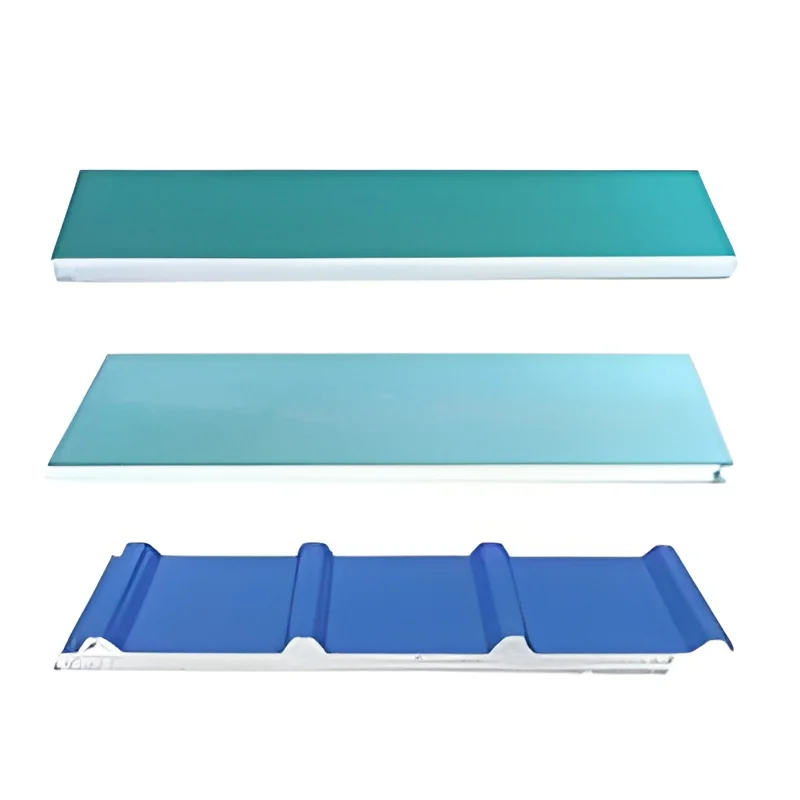
Insulated panels for pre-engineered buildings (PEB) are composite construction materials designed to provide insulation and structural integrity. These panels typically consist of an insulating core sandwiched between two layers of metal. The core material can vary but is often made from polyurethane or polystyrene, which enhances thermal resistance and energy efficiency. Insulated panels play a critical role in maintaining temperature control within a building, making them a preferred choice for various commercial and industrial applications.
These panels are widely used in the construction of warehouses, manufacturing facilities, cold storage units, and commercial buildings. Their lightweight nature and ease of installation significantly reduce construction time and labor costs. Businesses in the logistics, food processing, and manufacturing sectors benefit from their energy efficiency and durability, which help maintain product quality and reduce operational costs.
As industries increasingly prioritize energy efficiency and sustainability, the demand for insulated panels for PEB continues to grow. They meet modern building codes and environmental standards, making them an essential component in contemporary construction projects. The market for these panels is expected to expand as businesses seek innovative solutions to meet their energy and operational needs.
𝗞𝗲𝘆 𝗙𝗲𝗮𝘁𝘂𝗿𝗲𝘀 𝗮𝗻𝗱 𝗦𝗽𝗲𝗰𝗶𝗳𝗶𝗰𝗮𝘁𝗶𝗼𝗻𝘀
Insulated panels for PEB offer a variety of features that enhance their performance in different environments. These panels are designed to provide excellent thermal insulation, structural stability, and ease of installation. Their lightweight design allows for quick assembly, making them an efficient choice for many construction projects.
Key specifications include:
1. Insulation Material
- Typically made from polyurethane or polystyrene
- Provides a high R-value for thermal resistance
2. Panel Thickness
- Available in various thicknesses, generally ranging from 40mm to 100mm
- Thickness affects insulation properties and structural strength
3. Length and Width
- Customizable lengths and widths to fit specific project requirements
- Standard sizes often range from 1m to 12m in length
4. Fire Resistance Ratings
- Panels meet specific fire safety standards
- Fire ratings can range from Class A to Class C based on material composition
5. Structural Support
- Designed to withstand various loads and environmental conditions
- Suitable for high-wind and seismic zones with proper engineering
6. Surface Finish Options
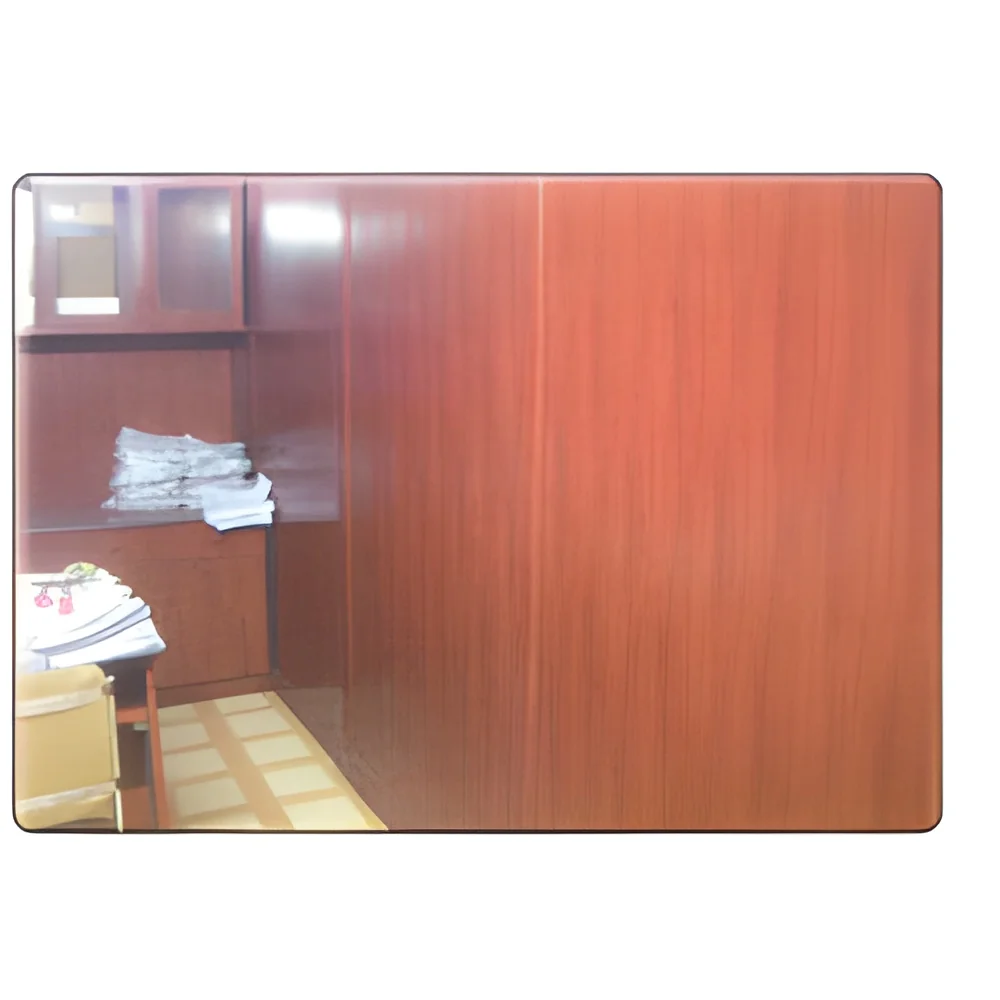
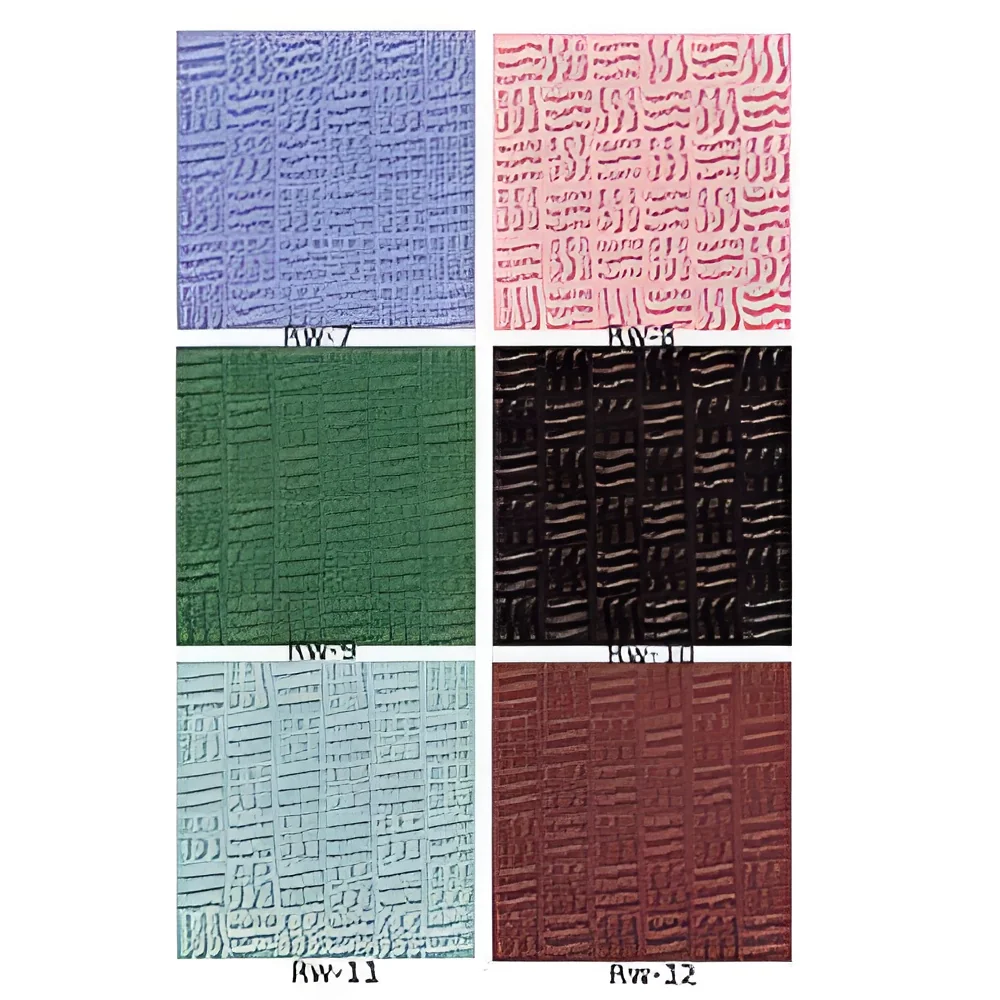
- Available in different finishes, including smooth, textured, or embossed
- Options for color and coating to enhance aesthetics and durability
7. Thermal Conductivity
- Low thermal conductivity ensures superior energy efficiency
- Helps maintain consistent internal temperatures
8. Environmental Compliance
- Often manufactured with environmentally friendly materials
- Compliance with ISO 9001 and other sustainability standards
These specifications make insulated panels for PEB a reliable choice for building projects requiring energy efficiency and structural integrity.
𝗖𝗼𝗺𝗺𝗼𝗻 𝗔𝗽𝗽𝗹𝗶𝗰𝗮𝘁𝗶𝗼𝗻𝘀 𝗮𝗻𝗱 𝗨𝘀𝗲 𝗖𝗮𝘀𝗲𝘀
Insulated panels for PEB serve a wide range of industries, providing tailored solutions to meet unique operational needs.
1. Warehousing: Insulated panels are used in warehouse construction to maintain optimal temperature for goods, particularly for temperature-sensitive products.
2. Food Processing: These panels are essential in food processing facilities, ensuring hygiene and temperature control necessary for food safety regulations.
3. Cold Storage: Insulated panels provide the required thermal barrier for cold storage warehouses, preserving perishable goods and extending shelf life.
4. Manufacturing: In manufacturing plants, insulated panels help create controlled environments for production processes, improving product quality and worker comfort.
5. Retail: Retail spaces utilize insulated panels for energy efficiency, helping to reduce heating and cooling costs while providing a comfortable shopping experience.
6. Pharmaceutical: Insulated panels ensure that pharmaceutical production and storage areas maintain strict temperature controls to comply with industry regulations.
7. Agricultural: In agricultural buildings, insulated panels help regulate temperature and humidity, contributing to better conditions for livestock and crop storage.
𝗣𝗿𝗼𝗱𝘂𝗰𝘁 𝗩𝗮𝗿𝗶𝗮𝗻𝘁𝘀 𝗮𝗻𝗱 𝗦𝘂𝗯𝗰𝗮𝘁𝗲𝗴𝗼𝗿𝗶𝗲𝘀
Insulated panels for PEB come in various configurations to address specific requirements.
Polyurethane Insulated Panels
These panels offer exceptional thermal insulation and are ideal for temperature-sensitive environments. They are widely used in cold storage and refrigeration applications due to their low thermal conductivity.
Polystyrene Insulated Panels
Polystyrene panels are cost-effective and provide solid thermal performance. They are often used in applications where budget constraints are a priority without compromising quality.
Steel-Backed Insulated Panels
These panels feature additional structural support with steel backing, making them suitable for high-load applications and environments subject to extreme weather conditions.
𝗕𝗲𝗻𝗲𝗳𝗶𝘁𝘀 𝗮𝗻𝗱 𝗔𝗱𝘃𝗮𝗻𝘁𝗮𝗴𝗲𝘀
Insulated panels for PEB offer numerous benefits that enhance the overall value of construction projects.
1. Energy Efficiency: The high insulation properties significantly reduce heating and cooling costs, leading to long-term savings.
2. Quick Installation: Their lightweight nature and prefabricated design allow for faster installation compared to traditional building methods.
3. Versatility: Insulated panels can be customized to various lengths, widths, and thicknesses, accommodating diverse project specifications.
4. Reduced Labor Costs: Simple installation procedures decrease labor requirements, resulting in lower overall construction costs.
5. Structural Strength: These panels provide excellent structural integrity, helping to withstand environmental stresses such as wind and snow loads.
6. Minimal Maintenance: The durable finishes used in insulated panels require minimal upkeep, ensuring long-lasting performance.
𝗕𝘂𝘆𝗶𝗻𝗴 𝗚𝘂𝗶𝗱𝗲 𝗳𝗼𝗿 𝗕𝟮𝗕 𝗕𝘂𝘆𝗲𝗿𝘀
When sourcing insulated panels for PEB, several critical factors should be considered to ensure the right choice for your project.
1. Quality Assessment: Evaluate the quality of the materials used in the panels. Look for manufacturers that adhere to rigorous quality control standards to ensure reliability.
2. Supplier Verification: Vet potential suppliers by checking their certifications, customer reviews, and track records in the industry. A reputable supplier will provide reliable products and support.
3. Pricing and MOQ: Understand the pricing structure and minimum order quantities. This will help in budgeting and ensuring you meet project requirements without excess inventory.
4. Delivery and Lead Times: Discuss logistics and delivery timelines with suppliers to ensure that products arrive on schedule, allowing for seamless project execution.
5. Compliance Requirements: Be aware of local and international compliance standards that may apply to insulated panels, including fire safety and environmental regulations.
𝗖𝗼𝗺𝗽𝗹𝗶𝗮𝗻𝗰𝗲 𝗮𝗻𝗱 𝗖𝗲𝗿𝘁𝗶𝗳𝗶𝗰𝗮𝘁𝗶𝗼𝗻𝘀
Insulated panels for PEB must meet various industry standards and certifications to ensure safety, quality, and environmental compliance.
Relevant quality standards such as ISO 9001 ensure that manufacturers maintain consistent quality management systems. These certifications indicate that products have been produced in accordance with international quality norms.
Industry certifications like CE and UL signify that the panels meet specific safety and performance standards. CE marking indicates compliance with European health, safety, and environmental protection standards, while UL certification ensures that products have been tested for safety in the United States.
Safety and testing requirements may include assessments for fire resistance, thermal performance, and structural integrity under various load conditions. Manufacturers should provide documentation that demonstrates compliance with these standards.
Regional compliance considerations may vary based on local regulations. It is essential for buyers to verify that the products meet the specific requirements of their geographic area to avoid potential legal and safety issues.
𝗪𝗵𝘆 𝗦𝗼𝘂𝗿𝗰𝗲 𝗜𝗻𝘀𝘂𝗹𝗮𝘁𝗲𝗱 𝗣𝗮𝗻𝗲𝗹𝘀 𝗳𝗼𝗿 𝗣𝗘𝗕 𝗳𝗿𝗼𝗺 𝗣𝗲𝗽𝗮𝗴𝗼𝗿𝗮?
Pepagora provides a trusted platform for sourcing insulated panels for PEB with several key advantages. The company's verified supplier network ensures that buyers can connect with reputable manufacturers. Each supplier undergoes a thorough vetting process, allowing buyers to have confidence in the quality of products they purchase.
The streamlined RFQ process simplifies the process of obtaining quotations. Buyers can easily request quotes from multiple suppliers, enabling them to compare prices and features efficiently. This approach saves time and ensures that buyers make informed decisions.
Pepagora also offers trade assurance and support, providing buyers with protection against potential issues during the purchasing process. This service ensures that transactions are secure and that buyers receive the products as advertised.
With regional coverage extending across India, the GCC, and Southeast Asia, Pepagora facilitates connections between buyers and suppliers across borders. This geographic reach enhances opportunities for businesses to find the right insulated panels for their specific needs, regardless of location.

 IN
IN