IN
IN₹
Apparel & Fashion
Description
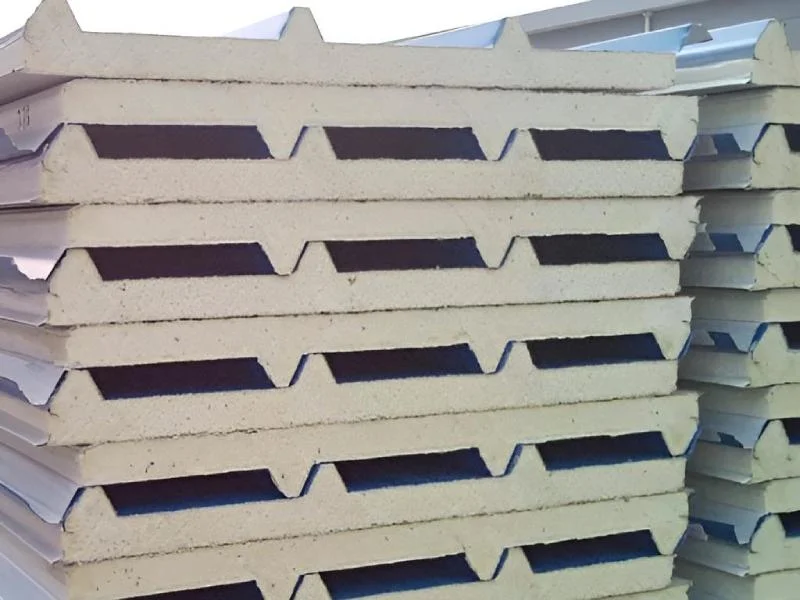
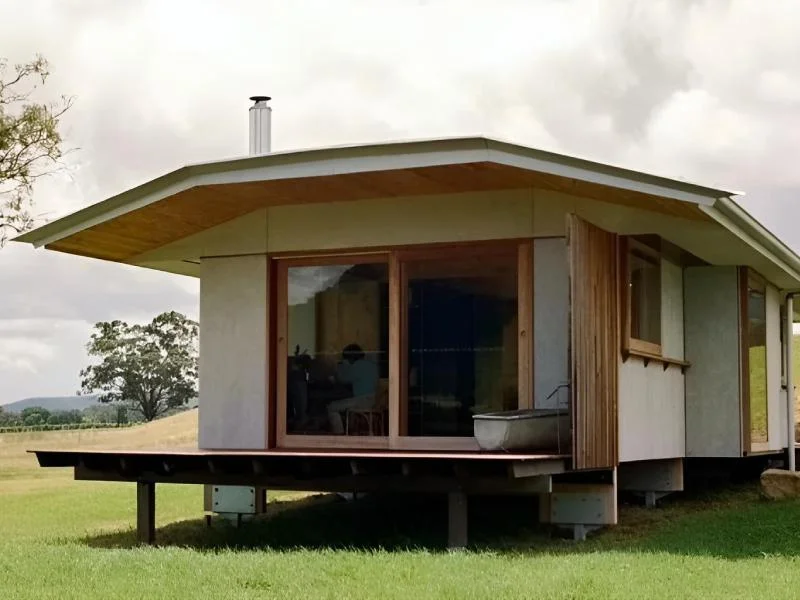
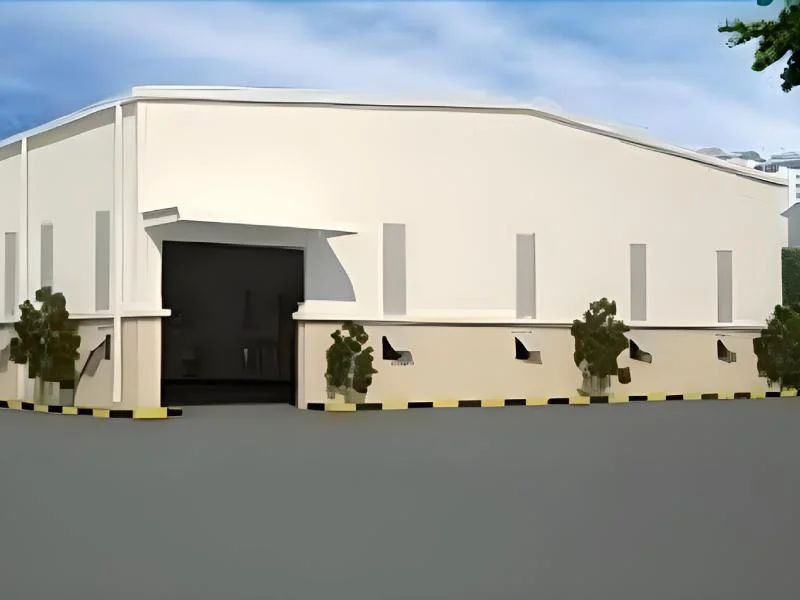
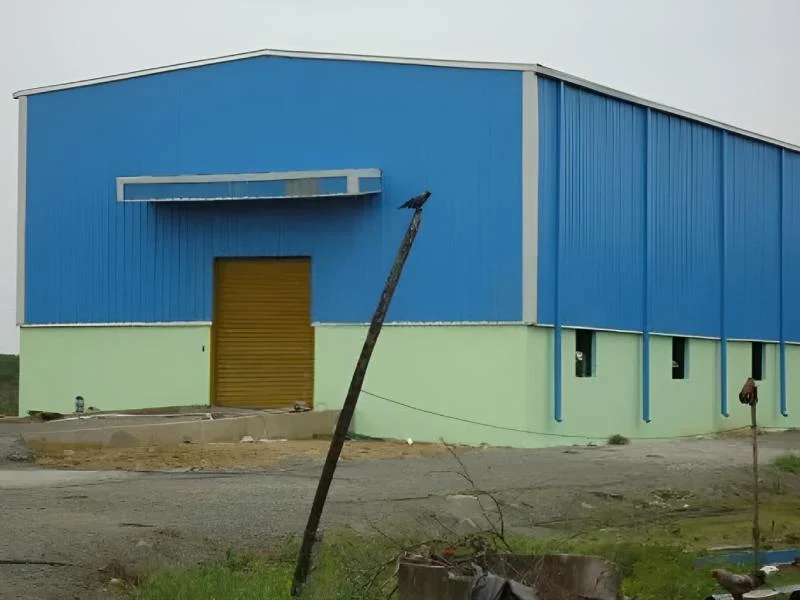
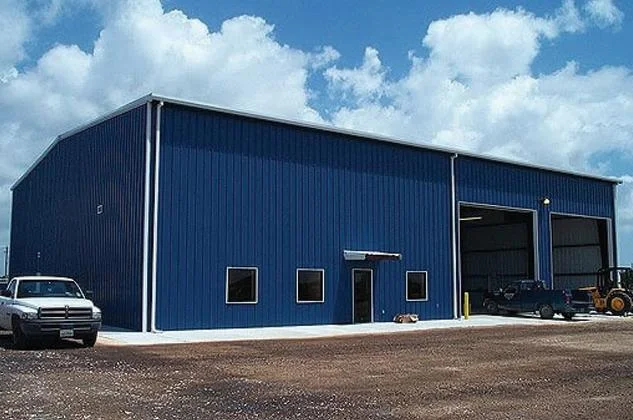
Prefab metal buildings for industrial use represent a modern construction solution where steel components are precision-engineered and fabricated in controlled factory settings before being shipped to site for assembly. This approach ensures each element—from primary frames to secondary members and cladding—meets exact specifications, resulting in structures that combine strength, durability, and efficiency. The bolted connection system allows for rapid erection, significantly reducing on-site construction time compared to traditional methods while maintaining high quality and structural integrity. These buildings are designed to handle various loads as per industry standards, offering a reliable foundation for industrial operations that demand robust and long-lasting infrastructure.

Industries such as manufacturing, logistics, warehousing, and heavy equipment operations extensively utilize prefab metal buildings due to their adaptability and performance. In manufacturing, they provid...
Prefab metal buildings for industrial use represent a modern construction solution where steel components are precision-engineered and fabricated in controlled factory settings before being shipped to site for assembly. This approach ensures each element—from primary frames to secondary members and cladding—meets exact specifications, resulting in structures that combine strength, durability, and efficiency. The bolted connection system allows for rapid erection, significantly reducing on-site construction time compared to traditional methods while maintaining high quality and structural integrity. These buildings are designed to handle various loads as per industry standards, offering a reliable foundation for industrial operations that demand robust and long-lasting infrastructure.

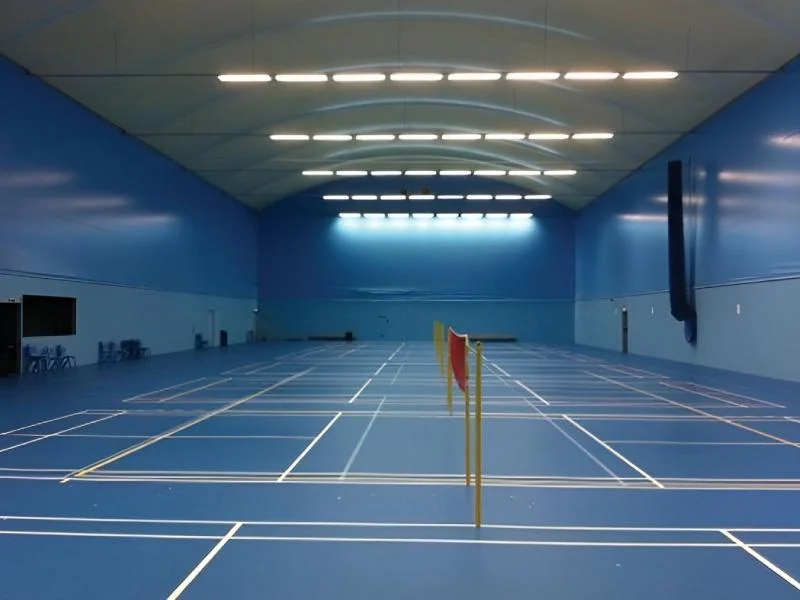
Industries such as manufacturing, logistics, warehousing, and heavy equipment operations extensively utilize prefab metal buildings due to their adaptability and performance. In manufacturing, they provide large, unobstructed spaces ideal for production lines and machinery layout. Logistics and warehousing sectors benefit from the clear-span designs that facilitate efficient storage and material movement. Additionally, sectors like agriculture, automotive, and utilities rely on these structures for workshops, storage, and processing facilities, appreciating the ability to scale or modify layouts as operational needs evolve. The buildings' resilience makes them suitable for diverse climates and demanding industrial environments.

The business value of prefab metal buildings lies in their cost-effectiveness, speed of deployment, and long-term reliability. By minimizing construction waste and labor time, they offer significant savings over conventional building methods. Their engineered precision ensures consistent quality, reducing the risk of structural issues and maintenance costs over time. For businesses, this translates to faster operational readiness, lower total cost of ownership, and a durable asset that supports growth and adaptation. The reliability of these structures is backed by rigorous testing and standards compliance, providing peace of mind for serious buyers investing in critical infrastructure.

Key Features:
- Factory-fabricated steel components for precise engineering and consistent quality.
- Fast on-site assembly using bolted connections to reduce construction time.
- High-strength design capable of withstanding structural loads as per standards.
- Durable roof and wall cladding for weather resistance and long-term protection.
- Scalable and adaptable layouts to accommodate future expansion or modifications.

Benefits:
- Cost-efficient solution with reduced material wastage and lower labor requirements.
- Quick installation minimizes downtime and accelerates operational readiness.
- Reliable performance in demanding industrial environments with minimal maintenance.
- Flexible design supports various applications and industry-specific needs.
- Long-lasting durability ensures a solid return on investment over the building's lifespan.
Specifications
| Additional Information | |
|---|---|
| SKU | PMSB-01 |
| Country of Origin | India |
Application
Prefab metal buildings serve as essential infrastructure for operations requiring large, durable, and quickly deployable spaces. Their engineered design supports heavy equipment, storage needs, and workflow efficiency across diverse sectors, making them a practical choice for expanding or establishing industrial facilities.
These structures are particularly valuable in industries where time-to-operation and structural reliability are critical. By providing a ready-to-assemble solution, they minimize construction delays and offer consistent quality that meets rigorous industrial standards, ensuring long-term performance in demanding environments.
Real-world applications:
- Industrial factories requiring spacious, column-free interiors for manufacturing lines and machinery.
- Warehouses and storage facilities needing secure, weather-resistant environments for inventory protection.
- Manufacturing units that benefit from customizable layouts to accommodate production processes.
- Workshops and maintenance bays requiring durable structures for equipment servicing and repairs.
- Logistic and distribution centers utilizing large clear-span areas for efficient material handling and storage.
Trade Details
| Available Stock | In Stock |
| Sample Availability | No |
Payment Terms
| Payment Terms |
|
| Payment Methods |
|
Shipping & Logistics
| Port of Dispatch | Mumbai Port |
Company Profile

Spark Engineering, Tamil Nadu
 Tamil Nadu, India
Tamil Nadu, IndiaManufacturer•Retailer
Turn Over
₹1 Crore – ₹5 Crore
Factory Details
Factory Size1000-5000 sqm
Annual Production Capacity0 a:1:{i:0;s:4:"Sets";}
SKU: PMSB-01
Industrial Prefab Metal Building | Factory Fabricated Steel Structure
Prefab Metal Building for industrial use offers factory-fabricated steel structures with fast installation, high strength, and cost efficiency for reliable industrial infrastructure.
Min. Order Quantity: 10 Unit
Shipping
Shipping fee and delivery date to be negotiated. Contact supplier now for more details.
Spark Engineering Tamil Nadu, India
Tamil Nadu, IndiaManufacturer