
 IN
PEB Warehouses
2 products available
What are PEB Warehouses?
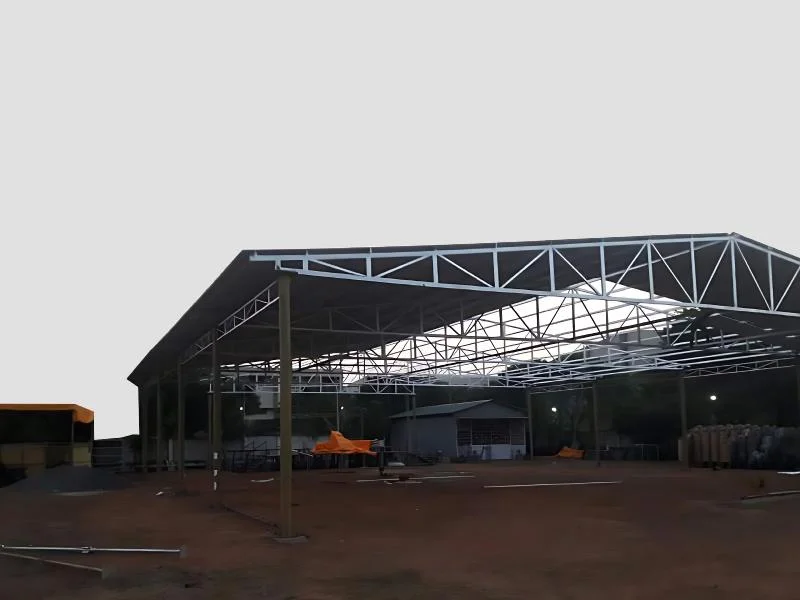
Pre-Engineered Building (PEB) Warehouses are innovative structures designed for efficient storage and logistics operations. These warehouses consist of steel frames and panels that are prefabricated and assembled on-site, leading to significant time and cost savings during construction. The modular nature of PEB Warehouses allows for easy customization and adaptability to various operational needs, resulting in structures that can be quickly erected and modified as required.
PEB Warehouses are primarily utilized in industries such as manufacturing, retail, logistics, and distribution. They provide a reliable space for inventory storage, order fulfillment, and other operational tasks. Businesses benefit from the flexible layout options and enhanced durability of these warehouses, which can withstand varying environmental conditions. With the growing demand for efficient warehousing solutions, PEB Warehouses have gained traction across various sectors, contributing to the modernization of supply chain operations.
In the current market context, the rise in e-commerce and global trade has accelerated the need for effective warehousing solutions. PEB Warehouses are increasingly being recognized for their ability to meet the demands of rapid shipping and inventory management. As businesses seek to optimize their logistics networks, PEB Warehouses represent a viable investment for enhancing operational efficiency and reducing overhead costs.
Key Features and Specifications
PEB Warehouses are characterized by a range of features that distinguish them from traditional construction methods. These features enhance functionality, efficiency, and cost-effectiveness.
Key specifications include:
1. Structural Steel Frame
- Made from high-strength steel for durability
- Can accommodate various load capacities
2. Insulated Panels
- Provide thermal efficiency
- Help regulate internal temperatures in extreme climates
3. Customizable Layouts
- Flexible design options to suit specific operational needs
- Modular components allow for future expansions
4. Quick Assembly
- Reduced construction time due to prefabrication
- Efficient on-site assembly process
5. High Durability
- Resistant to extreme weather conditions
- Long lifespan with minimal maintenance requirements
6. Cost-Effective Solutions
- Lower overall construction costs compared to conventional buildings
- Energy-efficient design reduces operational expenses
7. Safety Features
- Incorporates fire safety systems and emergency exits
- Complies with safety regulations
8. Environmental Considerations
- Designed for sustainability with recyclable materials
- Minimizes waste during construction
In summary, PEB Warehouses combine innovative design with practical specifications to offer businesses a versatile solution for their storage and logistics needs.
Common Applications and Use Cases
PEB Warehouses are adaptable and serve a variety of industries, making them a preferred choice for many businesses.
1. Manufacturing: PEB Warehouses provide ample space for storing raw materials and finished goods, allowing for streamlined production processes.
2. Retail: Retailers utilize these warehouses for inventory management, enabling quick distribution to stores and direct-to-consumer shipping.
3. Logistics: Logistics companies rely on PEB Warehouses for efficient order fulfillment and as distribution centers for managing the flow of goods.
4. Construction: Construction firms use PEB Warehouses to store equipment and materials, ensuring easy access and organization on job sites.
5. Food and Beverage: These warehouses can be designed to meet hygiene standards for storing food products, allowing for safe and efficient distribution.
6. Automotive: Automotive manufacturers and suppliers use PEB Warehouses to manage spare parts and components, optimizing inventory control.
7. E-commerce: E-commerce businesses benefit from the speed and flexibility of PEB Warehouses to meet growing online shopping demands.
Product Variants and Subcategories
PEB Warehouses are available in diverse configurations to meet specific business needs.
Standard PEB Warehouse
This variant is designed for general storage purposes and is suitable for various industries. It features customizable layouts and can include insulated panels for temperature control.
High-Cube PEB Warehouse
Ideal for companies that require taller storage solutions, this variant maximizes vertical space. It is particularly useful for businesses with large inventory volumes.
Cold Storage PEB Warehouse
Engineered for temperature-sensitive products, this warehouse variant features advanced insulation and refrigeration capabilities to maintain optimal conditions for perishable goods.
Benefits and Advantages
Investing in PEB Warehouses offers numerous advantages for businesses seeking efficient storage solutions.
Key benefits include:
1. Reduced Construction Time: The prefabricated nature of PEB Warehouses allows for quick assembly, minimizing downtime for businesses.
2. Cost Savings: Lower material costs and energy-efficient designs result in significant savings over time.
3. Flexibility: The customizable design allows businesses to adapt their warehouse space to changing needs without major renovations.
4. Enhanced Durability: Built with high-quality materials, PEB Warehouses can withstand harsh environmental conditions, ensuring longevity.
5. Improved Operational Efficiency: The layout and design of PEB Warehouses streamline inventory management and enhance order fulfillment processes.
6. Environmental Sustainability: Many PEB Warehouses are constructed using eco-friendly materials and processes, contributing to a reduced carbon footprint.
Buying Guide for B2B Buyers
When sourcing PEB Warehouses, it is essential to consider various factors to ensure a successful purchase.
1. Quality Assessment: Evaluate the materials and construction quality to ensure the warehouse meets industry standards and can withstand operational demands.
2. Supplier Verification: Research potential suppliers to confirm their credibility and experience in providing PEB Warehouses. Check for client testimonials and project portfolios.
3. Pricing and MOQ: Understand the pricing structure and minimum order quantities. Compare offers from multiple suppliers to find the best value.
4. Delivery and Lead Times: Discuss logistics and expected delivery schedules with suppliers to ensure timely construction and operational readiness.
5. Compliance Requirements: Ensure that the PEB Warehouse adheres to local building codes and safety regulations, including any necessary certifications.
Compliance and Certifications
PEB Warehouses must meet specific quality and safety standards to ensure they are suitable for use in various industries. Relevant quality standards include ISO 9001, which ensures a commitment to quality management systems.
Industry certifications such as CE indicate compliance with European safety standards, ensuring that products meet rigorous testing and quality requirements.
Additionally, PEB Warehouses are subject to safety and testing requirements to guarantee structural integrity and fire safety. Regional compliance considerations must also be taken into account, as different areas may have specific regulations governing construction and warehouse operations.
Why Source PEB Warehouses from Pepagora?
Pepagora offers a reliable platform for sourcing PEB Warehouses, bringing several key advantages to B2B buyers.
Verified Supplier Network: Pepagora's extensive network includes verified suppliers with proven track records in delivering high-quality PEB Warehouses. Buyers can trust that they are working with reputable manufacturers.
Streamlined RFQ Process: The request for quotation process on Pepagora simplifies the procurement journey. Buyers can easily submit their requirements and receive competitive quotes from multiple suppliers.
Trade Assurance and Support: Pepagora provides buyer protection through trade assurance programs, ensuring that transactions are secure and that buyers have support throughout the purchasing process.
Regional Coverage: With a strong presence in India, GCC, and Southeast Asia, Pepagora connects buyers with suppliers across diverse regions, facilitating access to PEB Warehouses tailored to local market needs.


Frequently Asked Questions
What are PEB Warehouses?
PEB Warehouses, or Pre-Engineered Building Warehouses, are structures designed and manufactured using pre-engineered components. These warehouses are known for their quick assembly, cost-effectiveness, and flexibility in design, making them ideal for various industrial and commercial applications.
What are the different types of PEB Warehouses?
There are several types of PEB Warehouses, including single-story and multi-story designs, as well as those tailored for specific industries, such as cold storage or manufacturing. Additionally, PEB Warehouses can be customized in terms of size, layout, and functionality to meet specific operational needs.
How do I choose the right PEB Warehouses?
To choose the right PEB Warehouse, consider factors such as the intended use, required space, load-bearing capacity, and environmental conditions. It is also beneficial to evaluate the reputation and experience of the manufacturer to ensure quality and reliability.
What are the standard specifications for PEB Warehouses?
Standard specifications for PEB Warehouses typically include structural integrity, insulation properties, and fire resistance. Other specifications may involve the choice of materials, roof and wall systems, and compliance with local building codes and regulations.
What is the price range for PEB Warehouses?
The price range for PEB Warehouses can vary significantly based on factors such as size, design complexity, materials used, and customization options. Generally, the cost can start from a few lakhs and can go up to several crores depending on the specific requirements.
What quality standards apply to PEB Warehouses?
PEB Warehouses must adhere to various quality standards, including IS codes and international standards for structural integrity and safety. Manufacturers often follow strict quality control processes to ensure that the buildings meet or exceed these standards.
Where can I find PEB Warehouses suppliers in India?
You can find PEB Warehouses suppliers in India through online B2B marketplaces like Pepagora, trade shows, and industry directories. It's advisable to research and compare multiple suppliers to ensure you find the best options for your requirements.
Can PEB Warehouses be customized?
Yes, PEB Warehouses can be customized to meet specific needs, including size, layout, and functional requirements. Customization options also extend to finishes, insulation, and additional features like loading docks or office spaces.
What is the typical minimum order quantity for PEB Warehouses?
The typical minimum order quantity (MOQ) for PEB Warehouses can vary by manufacturer but generally starts from one complete unit. Larger orders may attract better pricing and terms, so it's beneficial to discuss your requirements with suppliers.
What is the typical lead time for PEB Warehouses?
The typical lead time for PEB Warehouses can range from a few weeks to several months, depending on the complexity of the design and customization. It is important to confirm the lead time with the manufacturer during the order process to plan accordingly.
Why Businesses Trust Pepagora
Thousands of companies trust Pepagora to source smarter and sell faster
Expand Your Sales Globally

Source Smarter,Grow Faster
