IN
IN₹
Apparel & Fashion
Description
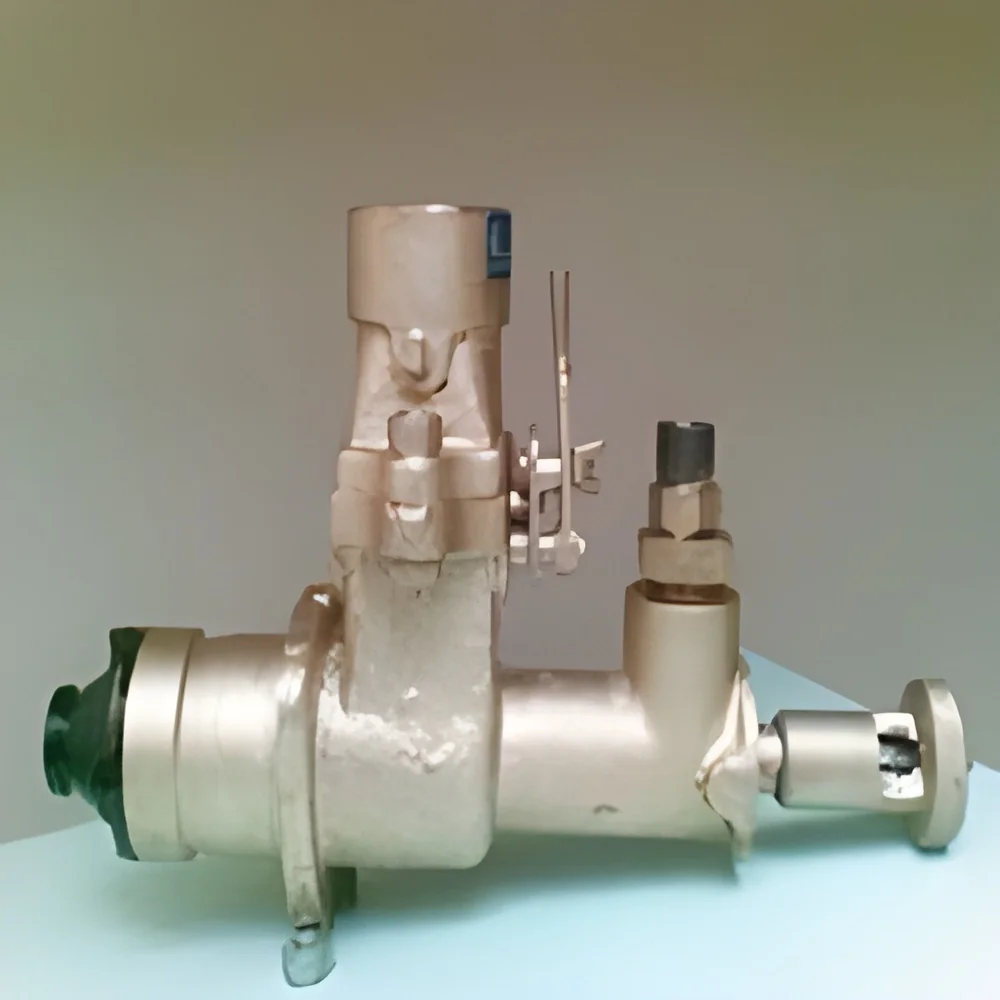
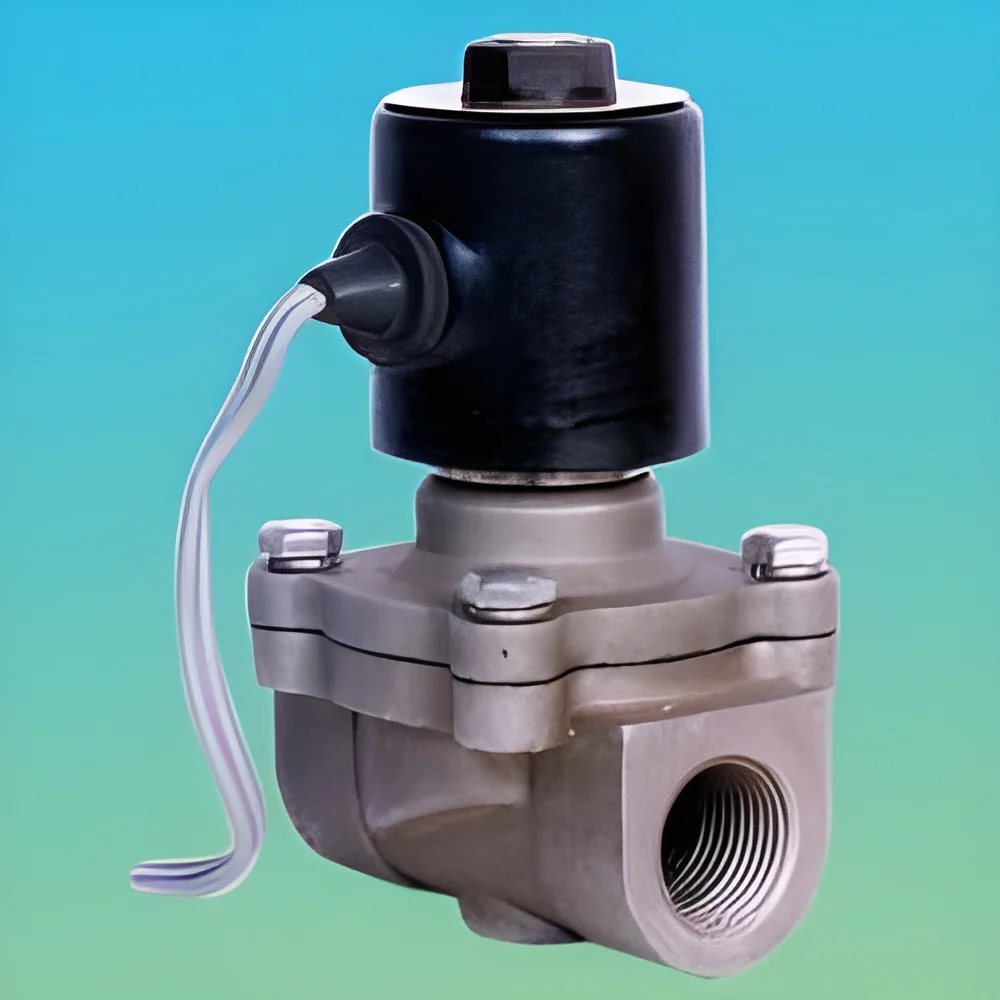
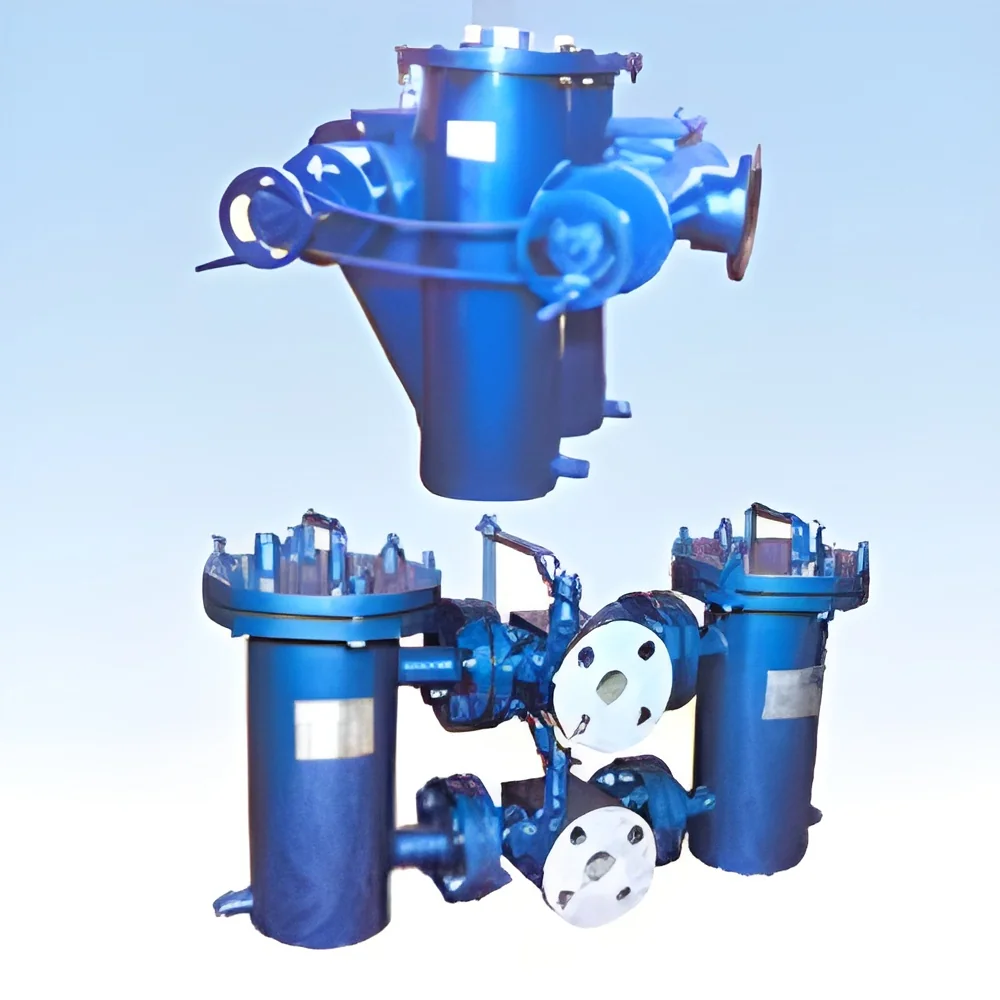
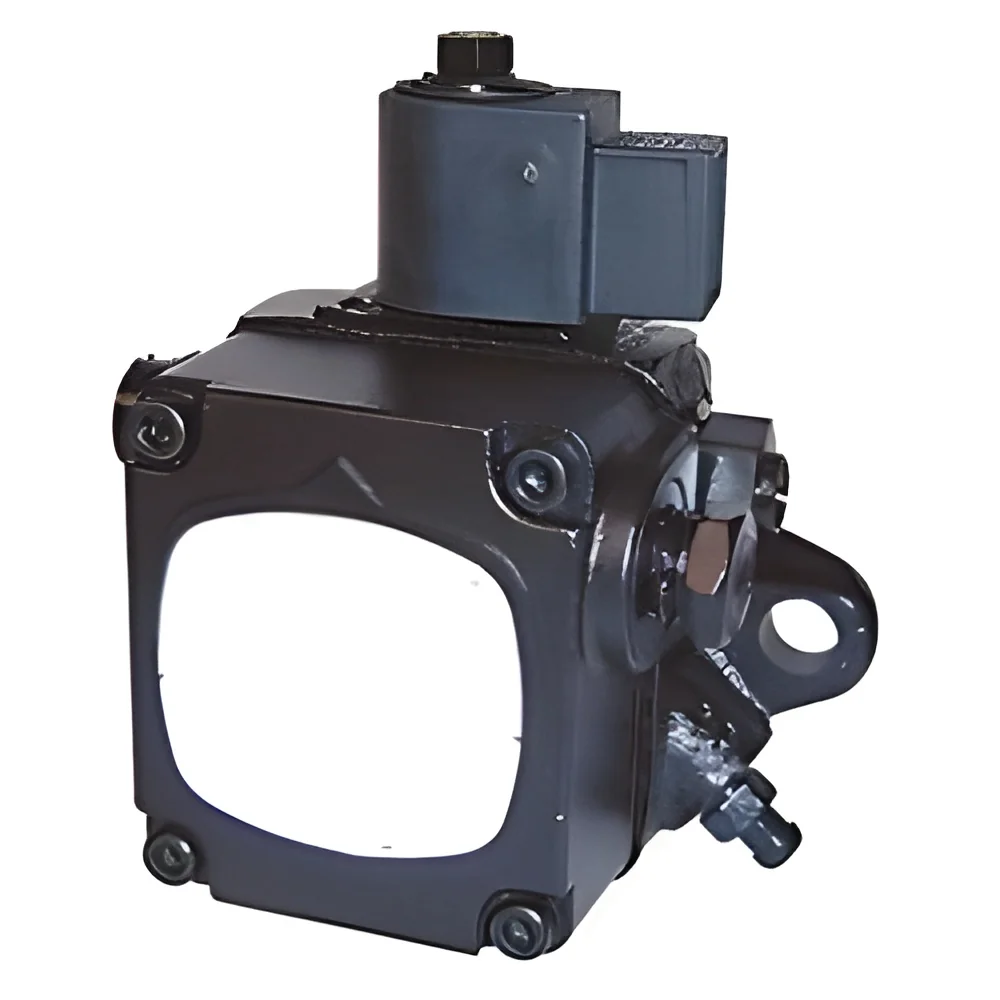
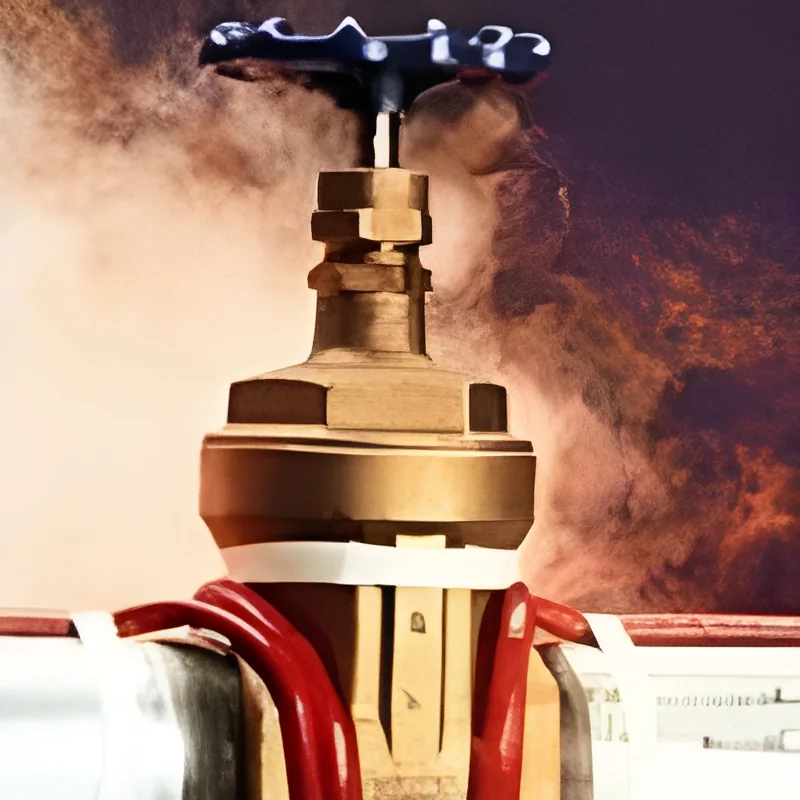
Industrial heat tracing systems provide essential thermal management solutions for maintaining optimal temperatures in pipelines, equipment, and industrial structures. These systems compensate for heat losses and prevent freezing in critical applications, ensuring continuous operation even in challenging environmental conditions. Engineered with high-quality materials and advanced thermal technology, they deliver consistent performance across both safe and hazardous areas. Their reliable operation helps maintain process efficiency while meeting stringent industry safety standards for various industrial settings.

These thermal management systems serve vital roles across multiple industrial sectors including oil and gas, chemical processing, power generation, and manufacturing. In petroleum operations, they prevent pipeline freezing and maintain product viscosity during transport. Chemical facilities utilize them for precise temperature control in reaction vessels and storage tanks. Con...
Industrial heat tracing systems provide essential thermal management solutions for maintaining optimal temperatures in pipelines, equipment, and industrial structures. These systems compensate for heat losses and prevent freezing in critical applications, ensuring continuous operation even in challenging environmental conditions. Engineered with high-quality materials and advanced thermal technology, they deliver consistent performance across both safe and hazardous areas. Their reliable operation helps maintain process efficiency while meeting stringent industry safety standards for various industrial settings.

These thermal management systems serve vital roles across multiple industrial sectors including oil and gas, chemical processing, power generation, and manufacturing. In petroleum operations, they prevent pipeline freezing and maintain product viscosity during transport. Chemical facilities utilize them for precise temperature control in reaction vessels and storage tanks. Construction projects implement them for roof and gutter heating to prevent ice dam formation, while manufacturing plants rely on them for maintaining consistent process temperatures in production equipment. This broad applicability makes them indispensable for operational continuity across diverse industrial environments.

The business value of industrial heat tracing systems lies in their operational reliability, energy efficiency, and minimal maintenance requirements. These systems prevent costly production interruptions, equipment damage, and process deviations by providing consistent thermal support. Their design prioritizes safety compliance for hazardous locations, giving operators confidence in risk mitigation and regulatory adherence. The systems' durable construction ensures long-term performance, delivering excellent return on investment through reduced energy consumption and extended equipment lifespan. This combination of features makes them a strategic investment for businesses seeking to enhance operational continuity while controlling operational costs.

Key Features:
- Certified for both safe and hazardous area applications meeting industry standards
- Engineered for precise temperature maintenance and freeze protection
- Energy-efficient design reduces power consumption and operating costs
- Constructed with durable materials for long service life in harsh conditions
- Multiple function capability including condensation prevention and process heating

Benefits:
- Prevents costly downtime and equipment damage from temperature variations
- Reduces energy consumption through efficient thermal management
- Ensures process consistency and product quality in manufacturing
- Minimizes maintenance requirements with reliable long-term performance
- Enhances safety compliance in hazardous industrial environments
Specifications
| Additional Information | |
|---|---|
| Country of Origin | India |
Application
Industrial heat tracing systems deliver critical thermal management for pipelines, vessels, and equipment across demanding environments. These systems maintain consistent temperatures and prevent freezing in both standard and hazardous locations, ensuring operational continuity during extreme weather conditions. Their robust design meets strict safety standards while providing reliable performance for continuous industrial processes.
Multiple industries depend on these systems for process stability and asset protection. From chemical processing plants to manufacturing facilities, they prevent costly downtime by maintaining optimal temperatures in pipelines and storage containers. Their versatility supports applications ranging from freeze protection to condensation control, adapting to various operational requirements and environmental challenges.
- Maintaining pipeline temperatures in oil and gas operations to prevent wax formation and ensure consistent flow
- Freeze protection for water lines and chemical transfer pipes in industrial facilities
- Anti-condensation heating for electrical cabinets and instrumentation in humid environments
- Roof and gutter heating systems to prevent ice accumulation in commercial buildings
- Temperature maintenance in process vessels and storage tanks for manufacturing consistency
Trade Details
| Available Stock | In Stock |
| Sample Availability | No |
Payment Terms
| Payment Terms |
|
Company Profile
Burnax, New Delhi
 New Delhi, India
New Delhi, IndiaElectronics & Electrical•Manufacturer•Distributor / Wholesaler
Factory Details
Factory SizeBelow 1000 sqm
Annual Production Capacity0
Industrial Heat Tracing Systems For Temperature Maintenance And Freeze Protection
Industrial heat tracing systems provide reliable temperature maintenance and freeze protection for pipelines and equipment. Engineered for safe and hazardous areas with energy-efficient performance and durable construction.
Min. Order Quantity: 1 unit
Shipping
Shipping fee and delivery date to be negotiated. Contact supplier now for more details.
Burnax
 New Delhi, India
New Delhi, IndiaElectronics & ElectricalManufacturer
More Products From Supplier
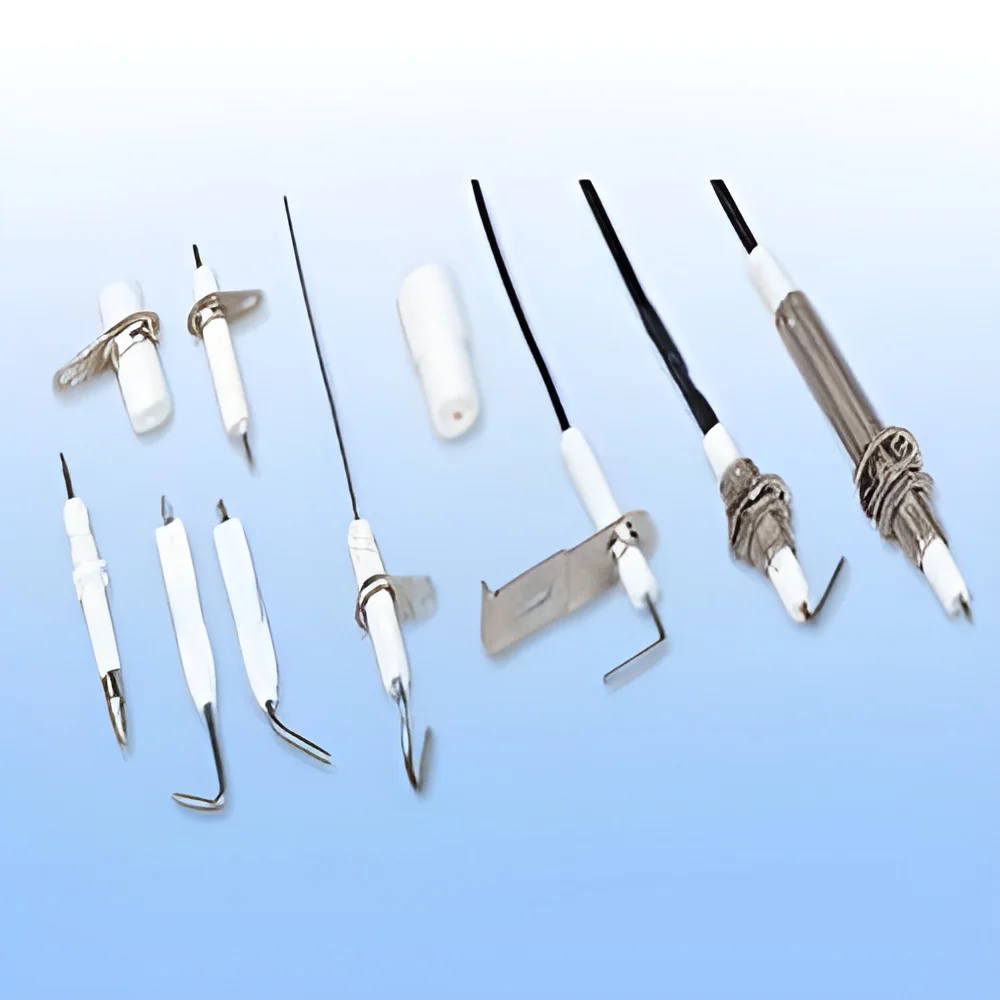
Commercial Industrial Gas Ignition Electrodes Premium Durable
In Stock
Min. order :1 unit
Burnax
India22