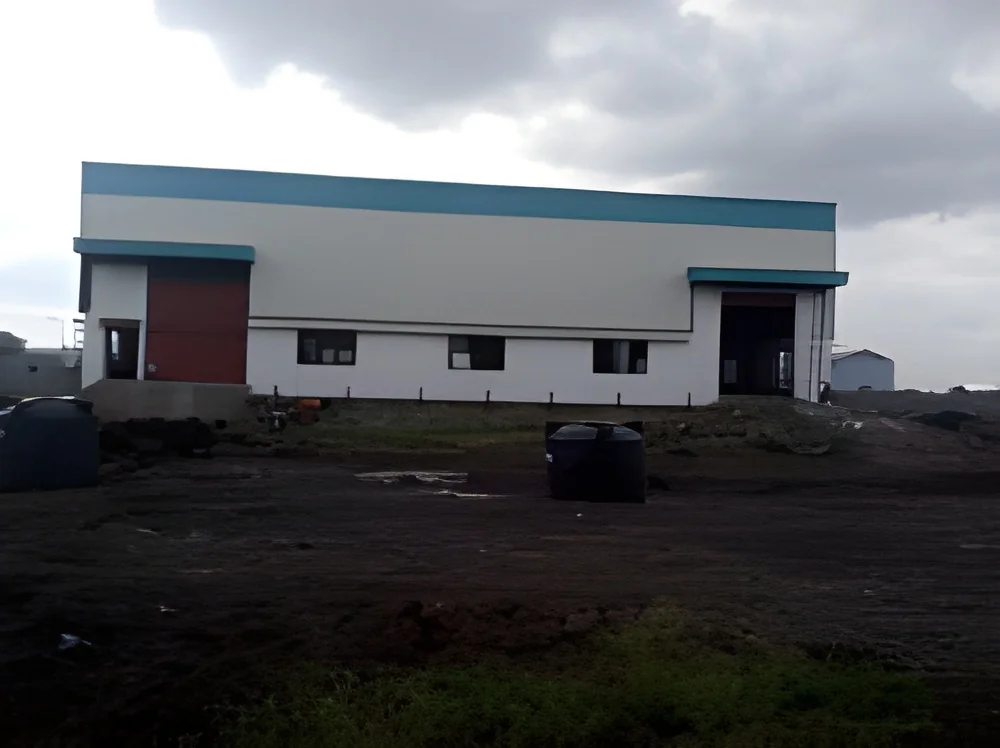
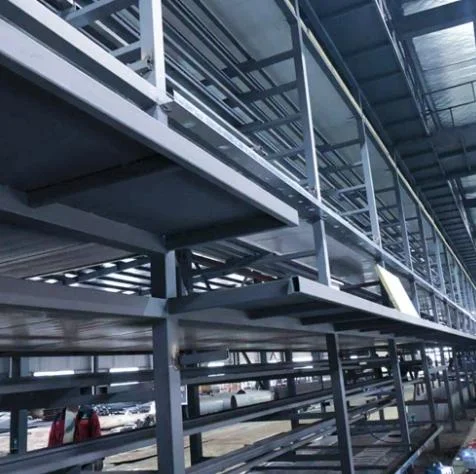
𝗪𝗵𝗮𝘁 𝗮𝗿𝗲 𝗣𝗿𝗲-𝗘𝗻𝗴𝗶𝗻𝗲𝗲𝗿𝗲𝗱 𝗜𝗻𝗱𝘂𝘀𝘁𝗿𝗶𝗮𝗹 𝗕𝘂𝗶𝗹𝗱𝗶𝗻𝗴𝘀?
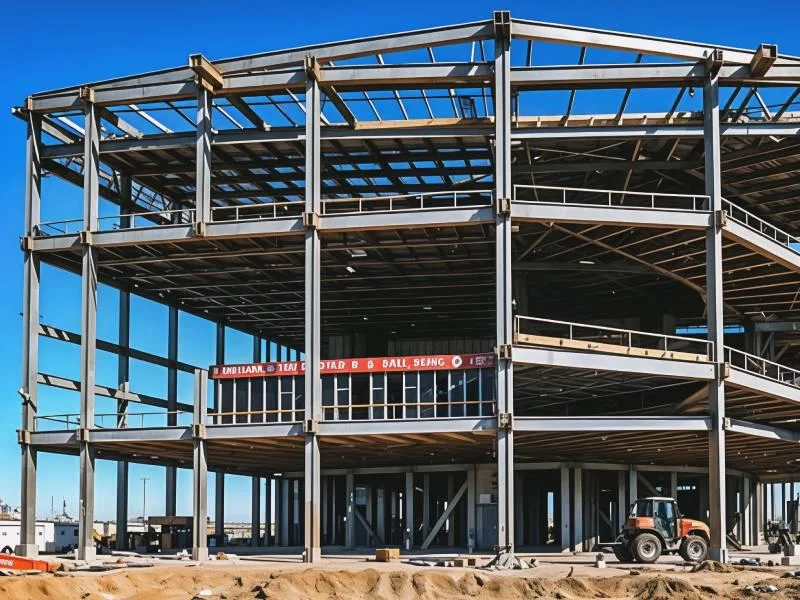
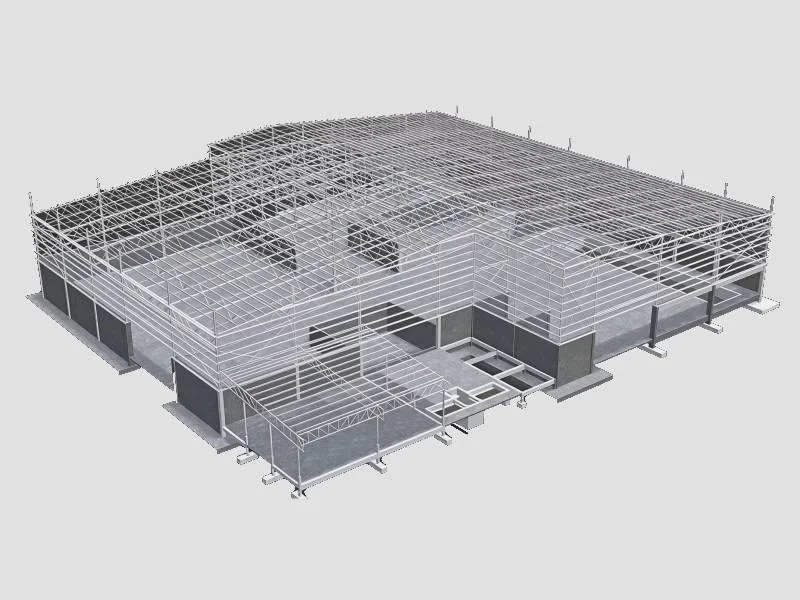
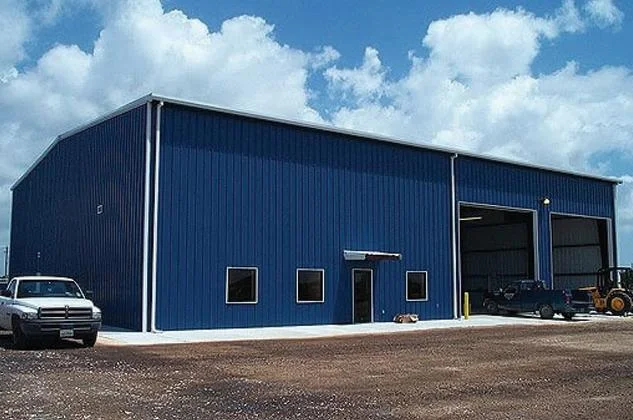
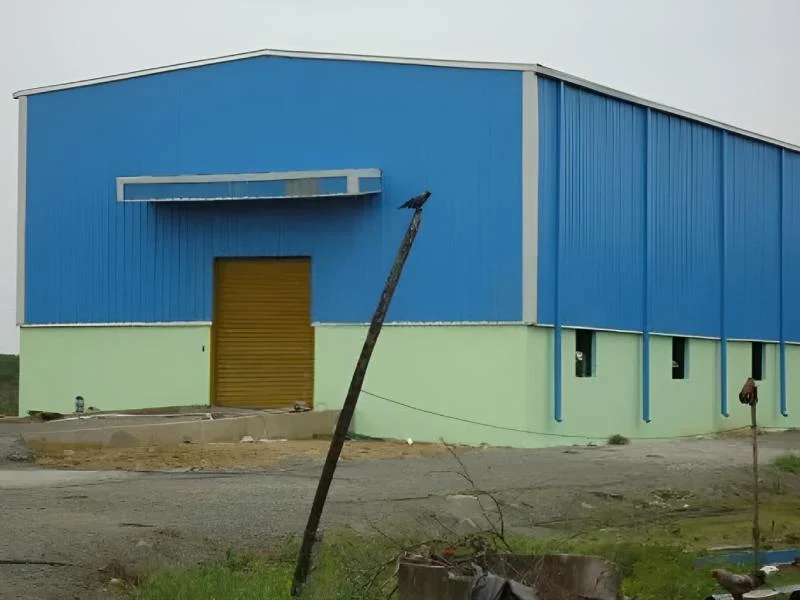
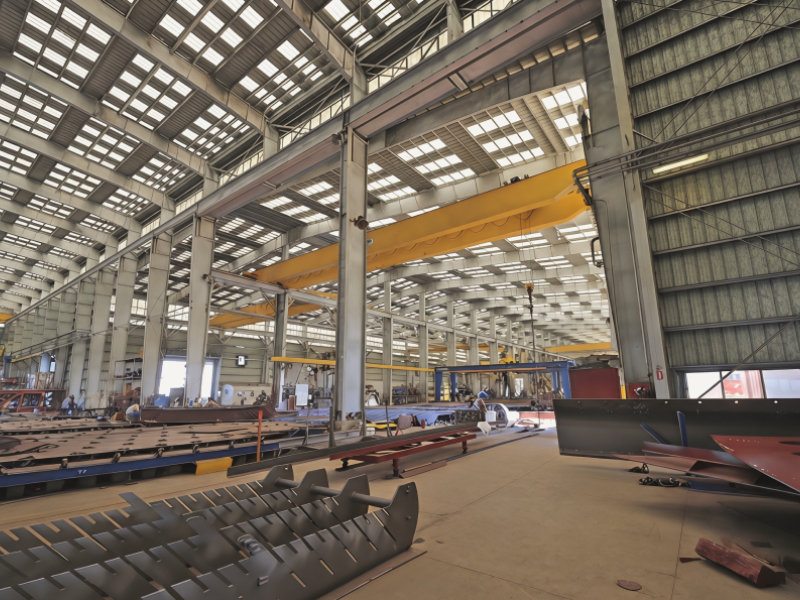
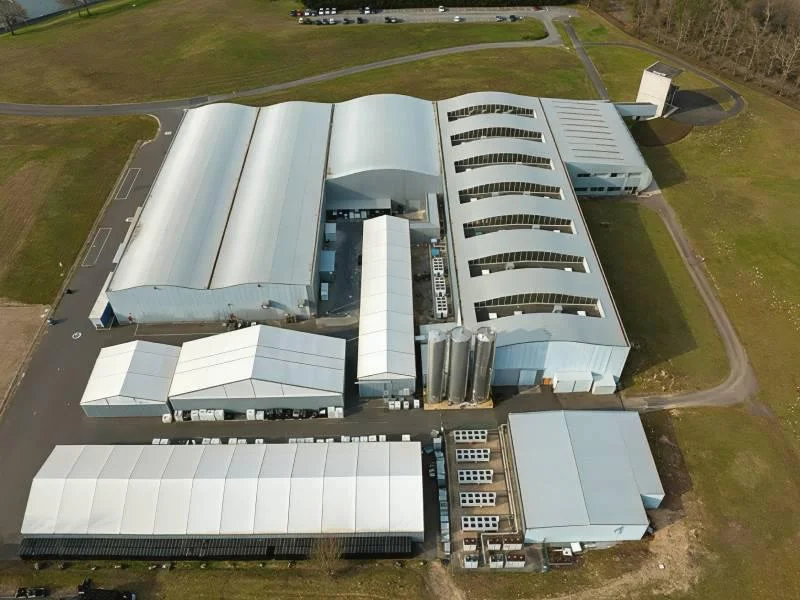
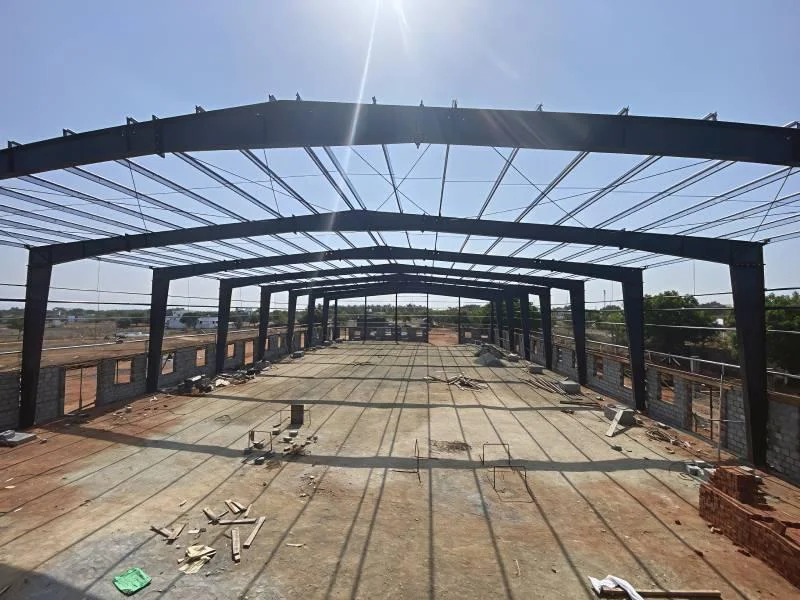
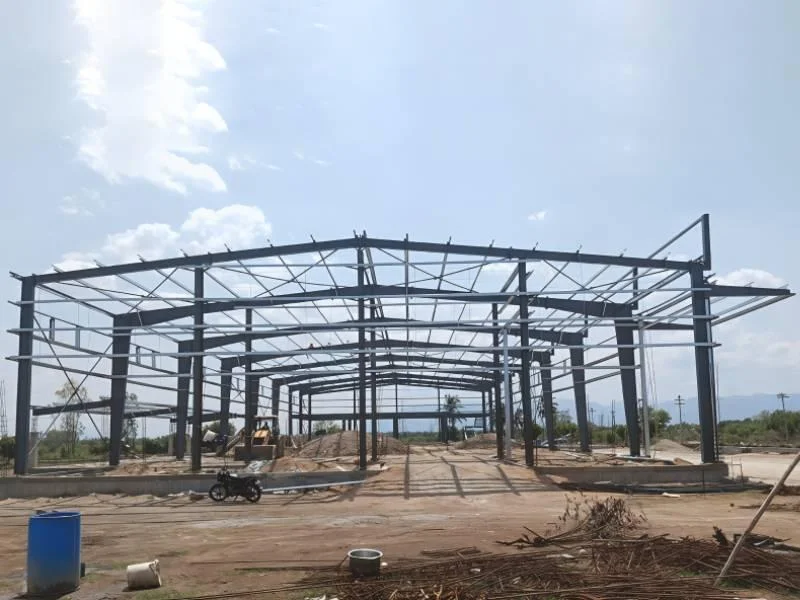
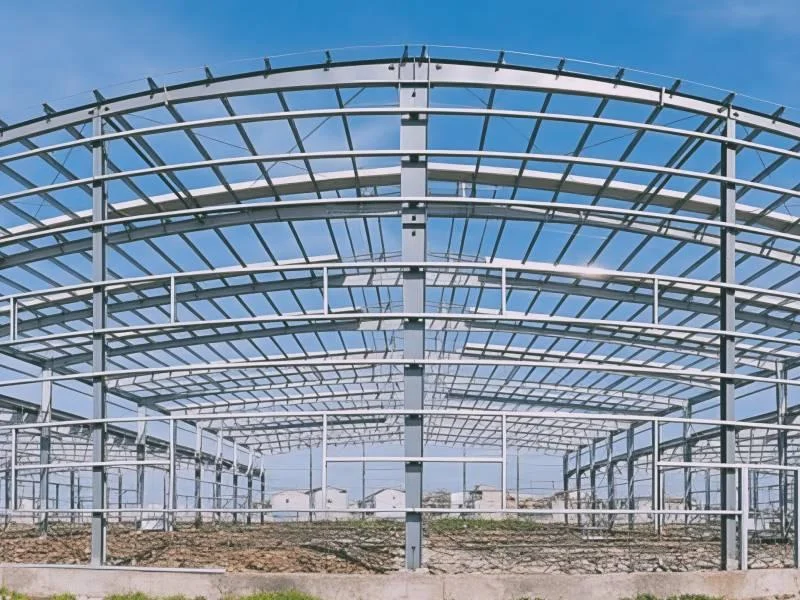
Pre-Engineered Industrial Buildings are structures that are designed and manufactured off-site in a factory setting using standardized components. These buildings are assembled on-site and offer a cost-effective solution for various industrial needs. The pre-engineering process ensures that the buildings are engineered to meet specific requirements while allowing for quick installation and reduced construction time.
These buildings find application across a wide range of industries, including manufacturing, warehousing, and logistics. They are particularly useful for companies looking to establish or expand their operations without the long lead times associated with traditional construction methods. The flexibility and adaptability of pre-engineered buildings make them ideal for businesses that require tailored solutions for their unique operational demands.
As industries continue to evolve and expand, the relevance of pre-engineered industrial buildings has increased significantly. The global market is witnessing a growing demand for these structures, driven by the need for enhanced efficiency and cost savings. Businesses are increasingly recognizing the benefits of investing in pre-engineered solutions, contributing to their rising popularity in the industrial sector.
𝗞𝗲𝘆 𝗙𝗲𝗮𝘁𝘂𝗿𝗲𝘀 𝗮𝗻𝗱 𝗦𝗽𝗲𝗰𝗶𝗳𝗶𝗰𝗮𝘁𝗶𝗼𝗻𝘀
Pre-Engineered Industrial Buildings come with a range of features designed to enhance functionality and performance. These buildings are known for their durability, customizable designs, and efficient construction processes. The following specifications highlight key attributes of these structures:
1. Structural System
- Made from high-strength steel or other durable materials
- Offers flexibility in design and layout
2. Insulation Options
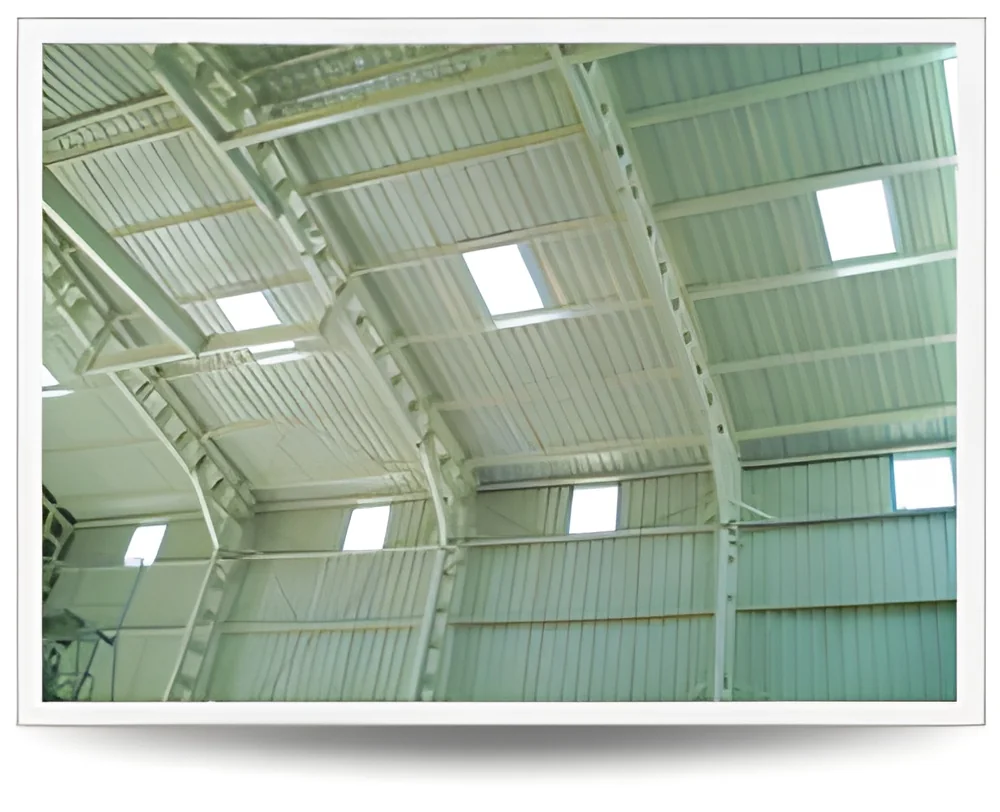
- Available with various insulation materials
- Helps maintain internal temperature and energy efficiency
3. Roof Design
- Can feature a variety of roof styles including gable and flat
- Engineered for optimal water drainage and snow load management
4. Wall Panels
- Options for insulated or non-insulated panels
- Provides aesthetic and functional benefits
5. Foundation Requirements
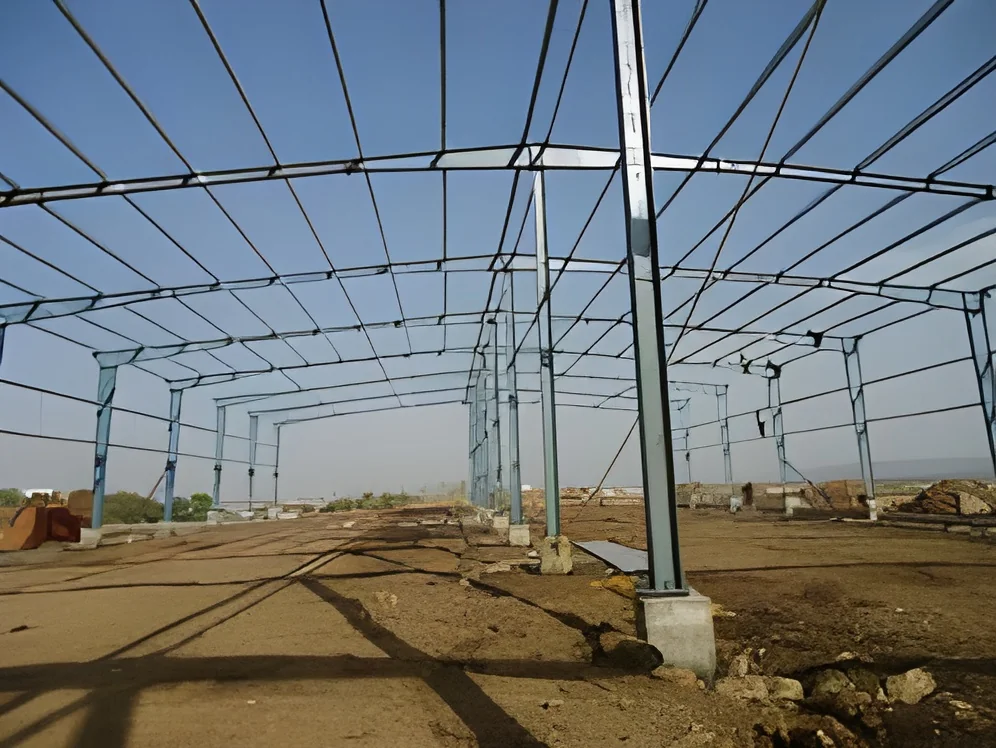
- Designed for compatibility with different foundation types
- Supports structural integrity and longevity
6. Customization Capabilities
- Allows for tailored designs to meet specific operational needs
- Options for different sizes, layouts, and finishes
7. Delivery Timeline
- Quick assembly and installation processes
- Reduces downtime and enhances operational readiness
8. Cost-Effectiveness
- Lower overall construction costs compared to traditional buildings
- Minimizes labor and material expenses
In summary, Pre-Engineered Industrial Buildings offer a versatile and efficient solution for businesses looking to establish or expand industrial operations. With customizable features and rapid construction timelines, they cater to a range of industrial applications.
𝗖𝗼𝗺𝗺𝗼𝗻 𝗔𝗽𝗽𝗹𝗶𝗰𝗮𝘁𝗶𝗼𝗻𝘀 𝗮𝗻𝗱 𝗨𝘀𝗲 𝗖𝗮𝘀𝗲𝘀
Pre-Engineered Industrial Buildings serve multiple industries, providing tailored solutions for various operational needs.
1. Manufacturing: These buildings are ideal for manufacturing facilities, offering customizable layouts that can accommodate heavy machinery and assembly lines.
2. Warehousing: Companies often use pre-engineered buildings for warehousing solutions due to their spacious designs and efficient storage capabilities.
3. Logistics: Logistics companies benefit from the quick setup and adaptability of these buildings, enhancing their distribution and fulfillment operations.
4. Retail: Some businesses utilize pre-engineered structures as retail spaces, taking advantage of their cost-effectiveness and design flexibility.
5. Agriculture: Agricultural businesses use these buildings for equipment storage, processing facilities, and livestock housing.
6. Aviation: These buildings can also serve as hangars for aircraft, providing a weather-resistant environment for maintenance and storage.
7. Energy: The energy sector often employs pre-engineered buildings for operational facilities, control rooms, and maintenance shops.
In conclusion, the versatility of Pre-Engineered Industrial Buildings allows them to meet the diverse needs of various industries effectively.
𝗣𝗿𝗼𝗱𝘂𝗰𝘁 𝗩𝗮𝗿𝗶𝗮𝗻𝘁𝘀 𝗮𝗻𝗱 𝗦𝘂𝗯𝗰𝗮𝘁𝗲𝗴𝗼𝗿𝗶𝗲𝘀
Pre-Engineered Industrial Buildings exhibit a range of variants that cater to specific requirements.
Variant 1: Warehouse Buildings
Warehouse buildings are designed for optimal storage and distribution. They feature high ceilings and spacious interiors to accommodate various inventory types.
Variant 2: Manufacturing Facilities
These facilities are tailored for production processes, equipped with necessary load-bearing capacities and customizable layouts to support different manufacturing operations.
Variant 3: Retail Outlets
Retail outlets utilize pre-engineered designs to create attractive and functional shopping spaces, benefiting from quick construction and cost savings.
Variant 4: Agricultural Structures
These buildings provide essential support for agricultural activities, including equipment storage and livestock housing, designed to withstand environmental challenges.
In summary, the diversity of pre-engineered buildings ensures businesses can find the right solution for their specific operational needs.
𝗕𝗲𝗻𝗲𝗳𝗶𝘁𝘀 𝗮𝗻𝗱 𝗔𝗱𝘃𝗮𝗻𝘁𝗮𝗴𝗲𝘀
Pre-Engineered Industrial Buildings offer numerous advantages for businesses looking for efficient construction solutions.
1. Cost Savings: These buildings typically come at a lower cost compared to traditional construction methods, helping businesses manage budgets effectively.
2. Quick Construction: The off-site manufacturing process reduces construction time, enabling businesses to start operations sooner.
3. Flexibility: Pre-engineered buildings can be customized to meet specific operational needs, ensuring businesses get the facilities that work best for them.
4. Durability: Constructed from high-quality materials, these buildings are designed to withstand various environmental conditions, ensuring long-term performance.
5. Energy Efficiency: Many pre-engineered buildings incorporate insulation and energy-efficient designs, helping to reduce operational costs over time.
6. Minimal Maintenance: These structures often require less maintenance than traditional buildings, allowing businesses to focus on their core operations.
In conclusion, the benefits of Pre-Engineered Industrial Buildings make them a smart choice for companies looking to optimize their infrastructure and operational efficiency.
𝗕𝘂𝘆𝗶𝗻𝗴 𝗚𝘂𝗶𝗱𝗲 𝗳𝗼𝗿 𝗕𝟮𝗕 𝗕𝘂𝘆𝗲𝗿𝘀
When considering the purchase of Pre-Engineered Industrial Buildings, buyers should evaluate several key factors.
1. Quality Assessment: It is crucial to assess the quality of materials and construction methods used by manufacturers. Look for buildings that adhere to industry standards and best practices.
2. Supplier Verification: Vetting suppliers is essential to ensure reliability and credibility. Check for customer reviews, references, and certifications to gauge their reputation.
3. Pricing and MOQ: Understanding the pricing structure and minimum order quantities is important for budgeting and planning purchases effectively.
4. Delivery and Lead Times: Evaluate the supplier's ability to meet delivery timelines. Efficient logistics can significantly impact operational readiness.
5. Compliance Requirements: Familiarize yourself with any regulatory compliance needs relevant to your industry. Ensure the buildings meet local codes and standards.
In summary, thorough consideration of these factors will help B2B buyers make informed decisions when sourcing Pre-Engineered Industrial Buildings.
𝗖𝗼𝗺𝗽𝗹𝗶𝗮𝗻𝗰𝗲 𝗮𝗻𝗱 𝗖𝗲𝗿𝘁𝗶𝗳𝗶𝗰𝗮𝘁𝗶𝗼𝗻𝘀
Compliance and certifications are vital aspects of Pre-Engineered Industrial Buildings that ensure quality and safety.
Relevant quality standards such as ISO 9001 ensure that manufacturing processes meet international quality management criteria. This standard signifies that the building is produced under controlled conditions, enhancing reliability.
Industry certifications, including CE marking, indicate that the buildings conform to European safety standards. This certification is crucial for gaining market acceptance and ensuring compliance with safety regulations.
Safety and testing requirements are also essential. Buildings must undergo rigorous testing to assess their structural integrity, fire resistance, and durability under various environmental conditions.
Regional compliance considerations vary by location, and it is important to understand local building codes and regulations. Adhering to these requirements ensures that the buildings are safe and suitable for their intended use.
In conclusion, compliance and certifications serve as essential indicators of quality and safety in Pre-Engineered Industrial Buildings, helping buyers make informed decisions.
𝗪𝗵𝘆 𝗦𝗼𝘂𝗿𝗰𝗲 𝗣𝗿𝗲-𝗘𝗻𝗴𝗶𝗻𝗲𝗲𝗿𝗲𝗱 𝗜𝗻𝗱𝘂𝘀𝘁𝗿𝗶𝗮𝗹 𝗕𝘂𝗶𝗹𝗱𝗶𝗻𝗴𝘀 𝗳𝗿𝗼𝗺 𝗣𝗲𝗽𝗮𝗴𝗼𝗿𝗮?
Pepagora provides a trusted platform for sourcing Pre-Engineered Industrial Buildings, offering several key advantages to buyers.
Verified Supplier Network: Pepagora has established a robust network of verified suppliers. This ensures that buyers can connect with reputable manufacturers who adhere to industry standards and deliver quality products.
Streamlined RFQ Process: The platform features a streamlined Request for Quotation (RFQ) process, making it easy for buyers to receive competitive quotes from multiple suppliers. This efficiency helps businesses make informed purchasing decisions.
Trade Assurance and Support: Pepagora offers trade assurance to protect buyers throughout the procurement process. This includes support for resolving disputes and ensuring that orders meet expectations.
Regional Coverage: With a focus on regions such as India, the GCC, and Southeast Asia, Pepagora provides extensive geographic reach. This enables businesses to source Pre-Engineered Industrial Buildings tailored to local market demands.
In summary, sourcing Pre-Engineered Industrial Buildings from Pepagora ensures quality, efficiency, and support, making it a preferred choice for businesses looking to enhance their operations.

 IN
IN