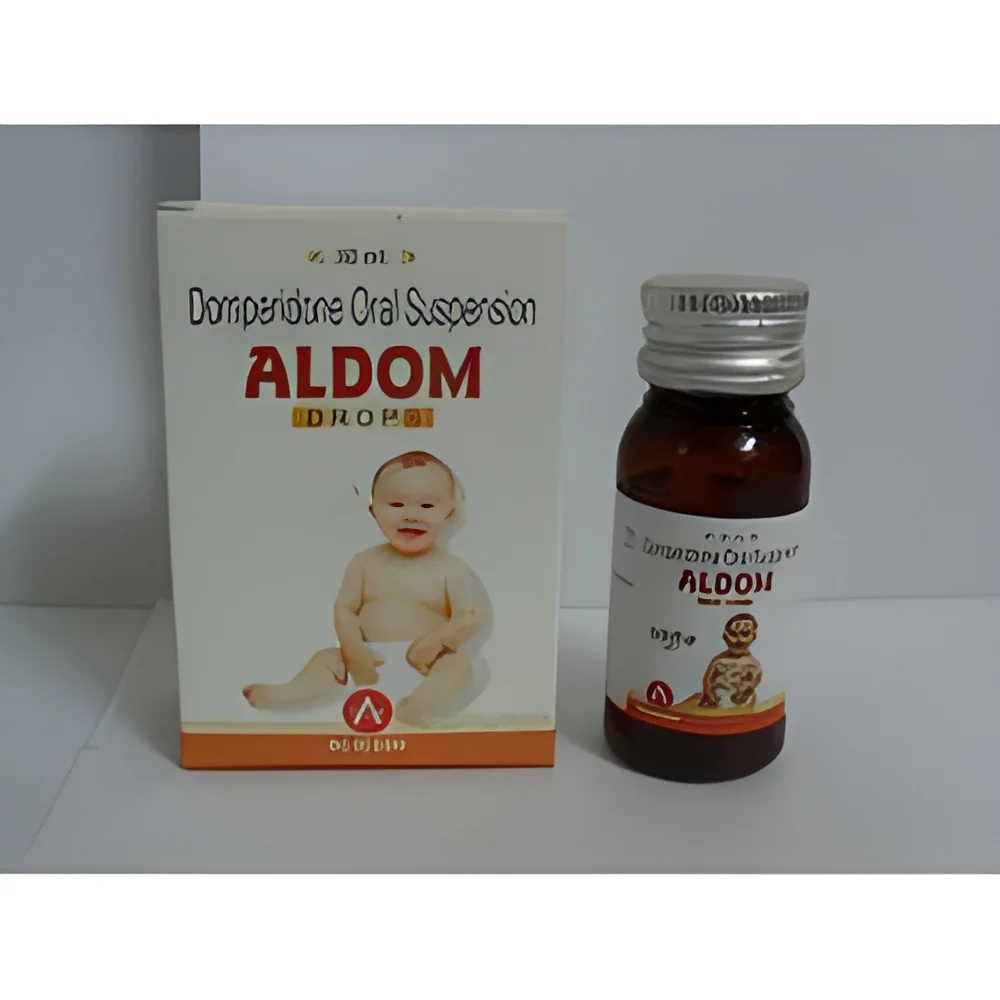
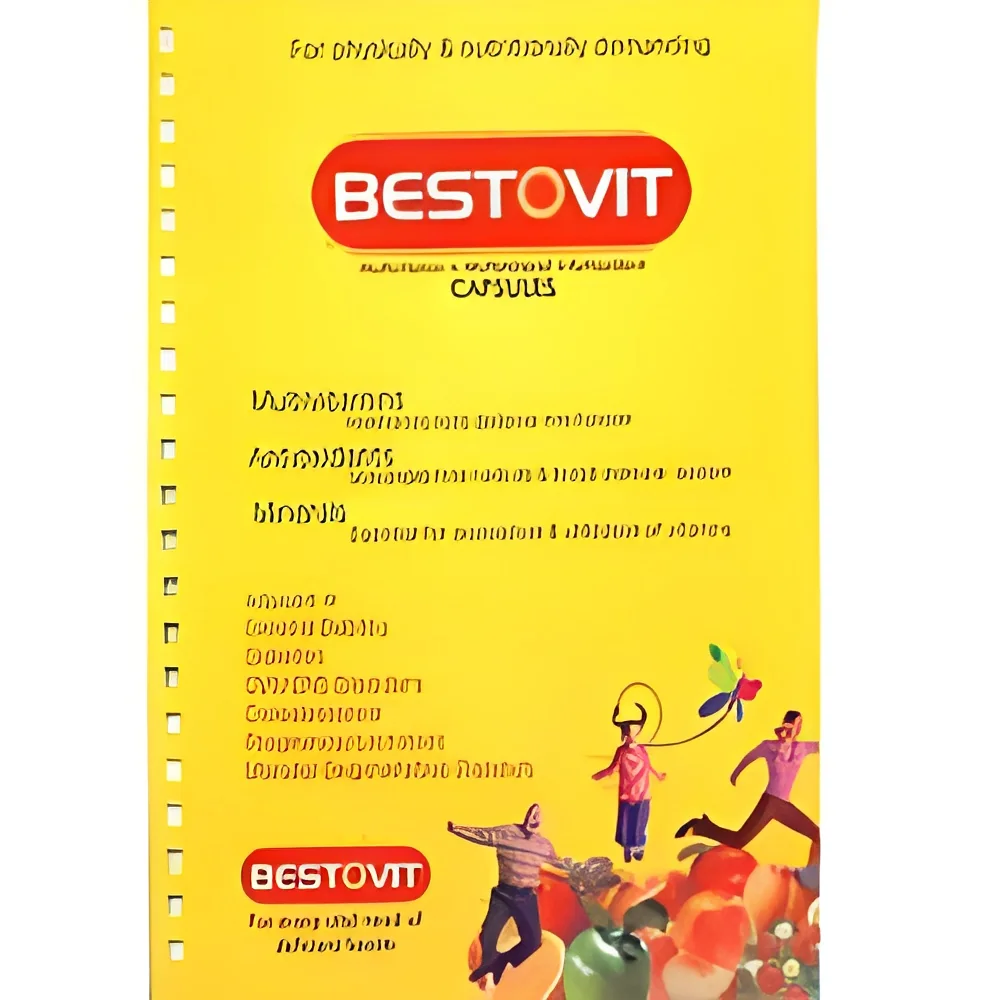
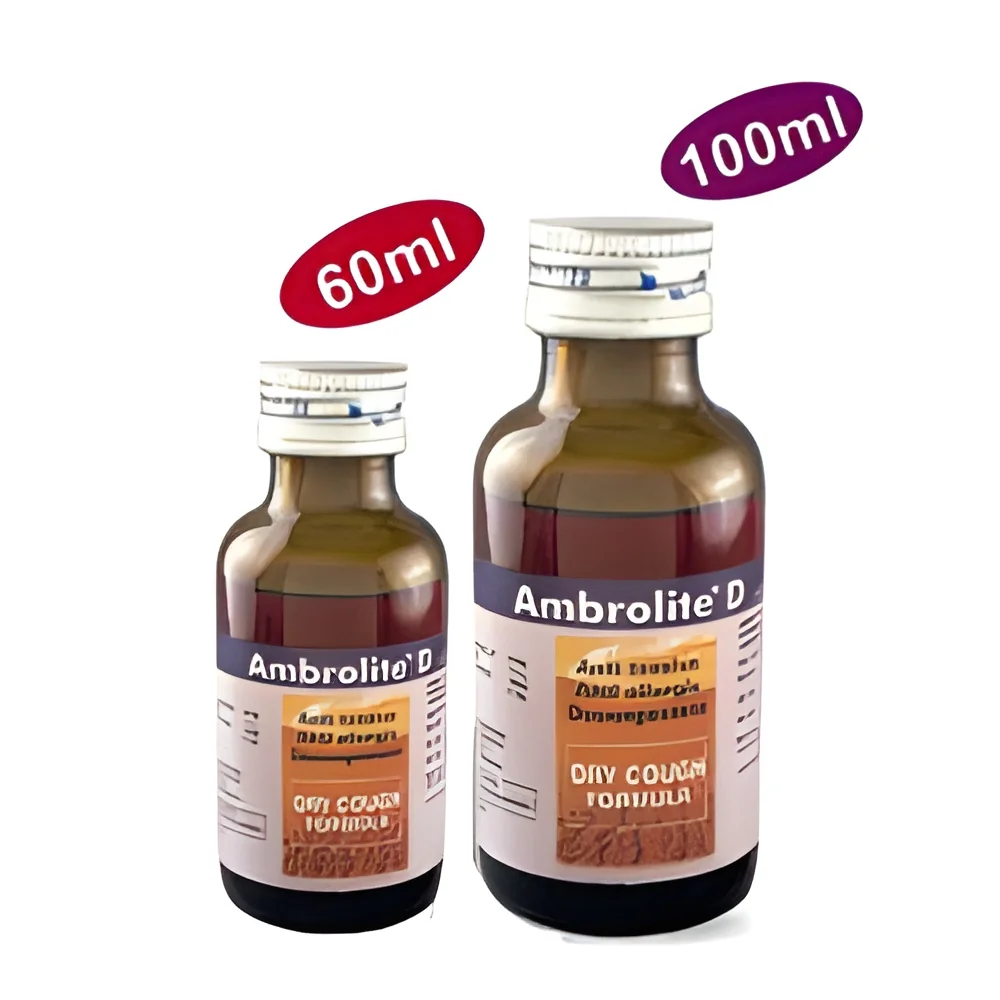
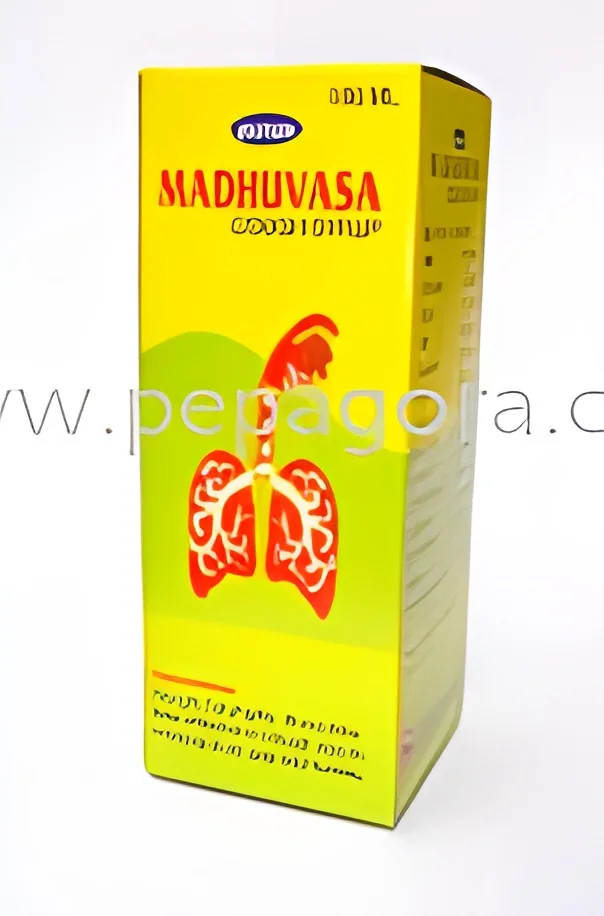
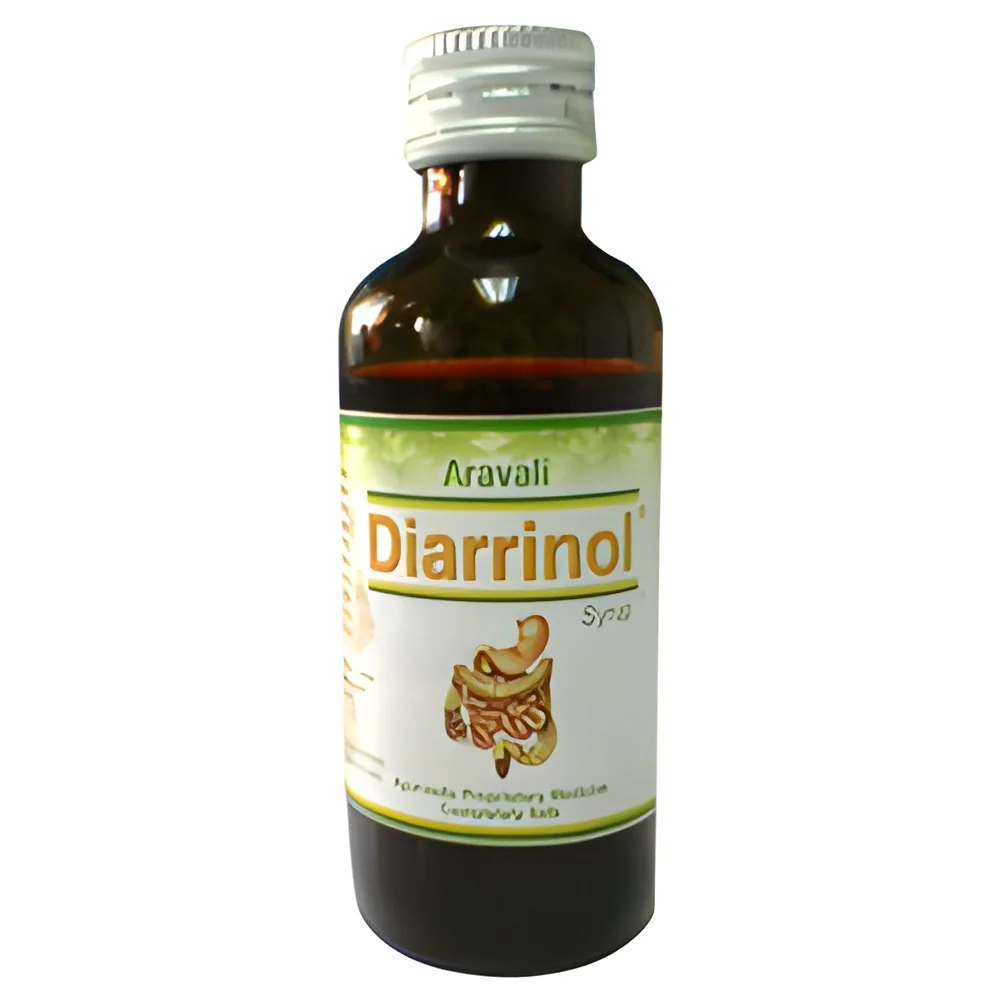
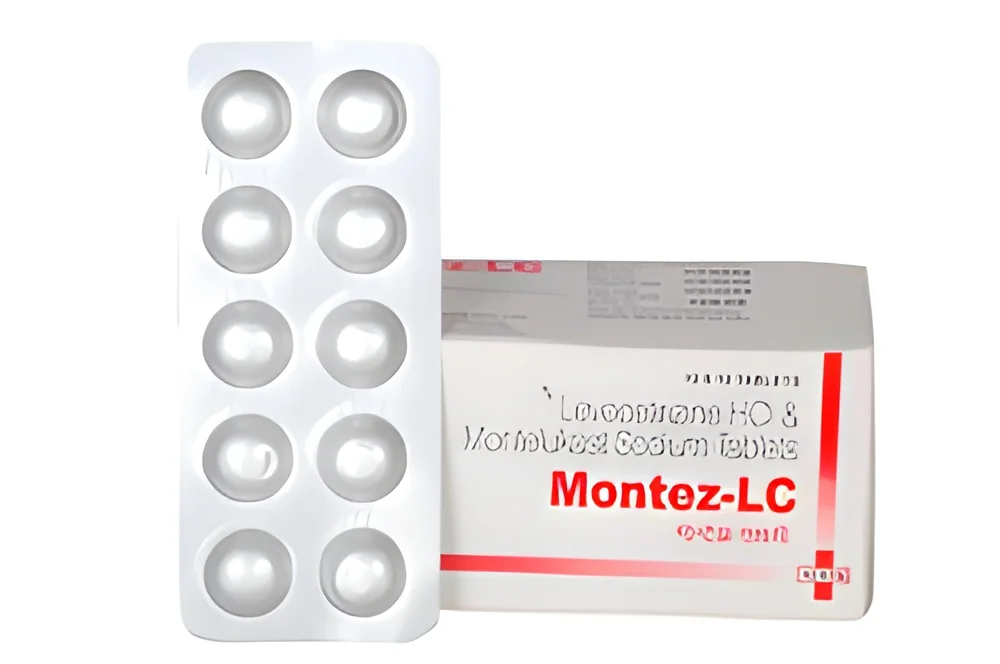
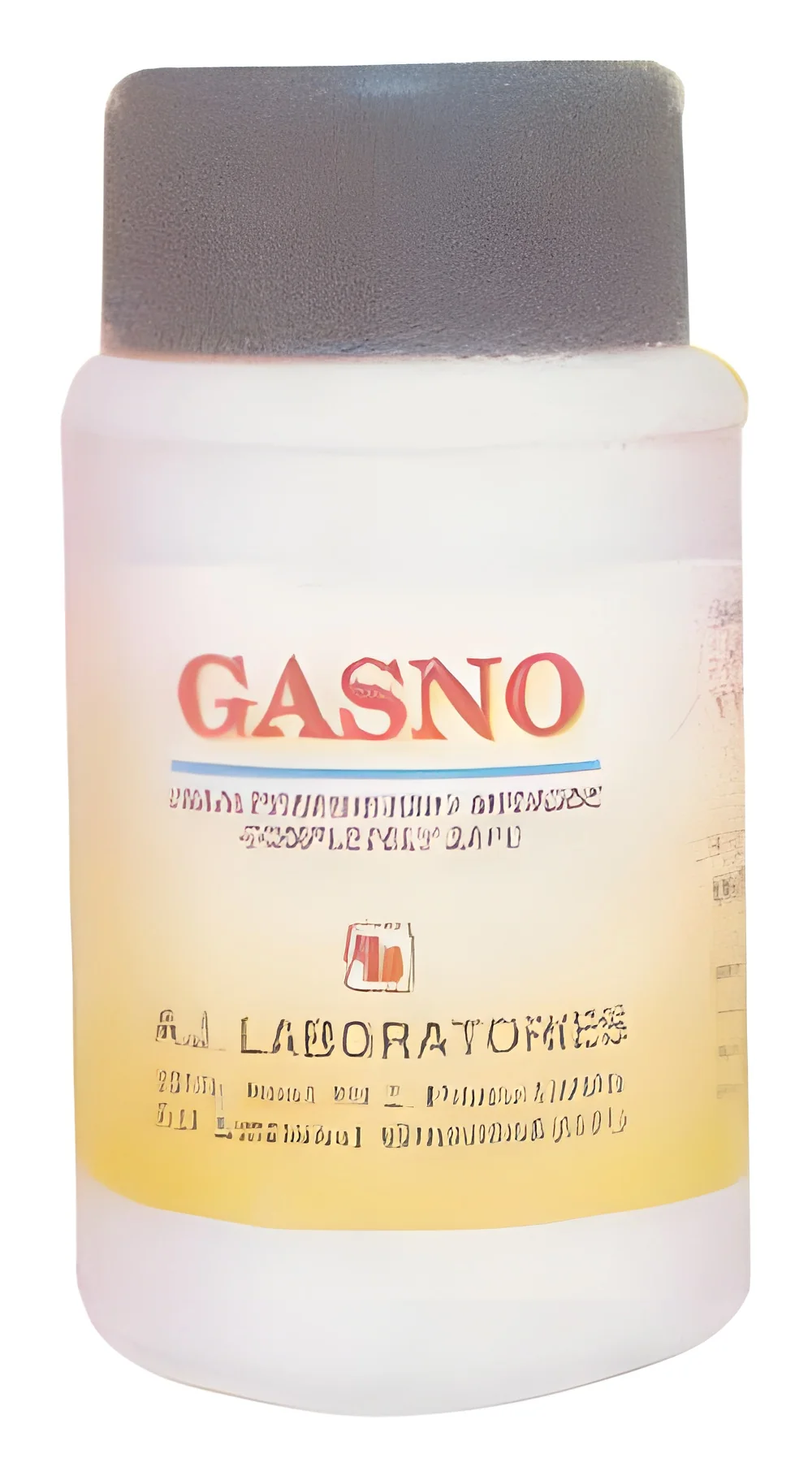
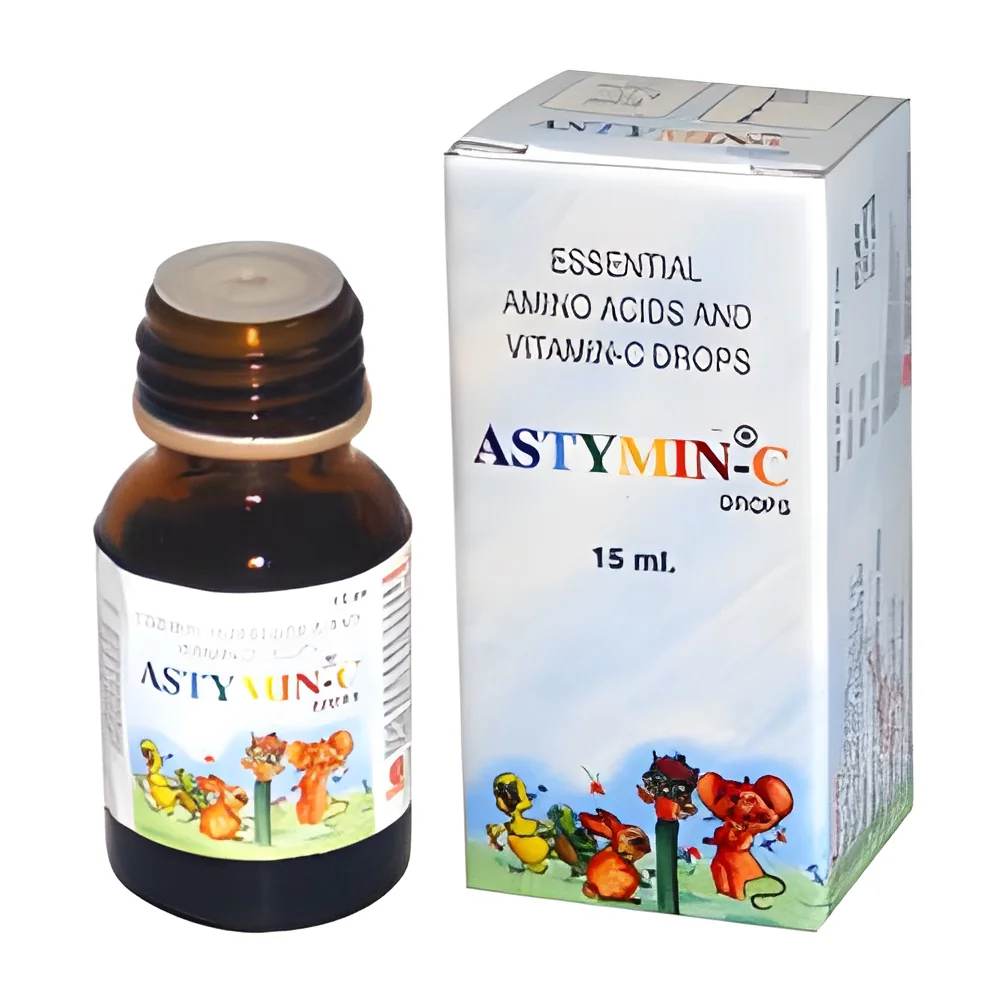
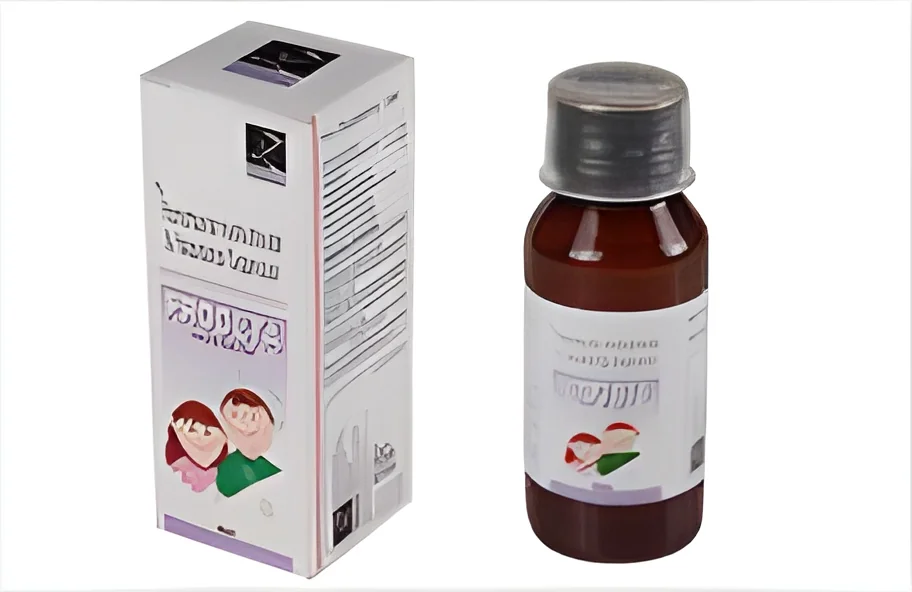
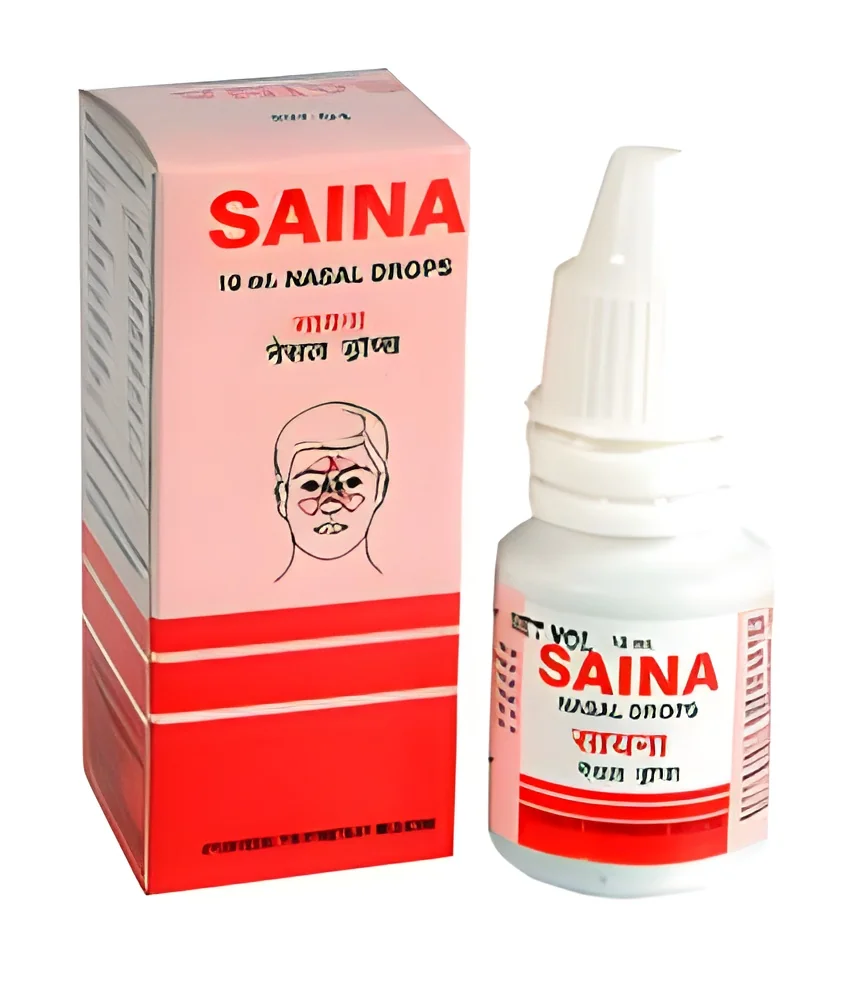
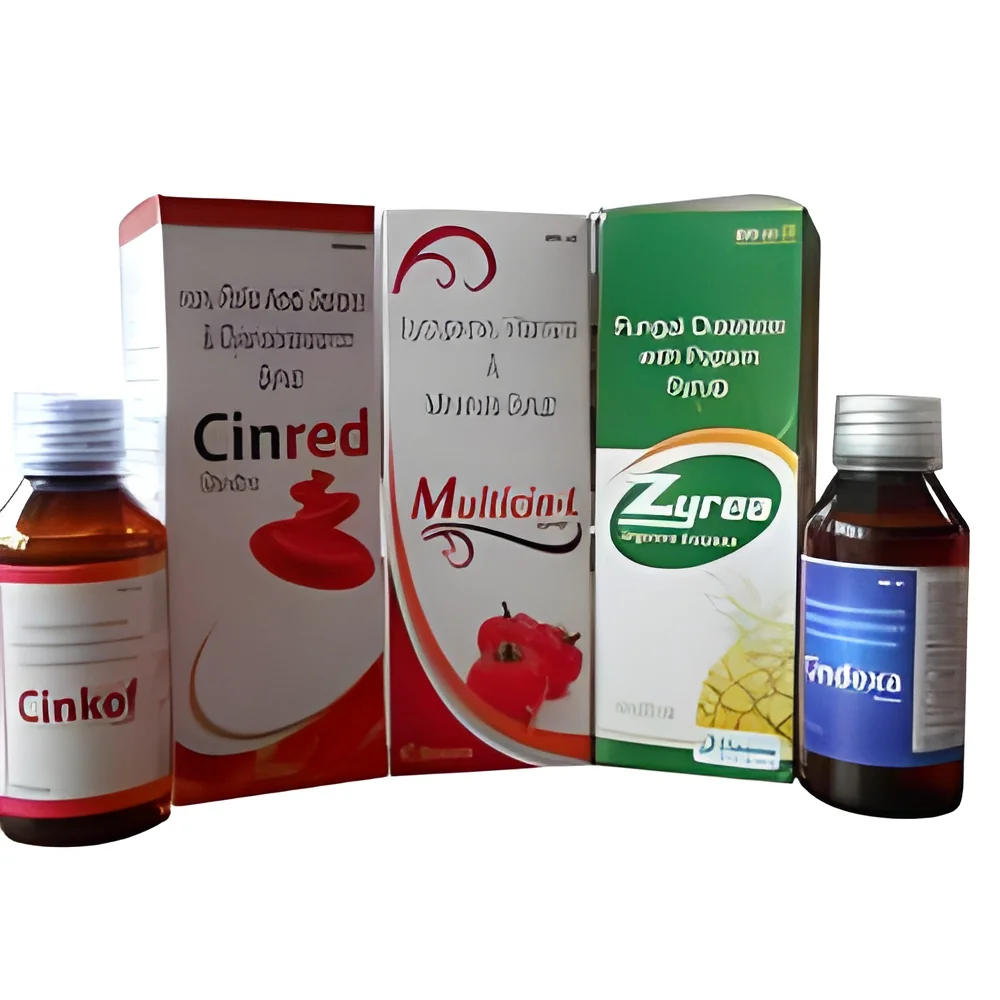
𝗪𝗵𝗮𝘁 𝗮𝗿𝗲 𝗢𝘃𝗲𝗿-𝘁𝗵𝗲-𝗖𝗼𝘂𝗻𝘁𝗲𝗿 𝗠𝗲𝗱𝗶𝗰𝗶𝗻𝗲𝘀?
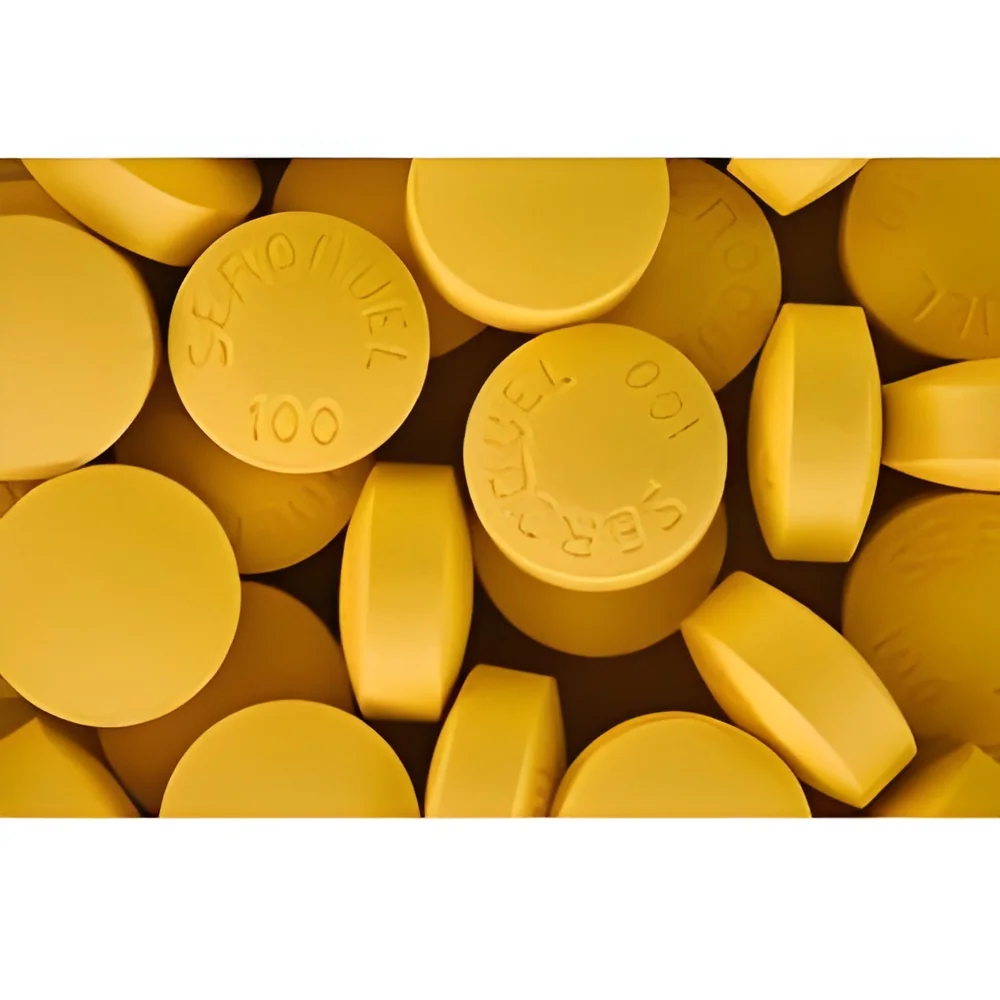
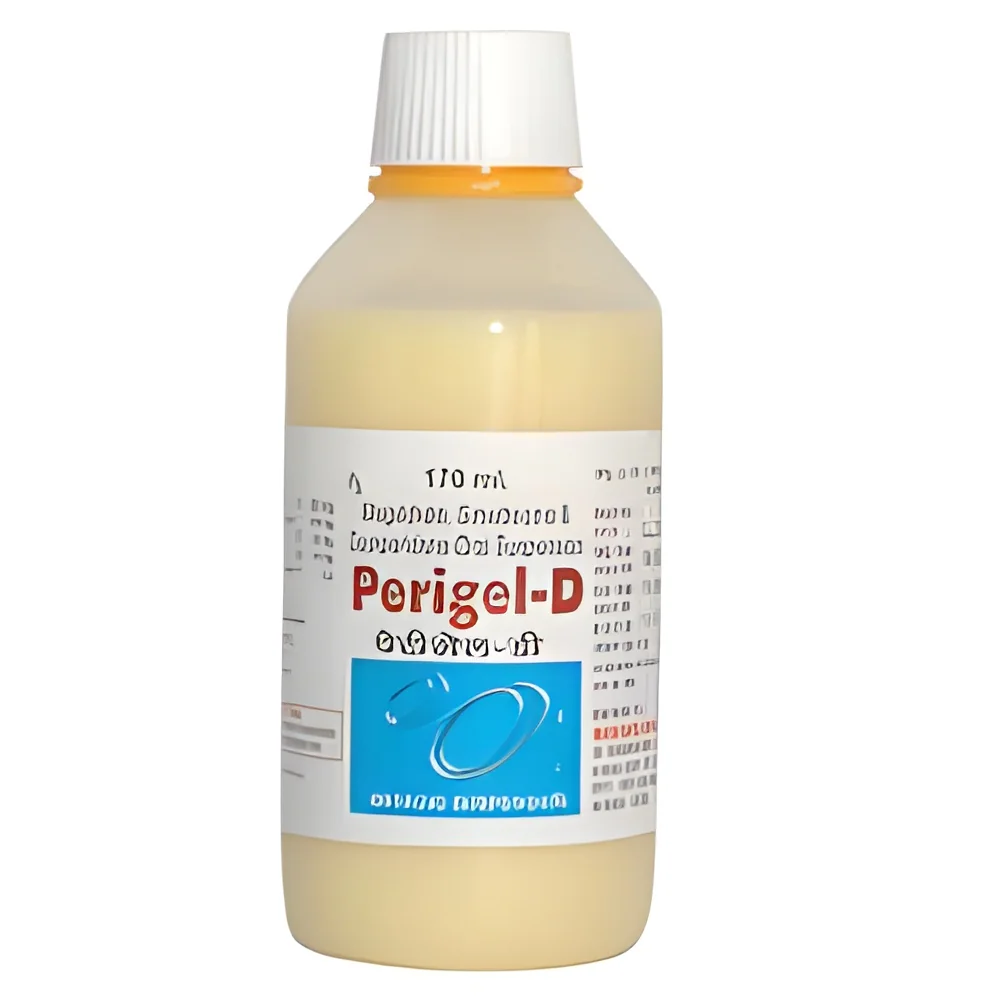
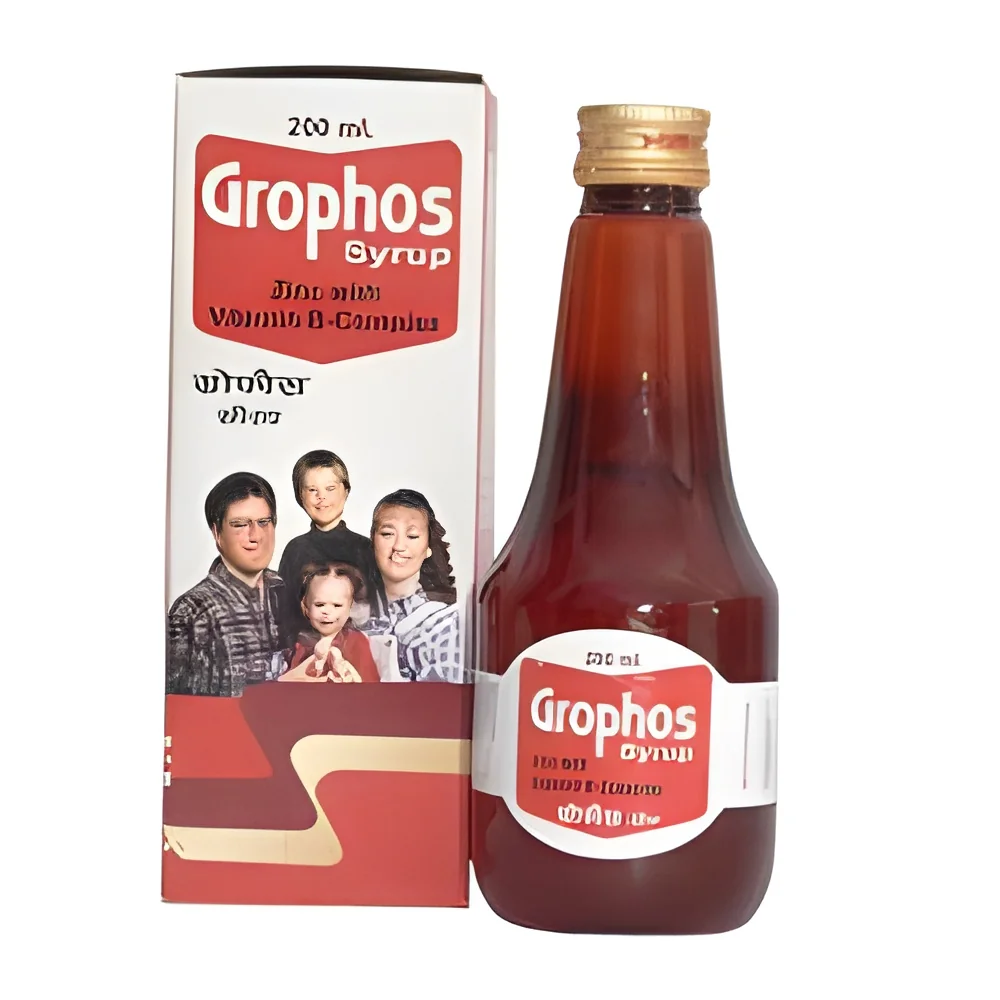
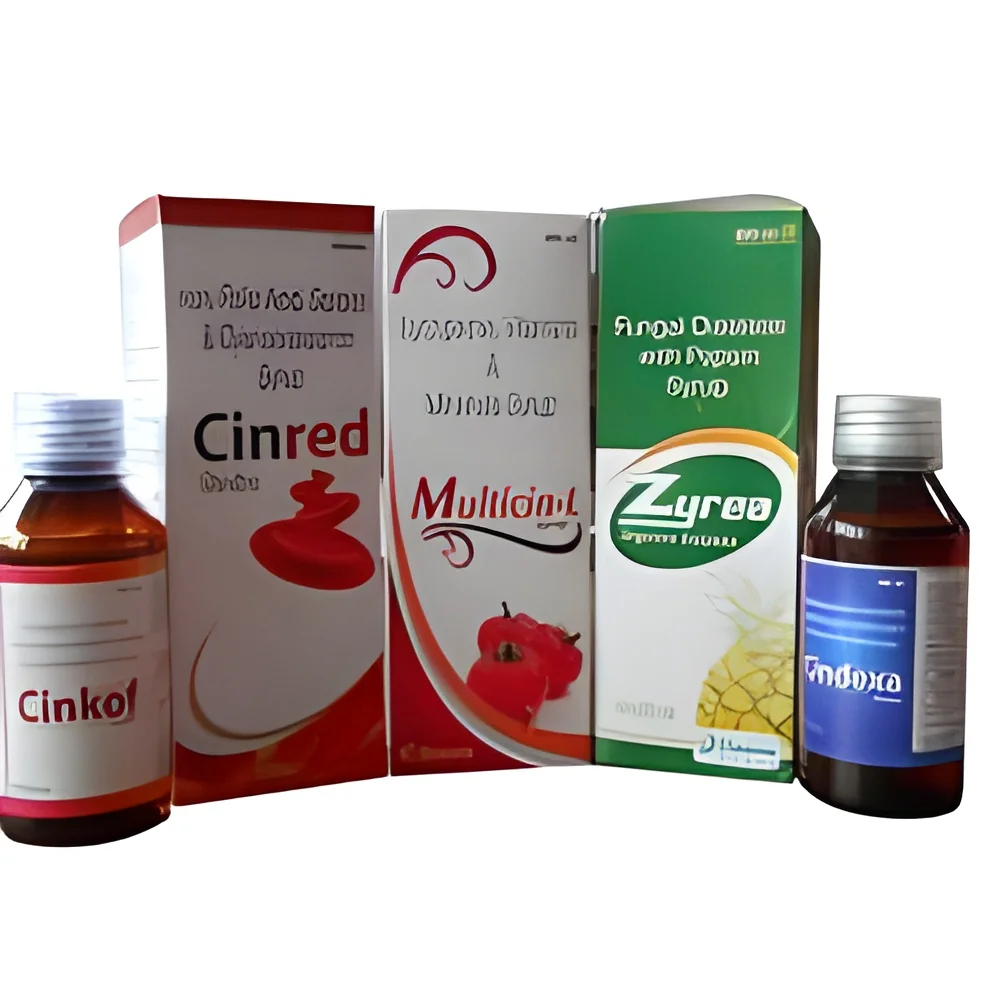
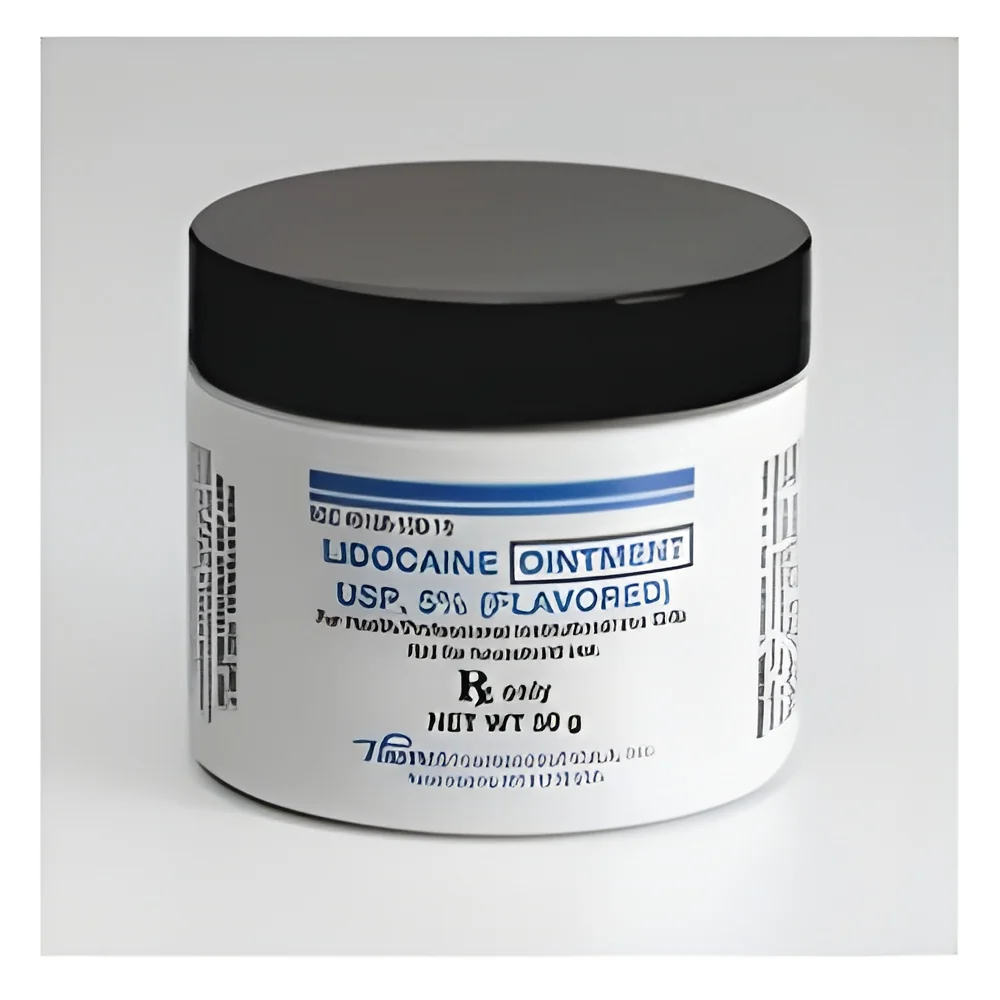
Over-the-counter (OTC) medicines are pharmaceutical products that can be purchased without a prescription. They are designed for the treatment of various minor health conditions and are generally considered safe for use by the general public when used according to the instructions. OTC medicines include a wide range of products such as pain relievers, cold and flu medications, allergy treatments, and digestive aids.
The primary uses of OTC medicines are to provide relief from common ailments and to promote self-care among consumers. Businesses in the healthcare and retail sectors often stock these products to meet consumer needs and enhance customer satisfaction. The OTC market plays a critical role in the healthcare industry by allowing individuals to manage their health without the need for direct medical supervision, which can help to alleviate pressure on healthcare facilities.
The relevance of OTC medicines in the industry is significant, especially in the context of rising healthcare costs and an increasing emphasis on preventive care. The global OTC market has been experiencing growth due to factors such as changing consumer behaviors, aging populations, and increased accessibility to healthcare information. As a result, businesses that engage in the production and distribution of OTC medicines are positioning themselves to capture a larger share of this expanding market.
𝗞𝗲𝘆 𝗙𝗲𝗮𝘁𝘂𝗿𝗲𝘀 𝗮𝗻𝗱 𝗦𝗽𝗲𝗰𝗶𝗳𝗶𝗰𝗮𝘁𝗶𝗼𝗻𝘀
Over-the-counter medicines are characterized by several key features that ensure their effectiveness and safety for consumer use. Understanding these specifications is crucial for businesses looking to procure these products.
Key specifications include:
1. Active Ingredients
- The primary components responsible for the therapeutic effect
- Varies by product type, e.g., acetaminophen in pain relievers
2. Dosage Forms
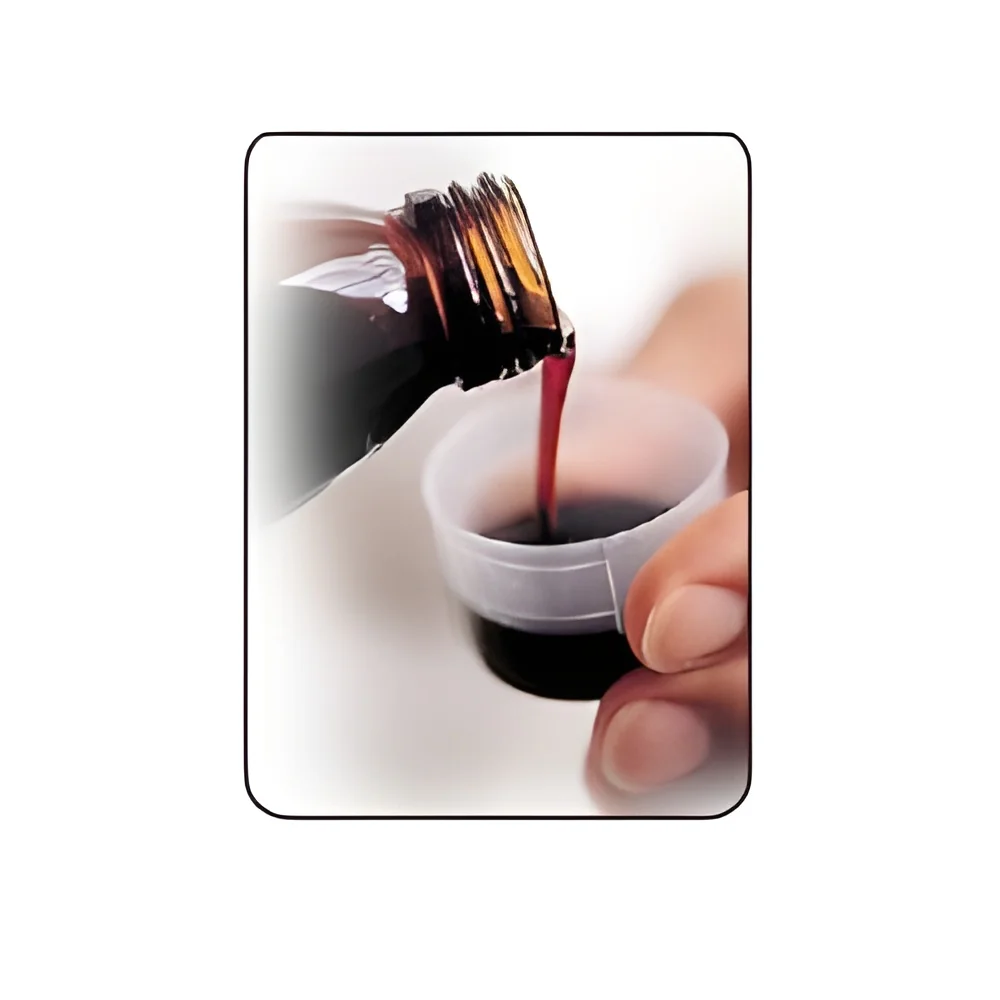
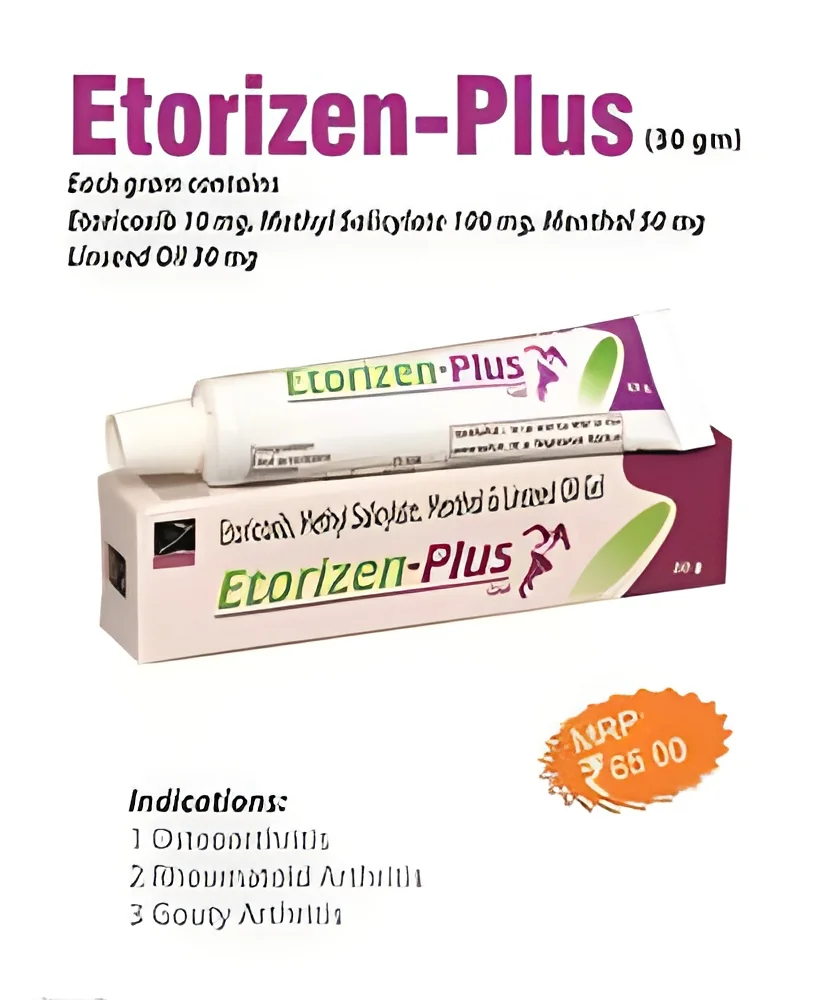
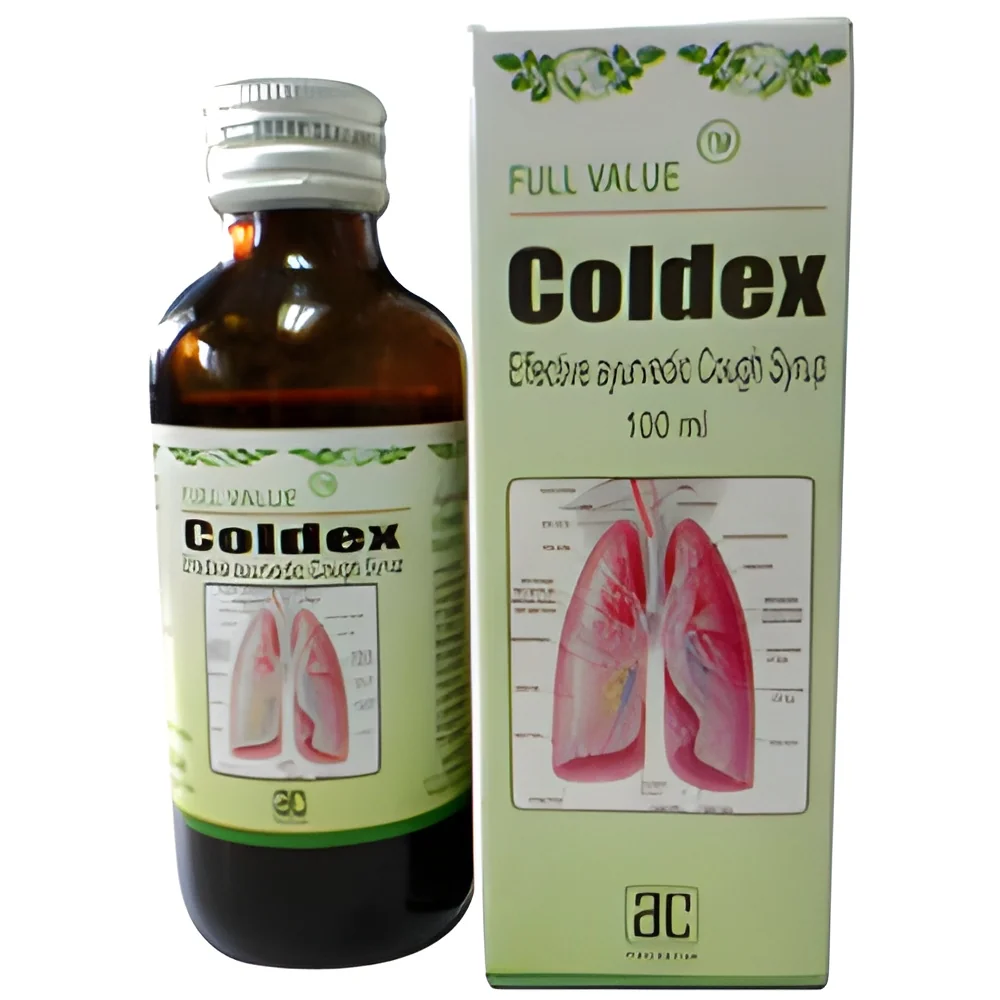
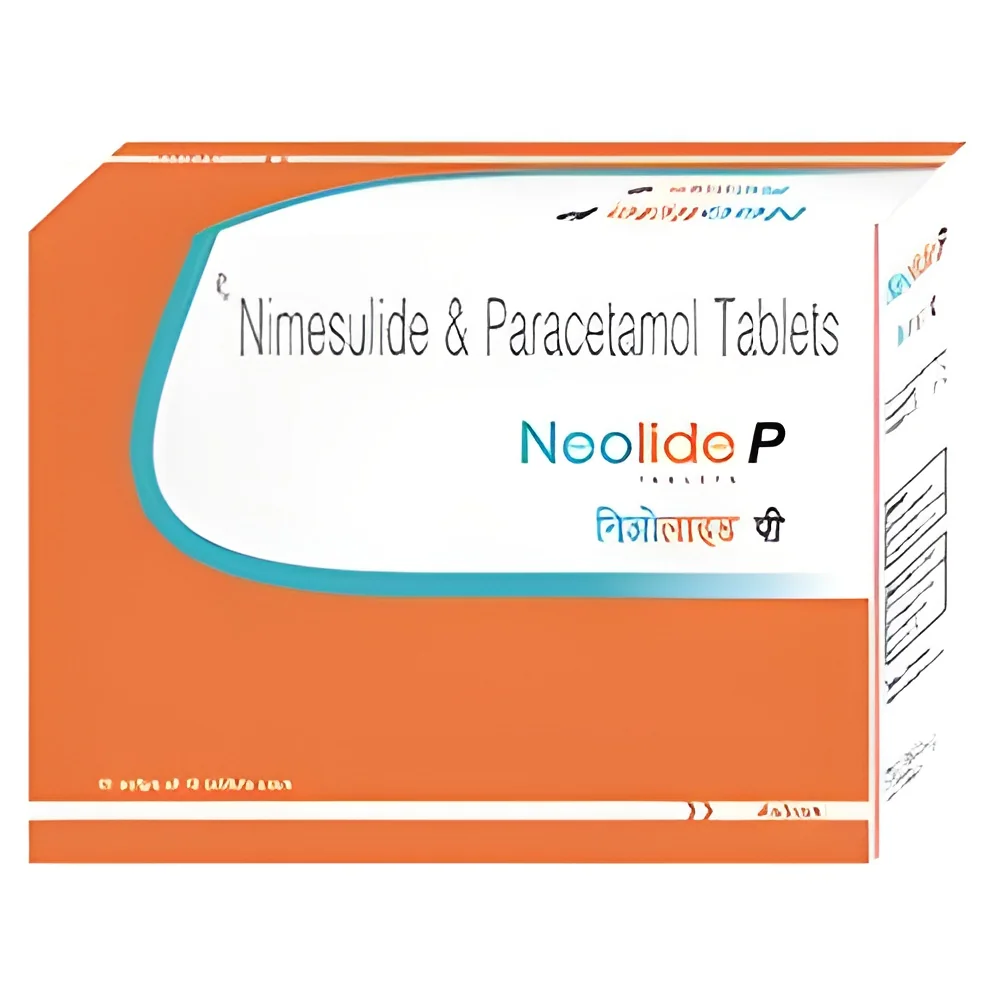
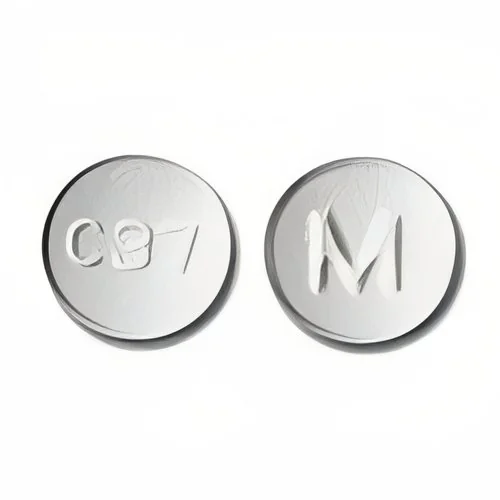
- The physical form of the medication, such as tablets, capsules, liquids, or topical applications
- Each form may have specific dosing instructions and applications
3. Shelf Life
- The period during which the product is guaranteed to remain effective and safe
- Typically ranges from 1 to 3 years depending on the formulation
4. Packaging
- The type of packaging used to protect the product and ensure ease of use
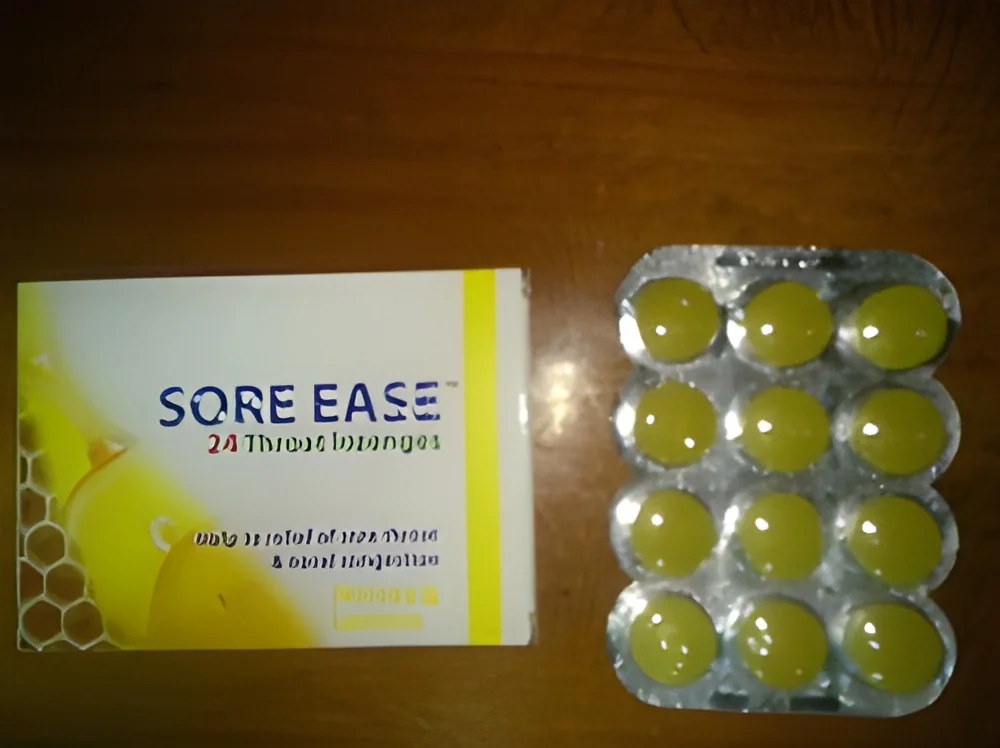
- Common types include blister packs, bottles, and tubes
5. Storage Conditions
- Recommended environmental conditions for storing the product
- Usually requires a cool, dry place away from direct sunlight
6. Compliance with Regulatory Standards
- Must meet specific regulations set by health authorities
- Ensures safety, efficacy, and quality of the product
7. Labeling Requirements
- Must include clear instructions for use, warnings, and ingredient information
- Essential for consumer safety and informed usage
In summary, understanding these key features and specifications can greatly enhance decision-making for businesses sourcing OTC medicines.
𝗖𝗼𝗺𝗺𝗼𝗻 𝗔𝗽𝗽𝗹𝗶𝗰𝗮𝘁𝗶𝗼𝗻𝘀 𝗮𝗻𝗱 𝗨𝘀𝗲 𝗖𝗮𝘀𝗲𝘀
Over-the-counter medicines have diverse applications across various industries, catering to multiple consumer needs.
1. Retail Pharmacy: OTC medicines are a staple in retail pharmacies, providing consumers with easy access to common health solutions.
2. Grocery Stores: Many grocery chains include OTC medications in their health aisles, allowing customers to purchase them alongside everyday grocery items.
3. Hospitals and Clinics: While predominantly prescription-based, some healthcare facilities offer OTC options for patient convenience.
4. E-commerce Platforms: Online retailers increasingly stock OTC medicines, expanding accessibility for consumers who prefer shopping from home.
5. Convenience Stores: Many convenience stores carry a limited selection of OTC medicines to meet immediate health needs.
6. Health and Wellness Stores: Specialty stores focused on health products often include a range of OTC medicines tailored for specific health concerns.
7. Occupational Health: Businesses may provide OTC medicines in workplace first aid kits to address minor injuries and ailments.
𝗣𝗿𝗼𝗱𝘂𝗰𝘁 𝗩𝗮𝗿𝗶𝗮𝗻𝘁𝘀 𝗮𝗻𝗱 𝗦𝘂𝗯𝗰𝗮𝘁𝗲𝗴𝗼𝗿𝗶𝗲𝘀
Over-the-counter medicines come in various forms to address specific health concerns. While specific subcategories are not available, here are some common variants.
Pain Relief Medications
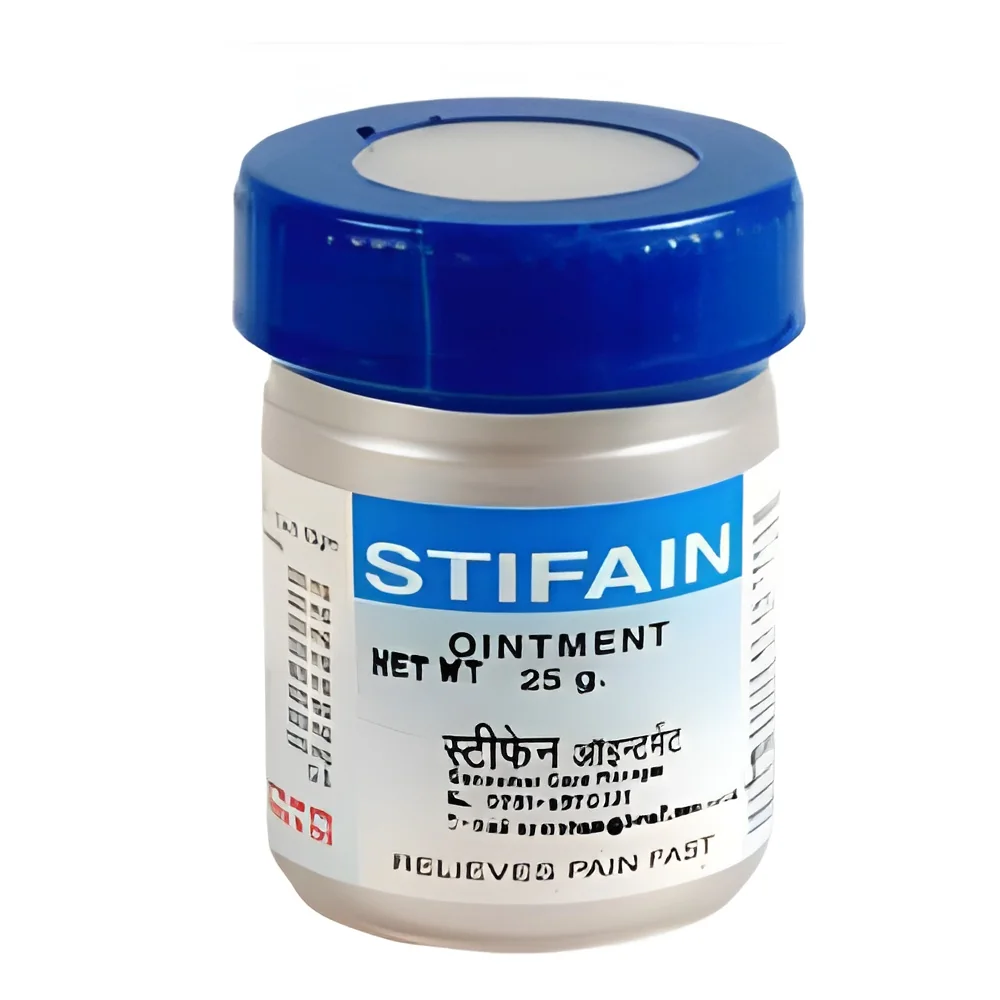
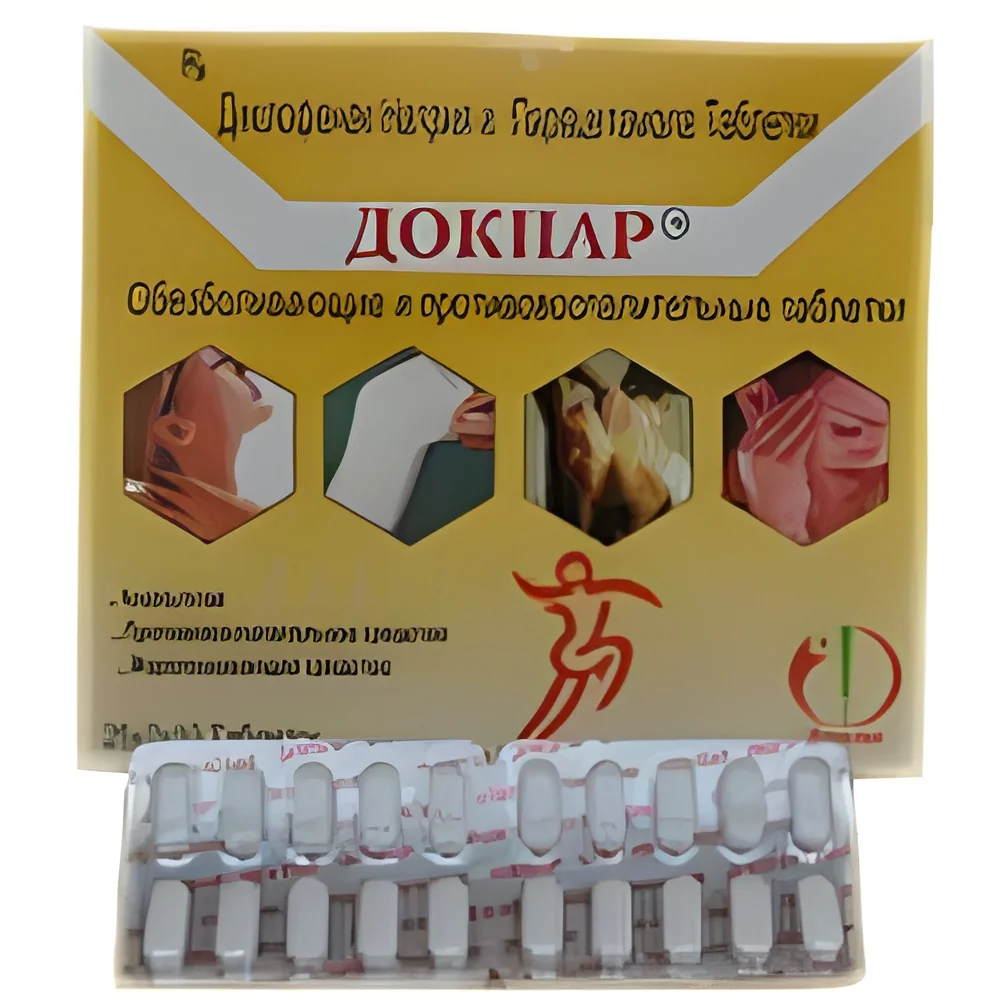
These include non-prescription options such as ibuprofen and acetaminophen, designed to alleviate pain and reduce inflammation.
Cold and Allergy Remedies
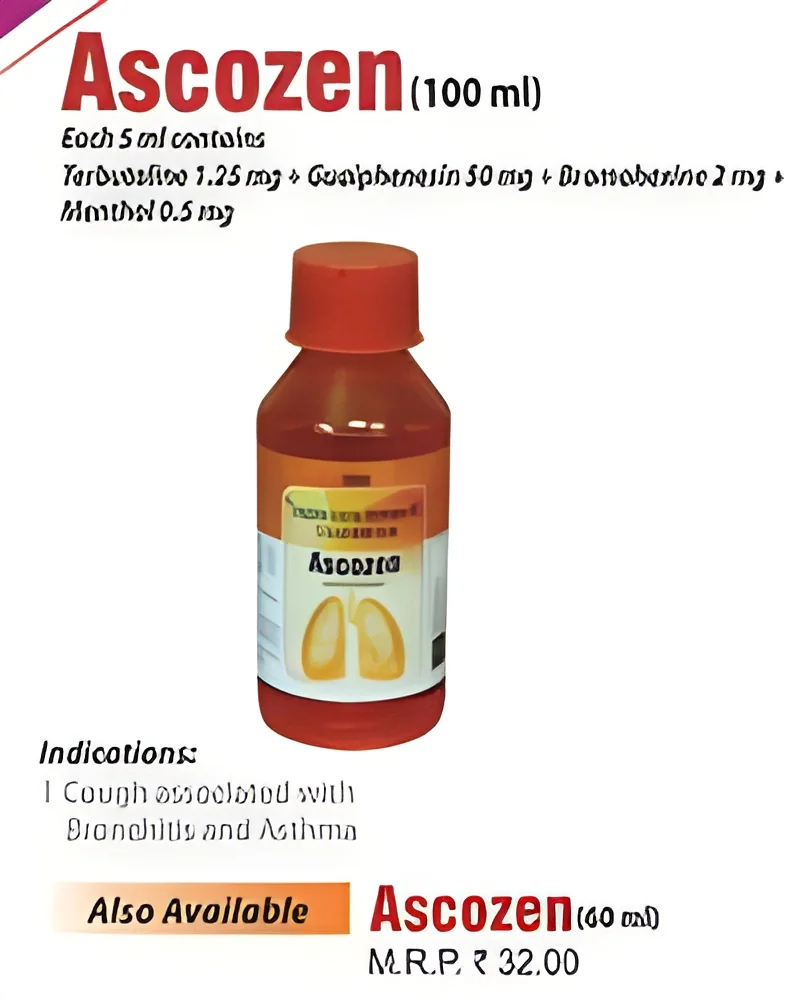
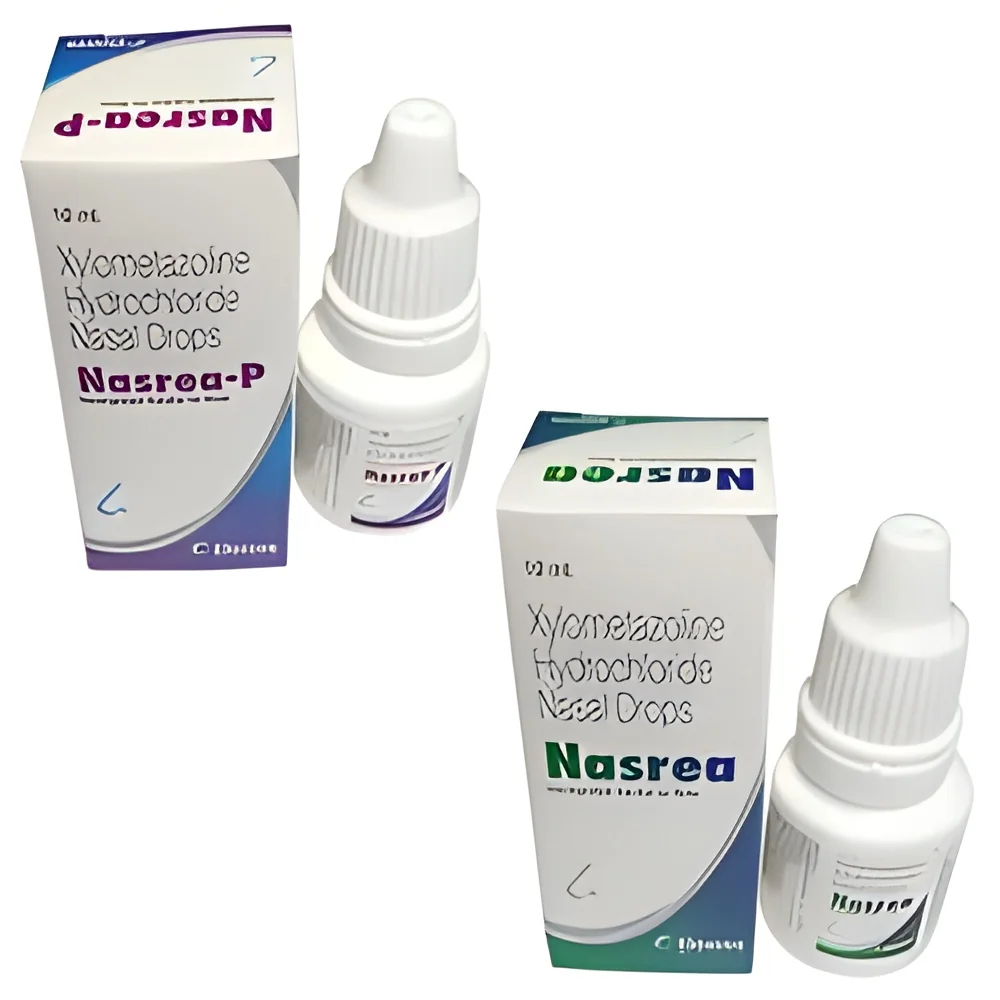
This category encompasses antihistamines, decongestants, and cough suppressants, targeting symptoms associated with colds, allergies, and respiratory issues.
Digestive Aids
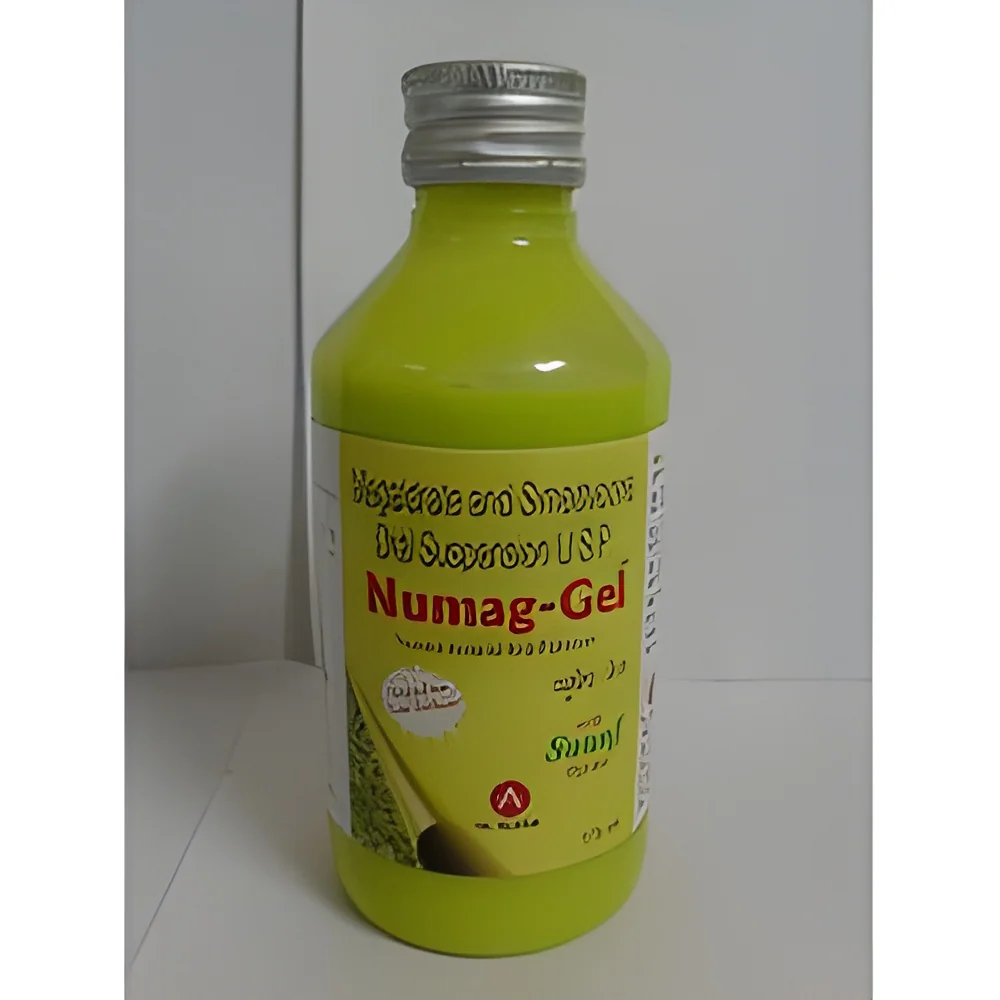
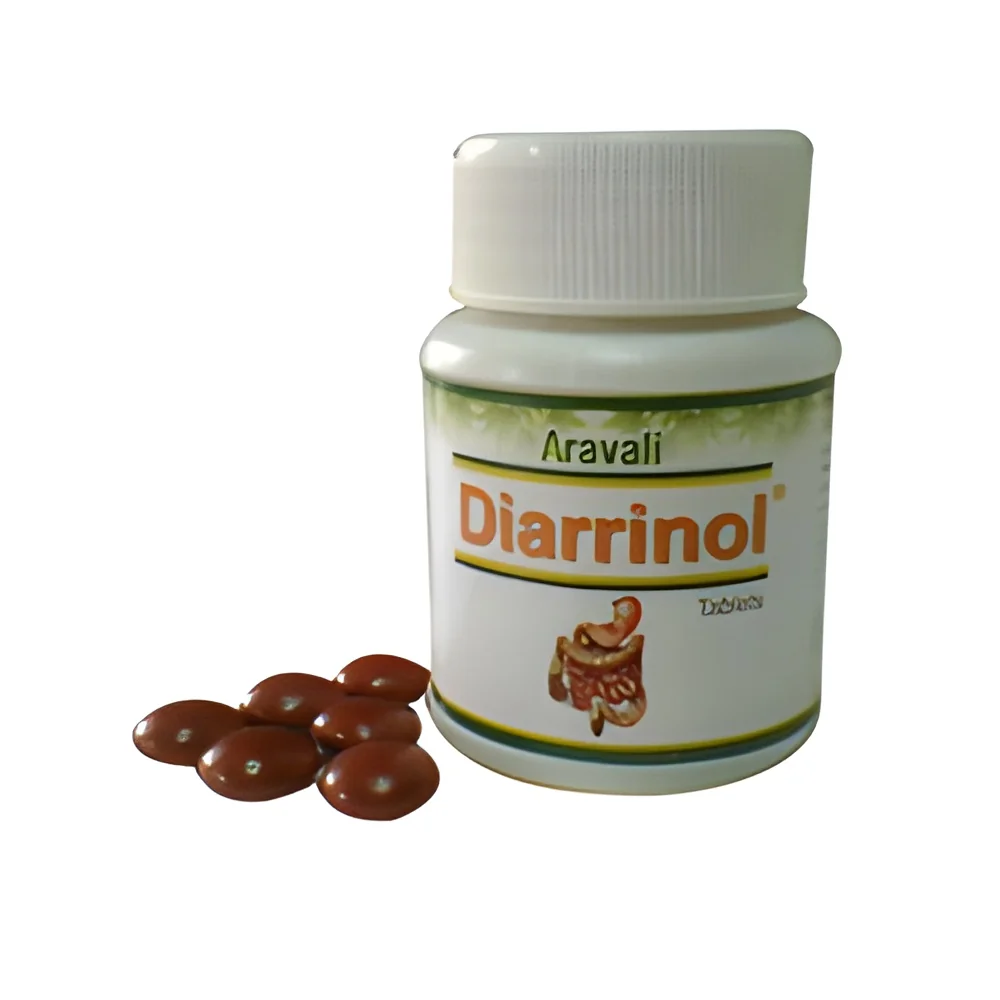
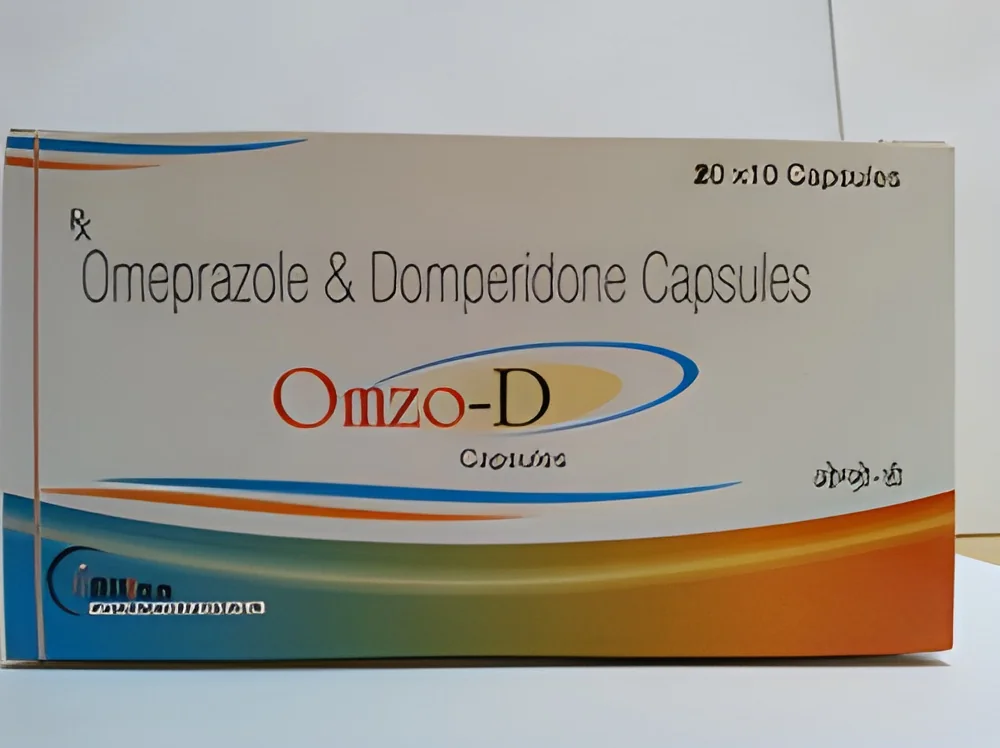
OTC digestive aids, including antacids and anti-nausea medications, provide relief from common gastrointestinal discomfort.
𝗕𝗲𝗻𝗲𝗳𝗶𝘁𝘀 𝗮𝗻𝗱 𝗔𝗱𝘃𝗮𝗻𝘁𝗮𝗴𝗲𝘀
Choosing over-the-counter medicines offers numerous advantages for consumers and businesses alike.
Key benefits include:
1. Accessibility: OTC medicines can be purchased without a prescription, making them readily available to consumers.
2. Cost-Effectiveness: These products typically have lower prices compared to prescription medications, allowing for more budget-friendly health management.
3. Convenience: Consumers can address minor health issues quickly without needing to visit a healthcare professional.
4. Empowerment: OTC medicines encourage self-care and empower individuals to take charge of their health.
5. Variety: A wide range of products is available, catering to diverse health needs and preferences.
6. Time-Saving: Easy access to these medicines reduces the time spent waiting for prescriptions or appointments.
𝗕𝘂𝘆𝗶𝗻𝗴 𝗚𝘂𝗶𝗱𝗲 𝗳𝗼𝗿 𝗕𝟮𝗕 𝗕𝘂𝘆𝗲𝗿𝘀
When sourcing over-the-counter medicines, B2B buyers should consider several critical factors.
1. Quality Assessment: It is essential to evaluate the quality of the OTC medicines by reviewing product specifications, manufacturing processes, and ingredient sourcing.
2. Supplier Verification: Vetting suppliers is crucial to ensure they comply with industry standards and regulations, thereby guaranteeing product safety and efficacy.
3. Pricing and MOQ: Understand the pricing structure and minimum order quantities (MOQ) to effectively manage budgets and inventory.
4. Delivery and Lead Times: Assess suppliers' logistics capabilities, including their delivery schedules and lead times, to ensure timely availability of products.
5. Compliance Requirements: Ensure that the products meet all regulatory requirements for safety and efficacy, as well as regional compliance considerations.
𝗖𝗼𝗺𝗽𝗹𝗶𝗮𝗻𝗰𝗲 𝗮𝗻𝗱 𝗖𝗲𝗿𝘁𝗶𝗳𝗶𝗰𝗮𝘁𝗶𝗼𝗻𝘀
Compliance and certifications are vital for the credibility and safety of over-the-counter medicines. Key quality standards include ISO 9001, which ensures consistent quality in manufacturing processes, and HACCP, a system aimed at preventing hazards in food and drug production. Additionally, Good Distribution Practice (GDP) guidelines are essential to ensure that products are stored and transported in a manner that maintains their integrity.
Industry certifications, such as CE marking, signify that products meet European health and safety standards. Safety and testing requirements are critical, as they help in identifying potential risks associated with the product's use. Regional compliance considerations must also be taken into account, as different countries may have specific regulations governing the sale and distribution of OTC medicines.
𝗪𝗵𝘆 𝗦𝗼𝘂𝗿𝗰𝗲 𝗢𝘃𝗲𝗿-𝘁𝗵𝗲-𝗖𝗼𝘂𝗻𝘁𝗲𝗿 𝗠𝗲𝗱𝗶𝗰𝗶𝗻𝗲𝘀 𝗳𝗿𝗼𝗺 𝗣𝗲𝗽𝗮𝗴𝗼𝗿𝗮?
Pepagora provides an efficient and reliable platform for sourcing over-the-counter medicines, offering several key advantages to B2B buyers.
Verified Supplier Network: Pepagora has established a robust network of verified suppliers, ensuring that buyers can trust the quality and safety of the products they procure.
Streamlined RFQ Process: The platform offers a user-friendly request for quotation (RFQ) process, simplifying the way buyers can obtain competitive pricing and product information.
Trade Assurance and Support: Buyers benefit from trade assurance measures, which provide protection and support throughout the procurement process, ensuring a secure transaction.
Regional Coverage: Pepagora's geographic reach extends across India, the Gulf Cooperation Council (GCC) countries, and Southeast Asia, allowing buyers to access a diverse range of OTC medicines tailored to regional market needs.

 IN
IN