What are Nasal Drops & Sprays?
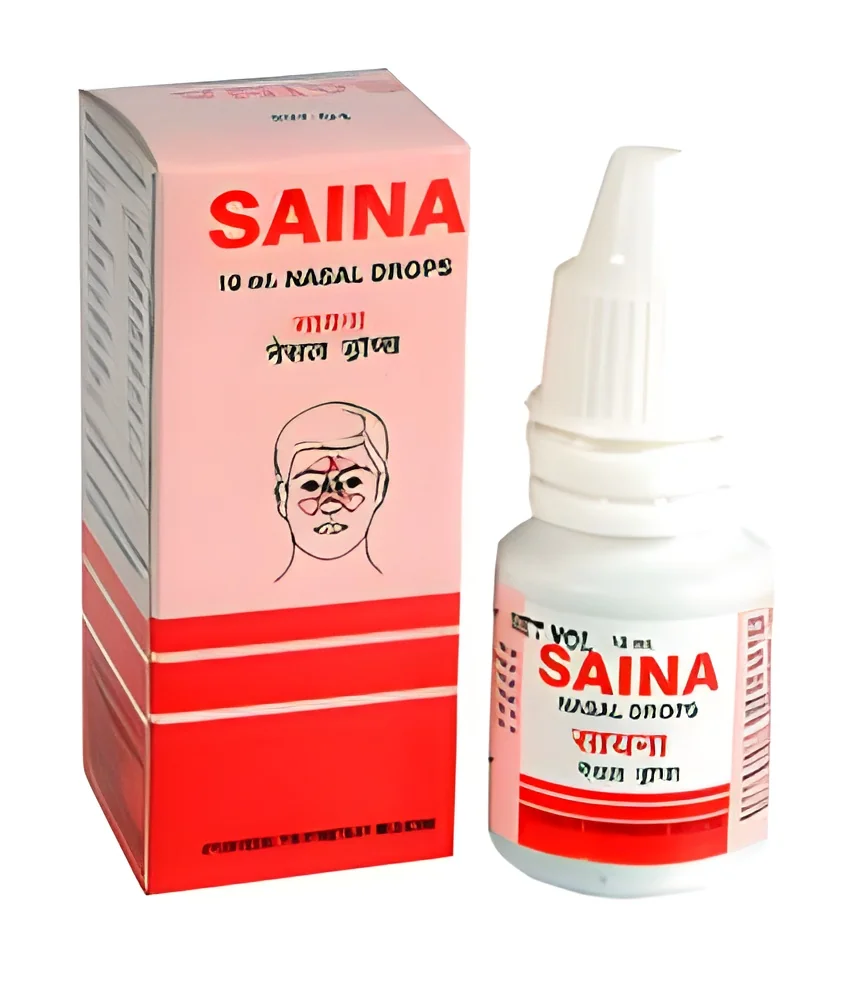
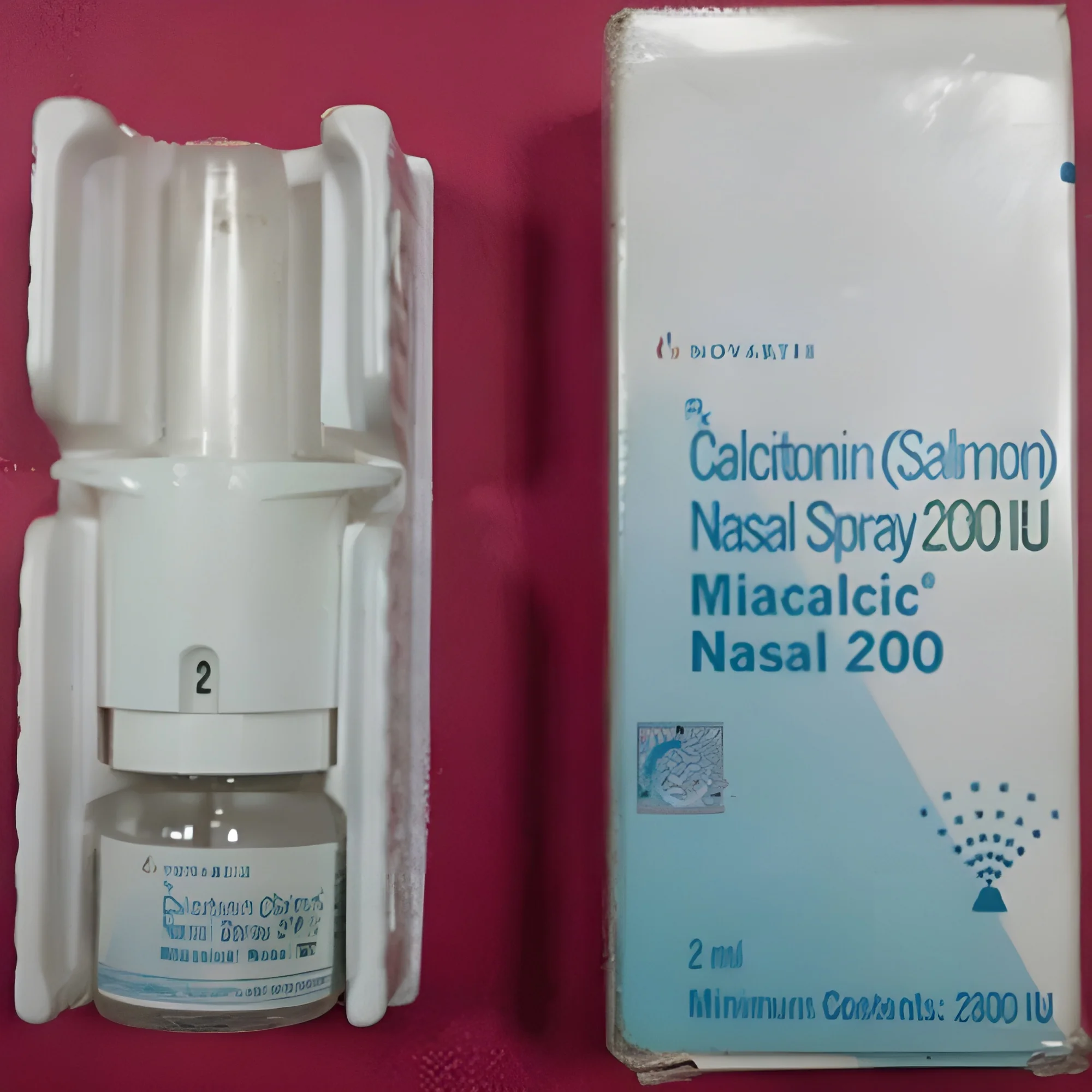
Nasal drops and sprays are liquid formulations designed for application in the nasal cavity. These products are typically used to deliver medication directly to the nasal mucosa, providing rapid absorption and localized effects. The formulations can vary in composition, including saline solutions or medicated mixtures containing active ingredients aimed at treating specific health conditions.
These products are commonly used in both healthcare and pharmaceutical sectors, offering relief from nasal congestion, allergies, and sinus conditions. They have become essential tools in managing respiratory ailments, particularly in settings requiring quick therapeutic interventions. The increasing prevalence of respiratory issues globally has led to heightened demand within the market, prompting manufacturers to innovate and expand their product lines.
In the industrial context, nasal drops and sprays play a crucial role in healthcare distribution. The growth of e-commerce and B2B platforms has facilitated easier access to these products for businesses, allowing healthcare providers to stock essential medications efficiently and respond to patient needs promptly.
Key Features and Specifications
Nasal drops and sprays come with specific features and specifications essential for their effective use. Understanding these specifications helps businesses choose the right products based on their operational needs.
Key specifications include:
1. Formulation Type
- Options include saline, medicated, or herbal formulations.
- Each type serves different therapeutic purposes.
2. Packaging Size
- Available in various volumes, typically ranging from 10ml to 100ml.
- Packaging impacts usability and shelf life.
3. Delivery Mechanism
- Nasal sprays may offer metered doses or continuous spray options.
- The delivery mechanism affects the precision of dosage.
4. Shelf Life
- Generally ranges from 12 to 24 months.
- Affects inventory management and product turnover.
5. Storage Conditions
- Often requires cool, dry storage away from direct sunlight.
- Proper storage preserves the efficacy of the formulation.
6. Compliance with Regulations
- Must meet industry standards and regulations.
- Compliance ensures product safety and effectiveness.
7. Dosage Instructions
- Clear labeling for dosage and frequency of use.
- Important for safe and effective administration.
8. Certification
- CE certification indicates compliance with European safety standards.
- Essential for market acceptance in regulated regions.
In summary, understanding these features and specifications is crucial for businesses seeking to procure nasal drops and sprays that meet their operational and regulatory requirements.
Common Applications and Use Cases
Nasal drops and sprays are utilized across various industries, each with unique applications.
1. Healthcare: Hospitals and clinics use nasal drops and sprays for treating respiratory conditions, allergic rhinitis, and sinusitis, providing immediate relief to patients.
2. Pharmaceutical: Manufacturers incorporate these formulations into over-the-counter medications, targeting common ailments and enhancing patient accessibility to treatment options.
3. Veterinary: Veterinary clinics utilize specialized nasal sprays to treat respiratory issues in animals, ensuring effective care for pets and livestock.
4. Personal Care: Some personal care products include nasal sprays for moisturizing or refreshing nasal passages, promoting overall wellness.
5. Travel and Hospitality: Airports and hotels offer nasal drops and sprays as part of wellness kits, helping travelers manage discomfort during flights.
In each of these industries, nasal drops and sprays serve a vital role in promoting health and well-being, addressing a wide range of needs.
Product Variants and Subcategories
Nasal drops and sprays come in various formulations and types, catering to different therapeutic needs.
Saline Nasal Spray
This variant is designed to moisturize and soothe dry nasal passages. It is commonly used for allergy relief and to assist in nasal hygiene.
Medicated Nasal Drops
These drops contain active pharmaceutical ingredients that target specific conditions like nasal congestion or sinus infections. They provide rapid relief through localized action.
Herbal Nasal Sprays
Utilizing natural ingredients, these sprays can offer alternative relief for respiratory conditions. They appeal to consumers looking for holistic treatment options.
Allergy Nasal Spray
Formulated specifically to combat allergy symptoms, these sprays offer quick relief from nasal congestion and irritation caused by allergens.
In summary, the diversity of nasal drops and sprays allows businesses to choose products that best fit their specific application needs.
Benefits and Advantages
Nasal drops and sprays provide several key benefits that contribute to their widespread use.
1. Rapid Relief: These products deliver medication directly to the affected area, providing quick relief from symptoms such as congestion and irritation.
2. Ease of Use: The design of nasal sprays and drops allows for straightforward administration, making them accessible for patients of all ages.
3. Localized Treatment: By targeting the nasal passages directly, these formulations minimize systemic side effects often associated with oral medications.
4. Versatility: Nasal drops and sprays can be formulated for various conditions, including allergies, infections, and even dry nasal passages.
5. Non-invasive: These products offer a non-invasive solution for symptom relief, making them preferable for patients seeking alternative treatment methods.
6. Improved Compliance: Easy-to-follow dosing instructions and convenient packaging enhance patient adherence to treatment regimens.
In conclusion, these benefits underscore the importance of nasal drops and sprays in both healthcare and everyday use.
Buying Guide for B2B Buyers
When sourcing nasal drops and sprays, businesses should consider several critical factors to ensure they select the right products.
1. Quality Assessment: Evaluate the quality of the products by checking for compliance with industry standards, certifications, and customer reviews. High-quality products ensure better patient outcomes.
2. Supplier Verification: Conduct thorough background checks on suppliers to confirm their credibility and reliability. This step is crucial for maintaining a consistent supply chain.
3. Pricing and MOQ: Understand the pricing structures and minimum order quantities (MOQ) set by suppliers. Compare offers to find the best value without compromising quality.
4. Delivery and Lead Times: Discuss logistics and estimated delivery times with suppliers to ensure timely availability of products. Efficient delivery is vital for maintaining inventory levels.
5. Compliance Requirements: Be aware of any regulatory requirements applicable in your region, such as safety testing and certification needs. Compliance ensures that products are safe and effective for use.
Compliance and Certifications
Compliance with industry standards is paramount for nasal drops and sprays. Manufacturers must adhere to quality guidelines such as ISO 9001 for quality management systems. This standard ensures that products consistently meet customer and regulatory requirements.
Additionally, the Hazard Analysis Critical Control Point (HACCP) standard is significant in ensuring food safety, relevant for nasal sprays containing herbal ingredients. Good Distribution Practice (GDP) also guides the storage and distribution of medical products, ensuring they remain safe and effective.
Industry certifications, such as CE marking, indicate that the products meet European health, safety, and environmental protection standards. This certification is crucial for market acceptance in Europe and other regions adopting similar standards.
Moreover, safety testing is essential to ensure that nasal drops and sprays do not cause adverse effects. Manufacturers must conduct rigorous testing to validate the efficacy and safety of their formulations. Finally, regional compliance considerations may vary, and staying informed about local regulations is vital for market access.
Why Source Nasal Drops & Sprays from Pepagora?
Pepagora provides a trusted platform for sourcing nasal drops and sprays, offering several key advantages that simplify the procurement process for businesses.
Verified Supplier Network: Pepagora has established a network of verified suppliers, ensuring that businesses can source high-quality products from reliable manufacturers. This verification process minimizes risk and enhances supply chain integrity.
Streamlined RFQ Process: The platform features an intuitive request for quotation (RFQ) process that allows buyers to quickly obtain quotes from multiple suppliers. This efficiency saves time and helps businesses make informed purchasing decisions.
Trade Assurance and Support: Pepagora offers trade assurance, providing buyers with protection against potential issues in transactions. Additionally, the platform's customer support team is readily available to assist with inquiries and resolve any concerns.
Regional Coverage: With a strong presence in regions like India, the GCC, and Southeast Asia, Pepagora ensures that businesses can access nasal drops and sprays tailored to their market needs. This geographic reach enhances product availability and facilitates seamless logistics.
In summary, sourcing nasal drops and sprays from Pepagora not only simplifies the procurement process but also ensures access to verified suppliers and quality products, ultimately benefiting businesses in the healthcare sector.

 IN
IN