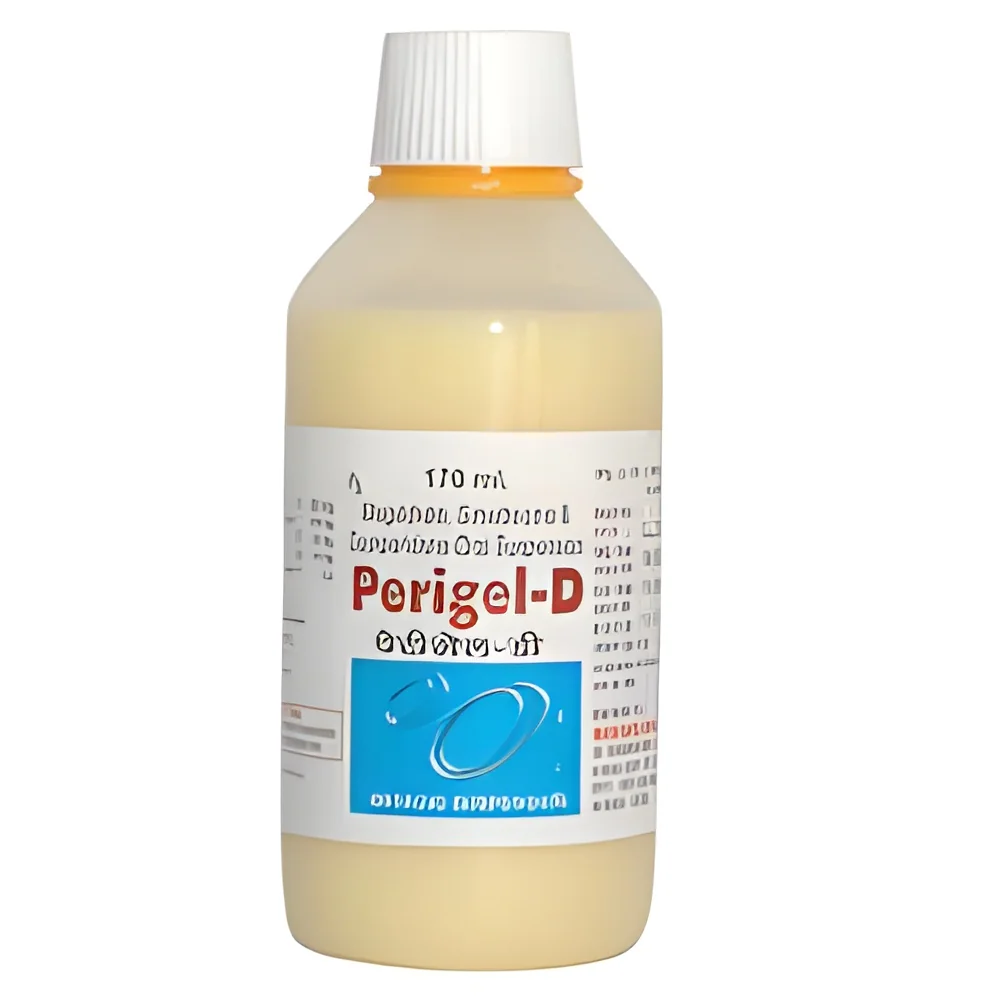
What are Children’s Fever Syrups?
Children's fever syrups are medicinal formulations specifically designed to reduce fever in children. These syrups often contain active ingredients such as paracetamol or ibuprofen, which help alleviate discomfort associated with elevated body temperatures. The syrup form is particularly beneficial for children, as it is easier to administer compared to tablets or capsules.
The primary uses of children's fever syrups include managing fever due to various illnesses such as infections, colds, or vaccinations. They can be found in hospitals, clinics, and pharmacies, serving as an essential part of pediatric care. Healthcare professionals often recommend these syrups to ensure that children remain comfortable while their bodies fight off infections.
In terms of industry relevance, the market for children's fever syrups is growing steadily due to increased awareness of pediatric health. Parents and healthcare providers are more inclined to seek effective and safe solutions for fever management, leading to a rise in demand for quality fever syrups. This trend presents opportunities for manufacturers and suppliers in the pharmaceutical industry.
Key Features and Specifications
Children's fever syrups come with a range of features and specifications that are critical for ensuring efficacy and safety. The formulations are designed to be palatable and easy to administer, catering to the preferences of children.
Key specifications include:
1. Active Ingredients
- Commonly include paracetamol or ibuprofen
- Typically range from 100 mg to 200 mg per dose
2. Dosage Form
- Liquid form for easy consumption
- Available in various flavors to enhance acceptance
3. Age Suitability
- Formulated for specific age groups, usually from 2 to 12 years
- Dosage guidelines vary based on age and weight
4. Packaging Size
- Available in bottles ranging from 60 ml to 120 ml
- Child-proof caps to ensure safety
5. Shelf Life
- Generally ranges from 12 to 36 months
- Requires proper storage conditions to maintain effectiveness
6. Safety Standards
- Must comply with national health regulations
- Regular testing to ensure quality and safety
In summary, children's fever syrups are specialized products with specific features designed to safely and effectively manage fever in pediatric patients.
Common Applications and Use Cases
Children's fever syrups are utilized in various sectors, primarily in healthcare settings.
1. Pediatric Clinics: These syrups are commonly prescribed in pediatric clinics for managing fever due to infections or vaccinations.
2. Hospitals: Inpatient care often includes fever management protocols that utilize these syrups to ensure comfort during recovery.
3. Pharmacies: Retail pharmacies stock these syrups for parents seeking over-the-counter solutions for their children's fever.
4. Home Care: Parents use fever syrups as part of home treatment to manage their child's fever before consulting a healthcare professional.
5. Schools and Daycares: Fever management in children attending schools or daycares often involves administering these syrups when necessary.
6. Emergency Services: Ambulance services may carry fever syrups for immediate administration during transport to healthcare facilities.
Product Variants and Subcategories
Children's fever syrups are available in various formulations to meet diverse needs.
Liquid Paracetamol Syrup
This variant typically contains paracetamol as the active ingredient. It is often flavored to make it more palatable for children and is used primarily for fever reduction and pain relief.
Ibuprofen Suspension
This syrup variant contains ibuprofen, suitable for managing fever and inflammation. It is effective for children who may require anti-inflammatory treatment in addition to fever management.
Oral Rehydration Solutions with Fever Control
Some formulations combine fever-reducing agents with oral rehydration solutions. These are particularly useful in cases where fever is accompanied by dehydration.
Benefits and Advantages
Choosing children's fever syrups offers numerous benefits for both parents and healthcare providers.
Key benefits include:
1. Ease of Administration: The liquid form makes it simple to give to children, reducing resistance during medication time.
2. Quick Action: Many formulations are designed for rapid absorption, providing prompt relief from fever and discomfort.
3. Age-Specific Formulations: These syrups are tailored to specific age groups, ensuring safe and effective dosages.
4. Flavor Options: Various flavors are available, making it easier for children to take their medicine willingly.
5. Trusted Efficacy: Established formulations have a proven track record in effectively managing fever.
6. Availability: Widely available in pharmacies and healthcare facilities, making it accessible for parents and caregivers.
Buying Guide for B2B Buyers
When sourcing children's fever syrups, several key factors should be considered to ensure quality and reliability.
1. Quality Assessment: Look for products that meet high-quality standards, including testing for efficacy and safety. Certificates of analysis can provide valuable insights.
2. Supplier Verification: Vet suppliers thoroughly to ensure they adhere to industry regulations and standards. Check for certifications that demonstrate reliability.
3. Pricing and MOQ: Understand the pricing structure and minimum order quantities (MOQ) to make informed purchasing decisions. Compare prices among different suppliers for best value.
4. Delivery and Lead Times: Consider logistics and delivery times when placing orders. Reliable suppliers should provide clear timelines for order fulfillment.
5. Compliance Requirements: Ensure that the products comply with local regulations and safety standards. Familiarize yourself with any necessary certifications, such as CE.
Compliance and Certifications
Children's fever syrups must meet various compliance and certification standards to ensure safety and efficacy.
Relevant quality standards include ISO 9001, which outlines requirements for a quality management system, and HACCP, which focuses on food safety.
Industry-specific certifications such as CE indicate that the product meets European health, safety, and environmental protection standards.
Safety and testing requirements are crucial, as these products must pass rigorous tests to ensure they are safe for use in children.
Regional compliance considerations may vary, so it is essential to be aware of local regulations governing pharmaceutical products, especially in different markets like India, GCC, and Southeast Asia.
Why Source Children’s Fever Syrups from Pepagora?
Pepagora provides a trusted platform for sourcing children's fever syrups, offering many key advantages to B2B buyers.
Verified Supplier Network: Pepagora connects buyers with a network of verified suppliers, ensuring that they can source high-quality products. This reduces the risk of dealing with unreliable vendors.
Streamlined RFQ Process: The platform offers a user-friendly Request for Quotation (RFQ) process, enabling buyers to receive competitive quotes efficiently. This simplifies the procurement process significantly.
Trade Assurance and Support: Buyers benefit from trade assurance measures that protect their purchases. Pepagora offers support throughout the buying process, ensuring a smooth experience.
Regional Coverage: With a strong presence in markets such as India, GCC, and Southeast Asia, Pepagora ensures that buyers can access suppliers that meet their geographic needs, enhancing their sourcing capabilities.

 IN
IN