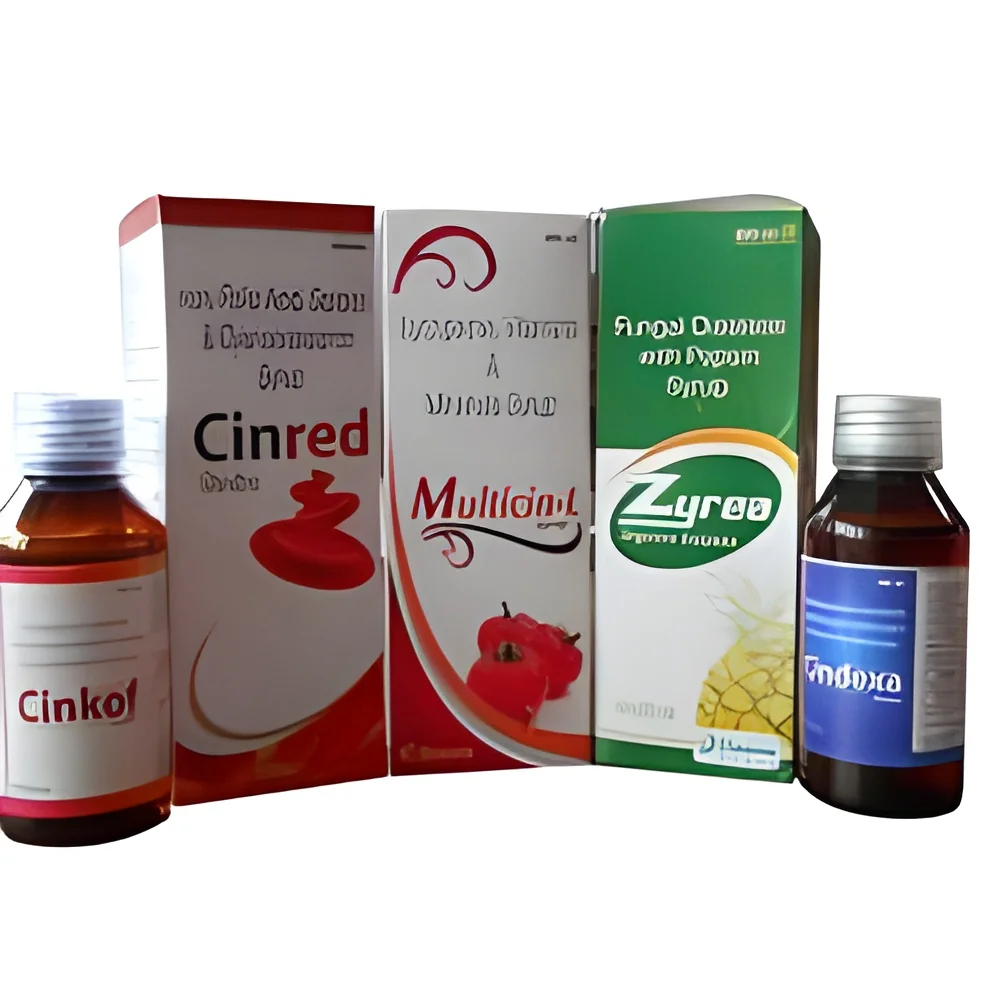
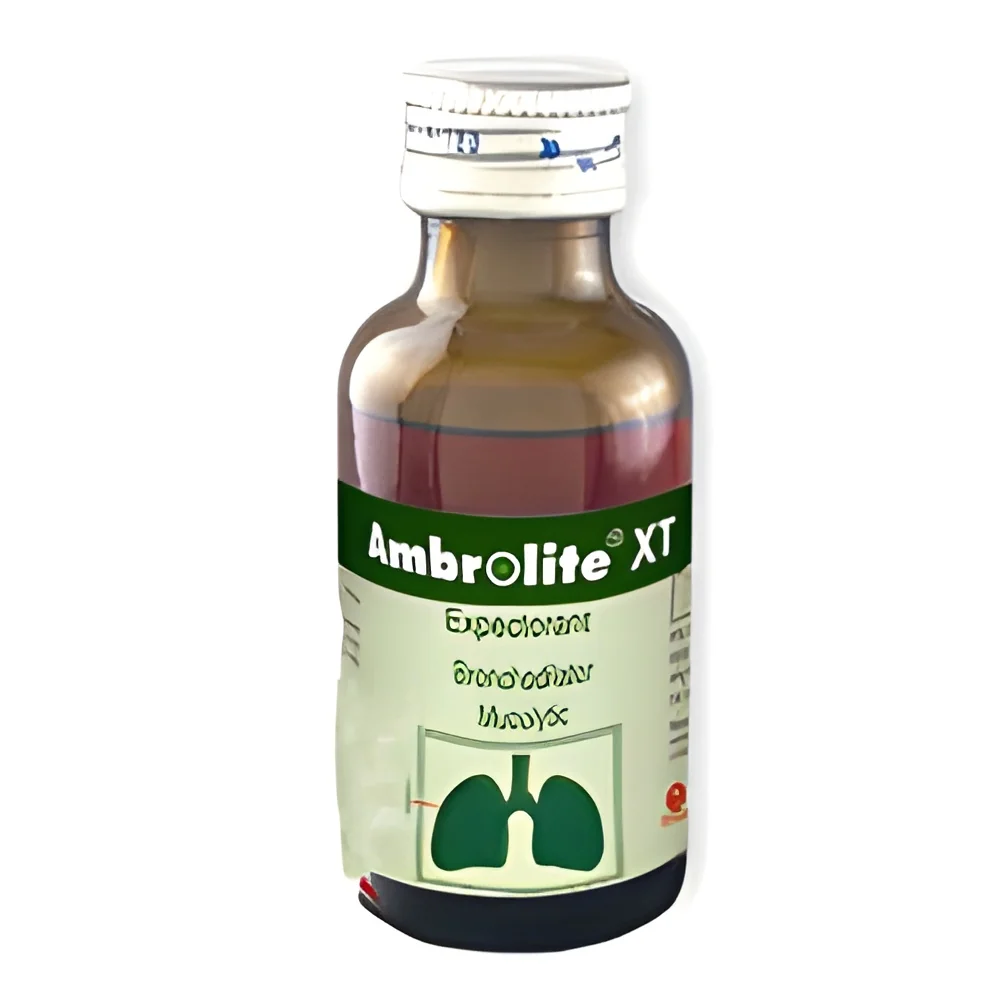
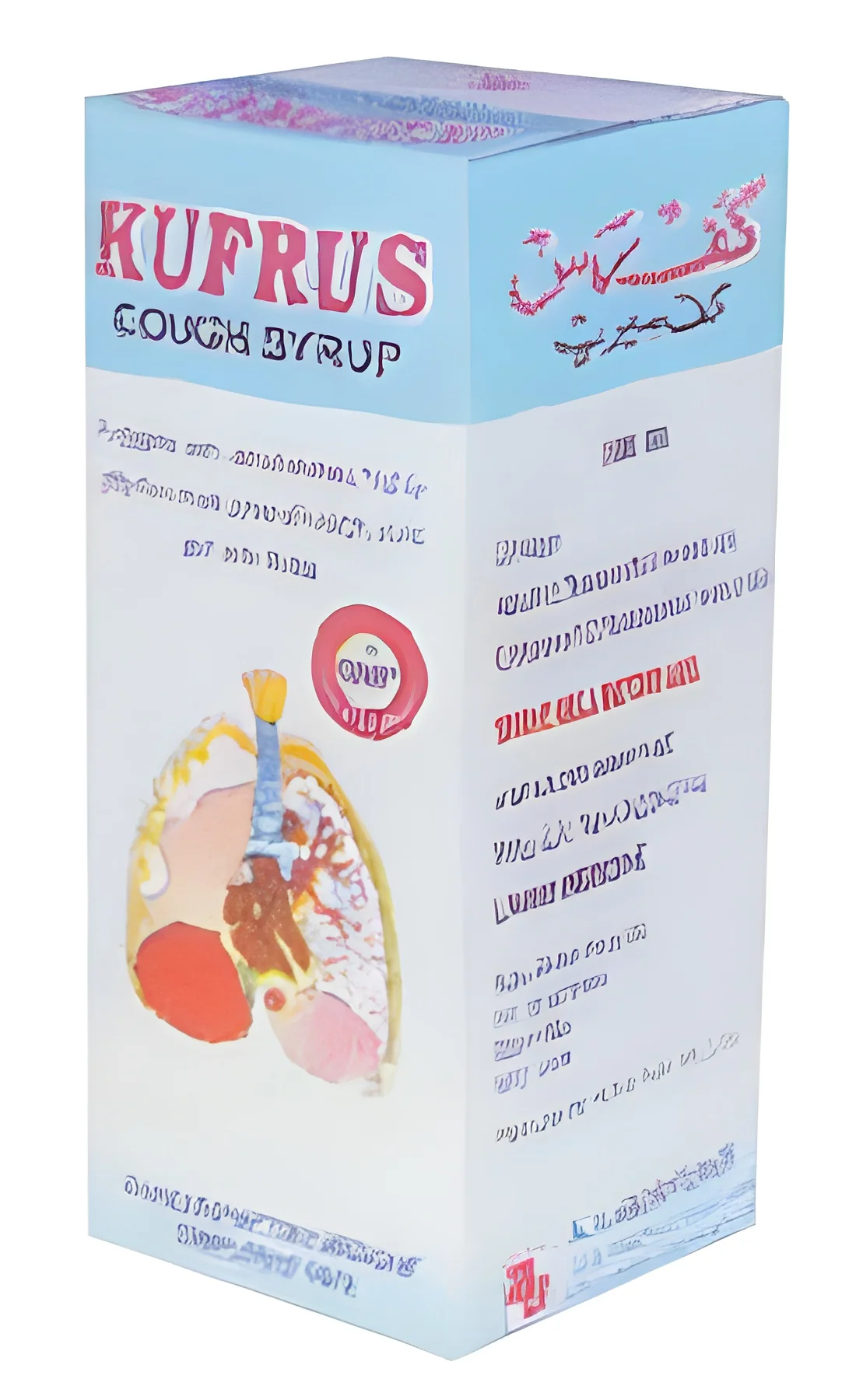
Key Features and Specifications
Cough syrups (dry and wet) come with a variety of features and specifications that cater to diverse consumer needs and preferences. These specifications are vital for ensuring quality, efficacy, and safety in use.
Key specifications include:
1. Active Ingredients
- Varies depending on the type of cough syrup
- Common ingredients include dextromethorphan for dry cough and guaifenesin for wet cough
2. Dosage Form
- Available in liquid form, typically in bottles
- Measured dosage for accurate consumption
3. Volume
- Common sizes include 100ml, 200ml, and larger bulk options
- Packaging designed for ease of use and storage
4. Flavoring
- Available in various flavors to enhance palatability
- Common options include cherry, honey, and menthol
5. Shelf Life
- Typically ranges from 2 to 3 years
- Storage conditions can affect longevity
6. Safety Testing
- Must meet specific safety standards before market release
- Includes testing for contaminants and stability
7. Regulatory Compliance
- Must adhere to regional regulations for over-the-counter medications
- Includes certifications such as CE
In summary, understanding these features and specifications is crucial for businesses looking to source cough syrups that meet their operational and customer needs.
Common Applications and Use Cases
Cough syrups find usage across various industries due to their therapeutic benefits.
1. Healthcare: Hospitals and clinics utilize cough syrups for managing patient symptoms. Their effectiveness in relieving cough helps improve patient comfort.
2. Pharmacies: Retail pharmacies stock these products to provide over-the-counter solutions for customers experiencing respiratory issues.
3. Home Health Care: Caregivers often use cough syrups to treat patients at home, ensuring they have access to relief from cough symptoms.
4. Veterinary Medicine: Some formulations are adapted for use in animals, particularly for respiratory conditions in pets.
5. Hospitality: Hotels may stock cough syrups as part of their first aid kits, providing guests with essential care.
6. Schools: Educational institutions may keep cough syrups on hand to support students dealing with seasonal allergies or colds.
7. Sports Facilities: Gyms and sports centers often maintain a supply for athletes who may experience respiratory distress during activities.
Product Variants and Subcategories
Cough syrups are available in various formulations to suit different needs and preferences.
Dry Cough Syrup
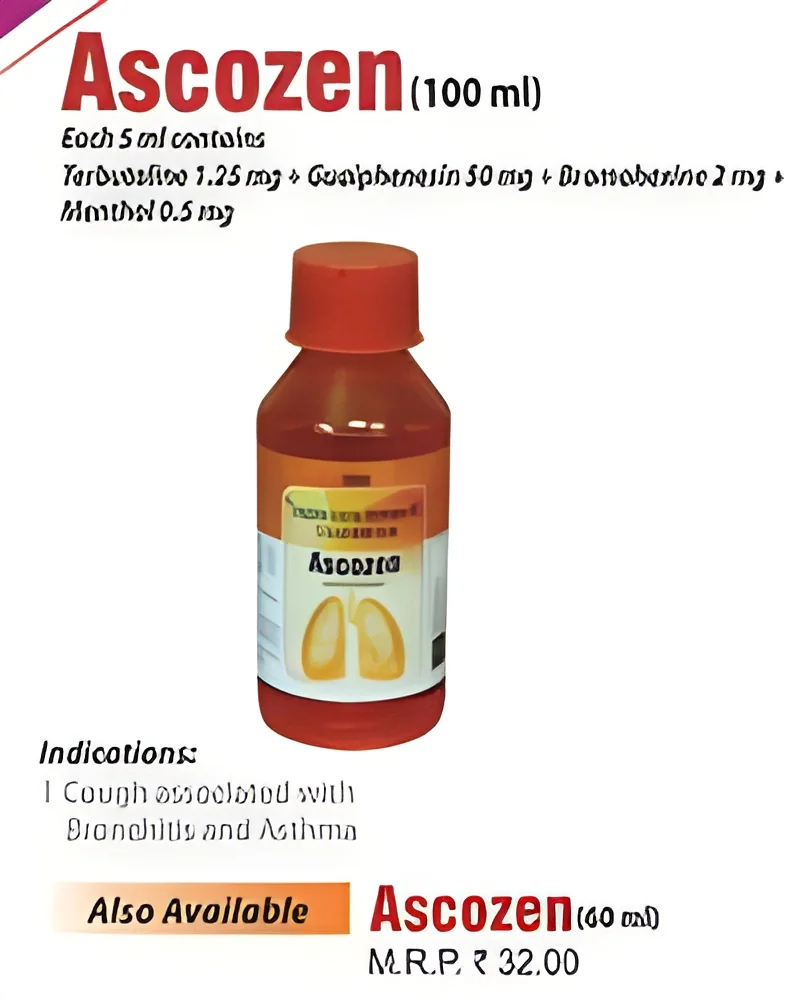
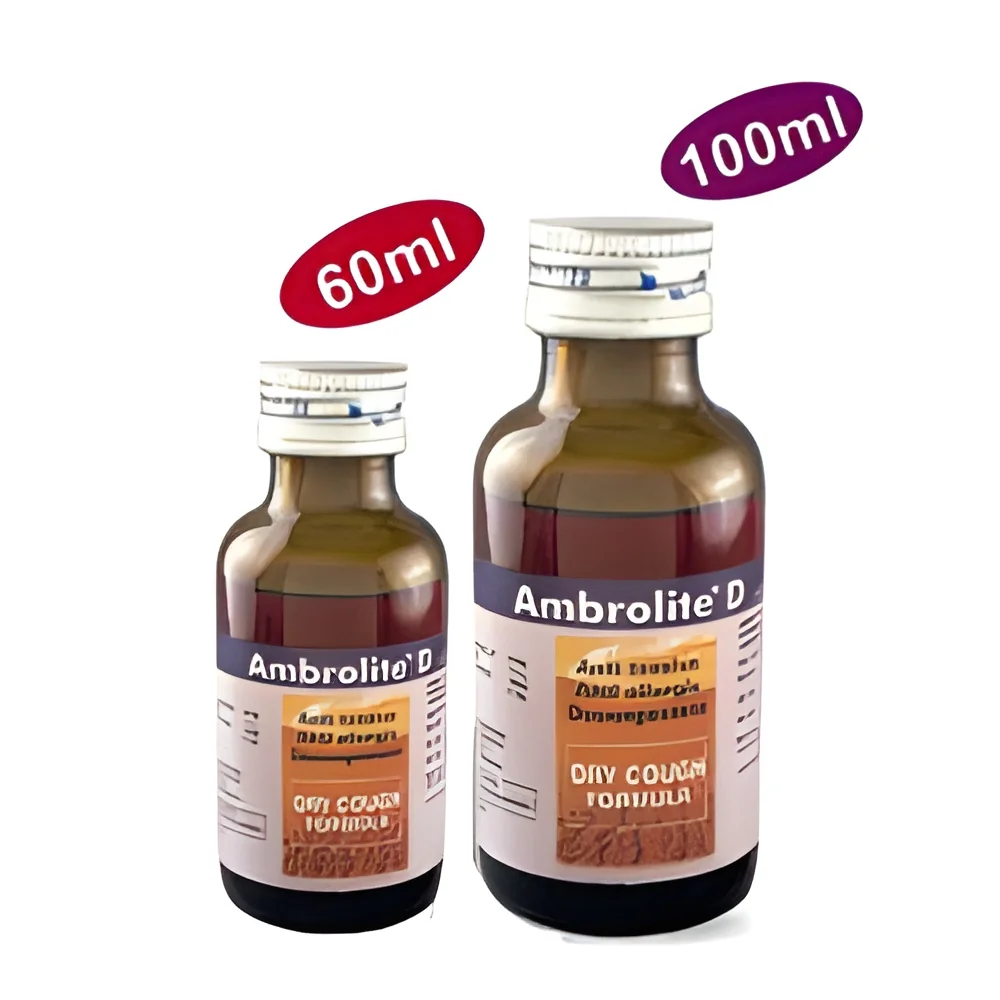
This variant is designed to suppress a dry, non-productive cough. It typically contains ingredients such as dextromethorphan. This formulation is effective for individuals who need relief from incessant coughing without mucus production.
Wet Cough Syrup
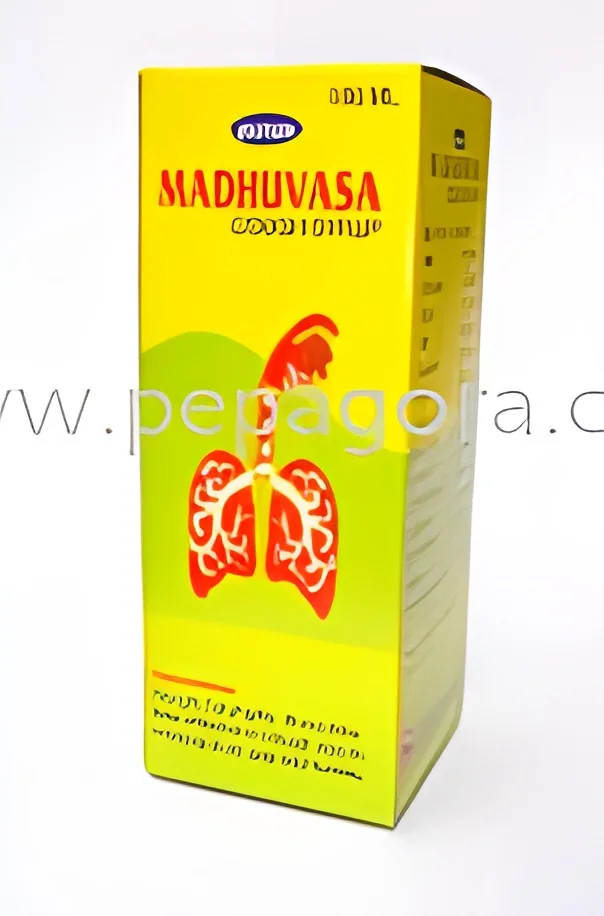
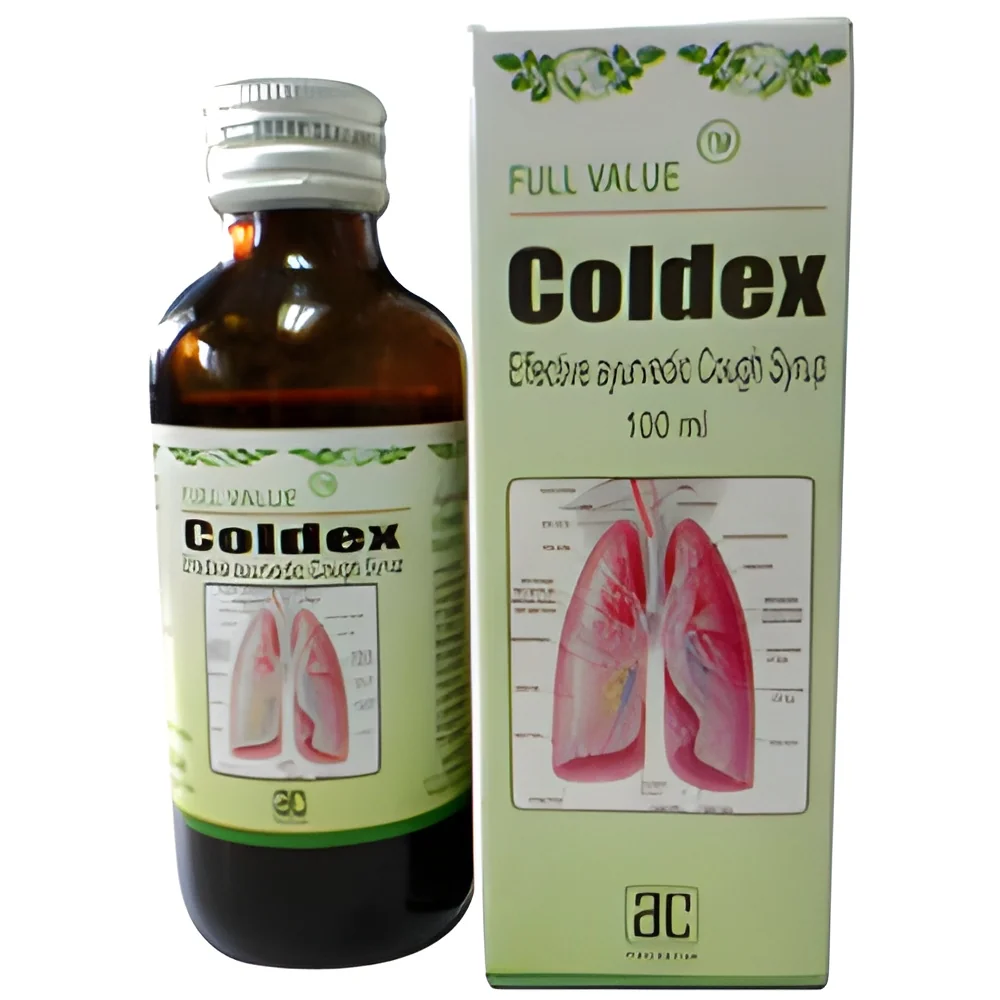
Wet cough syrups focus on alleviating a productive cough by promoting mucus clearance. These syrups often contain expectorants like guaifenesin, making them ideal for those with congestion.
Natural Cough Syrup
Some manufacturers offer natural cough syrups that utilize herbal ingredients. These formulations appeal to consumers seeking alternative remedies without synthetic additives.
Sugar-Free Cough Syrup
This variant is formulated for those with dietary restrictions, particularly diabetics. Sugar-free options provide the same relief without the added sugars.
Benefits and Advantages
Cough syrups provide several benefits that make them a valuable addition to any health management strategy.
1. Symptomatic Relief: They effectively alleviate cough symptoms, providing comfort during respiratory illnesses.
2. Easy Administration: Liquid formulations are easy to ingest, making them suitable for all age groups.
3. Variety of Formulations: Options for both dry and wet cough cater to diverse consumer needs.
4. Quick Onset of Action: Many syrups provide rapid relief, improving quality of life during illness.
5. Palatable Flavors: Flavoring agents enhance taste, encouraging adherence to dosage recommendations.
6. Accessibility: Available over-the-counter, these products can be easily obtained without a prescription.
Buying Guide for B2B Buyers
When sourcing cough syrups (dry and wet cough), businesses should consider several critical factors to ensure they make informed purchasing decisions.
1. Quality Assessment: Evaluate the quality of the syrup based on active ingredients, safety testing, and manufacturing practices. Look for products that meet regulatory standards.
2. Supplier Verification: Vet potential suppliers to ensure they have a reliable track record and can provide necessary certifications. This includes checking for compliance with industry regulations.
3. Pricing and MOQ: Analyze pricing structures and minimum order quantities (MOQ) to ensure they align with your budget and inventory needs. Negotiating favorable terms can be beneficial.
4. Delivery and Lead Times: Understand the logistics involved in sourcing these products. Consider suppliers who can offer timely delivery to maintain stock levels.
5. Compliance Requirements: Be aware of any regulatory requirements that apply to cough syrups in your region. Ensure that your suppliers can meet these standards.
Compliance and Certifications
Cough syrups must comply with various quality standards and certifications to ensure safety and efficacy.
ISO 9001 is a widely recognized standard that ensures consistent quality management systems in production processes. Manufacturers adhering to this standard demonstrate a commitment to quality assurance.
HACCP (Hazard Analysis Critical Control Points) is crucial for food safety, particularly for cough syrups containing natural ingredients. This approach helps identify and control potential hazards in the production process.
Good Distribution Practice (GDP) is essential for maintaining the quality of medicinal products throughout the supply chain. Compliance with GDP ensures that products are stored and transported under appropriate conditions.
Additionally, many cough syrups carry the CE mark, signifying compliance with European safety standards. Regional compliance may also vary, requiring adherence to specific local regulations governing over-the-counter medications.
Why Source Cough Syrups (Dry & Wet Cough) from Pepagora?
Pepagora is a trusted platform for sourcing cough syrups (dry and wet cough), offering several advantages for B2B buyers.
Verified Supplier Network: Pepagora connects businesses with a network of verified suppliers, ensuring that buyers can source high-quality products from reputable manufacturers. This minimizes the risk of non-compliance or substandard products.
Streamlined RFQ Process: The platform simplifies the request for quotation (RFQ) process, allowing businesses to easily compare offers from multiple suppliers. This efficiency saves time and supports informed decision-making.
Trade Assurance and Support: Pepagora provides trade assurance, offering buyers protection throughout the sourcing process. This safety net builds confidence in transactions and encourages successful partnerships.
Regional Coverage: With a strong presence in India, the GCC, and Southeast Asia, Pepagora facilitates access to a wide range of cough syrup products tailored to regional market needs. This geographic reach supports businesses looking to expand their offerings or enter new markets.

 IN
IN