Key Features and Specifications
When considering decongestants like nasal sprays and inhalers, understanding their key features and specifications is vital for effective selection and usage. These products are designed with specific characteristics that enhance their performance and user experience.
Key specifications include:
1. Active Ingredients
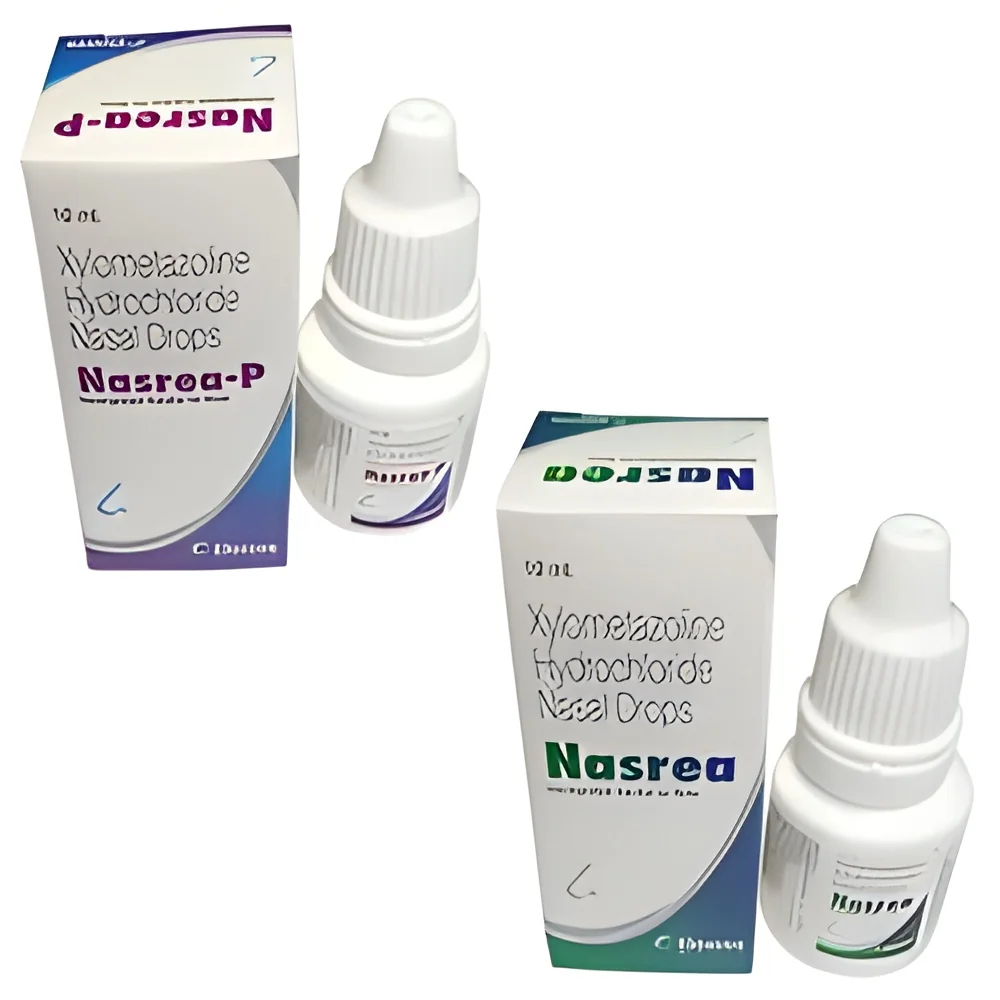
- Commonly include phenylephrine, oxymetazoline, or xylometazoline
- Vary based on formulation and intended use
2. Delivery Mechanism
- Nasal sprays utilize a pump mechanism for local application
- Inhalers may use metered-dose systems for precise dosages
3. Dosage Forms
- Available as single-use or multi-dose containers
- Vary in volume, typically ranging from 15 ml to 200 ml
4. Onset of Action
- Rapid relief within minutes of administration
- Duration of action can last from 4 to 12 hours
5. Packaging
- Often provided in user-friendly spray bottles or inhaler devices
- Designed for portability and ease of use
6. Shelf Life
- Varies based on formulation, commonly between 1 to 3 years
- Requires proper storage conditions to maintain efficacy
7. Compliance with Regulations
- Must meet local and international pharmaceutical standards
- Subject to testing for safety and efficacy
In summary, the key features and specifications of decongestants are crucial for ensuring their effectiveness and safety in various applications.
Common Applications and Use Cases
Decongestants, particularly nasal sprays and inhalers, serve various industries due to their essential role in managing respiratory health.
1. Healthcare: In hospitals and clinics, decongestants are used to alleviate symptoms of respiratory infections and allergies, improving patient comfort and recovery times.
2. Pharmaceuticals: Pharmacies stock a range of decongestant products for consumers seeking relief from nasal congestion and related symptoms, enhancing customer satisfaction.
3. Manufacturing: In industrial settings, decongestants can help employees cope with irritants or allergens present in the workplace, contributing to overall workplace health.
4. Travel: Decongestants are popular among travelers, especially those flying, as they help manage congestion that can occur during flights due to altitude changes.
5. Sports: Athletes may use decongestants to alleviate nasal congestion during training or competition, improving their performance and comfort levels.
6. Agriculture: Workers in agricultural settings may face exposure to pollen and other allergens, making decongestants important for maintaining productivity and health.
7. Education: Students and teachers can benefit from decongestants during allergy seasons, helping them to focus better in their learning environments.
Product Variants and Subcategories
Decongestants come in various forms, catering to different preferences and needs. Each variant offers unique features suited for specific applications.
Nasal Spray
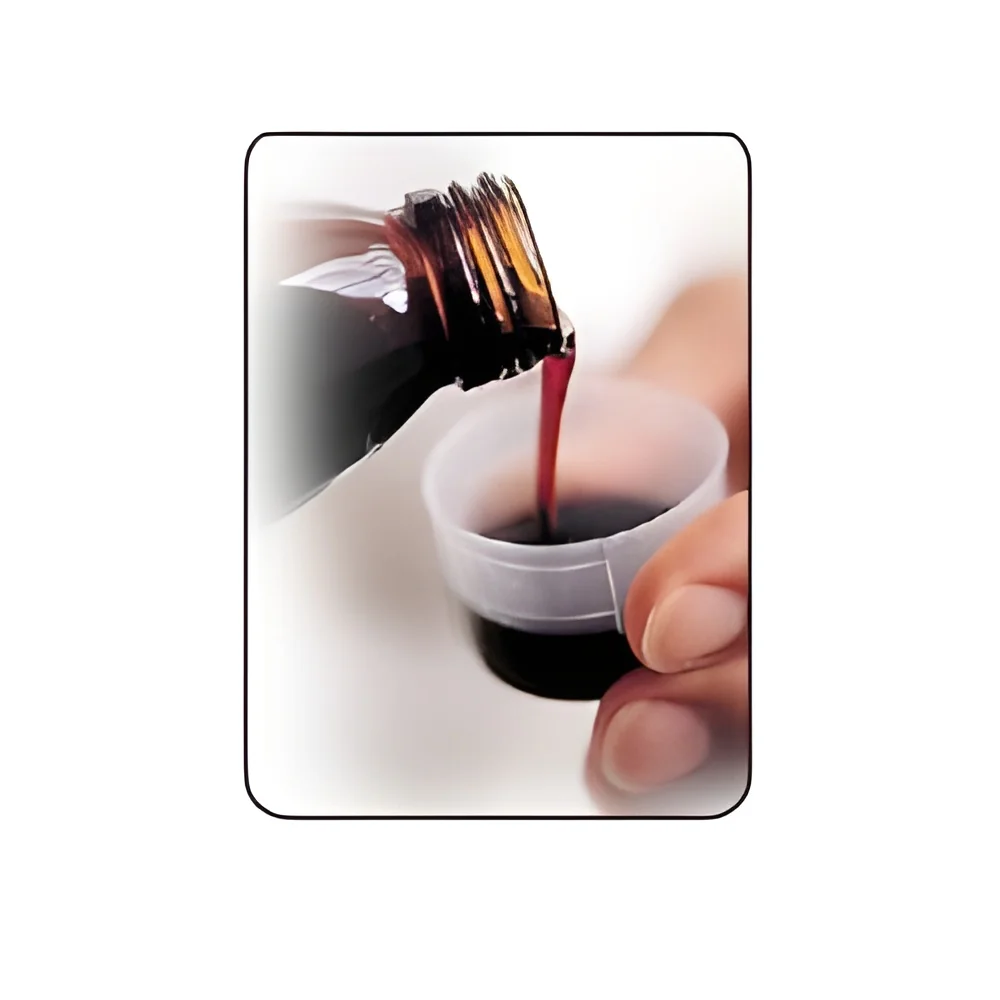
Nasal sprays are user-friendly and designed for quick relief. They deliver medication directly to the nasal passages, providing targeted action within minutes. Ideal for individuals facing acute nasal congestion, these sprays are often available in both prescription and over-the-counter formats.
Metered-Dose Inhaler
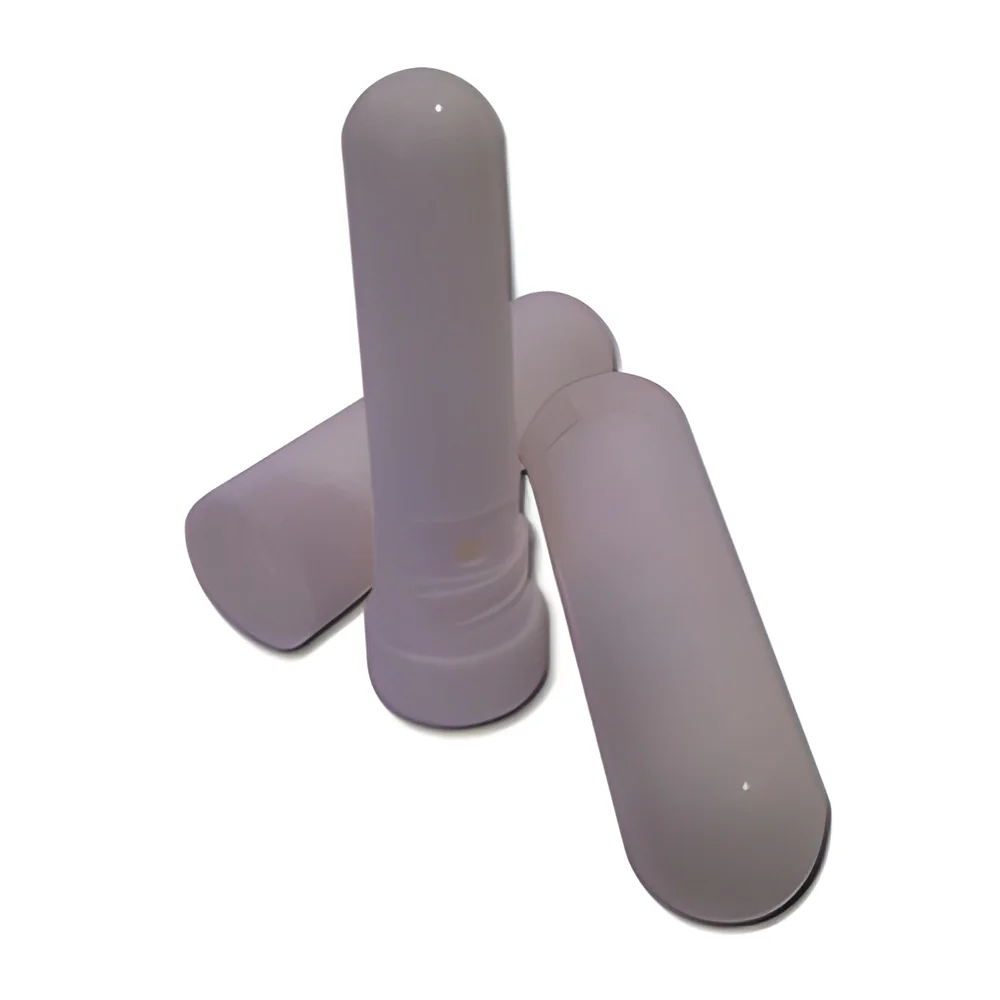
Metered-dose inhalers provide a precise dosage of medication with each puff. These inhalers are particularly beneficial for patients with underlying respiratory conditions, ensuring consistent and effective treatment. They are compact and easy to carry, making them suitable for active lifestyles.
Benefits and Advantages
Decongestants offer numerous benefits, making them a valuable addition to respiratory health management.
1. Rapid Relief: Decongestants provide quick alleviation of nasal congestion, enhancing comfort and quality of life.
2. Targeted Action: The delivery mechanisms of nasal sprays and inhalers ensure that medication is administered directly to the affected area.
3. Accessibility: Many decongestants are available over the counter, making them easily accessible for consumers without prescriptions.
4. Versatility: These products can be used for various causes of congestion, including allergies and colds, making them multifunctional.
5. Improved Breathing: By reducing nasal swelling, decongestants facilitate easier breathing, which is particularly important during physical activities.
6. Increased Productivity: By alleviating discomfort from nasal congestion, users can maintain focus and productivity in their personal and professional lives.
Buying Guide for B2B Buyers
When sourcing decongestants like nasal sprays and inhalers, B2B buyers should consider several critical factors to ensure they are making informed decisions.
1. Quality Assessment: Evaluate the quality of the products by looking for certifications and compliance with pharmaceutical standards. This ensures that the products are safe and effective.
2. Supplier Verification: It is essential to vet suppliers for their reliability and track record. Check for references and reviews to ensure they meet industry standards.
3. Pricing and MOQ: Understand the pricing structure and minimum order quantities (MOQ) set by suppliers. This will help in budgeting and ensuring that you can meet your business needs.
4. Delivery and Lead Times: Evaluate logistics capabilities, including delivery schedules and lead times. Timely delivery is crucial for maintaining stock levels and meeting customer demands.
5. Compliance Requirements: Be aware of any regulatory requirements in your region regarding the sale and distribution of pharmaceutical products. Compliance with local laws is necessary to avoid legal issues.
Compliance and Certifications
Compliance and certifications are paramount in the pharmaceutical industry, especially for products like decongestants. Key quality standards include ISO 9001, which ensures quality management systems are in place, and HACCP, focusing on food safety and hazard analysis.
Industry certifications such as CE indicate that the products meet European safety, health, and environmental protection standards. These certifications provide reassurance to buyers regarding the safety and efficacy of the products.
Safety and testing requirements are also essential, as decongestants must undergo rigorous testing to ensure they are free from contaminants and effective in their intended use. Buyers should also consider regional compliance, as different areas may have specific regulations governing the sale and distribution of pharmaceutical products.
Why Source Decongestants (Nasal Sprays, Inhalers) from Pepagora?
Pepagora offers a trusted platform for sourcing decongestants like nasal sprays and inhalers, providing several key advantages to B2B buyers.
Verified Supplier Network: Pepagora has a network of verified suppliers, ensuring that buyers have access to high-quality products. This eliminates the risks associated with unverified sources and enhances product reliability.
Streamlined RFQ Process: The request for quotation (RFQ) process on Pepagora is designed for efficiency, allowing buyers to receive multiple quotes quickly. This helps in making informed purchasing decisions based on competitive pricing and quality.
Trade Assurance and Support: Buyers benefit from trade assurance, which protects their transactions and ensures product quality. Additionally, Pepagora offers support throughout the buying process, making it easier for businesses to address any concerns.
Regional Coverage: With a strong presence in regions like India, GCC, and Southeast Asia, Pepagora provides extensive geographic reach. This allows buyers to source products that meet local market demands effectively.

 IN
IN