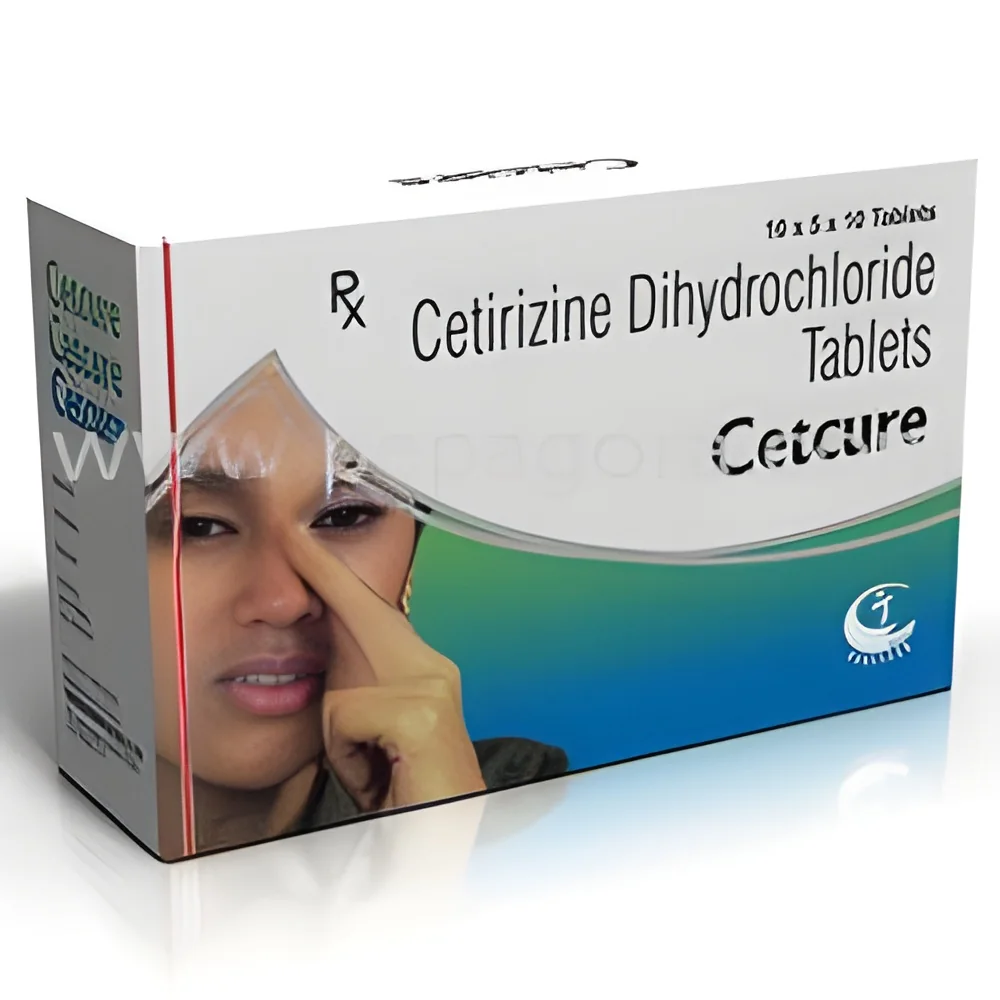
What are Antihistamines for Allergy Relief?
Antihistamines are medications that help alleviate the symptoms of allergies by blocking the action of histamine, a substance in the body that is released during an allergic reaction. When allergens such as pollen, dust mites, or pet dander enter the body, histamines are released, which can lead to symptoms such as sneezing, itching, runny nose, and watery eyes. Antihistamines work by binding to histamine receptors, thereby preventing histamine from exerting its effects on the body.
These medications are commonly used in various business applications, particularly in the pharmaceutical and healthcare industries. They are essential for manufacturers of allergy relief products, healthcare providers, and pharmacies. Antihistamines are available in several formulations including tablets, liquid solutions, and nasal sprays, making them versatile for different consumer needs. The market for antihistamines continues to grow, driven by increasing allergy prevalence and consumer demand for effective treatment options.
In terms of industry relevance, antihistamines play a crucial role in addressing health concerns related to allergies, which affect millions of people worldwide. The increasing awareness of allergies and their impact on quality of life is driving the demand for antihistamines. Additionally, the rise in environmental allergens and changing lifestyles contribute to the constant need for effective allergy relief solutions.
Key Features and Specifications
Antihistamines for Allergy Relief come with several key features that make them effective for managing allergy symptoms. These features are critical for businesses looking to supply or manufacture allergy relief products.
Key specifications include:
1. Active Ingredients
- Common active ingredients include diphenhydramine, loratadine, and cetirizine.
- These ingredients vary in potency and duration of action.
2. Formulation Type
- Available in oral tablets, liquid syrups, and nasal sprays.
- Each formulation serves different patient preferences and needs.
3. Dosage Strength
- Offered in various dosage strengths to cater to different age groups.
- Typical strengths range from 5 mg to 25 mg per dose.
4. Onset of Action
- Rapid-acting options provide relief within 30 minutes.
- Extended-release formulations offer prolonged effects lasting up to 24 hours.
5. Side Effects Profile
- Non-sedating antihistamines minimize drowsiness.
- Sedating options may cause sleepiness, which can be beneficial at night.
6. Packaging Options
- Available in blister packs, bottles, or bulk packaging for manufacturers.
- Packaging may include child-resistant features for safety.
In summary, understanding the key features and specifications of antihistamines is essential for businesses involved in the supply chain. These factors help ensure the right products are offered to meet customer needs effectively.
Common Applications and Use Cases
Antihistamines for Allergy Relief serve various industries, providing critical solutions for allergy management.
1. Pharmaceutical Industry: Antihistamines are a staple in the pharmaceutical sector, where they are formulated into over-the-counter and prescription medications for allergy sufferers.
2. Healthcare Providers: Doctors and allergists utilize antihistamines in treatment plans for patients suffering from seasonal allergies, hay fever, and allergic rhinitis.
3. Retail Pharmacies: Pharmacies stock a range of antihistamines to meet consumer demand, ensuring availability for customers seeking immediate relief from allergy symptoms.
4. Veterinary Medicine: Some antihistamines are also used in veterinary care to treat allergies in pets, expanding their usefulness beyond human applications.
5. Food and Beverage Industry: Certain antihistamines are advised for managing food allergies, providing essential information for product labeling and consumer safety.
6. Environmental Health: Organizations focused on environmental health utilize antihistamines to address allergies linked to environmental factors, such as mold and pollen.
In summary, antihistamines are integral to various sectors, reflecting their importance in managing allergy symptoms across multiple applications.
Product Variants and Subcategories
Antihistamines for Allergy Relief come in diverse variants to cater to different consumer needs and preferences. This diversity allows businesses to select the most suitable products for their market.
Oral Antihistamines
These are typically tablets or liquid solutions that offer effective relief from allergy symptoms. They are easy to administer and come in various strengths, making them suitable for both adults and children.
Nasal Sprays
Nasal antihistamines provide targeted relief for nasal symptoms associated with allergies. They work quickly and can offer immediate relief, making them a popular choice for severe symptoms.
Combination Products
Some antihistamines are combined with decongestants or other active ingredients to provide comprehensive relief from multiple allergy symptoms. This variant is particularly useful for patients experiencing congestion along with typical allergy symptoms.
Benefits and Advantages
Antihistamines offer several key benefits that make them indispensable for allergy relief.
1. Fast Relief: Many antihistamines provide rapid relief from allergy symptoms, helping individuals return to their daily activities.
2. Versatility: Available in various formulations, they cater to different preferences and needs, ensuring that all patients can find a suitable option.
3. Reduced Sedation: Non-sedating antihistamines allow users to manage allergies without experiencing drowsiness, enabling them to maintain productivity.
4. Accessibility: Antihistamines are widely available over-the-counter, making them easily accessible to consumers without a prescription.
5. Established Efficacy: Extensive clinical research supports the effectiveness of antihistamines, assuring healthcare providers and consumers of their reliability.
6. Safety Profile: Most antihistamines have a favorable safety profile, with side effects generally being mild and manageable.
In summary, the benefits of antihistamines make them a preferred choice for individuals seeking effective allergy relief.
Buying Guide for B2B Buyers
When sourcing Antihistamines for Allergy Relief, businesses should consider several important factors to ensure they make informed purchasing decisions.
1. Quality Assessment: Evaluating the quality of antihistamines is crucial. Look for products that meet established pharmaceutical standards and have undergone rigorous testing for efficacy and safety.
2. Supplier Verification: Vetting suppliers is essential. Ensure that suppliers have a good track record, proper certifications, and compliance with industry regulations to ensure product quality and reliability.
3. Pricing and MOQ: Understand the pricing structure and minimum order quantities (MOQ) set by suppliers. This information is critical for budgeting and inventory planning.
4. Delivery and Lead Times: Consider logistics when sourcing products. Suppliers should provide clear information regarding delivery schedules and lead times to ensure timely availability.
5. Compliance Requirements: Ensure that the products comply with regional regulations and quality standards. This includes understanding any specific certifications required for sale in your target market.
Compliance and Certifications
When dealing with Antihistamines for Allergy Relief, compliance and certifications play a vital role in ensuring product quality and safety.
Key relevant quality standards include ISO 9001, which focuses on quality management systems and ensures consistent product quality. Additionally, HACCP (Hazard Analysis and Critical Control Points) is critical for food safety and can apply to antihistamines used in food-related allergy treatments.
Industry certifications such as CE mark indicate compliance with European health, safety, and environmental protection standards. This certification assures buyers of the product's compliance with industry regulations.
Safety and testing requirements are paramount in the production of antihistamines, ensuring that products are safe for consumer use and effective in treating allergies. Regional compliance considerations also vary, requiring businesses to be aware of local regulatory demands and standards to ensure full compliance before market entry.
Why Source Antihistamines for Allergy Relief from Pepagora?
Pepagora provides a trusted platform for sourcing Antihistamines for Allergy Relief with several key advantages that set it apart in the market.
Verified Supplier Network: Pepagora boasts a robust network of verified suppliers, ensuring that buyers can trust the quality and reliability of the products they source. This verification process helps mitigate risks associated with sourcing.
Streamlined RFQ Process: The platform offers a streamlined Request for Quotation (RFQ) process, allowing buyers to quickly receive quotes from multiple suppliers. This efficiency saves time and helps businesses make informed decisions.
Trade Assurance and Support: Pepagora provides trade assurance, protecting buyers against potential issues during transactions. The support offered helps navigate any challenges that may arise, ensuring a smooth purchasing experience.
Regional Coverage: With a strong presence in regions such as India, the GCC, and Southeast Asia, Pepagora facilitates access to a wide range of suppliers and products. This geographic reach maximizes sourcing options and helps businesses find the best solutions for their needs.

 IN
IN