What are Digestive Enzymes & Bitters?
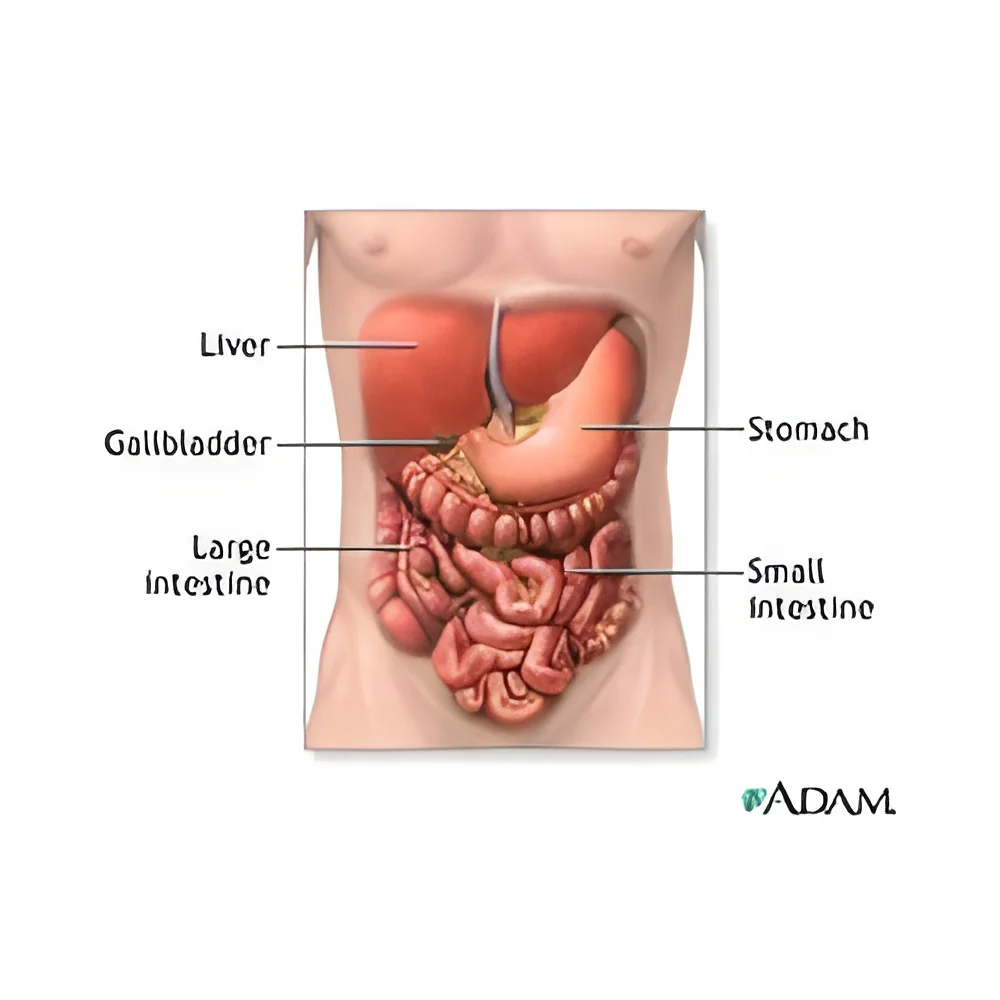
Digestive enzymes and bitters are essential substances that aid in the breakdown of food components, enhancing nutrient absorption and overall digestive health. Digestive enzymes are proteins that facilitate biochemical reactions involving the digestion of carbohydrates, fats, and proteins. Bitters, on the other hand, are plant-derived compounds that stimulate the digestive process and promote bile production, contributing to improved digestion and appetite regulation.
These products are widely used in various industries, including food and beverage, dietary supplements, and health and wellness sectors. They are particularly valuable in formulating digestive aids, functional foods, and nutritional supplements. Businesses leverage these products to address digestive issues, improve gut health, and cater to the growing consumer demand for natural health solutions. The market for digestive enzymes and bitters is expanding as more consumers seek holistic approaches to health.
As the demand for natural and effective digestive health products continues to rise, businesses in the health and wellness industry are increasingly looking to incorporate digestive enzymes and bitters into their offerings. This trend reflects a growing consumer preference for functional foods that support overall well-being, making these products highly relevant in today’s market.
Key Features and Specifications
Digestive enzymes and bitters come with several features that enhance their effectiveness and usability in various applications. Understanding these specifications is crucial for businesses looking to source these products for their needs.
Key specifications include:
1. Enzyme Activity Level
- Indicates the potency of the enzyme
- Measured in units such as FCC (Food Chemical Codex) or USP (United States Pharmacopeia)
2. Source of Enzymes
- Can be derived from animal, plant, or microbial sources
- Each source offers different enzyme profiles suitable for diverse applications
3. Formulation Type
- Available in liquid, powder, or capsule forms
- Each formulation has specific applications and convenience for end users
4. Shelf Life
- Typically ranges from 12 to 36 months
- Stability can depend on storage conditions and formulation type
5. pH Stability
- Indicates the effective pH range for enzyme activity
- Important for applications in various food matrices
6. Bitters Concentration
- Measured in percentage or volume
- Higher concentrations may provide stronger digestive stimulation
7. Compliance with Food Safety Standards
- Must meet regulations such as GMP (Good Manufacturing Practices)
- Ensures product safety and quality
8. Packaging Options
- Available in bulk, retail, or customized packaging
- Influences shelf stability and consumer perception
In summary, understanding the key features and specifications of digestive enzymes and bitters enables businesses to select the right products for their specific applications and ensure compliance with industry standards.
Common Applications and Use Cases
Digestive enzymes and bitters find applications across various industries, serving specific needs and enhancing product offerings.
1. Food and Beverage Industry: These products are often used in the formulation of digestive health drinks and functional foods, promoting easier digestion and nutrient absorption.
2. Dietary Supplements: Many dietary supplements incorporate digestive enzymes and bitters to support gut health, alleviate digestive discomfort, and enhance overall wellness.
3. Health and Wellness: Businesses in this sector utilize these products to create holistic health solutions, targeting consumers looking for natural remedies for digestive issues.
4. Pharmaceutical Industry: Digestive enzymes are sometimes included in medications aimed at treating digestive disorders or enhancing the efficacy of other treatments.
5. Nutraceuticals: The growing market for nutraceuticals often features digestive enzymes and bitters, appealing to health-conscious consumers seeking preventive care options.
6. Cosmetics: Some skincare formulations leverage the benefits of bitters in promoting skin health and digestion, as gut health is linked to skin conditions.
7. Hospitality Industry: Restaurants and cafes may offer products containing digestive enzymes and bitters to enhance meal experiences and cater to health-conscious diners.
Product Variants and Subcategories
Digestive enzymes and bitters come in various forms and formulations, allowing businesses to choose based on their specific needs.
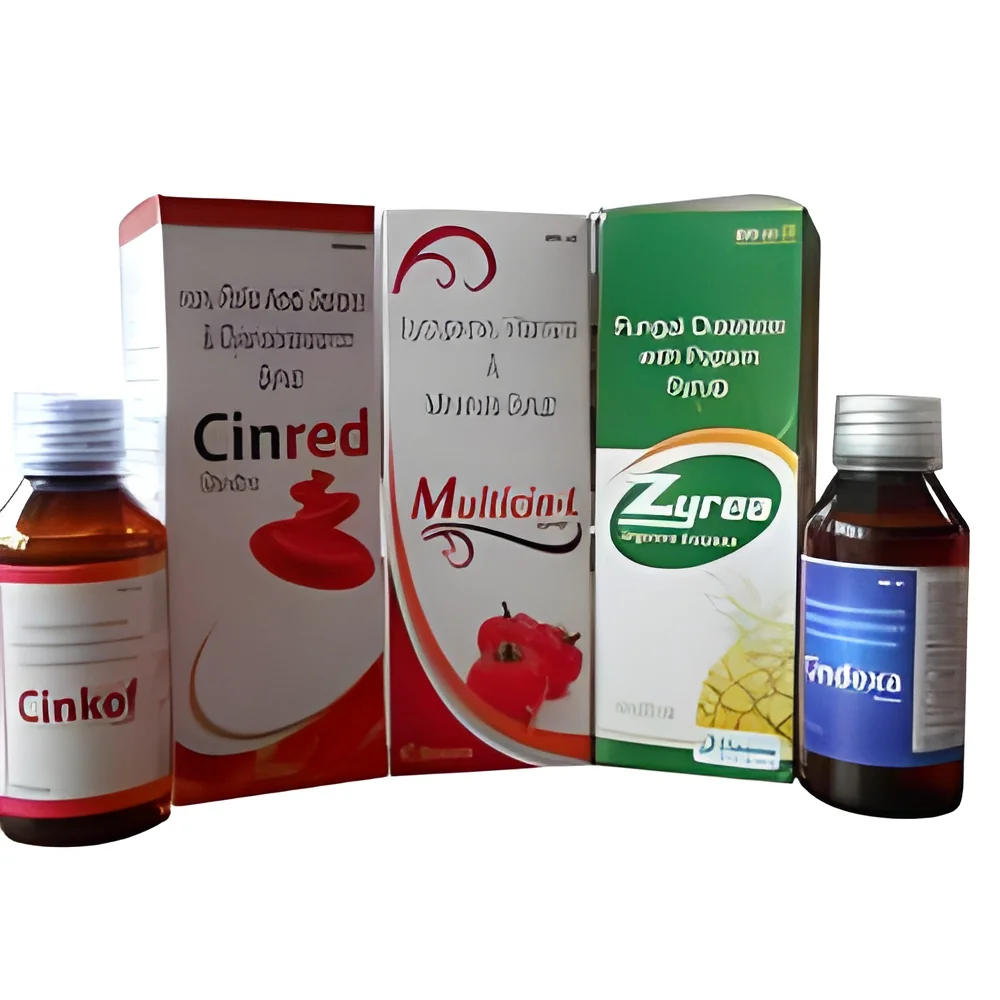
Liquid Digestive Enzymes: This variant is easy to add to beverages or foods and provides quick absorption. It is suitable for individuals looking for a fast-acting digestive aid.
Capsule Digestive Enzymes: Capsules offer convenience and precise dosing. They are popular among consumers who prefer a no-mess option for digestive support.
Powdered Digestive Enzymes: This format allows for versatile use, such as mixing into smoothies or other foods. It is ideal for those seeking customizable dosage options.
Herbal Bitters: These are blends of various bitter herbs formulated to stimulate digestion naturally. They are commonly used in cocktails or as a digestive tonic.
Fruit-Based Bitters: These bitters combine traditional bitter herbs with fruit extracts, creating a palatable option for consumers looking for digestive support in beverage form.
Benefits and Advantages
Digestive enzymes and bitters offer numerous benefits that can enhance overall health and well-being.
1. Improved Digestion: These products help break down food more efficiently, leading to better nutrient absorption and reduced digestive discomfort.
2. Enhanced Nutrient Availability: By aiding digestion, they allow the body to access and utilize nutrients more effectively, supporting overall health.
3. Appetite Regulation: Bitters can stimulate appetite and promote bile production, making them beneficial for individuals with digestive issues.
4. Support for Gut Health: Regular use can contribute to a balanced gut microbiome, essential for maintaining digestive health and overall wellness.
5. Natural Ingredients: Many digestive enzymes and bitters are derived from natural sources, appealing to consumers seeking clean label products.
6. Versatile Applications: They can be incorporated into various products, including foods, beverages, and supplements, making them adaptable for different market needs.
Buying Guide for B2B Buyers
When sourcing digestive enzymes and bitters, businesses should consider several important factors to ensure they select the right products for their needs.
1. Quality Assessment: Evaluate the quality of the enzymes and bitters by reviewing the supplier's manufacturing processes, ingredient sourcing, and adherence to quality standards.
2. Supplier Verification: Conduct thorough research on potential suppliers to confirm their credibility, certifications, and track record in the industry.
3. Pricing and MOQ: Compare pricing structures and minimum order quantities among suppliers to find options that fit within budget constraints.
4. Delivery and Lead Times: Assess the logistics of delivery, including lead times and shipping costs, to ensure timely product availability.
5. Compliance Requirements: Verify that the products meet relevant regulatory standards and certifications, ensuring they are safe and compliant for market distribution.
Compliance and Certifications
Digestive enzymes and bitters must adhere to strict quality and safety standards to ensure they are effective and safe for consumer use. Relevant quality standards include ISO 9001, which outlines requirements for a quality management system, ensuring consistent product quality and customer satisfaction. HACCP (Hazard Analysis Critical Control Point) is another critical standard that emphasizes food safety by identifying and controlling potential hazards in the production process.
Industry certifications, such as CE marking, indicate that products meet European health, safety, and environmental protection standards. This is particularly important for businesses looking to market their products in European markets. Additionally, safety and testing requirements must be met to ensure that the enzymes and bitters are free from contaminants and suitable for human consumption.
Regional compliance considerations must also be factored in, as different countries have varying regulations regarding food supplements and natural health products. Understanding these requirements can help businesses navigate the complexities of sourcing and marketing digestive enzymes and bitters in different markets.
Why Source Digestive Enzymes & Bitters from Pepagora?
Pepagora provides a trusted platform for sourcing digestive enzymes and bitters, offering several key advantages for businesses.
The verified supplier network ensures that all listed suppliers undergo rigorous vetting, providing buyers with confidence in the quality and reliability of the products they source. This verification process helps businesses avoid potential risks associated with unverified suppliers.
The streamlined RFQ process simplifies the quotation system, allowing buyers to request prices and specifications quickly and efficiently. This user-friendly approach saves time and helps businesses make informed purchasing decisions.
Pepagora also offers trade assurance and support, giving buyers protection throughout the sourcing process. This assurance includes safeguards against potential disputes, ensuring a smooth transaction from start to finish.
With regional coverage spanning India, the GCC, and Southeast Asia, Pepagora connects businesses with suppliers that cater to their specific geographic needs. This wide reach enables companies to find local sources for their digestive enzyme and bitters requirements, reducing lead times and shipping costs while fostering relationships with regional suppliers.

 IN
IN