
 IN
Food Packaging Materials
169 products available
𝗪𝗵𝗮𝘁 𝗮𝗿𝗲 𝗙𝗼𝗼𝗱 𝗣𝗮𝗰𝗸𝗮𝗴𝗶𝗻𝗴 𝗠𝗮𝘁𝗲𝗿𝗶𝗮𝗹𝘀?
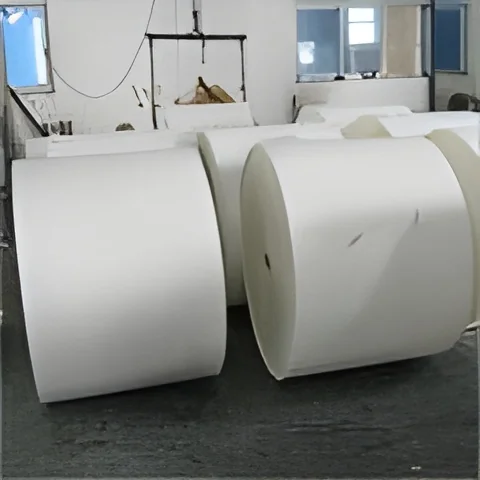
Food packaging materials are specialized products designed to protect food items from contamination, spoilage, and physical damage. These materials play a crucial role in ensuring the safety and quality of food during storage, transportation, and display. They can take various forms, including films, containers, wraps, and boxes, and are made from a diverse range of substances, such as plastics, paper, glass, and metal. The choice of packaging material often depends on the type of food being packaged and the required shelf life.
In the food industry, packaging materials serve multiple functions beyond protection. They are essential for preserving freshness, extending shelf life, and providing information about the product. Effective packaging also enhances the visual appeal of food items, contributing to marketing strategies. Businesses across various sectors, such as retail, food service, and manufacturing, rely on high-quality packaging to meet regulatory requirements and consumer expectations.
The market for food packaging materials is vast and continuously evolving, driven by trends such as sustainability, convenience, and safety. As consumers become more environmentally conscious, there is a growing demand for recyclable and biodegradable packaging options. Additionally, innovations in packaging technology are influencing product development, creating new opportunities for businesses in the food industry.
𝗞𝗲𝘆 𝗙𝗲𝗮𝘁𝘂𝗿𝗲𝘀 𝗮𝗻𝗱 𝗦𝗽𝗲𝗰𝗶𝗳𝗶𝗰𝗮𝘁𝗶𝗼𝗻𝘀
Food packaging materials come with a variety of features and specifications that cater to different food types and requirements. It is important to understand these specifications to choose the most suitable materials for your business needs.
Key specifications include:
1. Material Composition
- Common materials include polyethylene, polypropylene, paper, and aluminum.
- Each material has unique properties affecting durability, barrier performance, and environmental impact.
2. Barrier Properties
- Essential for preventing gas, moisture, and light from affecting food quality.
- Specifications may include oxygen transmission rates and moisture vapor transmission rates.
3. Temperature Resistance
- Critical for materials used in freezing, microwaving, and baking.
- Some materials can withstand high temperatures, while others are suitable for refrigeration.
4. Seal Integrity
- Refers to the strength and reliability of seals in flexible packaging.
- Proper sealing ensures product safety and extends shelf life.
5. Printability
- Important for branding and product information.
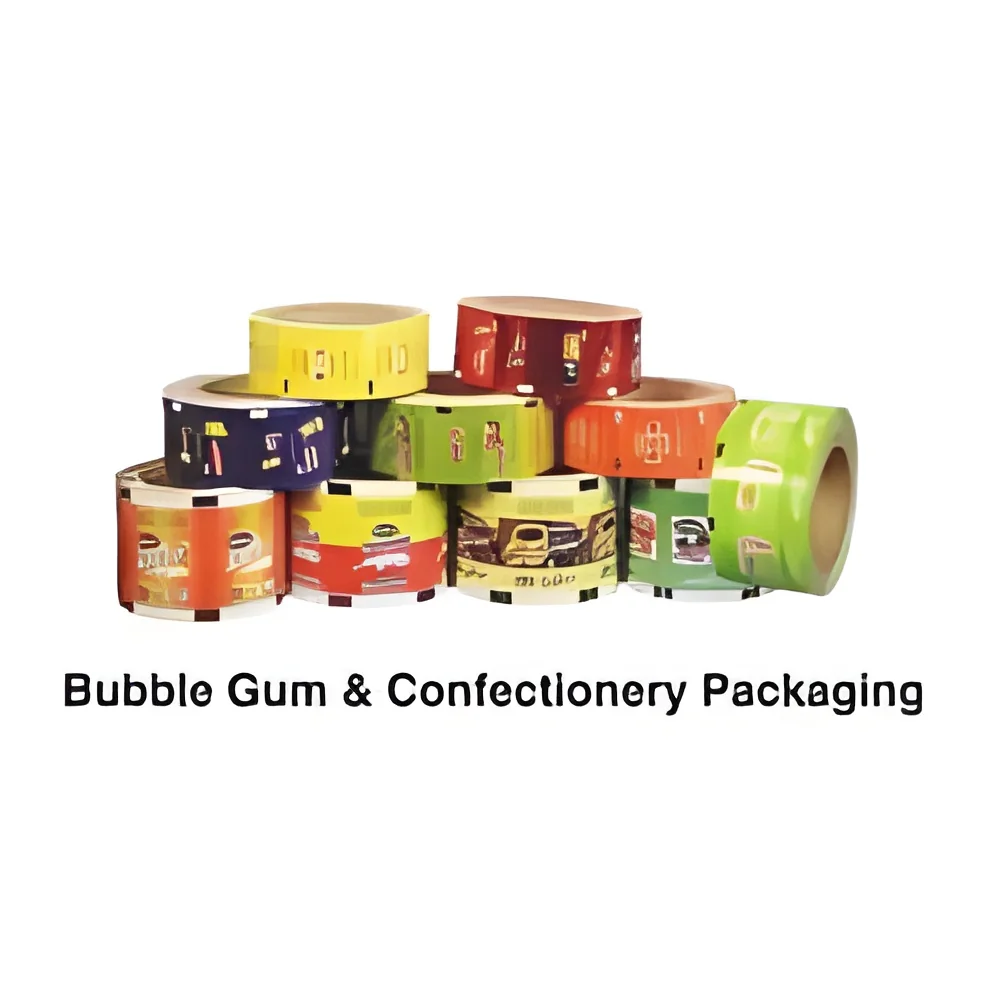
- The ability to print high-quality graphics directly onto packaging materials.
6. Compliance Standards
- Must meet safety and quality regulations specific to food contact materials.
- Compliance with certifications such as CE ensures consumer safety.
7. Recyclability and Sustainability
- Increasingly relevant due to consumer demand for environmentally friendly options.
- Some materials are designed for easy recycling or are made from renewable resources.
8. Customization Options
- Many suppliers offer customization based on size, shape, and design.
- Custom packaging can enhance brand identity and consumer appeal.
In summary, understanding the key features and specifications of food packaging materials is essential for businesses. This knowledge helps ensure that the chosen materials meet operational needs and regulatory standards.
𝗖𝗼𝗺𝗺𝗼𝗻 𝗔𝗽𝗽𝗹𝗶𝗰𝗮𝘁𝗶𝗼𝗻𝘀 𝗮𝗻𝗱 𝗨𝘀𝗲 𝗖𝗮𝘀𝗲𝘀
Food packaging materials are utilized across various industries to ensure food safety and quality.
1. Food Manufacturing: In this sector, packaging materials are essential for preserving products during processing and storage. They protect items from contamination and damage, ensuring that food remains safe for consumption.
2. Retail: Supermarkets and grocery stores use food packaging materials to display products attractively. Packaging plays a vital role in marketing and helps maintain product freshness on shelves.
3. Food Service: Restaurants and catering businesses rely on packaging for takeout and delivery services. Proper packaging ensures that food remains hot, cold, or fresh during transportation.
4. E-commerce: With the rise of online grocery shopping, packaging materials are critical for safe shipping. They protect food items during transit and maintain quality until delivery.
5. Meal Kits: Companies offering meal kits use specialized packaging to keep ingredients fresh. The materials often include insulated packaging to maintain temperature.
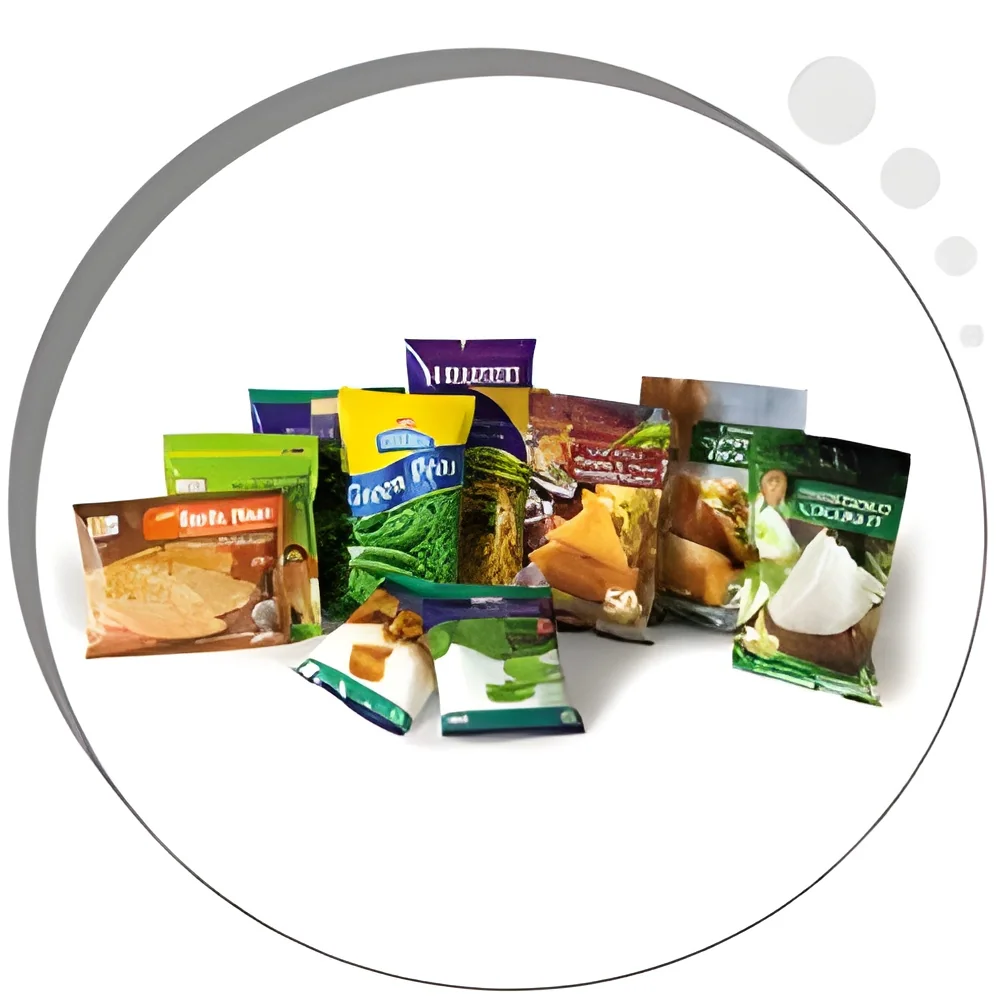
6. Snack Foods: Snack manufacturers utilize packaging that enhances shelf life and appeal. Resealable bags and portion control packaging are common in this market.
7. Frozen Foods: Packaging for frozen foods must withstand low temperatures while ensuring product integrity. Materials are designed to prevent freezer burn and maintain quality.
𝗣𝗿𝗼𝗱𝘂𝗰𝘁 𝗩𝗮𝗿𝗶𝗮𝗻𝘁𝘀 𝗮𝗻𝗱 𝗦𝘂𝗯𝗰𝗮𝘁𝗲𝗴𝗼𝗿𝗶𝗲𝘀
The diversity of food packaging materials allows businesses to select options that best fit their needs.
Flexible Packaging
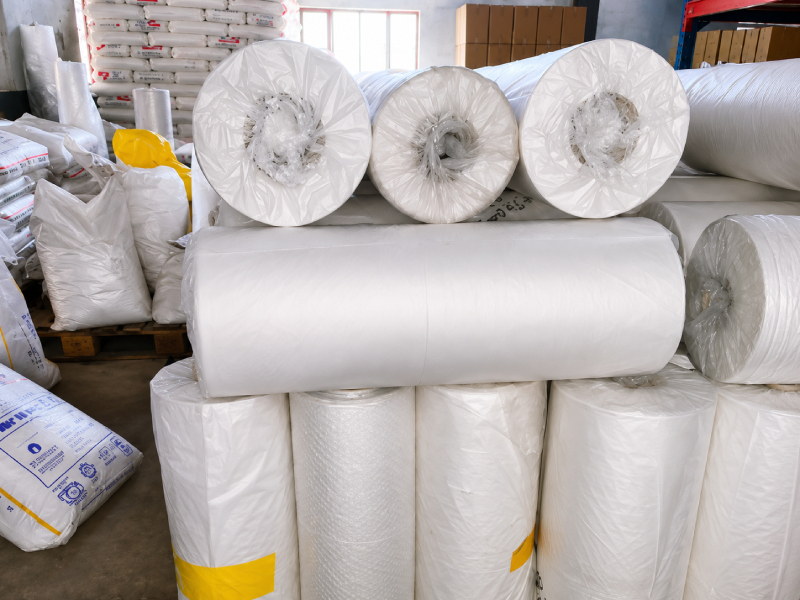
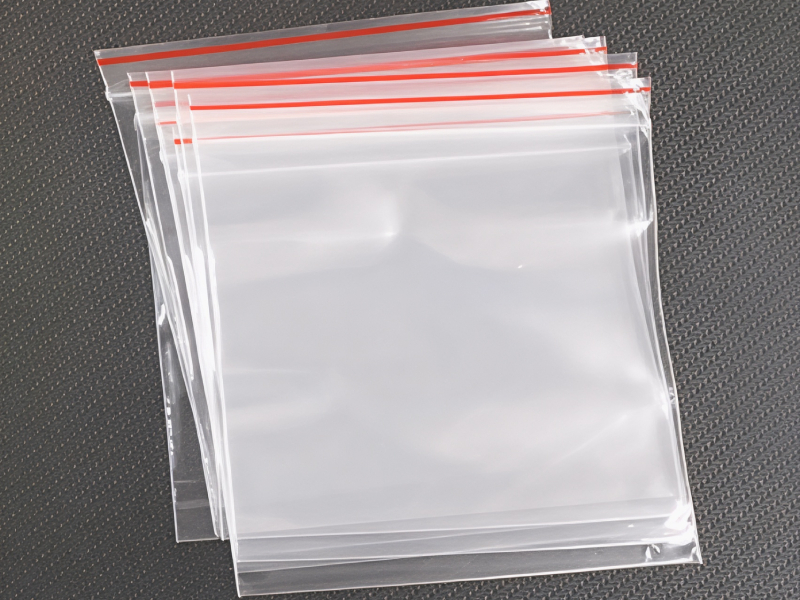
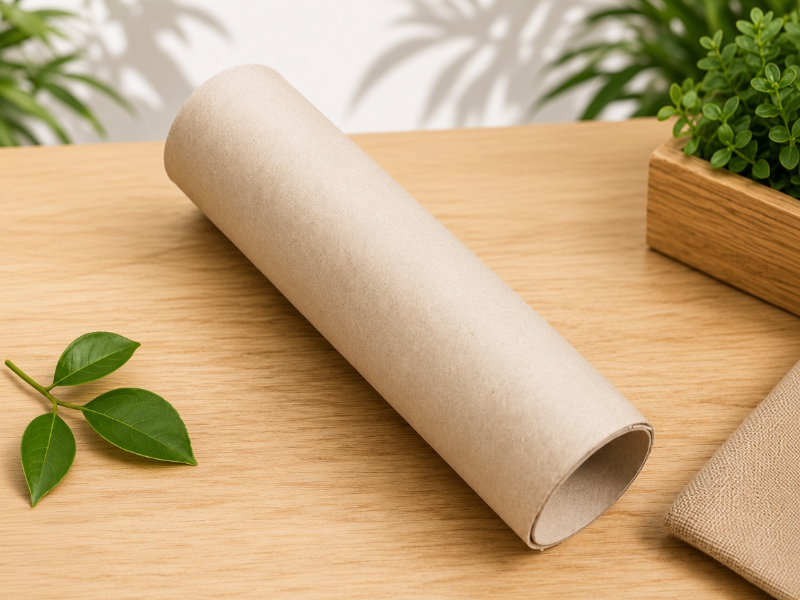
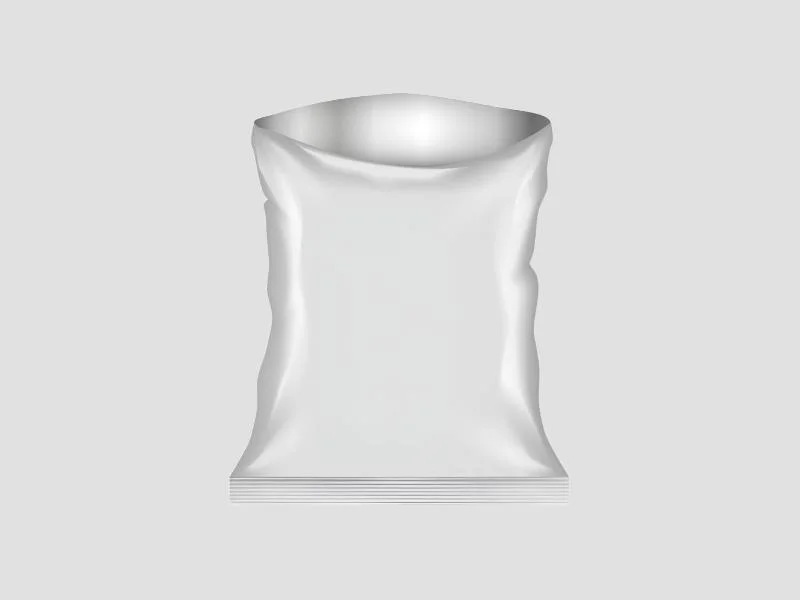
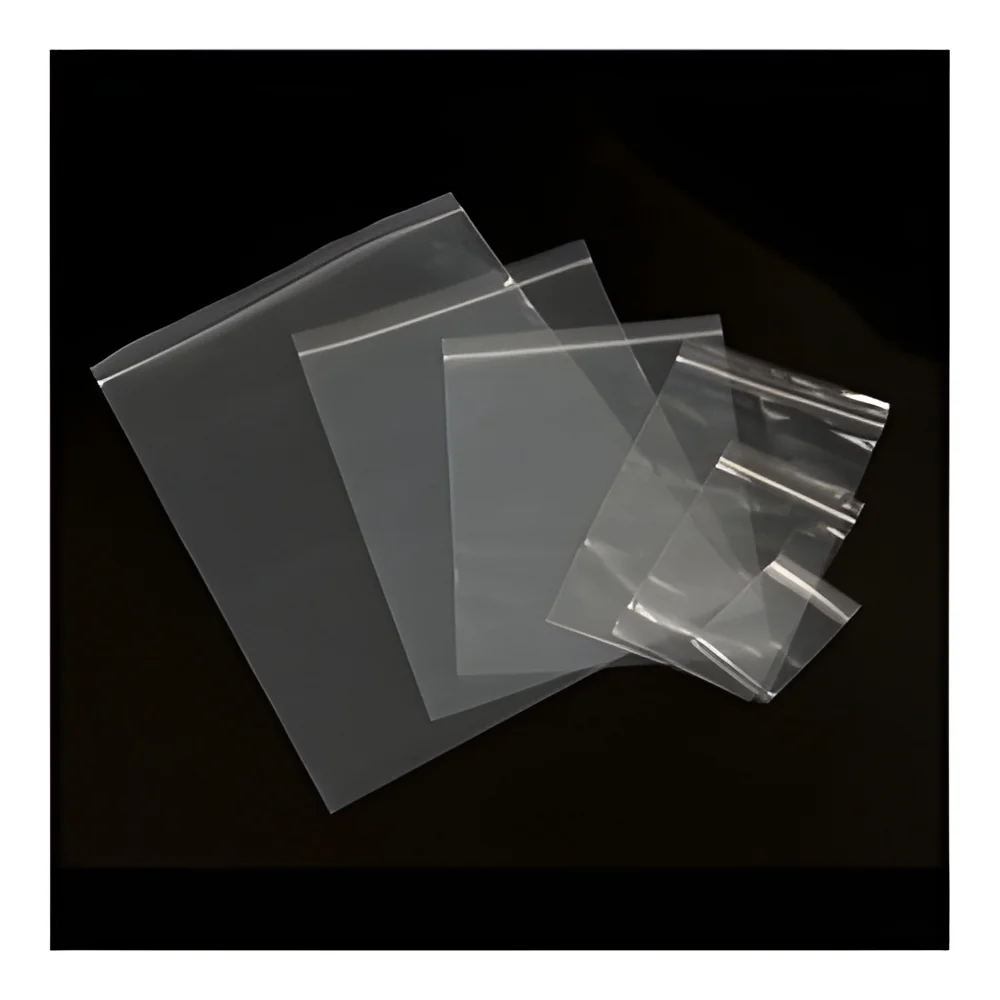
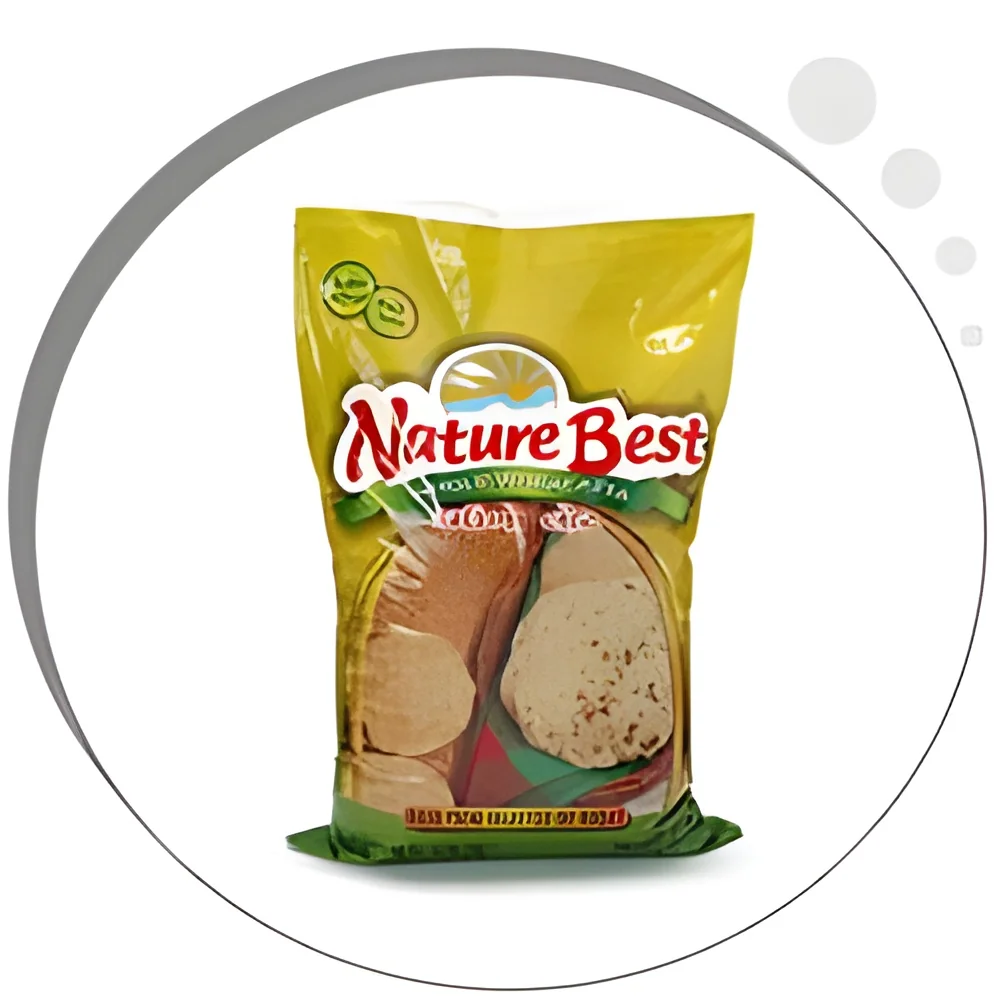
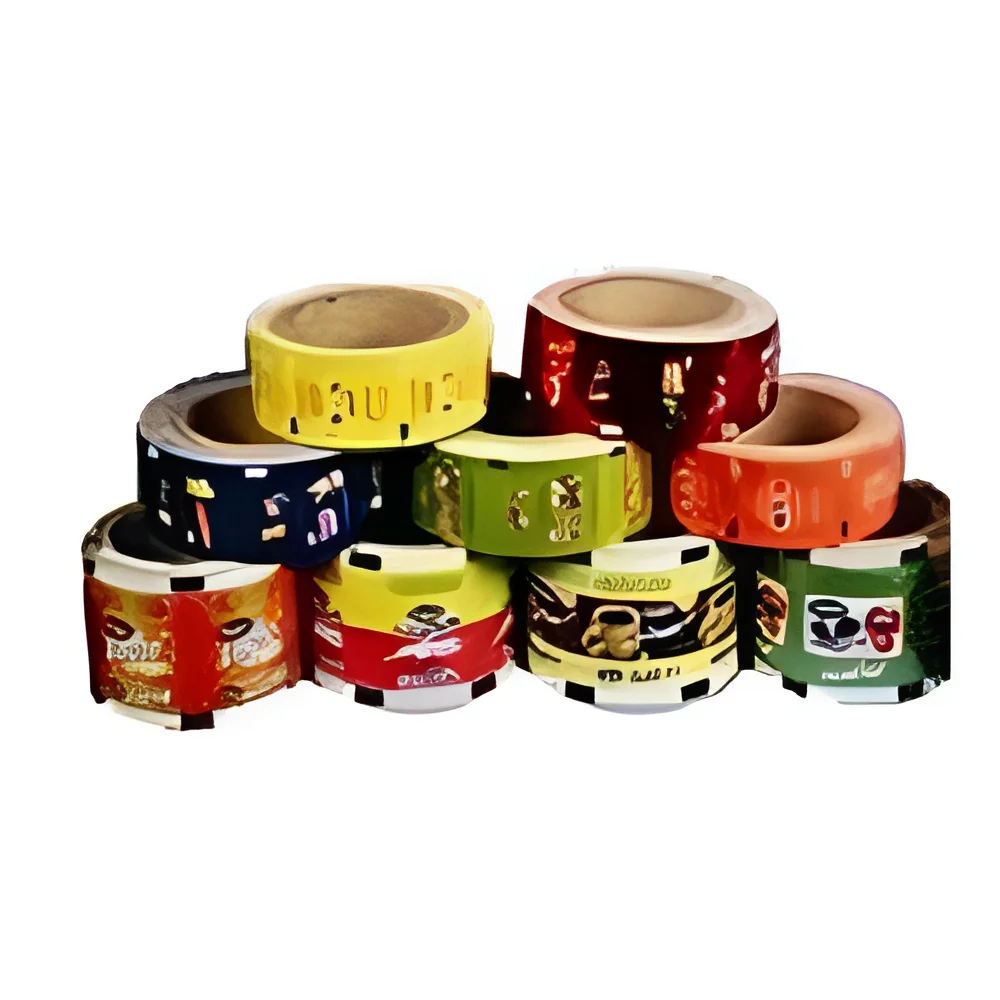
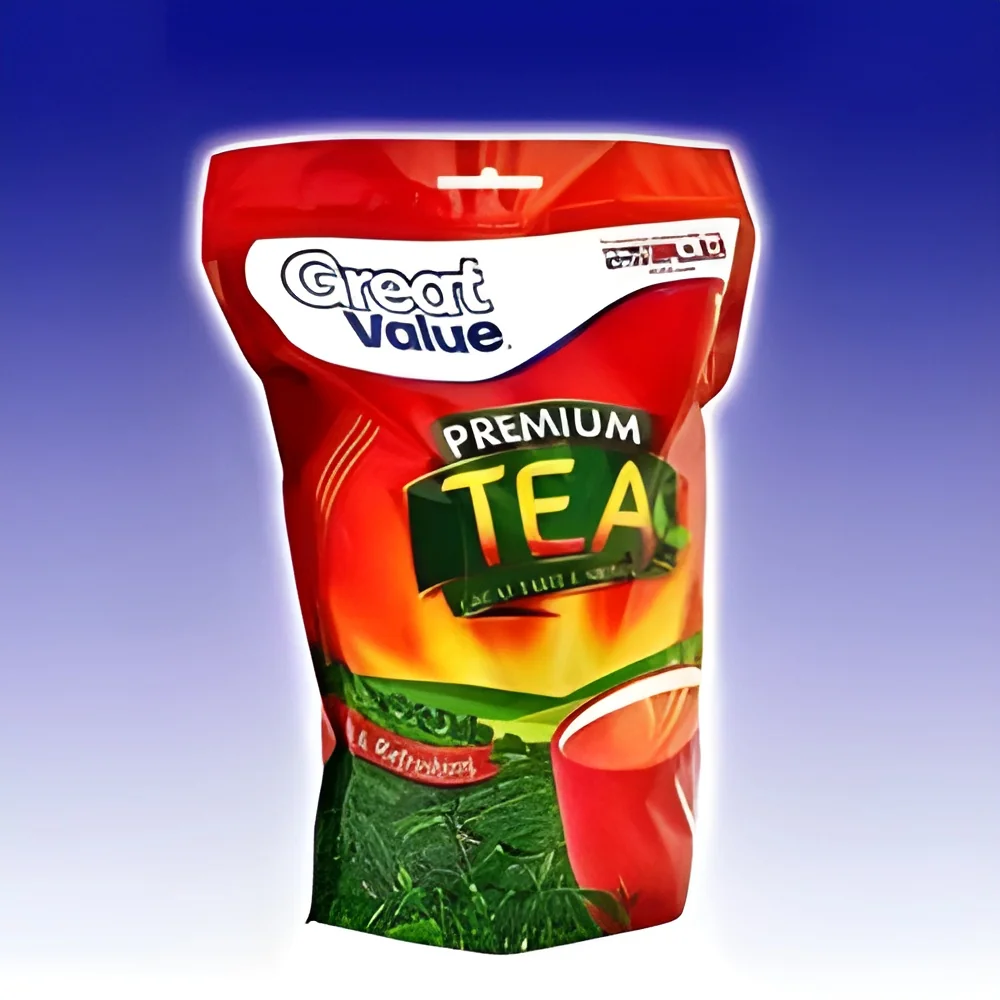
Flexible packaging includes bags, pouches, and wraps made from materials like plastic and paper. This variant is lightweight, versatile, and often used for snacks, grains, and frozen foods.
Rigid Containers
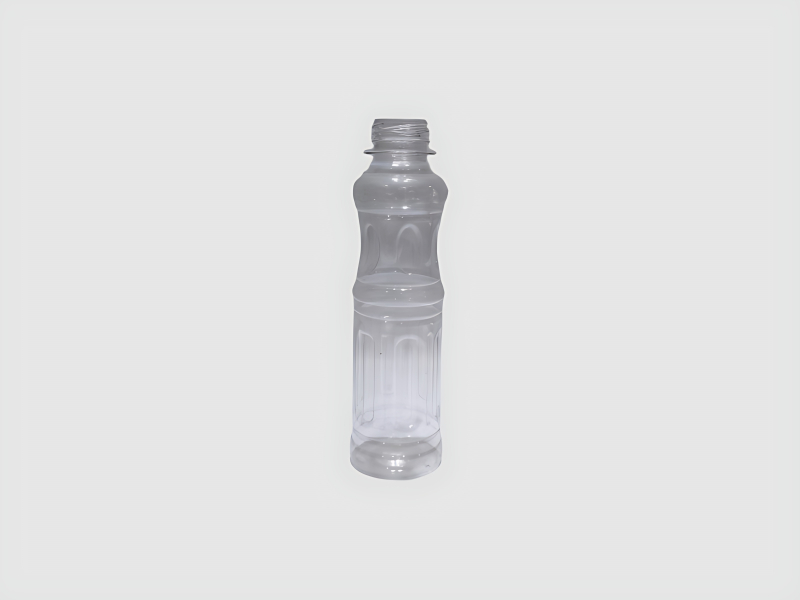
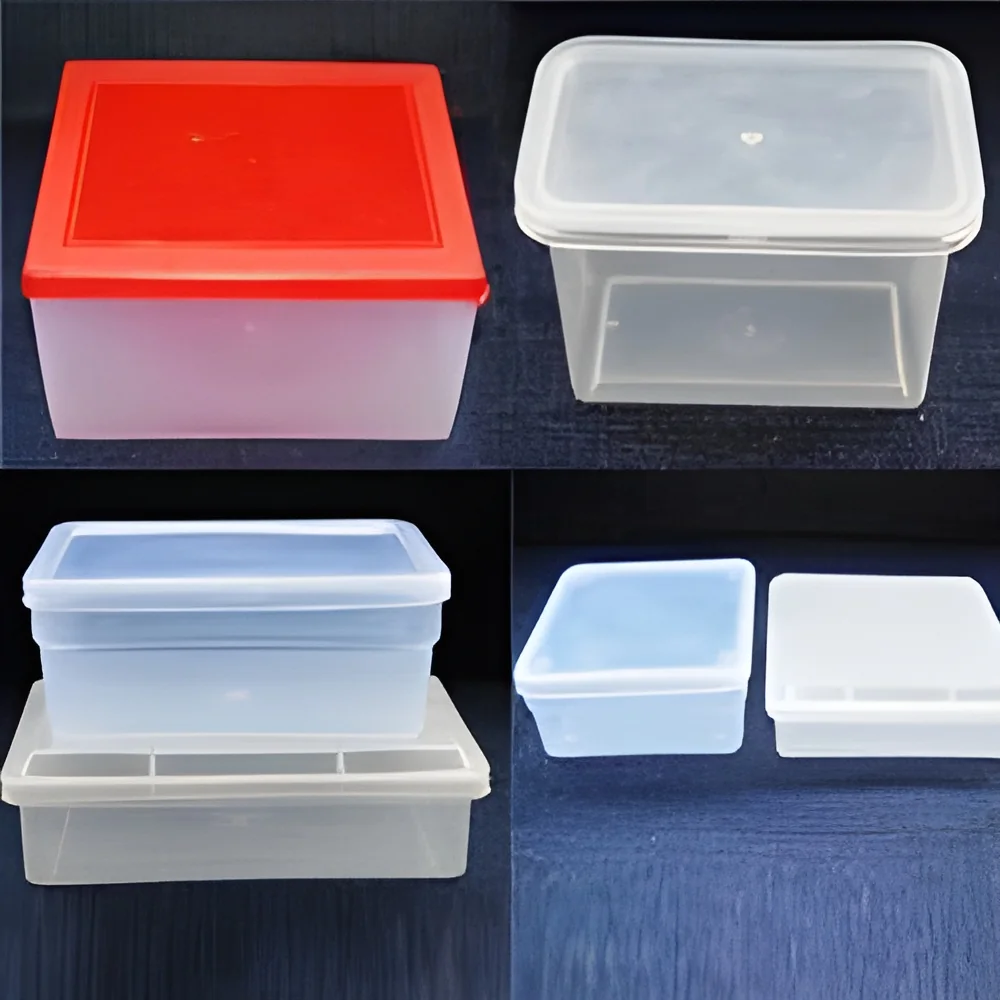
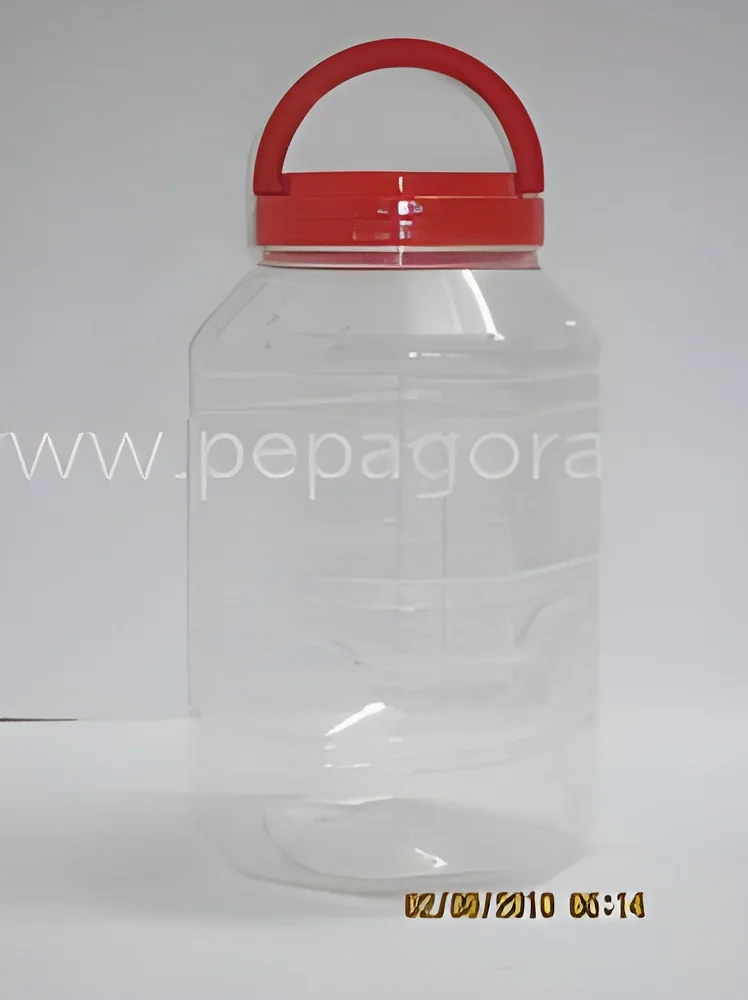
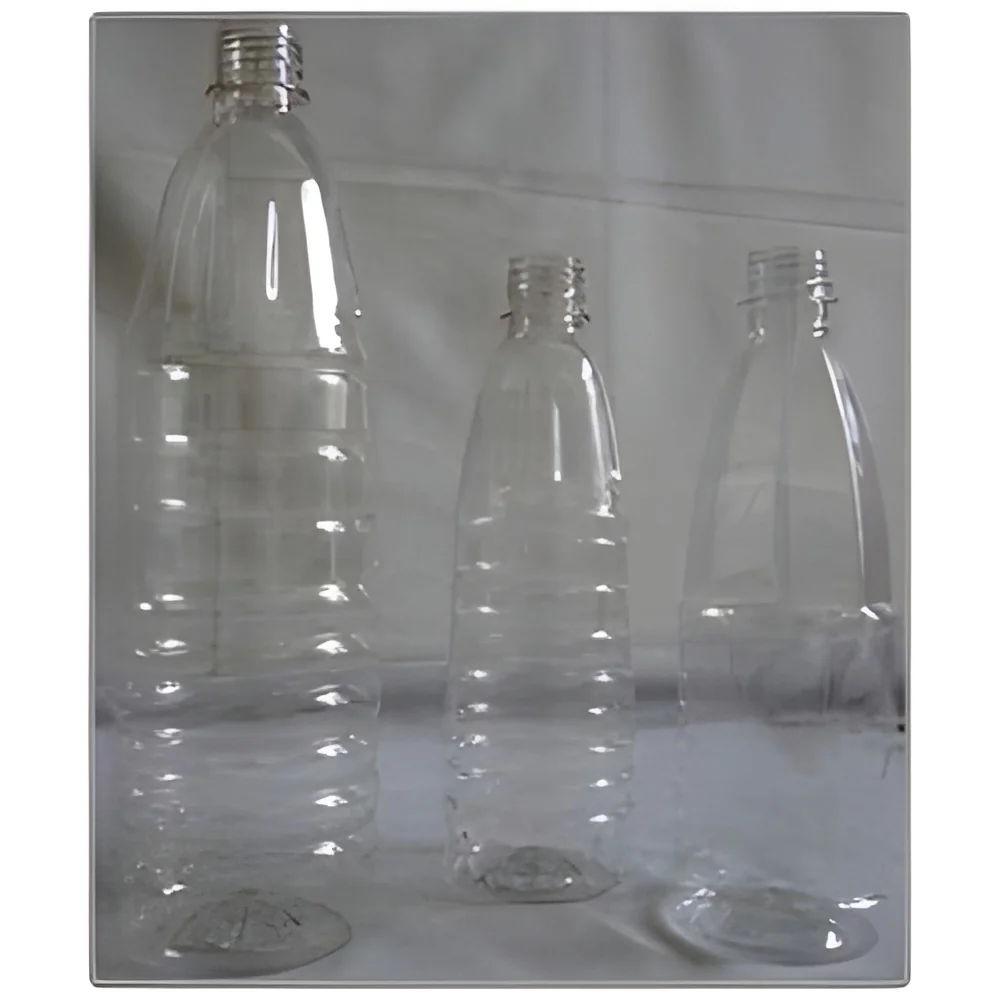
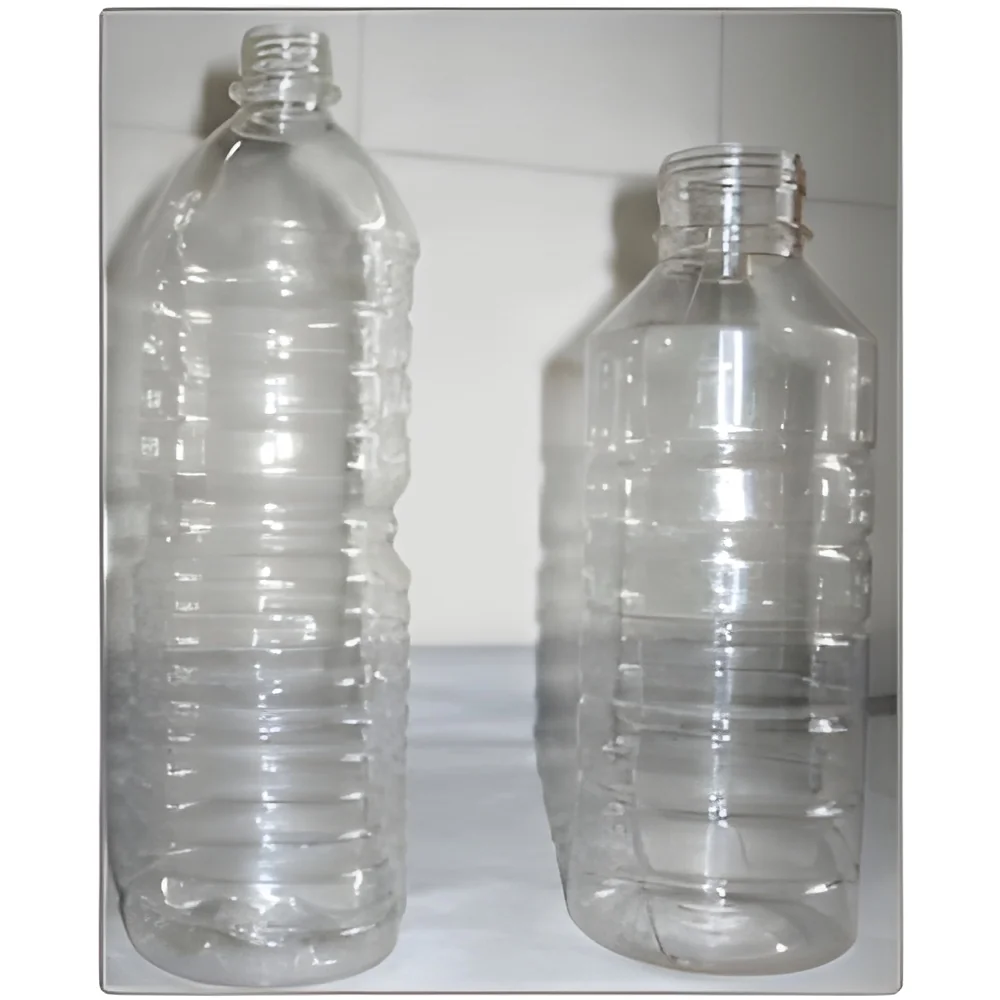
Rigid containers encompass jars, bottles, and boxes. They provide strong protection for products like sauces, beverages, and bulk items, making them ideal for retail.
Thermoformed Packaging
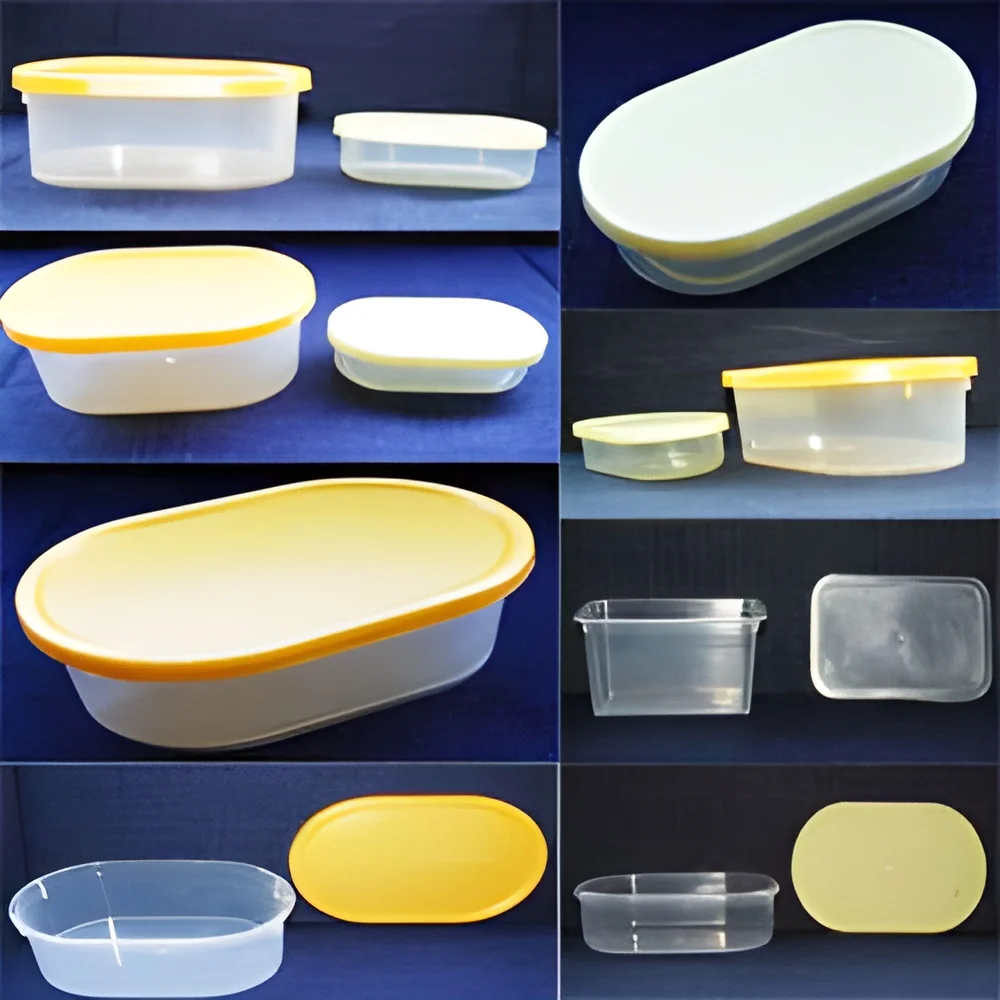
This type of packaging is made by molding plastic into specific shapes. It is commonly used for trays and clamshells, providing visibility and protection for fresh produce and deli items.
Shrink Wrap
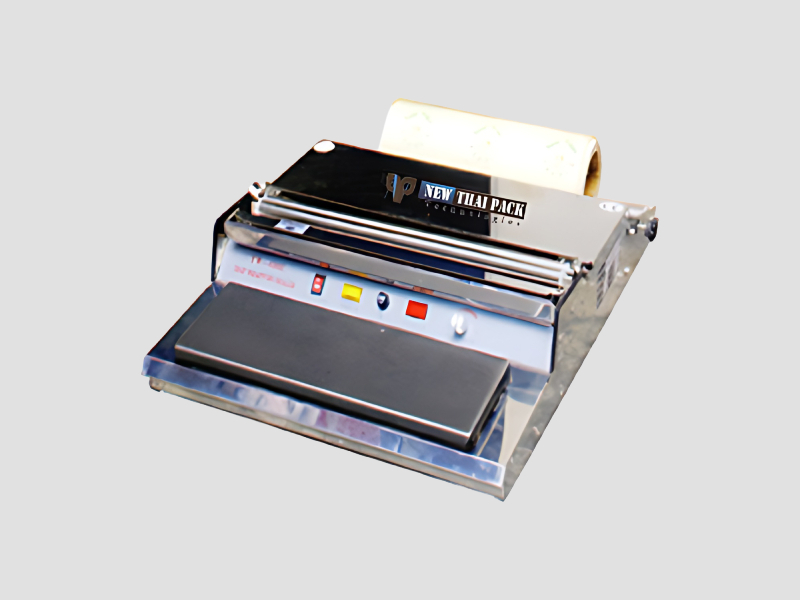
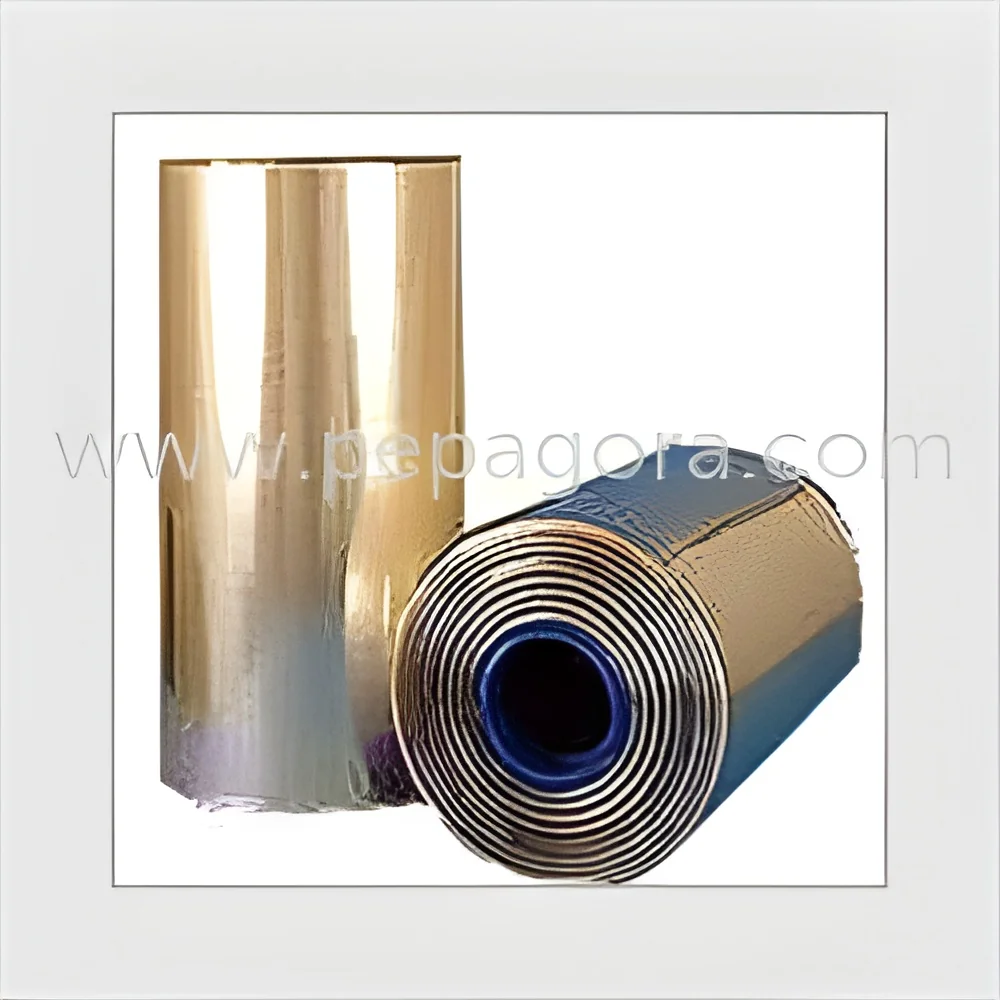
Shrink wrap is a plastic film that wraps tightly around products. It is often used for bundling and protecting multiple items, enhancing shelf life and presentation.
𝗕𝗲𝗻𝗲𝗳𝗶𝘁𝘀 𝗮𝗻𝗱 𝗔𝗱𝘃𝗮𝗻𝘁𝗮𝗴𝗲𝘀
Food packaging materials offer numerous benefits that are crucial for businesses in the food industry.
Key benefits include:
1. Protection: Packaging materials safeguard food from external contaminants and physical damage, ensuring safety during transportation and storage.
2. Freshness Preservation: Many packaging options are designed to maintain optimal freshness and extend shelf life, reducing food waste.
3. Branding Opportunities: High-quality packaging enhances product presentation, allowing brands to communicate their identity effectively and attract consumers.
4. Convenience: Packaging materials designed for ease of use, such as resealable bags, improve consumer experience and satisfaction.
5. Regulatory Compliance: Properly designed packaging meets safety and health regulations, ensuring that products are safe for consumer use.
6. Environmental Impact: Sustainable packaging options help businesses align with consumer preferences for eco-friendly products, enhancing brand reputation.
𝗕𝘂𝘆𝗶𝗻𝗴 𝗚𝘂𝗶𝗱𝗲 𝗳𝗼𝗿 𝗕𝟮𝗕 𝗕𝘂𝘆𝗲𝗿𝘀
When sourcing food packaging materials, it is essential for B2B buyers to consider several key factors.
1. Quality Assessment: Evaluate the quality of materials based on durability, barrier properties, and compliance with safety standards. Look for certifications that indicate reliability.
2. Supplier Verification: Vet potential suppliers by checking their reputation, customer reviews, and track record in the industry. Ensure they have the capacity to meet your needs.
3. Pricing and MOQ: Consider the pricing structure and minimum order quantities required by suppliers. Balance cost with quality to achieve the best value.
4. Delivery and Lead Times: Assess logistics and delivery times to ensure that your supply chain remains efficient. Timely delivery is crucial for maintaining operations.
5. Compliance Requirements: Understand the relevant regulations for food packaging in your region. Ensure that your chosen materials comply with health and safety standards.
𝗖𝗼𝗺𝗽𝗹𝗶𝗮𝗻𝗰𝗲 𝗮𝗻𝗱 𝗖𝗲𝗿𝘁𝗶𝗳𝗶𝗰𝗮𝘁𝗶𝗼𝗻𝘀
Food packaging materials are subject to various compliance standards and certifications, ensuring their safety and quality.
Relevant quality standards include ISO 9001, which sets criteria for a quality management system, and HACCP, which focuses on food safety management. These standards help businesses ensure that their packaging processes meet high-quality benchmarks.
Industry certifications, such as CE marking, indicate that products conform to European safety standards. This certification is essential for businesses exporting food packaging materials to international markets.
Safety and testing requirements are critical in the food packaging industry. Packaging materials must undergo rigorous testing to ensure they do not leach harmful substances into food products.
Regional compliance considerations also play a significant role. Different countries have specific regulations governing food contact materials, so it is important to stay informed about local laws and standards.
𝗪𝗵𝘆 𝗦𝗼𝘂𝗿𝗰𝗲 𝗙𝗼𝗼𝗱 𝗣𝗮𝗰𝗸𝗮𝗴𝗶𝗻𝗴 𝗠𝗮𝘁𝗲𝗿𝗶𝗮𝗹𝘀 𝗳𝗿𝗼𝗺 𝗣𝗲𝗽𝗮𝗴𝗼𝗿𝗮?
Pepagora provides a trusted platform for sourcing food packaging materials with several key advantages.
Verified Supplier Network: Pepagora connects buyers with a network of verified suppliers. This ensures that businesses can source high-quality materials from reputable sources.
Streamlined RFQ Process: The platform offers an efficient request for quotation (RFQ) process, allowing buyers to receive competitive pricing and options tailored to their needs.
Trade Assurance and Support: Pepagora offers trade assurance, providing buyers with protection during transactions. This support helps build trust and confidence in the sourcing process.
Regional Coverage: With a broad geographic reach spanning India, the GCC, and Southeast Asia, Pepagora caters to diverse market needs, ensuring that buyers can find suitable packaging solutions regardless of location.


 India
 India



 India


 India


 India



 India
 India


 India
 India


 India
 India

 India
 India
 India




 India
 India
 India
 India
 India
 India
 India
 India
 India
 India
 India

 India
 India

 India
 India
 India
 India
 India
 India
 India
 India
 India

 India
Frequently Asked Questions
What are Food Packaging Materials?
Food Packaging Materials refer to substances used to enclose or protect food products during storage, transport, and sale. These materials help maintain the quality, safety, and freshness of food items while also providing necessary information to consumers.
What are the different types of Food Packaging Materials?
There are various types of Food Packaging Materials, including plastic films, glass containers, metal cans, paper and cardboard packaging, and biodegradable materials. Each type serves specific purposes based on the food products being packaged, such as moisture retention, barrier protection, or sustainability.
How do I choose the right Food Packaging Materials?
Choosing the right Food Packaging Materials involves considering factors such as the type of food, shelf life, and storage conditions. Additionally, it is important to evaluate the packaging's compatibility with regulatory standards and its environmental impact.
What are the standard specifications for Food Packaging Materials?
Standard specifications for Food Packaging Materials include parameters such as thickness, tensile strength, permeability, and food safety compliance. These specifications ensure that the packaging effectively protects the food and meets industry regulations.
What is the price range for Food Packaging Materials?
The price range for Food Packaging Materials can vary significantly based on the type, material quality, and quantity. Typically, prices may range from a few rupees for simple packaging options to several hundred rupees for specialized or custom solutions.
What quality standards apply to Food Packaging Materials?
Quality standards for Food Packaging Materials often include compliance with regulations set by organizations like the Food Safety and Standards Authority of India (FSSAI). Additionally, materials should adhere to safety standards regarding food contact and be free from harmful substances.
Where can I find Food Packaging Materials suppliers in India?
You can find Food Packaging Materials suppliers in India through online B2B marketplaces like Pepagora.com, industry trade shows, or local business directories. It is advisable to review supplier credentials and customer feedback before making a decision.
Can Food Packaging Materials be customized?
Yes, many Food Packaging Materials can be customized to meet specific branding and functional requirements. Customization options may include size, design, and material choices to align with the brand's needs and product specifications.
What is the typical minimum order quantity for Food Packaging Materials?
The typical minimum order quantity (MOQ) for Food Packaging Materials varies by supplier and product type. Generally, MOQs can range from a few hundred units for standard packaging to larger quantities for custom or specialized options.
What is the typical lead time for Food Packaging Materials?
The typical lead time for Food Packaging Materials can range from a few days to several weeks, depending on factors such as manufacturing capabilities, customization requirements, and order volume. It is recommended to discuss lead times with suppliers during the ordering process.
Why Businesses Trust Pepagora
Thousands of companies trust Pepagora to source smarter and sell faster
Expand Your Sales Globally

Source Smarter,Grow Faster
