What are Induction Seals & Wads?
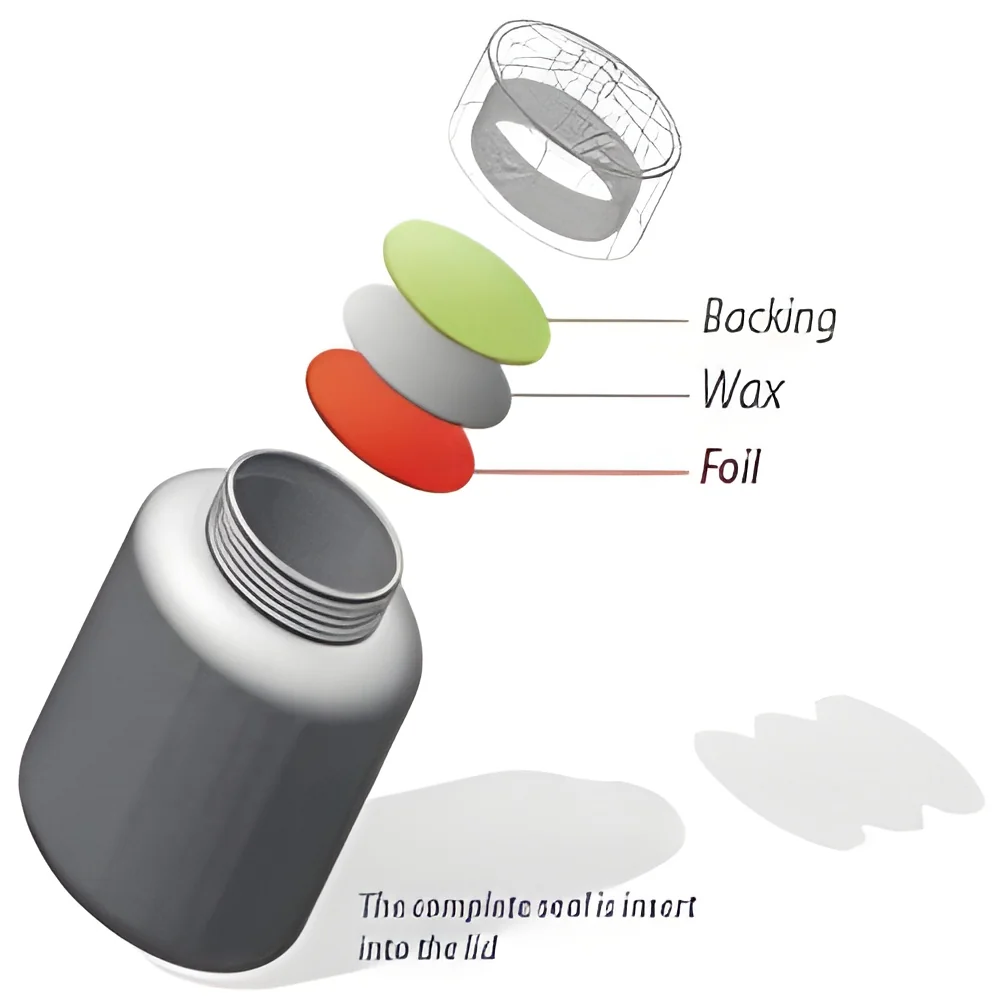
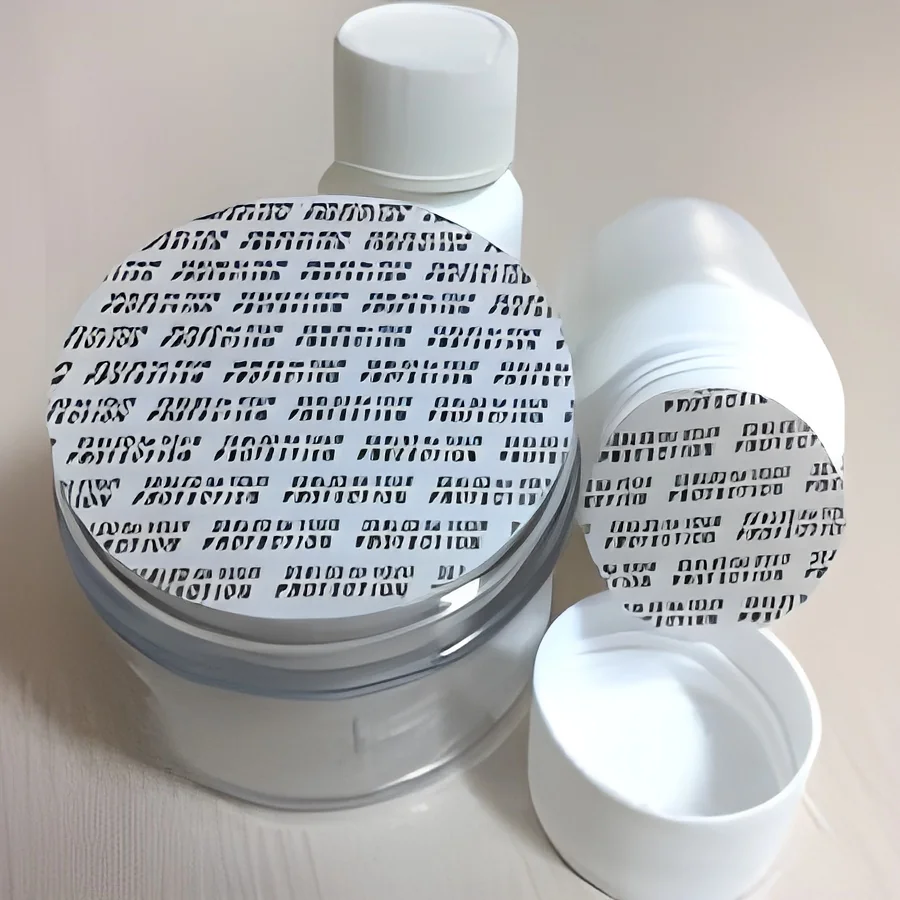
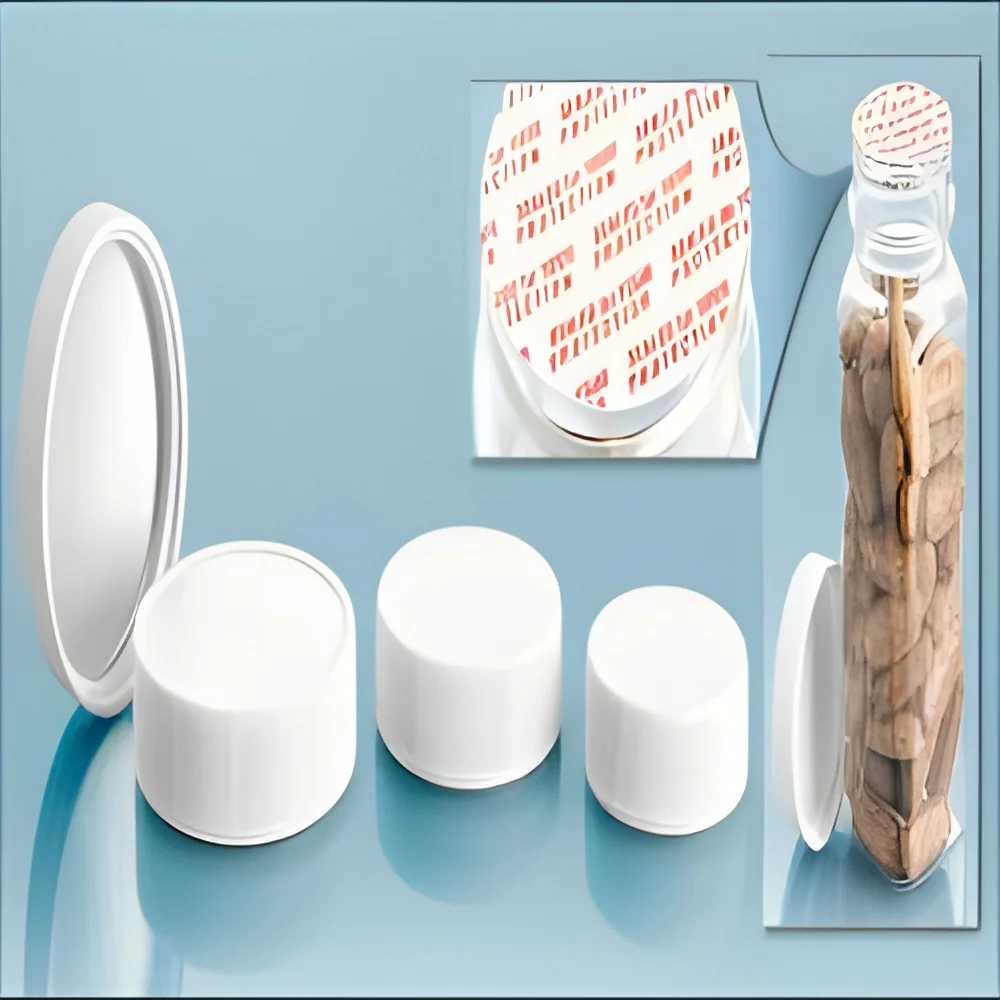
Induction seals and wads are packaging solutions designed to provide tamper-evidence and product integrity for a wide range of containers. These seals consist of a layer of polymer material that is bonded to the container's mouth during the sealing process, usually through the application of heat and electromagnetic induction. This method creates a hermetic seal that prevents contamination, extends shelf life, and ensures product safety.
These products are commonly used in industries such as food and beverage, pharmaceuticals, cosmetics, and chemicals. Induction seals help maintain the freshness of food products, protect pharmaceutical formulations from external contaminants, and ensure the integrity of chemical containers. Their role in enhancing product safety and consumer trust makes them a crucial component in modern packaging strategies.
As the demand for secure and reliable packaging solutions continues to grow, induction seals and wads are becoming increasingly relevant in the market. Companies are focusing on innovative packaging technologies to meet consumer expectations and regulatory requirements. This trend has led to a diverse range of options tailored to specific industry needs.
Key Features and Specifications
Induction seals and wads offer several key features that enhance their functionality and effectiveness. Understanding these specifications is essential for businesses looking to implement these solutions.
Key specifications include:
1. Material Composition
- Typically made from materials such as polyethylene, polypropylene, or aluminum.
- Provides flexibility and durability based on application requirements.
2. Seal Integrity
- Capable of withstanding various environmental conditions.
- Ensures a strong bond that can resist tampering and contamination.
3. Size and Dimensions
- Available in various sizes to fit different container types.
- Common diameters range from 20mm to 120mm.
4. Temperature Resistance
- Designed to withstand varying temperatures during storage and transport.
- Specific temperature ranges not available.
5. Humidity Control
- Helps in maintaining product quality by preventing moisture ingress.
- Humidity control specifications not available.
6. Ease of Application
- Quick and efficient sealing process, compatible with high-speed production lines.
- User-friendly for both manual and automated systems.
7. Customization Options
- Available in various colors and print options for branding purposes.
- Custom designs can be developed based on client specifications.
8. Compliance Standards
- Meets industry standards and regulations for safety and quality.
- Specific compliance details not available.
In summary, the features and specifications of induction seals and wads make them a versatile choice for maintaining product integrity and safety across various industries.
Common Applications and Use Cases
Induction seals and wads serve multiple industries, each with specific needs for packaging solutions.
1. Food and Beverage: Induction seals are used to secure food containers, preventing spoilage and contamination. They help maintain freshness in products like sauces, oils, and dairy.
2. Pharmaceuticals: In the pharmaceutical sector, these seals provide tamper-evidence for medication bottles and ensure that products remain uncontaminated until opened.
3. Cosmetics: Many cosmetic products utilize induction seals to assure consumers of product integrity. These seals help protect creams, lotions, and serums from external elements.
4. Chemicals: Induction seals are crucial in the chemical industry, ensuring that hazardous materials remain safe and secure within their containers.
5. Nutraceuticals: These seals are also used in nutraceutical products to provide assurance of safety and quality, protecting supplements from tampering.
6. Household Products: Many household cleaners and personal care items use induction seals to ensure product safety and efficacy.
7. Automotive: Induction seals are relevant in automotive lubricants and fluids, providing essential protection against contamination.
Product Variants and Subcategories
Induction seals and wads come in various forms, catering to different needs and applications.
Standard Induction Seals: These are the most common type, designed for general use across multiple industries. They provide basic tamper-evidence and are suitable for a wide range of container types.
Custom Printed Induction Seals: These seals can be customized with branding and product information. They enhance brand visibility while providing the same functionality as standard seals.
Foil Induction Seals: Made from aluminum foil, these seals offer enhanced barrier properties, making them ideal for products requiring a higher level of protection.
Tamper-Evident Wads: Designed specifically for applications requiring visible evidence of tampering, these wads help ensure product safety and consumer trust.
Benefits and Advantages
Induction seals and wads offer several benefits that enhance their value to businesses and consumers alike.
1. Enhanced Product Safety: The hermetic seal prevents contamination and tampering, ensuring products are safe for consumer use.
2. Extended Shelf Life: By providing a barrier against external elements, these seals help maintain product quality and prolong shelf life.
3. Cost-Effective: The efficient sealing process reduces production costs and minimizes product waste.
4. Branding Opportunities: Customization options allow companies to enhance their branding while maintaining functionality.
5. Compliance Assurance: Adhering to industry standards ensures that products meet regulatory requirements, boosting consumer confidence.
6. Versatile Applications: Suitable for various industries, induction seals can be adapted for a wide range of products and containers.
Buying Guide for B2B Buyers
When sourcing induction seals and wads, it is essential to consider several factors to ensure the right fit for your business needs.
1. Quality Assessment: Evaluate the quality of materials and manufacturing processes. Look for seals that meet industry standards to ensure product safety and reliability.
2. Supplier Verification: Vet potential suppliers thoroughly. Check for certifications and reviews to confirm their credibility and reliability.
3. Pricing and MOQ: Consider the cost per unit and minimum order quantities. This will help in budgeting and ensure that you are getting value for your investment.
4. Delivery and Lead Times: Discuss logistics with suppliers to understand delivery times. Timely delivery is crucial for maintaining production schedules.
5. Compliance Requirements: Ensure that the seals meet the necessary regulatory and compliance standards relevant to your industry. This protects your business and builds consumer trust.
Compliance and Certifications
Induction seals and wads are subject to various quality standards and certifications that ensure their safety and effectiveness.
Compliance with ISO 9001 indicates a commitment to quality management systems. This certification ensures consistent product quality and processes.
HACCP (Hazard Analysis Critical Control Point) is crucial for food-related products, ensuring that safety protocols are in place throughout the production process.
GDP (Good Distribution Practice) guidelines are also important, particularly for pharmaceuticals, ensuring that products are stored and transported under proper conditions.
Additionally, CE certification is essential for products sold in the European market, confirming they meet safety, health, and environmental protection standards.
Companies must also consider regional compliance factors. Regulations may vary by country or region, impacting how products are packaged and labeled.
Why Source Induction Seals & Wads from Pepagora?
Pepagora offers a reliable platform for sourcing induction seals and wads, providing several advantages for businesses.
Verified Supplier Network: Pepagora features a network of verified suppliers, ensuring that buyers can trust the quality and reliability of the products they purchase.
Streamlined RFQ Process: The request for quotation (RFQ) process is designed to be user-friendly, allowing buyers to easily compare options and make informed decisions.
Trade Assurance and Support: Buyers benefit from trade assurance, which protects their purchases and provides support throughout the sourcing process.
Regional Coverage: With a strong presence in India, GCC, and Southeast Asia, Pepagora can meet the needs of businesses across diverse geographical locations, ensuring timely and efficient supply chain solutions.

 IN
IN