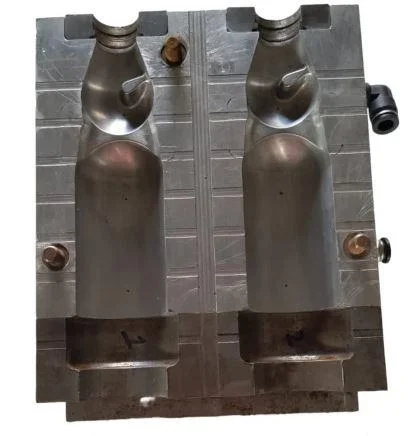
Key Features and Specifications
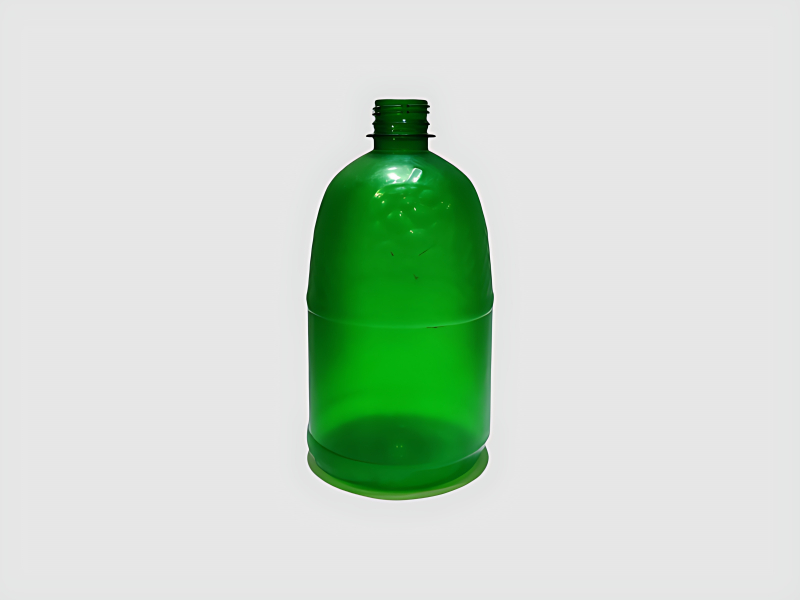
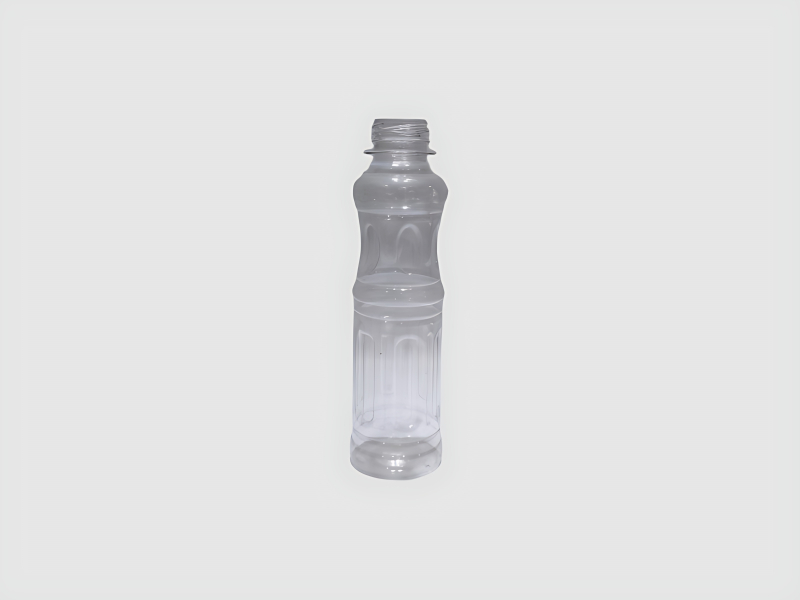
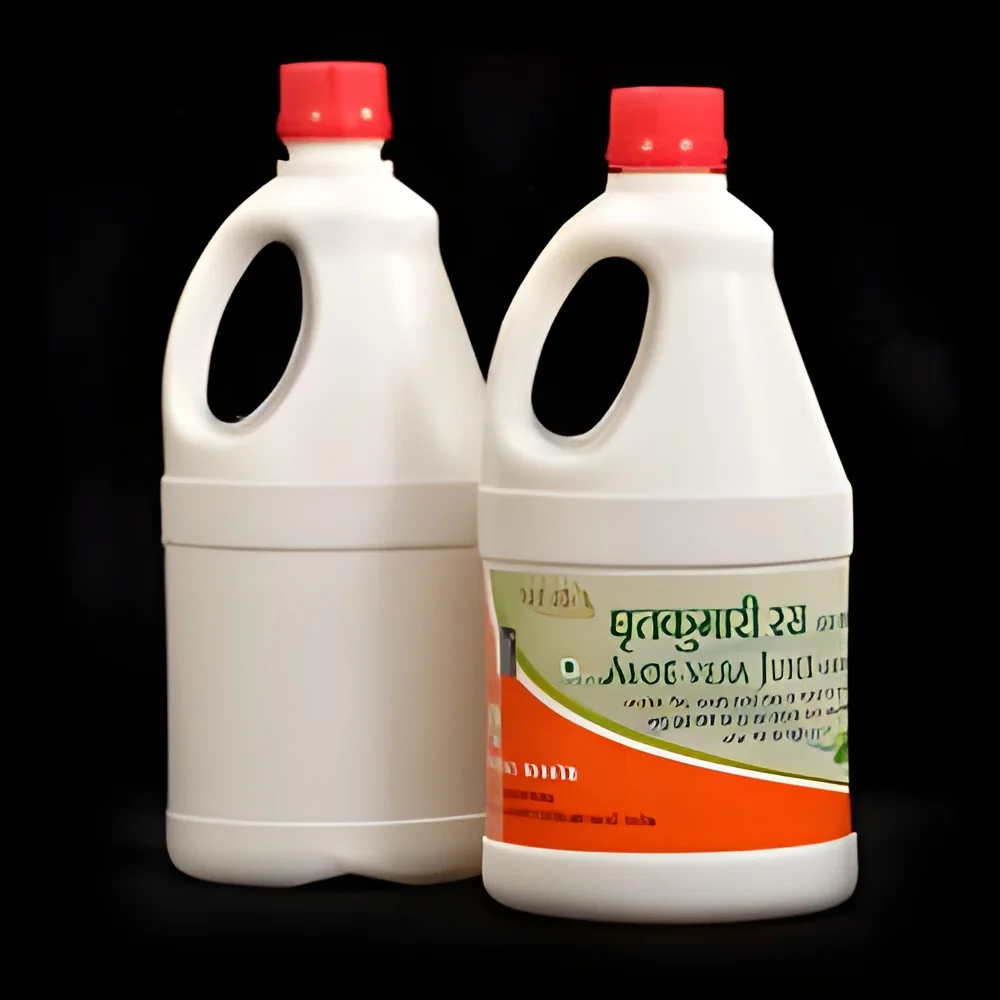
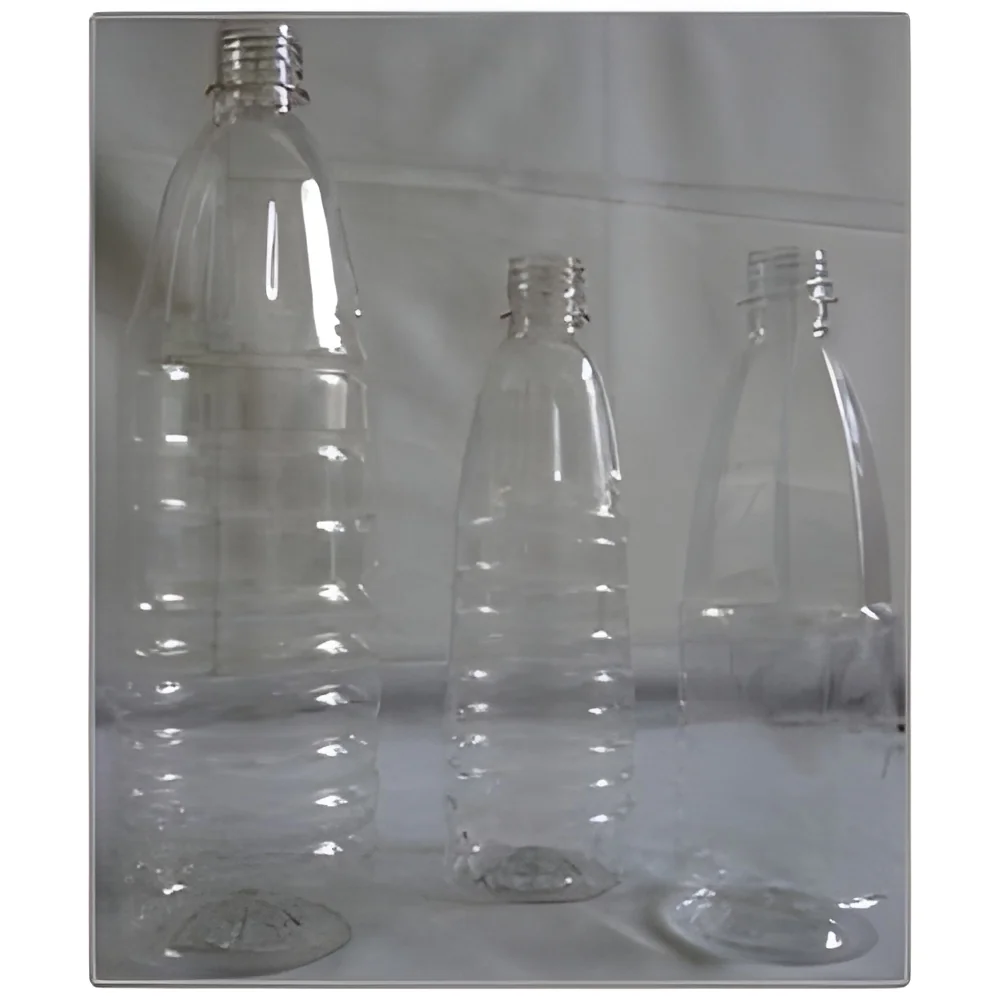
PET bottles designed for juices and sauces have several key features that make them suitable for a variety of applications. These bottles are engineered to meet specific industry standards, ensuring quality, safety, and performance.
Key specifications include:
1. Material Quality
- Made from food-grade polyethylene terephthalate
- Compliant with health and safety regulations
2. Capacity Options
- Available in various sizes, typically ranging from 250 ml to 2 liters
- Custom sizes can be requested based on client needs
3. Closure Types
- Screw caps for secure sealing
- Tamper-evident options to ensure product integrity
4. Transparency
- Clear visibility of contents enhances consumer appeal
- UV protection options available to preserve product quality
5. Weight
- Lightweight design reduces shipping costs
- Average weight ranges from 10 grams to 60 grams depending on size
6. Recycling
- Fully recyclable material
- Labels can be designed for easy removal during recycling processes
7. Temperature Resistance
- Suitable for a range of temperatures, typically up to 60°C
- Not recommended for hot filling without proper treatment
8. Customization
- Available in various shapes and colors
- Options for printing and labeling for branding purposes
In summary, PET bottles provide an efficient and versatile packaging solution for juices and sauces, combining practicality with consumer appeal.
Common Applications and Use Cases
PET bottles are versatile and find applications across multiple industries. Their durability and safety make them an excellent choice for packaging various liquid products.
1. Food and Beverage Industry: PET bottles are commonly used for packaging juices, sauces, and dressings, ensuring freshness and extending shelf life.
2. Retail Sector: Supermarkets and convenience stores use PET bottles for ready-to-drink beverages, allowing for easy display and consumer access.
3. Catering and Food Service: Restaurants and catering businesses utilize PET bottles for sauces and dressings, providing convenience and portability for customers.
4. Health and Wellness: Nutritional beverages and supplements often use PET bottles for their lightweight and protective qualities, appealing to health-conscious consumers.
5. Household Products: PET bottles can also be found in packaging for non-food items such as cleaning solutions, highlighting their versatility.
6. Personal Care: Some personal care items, such as liquid soaps and shampoos, are packaged in PET bottles due to their strength and safety.
7. Industrial Applications: PET bottles are also used in certain industrial contexts for storing chemicals and solvents, given their resistance to various substances.
Product Variants and Subcategories
The PET bottle market offers a variety of options to cater to different business needs. Each variant is tailored to specific applications, enhancing usability and consumer experience.
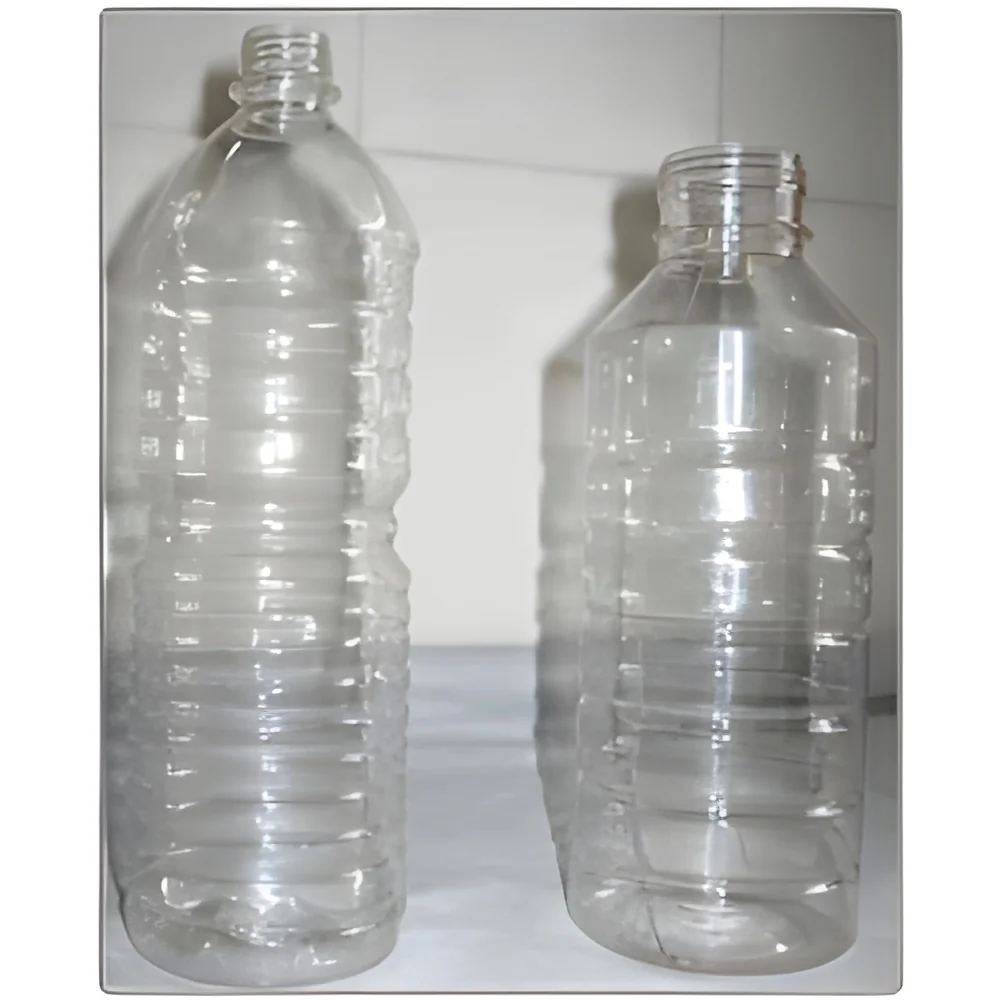
Standard PET Bottles: These are the most common type, available in various sizes and shapes. They are perfect for juices and sauces, providing an effective barrier against moisture and air.
Wide-Mouth PET Bottles: Designed for products that require easier filling and dispensing, these bottles are ideal for sauces and chunky liquids. Their larger opening facilitates quick and hassle-free use.
Custom-Designed PET Bottles: Some businesses may opt for custom designs to enhance branding. These bottles can feature unique shapes, colors, and labeling to attract consumers.
Benefits and Advantages
PET bottles offer numerous benefits that make them a preferred choice for businesses and consumers alike.
1. Lightweight: PET bottles are significantly lighter than glass, reducing transportation costs and making them easier to handle.
2. Durability: They are resistant to breaking and shattering, ensuring safety during transport and use.
3. Versatility: PET bottles can be customized in size, shape, and color, catering to a wide range of product needs.
4. Recyclability: Made from recyclable materials, PET bottles align with sustainability goals, appealing to environmentally conscious consumers.
5. Cost-Effective: Their production costs are generally lower than glass, making them a more economical option for manufacturers.
6. Preservation: PET bottles provide excellent barrier properties, preserving the flavor and quality of beverages and sauces over time.
Buying Guide for B2B Buyers
When sourcing PET bottles for juices and sauces, B2B buyers should consider several important factors to ensure they make informed purchasing decisions.
1. Quality Assessment: Evaluate the quality of PET bottles by reviewing compliance with industry standards and certifications. Ensure the material is food-grade and safe for the intended use.
2. Supplier Verification: Conduct thorough research on potential suppliers. Look for reputable manufacturers with a proven track record and positive customer feedback.
3. Pricing and MOQ: Understand the pricing structure and minimum order quantities. Compare quotes from multiple suppliers to find the best value while meeting business needs.
4. Delivery and Lead Times: Inquire about delivery schedules and lead times. It is crucial to ensure that suppliers can meet your timelines to avoid disruptions in production.
5. Compliance Requirements: Familiarize yourself with relevant regulations and compliance standards. Ensure that the bottles meet local and international safety and quality regulations.
Compliance and Certifications
Compliance and certification are critical aspects of PET bottle production, especially for food and beverage applications. PET bottles must adhere to various quality standards to ensure safety and reliability.
Relevant quality standards include ISO 9001, which focuses on maintaining high-quality management systems. This certification ensures that manufacturing processes meet international quality benchmarks.
HACCP (Hazard Analysis and Critical Control Points) is another important standard, particularly in the food industry. It provides a systematic approach to identifying and managing potential hazards in food production, ensuring consumer safety.
Additionally, PET bottles are often required to meet CE certification standards, indicating compliance with health, safety, and environmental protection requirements in the European market.
Safety and testing requirements are also paramount. Regular testing for contaminants and physical properties ensures that PET bottles are safe for food contact. Regional compliance considerations may vary, so it is essential to be aware of local regulations governing packaging materials.
Why Source PET Bottles (Juices, Sauces) from Pepagora?
Pepagora offers a reliable platform for sourcing PET bottles for juices and sauces, providing several key advantages for B2B buyers.
Verified Supplier Network: Pepagora connects buyers with a network of verified suppliers. This ensures that you are dealing with reputable manufacturers who adhere to industry standards.
Streamlined RFQ Process: The Request For Quotation (RFQ) system simplifies the procurement process. Buyers can easily submit their requirements and receive competitive quotes from multiple suppliers, saving time and effort.
Trade Assurance and Support: Pepagora offers trade assurance, providing protection for buyers during transactions. This includes support throughout the purchasing process, ensuring a smooth experience.
Regional Coverage: With a strong presence in India, the GCC, and Southeast Asia, Pepagora provides extensive geographic coverage. This allows businesses to source locally while benefiting from a wide range of suppliers and options.

 IN
IN