
 IN
INCling Films
3 products available
What are Cling Films?
Key Features and Specifications
Common Applications and Use Cases
Product Variants and Subcategories
Benefits and Advantages
Buying Guide for B2B Buyers
Compliance and Certifications
Why Source Cling Films from Pepagora?


Frequently Asked Questions
What are Cling Films?
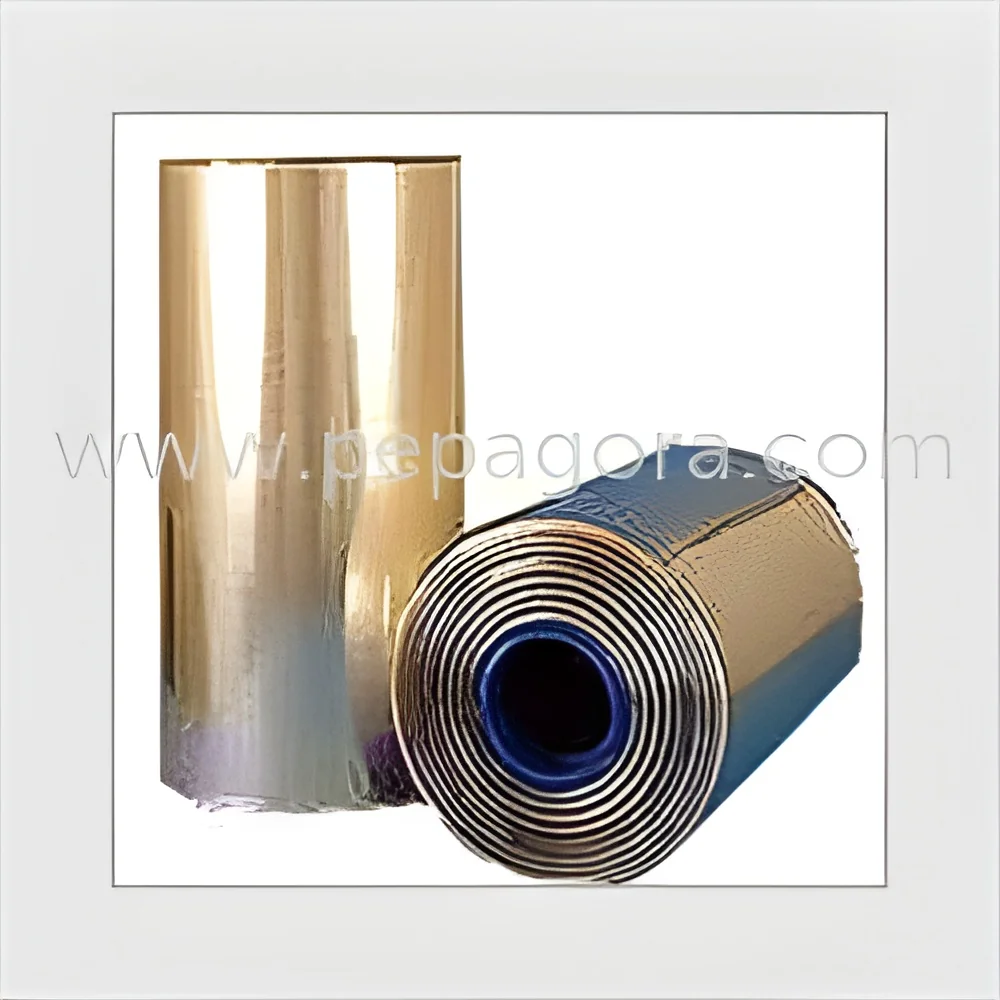
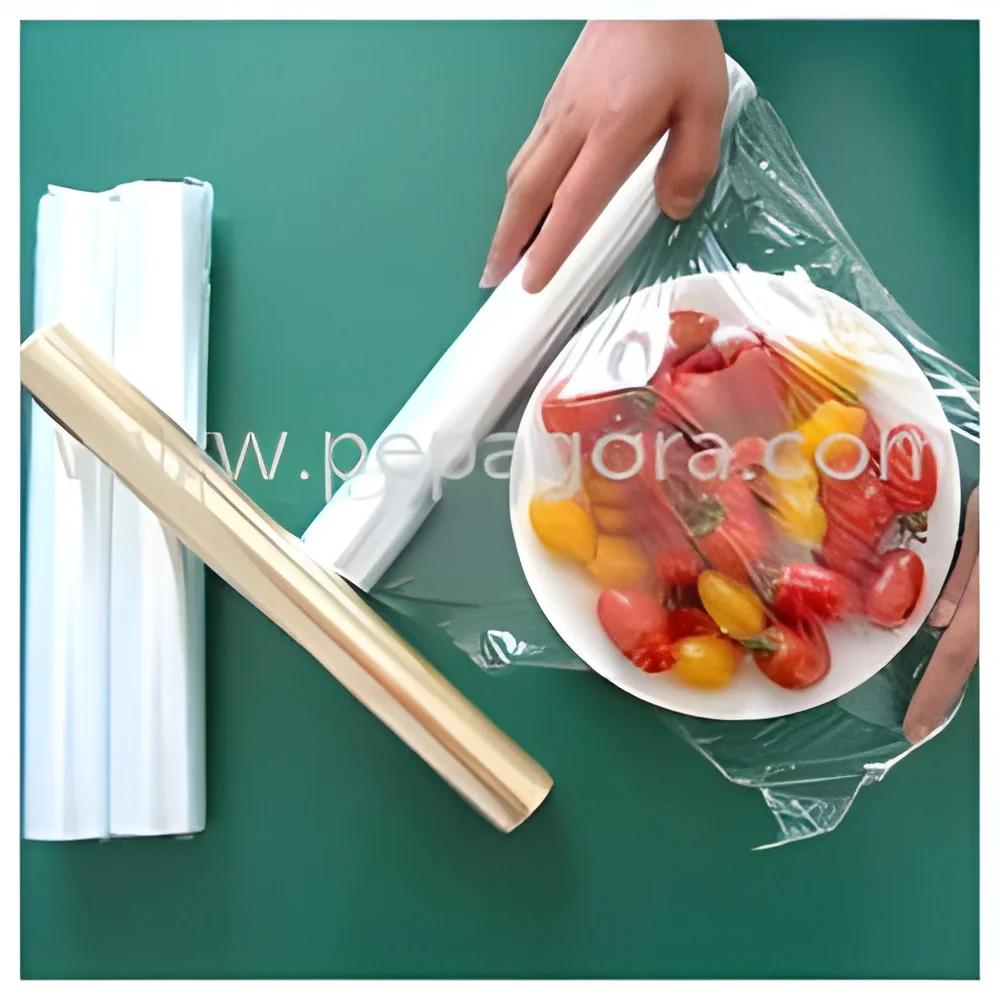
Cling films, also known as plastic wrap or food wrap, are thin sheets of plastic material that adhere to surfaces through static electricity. They are primarily used for wrapping food items to keep them fresh and protect them from contamination. Cling films are commonly made from polyethylene and are designed for single-use applications.
What are the different types of Cling Films?
Cling films come in various types, including standard cling films, heavy-duty cling films, and biodegradable cling films. Standard cling films are suitable for everyday use, while heavy-duty variants are thicker and more durable for tougher applications. Biodegradable cling films are designed to break down more easily in the environment, offering an eco-friendly alternative.
How do I choose the right Cling Films?
To choose the right cling films, consider the application and the type of food being wrapped. Look for films that offer good cling properties, thickness, and durability based on your needs. Additionally, check for any specific features like microwave-safe or freezer-safe options, depending on how you plan to use the cling films.
What are the standard specifications for Cling Films?
Standard specifications for cling films typically include thickness, width, and length of the roll. Thickness can vary from 9 to 30 microns, while widths usually range from 30 cm to 45 cm, and lengths can go up to 300 meters or more. It is important to ensure that the cling film meets relevant food safety standards.
What is the price range for Cling Films?
The price range for cling films can vary depending on factors such as type, size, and brand. Generally, the cost can range from INR 100 to INR 500 for a roll, with heavy-duty or specialized types being on the higher end of the spectrum. Bulk purchasing may also lead to cost savings.
What quality standards apply to Cling Films?
Cling films must adhere to specific quality standards that ensure they are safe for food contact. In India, these standards are governed by the Food Safety and Standards Authority of India (FSSAI), which outlines the materials and testing methods to ensure safety and quality. Compliance with international standards like ISO and ASTM may also be relevant.
Where can I find Cling Films suppliers in India?
You can find cling films suppliers in India through various online B2B marketplaces, trade shows, and industry directories. Websites like Pepagora.com provide a platform to connect with manufacturers and suppliers of cling films. Additionally, local distributors and packaging suppliers often carry a range of cling film products.
Can Cling Films be customized?
Yes, cling films can be customized to some extent. Manufacturers may offer options for different sizes, thicknesses, and even branding or printed designs on the films. Customization can be useful for businesses looking to enhance their product presentation or meet specific packaging requirements.
What is the typical minimum order quantity for Cling Films?
The typical minimum order quantity (MOQ) for cling films can vary by supplier, but it often ranges from 100 to 500 rolls. Bulk orders may allow for lower MOQs, while customized products may require higher quantities. It's advisable to check with individual suppliers for their specific MOQ policies.
What is the typical lead time for Cling Films?
The typical lead time for cling films can range from 7 to 14 days, depending on factors such as the supplier's location, availability of stock, and any customization requirements. It's important to discuss lead times with the supplier at the time of order to ensure timely delivery for your needs.
Why Businesses Trust Pepagora
Thousands of companies trust Pepagora to source smarter and sell faster
Expand Your Sales Globally

Source Smarter,Grow Faster
