Key Features and Specifications
Plastic cups and lids for beverages are designed with specific features and technical specifications to meet industry standards and consumer demands. These features ensure product durability, usability, and safety for various beverage types.
Key specifications include:
1. Material Composition
- Made from high-quality food-grade plastic.
- Common materials include PET, PP, and PS, ensuring safety for beverage contact.
2. Temperature Resistance
- Suitable for hot and cold beverages.
- Effective temperature range is typically from -20°C to 90°C, depending on the material.
3. Size Options
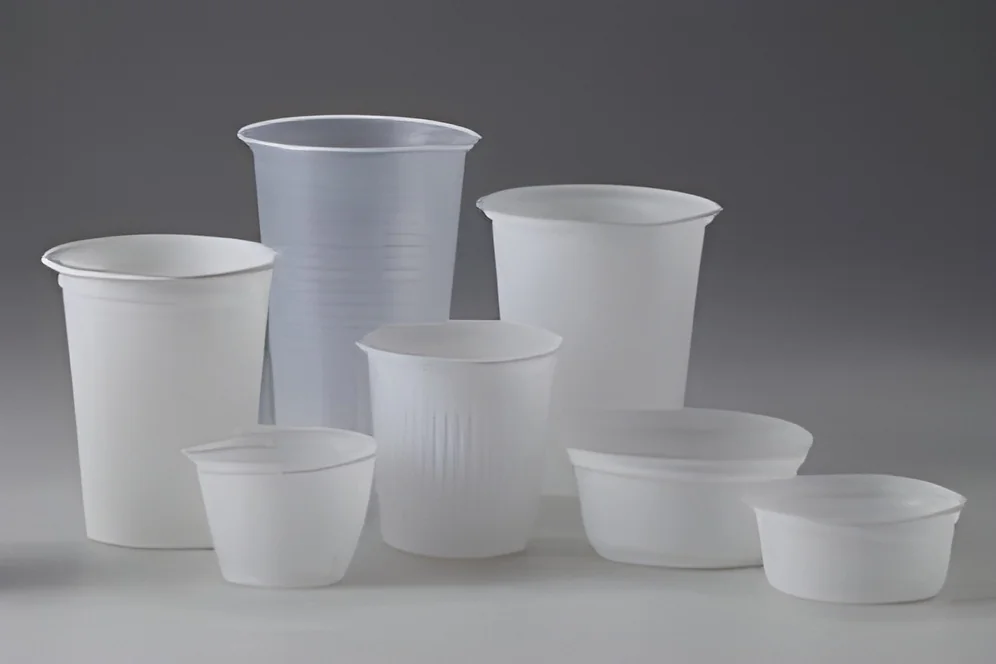
- Available in various sizes, generally ranging from 8 oz to 24 oz.
- Custom sizes may be available based on client requirements.
4. Lid Compatibility
- Designed to fit securely with corresponding cups.
- Available in flat or dome shapes, accommodating different beverage types.
5. Print Options
- Custom printing available for branding and marketing purposes.
- Options for one-color and full-color printing.
6. Stackability
- Designed for easy stacking to save storage space.
- Features may include interlocking designs for stability.
7. Recyclability
- Many options are recyclable, aligning with sustainability initiatives.
- Compliance with local recycling regulations may vary.
8. BPA-Free Assurance
- Products are often labeled as BPA-free, ensuring consumer safety.
- Meets health standards for food contact applications.
These specifications ensure that businesses can find products that fit their specific needs while maintaining quality and safety.
Common Applications and Use Cases
Plastic cups and lids are widely utilized across various industries, enhancing operational efficiency and customer service.
1. Food Service Industry: Many restaurants and cafes use plastic cups for takeout drinks, allowing customers to enjoy their beverages on the go. This convenience is essential for fast-paced service environments.
2. Event Catering: During outdoor events, such as festivals and parties, plastic cups provide an easy way to serve drinks. Their lightweight nature and disposability make cleanup simple after the event.
3. Beverage Manufacturing: Manufacturers of bottled drinks often use plastic cups for sampling purposes during promotions. This allows consumers to taste products before purchasing.
4. Convenience Stores: Convenience stores rely on plastic cups for quick service of cold beverages. Their availability in various sizes caters to the diverse preferences of customers.
5. Schools and Institutions: Educational institutions use plastic cups for serving beverages during lunch hours. Their safety and ease of use make them a popular choice in cafeterias.
6. Delivery Services: Food delivery companies often package drinks in plastic cups with lids to ensure safe transport. This protects against spills and maintains beverage temperature.
7. Retail Promotions: Retailers frequently use plastic cups as promotional items. Custom branding on cups can increase visibility and engagement with customers.
Product Variants and Subcategories
Plastic cups and lids come in a range of variants to cater to different customer needs. This diversity ensures that businesses can select products that align with their specific applications.
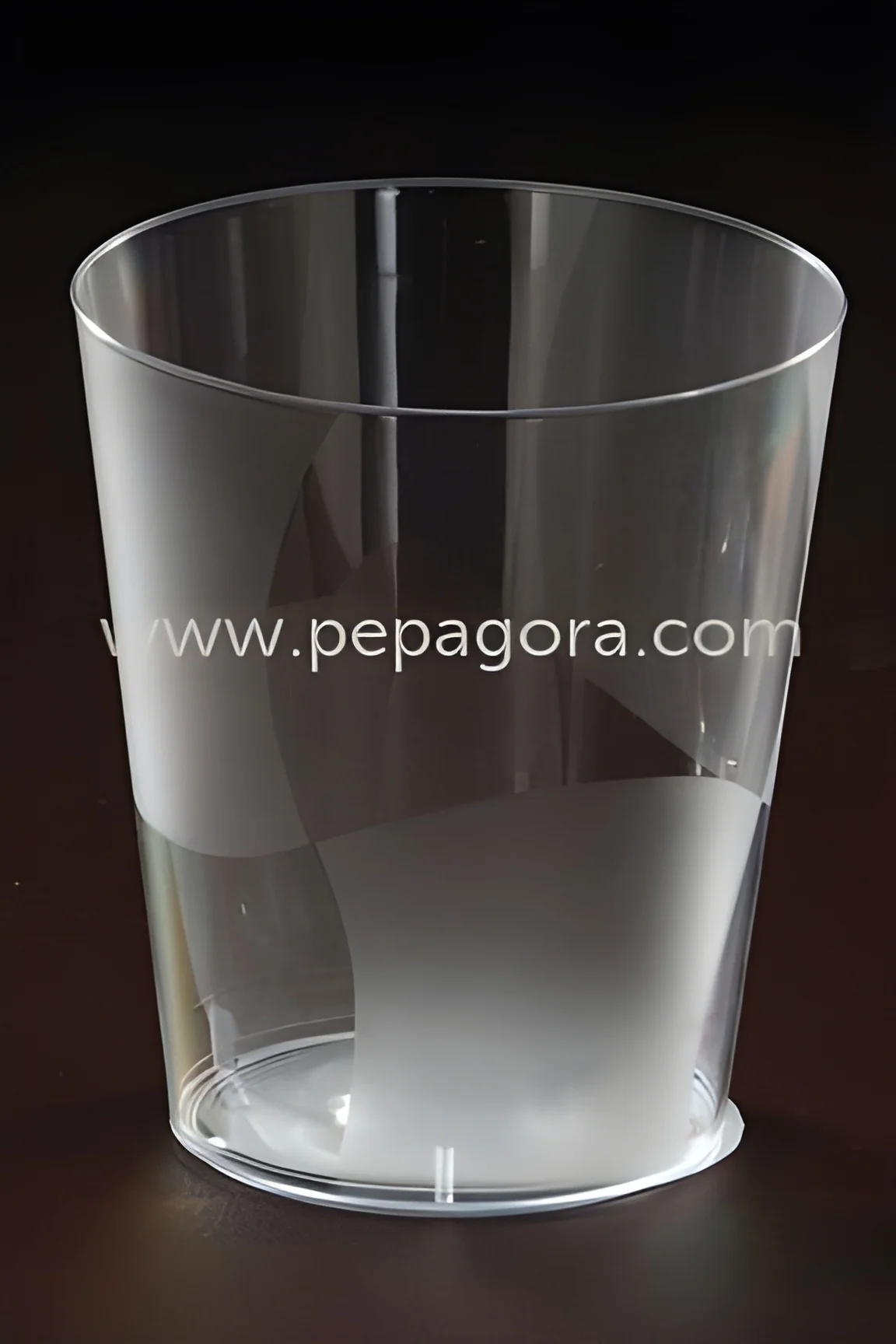
Clear Plastic Cups
These cups are ideal for showcasing colorful beverages like smoothies and cocktails. Their transparency enhances visual appeal, making them popular in bars and restaurants.
Insulated Plastic Cups
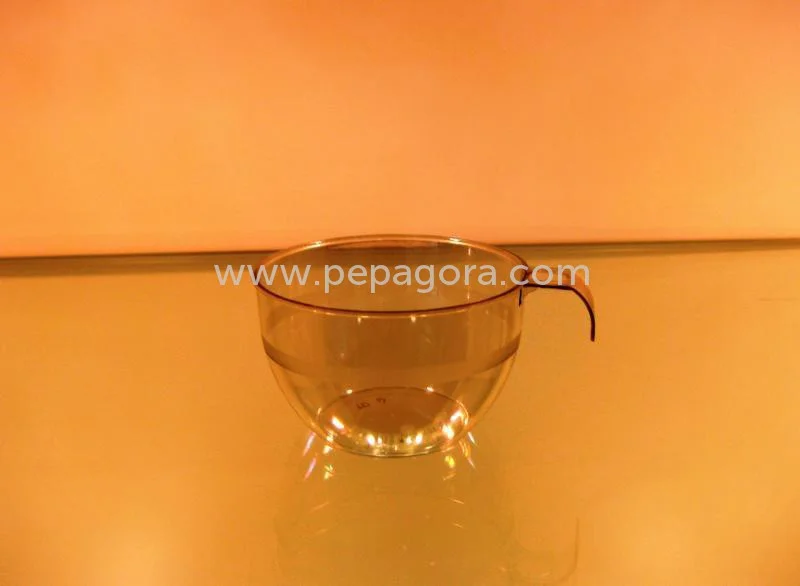
Designed to maintain the temperature of hot beverages, insulated cups are perfect for coffee and tea. They often feature a double-wall construction to minimize heat transfer.
Recyclable Plastic Cups
These options are made from materials that can be recycled after use. They appeal to environmentally conscious consumers and businesses aiming for sustainability.
Custom Printed Cups
These cups can be personalized with logos and designs, making them an excellent marketing tool. Businesses use custom printed cups to enhance brand recognition.
Lids with Straw Slots
These lids are designed to accommodate straws, making them suitable for smoothies and iced drinks. They enhance convenience for consumers who prefer sipping their beverages.
Benefits and Advantages
Plastic cups and lids offer numerous benefits that make them a preferred choice for various businesses.
1. Convenience: The lightweight and portable nature of plastic cups makes them easy to handle and transport, ideal for busy environments.
2. Cost-Effectiveness: Disposable plastic cups are often more affordable than reusable options, especially when considering cleaning and maintenance costs.
3. Versatility: These products can be used for a wide range of beverages, including hot coffee, cold sodas, and smoothies, making them suitable for diverse applications.
4. Hygiene: Single-use plastic cups reduce the risk of contamination compared to reusable cups, enhancing food safety in service environments.
5. Customization: Businesses can easily customize cups with branding, allowing for increased visibility and marketing opportunities.
6. Easy Cleanup: After use, plastic cups can be disposed of, simplifying cleanup at events and in food service operations.
Buying Guide for B2B Buyers
When sourcing plastic cups and lids for cold and hot beverages, businesses should consider several important factors.
1. Quality Assessment: Evaluate the material quality to ensure safety and durability. Look for food-grade certifications and compliance with safety standards.
2. Supplier Verification: Vet potential suppliers by checking references and reviewing their track record. A reliable supplier should have a history of delivering quality products on time.
3. Pricing and MOQ: Consider the pricing structure and minimum order quantities (MOQ) before making a decision. Ensure that the costs align with your budget and volume needs.
4. Delivery and Lead Times: Assess the supplier's ability to meet delivery deadlines. Timely delivery is crucial for maintaining inventory and meeting customer demands.
5. Compliance Requirements: Be aware of local regulations regarding food contact materials. Ensure that the products meet any necessary compliance and certification standards.
Compliance and Certifications
Compliance and certifications are vital aspects of plastic cups and lids that ensure safety and quality in the beverage industry. Many manufacturers adhere to relevant quality standards such as ISO 9001, which focuses on maintaining consistent quality management systems.
Industry certifications, such as CE marking, indicate that products meet European safety, health, and environmental protection standards. This is especially important for businesses exporting products to different regions.
Safety and testing requirements are also essential. Products should undergo rigorous testing to ensure they are free from harmful chemicals and safe for food contact. Regular audits and inspections help maintain compliance with safety regulations.
Regional compliance considerations may vary. Businesses should familiarize themselves with local laws governing food packaging materials to ensure all products meet the necessary requirements for their specific markets.
Why Source Plastic Cups & Lids (Cold/Hot Beverages) from Pepagora?
Pepagora provides a trusted platform for sourcing plastic cups and lids for cold and hot beverages, offering numerous advantages to B2B buyers.
Verified Supplier Network: Pepagora connects buyers with a network of verified suppliers. This ensures that businesses can source high-quality products from reputable manufacturers.
Streamlined RFQ Process: The platform features a simplified request for quotation (RFQ) process. This allows buyers to easily compare offers from multiple suppliers, saving time and effort in procurement.
Trade Assurance and Support: Pepagora offers trade assurance, providing buyers with protection during transactions. This includes support for any issues that may arise, ensuring a smooth purchasing experience.
Regional Coverage: With a focus on regions like India, the GCC, and Southeast Asia, Pepagora provides extensive geographical reach. Buyers can access suppliers that cater to their specific market needs, enhancing their sourcing capabilities.

 IN
IN