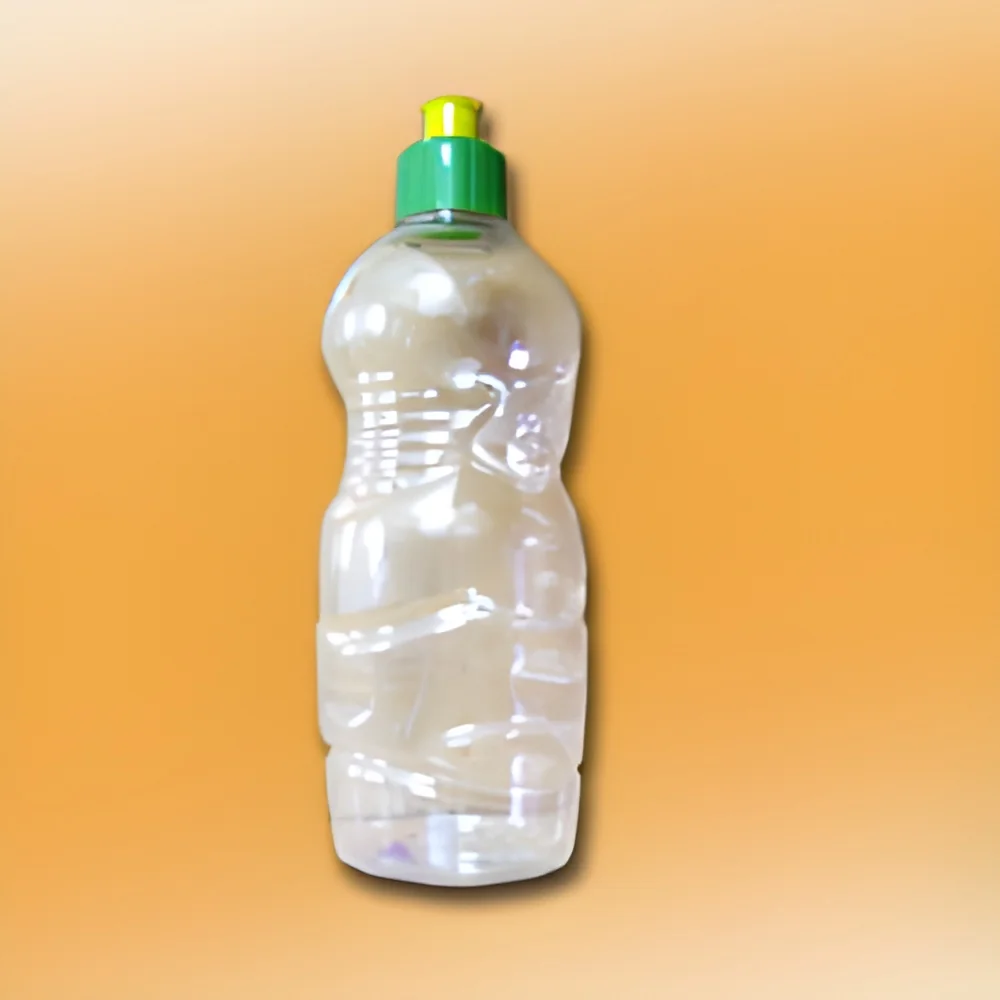
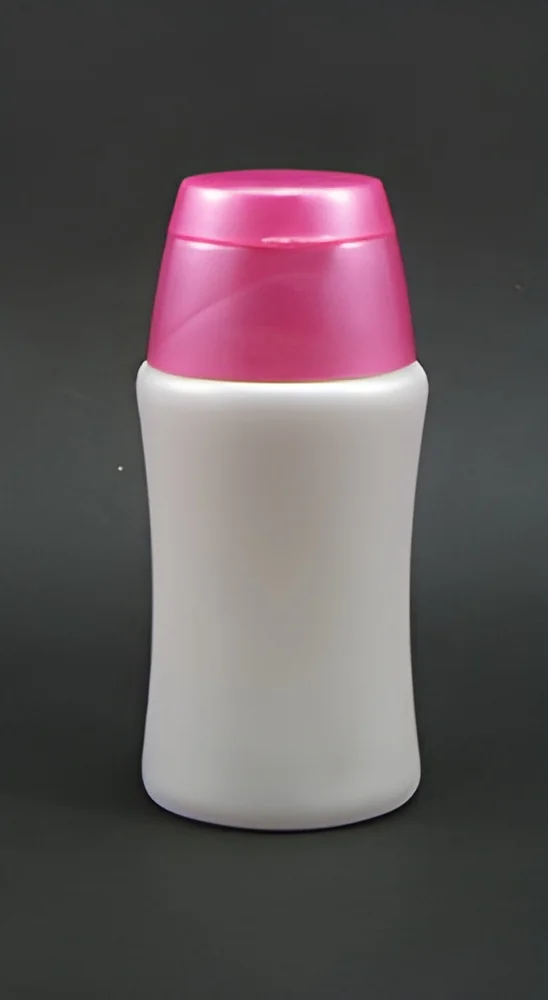
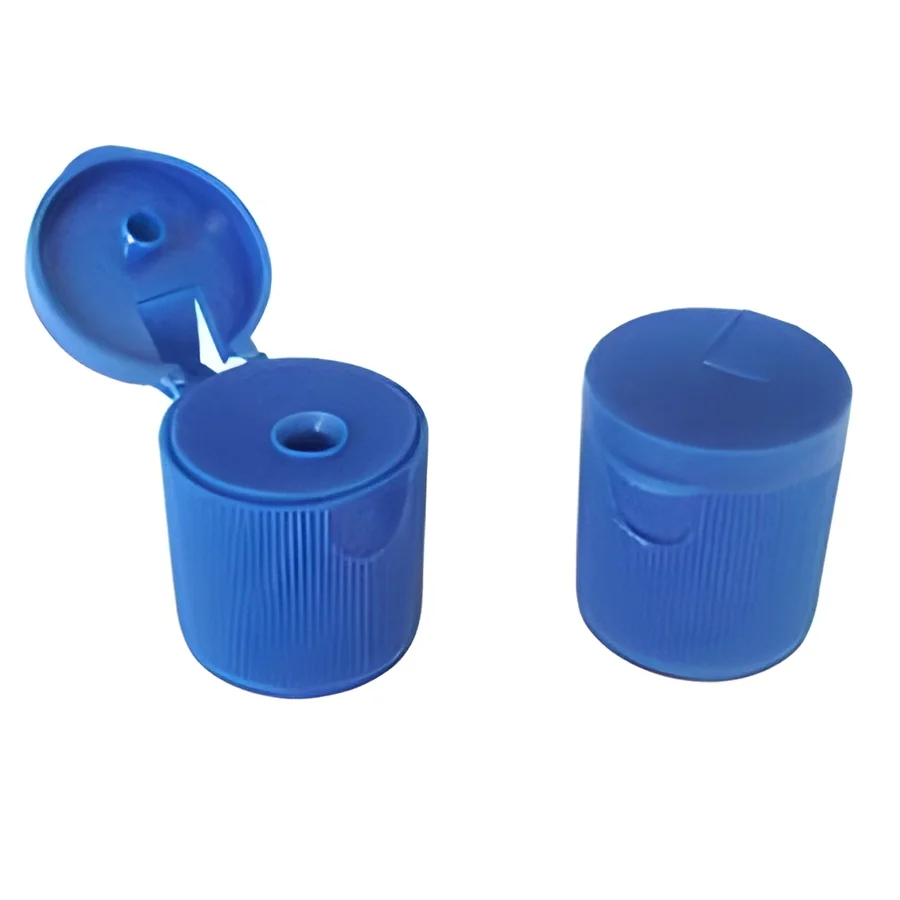
What are Bottle Caps & Closures (Plastic, Metal)?
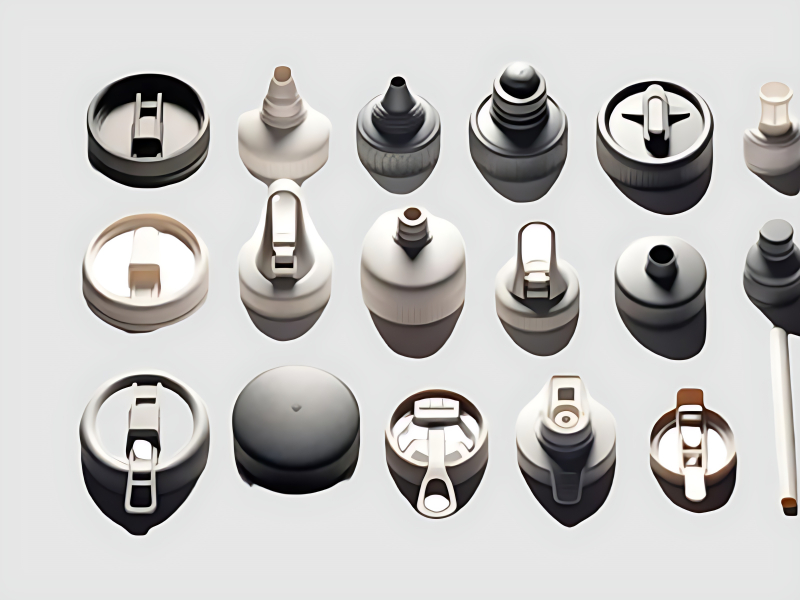
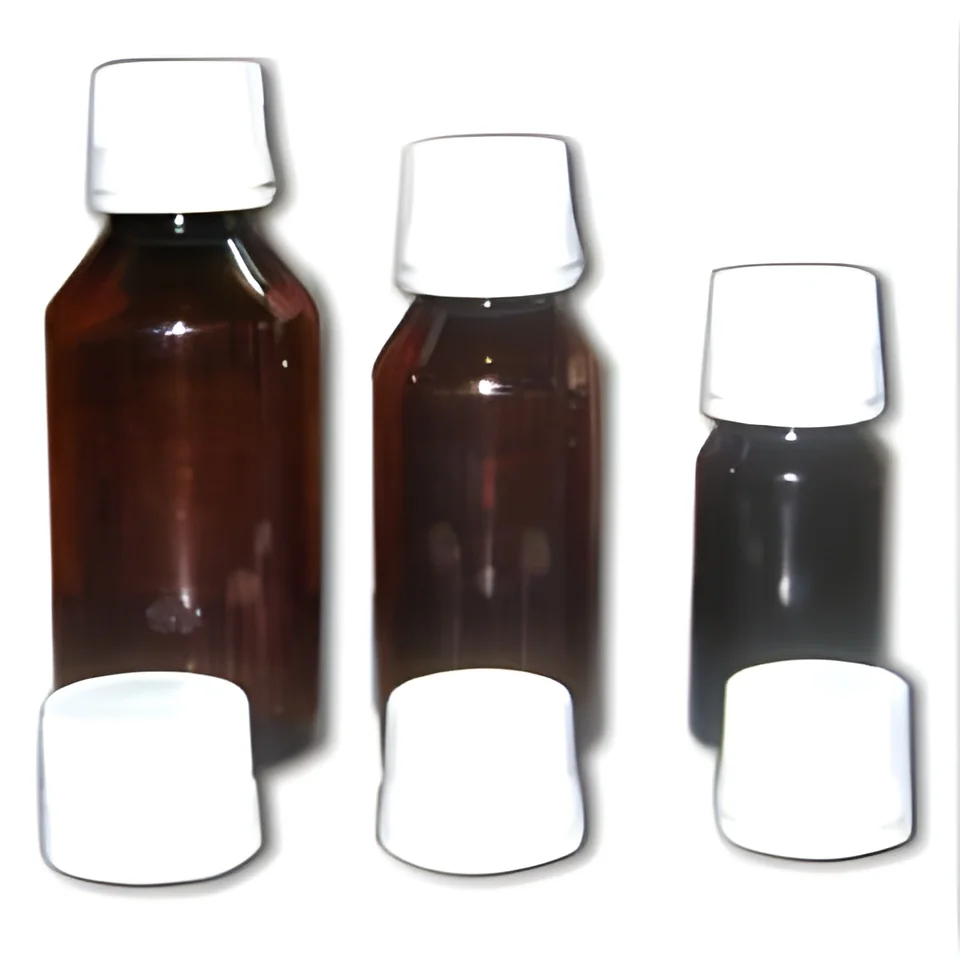
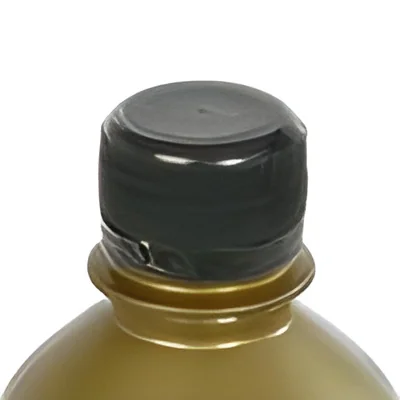
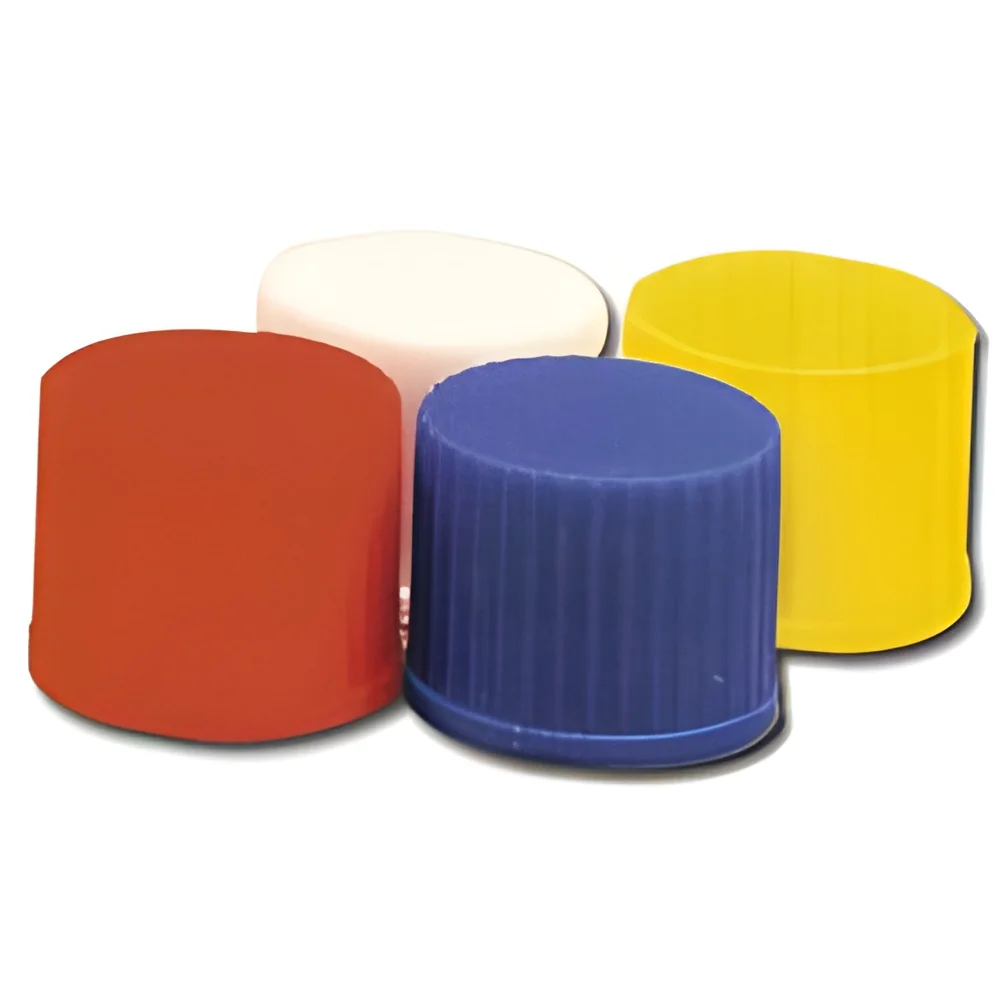
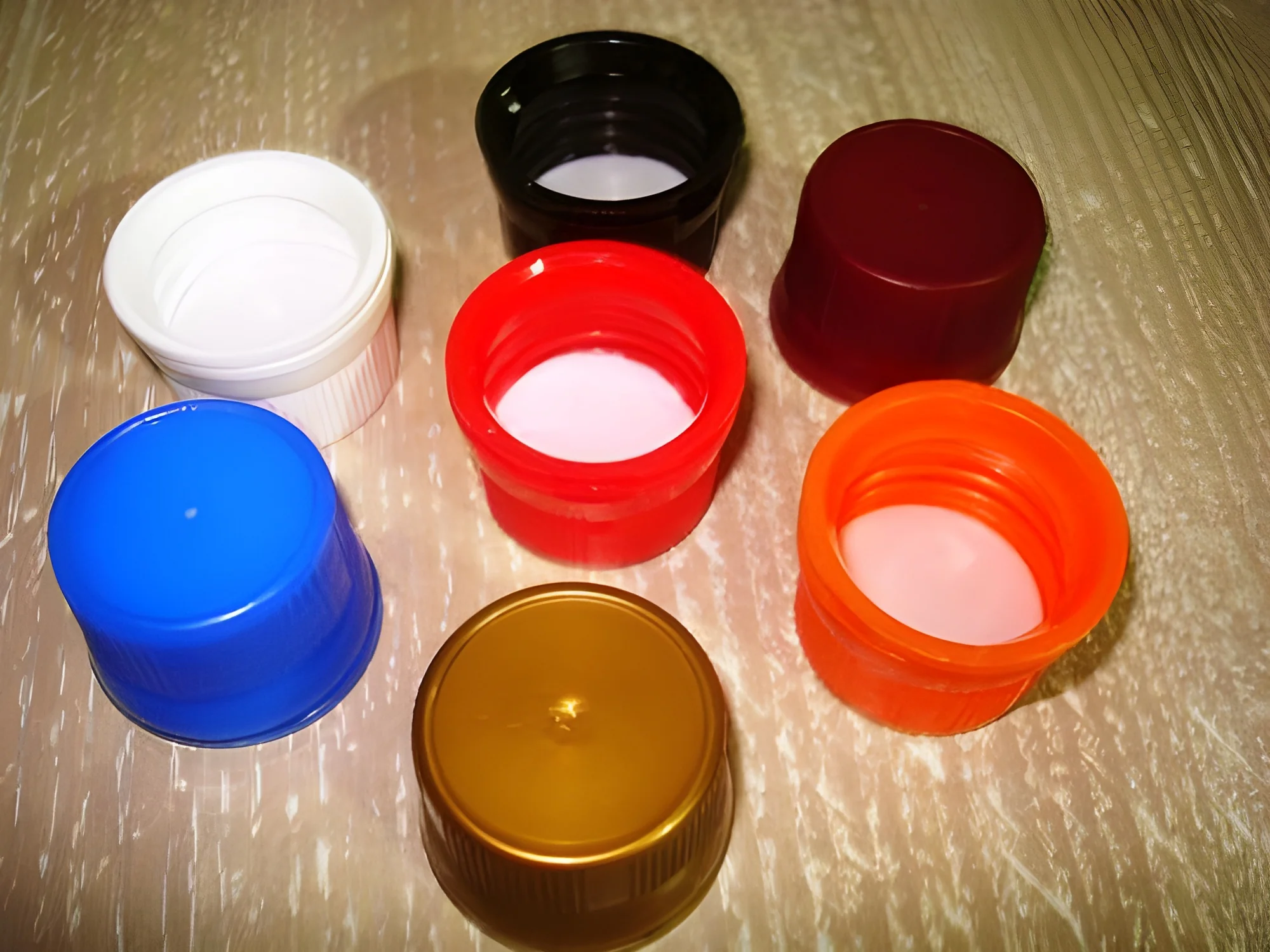
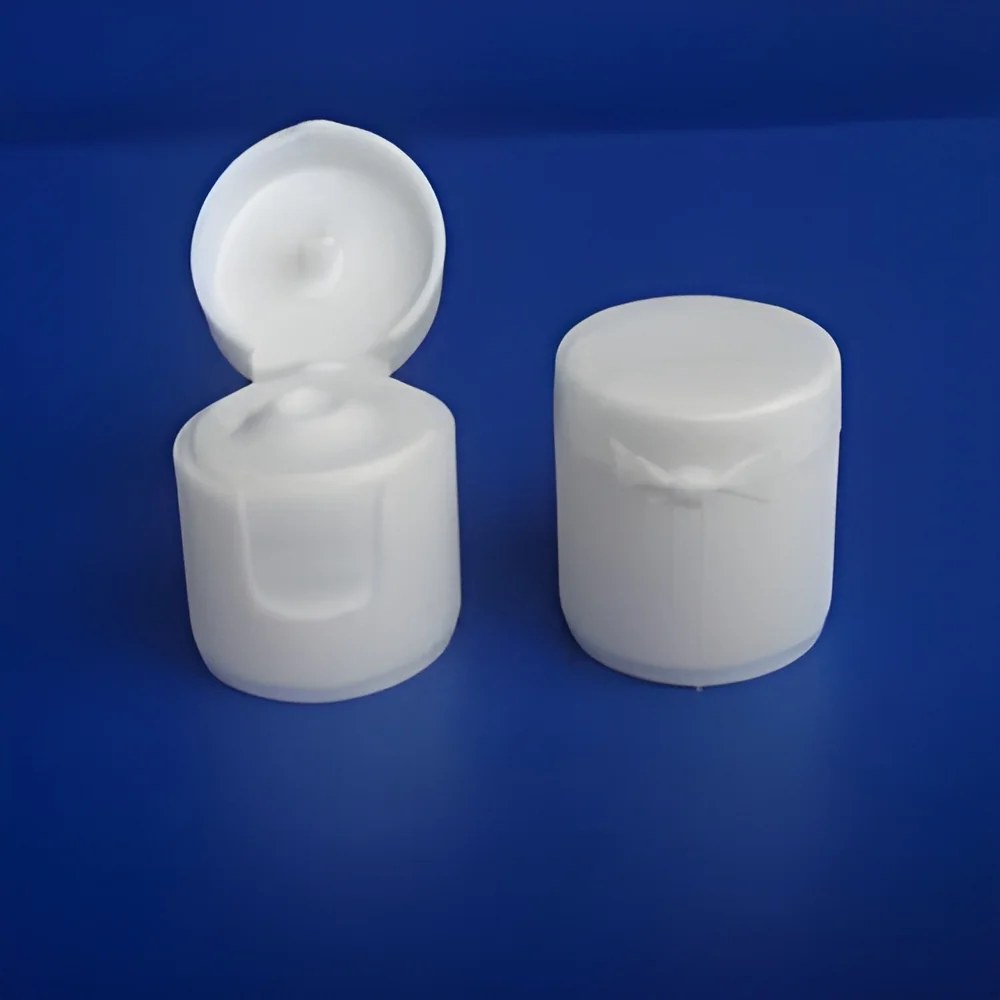
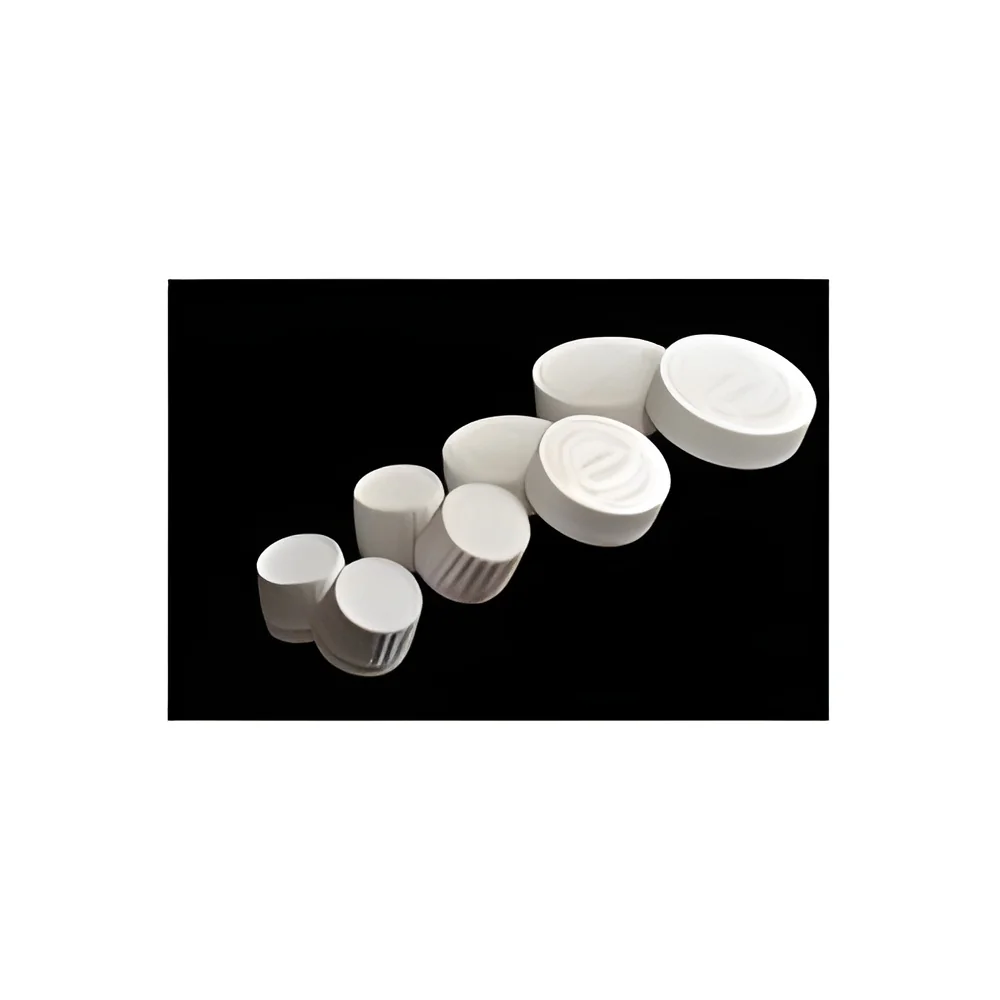
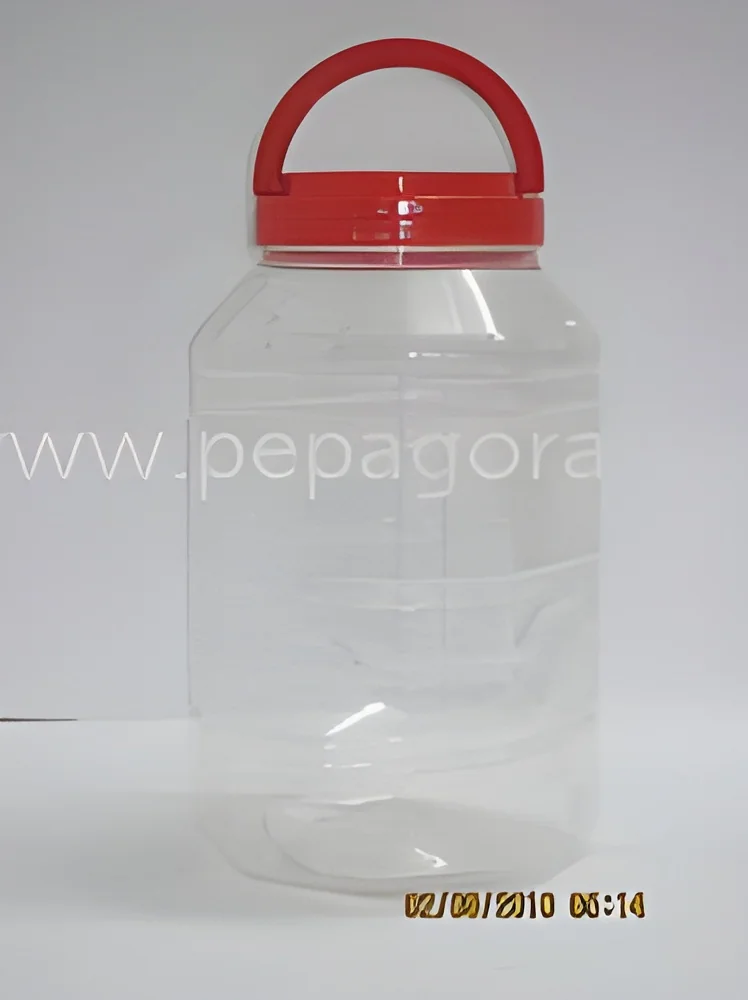
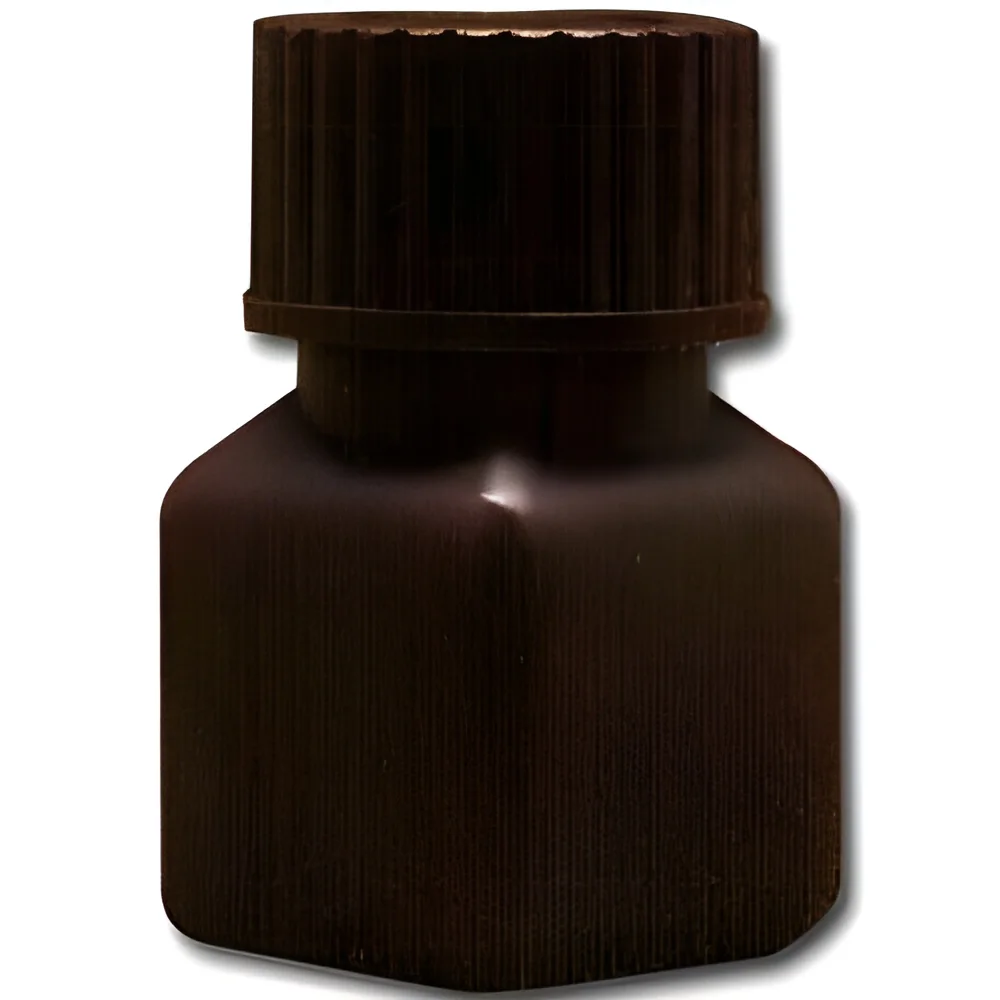
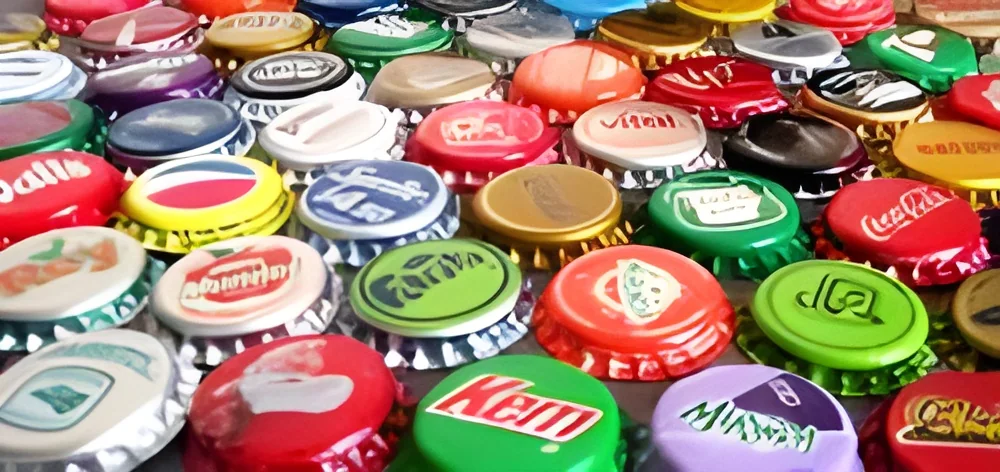
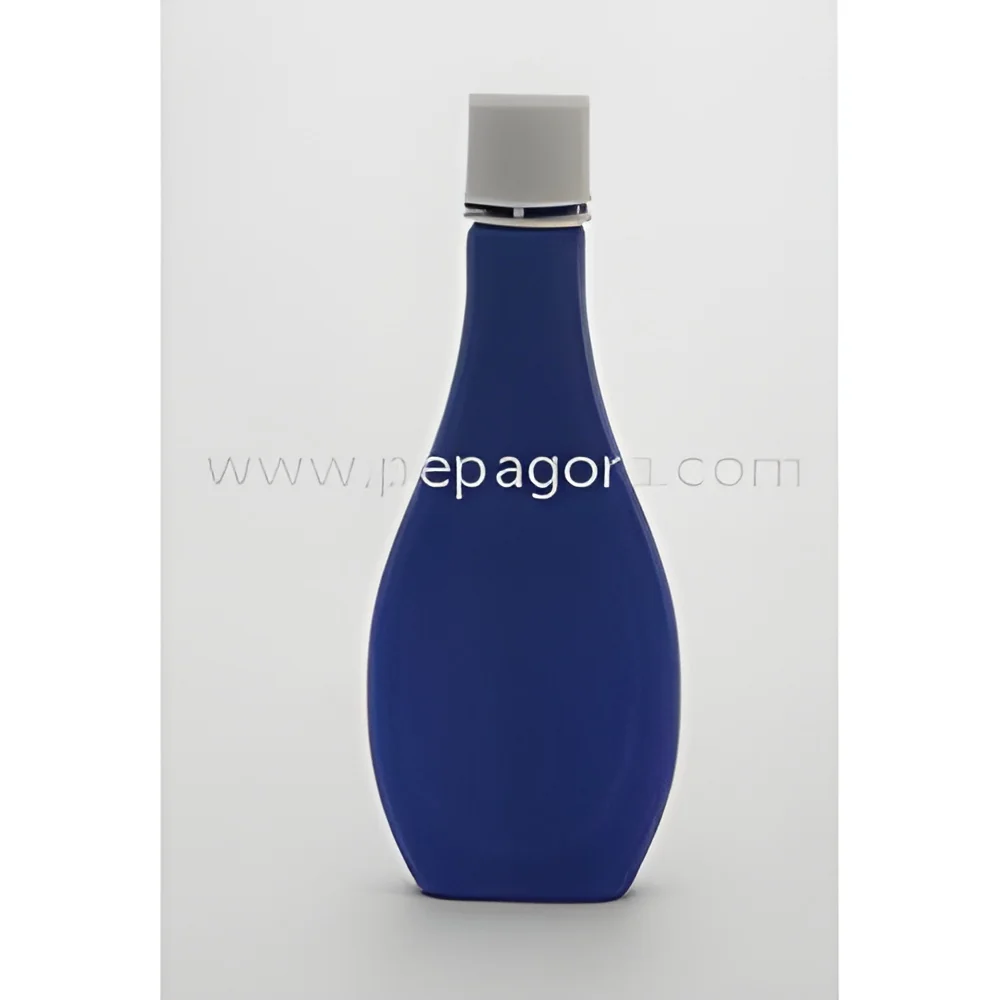
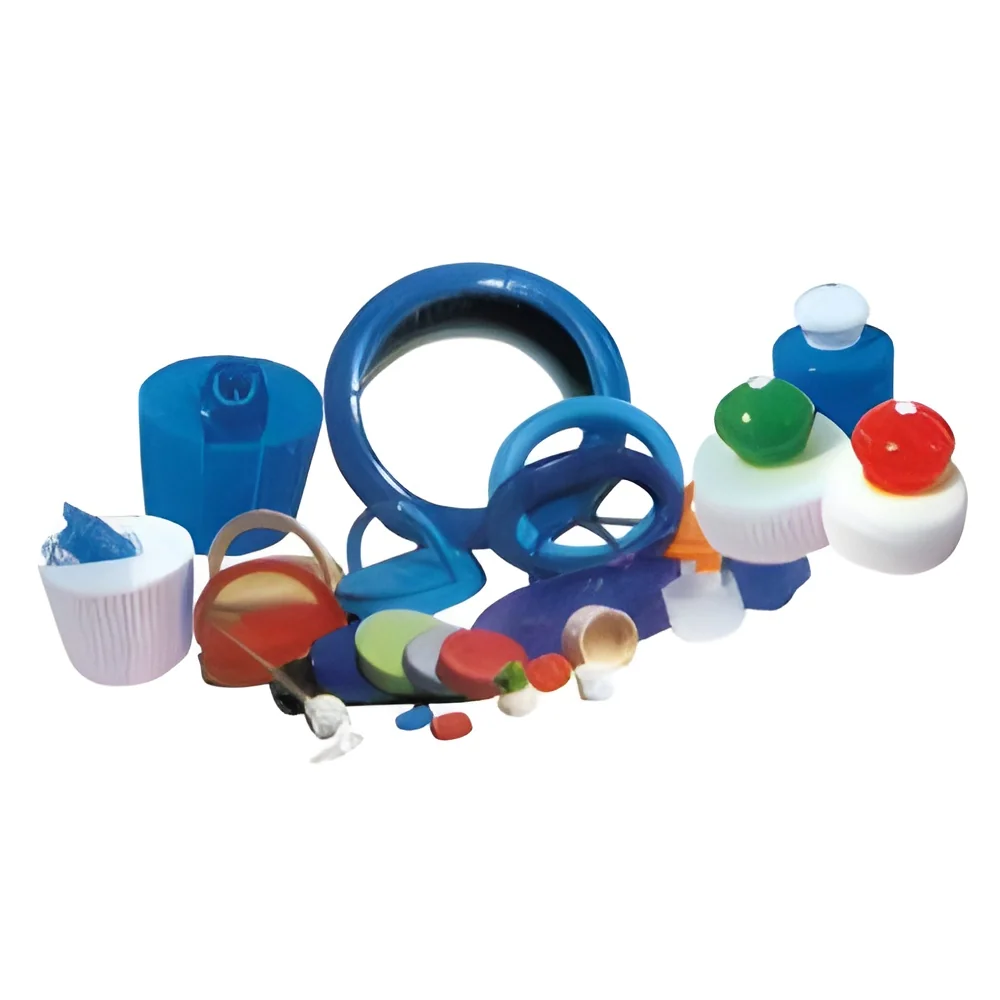
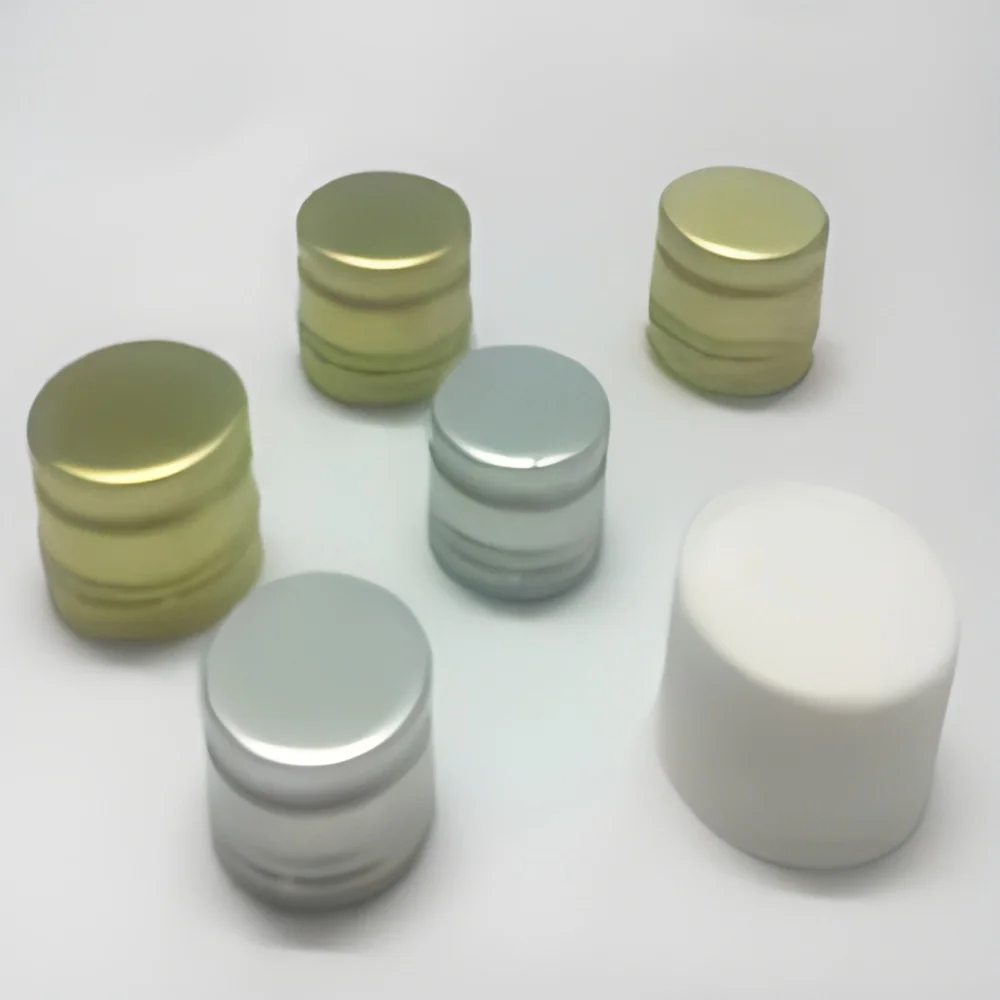
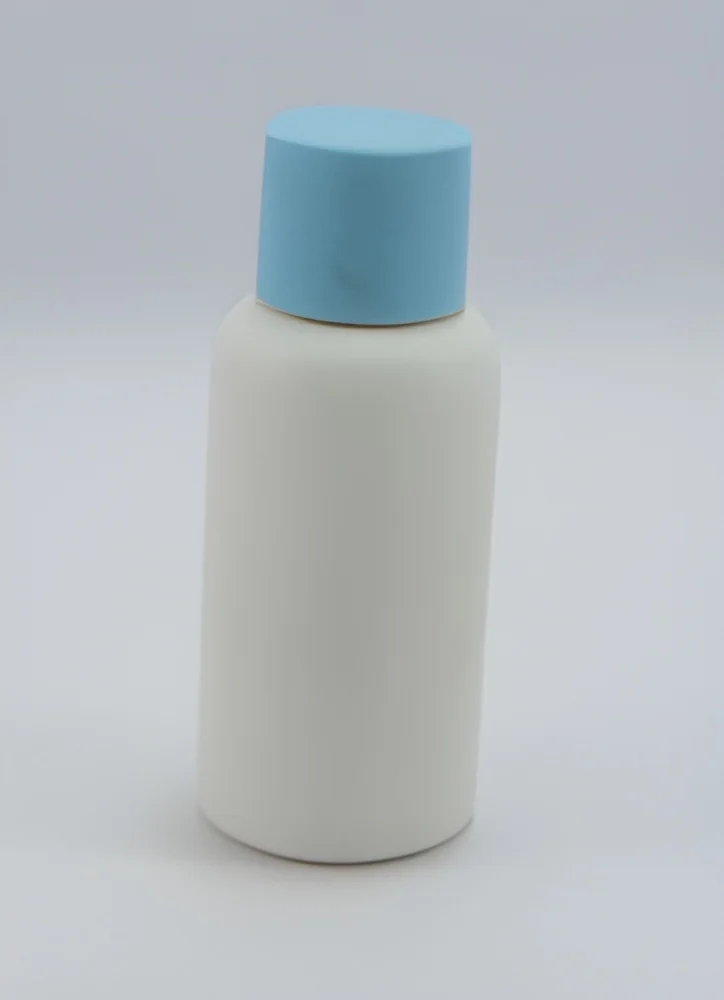
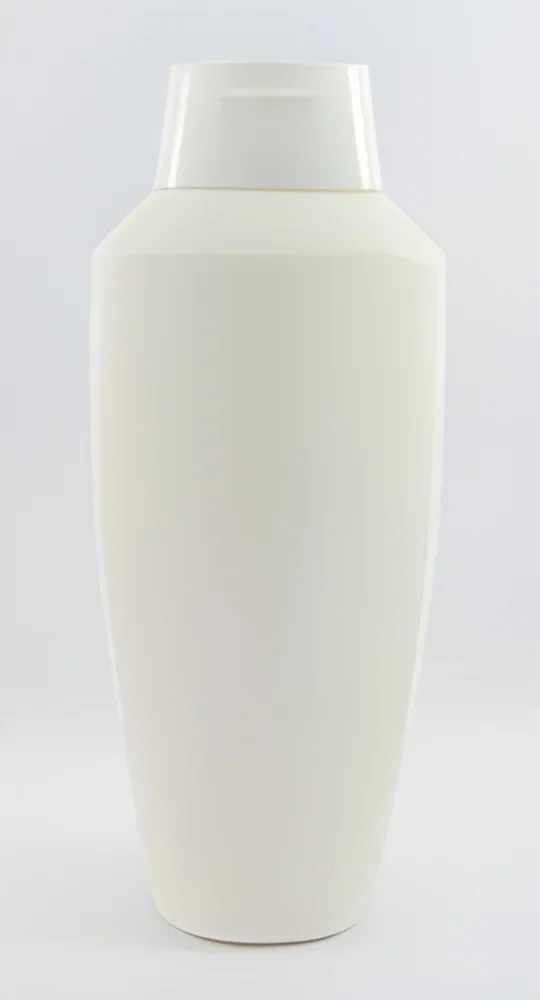
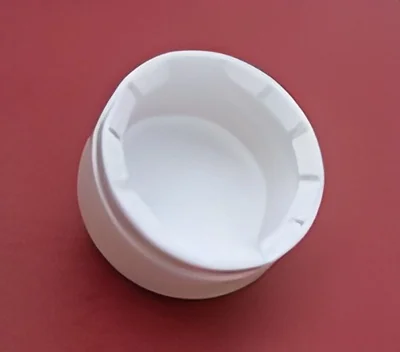
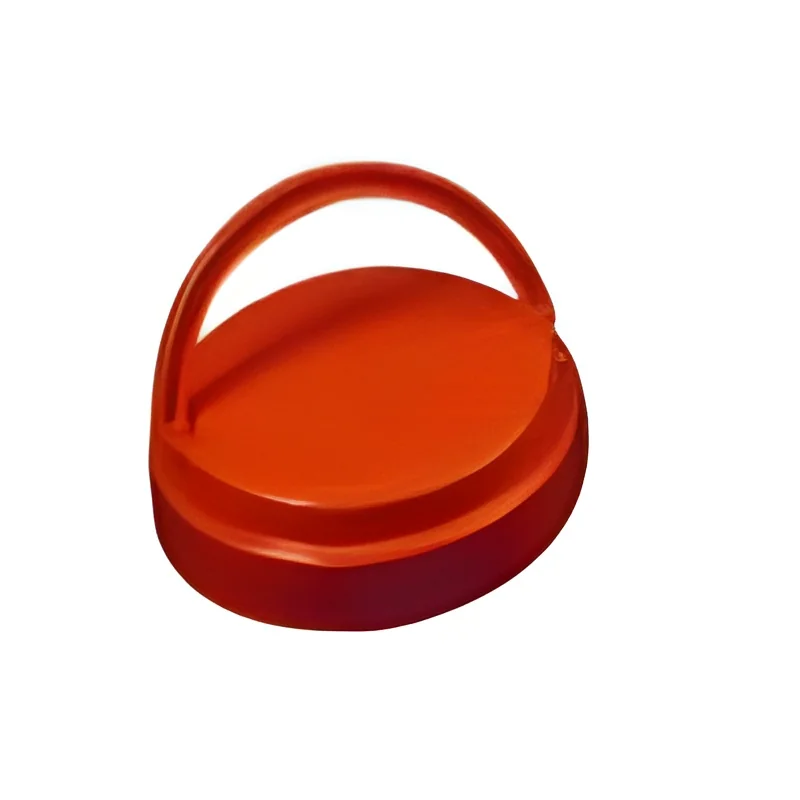
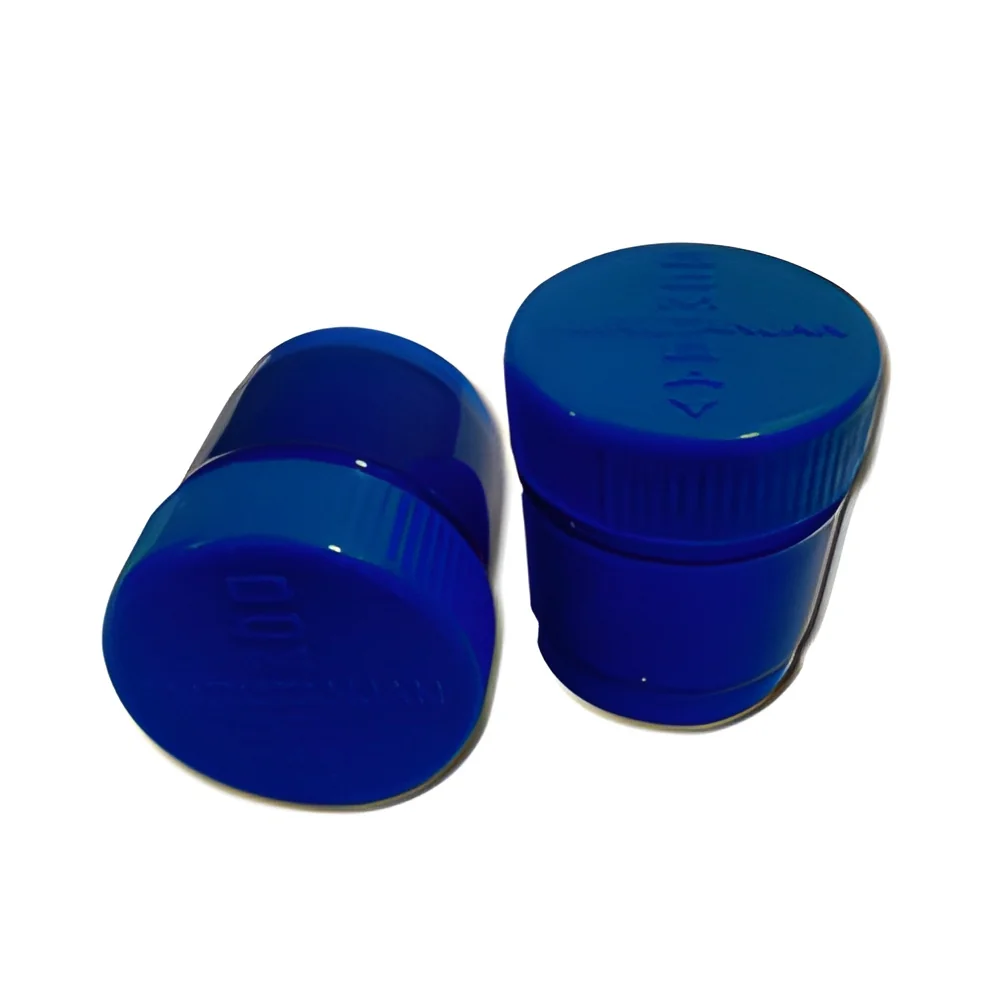
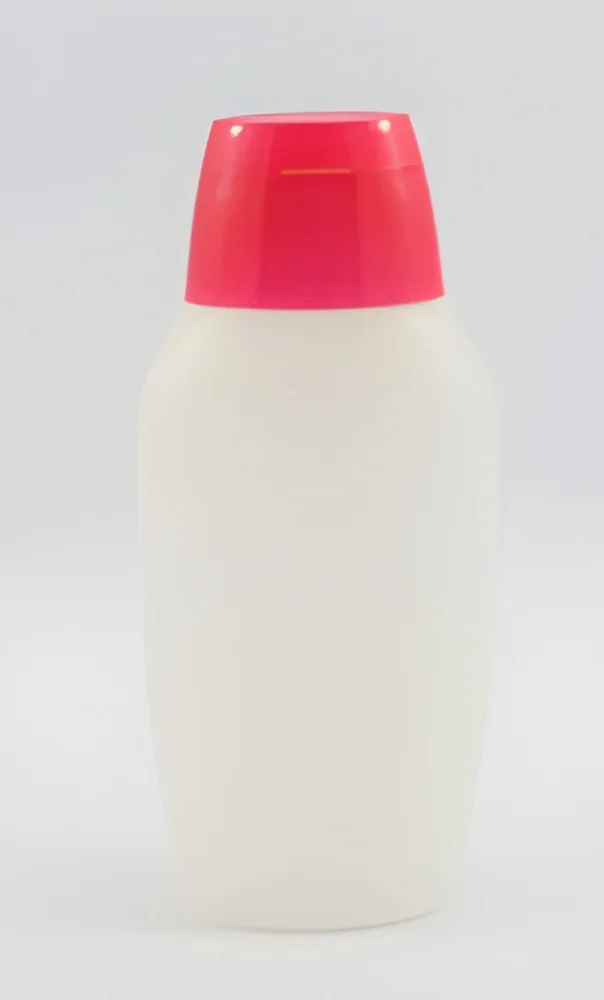
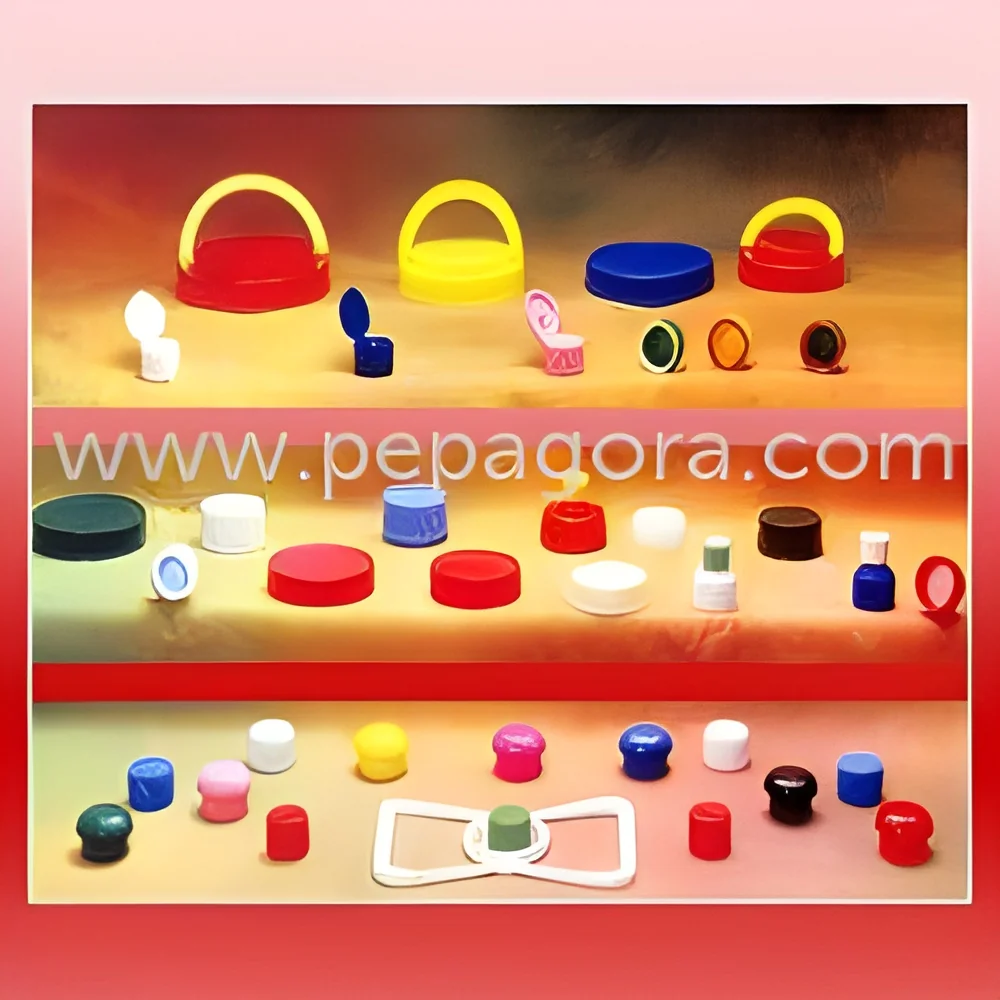
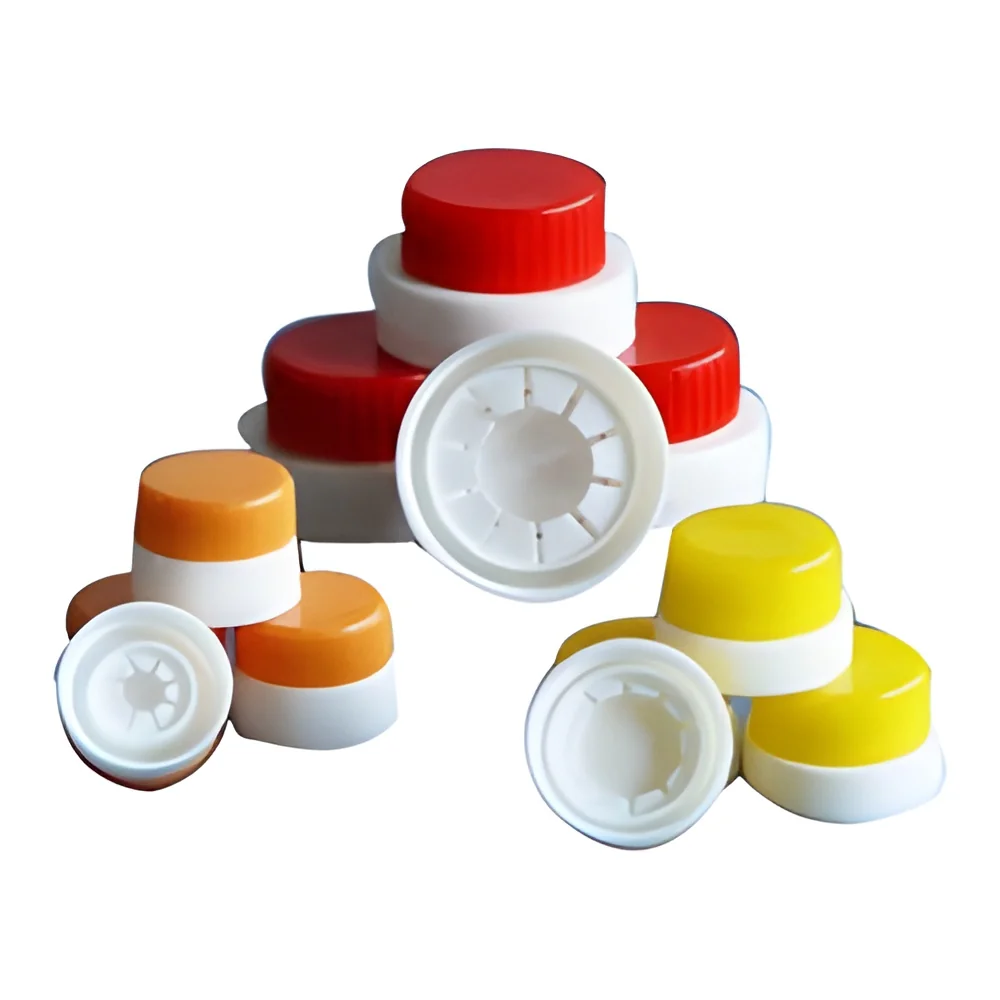
Bottle caps and closures are essential components used to seal bottles, ensuring the contents remain secure and uncontaminated. They come in various materials, primarily plastic and metal, each offering unique advantages depending on the application. Plastic caps are lightweight, versatile, and often used for beverages, while metal caps are typically employed for products requiring a more robust seal, such as glass bottles of soft drinks or pharmaceuticals.
These closures are crucial in multiple industries, including food and beverage, pharmaceuticals, and household products. They help maintain product integrity, enhance shelf life, and provide user convenience through easy opening and resealing. The market for bottle caps and closures is significant, with ongoing innovations aimed at improving functionality and sustainability in packaging solutions.
𝗞𝗲𝘆 𝗙𝗲𝗮𝘁𝘂𝗿𝗲𝘀 𝗮𝗻𝗱 𝗦𝗽𝗲𝗰𝗶𝗳𝗶𝗰𝗮𝘁𝗶𝗼𝗻𝘀
Bottle caps and closures come with various features and specifications that cater to different industry needs. Understanding these specifications is vital for businesses seeking the right solutions.
Key specifications include:
1. Material Type
- Options include plastic (polypropylene, polyethylene) and metal (aluminum, tin)
- Selection based on compatibility with contents and desired sealing properties
2. Closure Design
- Options include screw-on, snap-on, and flip-top designs
- Different designs provide varying levels of accessibility and security
3. Diameter and Height
- Standard sizes typically range from 28mm to 38mm in diameter
- Height specifications can vary based on design and functionality
4. Sealing Technology
- Options include induction seals and pressure-sensitive liners
- Key for maintaining product freshness and preventing leakage
5. Printing Options
- Customizable surface for branding and labeling
- Options for direct printing or shrink sleeves
6. Color Variability
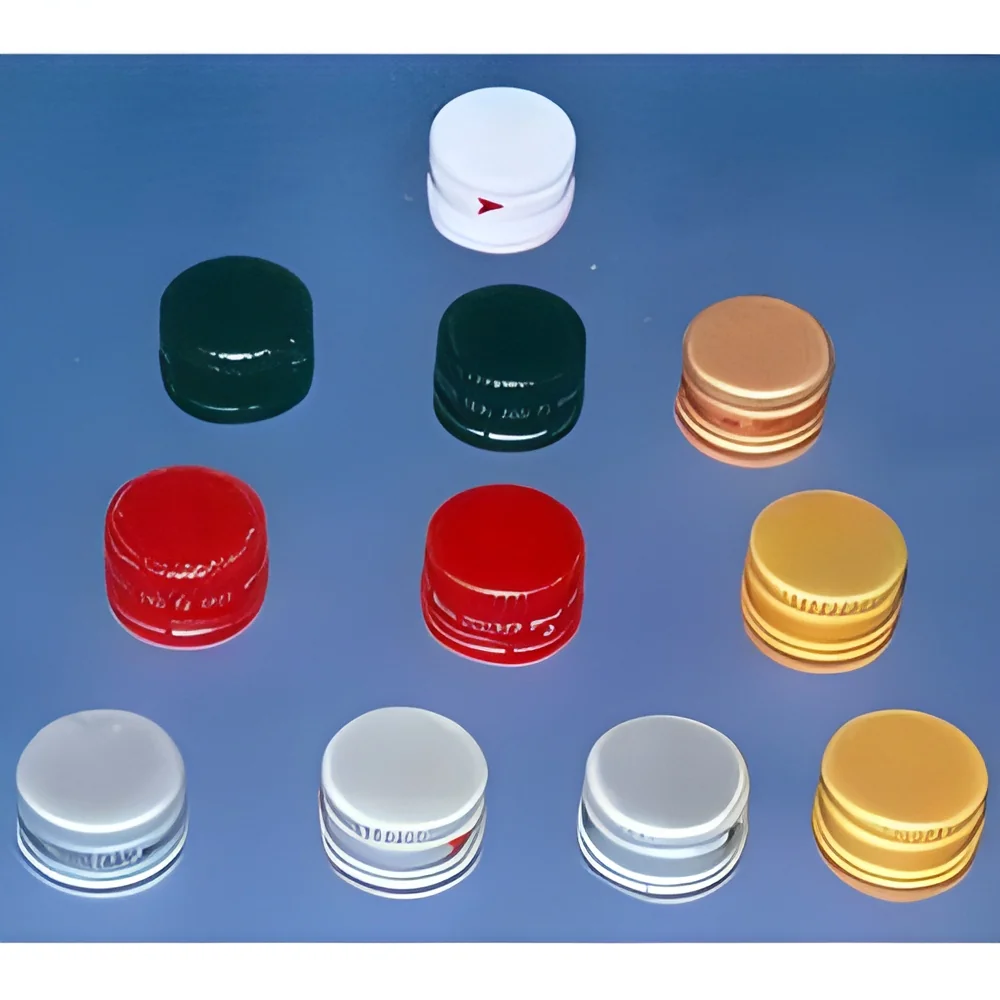
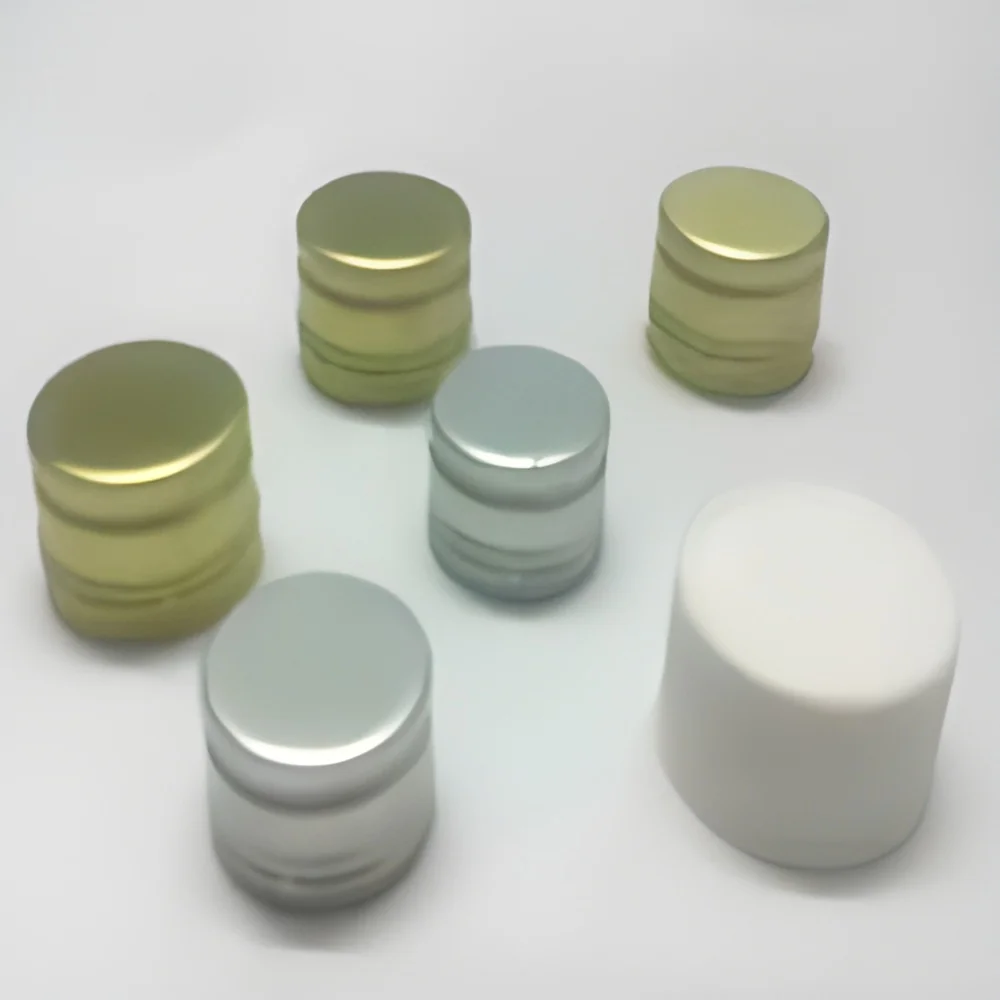
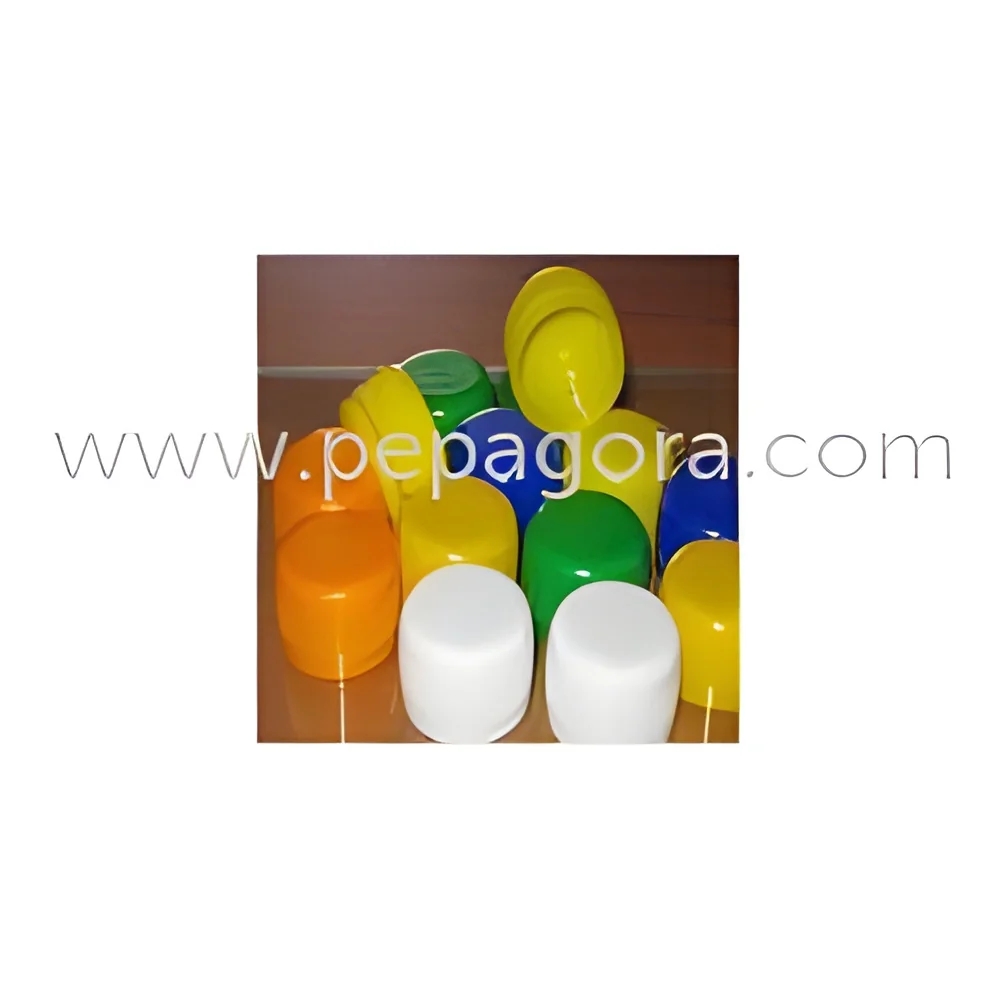
- Available in a wide range of colors to match branding
- Color can also indicate product type or differentiate flavors
7. Recyclability
- Many plastic caps are recyclable, helping reduce environmental impact
- Metal caps can also be recycled, contributing to sustainability efforts
In summary, selecting the right specifications ensures that businesses not only meet regulatory standards but also enhance product appeal and usability.
𝗖𝗼𝗺𝗺𝗼𝗻 𝗔𝗽𝗽𝗹𝗶𝗰𝗮𝘁𝗶𝗼𝗻𝘀 𝗮𝗻𝗱 𝗨𝘀𝗲 𝗖𝗮𝘀𝗲𝘀
Bottle caps and closures serve multiple industries, each with specific applications that highlight their importance.
1. Food and Beverage: Used to seal soft drinks, juices, and sauces, ensuring freshness and preventing spills during transport.
2. Pharmaceuticals: Essential for securing medication bottles, providing tamper-evident seals, and maintaining product integrity.
3. Cosmetics and Personal Care: Frequently found on bottles of lotions, shampoos, and other liquids, offering convenience and preventing leaks.
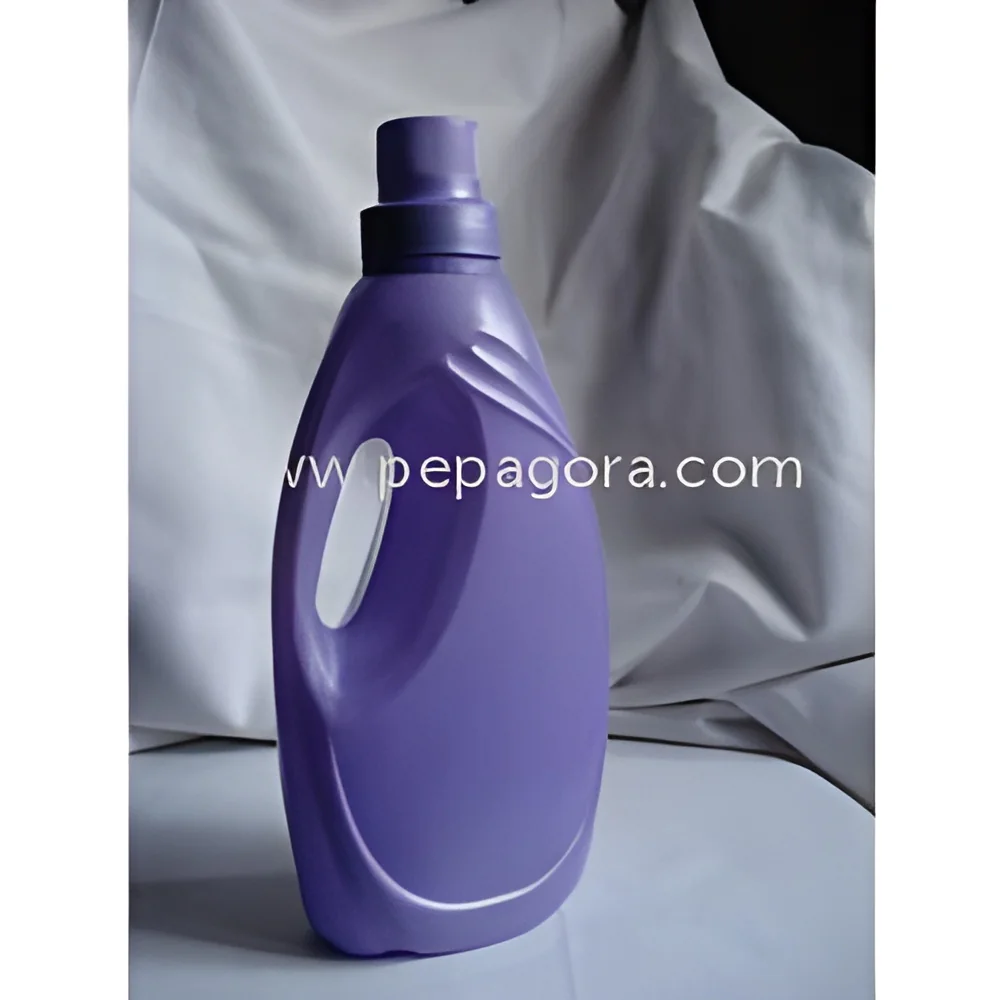
4. Household Products: Used in packaging cleaning supplies and detergents, ensuring safe storage and use.
5. Chemical Industry: Important for sealing containers of solvents and chemicals, protecting against contamination and spills.
6. Industrial Applications: Used in packaging lubricants and oils, providing a secure seal to maintain product quality.
7. Agriculture: Employed in containers for pesticides and fertilizers, ensuring safe application and storage.
𝗣𝗿𝗼𝗱𝘂𝗰𝘁 𝗩𝗮𝗿𝗶𝗮𝗻𝘁𝘀 𝗮𝗻𝗱 𝗦𝘂𝗯𝗰𝗮𝘁𝗲𝗴𝗼𝗿𝗶𝗲𝘀
There is significant diversity in bottle caps and closures, allowing businesses to choose the best fit for their products.
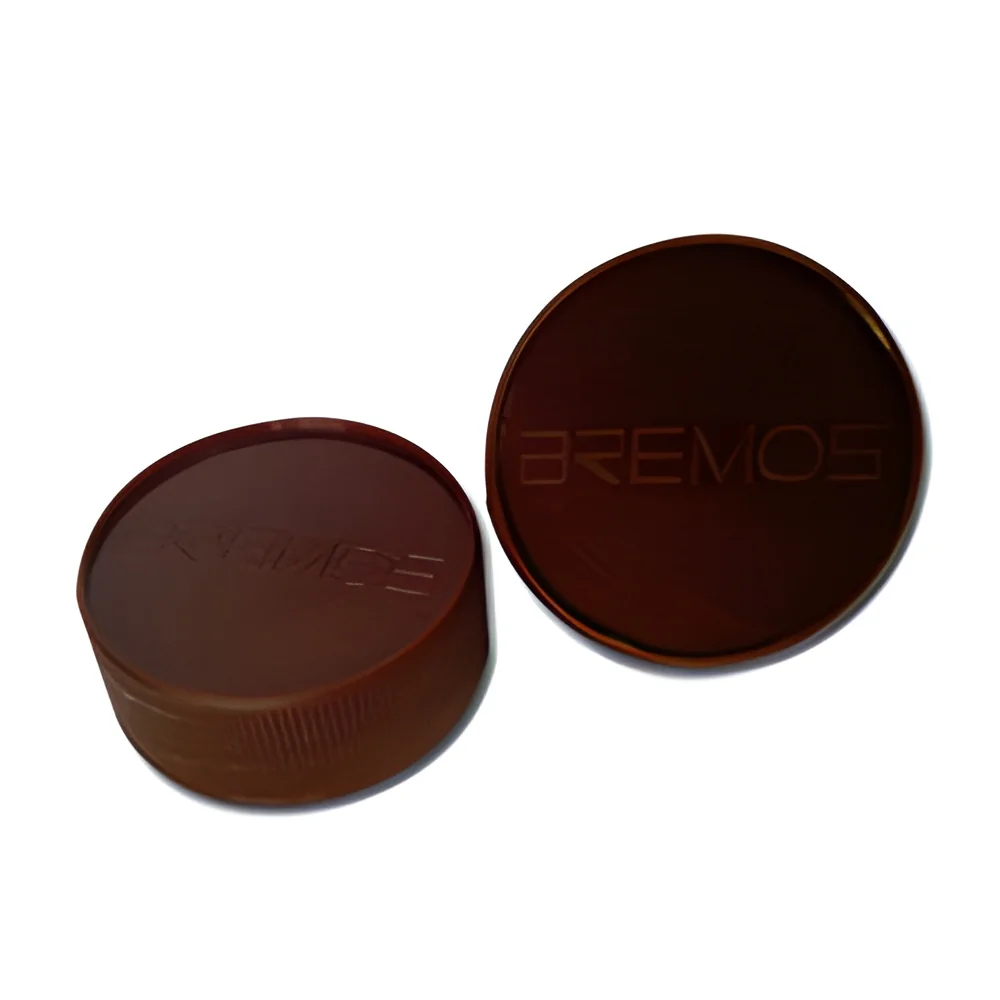
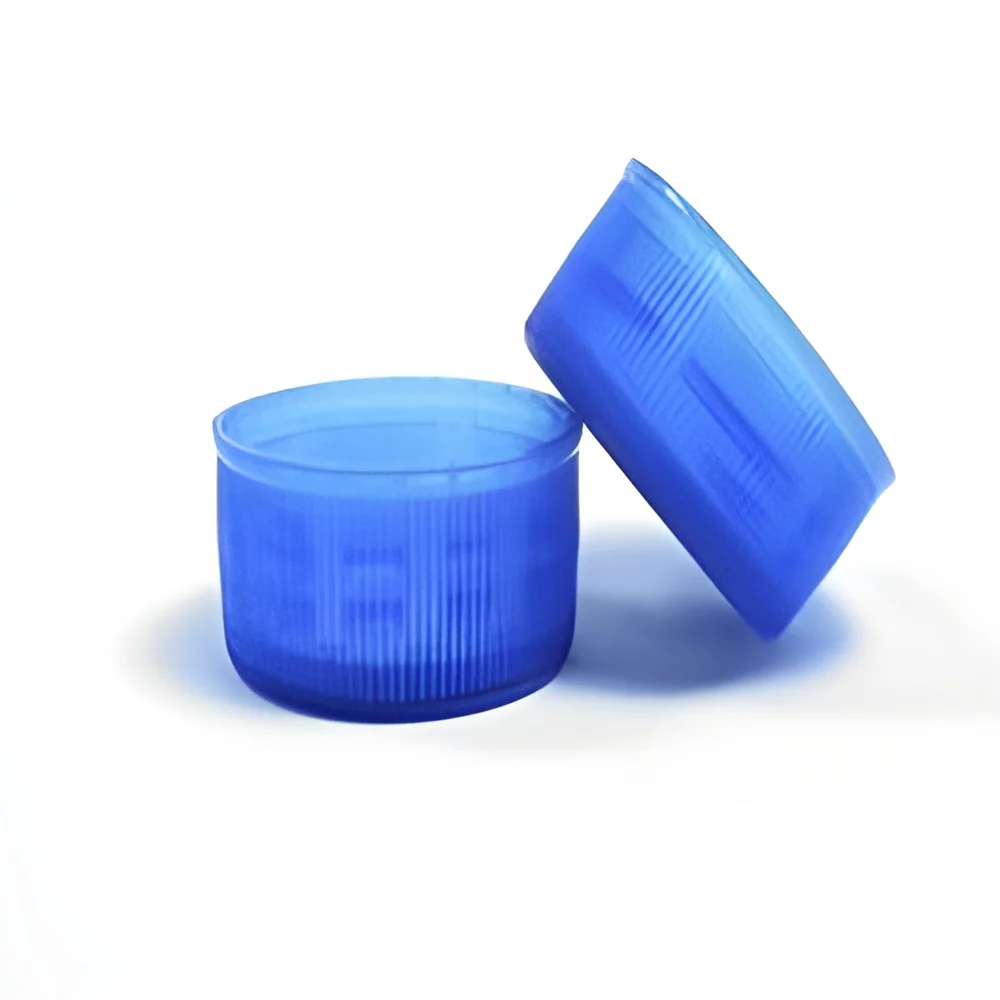
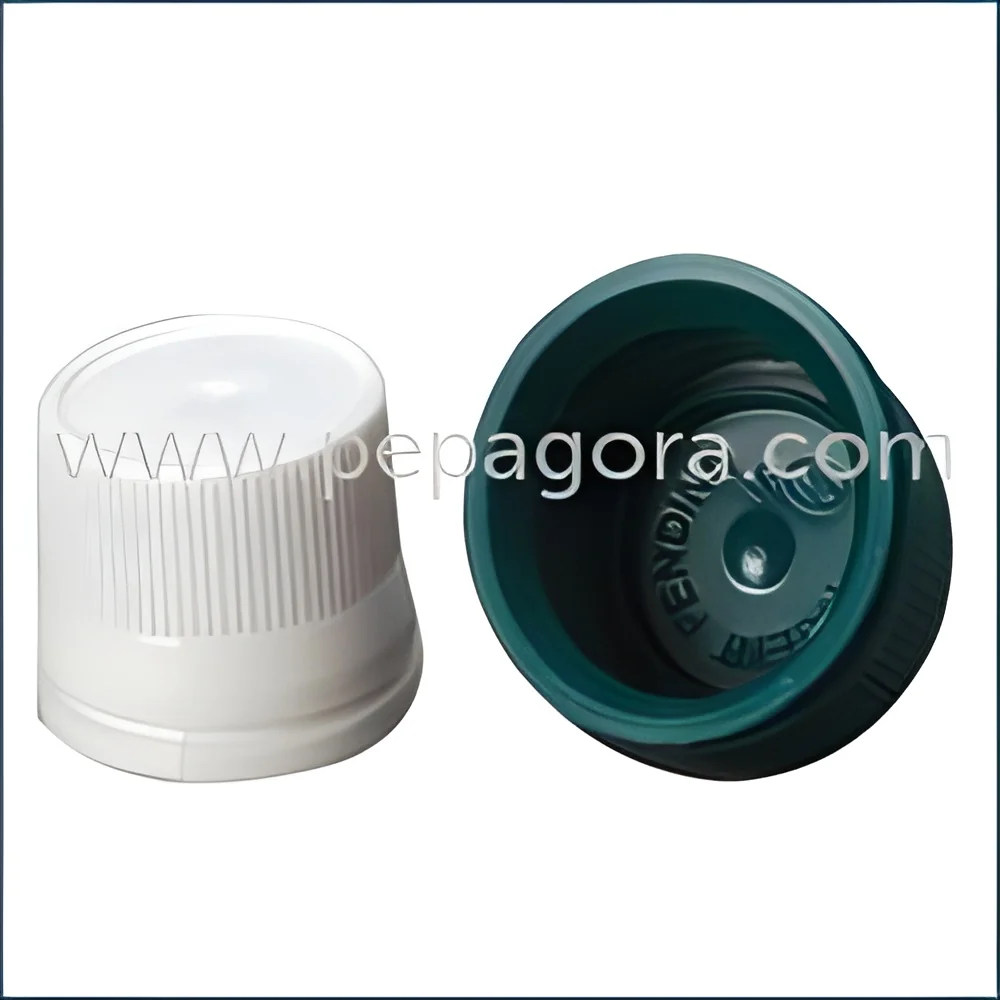
Plastic Screw Caps: These caps are lightweight and easy to use. They provide a secure seal for various beverages and are often used in the food and pharmaceutical industries.
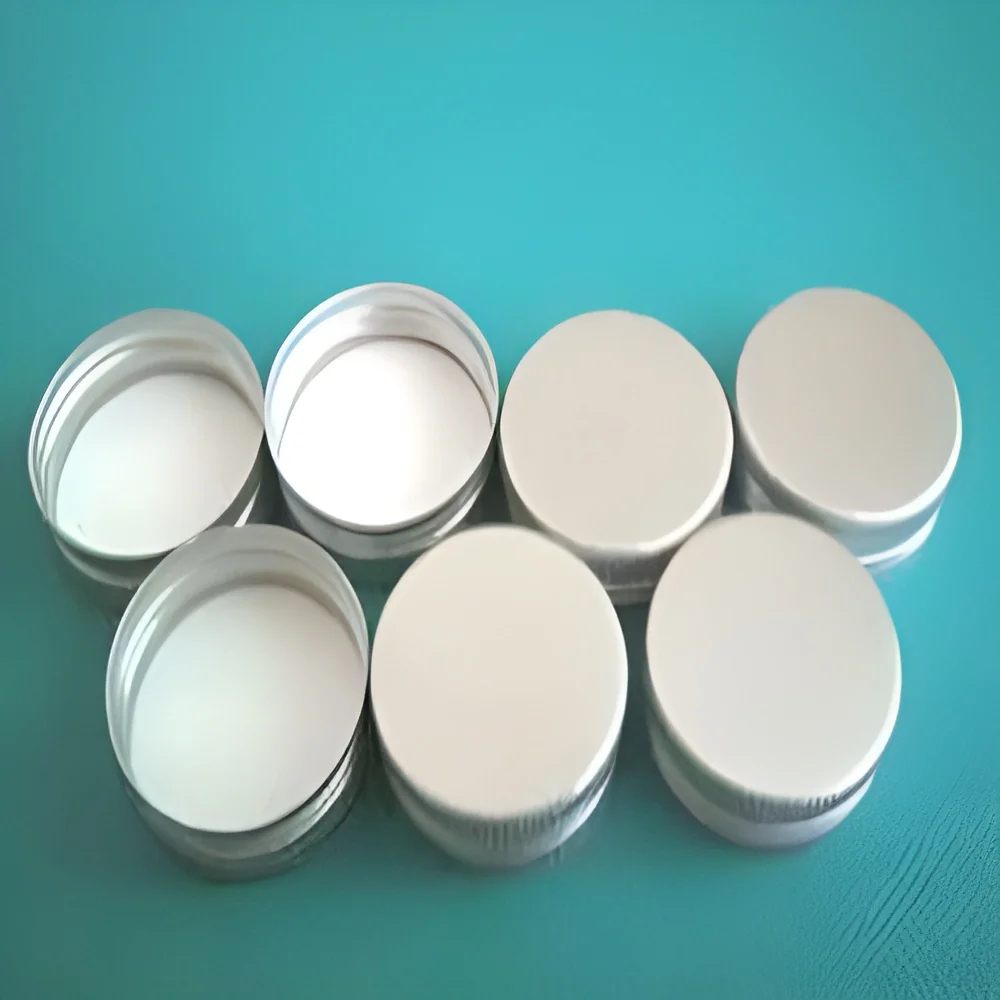
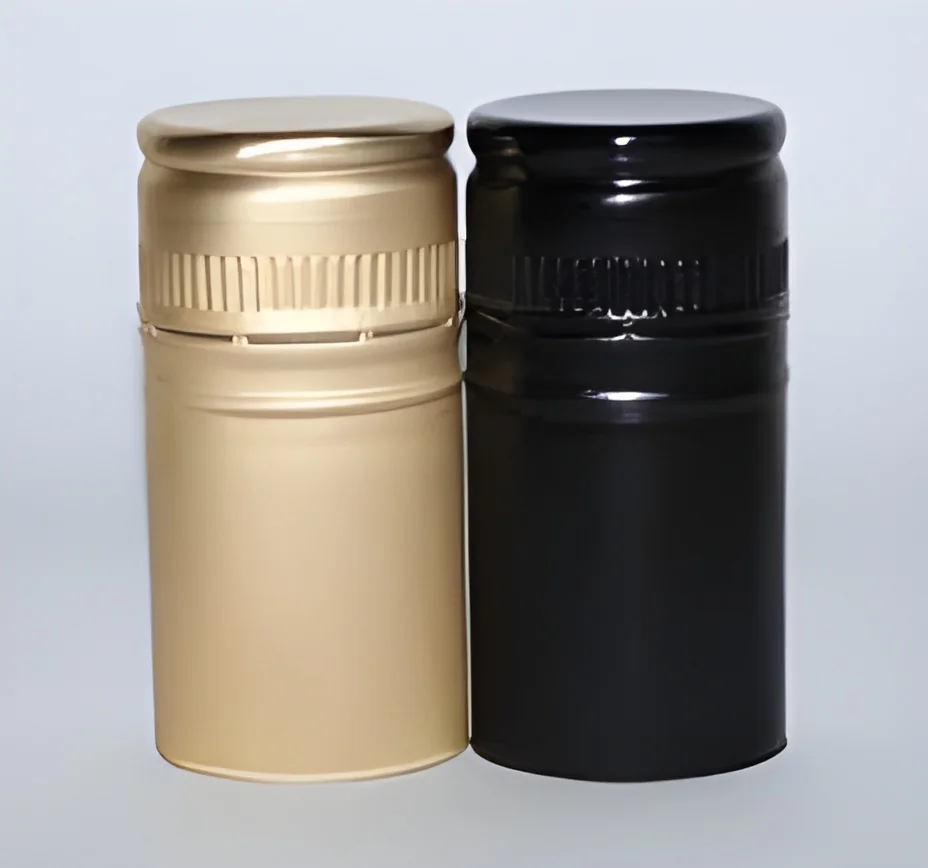
Metal Twist-Off Caps: Commonly used in glass bottles, these caps ensure a tight seal and can feature a tamper-evident design. They are prevalent in the beverage industry, particularly for soft drinks and sauces.
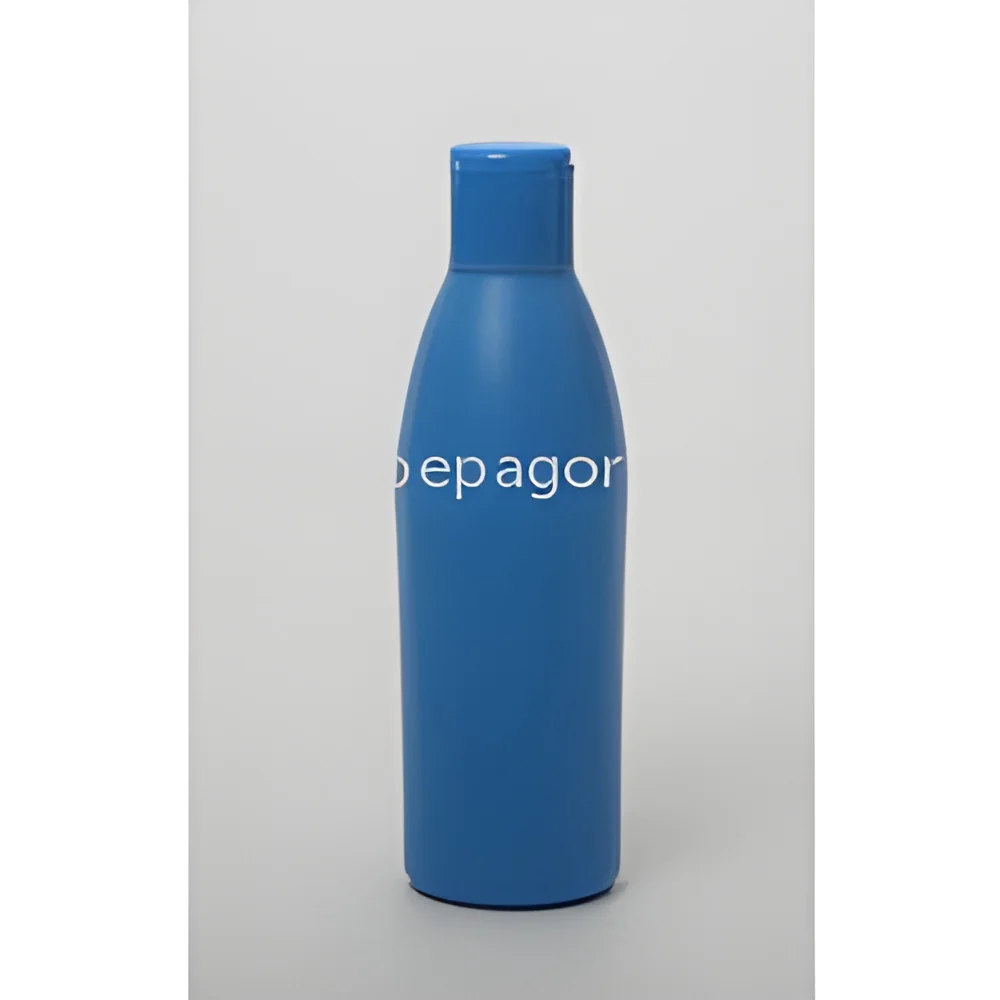
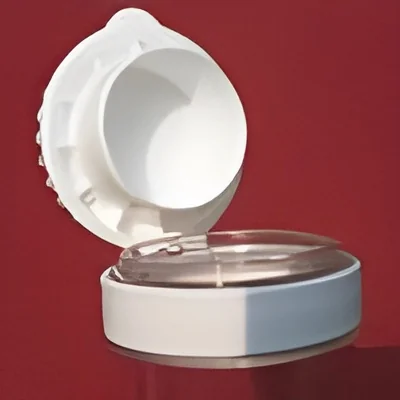
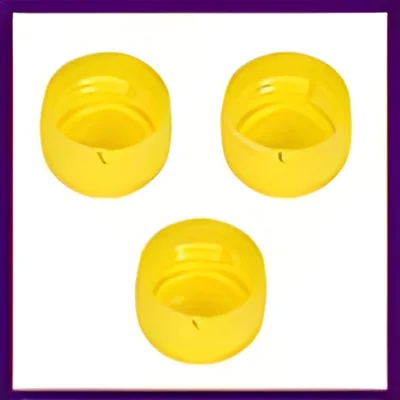
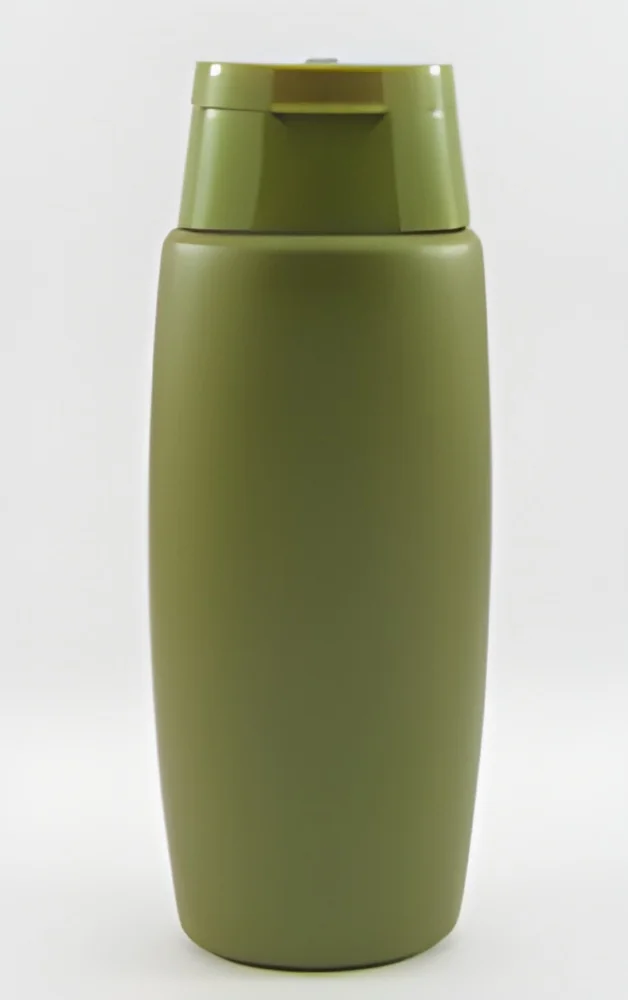
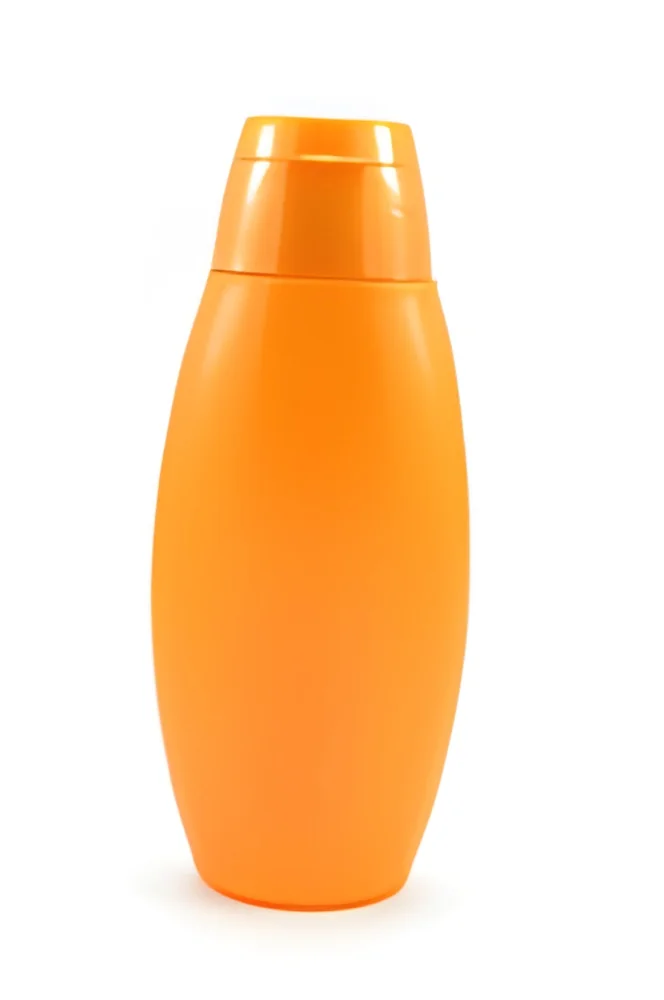
Plastic Snap-On Caps: Ideal for products that require easy opening and resealing, these caps are often used for personal care items and household cleaners.
Child-Resistant Closures: Designed to prevent accidental opening by children, these closures are crucial for pharmaceutical and chemical packaging.
𝗕𝗲𝗻𝗲𝗳𝗶𝘁𝘀 𝗮𝗻𝗱 𝗔𝗱𝘃𝗮𝗻𝘁𝗮𝗴𝗲𝘀
Bottle caps and closures offer numerous benefits that make them indispensable in various industries.
1. Product Protection: They prevent contamination and spoilage, ensuring that the contents remain safe and effective.
2. User Convenience: Easy-to-use designs allow consumers to access products without difficulty, enhancing user experience.
3. Branding Opportunities: Customizable caps provide a platform for branding and marketing, increasing product visibility.
4. Sustainability: Many options are made from recyclable materials, aligning with growing consumer demand for eco-friendly products.
5. Tamper Evidence: Certain closure designs offer tamper-proof features, ensuring consumer safety and confidence in the product.
6. Cost-Effectiveness: High-volume production of caps reduces costs, making them a budget-friendly packaging option for businesses.
𝗕𝘂𝘆𝗶𝗻𝗴 𝗚𝘂𝗶𝗱𝗲 𝗳𝗼𝗿 𝗕𝟮𝗕 𝗕𝘂𝘆𝗲𝗿𝘀
When sourcing bottle caps and closures, businesses should consider several important factors.
1. Quality Assessment: Evaluate the material quality and manufacturing standards to ensure durability and effectiveness.
2. Supplier Verification: Vet suppliers thoroughly to confirm reliability and compliance with industry standards.
3. Pricing and MOQ: Understand pricing structures and minimum order quantities to align with budget and inventory needs.
4. Delivery and Lead Times: Assess logistics capabilities and delivery schedules to ensure timely availability for production.
5. Compliance Requirements: Verify that products meet relevant regulatory standards and certifications, especially in sensitive industries like food and pharmaceuticals.
𝗖𝗼𝗺𝗽𝗹𝗶𝗮𝗻𝗰𝗲 𝗮𝗻𝗱 𝗖𝗲𝗿𝘁𝗶𝗳𝗶𝗰𝗮𝘁𝗶𝗼𝗻𝘀
Compliance with industry standards and certifications is vital for bottle caps and closures. Key quality standards include ISO 9001, which focuses on quality management systems, and HACCP, which ensures food safety through hazard analysis.
Additionally, compliance with Good Distribution Practices (GDP) is essential in pharmaceuticals to maintain product integrity during distribution. The CE marking is also relevant, indicating conformity with health, safety, and environmental protection standards for products sold within the European Economic Area.
Businesses should also consider regional compliance requirements, as regulations may vary across different markets. Understanding these standards helps ensure safety, quality, and market acceptance.
Why Source Bottle Caps & Closures (Plastic, Metal) from Pepagora?
Pepagora provides a trusted platform for sourcing bottle caps and closures, offering several key advantages for businesses.
Verified Supplier Network: Pepagora connects buyers with a network of verified suppliers, ensuring quality and reliability in sourcing. This vetting process helps businesses find trustworthy partners.
Streamlined RFQ Process: The request for quotation process is efficient, allowing buyers to compare multiple suppliers quickly. This feature simplifies sourcing and helps businesses secure the best deals.
Trade Assurance and Support: Pepagora offers buyer protection measures and support throughout the purchasing process. This assurance builds confidence and facilitates smoother transactions.
Regional Coverage: With a broad geographic reach, including India, the GCC, and Southeast Asia, Pepagora enables businesses to connect with suppliers across key markets, ensuring timely access to needed products.