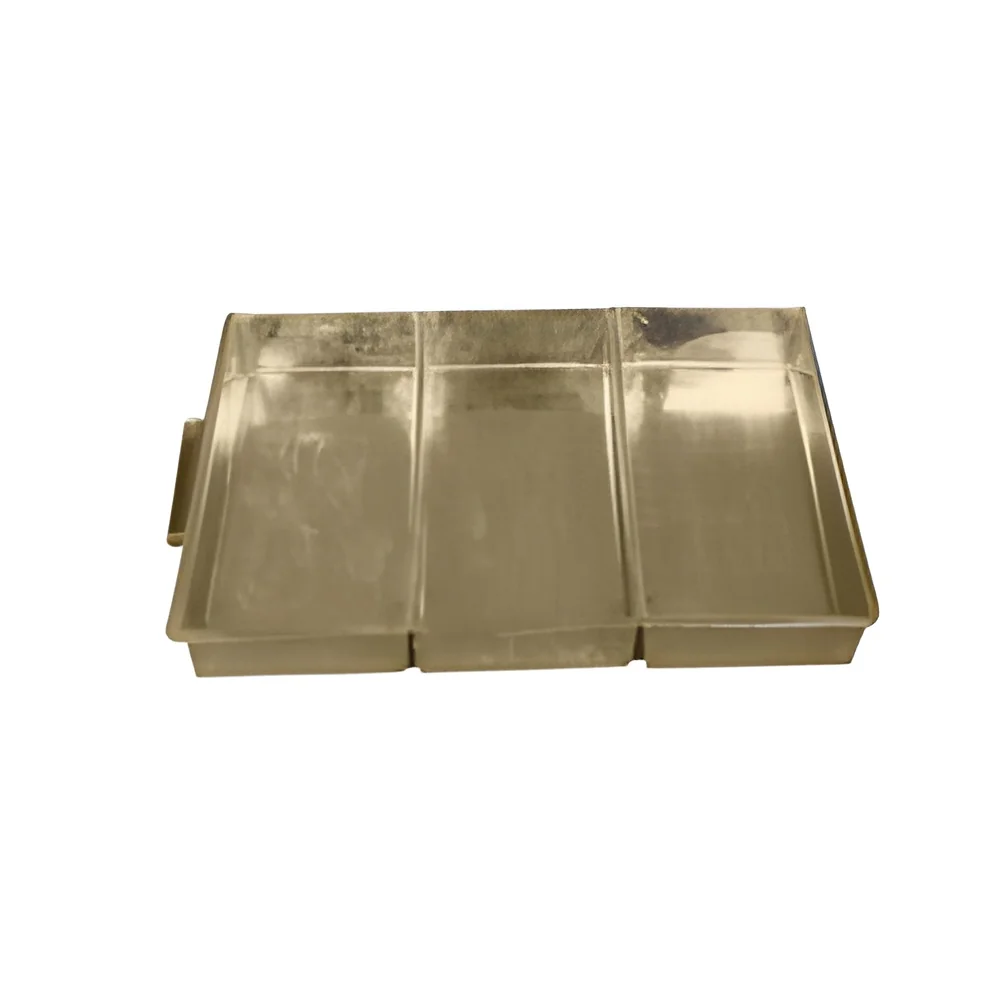
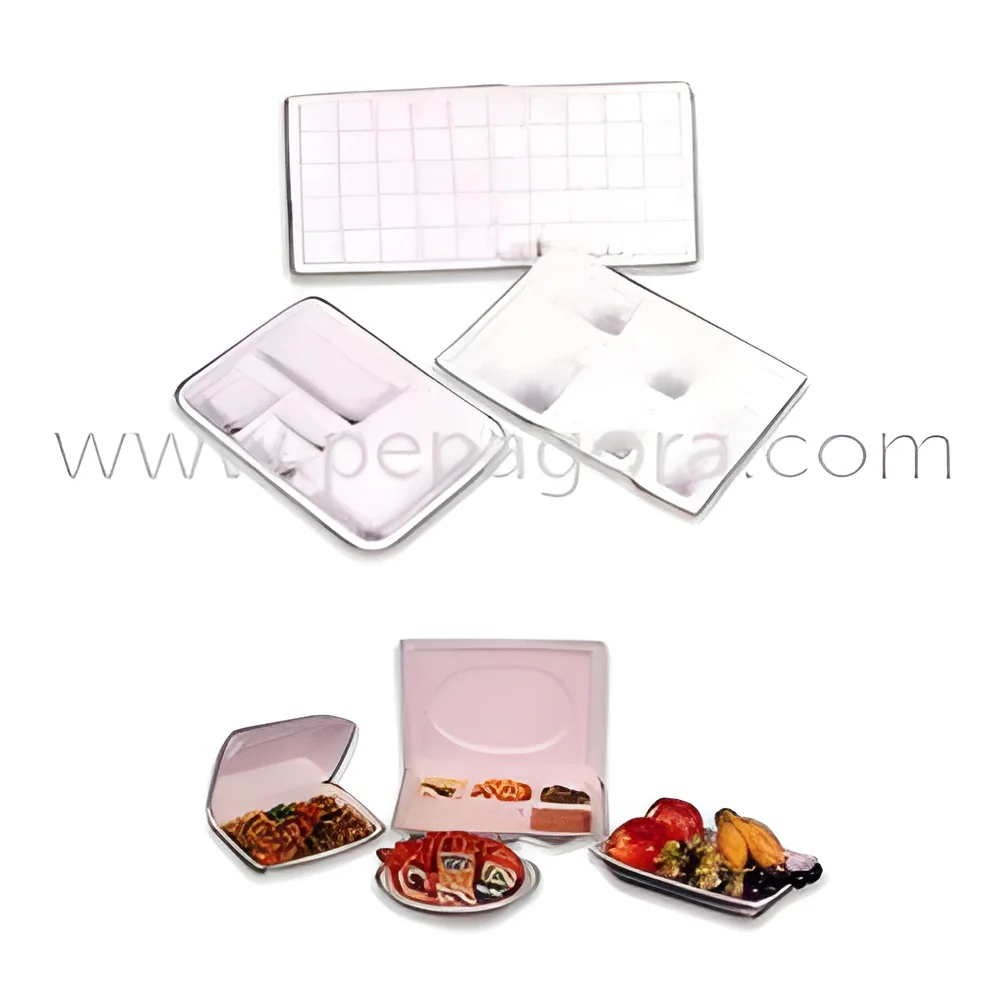
What are Plastic Trays for Meat/Seafood?
Plastic trays for meat and seafood are specialized containers designed for the safe storage, display, and transportation of perishable food items. These trays are typically made from high-quality plastic materials that are durable, lightweight, and resistant to moisture and contamination. They provide an effective solution for maintaining the freshness and integrity of meat and seafood products while also ensuring compliance with food safety standards.
The primary uses of these trays are found in various sectors such as food processing, retail, and food service industries. They are commonly used in supermarkets, fish markets, butcher shops, and restaurants to showcase meat and seafood products attractively while ensuring hygiene. Their design often includes features to facilitate stacking and transportation, making them ideal for both storage and display purposes. In the context of increasing consumer demand for safe and fresh food products, plastic trays play a vital role in the supply chain for meat and seafood.
As the food industry evolves, the relevance of plastic trays grows alongside stringent regulations regarding food safety. The market for these trays is expanding as businesses seek reliable and compliant packaging solutions. With the rise of e-commerce and online food delivery, the need for durable and functional packaging options becomes even more critical.
Key Features and Specifications
Plastic trays for meat and seafood come with several key features that enhance their functionality and usability. These features ensure that the trays meet industry standards and provide optimal performance in various applications.
Key specifications include:
1. Material Composition
- Typically made from food-grade polystyrene or polypropylene materials
- Complies with food safety regulations
2. Dimensions
- Available in various sizes to accommodate different types of meat and seafood
- Common dimensions range from small (e.g., 10 inches) to large (e.g., 20 inches)
3. Weight Capacity
- Designed to hold significant weight without deformation
- Suitable for heavy cuts of meat and large seafood items
4. Temperature Resistance
- Capable of withstanding low temperatures for refrigeration
- Can be used in environments up to 100 degrees Celsius
5. Stackability
- Designed for easy stacking to optimize storage space
- Features interlocking designs for stability during transport
6. Hygiene Standards
- Non-porous surfaces to prevent bacterial growth
- Easily cleaned and disinfected for reuse
7. Customization Options
- Available in various colors and designs for branding
- Options for embossing or printing logos
8. Eco-Friendly Options
- Some trays are made from recyclable materials
- Compliant with sustainability practices
In summary, plastic trays for meat and seafood are engineered with specific features and specifications that cater to the needs of the food industry, ensuring safety, durability, and convenience.
Common Applications and Use Cases
Plastic trays for meat and seafood are utilized in a wide range of industries, each with unique applications.
1. Retail Grocery Stores: Used for displaying fresh meat and seafood in refrigerated sections, enhancing product visibility and safety.
2. Food Processing Plants: Essential for transporting raw materials during processing, ensuring hygienic handling and storage.
3. Restaurants: Often utilized for portioning and serving seafood and meat dishes, allowing for easy presentation and portion control.
4. Fish Markets: Ideal for showcasing a variety of seafood products, keeping them fresh and appealing to customers.
5. Catering Services: Used for transporting and presenting meat and seafood dishes at events, ensuring food remains intact and aesthetically pleasing.
6. Wholesale Distributors: Employed for bulk storage and distribution of meat and seafood products to retailers and restaurants.
7. Food Delivery Services: Useful for packaging meat and seafood items for safe transport to consumers, ensuring product quality upon delivery.
Product Variants and Subcategories
Plastic trays for meat and seafood exhibit a diverse range of variants tailored to meet specific needs within the industry.
Standard Plastic Tray
This is the most common variant used in retail and food service. It features a simple design for easy handling and is available in multiple sizes.
Vacuum-Sealed Tray
Designed for enhanced freshness, this variant comes with a vacuum-sealed cover that extends the shelf life of meat and seafood products by reducing oxygen exposure.
Biodegradable Tray
An eco-friendly option made from sustainable materials, suitable for businesses focused on reducing their environmental impact while still maintaining functionality.
Benefits and Advantages
Plastic trays for meat and seafood offer numerous benefits that enhance their appeal to businesses.
1. Durability: These trays are designed to withstand the rigors of storage and transport without breaking or deforming.
2. Hygiene: The non-porous material reduces the risk of bacterial contamination, making them safe for food handling.
3. Versatility: Suitable for a wide range of applications across various industries, from retail to food processing.
4. Cost-Effectiveness: Generally more affordable than alternative packaging solutions, allowing businesses to save on operational costs.
5. Lightweight: Their lightweight nature facilitates easier handling and transportation, reducing shipping costs.
6. Customization: Options for branding and design allow businesses to enhance their market presence and appeal to customers.
Buying Guide for B2B Buyers
When sourcing plastic trays for meat and seafood, several key factors should be considered to ensure the best purchase decisions.
1. Quality Assessment: Evaluate the material quality and ensure it meets food safety standards. Look for certifications that guarantee the trays are food-grade and safe for use.
2. Supplier Verification: Conduct thorough checks on potential suppliers to ensure they have a good reputation and meet regulatory requirements. This can include checking references and reviewing their compliance history.
3. Pricing and MOQ: Understand the pricing structure and minimum order quantities (MOQ) to align with your budget and inventory needs. Compare prices among different suppliers to find the best deals.
4. Delivery and Lead Times: Discuss delivery options and lead times with suppliers to ensure timely access to products. Consider logistics and transportation methods to avoid delays.
5. Compliance Requirements: Ensure that the trays comply with local and international food safety regulations. This may involve checking for specific certifications such as CE or ISO standards.
Compliance and Certifications
Plastic trays for meat and seafood must adhere to several quality standards and certifications to ensure safety and compliance in food handling.
Relevant quality standards include ISO 9001, which focuses on quality management systems, ensuring that manufacturers maintain high standards throughout the production process. HACCP (Hazard Analysis and Critical Control Points) is another essential standard that outlines procedures for minimizing food safety risks.
Industry certifications, such as CE marking, indicate that products meet European health, safety, and environmental protection standards. This certification is crucial for businesses that operate within the European market.
Safety and testing requirements mandate that plastic trays undergo rigorous testing to confirm their suitability for food contact. This includes assessments for leachability, migration of substances, and overall durability.
Regional compliance considerations vary by country and market, so it is essential for businesses to stay informed about local regulations regarding food packaging and safety.
Why Source Plastic Trays for Meat/Seafood from Pepagora?
Pepagora provides a trusted platform for sourcing plastic trays for meat and seafood, offering several key advantages to buyers.
Verified Supplier Network: Pepagora boasts a robust network of verified suppliers committed to quality and compliance. This ensures that buyers can access high-quality products with confidence.
Streamlined RFQ Process: The platform offers a straightforward request for quotation (RFQ) process, enabling buyers to quickly obtain pricing and product information from multiple suppliers, saving time and effort.
Trade Assurance and Support: Buyers are protected through trade assurance programs that ensure quality and timely delivery. Pepagora's support team is available to assist with any issues that may arise during the buying process.
Regional Coverage: Pepagora has a wide geographic reach, serving businesses in India, the GCC, and Southeast Asia. This allows for efficient sourcing and distribution across various markets, catering to the specific needs of local industries.

 IN
IN