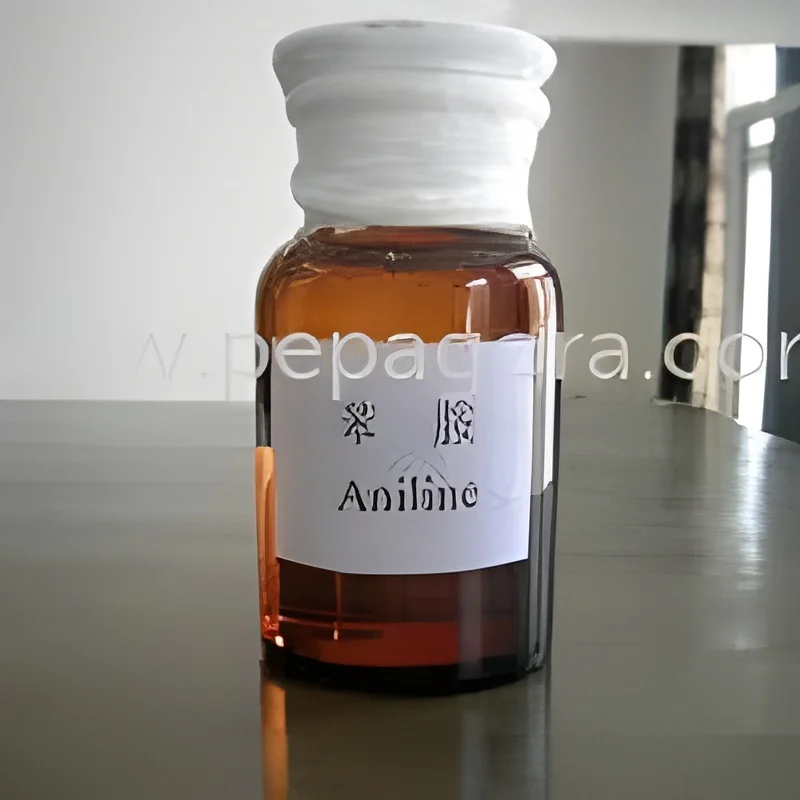
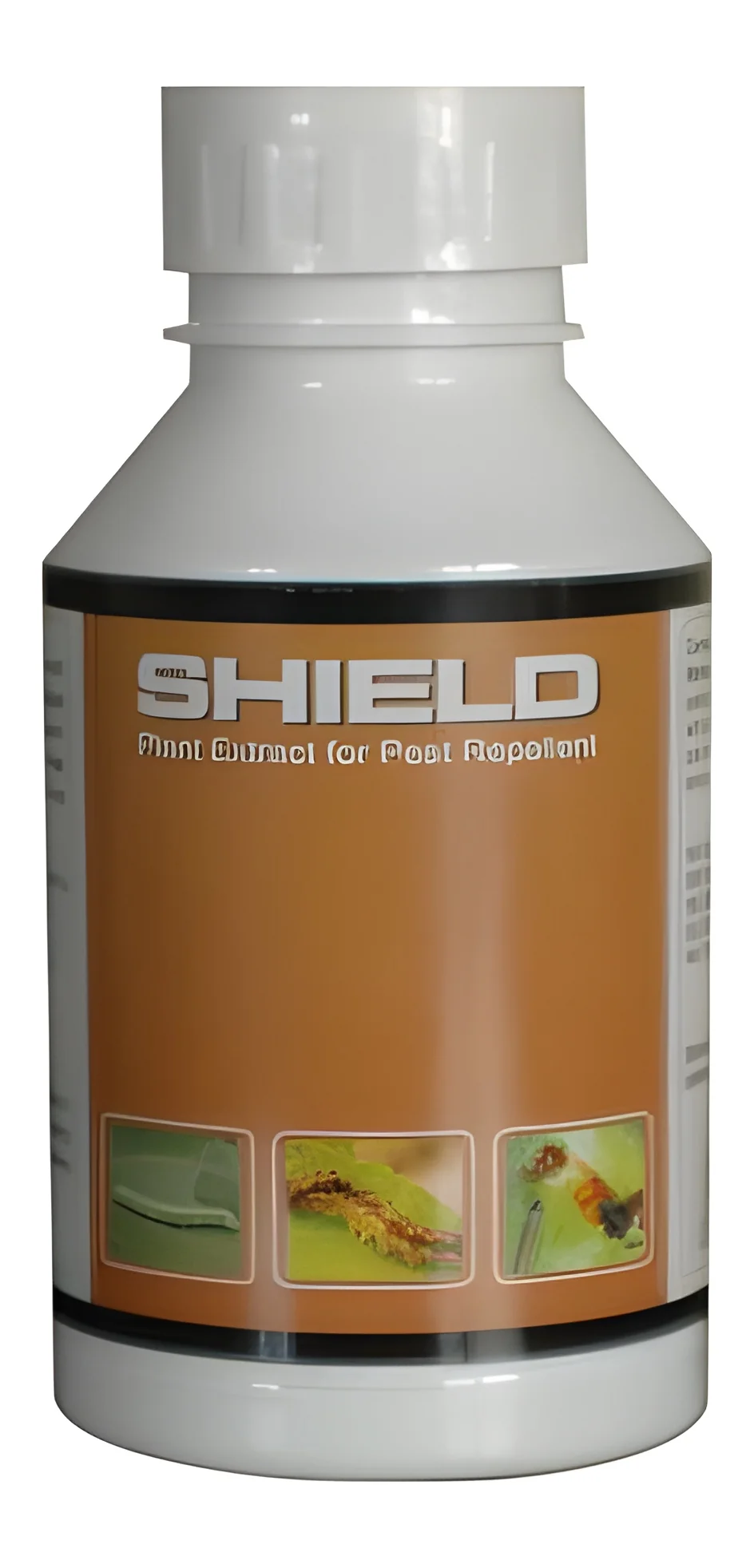
𝗪𝗵𝗮𝘁 𝗮𝗿𝗲 𝗔𝗴𝗿𝗼𝗰𝗵𝗲𝗺𝗶𝗰𝗮𝗹𝘀?
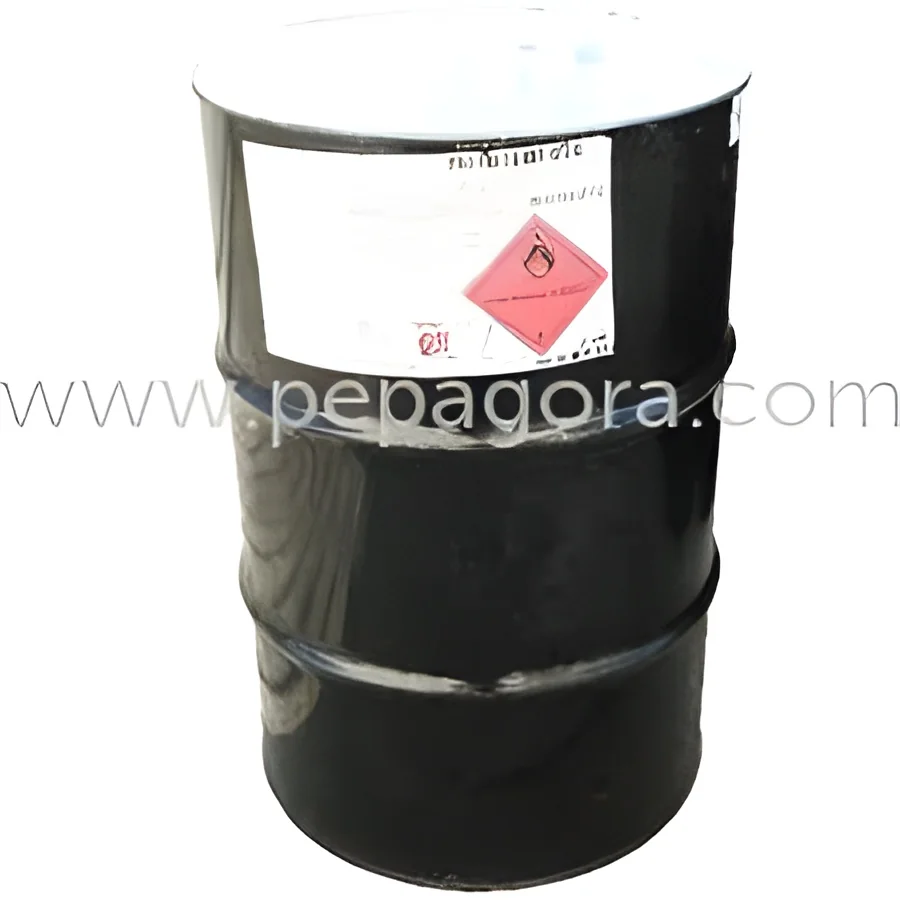
Agrochemicals refer to a broad range of chemical products used in agriculture to enhance crop production and protect plants. This category includes fertilizers, pesticides, herbicides, fungicides, and plant growth regulators. Agrochemicals play a critical role in modern farming practices, helping to increase yield, improve crop quality, and manage pests and diseases effectively. Their application ensures that farmers can meet the growing food demand in a sustainable manner.
The primary uses of agrochemicals span various aspects of agricultural production. They are utilized to optimize soil health, provide essential nutrients to plants, and control unwanted pests and weeds. In business applications, agrochemicals support large-scale farming operations, horticulture, and specialty crop production. Their importance in ensuring food security and agricultural efficiency makes them a vital component of the agricultural supply chain and a key focus for agribusinesses worldwide.
In the context of industry relevance, the agrochemical market is rapidly evolving due to technological advancements and increasing regulatory scrutiny. The market is influenced by factors such as environmental sustainability, crop science innovations, and the need for safe and effective product solutions. As farmers and agribusinesses strive for efficiency and productivity, the demand for high-quality agrochemicals continues to grow.
𝗞𝗲𝘆 𝗙𝗲𝗮𝘁𝘂𝗿𝗲𝘀 𝗮𝗻𝗱 𝗦𝗽𝗲𝗰𝗶𝗳𝗶𝗰𝗮𝘁𝗶𝗼𝗻𝘀
Agrochemicals come with a range of essential features and specifications that determine their efficacy and suitability for various applications. Understanding these specifications is crucial for businesses in selecting the right products for their agricultural needs.
Key specifications include:
1. Active Ingredient Concentration
- Indicates the percentage of the active compound responsible for the product's effectiveness.
- Typical ranges vary depending on the product type and application.
2. Application Method
- Details the recommended method for applying the agrochemical, such as spraying or soil incorporation.
- Parameters often include dilution rates and timing of application.
3. Residual Activity
- Refers to how long the product remains effective after application.
- Typical durations can range from days to several weeks based on the product.
4. pH Stability
- Describes the stability of the agrochemical across different pH levels.
- Important for ensuring product effectiveness in various soil conditions.
5. Toxicity Level
- Indicates the safety profile of the product for humans, animals, and beneficial organisms.
- Classified using standard toxicological measures.
6. Shelf Life
- Specifies the duration the product remains effective and safe for use when stored under recommended conditions.
- Typically ranges from one to three years.
7. Compatibility with Other Products
- Describes whether the agrochemical can be mixed with other products without compromising effectiveness.
- Essential for integrated pest management and multi-product applications.
8. Environmental Impact
- Assesses the product’s potential effects on non-target organisms and ecosystems.
- Evaluated through environmental risk assessments.
In summary, understanding the key features and specifications of agrochemicals is vital for making informed purchasing decisions and ensuring effective agricultural practices.
𝗖𝗼𝗺𝗺𝗼𝗻 𝗔𝗽𝗽𝗹𝗶𝗰𝗮𝘁𝗶𝗼𝗻𝘀 𝗮𝗻𝗱 𝗨𝘀𝗲 𝗖𝗮𝘀𝗲𝘀
Agrochemicals are utilized across various industries within agriculture, each with specific applications that enhance productivity and crop health.
1. Crop Production: Agrochemicals are used to increase crop yield and quality through fertilizers and pesticides that protect plants from diseases and pests.
2. Horticulture: In flower and ornamental plant production, agrochemicals are vital for maintaining plant health, color, and growth, ensuring market readiness.
3. Specialty Crop Farming: Farmers growing fruits and vegetables rely on agrochemicals to manage pests and diseases while promoting healthy growth.
4. Turf Management: Agrochemicals help maintain healthy lawns and sports fields by controlling weeds and pests, ensuring optimal playing conditions.
5. Organic Farming: Certain agrochemicals derived from natural sources are used in organic farming to manage pests while adhering to organic certification standards.
6. Forestry: Agrochemicals are applied in forestry management to control invasive species and promote tree health, contributing to sustainable forest practices.
7. Aquaculture: Agrochemicals are utilized in aquaculture to manage water quality and promote fish health, supporting sustainable fish farming.
𝗣𝗿𝗼𝗱𝘂𝗰𝘁 𝗩𝗮𝗿𝗶𝗮𝗻𝘁𝘀 𝗮𝗻𝗱 𝗦𝘂𝗯𝗰𝗮𝘁𝗲𝗴𝗼𝗿𝗶𝗲𝘀
Agrochemicals come in various forms to meet specific agricultural needs, providing flexibility and efficiency in their application.
Fertilizers
These are essential for providing nutrients to crops. They can be synthetic or organic and are formulated to deliver essential elements like nitrogen, phosphorus, and potassium in varying concentrations.
Pesticides
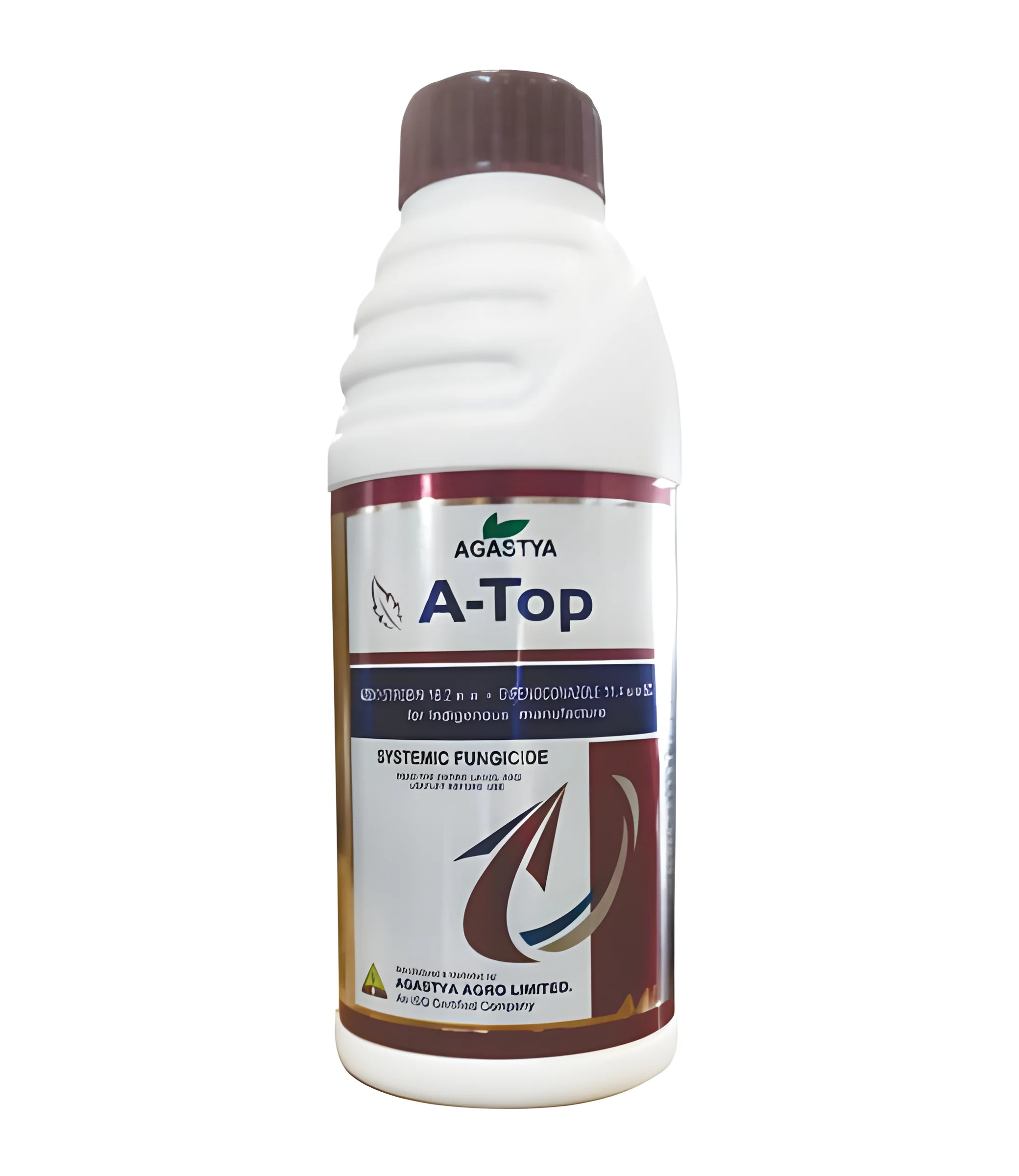
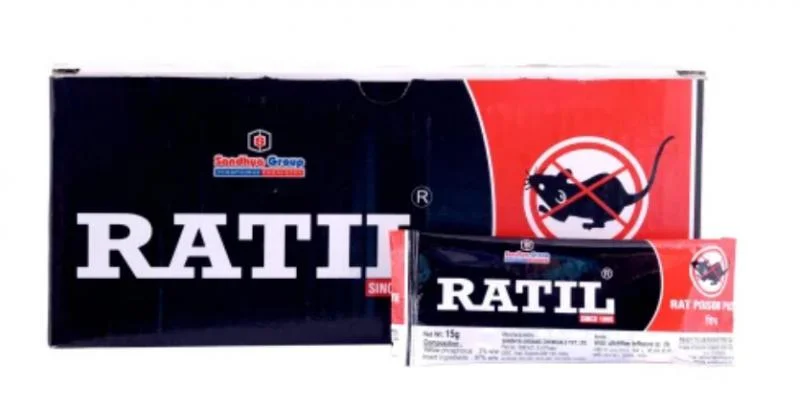
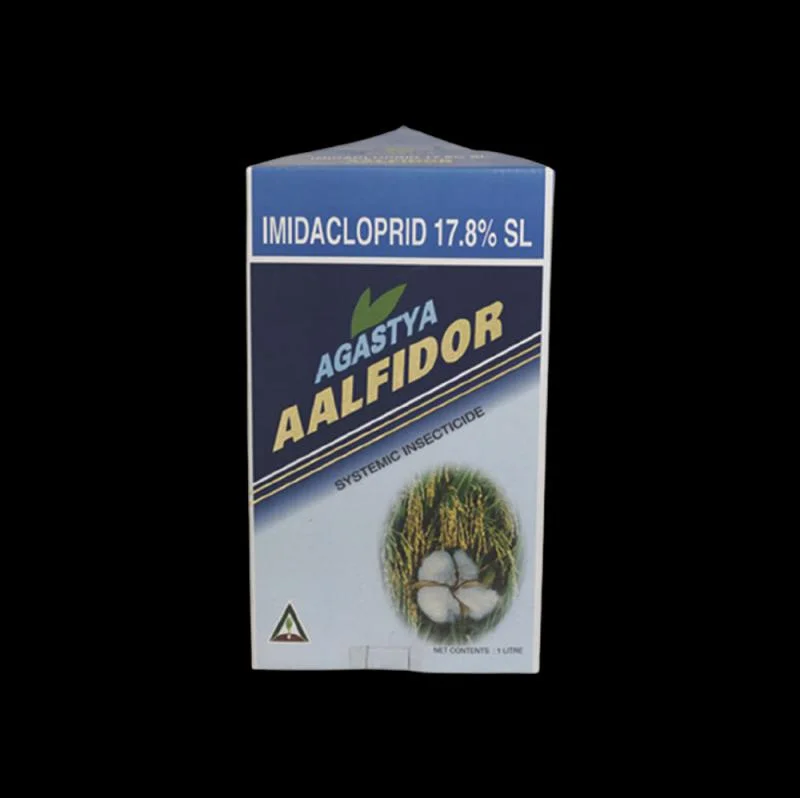
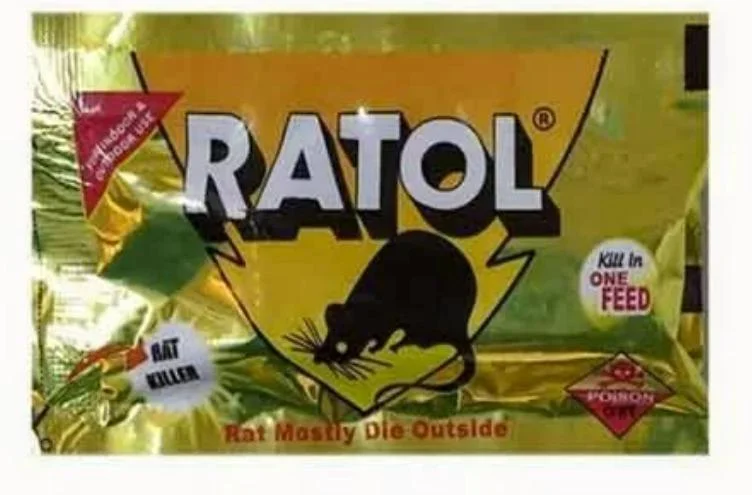
Pesticides include herbicides, insecticides, and fungicides. Each type is designed to target specific pests, weeds, or diseases, ensuring that crops remain healthy and productive.
Growth Regulators
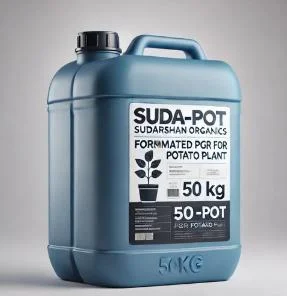
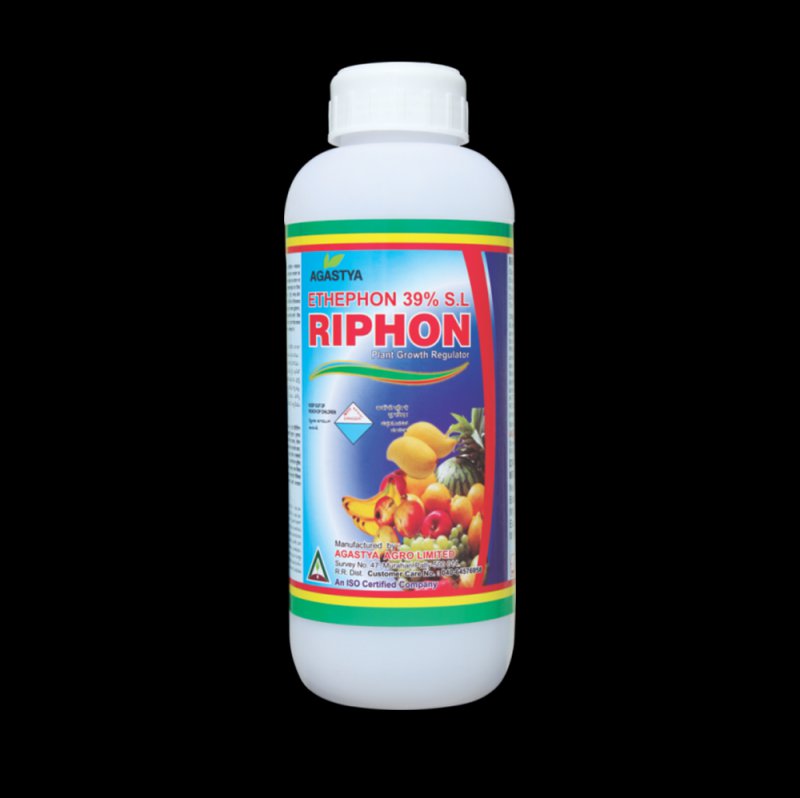
These are specialized agrochemicals that influence plant growth patterns, helping to enhance yield and improve the quality of crops.
𝗕𝗲𝗻𝗲𝗳𝗶𝘁𝘀 𝗮𝗻𝗱 𝗔𝗱𝘃𝗮𝗻𝘁𝗮𝗴𝗲𝘀
Agrochemicals offer numerous benefits that contribute to the efficiency and productivity of agricultural practices.
Key benefits include:
1. Increased Crop Yields: Agrochemicals boost plant growth and resilience, leading to higher yields and better quality produce.
2. Pest and Disease Control: They provide effective solutions for managing pests and diseases, reducing the risk of crop loss.
3. Soil Nutrient Management: Fertilizers enhance soil fertility, ensuring that crops receive the necessary nutrients for optimal growth.
4. Cost-Effectiveness: Proper use of agrochemicals can reduce overall farming costs by minimizing crop losses and enhancing productivity.
5. Sustainable Practices: Many agrochemicals are designed to be environmentally safe, promoting sustainable agricultural practices that protect ecosystems.
6. Technological Advancements: Ongoing innovations in agrochemical development lead to more effective and targeted solutions, improving agricultural efficiency.
𝗕𝘂𝘆𝗶𝗻𝗴 𝗚𝘂𝗶𝗱𝗲 𝗳𝗼𝗿 𝗕𝟮𝗕 𝗕𝘂𝘆𝗲𝗿𝘀
When sourcing agrochemicals, it is essential to consider several key factors to ensure you select the right products for your business needs.
1. Quality Assessment: Evaluate products based on their active ingredient concentrations and efficacy. Look for certifications that indicate compliance with industry standards.
2. Supplier Verification: Vet suppliers thoroughly by checking their reputation, customer reviews, and industry certifications. Reliable suppliers are crucial for consistent product quality.
3. Pricing and MOQ: Understand the pricing structures and minimum order quantities (MOQ) offered by suppliers. This will help in budgeting and ensuring you meet your operational needs.
4. Delivery and Lead Times: Assess the logistics capabilities of suppliers, including their delivery schedules and lead times. Timely delivery is critical for maintaining production schedules.
5. Compliance Requirements: Ensure that the agrochemicals comply with local and international regulations. This includes safety standards and environmental impact assessments.
𝗖𝗼𝗺𝗽𝗹𝗶𝗮𝗻𝗰𝗲 𝗮𝗻𝗱 𝗖𝗲𝗿𝘁𝗶𝗳𝗶𝗰𝗮𝘁𝗶𝗼𝗻𝘀
Agrochemicals must adhere to various compliance standards and certifications to ensure their safety and efficacy in agricultural applications. Relevant quality standards such as ISO 9001 and HACCP are crucial for maintaining product quality throughout the manufacturing process.
Industry certifications, such as CE marking, indicate that products meet European safety, health, and environmental protection requirements. Compliance with safety and testing requirements is essential to ensure that agrochemicals do not pose risks to users or the environment.
Regional compliance considerations may vary based on local regulations, requiring businesses to stay informed about the specific requirements in their operating regions. This ensures that all agrochemicals used are safe and effective for agricultural practices.
𝗪𝗵𝘆 𝗦𝗼𝘂𝗿𝗰𝗲 𝗔𝗴𝗿𝗼𝗰𝗵𝗲𝗺𝗶𝗰𝗮𝗹𝘀 𝗳𝗿𝗼𝗺 𝗣𝗲𝗽𝗮𝗴𝗼𝗿𝗮?
Pepagora provides a trusted platform for sourcing agrochemicals, offering several key advantages to B2B buyers in the agricultural sector.
Verified Supplier Network: With a stringent verification process, Pepagora ensures that all suppliers meet high standards for quality and reliability. This builds confidence in the sourcing process and guarantees access to top-tier products.
Streamlined RFQ Process: The platform features an efficient Request for Quotation (RFQ) system that simplifies the procurement process. Buyers can easily request quotes from multiple suppliers, facilitating competitive pricing and better decision-making.
Trade Assurance and Support: Pepagora offers comprehensive trade assurance and buyer protection services, ensuring that transactions are secure and that buyers receive the products as described. This support is invaluable for maintaining trust and confidence in the sourcing process.
Regional Coverage: With a strong presence in India, the GCC, and Southeast Asia, Pepagora provides extensive regional coverage. This allows buyers to access a wide range of agrochemicals tailored to their specific agricultural needs, supported by local supplier networks.

 IN
IN