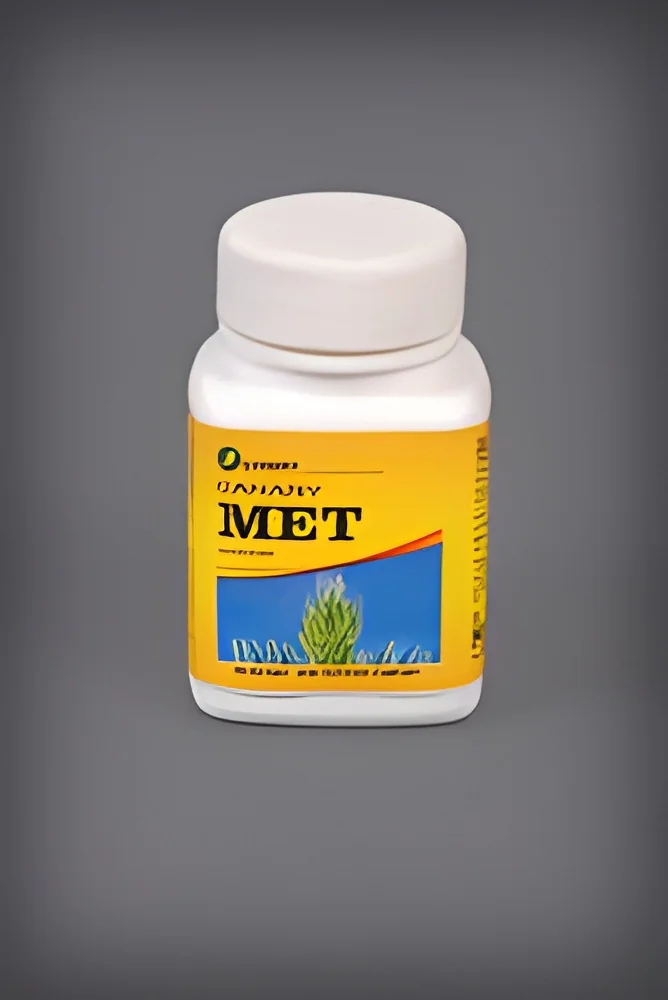
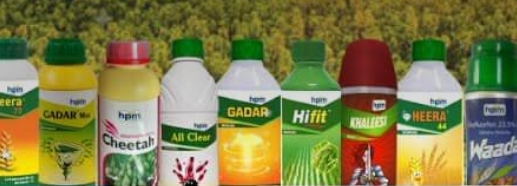
What are Herbicides?
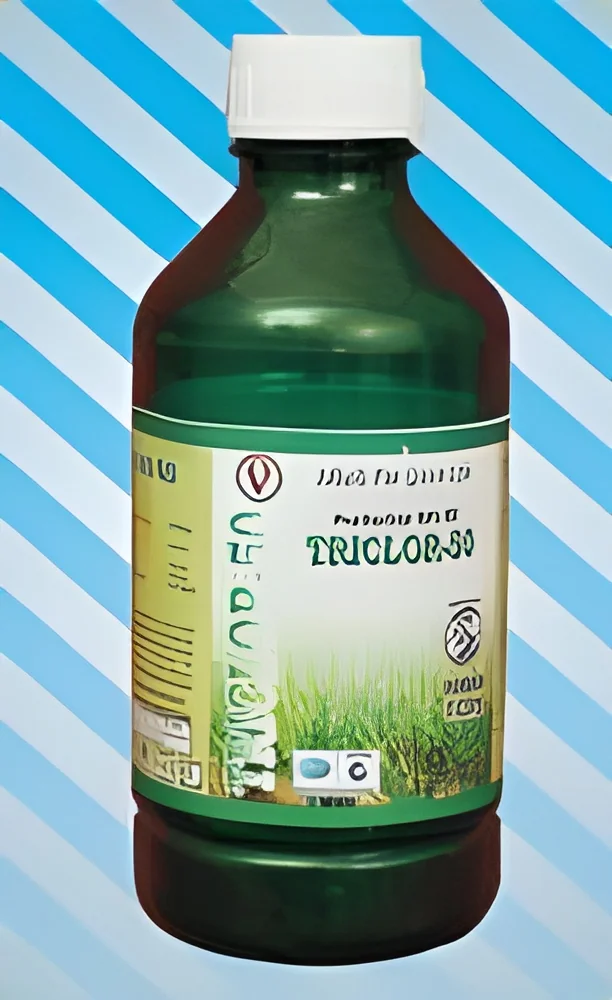
Herbicides are chemical substances specifically designed to control or eliminate unwanted plants, commonly referred to as weeds. These products work by targeting specific physiological processes in plants, disrupting their growth and development. Herbicides can be selective, affecting only certain types of plants without harming others, or non-selective, killing all vegetation they come into contact with.
The primary uses of herbicides extend across various sectors, including agriculture, landscaping, and turf management. In agriculture, herbicides play a crucial role in maximizing crop yields by reducing competition from weeds. Landscaping companies utilize herbicides to maintain aesthetic appeal in gardens and parks. Additionally, turf management professionals use these products to ensure healthy and well-maintained sports fields and lawns.
With the increasing global demand for food and the need for efficient land management, herbicides are highly relevant in the agricultural market. The herbicide industry is influenced by factors such as advancements in technology, regulatory standards, and environmental concerns. As farmers and land managers seek effective solutions for weed control, the herbicide market continues to evolve, focusing on sustainable and environmentally friendly practices.
Key Features and Specifications
Herbicides come with various features and specifications that enhance their effectiveness and usability. Understanding these specifications helps B2B buyers make informed decisions.
Key specifications include:
1. Active Ingredient
- The primary chemical compound responsible for the herbicidal action.
- Examples include glyphosate, atrazine, and dicamba.
2. Application Method
- The method by which the herbicide is applied, such as pre-emergent or post-emergent.
- Can also include spray, granule, or soil application.
3. Formulation Type
- The physical form of the herbicide, including liquid, powder, or granulated formulations.
- Each formulation may have specific handling and storage requirements.
4. Selectivity
- Indicates whether the herbicide is selective or non-selective.
- Selective herbicides target specific plants, while non-selective herbicides affect all plants.
5. Residual Activity
- Refers to the length of time the herbicide remains active in the soil.
- Important for managing subsequent crops and preventing weed regrowth.
6. Environmental Impact
- Assessment of the herbicide's effect on non-target organisms and ecosystems.
- Includes biodegradability and potential for runoff.
7. Efficacy Spectrum
- The range of weed species the herbicide is effective against.
- Important for targeting specific weed types prevalent in the region.
8. Packaging Options
- Available in various sizes for different applications, from small containers for personal use to bulk packaging for commercial use.
In summary, these specifications provide essential information for buyers, ensuring they select the right herbicides for their specific needs.
Common Applications and Use Cases
Herbicides are utilized across a variety of industries, each with unique applications.
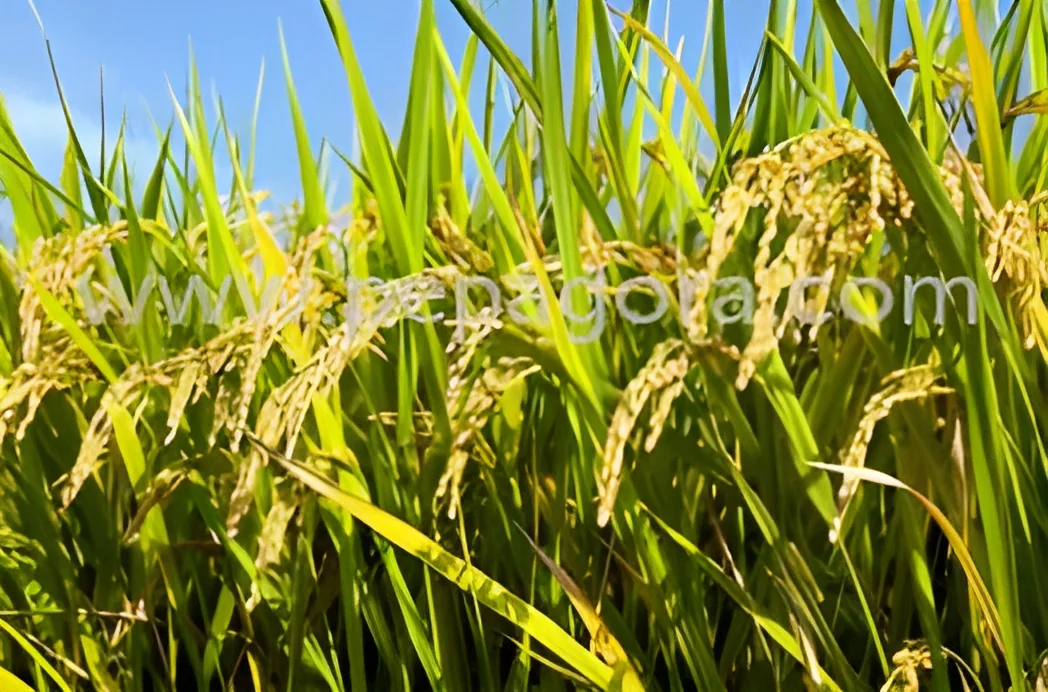
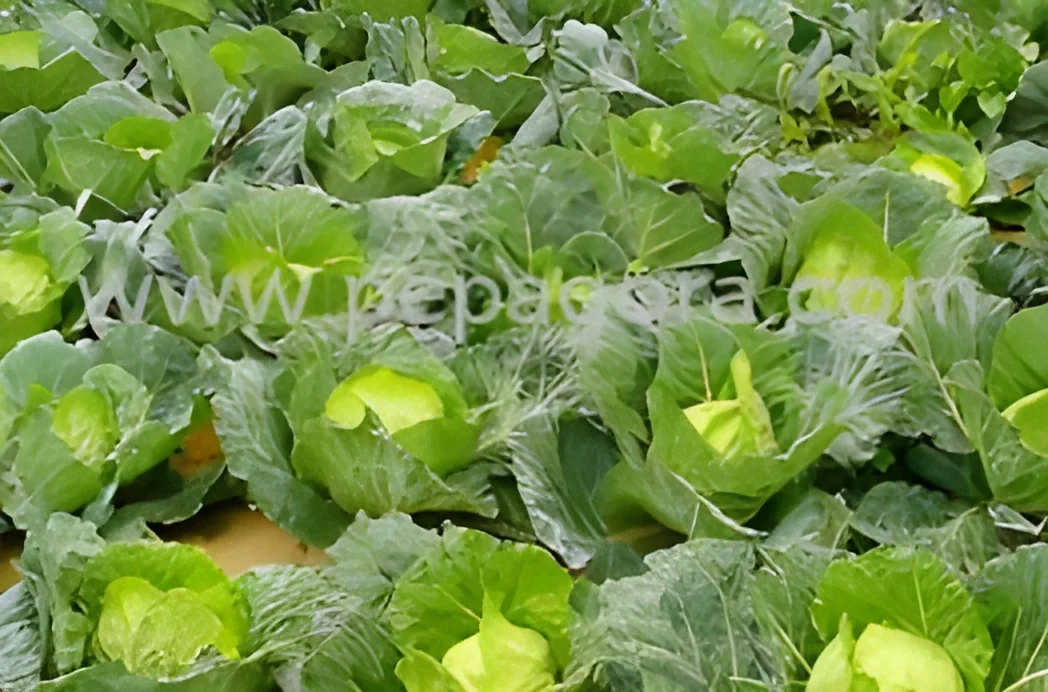
1. Agriculture: In farming, herbicides are essential for controlling weeds that can hinder crop growth, thus improving yields and reducing the need for manual labor.
2. Landscaping: Landscaping companies use herbicides to maintain clean and attractive outdoor spaces, managing weeds around flower beds, shrubs, and lawns.
3. Turf Management: Professionals managing sports fields, golf courses, and parks rely on herbicides to ensure healthy grass growth and optimal playing conditions.
4. Forestry: In forestry, herbicides assist in managing unwanted vegetation that competes with tree growth, promoting healthier forests.
5. Environmental Restoration: Herbicides can be employed in ecological restoration projects to eliminate invasive plant species that threaten native ecosystems.
6. Industrial Sites: In industrial settings, herbicides help control vegetation that may interfere with operations, ensuring safety and compliance with regulations.
7. Roadside Management: Highway maintenance crews apply herbicides to control weeds along roadsides, enhancing visibility and preventing damage to infrastructure.
Product Variants and Subcategories
Herbicides come in various formulations and types to suit different needs and applications.
Pre-emergent Herbicides: These are applied before weeds germinate, providing a preventative approach to weed management. They create a barrier in the soil that inhibits seedling growth.
Post-emergent Herbicides: Designed for application after weeds have emerged, these herbicides target existing weed populations and are effective in controlling mature weeds.
Selective Herbicides: These products target specific weed species while leaving desirable plants unharmed, making them ideal for agricultural crops and landscaped areas.
Non-selective Herbicides: These herbicides kill all plants they come into contact with, making them suitable for clearing areas or preparing land for new planting.
Benefits and Advantages
Herbicides offer numerous benefits that make them indispensable in various applications.
1. Increased Crop Yields: Herbicides help eliminate weed competition, allowing crops to grow more efficiently and produce higher yields.
2. Labor Cost Reduction: By reducing the need for manual weeding, herbicides can significantly lower labor costs for farmers and landscapers.
3. Time Efficiency: Herbicides can provide rapid results, leading to quicker land preparation and crop establishment.
4. Targeted Control: Selective herbicides allow for precise weed management, protecting desirable plants while controlling unwanted species.
5. Environmental Stewardship: Many modern herbicides are designed to minimize environmental impact, promoting sustainable agricultural practices.
6. Improved Aesthetic Value: In landscaping and turf management, herbicides help maintain visually appealing outdoor spaces free from weeds.
Buying Guide for B2B Buyers
When sourcing herbicides, B2B buyers should consider several key factors to ensure they make informed purchasing decisions.
1. Quality Assessment: Buyers should evaluate the quality of herbicides based on efficacy, active ingredients, and formulation types. It's essential to select products that meet industry standards for performance.
2. Supplier Verification: Vetting suppliers is crucial. Buyers should look for reputable manufacturers with a track record of providing reliable products and excellent customer service.
3. Pricing and MOQ: Understanding the pricing structure and minimum order quantities (MOQ) is vital for budgeting and planning. Buyers should compare prices across suppliers to find the best value.
4. Delivery and Lead Times: Logistics play a significant role in supply chain management. Buyers should discuss delivery timelines and ensure they align with their operational needs.
5. Compliance Requirements: Buyers must be aware of regulatory compliance and safety standards associated with herbicides. This includes understanding local laws and obtaining any necessary certifications.
Compliance and Certifications
Herbicides must adhere to various compliance and certification standards to ensure safety and effectiveness.
Relevant quality standards such as ISO 9001 focus on quality management systems, ensuring that manufacturers maintain high production quality. Other standards, like HACCP, help identify potential hazards in the production process and establish protocols to mitigate risks.
Industry certifications, such as CE marking, indicate that the product meets European health, safety, and environmental protection standards. Meeting these certifications is crucial for market acceptance and regulatory compliance.
Safety and testing requirements are also essential, as herbicides must undergo rigorous testing to evaluate their effects on human health and the environment. This includes assessments of toxicity and potential ecological impacts.
Regional compliance considerations vary by location and may include specific local regulations governing the use and distribution of herbicides. Buyers should familiarize themselves with these requirements to ensure compliance before purchasing.
Why Source Herbicides from Pepagora?
Pepagora provides a trusted platform for sourcing herbicides, offering several key advantages to B2B buyers.
Verified Supplier Network: Pepagora has established a rigorous verification process for suppliers, ensuring that buyers are connected with reputable manufacturers. This builds confidence in product quality and supplier reliability.
Streamlined RFQ Process: The request for quotation (RFQ) system simplifies the procurement process. Buyers can easily compare offers from multiple suppliers, allowing for informed decisions based on pricing and specifications.
Trade Assurance and Support: Pepagora offers buyer protection through trade assurance, which safeguards transactions and ensures that buyers receive the products as described. This support helps mitigate risks associated with purchasing.
Regional Coverage: With a strong presence in India, the GCC, and Southeast Asia, Pepagora connects buyers with suppliers across these regions. This geographic reach enhances access to a diverse range of herbicides, catering to various market needs.

 IN
IN