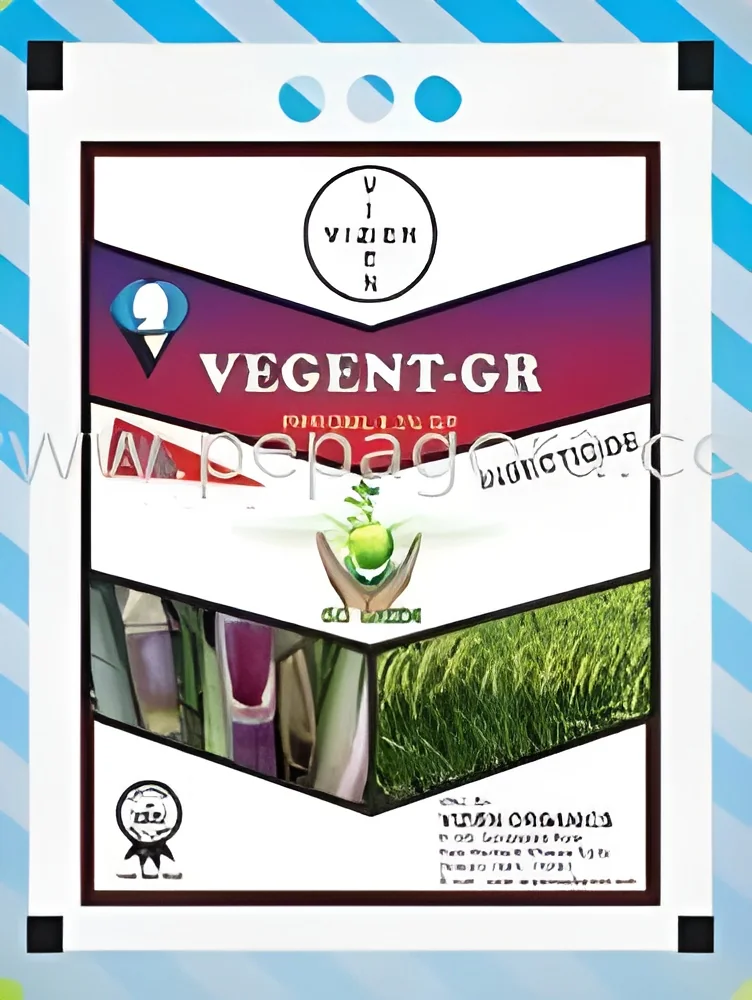
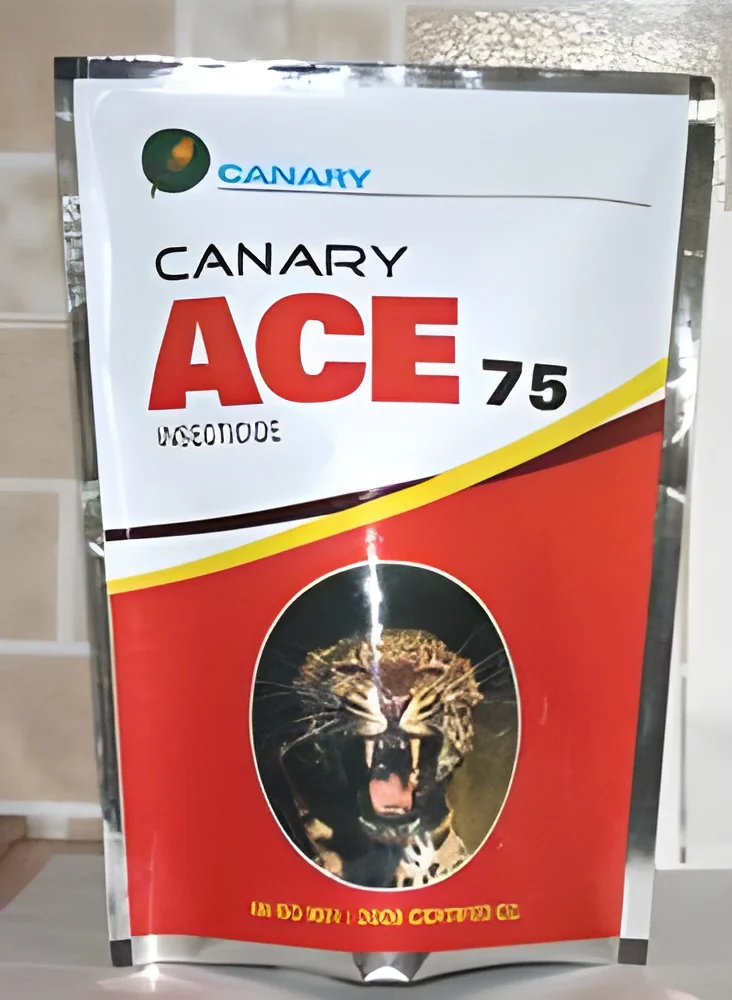
What are Insecticides?
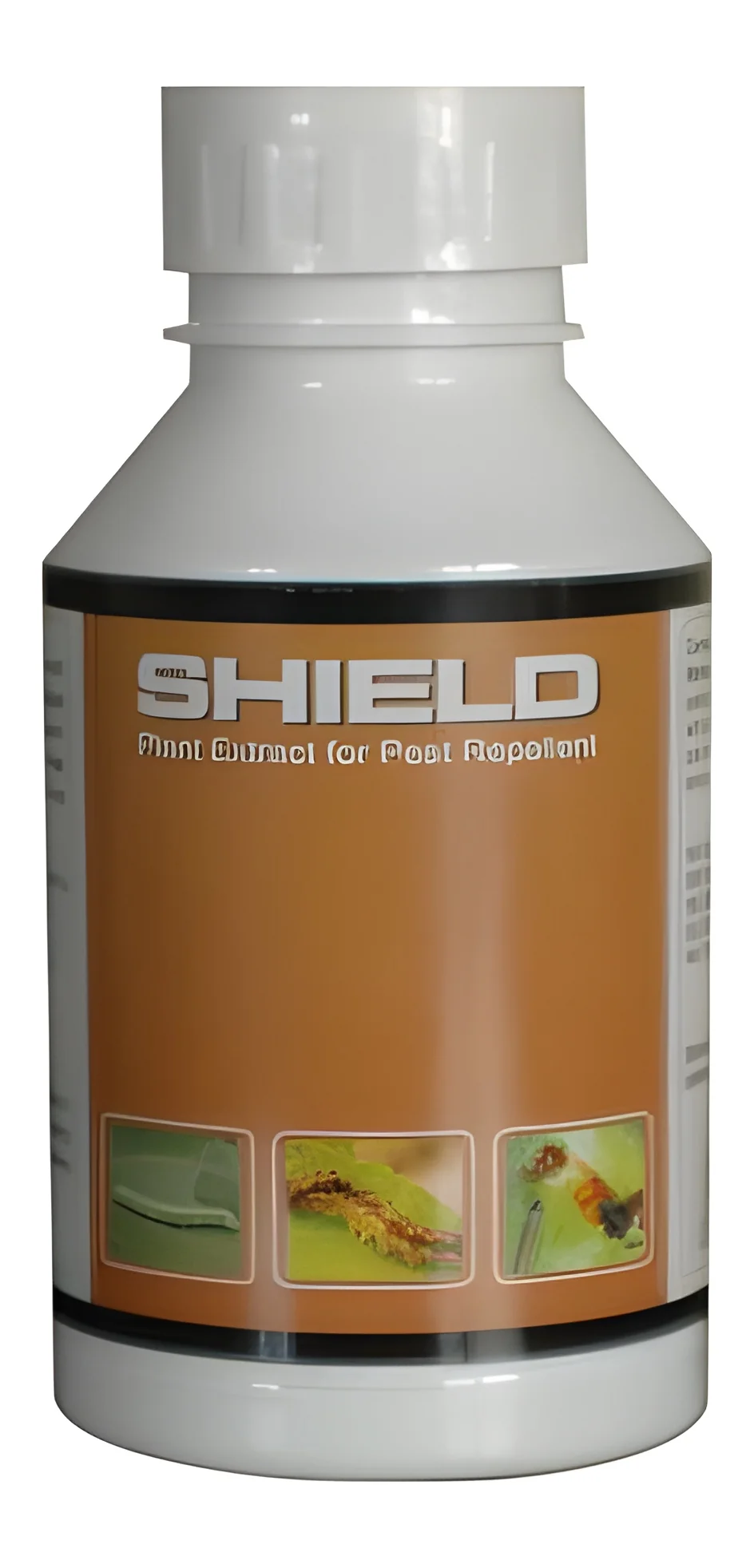
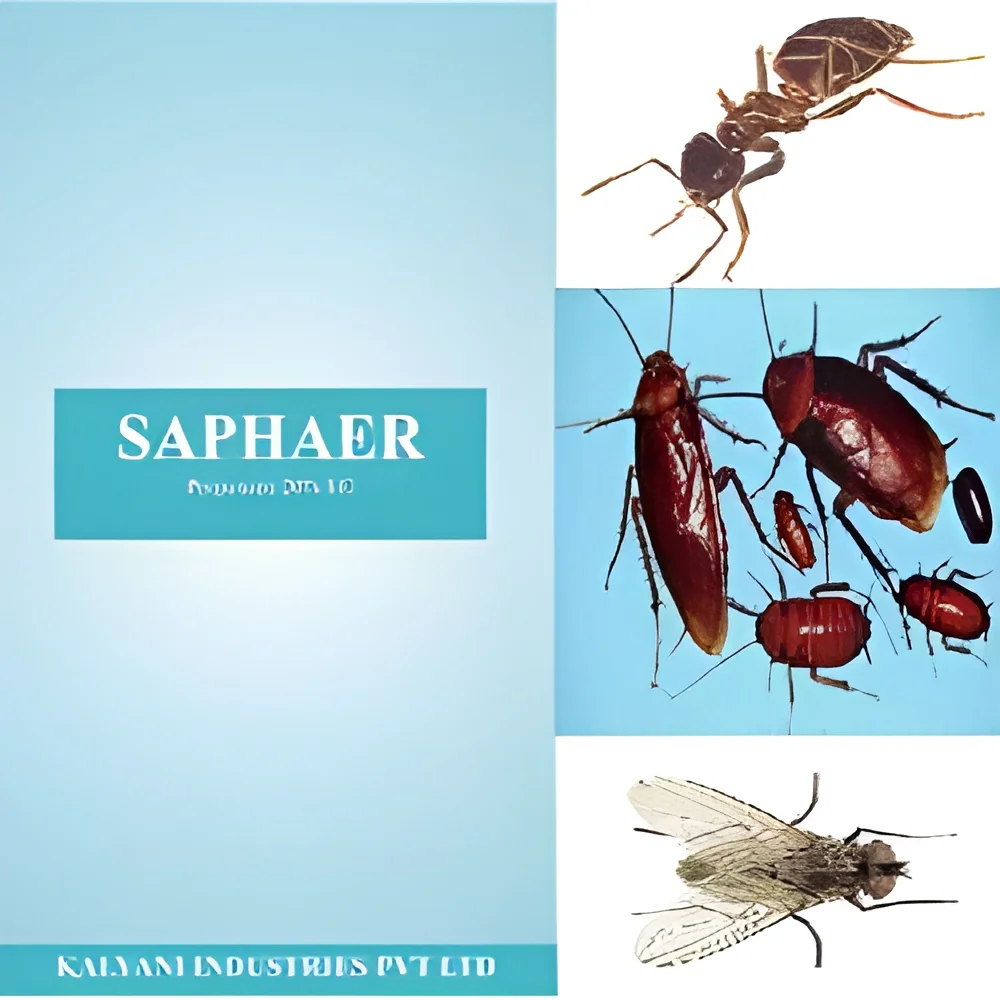
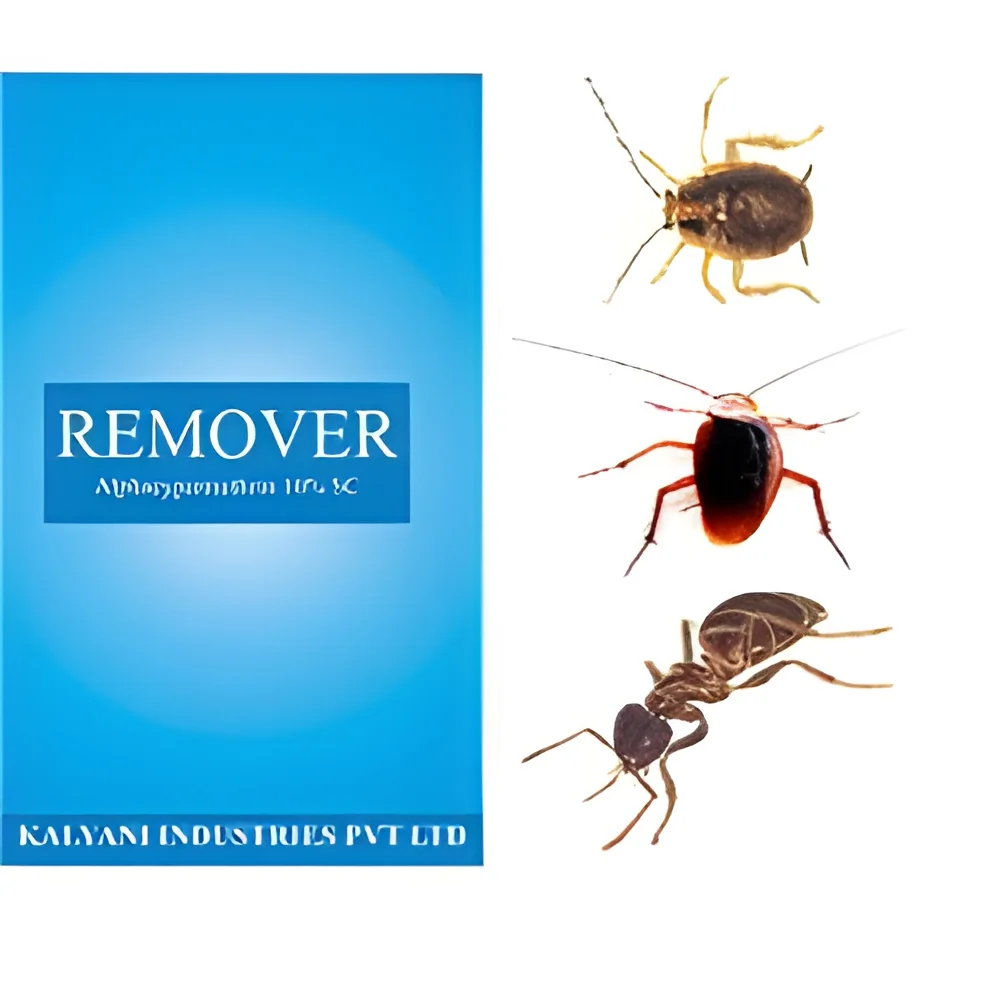
Insecticides are chemical substances designed to kill, repel, or control insects that pose a threat to crops, livestock, and human health. These products play a crucial role in agriculture, pest management, and public health initiatives by targeting specific insect species while minimizing harm to non-target organisms. The formulations can vary widely, including sprays, granules, and baits, each tailored to specific applications and environments.
The primary uses of insecticides encompass agricultural practices, where they protect valuable crops from insect-related damage. In residential and commercial settings, they help maintain hygiene and prevent the spread of diseases carried by pests. Furthermore, insecticides are utilized in various industries, including food processing, landscaping, and pest control services. The market for insecticides is significant, driven by the ongoing need for effective pest management solutions in an ever-changing environment.
Key Features and Specifications
Insecticides are characterized by several key features that determine their effectiveness and suitability for different applications. Understanding these specifications can help businesses make informed purchasing decisions.
Key specifications include:
1. Active Ingredient
- The chemical component responsible for insecticidal activity.
- Varies depending on the target pest; examples include pyrethroids and neonicotinoids.
2. Formulation Type
- The physical form of the insecticide, such as liquid, granule, or aerosol.
- Influences application method and user handling requirements.
3. Target Pests
- Specific insects that the insecticide is designed to control.
- Can include pests like aphids, beetles, and mosquitoes.
4. Application Method
- The way the insecticide is applied, such as spraying or baiting.
- Affects the effectiveness and safety of the product.
5. Residual Activity
- The duration of time the insecticide remains effective after application.
- Important for determining the frequency of re-application.
6. Environmental Impact
- Assessment of potential effects on non-target organisms and ecosystems.
- Considerations include toxicity levels and biodegradability.
7. Regulatory Compliance
- Adherence to local and international regulations regarding use and safety.
- Ensures that products meet necessary safety and efficacy standards.
Insecticides are engineered to meet specific needs, and understanding these features helps businesses choose the right products for their applications.
Common Applications and Use Cases
Insecticides find application across a variety of industries, addressing specific challenges related to pest control.
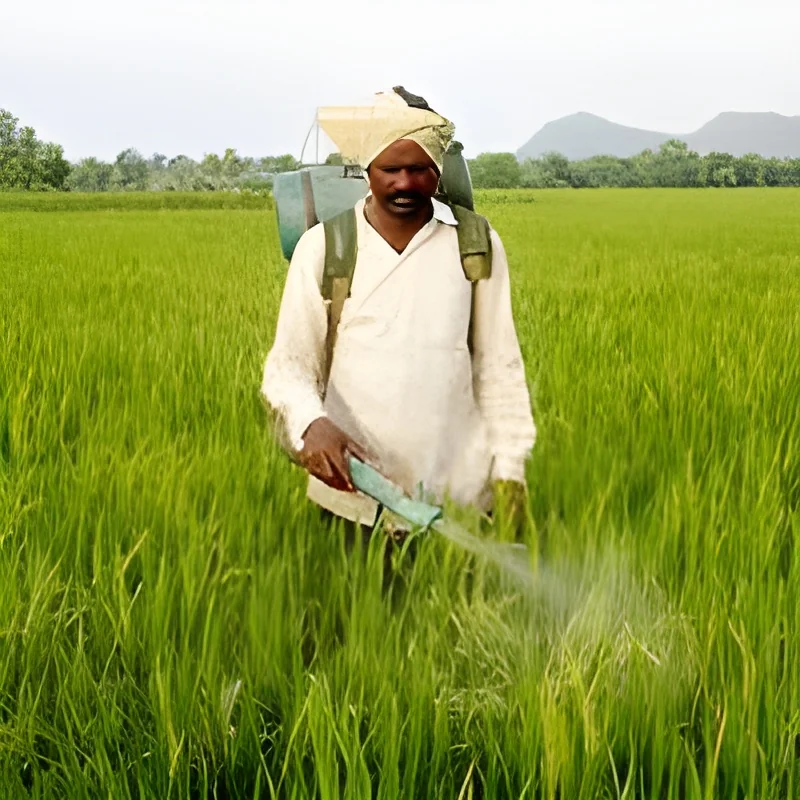
1. Agriculture: Insecticides are widely used in farming to protect crops from destructive insects. They help increase yield and ensure food security by minimizing crop losses.
2. Public Health: These products are essential in controlling disease vectors, such as mosquitoes that spread malaria and dengue fever, contributing to healthier communities.
3. Food Processing: Insecticides are employed in food storage facilities to prevent infestations that can lead to contamination and spoilage.
4. Landscaping: Used in commercial and residential landscaping, insecticides help maintain aesthetic appeal by controlling pests that damage plants.
5. Pest Control Services: Professional pest management companies use insecticides as part of integrated pest management strategies to protect homes and businesses from infestations.
6. Veterinary Medicine: Insecticides are utilized in animal health to control external parasites that affect livestock and pets.
7. Urban Environments: Insecticides play a crucial role in managing urban pests, ensuring public spaces and buildings are free from harmful insects.
Product Variants and Subcategories
Insecticides come in various forms, each designed for specific applications and environments.
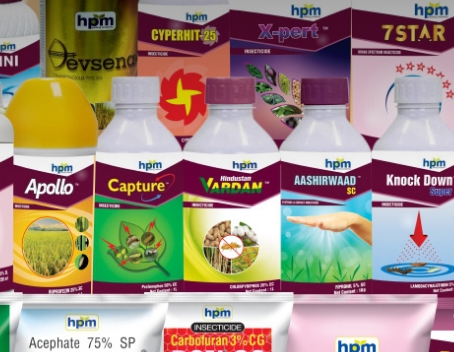
Liquid Insecticides: These are versatile formulations that can be sprayed or mixed with water for application. They provide rapid action against pests and are suitable for large-scale agricultural use.
Granular Insecticides: Often used in soil treatments, these products are applied in solid form and dissolve over time to release active ingredients. They are effective for controlling pests in gardens and agricultural fields.
Aerosol Insecticides: Ideal for indoor use, aerosol formulations allow for easy application in confined spaces. They are often used in households to manage household pests.
Benefits and Advantages
Insecticides provide numerous benefits that are critical for effective pest management.
1. Enhanced Crop Protection: Insecticides safeguard crops from harmful insects, leading to higher agricultural productivity.
2. Improved Public Health: By controlling vectors that transmit diseases, insecticides help reduce health risks to communities.
3. Cost-Effectiveness: Effective pest management through insecticides can lead to significant cost savings by minimizing crop losses and associated economic impacts.
4. Versatility: Insecticides come in various formulations suitable for different environments, ensuring flexibility in pest control strategies.
5. Rapid Action: Many insecticides act quickly, providing immediate relief from pest infestations.
6. Continuous Improvement: Ongoing research and development lead to the creation of more efficient and environmentally friendly insecticides.
Buying Guide for B2B Buyers
When sourcing insecticides, it is essential for businesses to consider several factors to ensure they select the right products.
1. Quality Assessment: Evaluate the quality of insecticides by reviewing active ingredients and formulations. Look for products that meet recognized safety and efficacy standards.
2. Supplier Verification: Conduct thorough background checks on potential suppliers. Ensure they have a good reputation and adhere to regulatory guidelines.
3. Pricing and MOQ: Consider the cost of insecticides and the minimum order quantity. Balance budget constraints with the need for quality products.
4. Delivery and Lead Times: Assess suppliers' logistics capabilities to ensure timely delivery. Understand lead times to avoid disruptions in pest management efforts.
5. Compliance Requirements: Familiarize yourself with local regulations governing the use of insecticides. Ensure that products comply with safety standards and environmental regulations.
Compliance and Certifications
Insecticides must adhere to various quality standards and certifications to ensure safety and efficacy in their use.
ISO 9001 is a relevant standard that focuses on quality management systems. Compliance with this standard indicates that manufacturers have a structured approach to maintaining product quality.
CE certification is another important aspect, particularly for products marketed in the European Union. It signifies that the insecticide meets health, safety, and environmental protection standards.
Safety and testing requirements are crucial for ensuring that insecticides do not pose risks to users or non-target organisms. This includes rigorous testing for toxicity and environmental impact.
Regional compliance considerations can vary significantly. Businesses must stay informed about local regulations governing the use, sale, and distribution of insecticides to ensure compliance.
Why Source Insecticides from Pepagora?
Pepagora is a trusted platform for sourcing insecticides, offering several advantages for B2B buyers.
Verified Supplier Network: Pepagora provides access to a network of verified suppliers, ensuring that businesses can source high-quality insecticides from reputable manufacturers. This reduces the risk of purchasing substandard products.
Streamlined RFQ Process: The platform features an efficient request for quotation (RFQ) system that simplifies the procurement process. Buyers can easily request quotes from multiple suppliers, making it easier to compare prices and quality.
Trade Assurance and Support: Pepagora offers trade assurance to protect buyers during transactions. The platform provides support, helping businesses navigate any challenges that may arise during the purchasing process.
Regional Coverage: With a strong presence in India, the GCC, and Southeast Asia, Pepagora facilitates access to a diverse range of insecticides tailored to regional needs. This geographic reach enhances sourcing flexibility for businesses looking to manage pest control effectively.

 IN
IN