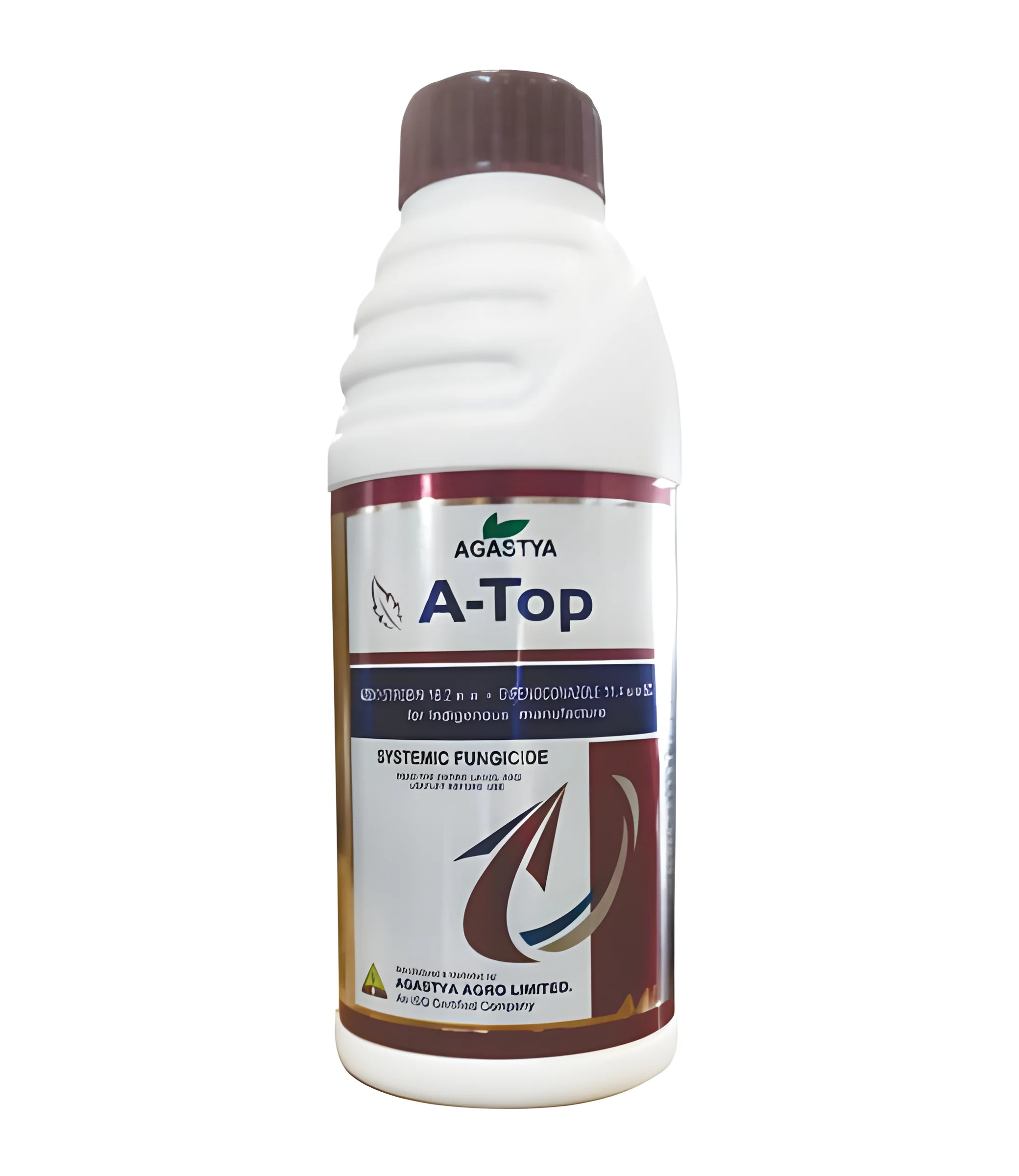
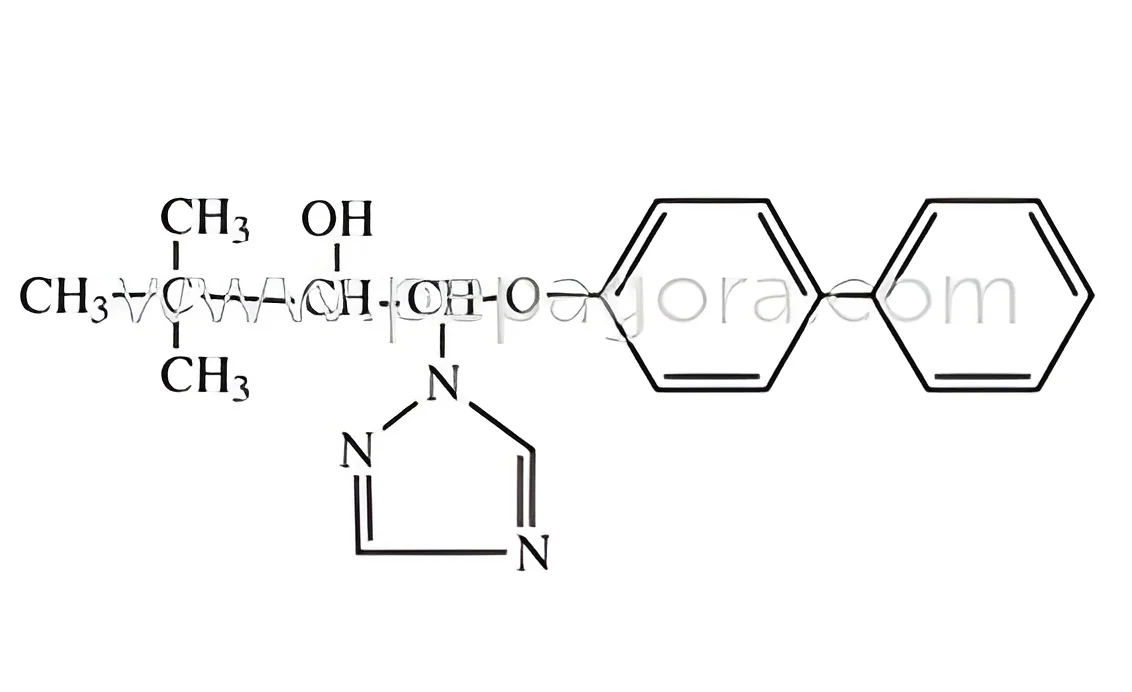
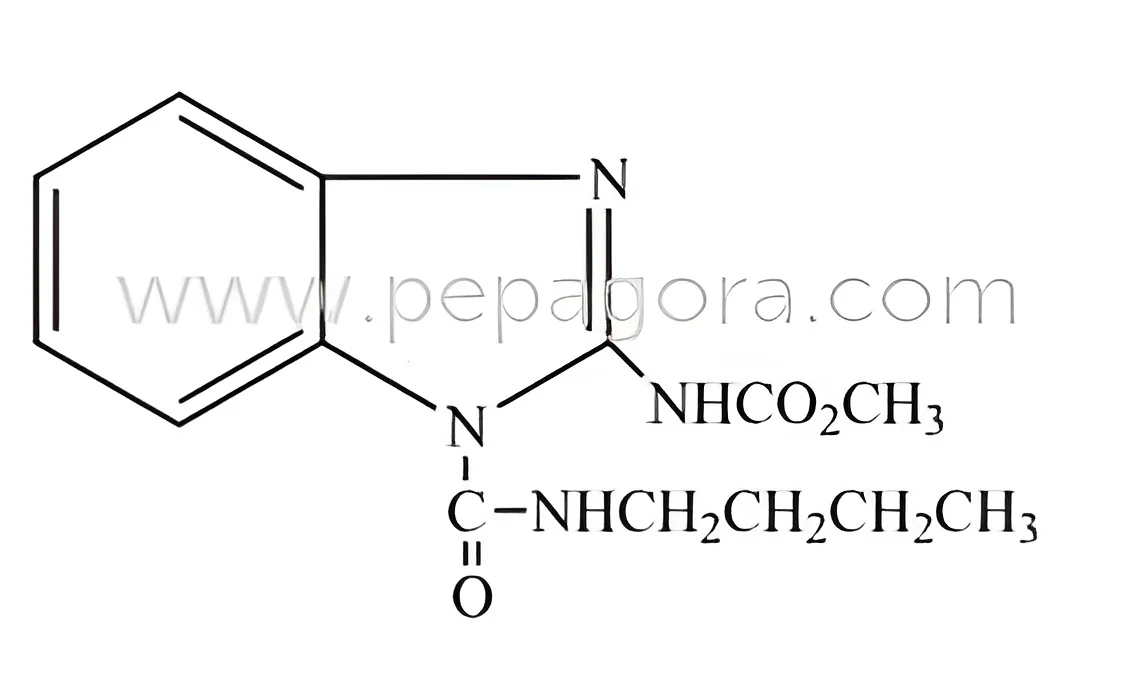
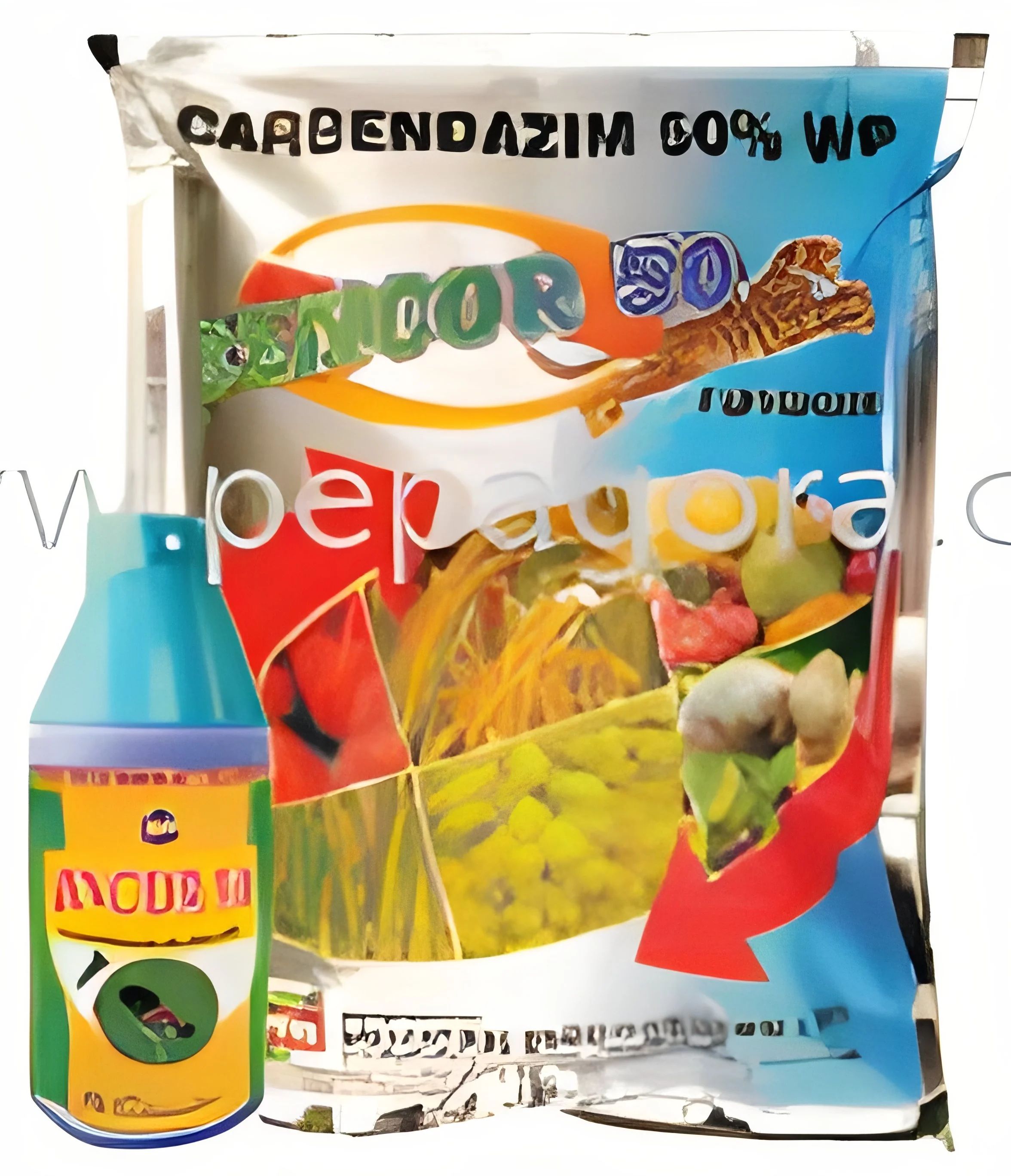
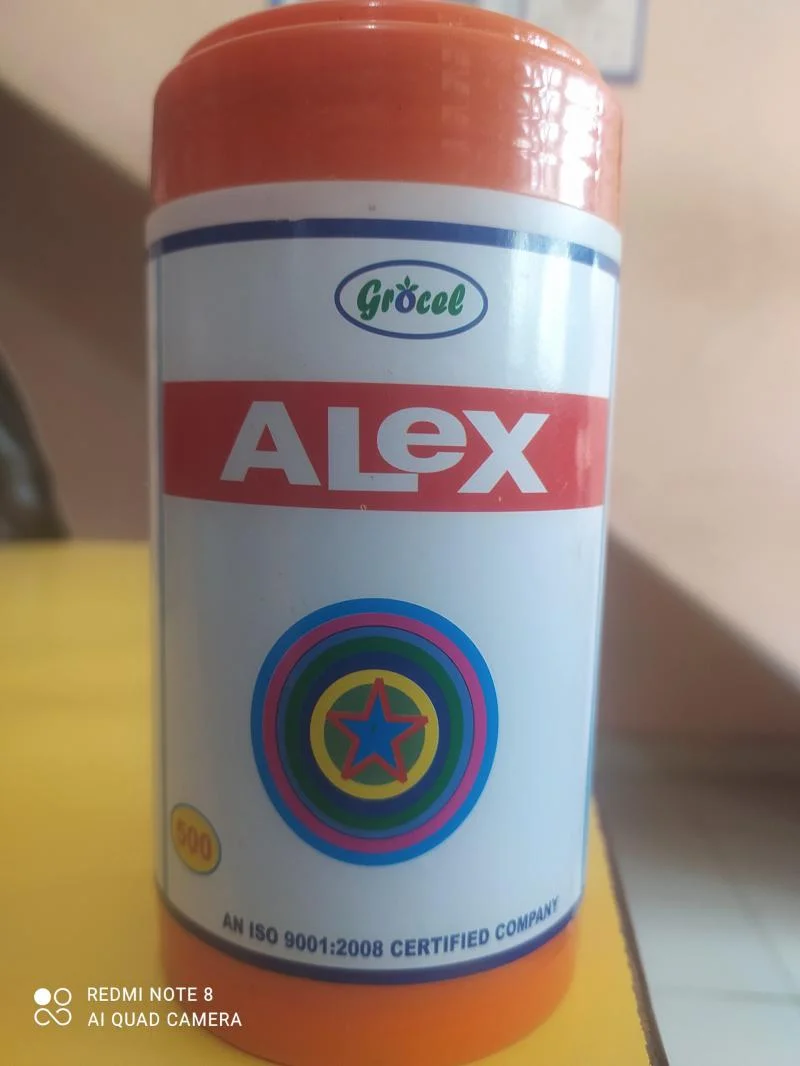
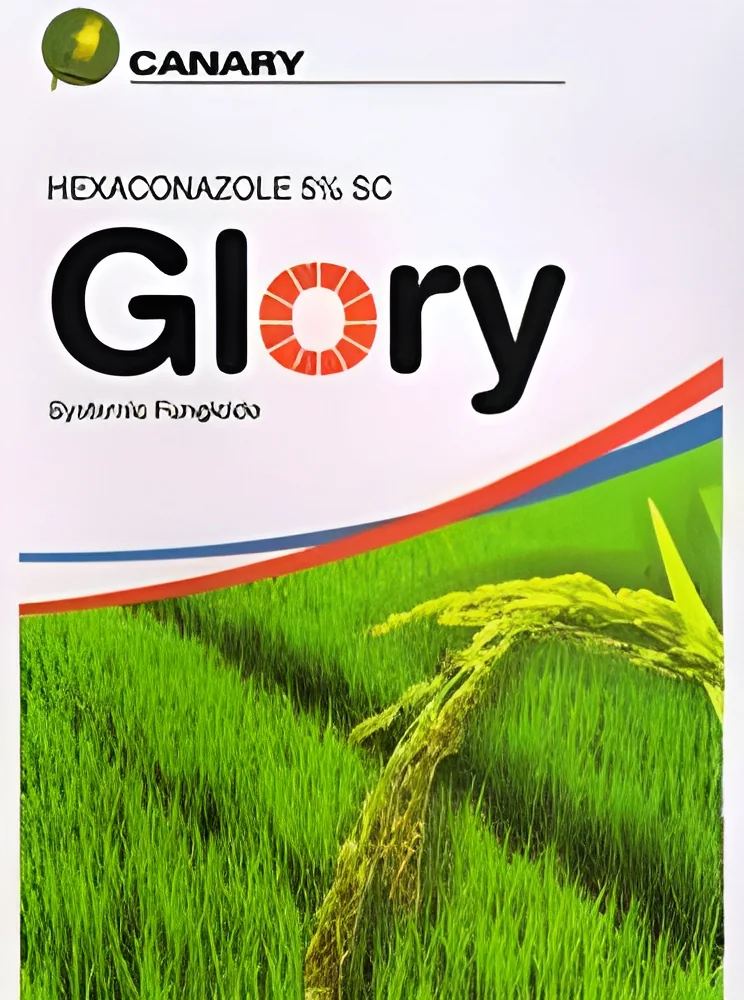
What are Fungicides?
Fungicides are chemical compounds designed to inhibit the growth of fungi and fungal spores. These substances are critical in agricultural practices, as they help protect crops from diseases caused by fungi, which can lead to significant yield losses. Fungicides work by disrupting the cellular processes of fungal organisms, effectively preventing them from reproducing and spreading.
In business applications, fungicides are widely used in agriculture, horticulture, and turf management. They are essential for maintaining the health of crops, fruits, vegetables, and ornamental plants. By controlling fungal infections, these products help ensure a stable supply of food and maintain the aesthetic value of landscapes. The relevance of fungicides in the market continues to grow as the demand for high-quality agricultural products increases and as farmers face challenges from evolving fungal pathogens.
Key Features and Specifications
Fungicides come with various features and specifications that allow them to effectively combat fungal diseases. Understanding these specifications is essential for businesses looking to select the right product for their needs.
Key specifications include:
1. Chemical Composition
- Active ingredients that target specific fungal pathogens
- Variations in formulation, such as liquid, granule, or powder
2. Application Method
- Options for foliar, soil, or seed treatment
- Compatibility with various agricultural equipment
3. Efficacy Spectrum
- Range of fungal diseases controlled
- Specificity to certain crop types
4. Residual Activity
- Duration of effectiveness after application
- Degradation rates in various environmental conditions
5. Safety Profile
- Toxicity levels to humans, animals, and beneficial insects
- Environmental impact assessments
6. Registration Status
- Compliance with local agricultural regulations
- Availability of safety data sheets
In summary, the right fungicide choice hinges on its chemical composition, application method, efficacy, residual activity, safety profile, and regulatory status.
Common Applications and Use Cases
Fungicides find utility across several industries, helping to safeguard crops and enhance productivity.
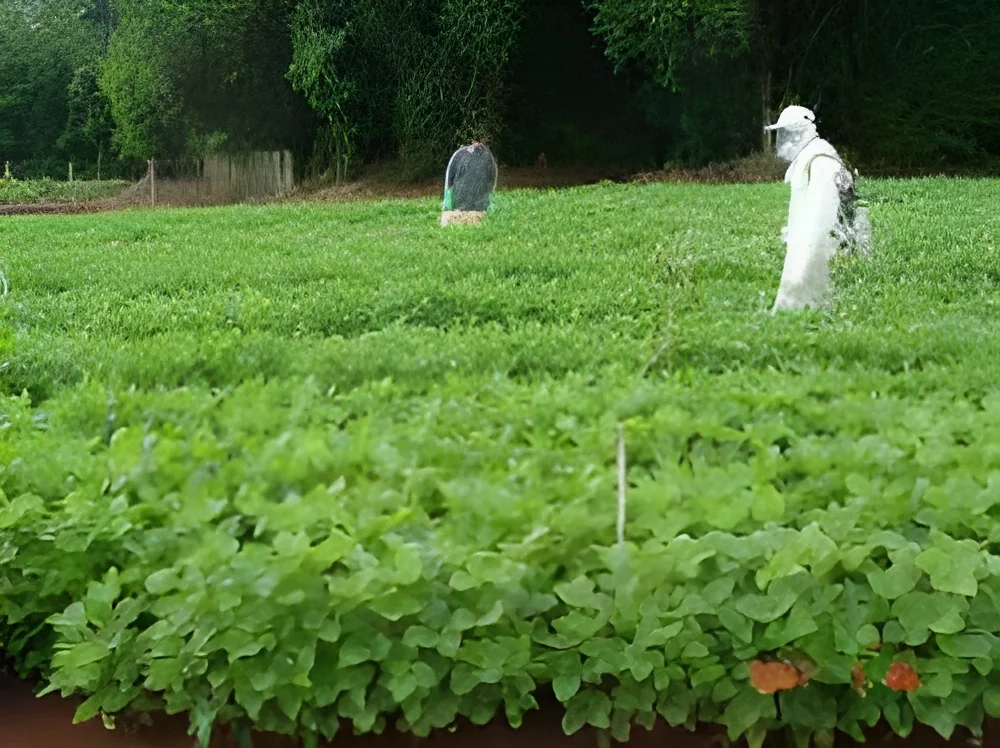
1. Agriculture: In crop production, fungicides protect grains, fruits, and vegetables from fungal diseases that can decimate yields.
2. Horticulture: Ornamental plants and landscaping are preserved from diseases through the application of fungicides, ensuring vibrant and healthy displays.
3. Turf Management: Golf courses and sports fields utilize fungicides to maintain healthy turf and prevent diseases that can damage grass.
4. Viticulture: Winemaking relies on fungicides to protect grapevines from mold and mildew, ensuring the quality of wine production.
5. Greenhouse Cultivation: Controlled environments benefit from fungicides to manage diseases in a variety of plants, enhancing growth and profitability.
6. Forestry: Timber and non-timber forest products are protected from fungal threats that could compromise forest health and economic value.
Product Variants and Subcategories
Fungicides are diverse, catering to different needs and applications in various sectors.
Broad-Spectrum Fungicides
These fungicides offer protection against a wide range of fungal pathogens, making them suitable for general agricultural use. They can be applied to multiple crops, providing flexibility for farmers.
Systemic Fungicides
Systemic variants are absorbed by plants and provide long-lasting protection from within. They are particularly effective against persistent fungal infections and are often used in high-value crops.
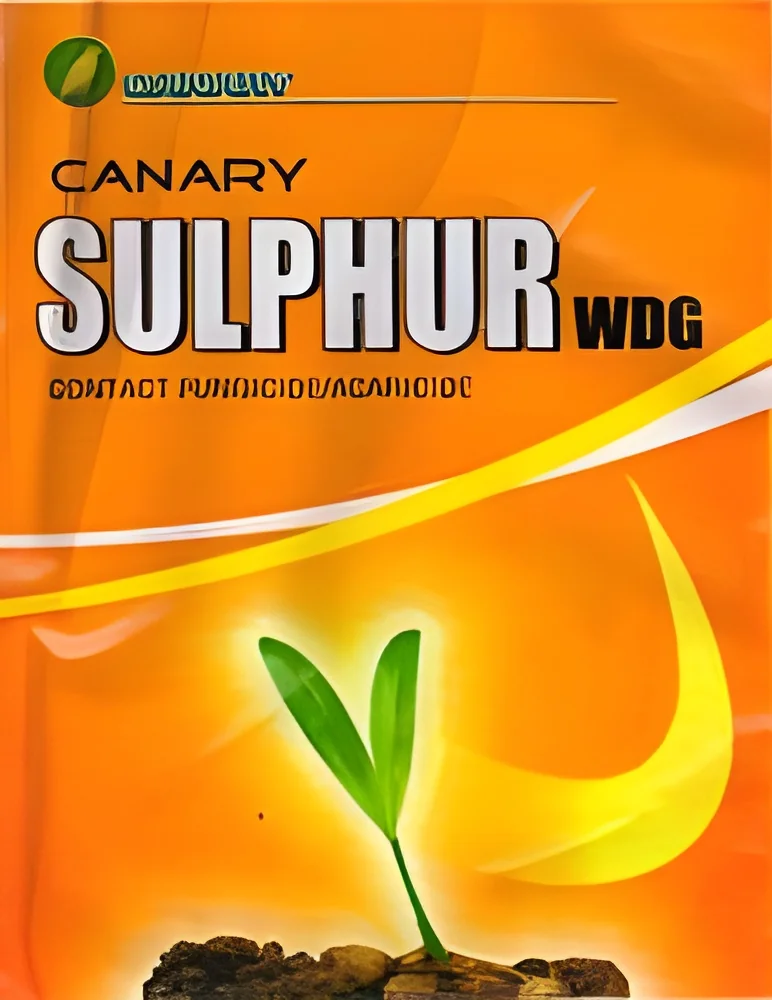
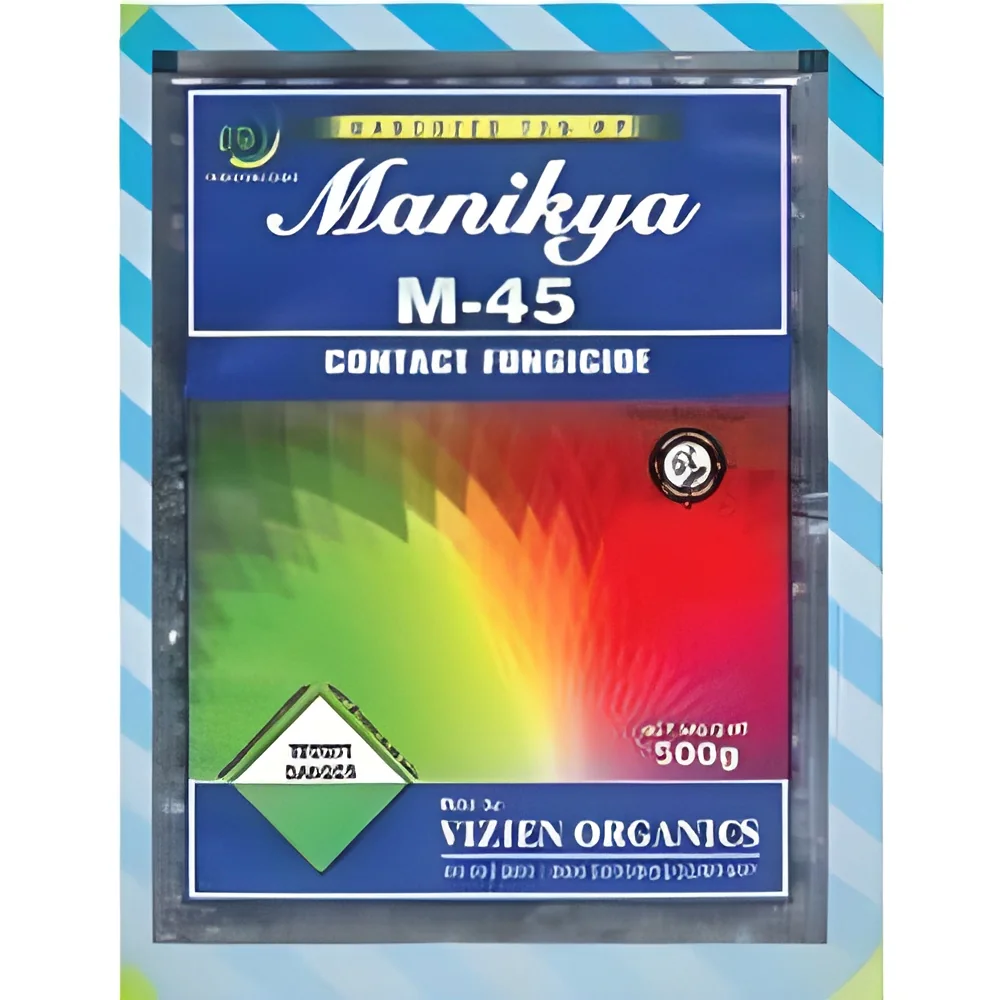
Contact Fungicides
These products remain on the surface of plants, providing immediate protection. They are typically used as a preventative measure against fungal infections.
Curative Fungicides
Curative types target existing infections, helping to manage outbreaks effectively. They are crucial in situations where immediate action is required to save affected crops.
Benefits and Advantages
Fungicides offer numerous benefits that can significantly enhance agricultural productivity and crop health.
1. Disease Control: They effectively manage and prevent the spread of fungal diseases, protecting crop yield.
2. Increased Yield: By mitigating disease impact, fungicides can lead to higher production levels and improved profitability.
3. Versatility: Fungicides can be used across various crops, making them adaptable to different agricultural practices.
4. Improved Quality: Application of fungicides can enhance the quality of produce by preventing blemishes and deterioration caused by fungal infections.
5. Extended Shelf Life: Treated crops often have a longer shelf life, reducing post-harvest losses.
6. Compliance Support: Many fungicides meet industry safety and environmental standards, aiding businesses in regulatory compliance.
Buying Guide for B2B Buyers
When sourcing fungicides, several key factors should be considered to ensure a successful purchase.
1. Quality Assessment: Evaluate the product’s effectiveness and safety by reviewing specifications and efficacy data. Look for independent testing results to confirm claims.
2. Supplier Verification: Research suppliers to ensure they are reputable and provide quality products. Check for certifications and customer reviews.
3. Pricing and MOQ: Understand the pricing structure and minimum order quantities required by suppliers. Compare costs across different vendors to find the best deal.
4. Delivery and Lead Times: Confirm logistics details, including delivery times and shipping options, to ensure timely availability of products for your operations.
5. Compliance Requirements: Ensure that the fungicides meet local and regional regulatory standards, including safety and environmental compliance.
Compliance and Certifications
Fungicides must adhere to various compliance and certification standards to ensure their safety and effectiveness.
Relevant quality standards, such as ISO 9001, help ensure that manufacturers maintain a consistent quality management system. These standards are crucial for quality assurance in production.
Industry certifications, including CE marking, indicate that products meet European safety and health requirements. This certification assures buyers of the quality and reliability of fungicides.
Safety and testing requirements involve rigorous assessments to confirm that fungicides do not pose significant risks to human health or the environment. Regular testing ensures ongoing compliance with safety regulations.
Regional compliance considerations are also essential, as different areas may have specific regulations governing the use of agricultural chemicals. Buyers should be aware of local laws to avoid potential legal issues.
Why Source Fungicides from Pepagora?
Pepagora provides a trusted platform for sourcing fungicides, offering several key advantages to B2B buyers.
Verified Supplier Network: Pepagora has a rigorous vetting process for suppliers, ensuring that buyers are connected with reputable manufacturers. This network helps mitigate risks associated with sourcing.
Streamlined RFQ Process: The platform simplifies the request for quotation process, allowing buyers to efficiently compare prices and product details from multiple suppliers in one place.
Trade Assurance and Support: Pepagora offers trade assurance, providing buyers with protection for their purchases. Support services are available to assist with any questions or issues that may arise.
Regional Coverage: With a presence in India, the GCC, and Southeast Asia, Pepagora has a broad geographic reach. This expands sourcing opportunities and provides access to diverse fungicide products tailored to various markets.

 IN
IN