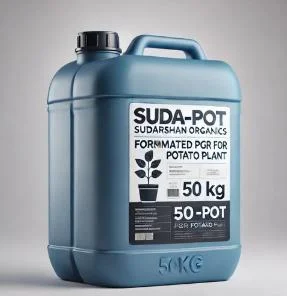
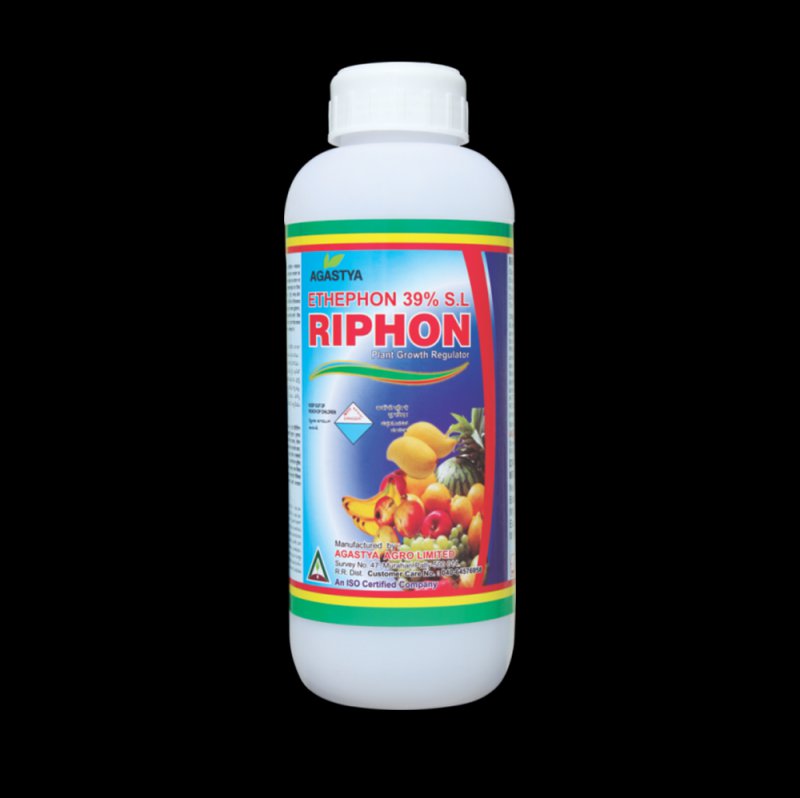
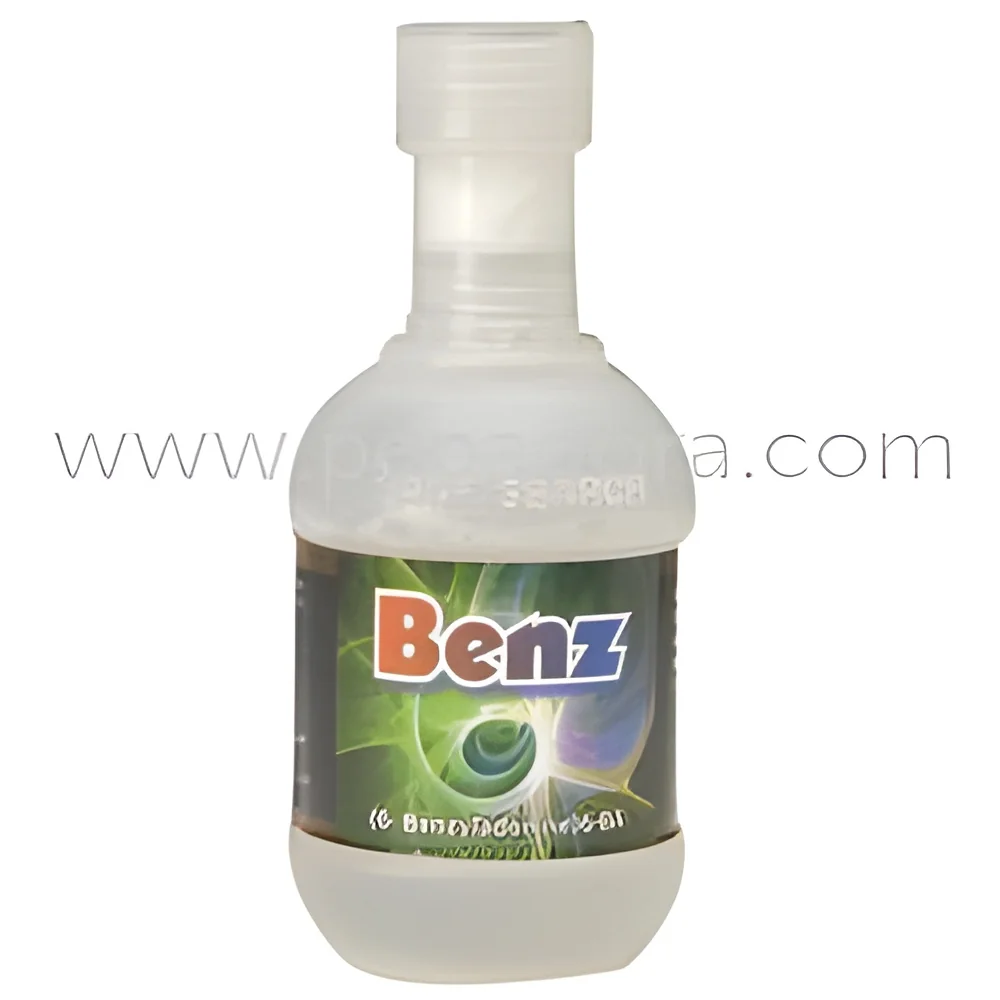
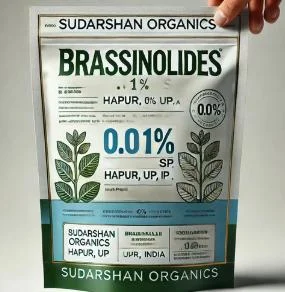
Key Features and Specifications
Plant Growth Regulators (PGRs) come with various features and specifications tailored to meet the needs of different agricultural applications. Understanding these specifications is essential for selecting the right product for specific growth requirements.
Key specifications include:
1. Active Ingredients
- The primary chemical components responsible for the growth-regulating effects.
- Typically include auxins, gibberellins, cytokinins, or abscisic acid.
2. Application Method
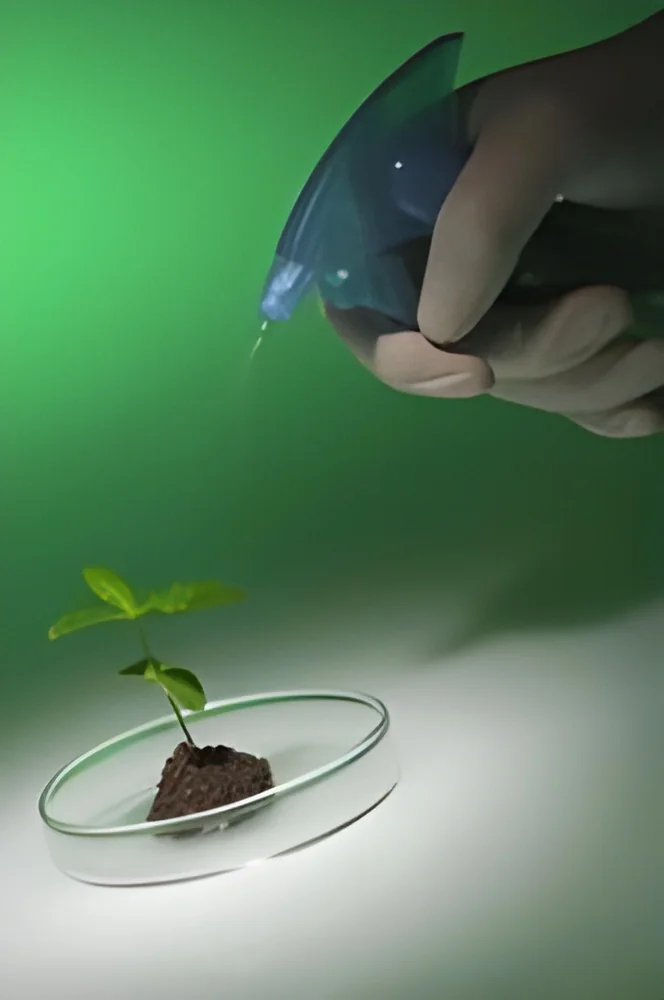
- Various application techniques such as foliar sprays, soil drenches, or seed treatments.
- Each method has specific guidelines for optimal effectiveness.
3. Concentration Levels
- The amount of active ingredient present in the formulation.
- Critical for determining dosage and application frequency.
4. Compatibility
- The ability of PGRs to mix with other agricultural chemicals.
- Important for integrated pest management and overall crop care.
5. Environmental Stability
- The stability of PGRs under varying environmental conditions.
- Essential to ensure efficacy throughout the growing season.
6. Residual Activity
- Duration of the product's effects on plant growth.
- Influences timing for subsequent applications.
7. Safety Profile
- Assessment of toxicity levels to both plants and humans.
- Important for compliance with safety regulations.
8. Packaging Options
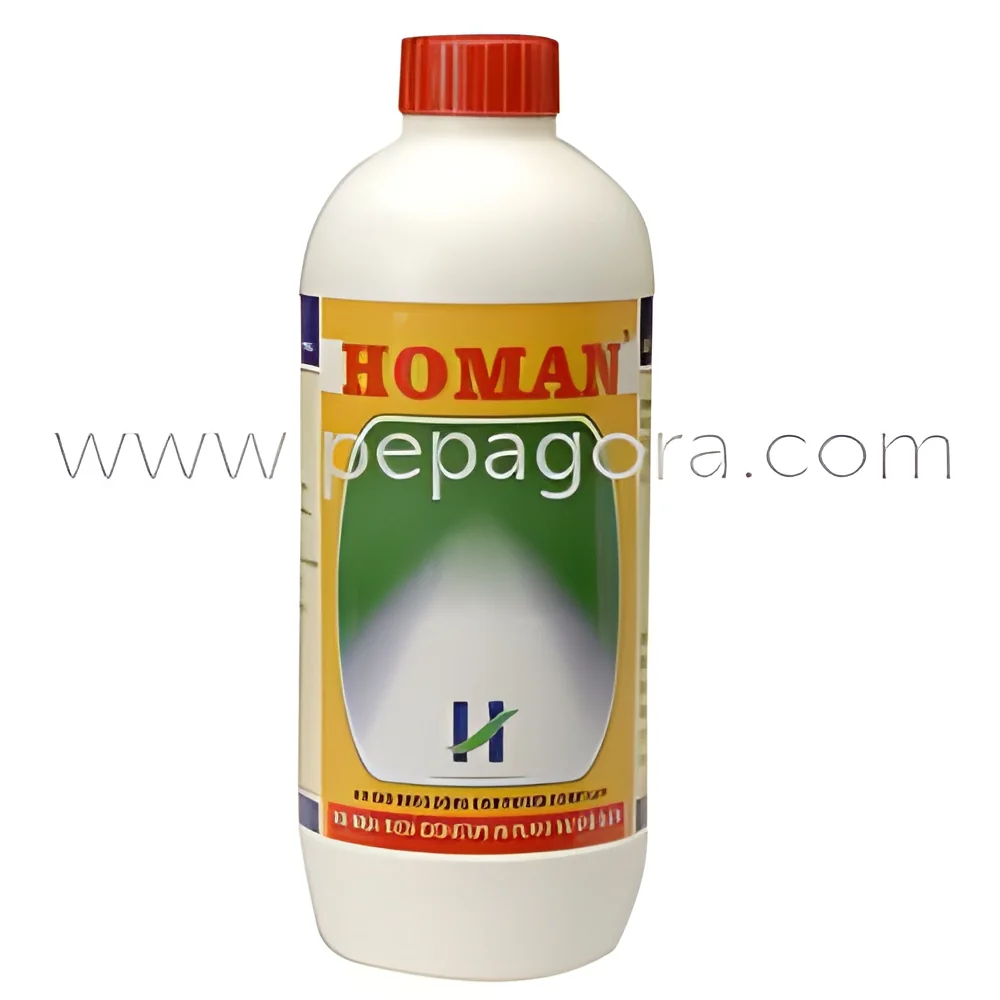
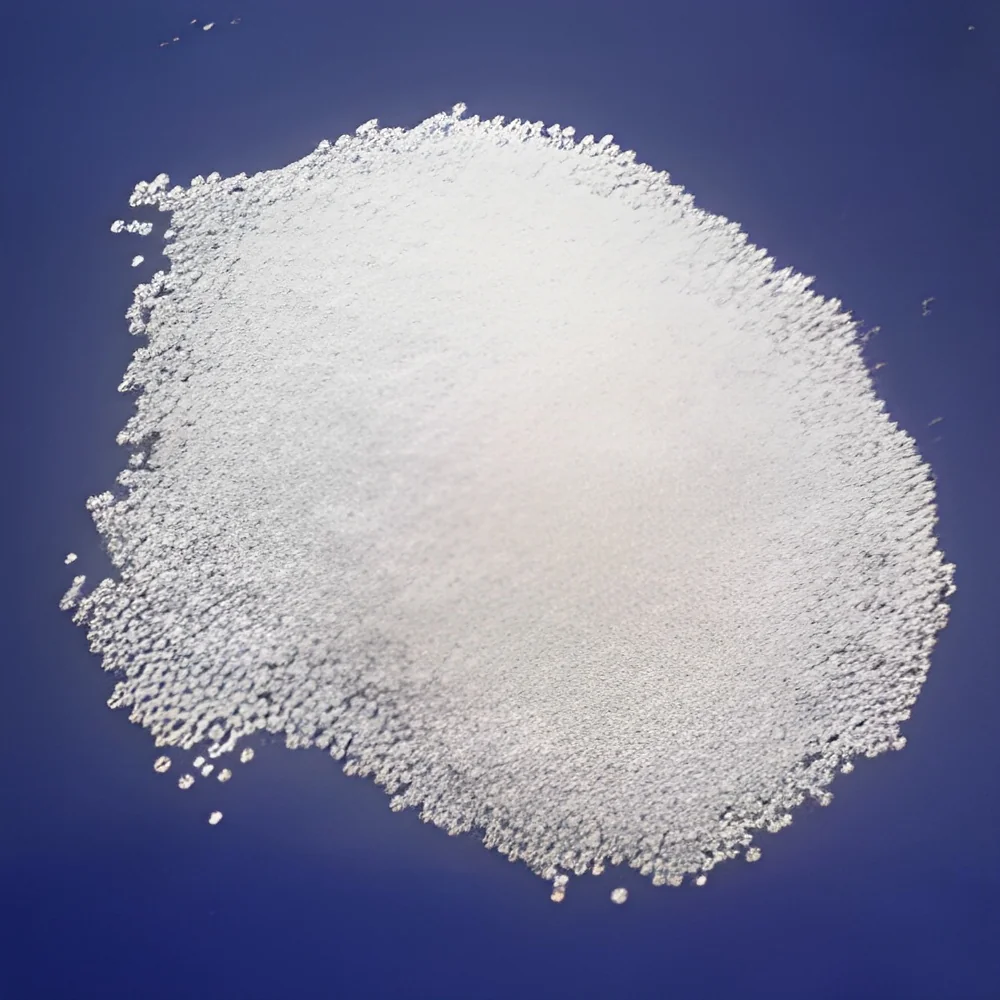
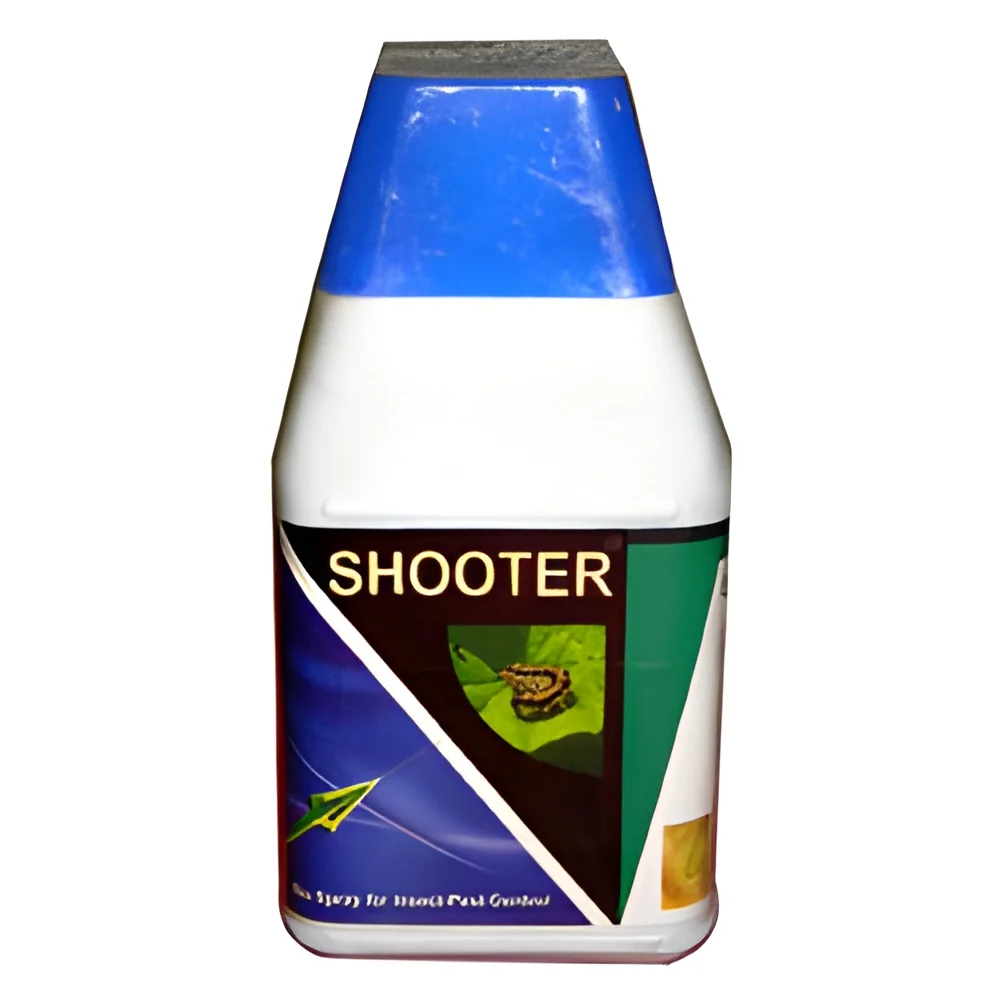
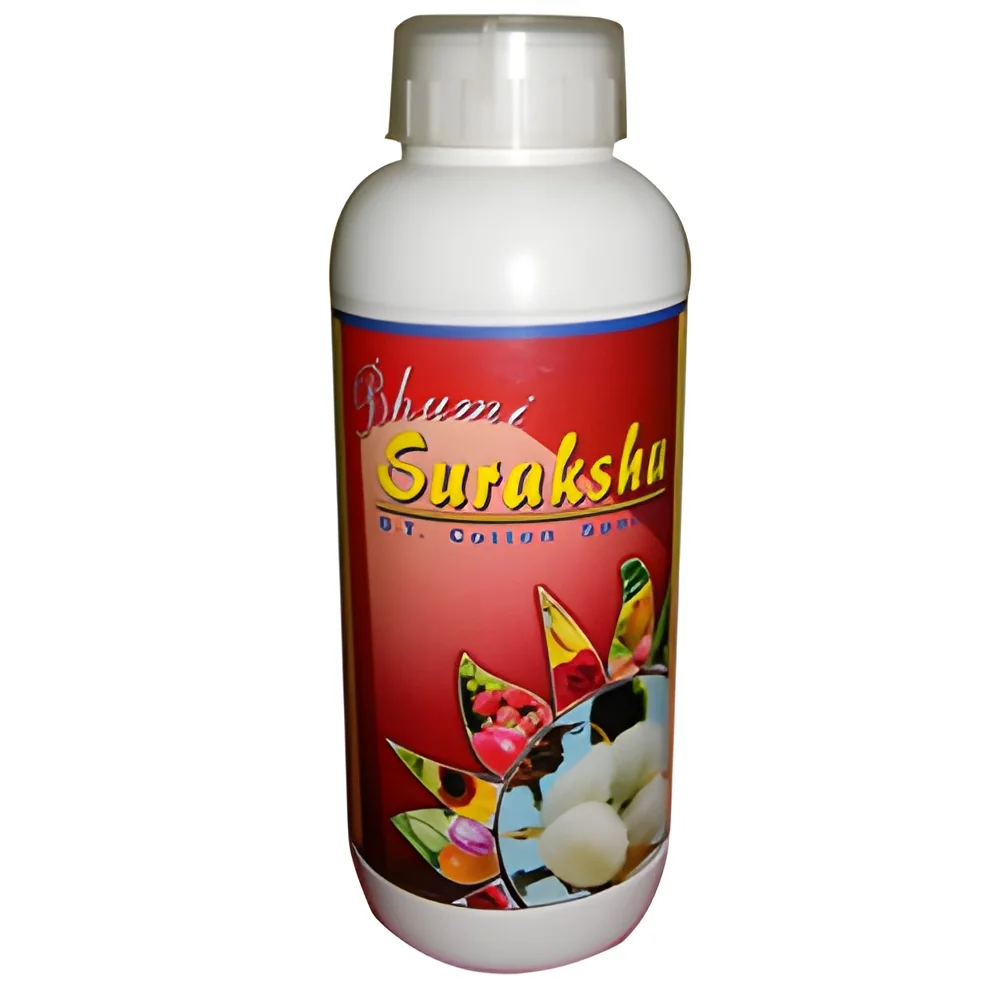
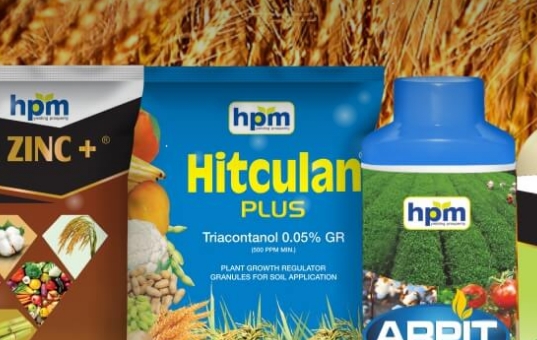
- Available in various sizes and formats, including liquid and granular forms.
- Facilitates easy handling and application based on user needs.
In summary, understanding the key features and specifications of PGRs is vital for effective plant management and optimal crop production.
Common Applications and Use Cases
Plant Growth Regulators (PGRs) find applications across multiple industries, addressing various growth-related challenges.
1. Agriculture: PGRs are extensively used to enhance crop yields and manage growth patterns in staple crops such as wheat, corn, and rice. They help in achieving uniformity in crop development and can improve resistance to environmental stresses.
2. Horticulture: In the horticultural sector, PGRs promote flowering and fruit set in ornamental plants and fruits like apples and grapes. They are also used to regulate plant height and improve overall aesthetics in landscaping.
3. Turf Management: PGRs are applied in turf management to control grass growth, reduce mowing frequency, and enhance turf quality in sports fields and golf courses.
4. Greenhouse Production: In controlled environments, PGRs are instrumental in managing plant growth, optimizing flowering times, and improving overall plant health for various ornamental and vegetable crops.
5. Forestry: In forestry management, PGRs can be used to control tree height and promote straight growth, which is beneficial for timber production.
6. Cannabis Cultivation: The cannabis industry utilizes PGRs to optimize growth cycles, enhance flower production, and improve overall plant health.
7. Nursery Production: PGRs are widely used in nursery settings to manage plant height and promote branching, leading to healthier and more marketable plants.
Product Variants and Subcategories
Plant Growth Regulators (PGRs) encompass a diverse range of formulations to cater to specific agricultural needs.
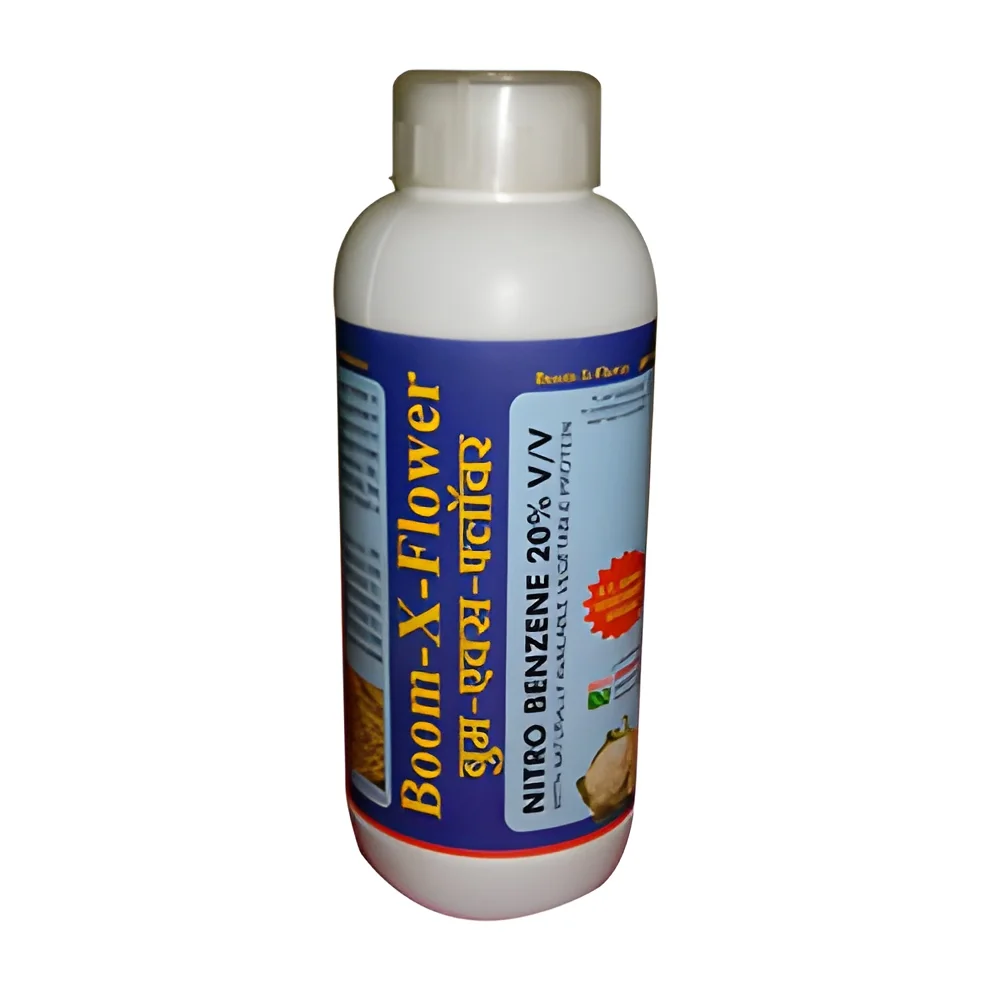
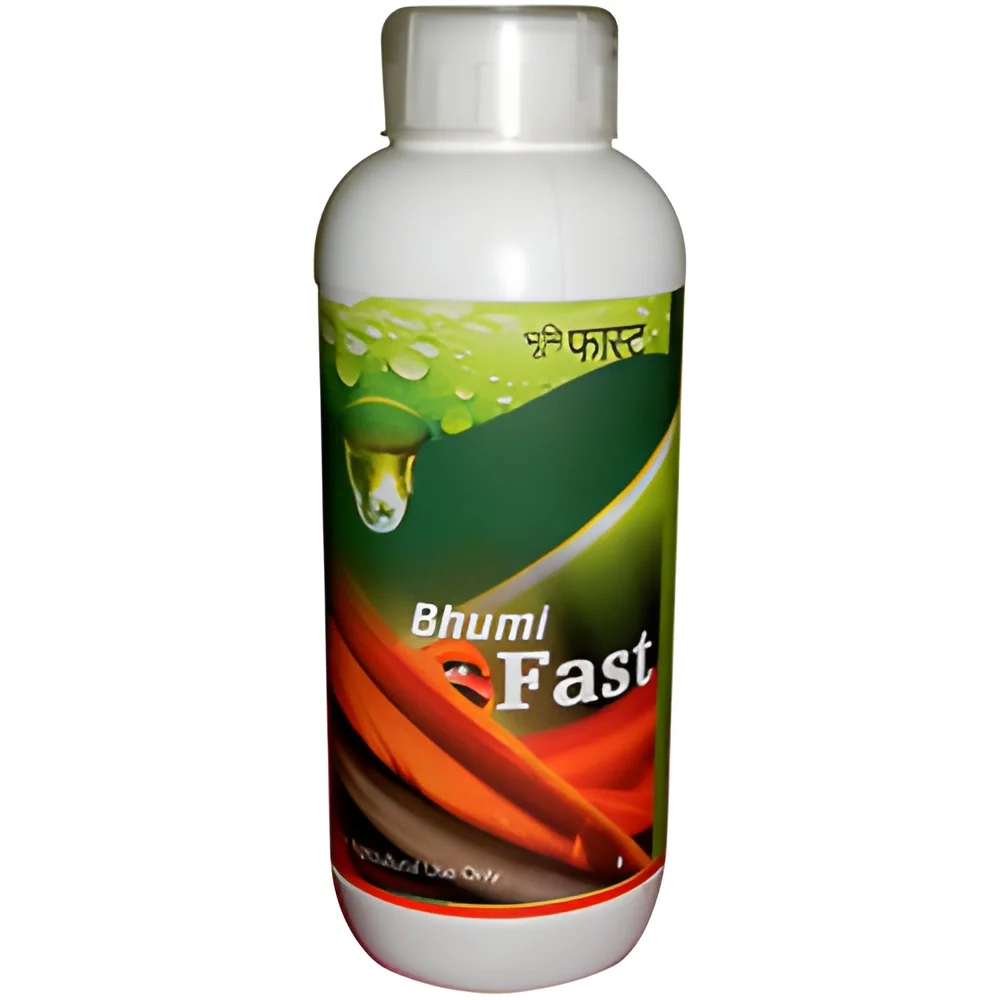
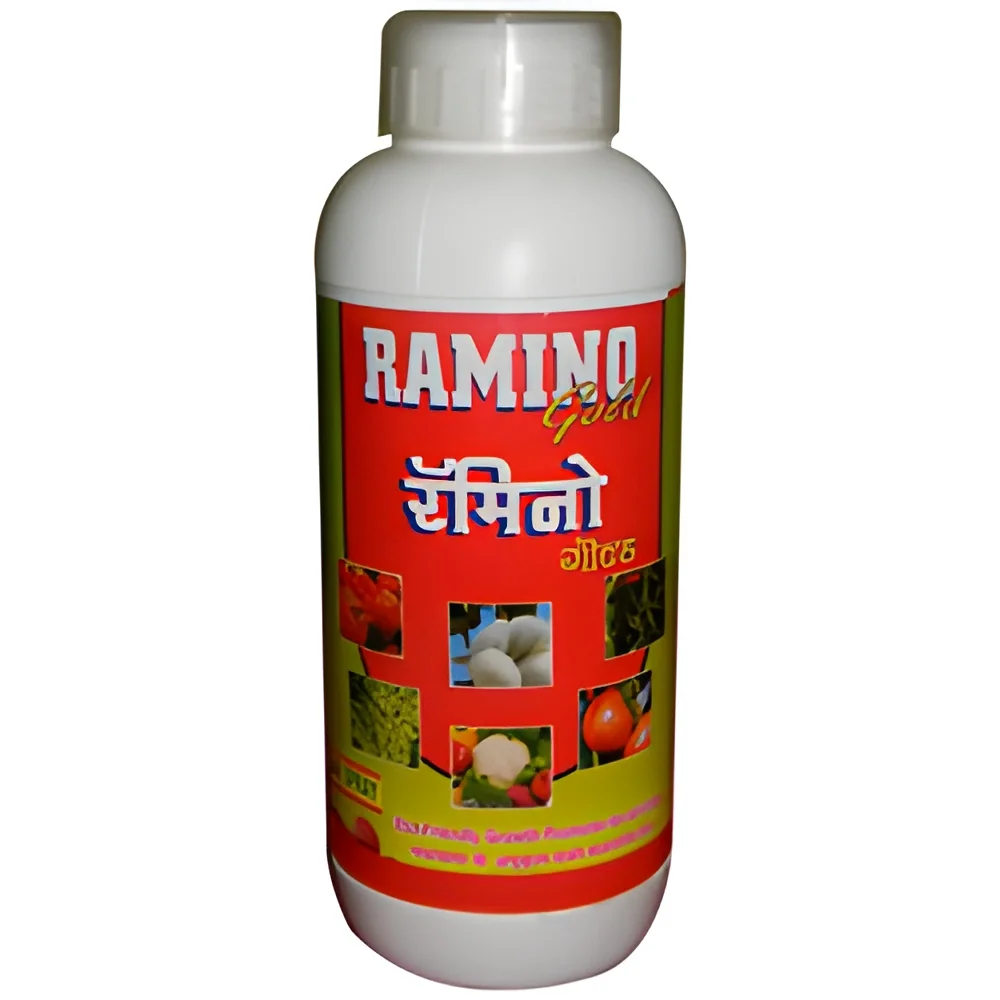
Growth Promoters
These PGRs enhance root development and overall plant vigor. They are particularly effective in promoting early growth stages, making them ideal for seedlings and young plants.
Flowering Inducers
Designed to promote flowering in various crops, these PGRs help optimize the timing and quality of blooms. They are commonly used in fruit and ornamental plant production.
Growth Inhibitors
These products control excessive growth by limiting stem elongation and branching. They are useful in maintaining desired plant height and structure, particularly in ornamental horticulture.
Benefits and Advantages
Plant Growth Regulators (PGRs) offer several key benefits that enhance agricultural productivity and plant health.
1. Increased Yields: PGRs can significantly boost crop yields by optimizing growth conditions and promoting healthier plants.
2. Improved Quality: These regulators enhance the quality of fruits and flowers, leading to better marketability and consumer satisfaction.
3. Resource Efficiency: By promoting efficient growth, PGRs help reduce the need for fertilizers and water, contributing to more sustainable farming practices.
4. Enhanced Stress Resistance: PGRs can improve a plant's ability to withstand environmental stresses such as drought and disease, leading to more resilient crops.
5. Uniform Growth: PGRs facilitate uniformity in growth patterns, which is essential for harvesting and processing.
6. Cost-Effectiveness: By maximizing growth efficiency, PGRs can lead to reduced labor and resource costs, improving overall profitability for producers.
Buying Guide for B2B Buyers
When sourcing Plant Growth Regulators (PGRs), it is essential for B2B buyers to consider several critical factors.
1. Quality Assessment: Ensure that PGRs meet industry standards and quality benchmarks. Look for suppliers offering reliable products backed by research and customer testimonials.
2. Supplier Verification: Vet suppliers based on their reputation, certifications, and experience in the industry. A reliable supplier should provide a transparent sourcing process.
3. Pricing and MOQ: Understand the pricing structure and minimum order quantities. Compare costs across suppliers to find the best value for your investment.
4. Delivery and Lead Times: Evaluate the logistics capabilities of suppliers, including delivery schedules and lead times. Timely delivery is crucial for maintaining production schedules.
5. Compliance Requirements: Ensure that PGRs comply with relevant regulations and safety standards. Familiarize yourself with any necessary certifications and regional compliance issues.
Compliance and Certifications
Compliance with industry standards and certifications is critical for Plant Growth Regulators (PGRs). Many PGRs adhere to quality standards such as ISO 9001, which ensures consistent quality management processes.
In addition to ISO certifications, PGRs may also hold industry-specific certifications like CE and UL. These certifications indicate compliance with safety and performance standards, ensuring that products are safe for use in agricultural applications.
Safety and testing requirements are paramount in the manufacturing of PGRs. Regular testing ensures that these products do not pose risks to users or the environment. Furthermore, regional compliance considerations must also be addressed, as regulations can vary significantly between countries and regions.
Why Source Plant Growth Regulators (PGRs) from Pepagora?
Pepagora provides a trusted platform for sourcing Plant Growth Regulators (PGRs) with several key advantages.
Verified Supplier Network: Pepagora connects buyers with a network of verified suppliers. This network ensures that all suppliers meet rigorous quality and safety standards, giving buyers confidence in their sourcing decisions.
Streamlined RFQ Process: The Request for Quotation (RFQ) process on Pepagora is designed to be straightforward and efficient. Buyers can easily submit their requirements and receive competitive quotes from multiple suppliers.
Trade Assurance and Support: Pepagora offers trade assurance to protect buyers throughout the purchasing process. This support includes assistance with payment and logistics, ensuring a smooth transaction.
Regional Coverage: With a strong presence in India, the GCC, and Southeast Asia, Pepagora provides comprehensive regional coverage. This geographic reach facilitates access to a wide array of PGRs tailored to local agricultural practices and needs.

 IN
IN