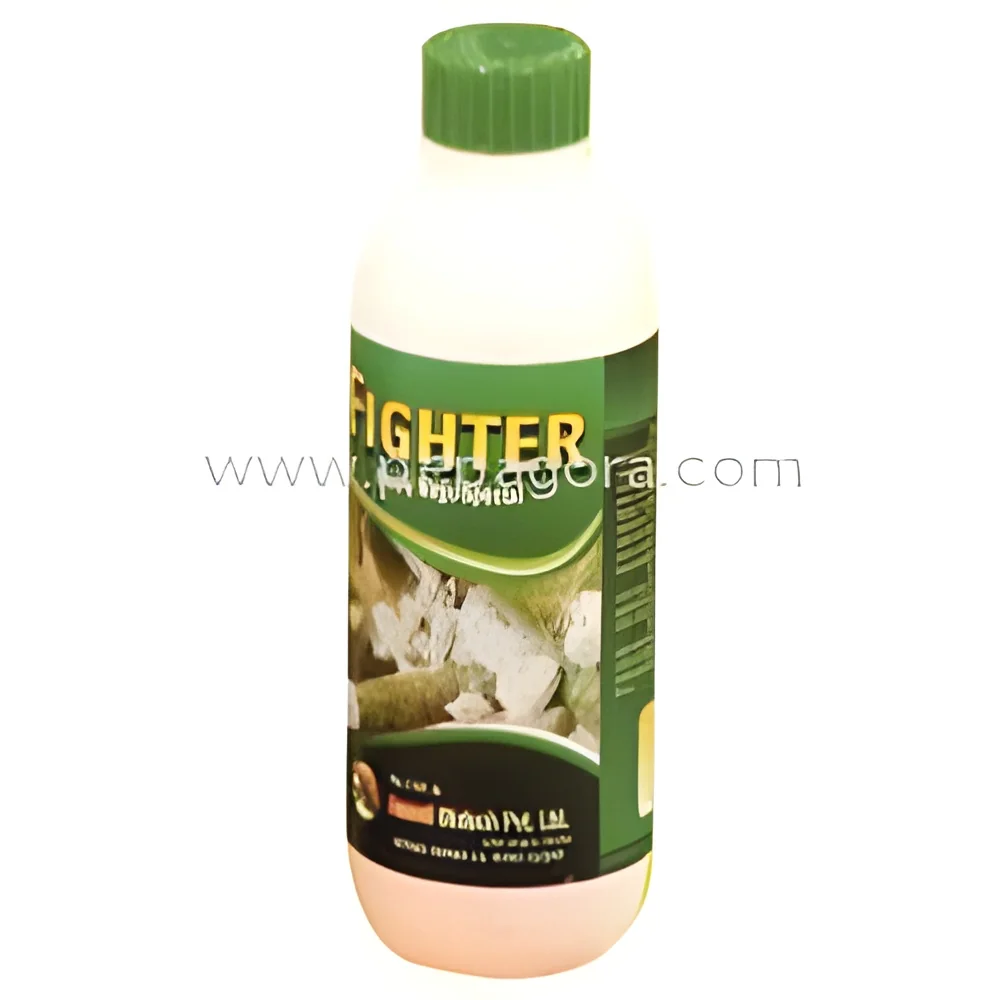
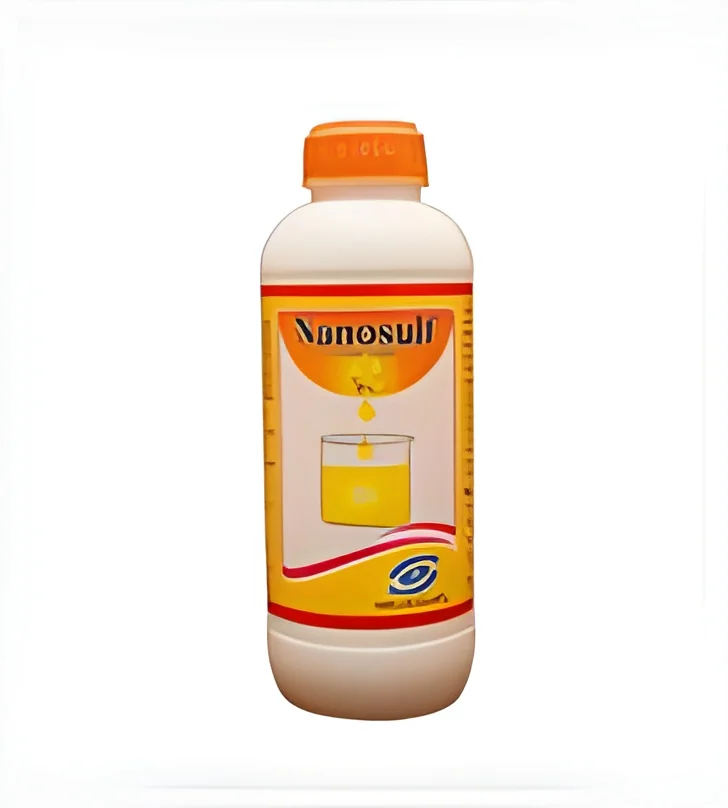
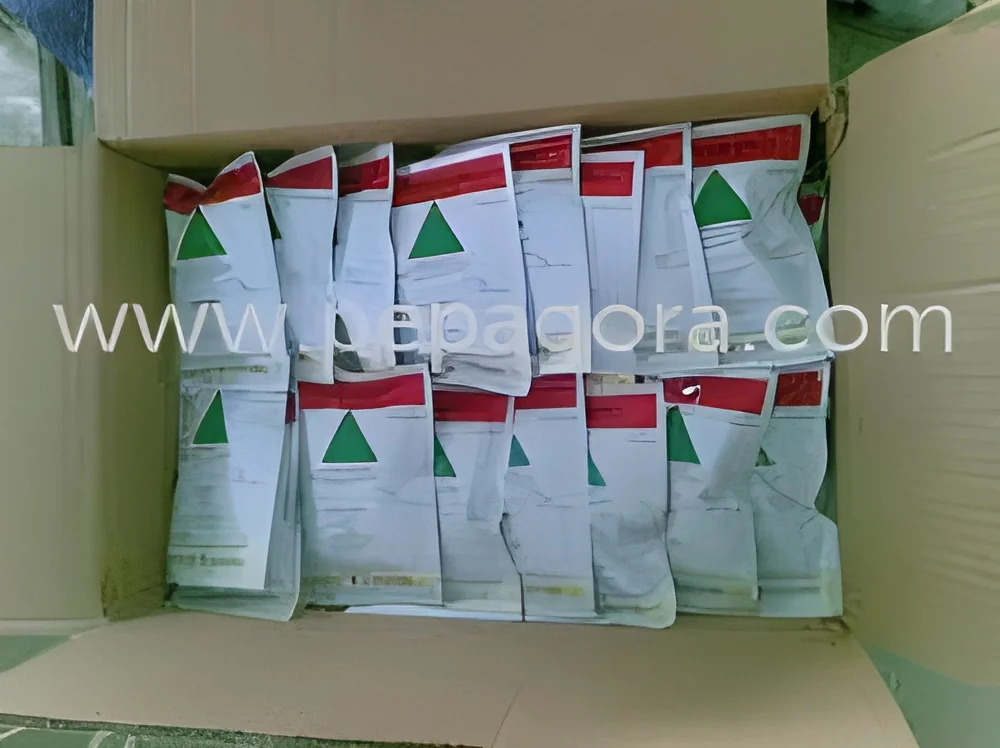
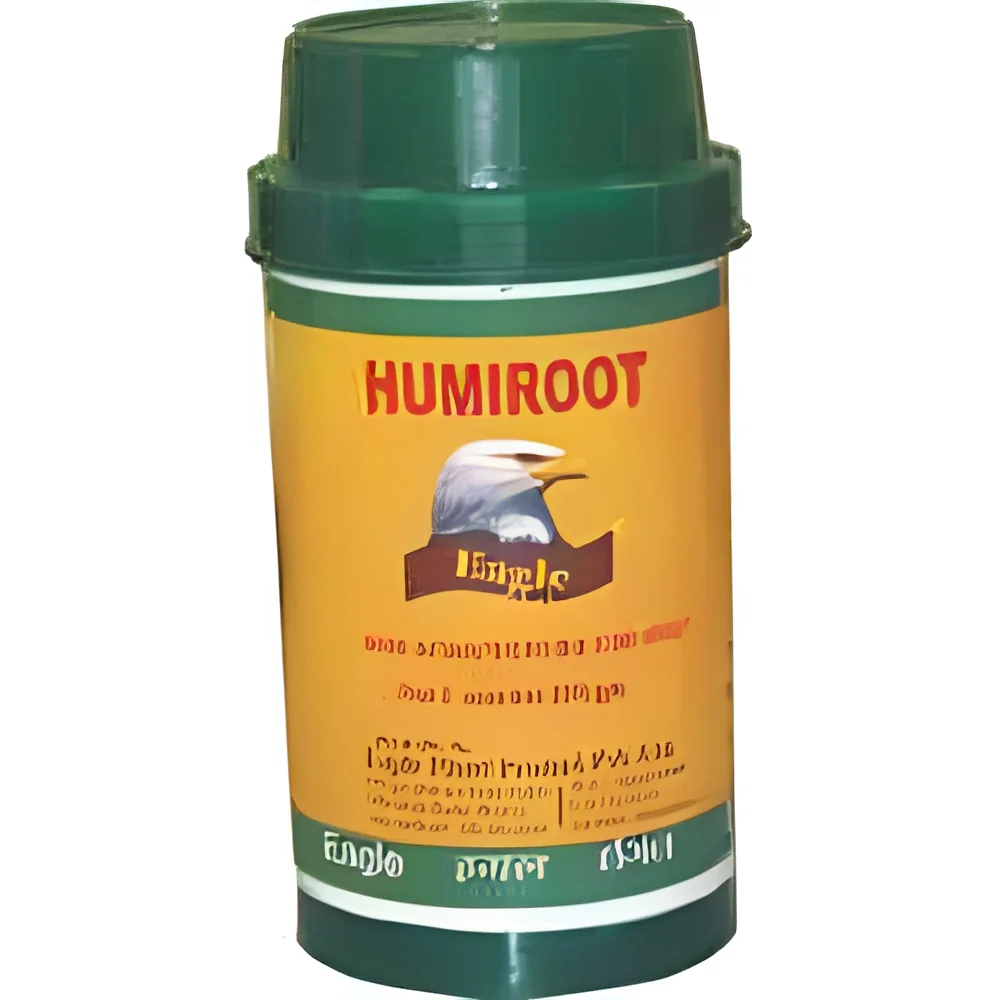
What are Other Agrochemicals?
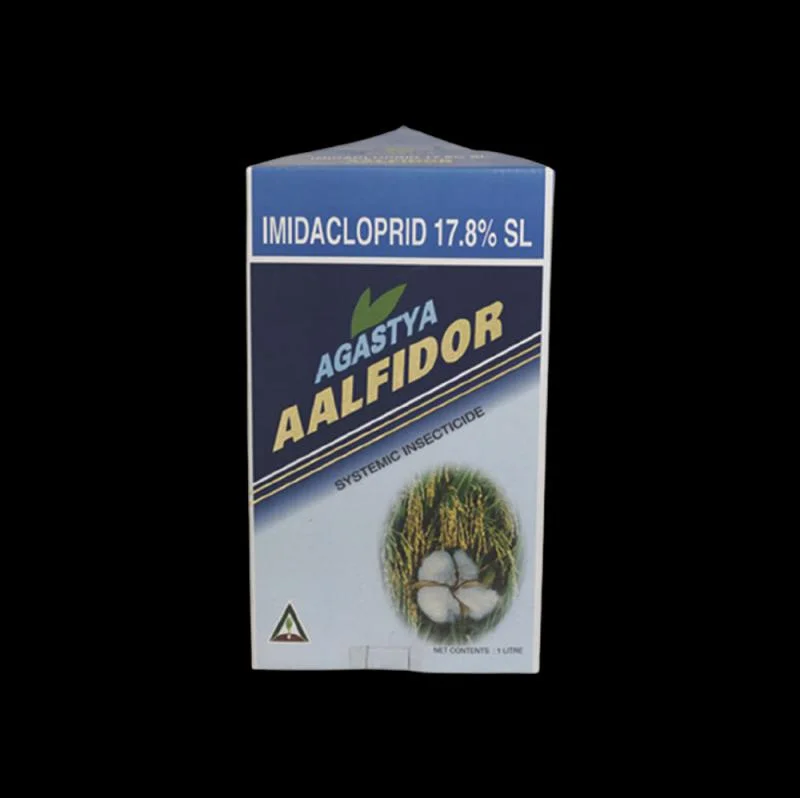
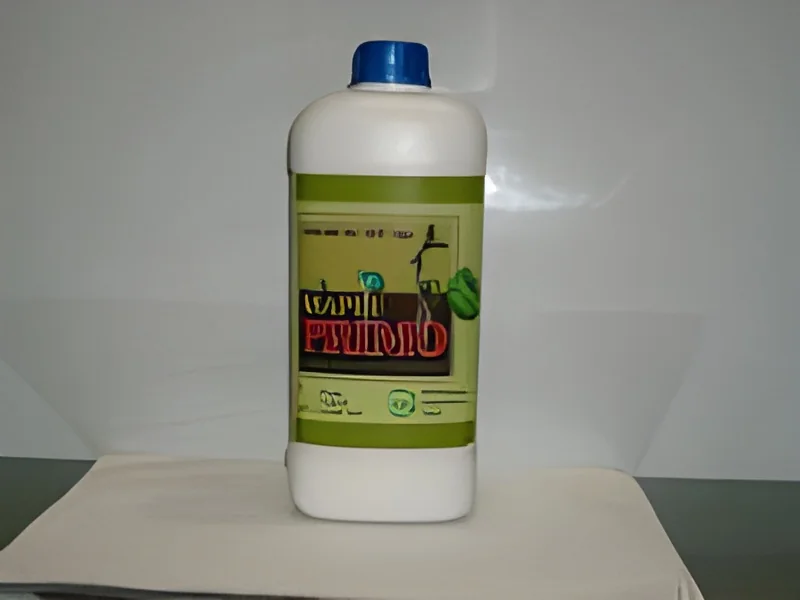
Other agrochemicals refer to a broad range of chemical products used in agriculture to enhance crop production and protect plants from pests, diseases, and weeds. This category encompasses various substances, including growth regulators, soil conditioners, and biostimulants, which do not fall under traditional pesticides or fertilizers. These products play a vital role in modern farming practices, helping farmers maximize yield while ensuring sustainable agricultural methods.
The primary uses of other agrochemicals include improving plant growth, enhancing nutrient uptake, and increasing resistance to environmental stressors. They are commonly applied in both large-scale commercial agriculture and smaller farming operations. Businesses in sectors such as horticulture, viticulture, and organic farming utilize these products to boost productivity and crop quality. With increasing consumer demand for sustainably produced food, the agrochemical market is evolving, making these products crucial for meeting agricultural needs.
In the context of the industry, other agrochemicals are gaining significant relevance as farmers seek innovative solutions to manage their crops effectively. The global market for agrochemicals continues to expand, driven by the need for increased agricultural productivity to support a growing population. Companies are increasingly focusing on eco-friendly formulations that align with regulatory requirements and consumer preferences for safer, sustainable agricultural practices.
Key Features and Specifications
Other agrochemicals come with a range of features and specifications that cater to various agricultural needs. Understanding these specifications is essential for businesses in making informed purchasing decisions.
Key specifications include:
1. Formulation Type
- Liquid, granular, or powder forms
- Varies based on application methods and target crops
2. Active Ingredients
- Specific chemicals that provide the intended effects
- Concentration levels influence efficacy
3. Application Rates
- Recommended dosage per hectare or acre
- Varies depending on crop type and growth stage
4. Compatibility
- Ability to mix with other agrochemicals
- Important for tank mixing and integrated pest management
5. Shelf Life
- Duration for which the product remains effective
- Indicates appropriate storage conditions and handling
6. Environmental Impact
- Assessments of toxicity and biodegradability
- Regulatory compliance regarding environmental safety
7. Packaging Options
- Size and type of containers
- Considerations for ease of transport and storage
8. Certification
- Compliance with industry standards and regulations
- Ensures product quality and safety for users
In summary, understanding the key features and specifications of other agrochemicals enables businesses to select the most suitable products for their agricultural practices.
Common Applications and Use Cases
Other agrochemicals find application across various industries, providing solutions tailored to specific agricultural challenges.
1. Horticulture: In horticultural practices, these products are used to enhance growth rates, improve flowering, and increase fruit quality in plants such as vegetables and ornamental flowers.
2. Viticulture: In vineyards, other agrochemicals help manage vine health, optimize grape quality, and enhance resistance to diseases, ultimately contributing to better wine production.
3. Organic Farming: These products play a crucial role in organic agriculture, providing natural growth enhancers and soil conditioners that comply with organic certification standards.
4. Turf Management: In landscaping and turf care, other agrochemicals are used to maintain healthy grass and prevent pest infestations, ensuring aesthetically pleasing outdoor spaces.
5. Greenhouse Production: Within controlled environments, these agrochemicals support plant growth by regulating humidity and temperature, leading to improved crop yields.
6. Crop Protection: They are widely used to protect crops from environmental stressors and diseases, contributing to overall farm productivity.
7. Soil Health: Certain formulations are designed to enhance soil structure and nutrient availability, promoting sustainable farming practices.
Product Variants and Subcategories
The diversity of other agrochemicals allows businesses to choose products that best fit their specific agricultural needs.
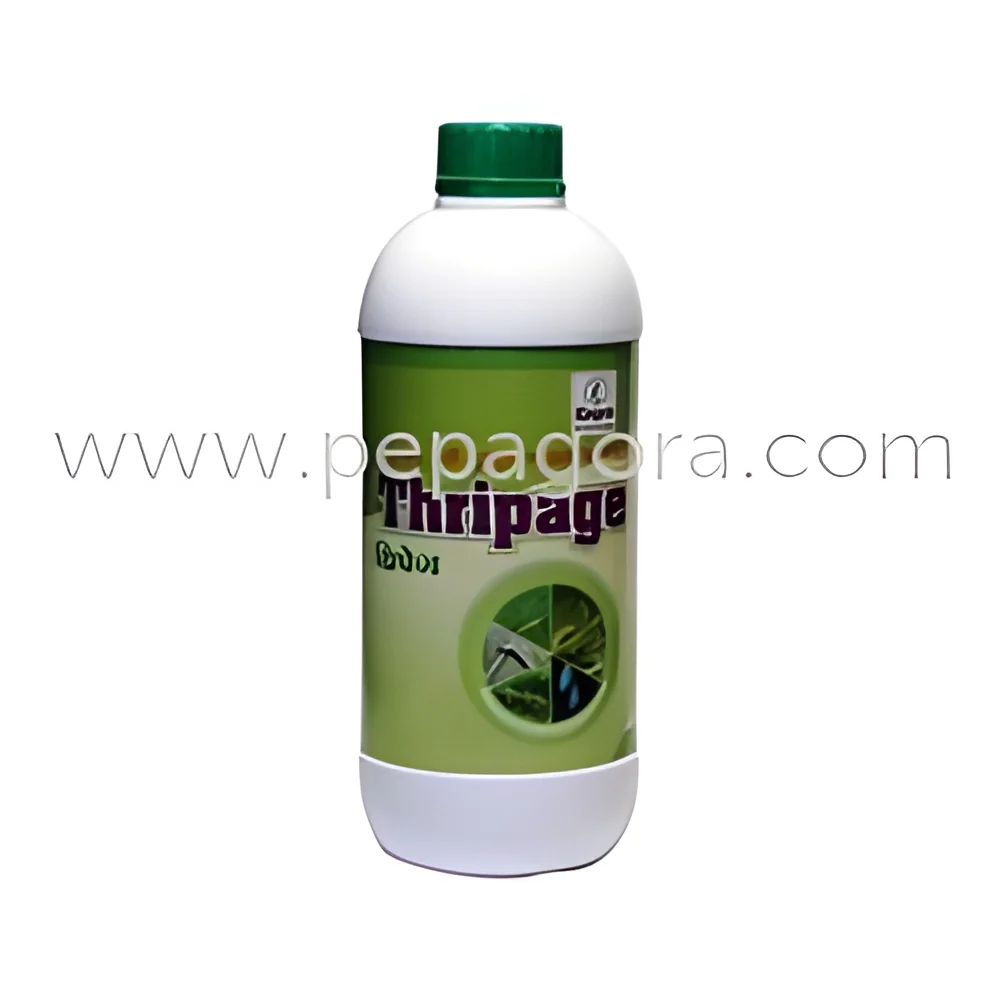
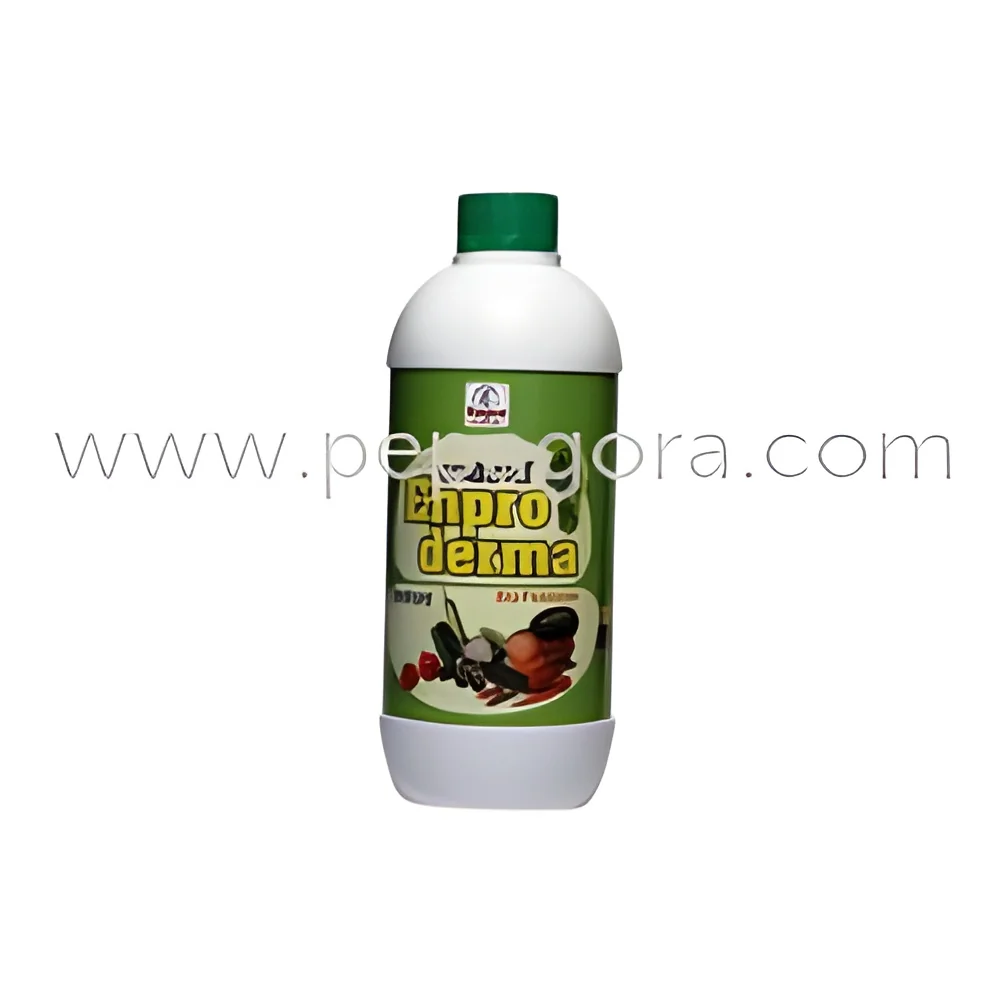
Liquid Formulations: These are easy to apply and often provide quick results. They are commonly used for foliar applications and soil treatments.
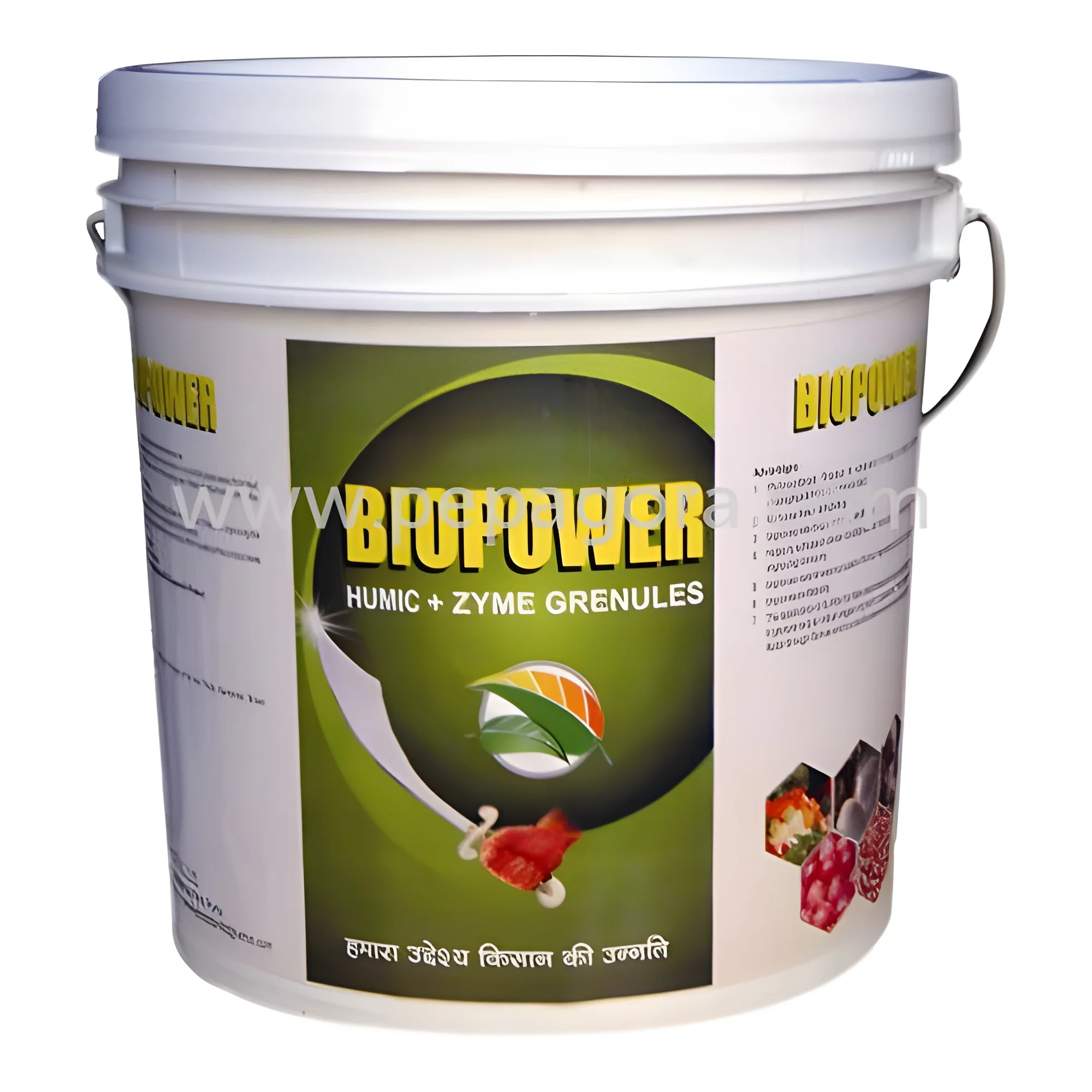
Granular Formulations: Granules offer slow-release benefits, making them suitable for soil application. They are effective for long-term nutrient release and pest control.
Powder Formulations: These are versatile and can be used for various applications, including as a dust or for mixing with liquids.
Benefits and Advantages
The benefits of using other agrochemicals are significant for agricultural businesses looking to improve efficiency and productivity.
1. Enhanced Crop Yields: These products can significantly boost crop production, allowing farmers to achieve higher outputs from their fields.
2. Improved Crop Quality: By addressing nutrient deficiencies and environmental stressors, other agrochemicals help produce healthier crops with better market value.
3. Pest and Disease Management: They provide effective solutions for controlling pests and diseases, minimizing crop loss and maintaining farm viability.
4. Sustainable Practices: Many formulations are designed with environmental safety in mind, aligning with sustainable agriculture goals.
5. Cost-Effectiveness: By improving crop performance, these products can lead to increased profitability for farmers.
6. Flexibility in Application: The variety of formulations allows for tailored applications based on specific crop requirements and growth stages.
Buying Guide for B2B Buyers
When sourcing other agrochemicals, B2B buyers should consider several critical factors to ensure they make informed purchasing decisions.
1. Quality Assessment: Evaluate the quality of the products by reviewing certifications and product testing results. Ensure that the agrochemicals meet industry standards for efficacy and safety.
2. Supplier Verification: Conduct thorough vetting of potential suppliers. Check their reputation, customer feedback, and compliance with industry regulations to ensure reliability.
3. Pricing and MOQ: Understand the pricing structure and minimum order quantities (MOQ) required by suppliers. This information will help in budgeting and planning purchases.
4. Delivery and Lead Times: Discuss logistics with suppliers, including delivery schedules and lead times. Timely delivery is crucial for maintaining agricultural operations.
5. Compliance Requirements: Familiarize yourself with the regulatory landscape governing agrochemicals in your region. Ensure that the products comply with local and international regulations.
Compliance and Certifications
Compliance with industry standards and certifications is critical in the agrochemical sector. Key quality standards include ISO 9001, which ensures a quality management system for organizations, and HACCP guidelines that focus on food safety. Certifications such as CE demonstrate compliance with European safety standards.
Safety and testing requirements are essential for ensuring that agrochemicals are safe for use and do not pose risks to human health or the environment. Regional compliance considerations may vary, so it is important to stay informed about local regulations and industry best practices.
Why Source Other Agrochemicals from Pepagora?
Pepagora provides a trusted platform for sourcing other agrochemicals, offering several key advantages to B2B buyers.
Verified Supplier Network: Pepagora connects buyers with a network of verified suppliers, ensuring that products meet high-quality standards and regulatory requirements. This verification process reduces the risk of sourcing unreliable products.
Streamlined RFQ Process: The request for quotation (RFQ) system simplifies the procurement process, allowing buyers to receive competitive quotes from multiple suppliers. This efficiency helps buyers make informed financial decisions.
Trade Assurance and Support: Pepagora offers trade assurance and buyer protection, providing peace of mind when sourcing agrochemicals. Buyers can trust that their purchases are secure and that they will receive the products as specified.
Regional Coverage: With a strong presence in regions such as India, the GCC, and Southeast Asia, Pepagora ensures that buyers have access to a wide range of products tailored to their local agricultural needs. This geographic reach enhances opportunities for businesses seeking reliable agrochemical solutions.

 IN
IN